
Mrs. D's Absolutism and Enlightenment Quiz
Authored by Gail EastMillbrookMS
History
7th Grade
CCSS covered
Used 23+ times


AI Actions
Add similar questions
Adjust reading levels
Convert to real-world scenario
Translate activity
More...
Content View
Student View
60 questions
Show all answers
1.
MULTIPLE CHOICE QUESTION
45 sec • 1 pt
Enlightened thinkers based their philosophical beliefs on what two things?
Tags
CCSS.RI.6.8
CCSS.RI.7.1
CCSS.RI.7.8
CCSS.RL.6.1
CCSS.RL.7.1
2.
MULTIPLE CHOICE QUESTION
45 sec • 1 pt
Which of the following is an example of an “unlimited government?”
3.
MULTIPLE CHOICE QUESTION
45 sec • 1 pt
Many rulers came to power believing that their right to lead came from God. This is an example of:
4.
MULTIPLE CHOICE QUESTION
45 sec • 1 pt
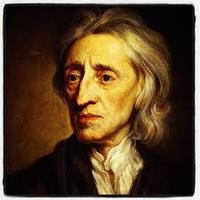
An English Enlightenment philosopher who believed people had natural rights of life, liberty, and property.
John Locke
Montesquieu
Rousseau
Voltaire
5.
MULTIPLE CHOICE QUESTION
45 sec • 1 pt

A French philosopher who believed in limited government and was against absolute monarchy. He believed that government should be divided into separate branches that shared power.
John Locke
Montesquieu
Rousseau
Voltaire
6.
MULTIPLE CHOICE QUESTION
45 sec • 1 pt

Enlightenment philosopher who believed people give the government the ability to rule and in return the government should protect will of the people (social contract).
John Locke
Montesquieu
Rousseau
Voltaire
7.
MULTIPLE CHOICE QUESTION
45 sec • 1 pt
Social Contract
Government protects people and in return, people follow (give power to) the government
Government protects people and people don't complain.
People cannot trust government.
People must trust the government and obey the government.
Access all questions and much more by creating a free account
Create resources
Host any resource
Get auto-graded reports

Continue with Google

Continue with Email

Continue with Microsoft
or continue with

%20(1).png)
Apple

Others
By signing up, you agree to our Terms of Service & Privacy Policy
Already have an account?


