
Astronomy Mid Unit review
Authored by Elizabeth Cheung
Science
10th Grade


AI Actions
Add similar questions
Adjust reading levels
Convert to real-world scenario
Translate activity
More...
Content View
Student View
32 questions
Show all answers
1.
MULTIPLE CHOICE QUESTION
1 min • 1 pt
_____________ are made of gases, dust, and billions of stars and have different shapes.
Universe
galaxies
solar systems
planets
2.
MULTIPLE CHOICE QUESTION
1 min • 1 pt
Meteors are chunks of rock that
land on a moon or planets surface.
is orbiting in space around the Sun.
burns up as it enters Earth's atmosphere.
3.
MULTIPLE CHOICE QUESTION
1 min • 1 pt
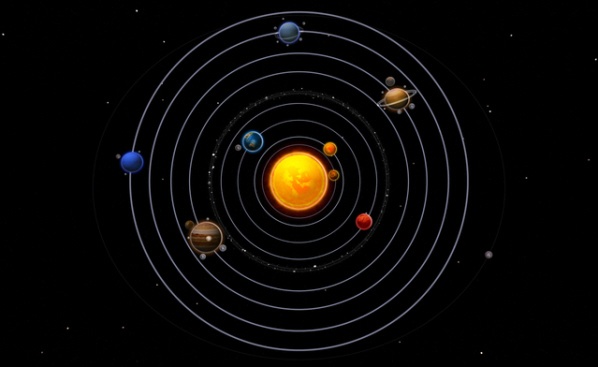
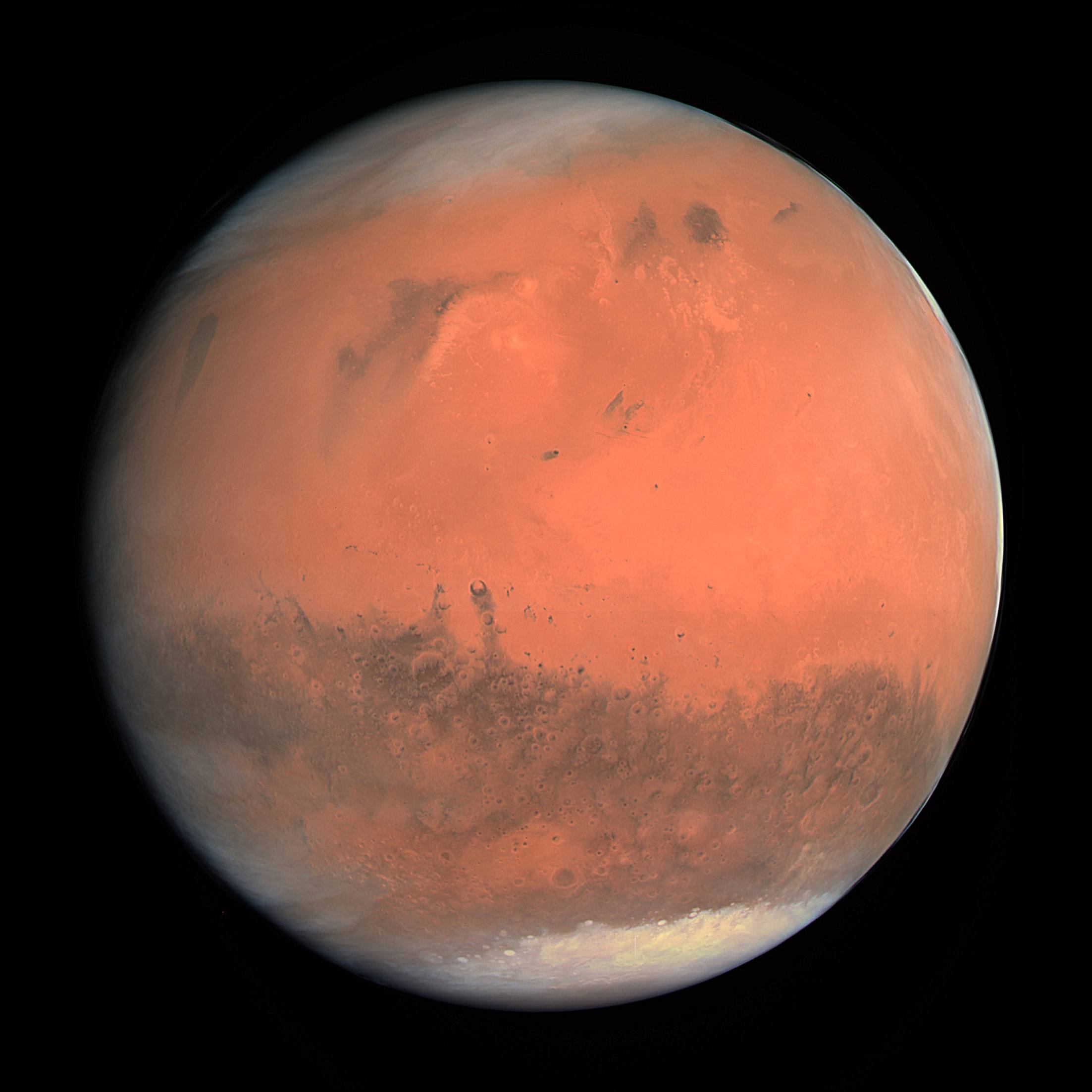
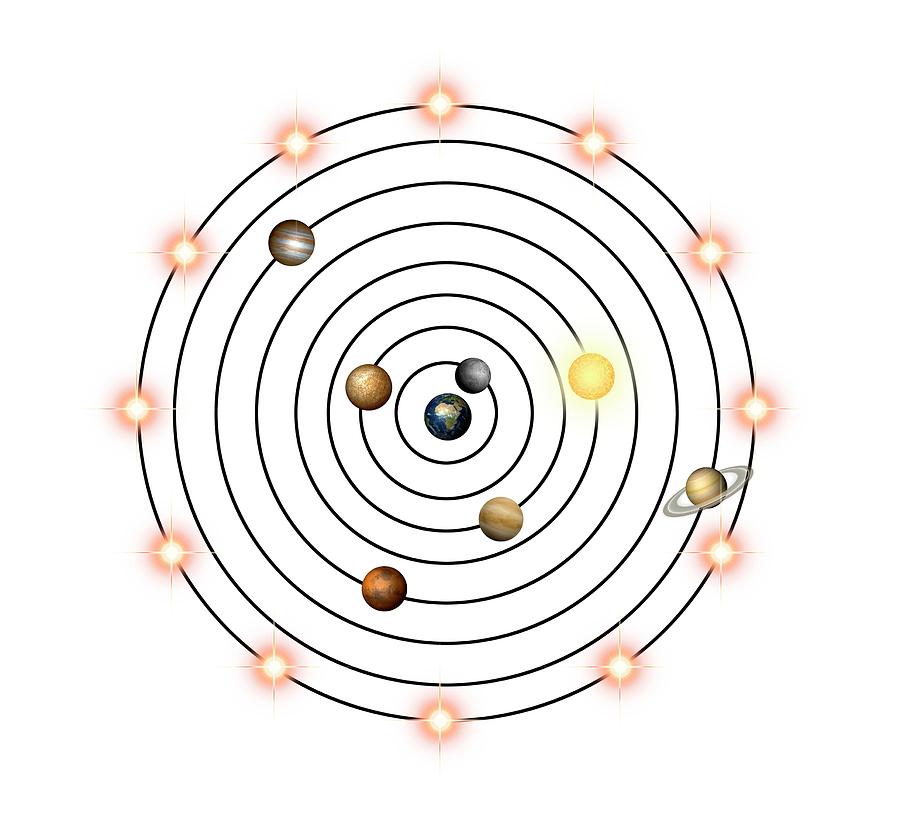
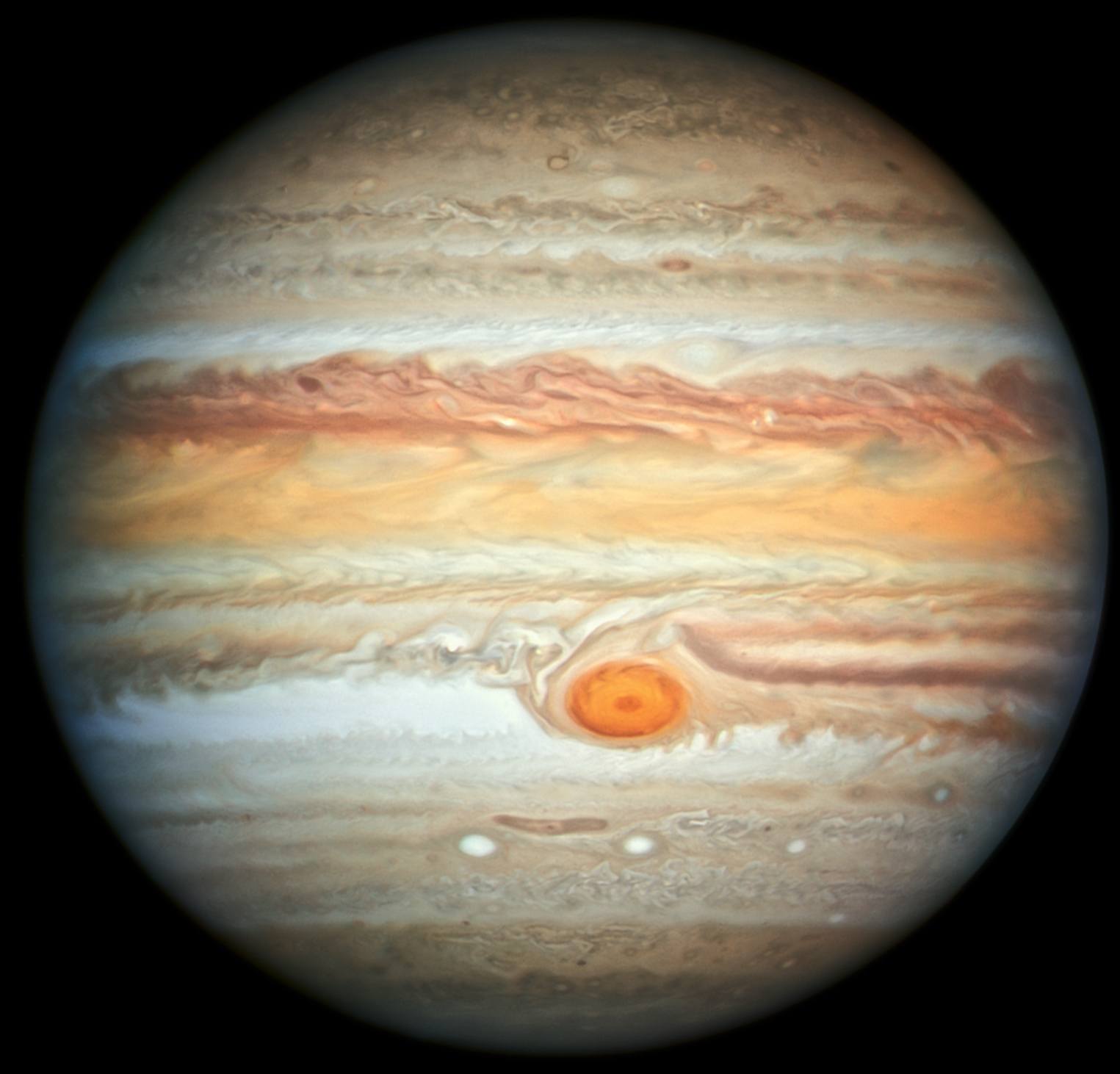
What does the Heliocentric system look like?


4.
MULTIPLE CHOICE QUESTION
1 min • 1 pt
What does the Geocentric system look like?
5.
MULTIPLE CHOICE QUESTION
1 min • 1 pt
What is the biggest difference between the Geocentric Model and the Heliocentric Model?
the shape of the planets' orbits
the movement of the moon
the center of the solar system
6.
MULTIPLE CHOICE QUESTION
1 min • 1 pt
The planets in our solar system orbit in an ellipse with the ______ at one of the two foci.
Center
Asteroid
Sun
Core
7.
MULTIPLE CHOICE QUESTION
1 min • 1 pt
The place where a planet is closest to the Sun as it orbits the Sun is called the

Access all questions and much more by creating a free account
Create resources
Host any resource
Get auto-graded reports

Continue with Google

Continue with Email

Continue with Classlink

Continue with Clever
or continue with

Microsoft
%20(1).png)
Apple

Others
Already have an account?
Similar Resources on Wayground

28 questions
Year 10 Chemistry Topic 1-3

Quiz
•
10th Grade
30 questions
Nutrient Cycles Practice Quiz
Quiz
•
9th - 10th Grade
27 questions
Cell Structure & Function
Quiz
•
10th Grade
27 questions
SCIENCE 4
Quiz
•
4th Grade - University
27 questions
DNA Structure and Function EOC
Quiz
•
9th - 12th Grade
27 questions
Structure of DNA and Genes
Quiz
•
9th - 12th Grade
27 questions
Structure Function DNA
Quiz
•
9th - 12th Grade
34 questions
Chemical Reactions and Equations _LS_2
Quiz
•
10th Grade
Popular Resources on Wayground
7 questions
History of Valentine's Day

Interactive video
•
4th Grade
15 questions
Fractions on a Number Line
Quiz
•
3rd Grade
20 questions
Equivalent Fractions
Quiz
•
3rd Grade
25 questions
Multiplication Facts
Quiz
•
5th Grade
22 questions
fractions
Quiz
•
3rd Grade
15 questions
Valentine's Day Trivia
Quiz
•
3rd Grade
20 questions
Main Idea and Details
Quiz
•
5th Grade
20 questions
Context Clues
Quiz
•
6th Grade
Discover more resources for Science
10 questions
Exploring Weathering, Erosion, and Deposition Processes
Interactive video
•
6th - 10th Grade
10 questions
Exploring Mendelian Genetics and Punnett Squares
Interactive video
•
6th - 10th Grade
10 questions
Exploring Light and Waves Concepts
Interactive video
•
6th - 10th Grade
35 questions
DNA Structure and Replication
Quiz
•
10th Grade
10 questions
Distinguishing Natural Hazards from Disasters
Interactive video
•
6th - 10th Grade
89 questions
Unit 1 (Ch 2 & 3) Test Review - Water/Ocean Currents
Quiz
•
9th - 12th Grade
48 questions
Review for Homeostasis & Interacting Systems Test
Quiz
•
9th - 12th Grade
10 questions
Exploring Protein Synthesis: Transcription and Translation
Interactive video
•
10th Grade