
THE ENLIGHTENMENT
12th Grade
•14 Qs

Similar activities
H.Gov't Chapter 14 Sec 3&4
9th - 12th Grade
•15 Qs
Q1 Benchmark Review WH
10th - 12th Grade
•18 Qs
U.S. Imperialism
9th - 12th Grade
•15 Qs
Andrew Carnegie
7th - 12th Grade
•10 Qs
Introduction to the Electoral College
9th - 12th Grade
•10 Qs
Atlantic Slave Trade Context Quiz
9th - 12th Grade
•10 Qs
Archaeology
1st - 12th Grade
•10 Qs
Unit 10 - World Affairs
KG - University
•16 Qs
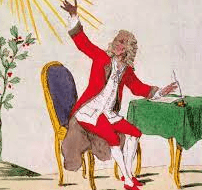
THE ENLIGHTENMENT

Quiz
•
History
•
12th Grade
•
Practice Problem
•
Medium

Ariel Watson
Used 2+ times
FREE Resource

Enhance your content in a minute
14 questions
Show all answers
1.
MULTIPLE CHOICE QUESTION
30 sec • 1 pt
An intellectual movement that began in Europe.
The Enlightenment
The Great Awakening
2.
MULTIPLE SELECT QUESTION
30 sec • 1 pt

The Enlightenment would have a major influence on which conflicts?
30 Years War
The Seven Years War
American Revolution
French Revolution
3.
MULTIPLE CHOICE QUESTION
30 sec • 1 pt

While many ideas of the Enlightenment spread via letters, meetings in coffee/tea houses in France ideas of the Enlightenment also spread via meeting in upper class homes hosted by woman known as what movement?
Barber Shop
Confession
Convention
Solan
4.
MULTIPLE CHOICE QUESTION
30 sec • 1 pt
Caused people to question traditional authority.
The Enlightenment
The Great Awakening
Both
5.
MULTIPLE CHOICE QUESTION
30 sec • 1 pt

Adam Smith's most famous work on economics is?
The Art of The Deal
Wealth of Nations
The Social Contract
Vindication of the Rights of Woman
6.
MULTIPLE CHOICE QUESTION
30 sec • 1 pt
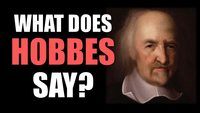
How did Hobbes view human nature?
7.
MULTIPLE CHOICE QUESTION
30 sec • 1 pt
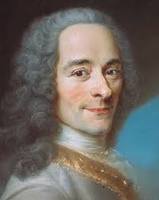
Enlightenment philosopher who did not agree with censorship.


Access all questions and much more by creating a free account
Create resources
Host any resource
Get auto-graded reports

Continue with Google

Continue with Email

Continue with Classlink

Continue with Clever
or continue with

Microsoft
%20(1).png)
Apple

Others
Already have an account?
Similar Resources on Wayground
11 questions
MANGROVES
Quiz
•
12th Grade
17 questions
Socialism in Europe and the Russian Revolution 1
Quiz
•
9th Grade - Professio...
12 questions
Konark Sun Temple
Quiz
•
6th - 12th Grade
10 questions
Cold War and Life in the 50s
Quiz
•
10th - 12th Grade
15 questions
Republic day Quiz
Quiz
•
9th - 12th Grade
16 questions
Thinkers Beliefs and Buildings 1
Quiz
•
10th Grade - Professi...
19 questions
The Age of Industrialisation Part 5
Quiz
•
10th Grade - Professi...
15 questions
Ancient civilizations
Quiz
•
KG - Professional Dev...
Popular Resources on Wayground
15 questions
Fractions on a Number Line
Quiz
•
3rd Grade
20 questions
Equivalent Fractions
Quiz
•
3rd Grade
25 questions
Multiplication Facts
Quiz
•
5th Grade
22 questions
fractions
Quiz
•
3rd Grade
20 questions
Main Idea and Details
Quiz
•
5th Grade
20 questions
Context Clues
Quiz
•
6th Grade
15 questions
Equivalent Fractions
Quiz
•
4th Grade
20 questions
Figurative Language Review
Quiz
•
6th Grade
