
Joints, Growth and Repair, Fractures
Authored by Dylan Riley
Science
9th - 12th Grade
Used 1+ times


AI Actions
Add similar questions
Adjust reading levels
Convert to real-world scenario
Translate activity
More...
Content View
Student View
10 questions
Show all answers
1.
MATCH QUESTION
1 min • 1 pt
Match the following
Synovial joint
Least movable; filled with fibrous connective tissue
Cartilaginous joint
Most movable; filled with synovial fluid
Fibrous joint
Middle movability; filled with cartilage
2.
MATCH QUESTION
1 min • 1 pt
Match the following
Synarthrosis
Synovial joints are also called
Diarthrosis
Cartilaginous joints are also called
Amphiarthrosis
Fibrous joints are also called
3.
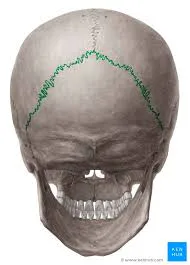
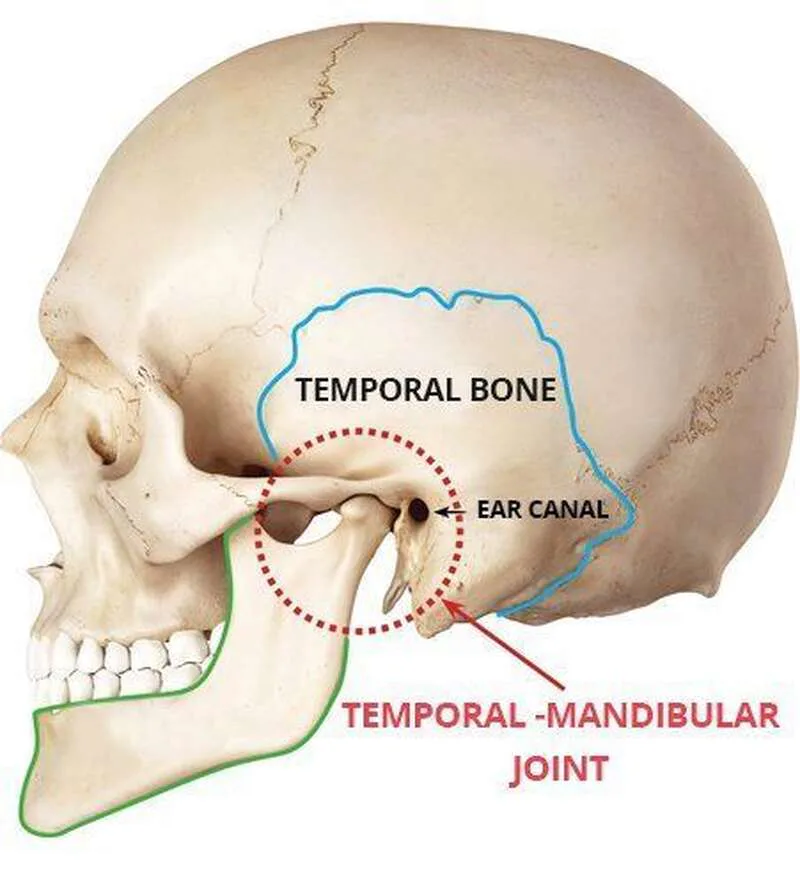
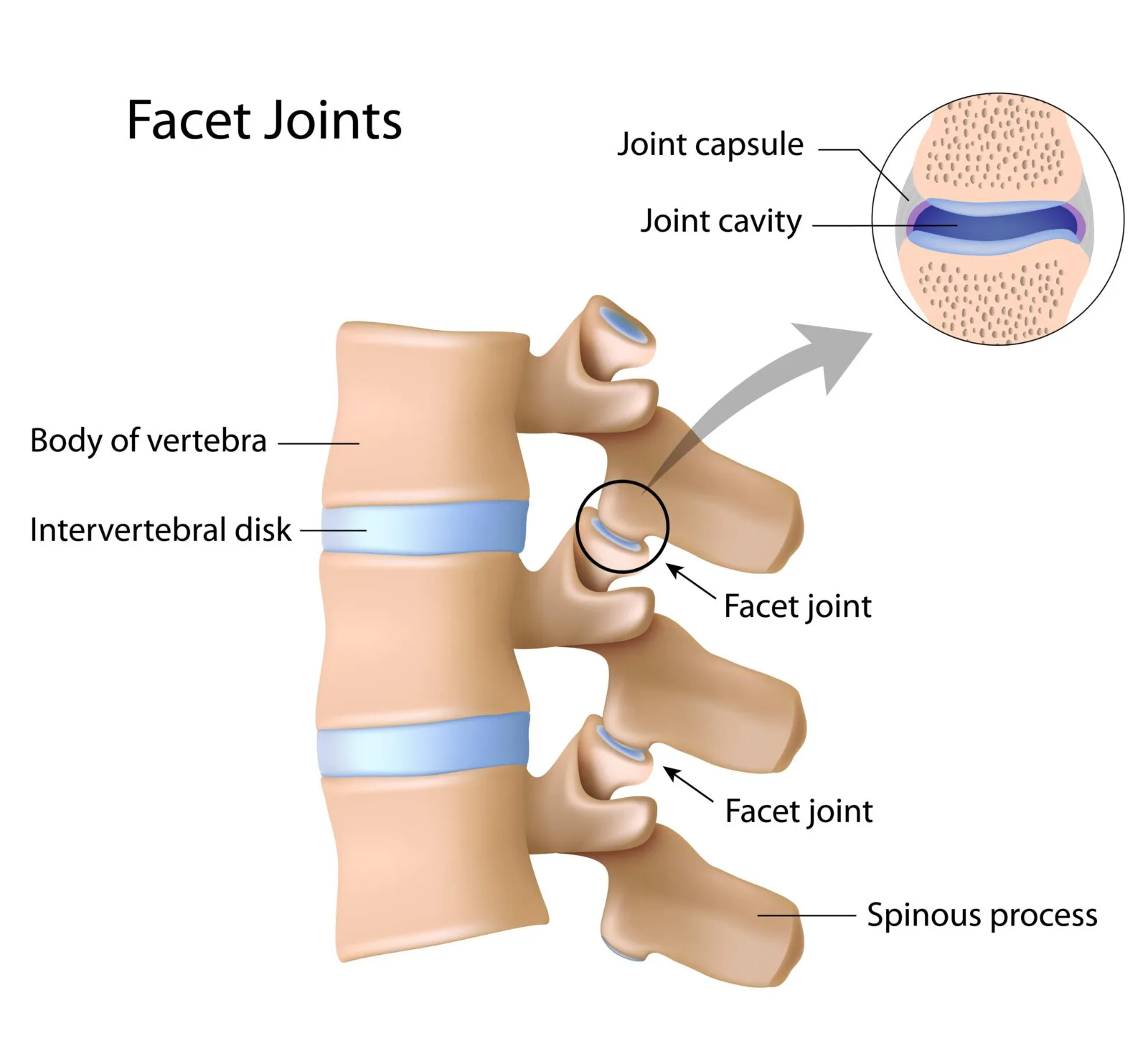
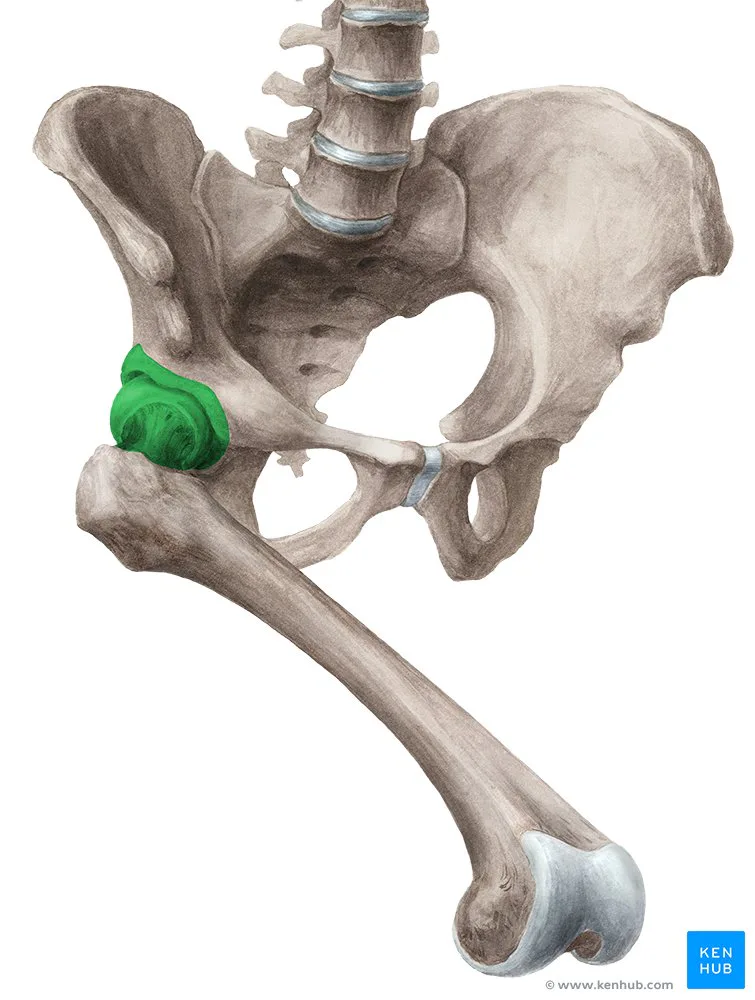
CATEGORIZE QUESTION
3 mins • 1 pt
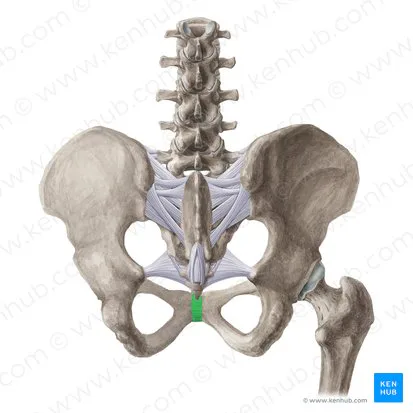
Organize these options into the right categories
Groups:
(a) Synovial
,
(b) Fibrous
,
(c) Cartilaginous
4.
MATCH QUESTION
1 min • 1 pt
Match the following
Osteocyte
mature bone cells
Osteoclast
clean away old bone
Osteoblast
stem cells that divide to form osteoblasts
Osteogenic cell
build new bone
5.
MULTIPLE CHOICE QUESTION
30 sec • 1 pt
What is the formation of bone from cartilage?
6.
REORDER QUESTION
1 min • 1 pt
Reorder the following steps of ossification.
Cartilage model forms where bone will eventually be
Osteoclasts clean away some newly formed bone in the diaphysis, forming the medullary cavity
Blood vessels enter the center of the diaphysis, forming the primary ossification center (where ossification of the diaphysis begins)
Ossification of the epiphyses begins and only articular cartilage is left
Perichondrium forms around cartilage then turns to bone called periosteum
7.
REORDER QUESTION
1 min • 1 pt
Reorder the following steps of bone repair
Chondroblasts begin to produce a bulging cartilage matrix connecting the broken ends making a soft callus (temporary splint)
Hematoma (blood clot) forms
Osteoblasts begin producing osteoid, replacing the soft callus with a bone (hard) callus
Bone remodeling occurs to clean away excess bone callus and hollow out the medullary cavity
Access all questions and much more by creating a free account
Create resources
Host any resource
Get auto-graded reports

Continue with Google

Continue with Email

Continue with Microsoft
or continue with

%20(1).png)
Apple

Others
By signing up, you agree to our Terms of Service & Privacy Policy
Already have an account?


