
Bioluminescence and Fluorescence in Animals

Interactive Video
•
Biology, Science
•
6th - 10th Grade
•
Practice Problem
•
Hard

Lucas Foster
FREE Resource
Read more
10 questions
Show all answers
1.
MULTIPLE CHOICE QUESTION
30 sec • 1 pt
Which of the following animals is NOT mentioned as glowing in the dark?
Jellyfish
Mushrooms
Bacteria
Birds
2.
MULTIPLE CHOICE QUESTION
30 sec • 1 pt
What are the two compounds involved in the bioluminescence chemical reaction?
Chlorophyll and Hemoglobin
Luciferin and Luciferase
Adrenaline and Dopamine
Keratin and Melanin
3.
MULTIPLE CHOICE QUESTION
30 sec • 1 pt
In which part of the ocean do most bioluminescent animals live?
Epipelagic Zone
Dysphotic Zone
Abyssal Zone
Bathypelagic Zone
4.
MULTIPLE CHOICE QUESTION
30 sec • 1 pt
What is the primary reason fireflies use bioluminescence?
To attract prey
To navigate in the dark
To find a mate
To scare predators
5.
MULTIPLE CHOICE QUESTION
30 sec • 1 pt
What percentage of energy does an average household bulb waste on heat?
30%
50%
90%
70%
6.
MULTIPLE CHOICE QUESTION
30 sec • 1 pt
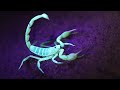
What is one theory about why scorpions fluoresce?
To scare away predators
To help them see in the dark
To communicate with other scorpions
To act as a sunscreen
7.
MULTIPLE CHOICE QUESTION
30 sec • 1 pt
What type of light do scorpions reflect?
Visible light
Ultraviolet light
X-ray light
Infrared light
Access all questions and much more by creating a free account
Create resources
Host any resource
Get auto-graded reports

Continue with Google

Continue with Email

Continue with Classlink

Continue with Clever
or continue with

Microsoft
%20(1).png)
Apple

Others
Already have an account?

