
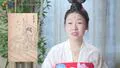
Disney Mulan’s Makeup Explained: Traditional Chinese Makeup

Interactive Video
•
History, Social Studies
•
10th - 12th Grade
•
Practice Problem
•
Hard

Wayground Content
FREE Resource
Read more
5 questions
Show all answers
1.
OPEN ENDED QUESTION
3 mins • 1 pt
What is the significance of huadian in Chinese culture?
Evaluate responses using AI:
OFF
2.
OPEN ENDED QUESTION
3 mins • 1 pt
Describe the legend of Princess Shouyang and its impact on the trend of huadian.
Evaluate responses using AI:
OFF
3.
OPEN ENDED QUESTION
3 mins • 1 pt
What were the materials used for facial decorations during the Three Kingdoms period?
Evaluate responses using AI:
OFF
4.
OPEN ENDED QUESTION
3 mins • 1 pt
How did the facial decorations evolve from the Tang dynasty to the Qing dynasty?
Evaluate responses using AI:
OFF
5.
OPEN ENDED QUESTION
3 mins • 1 pt
Explain the difference between the facial markings in Chinese culture and the bindi in Hindu culture.
Evaluate responses using AI:
OFF
Access all questions and much more by creating a free account
Create resources
Host any resource
Get auto-graded reports

Continue with Google

Continue with Email

Continue with Classlink

Continue with Clever
or continue with

Microsoft
%20(1).png)
Apple

Others
Already have an account?


