
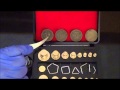
Weight Measurement Systems and Practices

Interactive Video
•
Science, Chemistry, Professional Development
•
10th - 12th Grade
•
Practice Problem
•
Hard

Patricia Brown
FREE Resource
Read more
10 questions
Show all answers
1.
MULTIPLE CHOICE QUESTION
30 sec • 1 pt
Which of the following is NOT one of the three most common weight systems discussed in the video?
Apothecary system
Imperial system
Avoirdupois system
Metric system
2.
MULTIPLE CHOICE QUESTION
30 sec • 1 pt
Why is there a decreased need for apothecary weights in modern practice?
They are harder to handle
They are more expensive
They are less commonly used
They are less accurate
3.
MULTIPLE CHOICE QUESTION
30 sec • 1 pt
What is the range of metric weights used exclusively for analytical purposes?
1 milligram to 50 grams
1 milligram to 100 grams
10 milligrams to 100 grams
10 milligrams to 50 grams
4.
MULTIPLE CHOICE QUESTION
30 sec • 1 pt
What material are the smaller square-shaped milligram weights made of?
Liquid brass
Rhodium plated bronze
Stainless steel
Platinum or aluminum foil
5.
MULTIPLE CHOICE QUESTION
30 sec • 1 pt
What is the main reason for using a graduated beam or rider?
To measure larger quantities
To store the weights
To measure smaller quantities of fractions of a milligram
To calibrate the weights
6.
MULTIPLE CHOICE QUESTION
30 sec • 1 pt
What is a key advantage of aluminum wire weights over other apothecary weights?
They are heavier
They are less corrosive
They are more accurate
They are cheaper
7.
MULTIPLE CHOICE QUESTION
30 sec • 1 pt
How is the weight in grains identified on an apothecary wire weight?
By the color of the wire
By the length of the wire
By the thickness of the wire
By the number of sides the wire has
Access all questions and much more by creating a free account
Create resources
Host any resource
Get auto-graded reports

Continue with Google

Continue with Email

Continue with Microsoft
or continue with

%20(1).png)
Apple

Others
Already have an account?


