
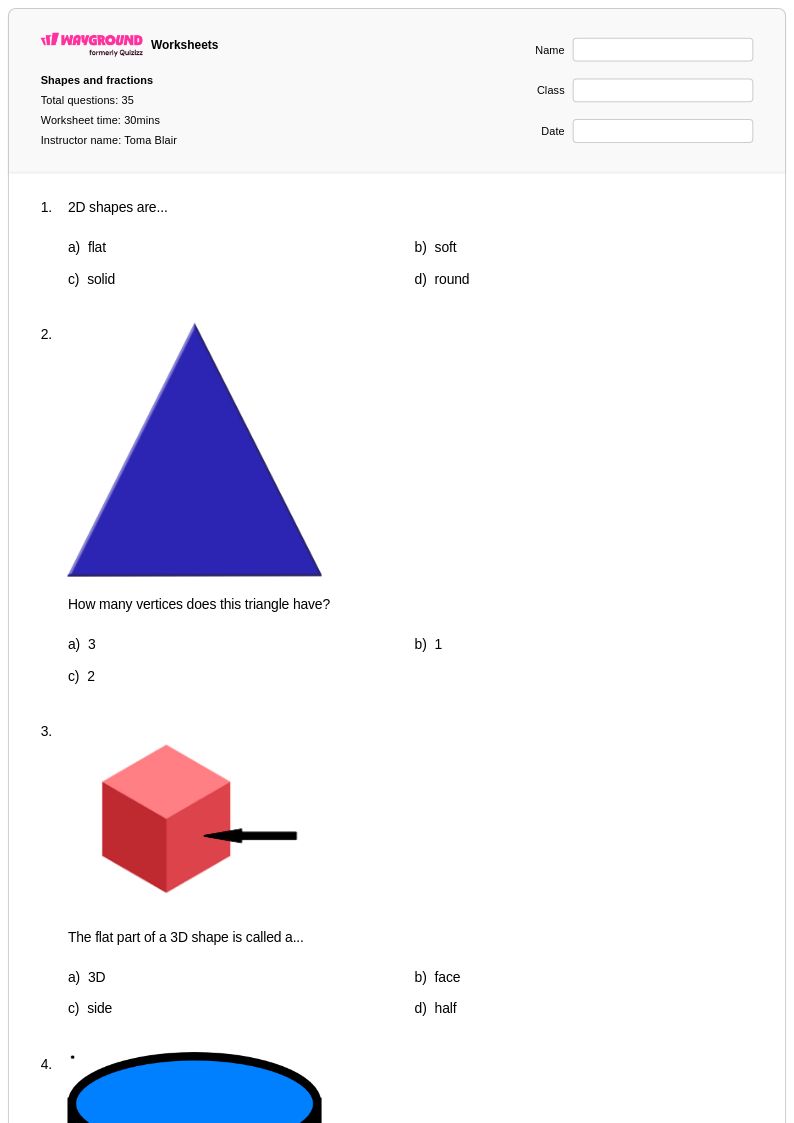
35 Q
1st
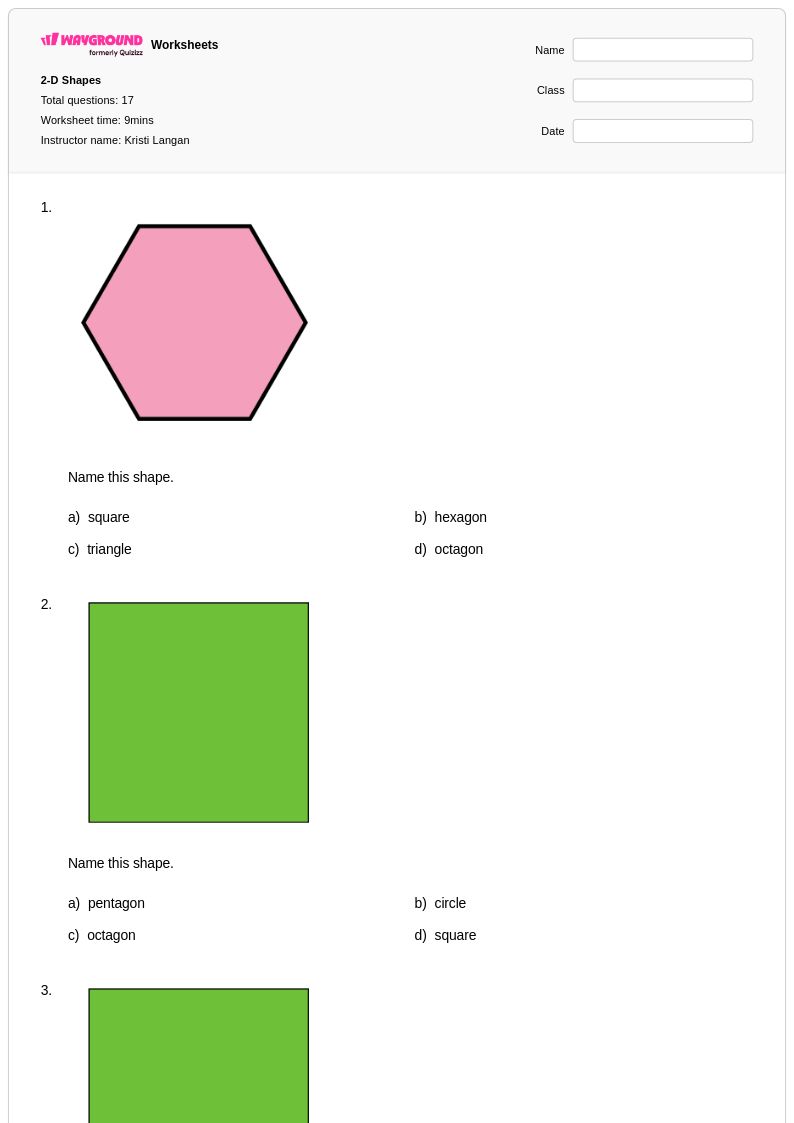
17 Q
1st - 3rd
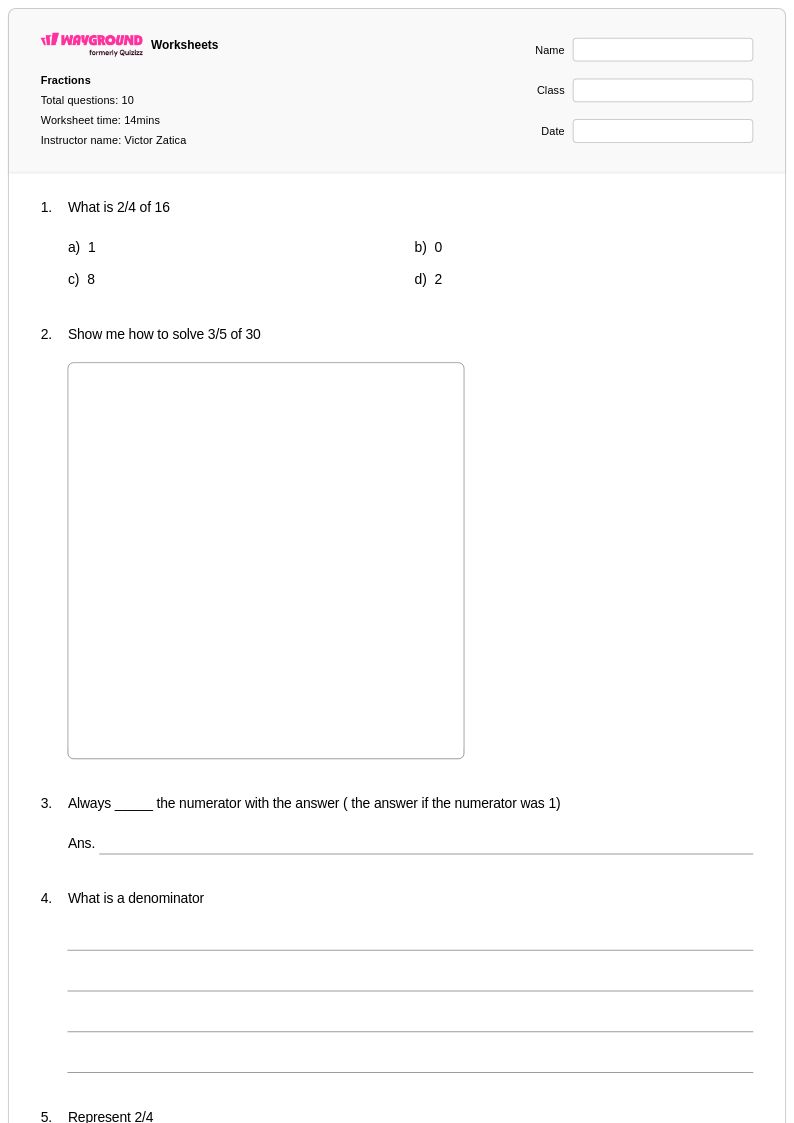
10 Q
1st - 2nd
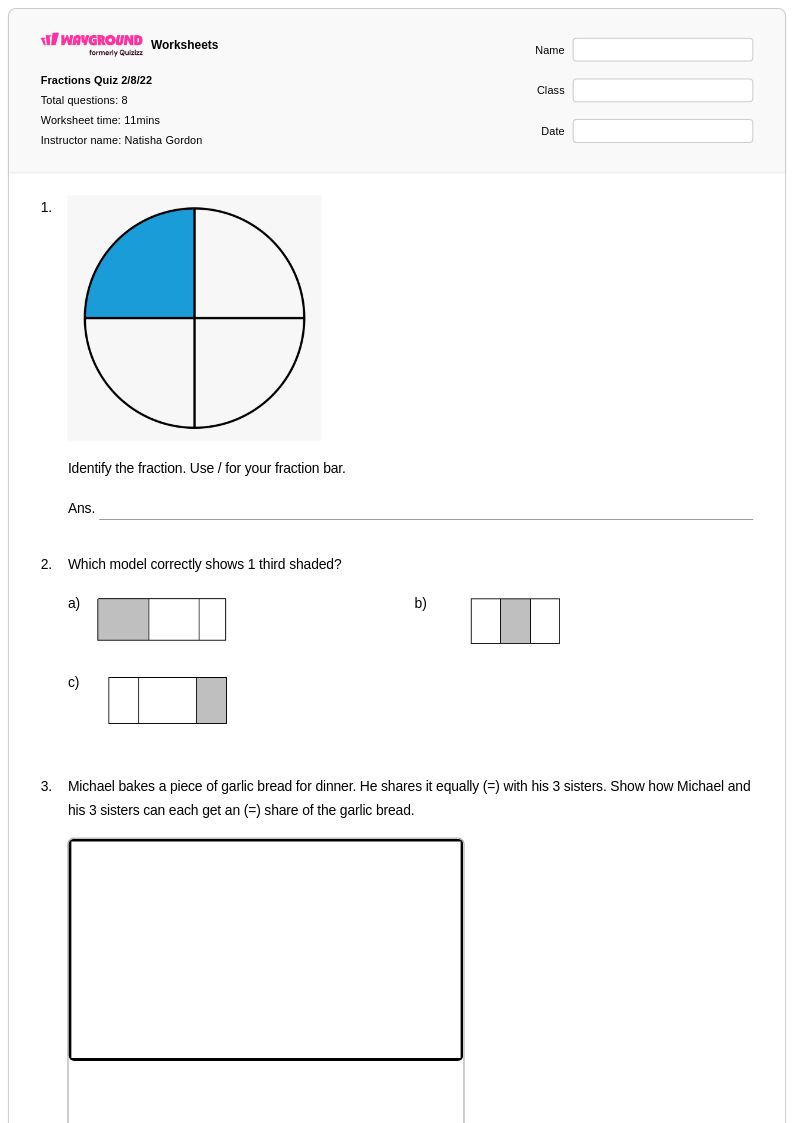
8 Q
1st - 3rd
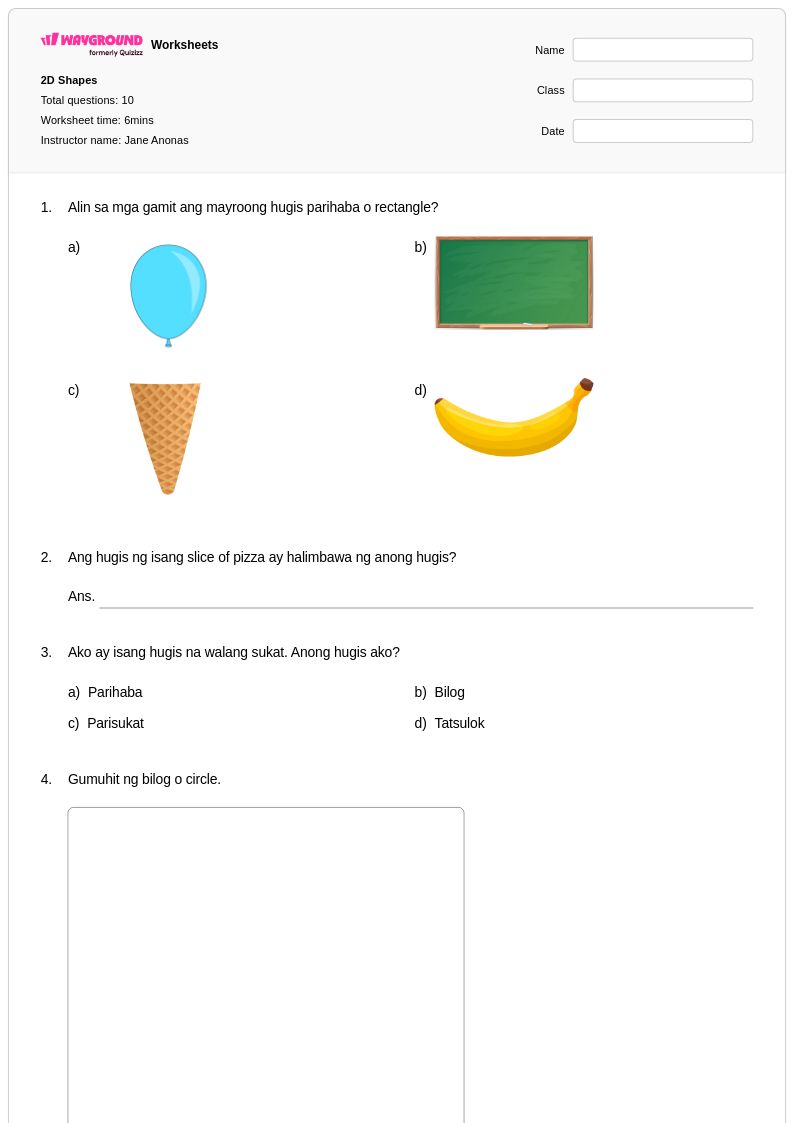
10 Q
1st
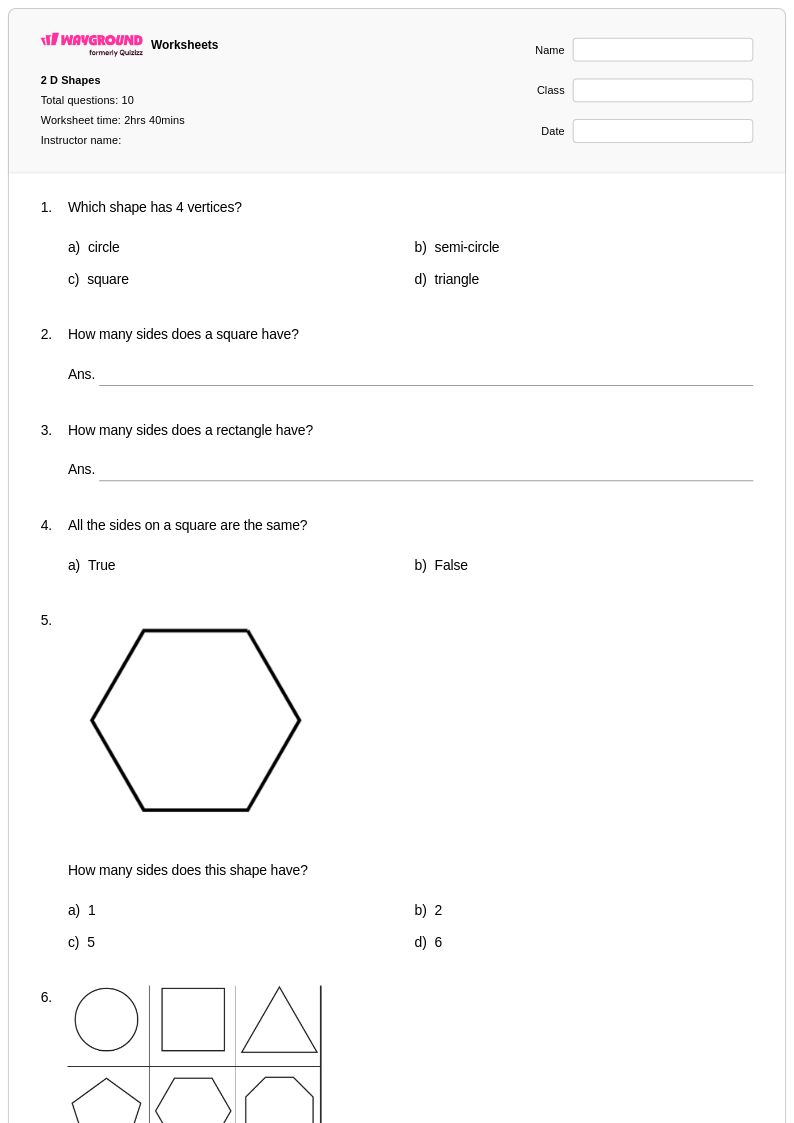
10 Q
1st
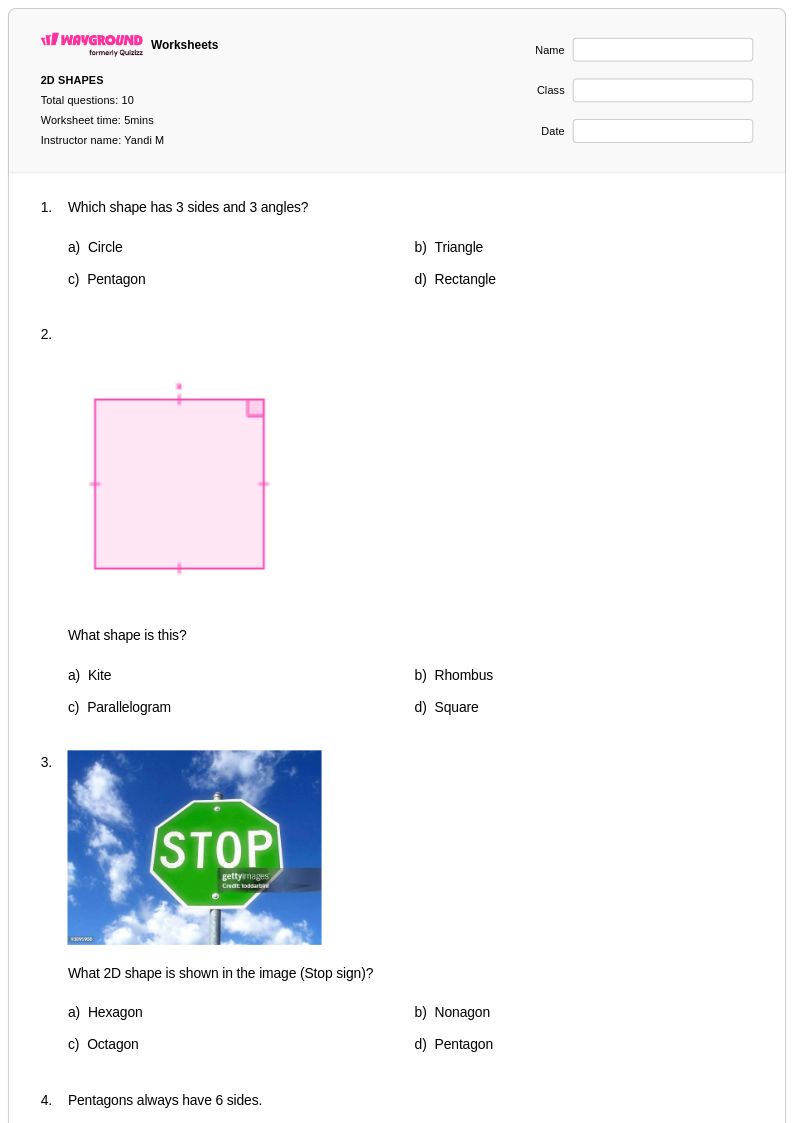
10 Q
1st - Uni
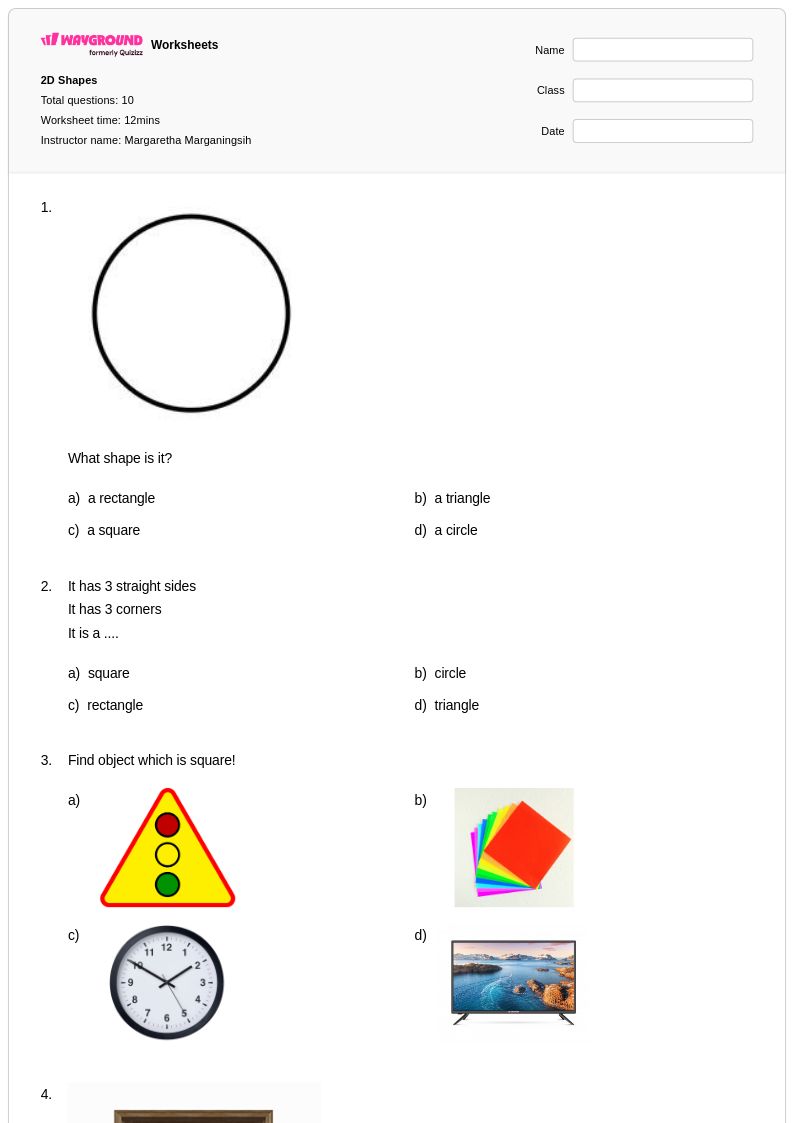
10 Q
1st
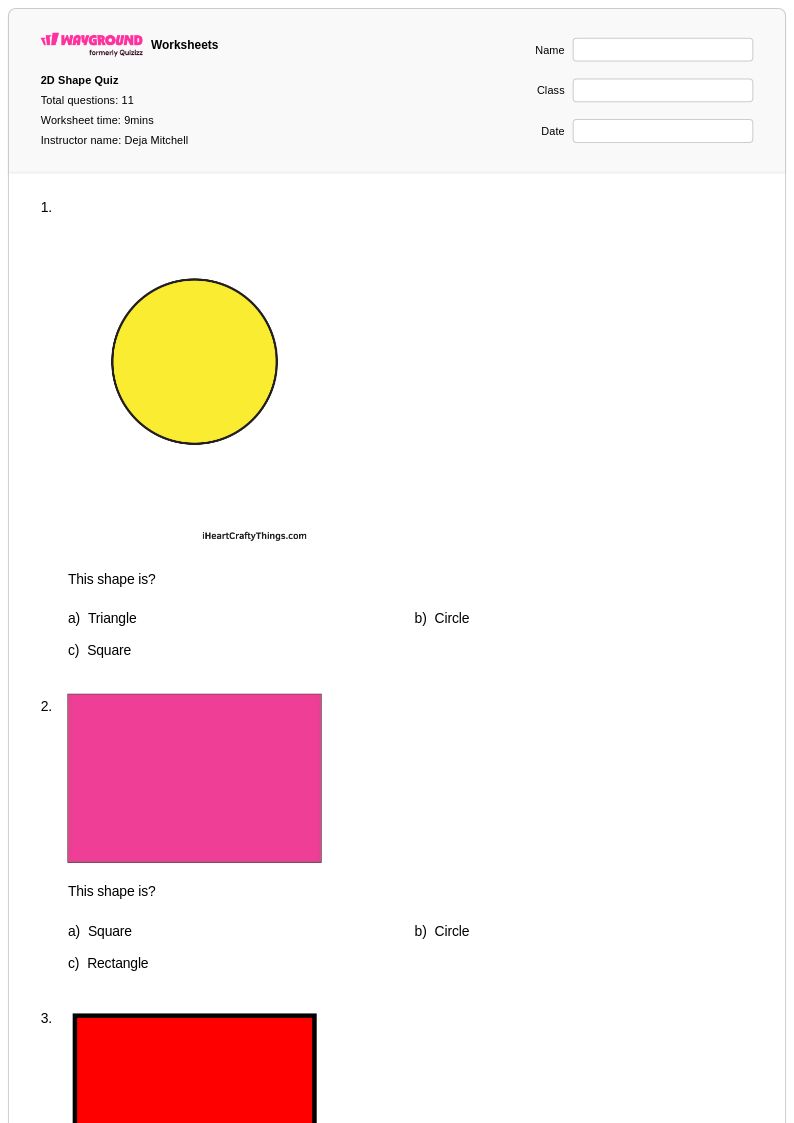
11 Q
1st
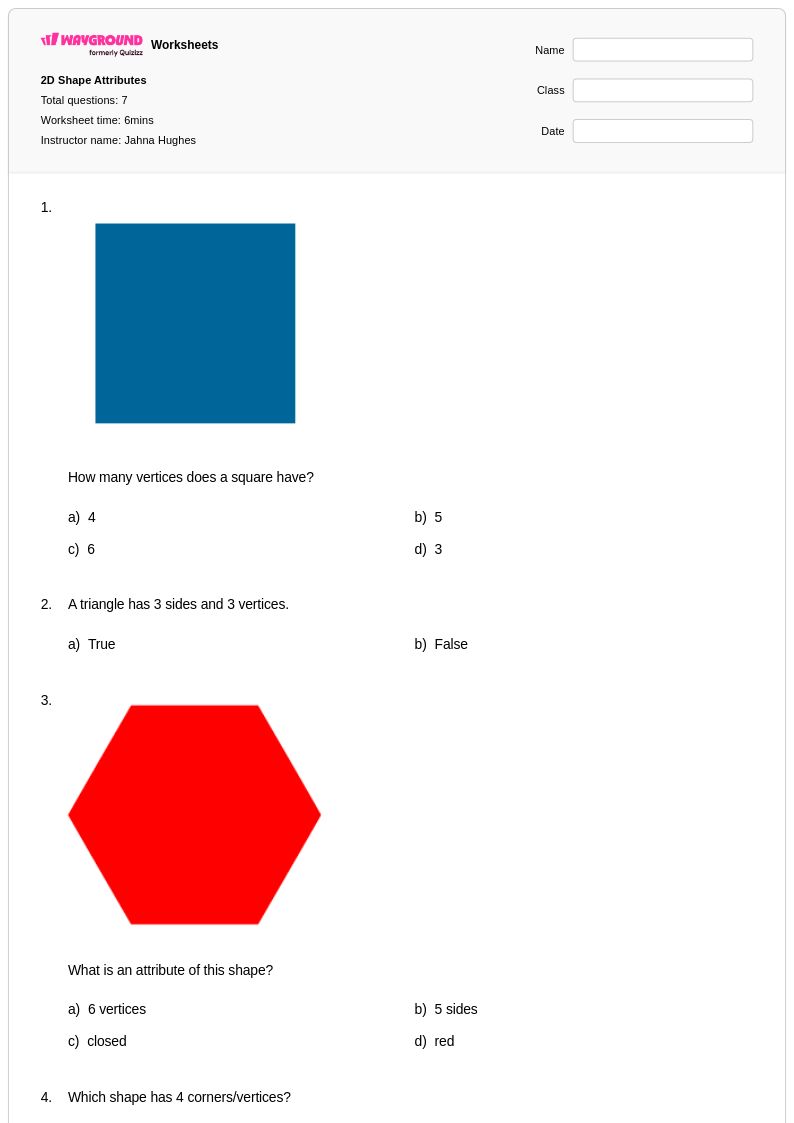
7 Q
1st
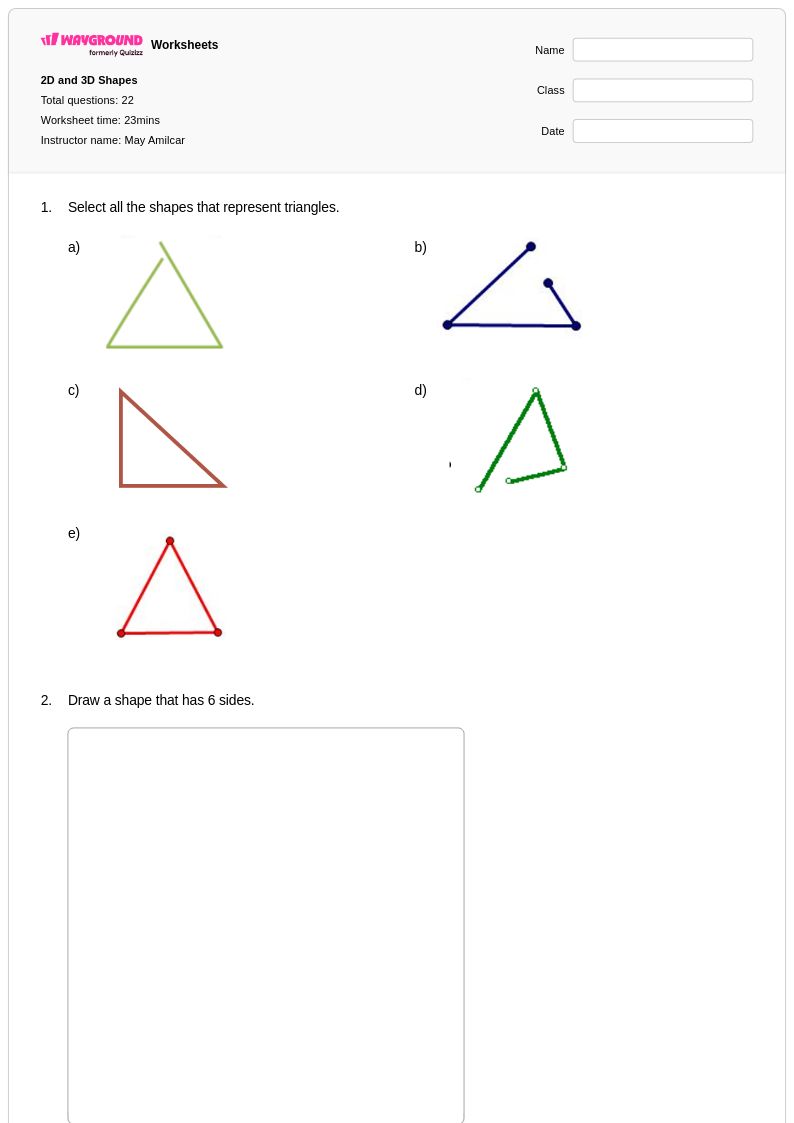
22 Q
1st
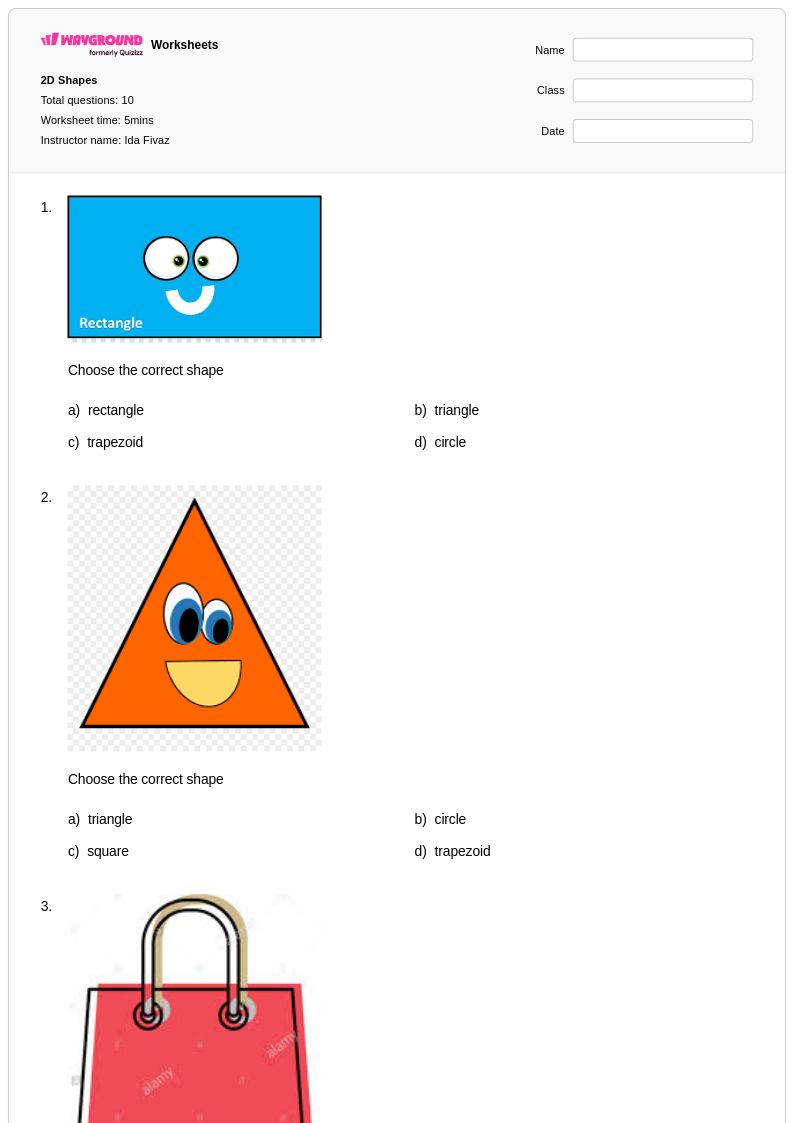
10 Q
1st
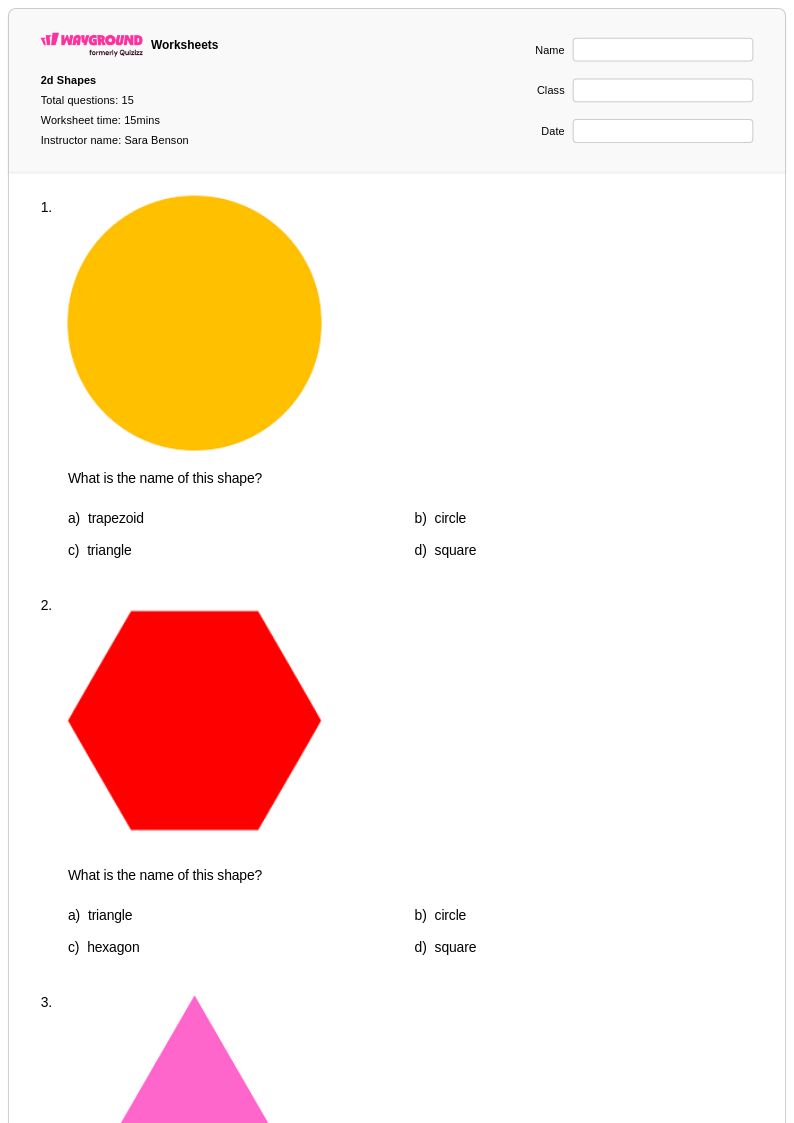
15 Q
1st
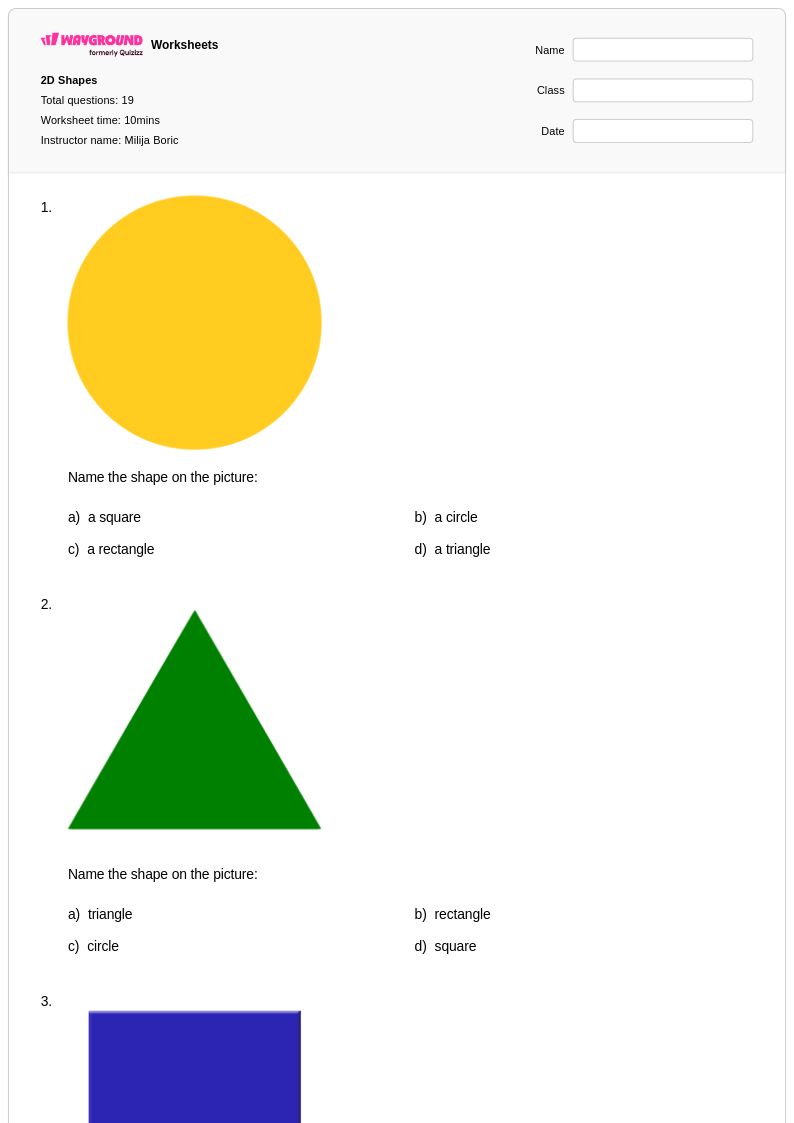
19 Q
1st
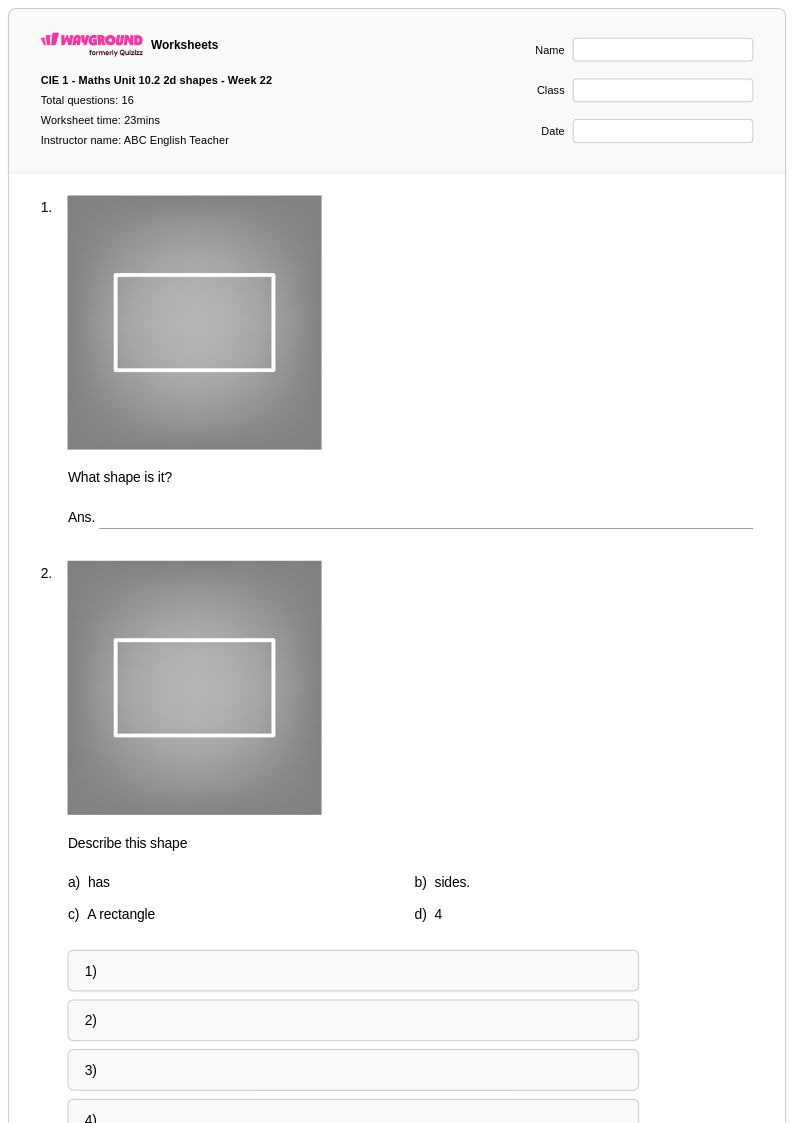
16 Q
1st
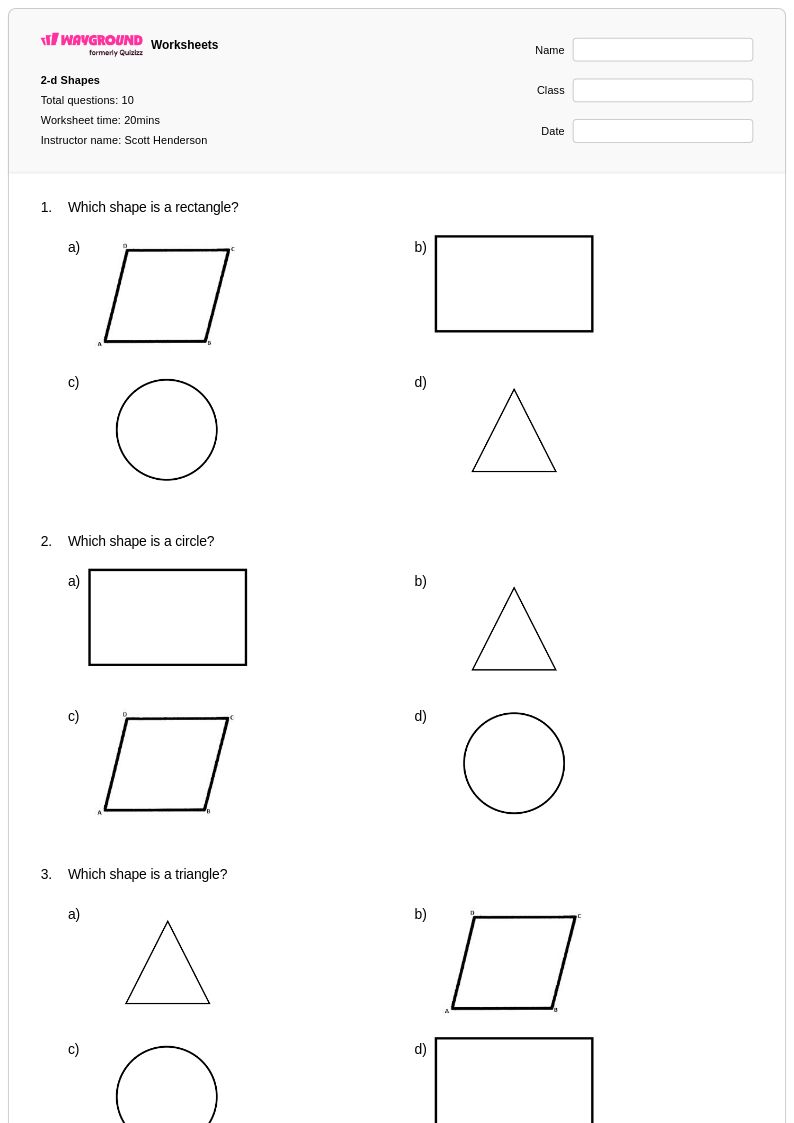
10 Q
1st
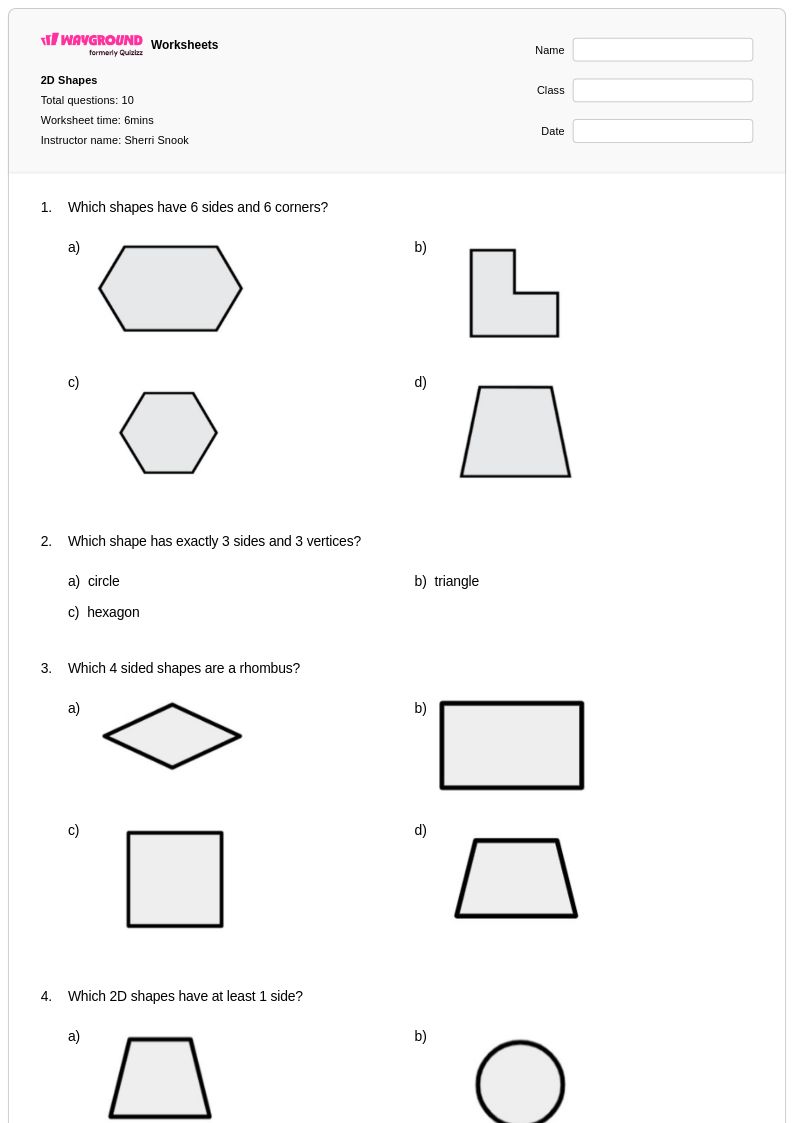
10 Q
1st
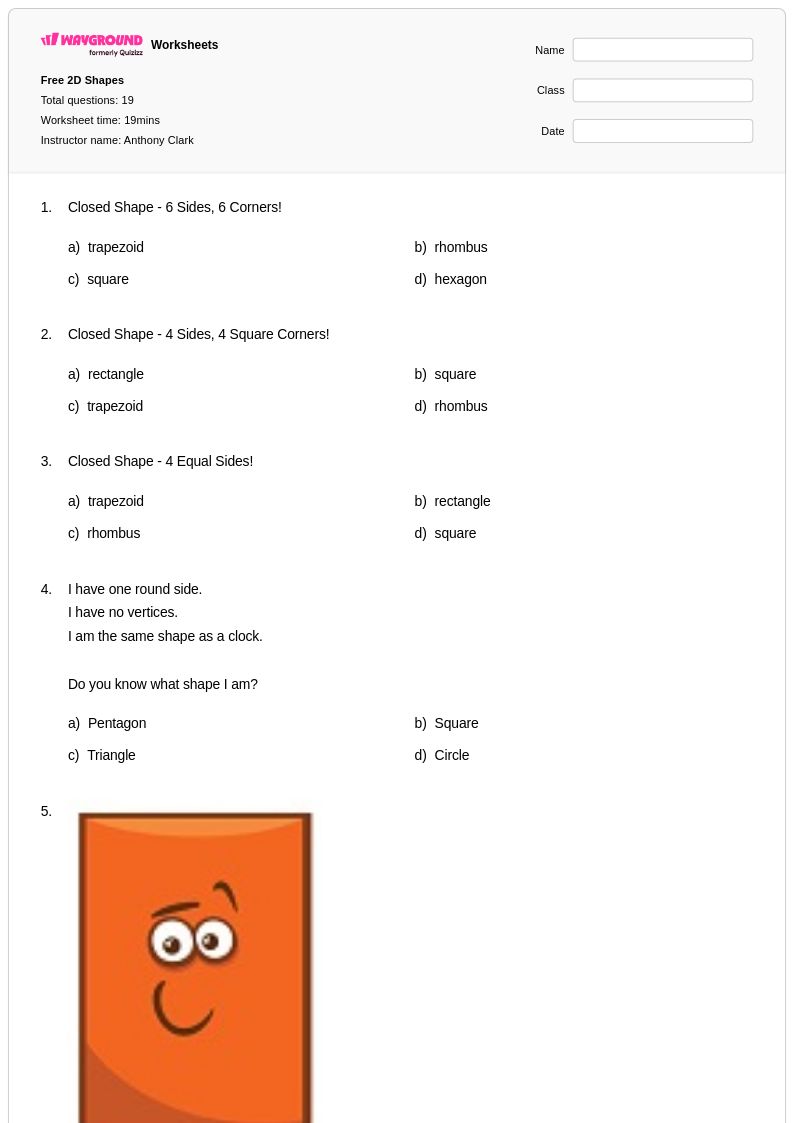
19 Q
1st - Uni
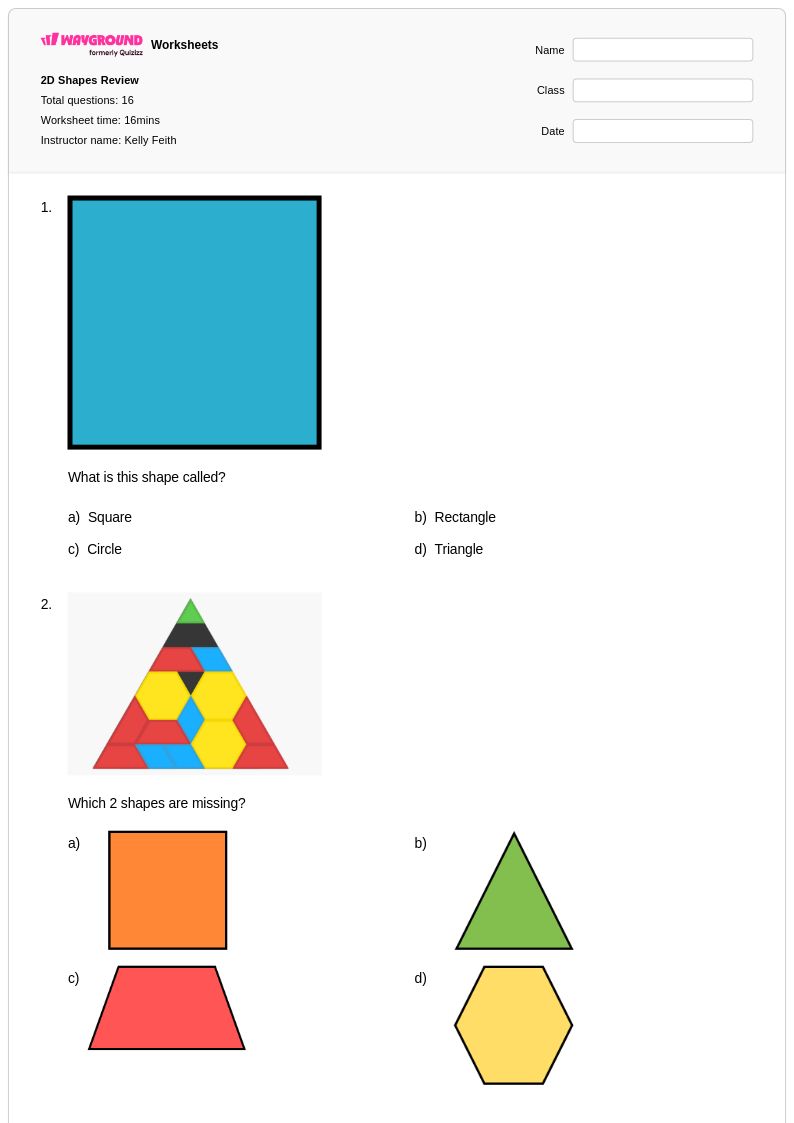
16 Q
1st
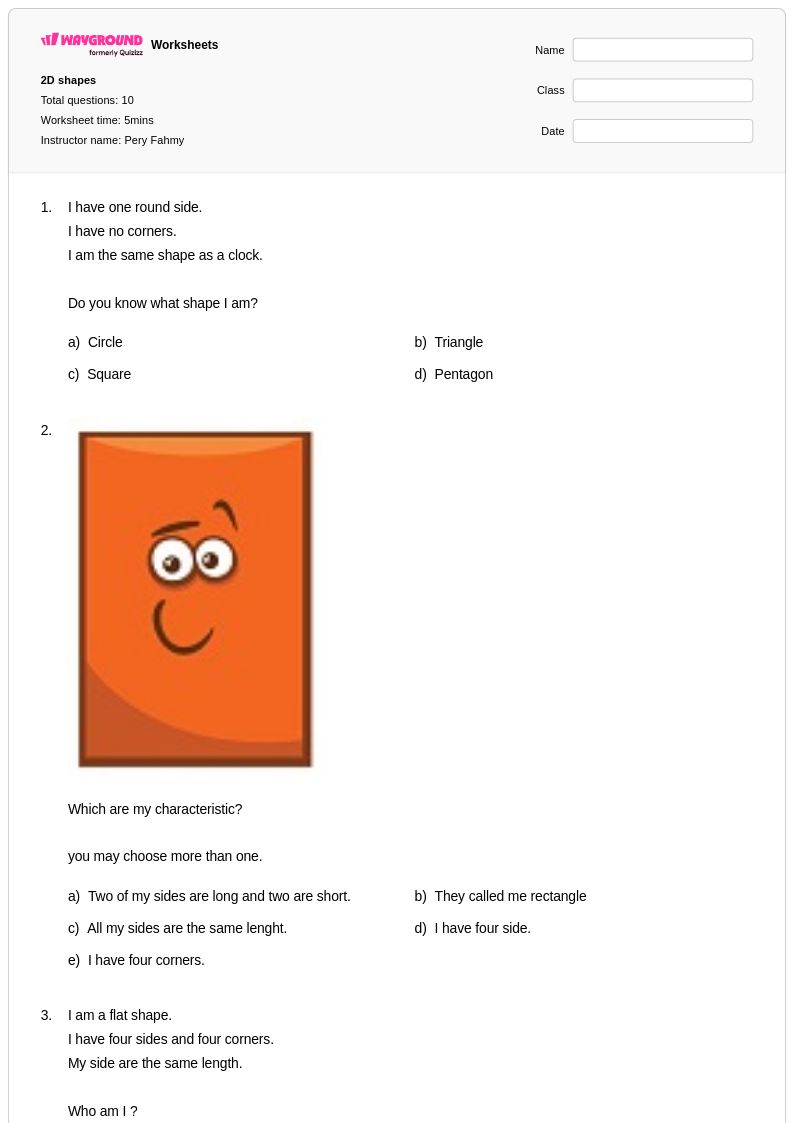
10 Q
1st - 2nd
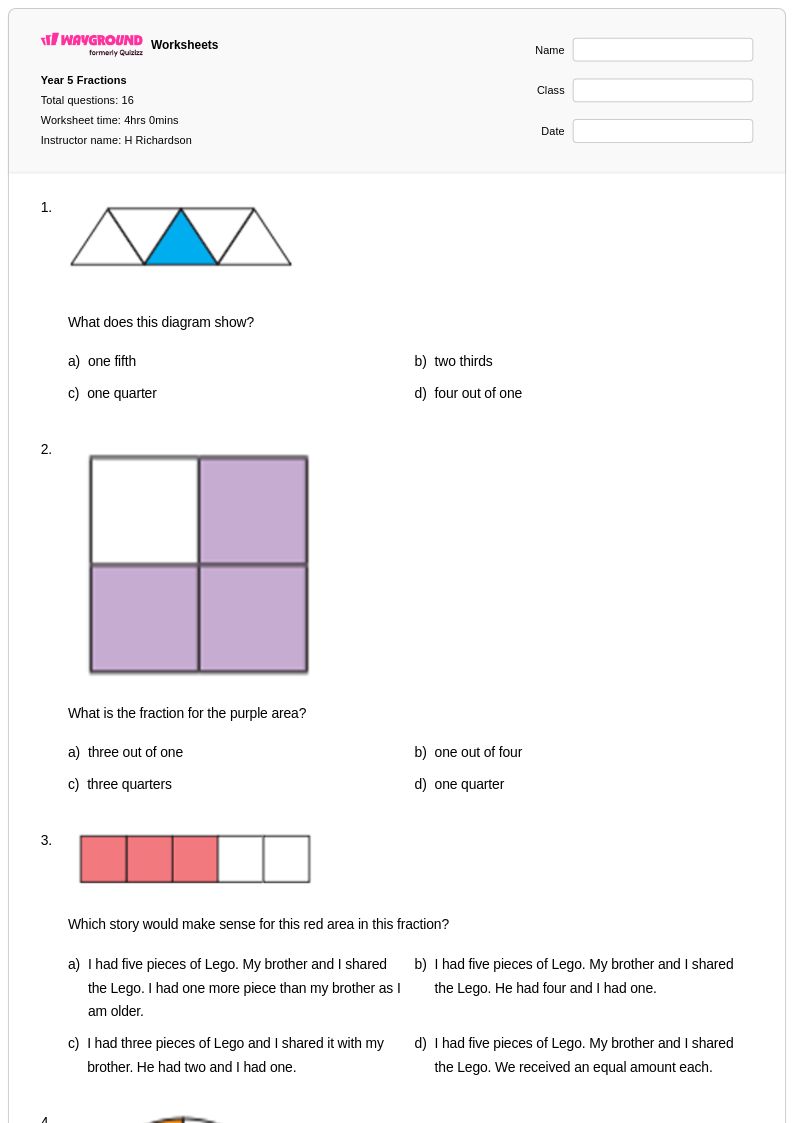
16 Q
KG - 5th
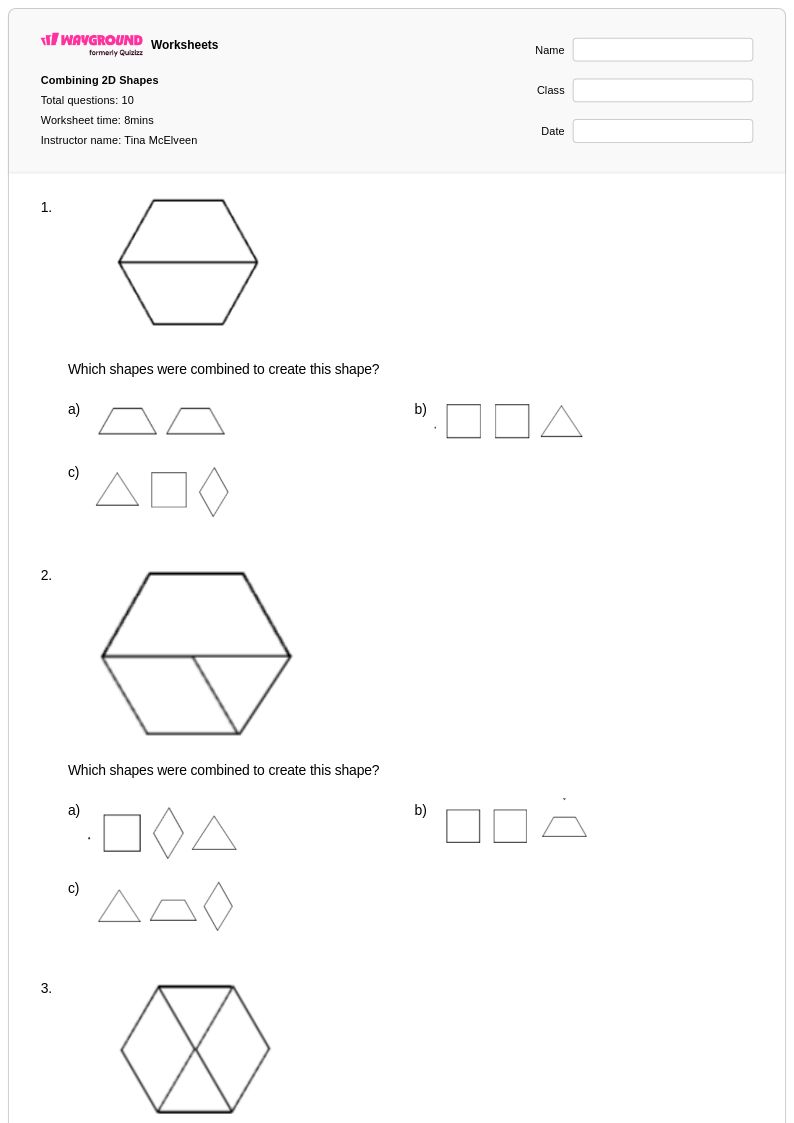
10 Q
KG - 2nd
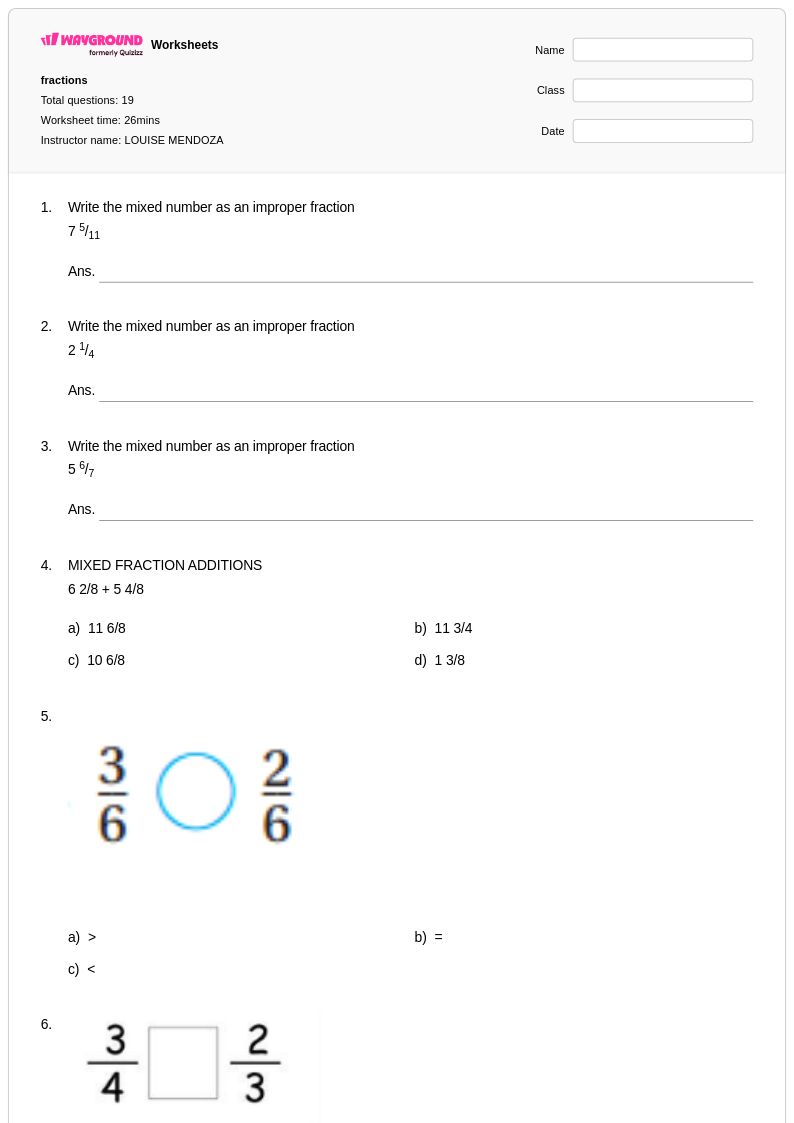
19 Q
1st - 5th
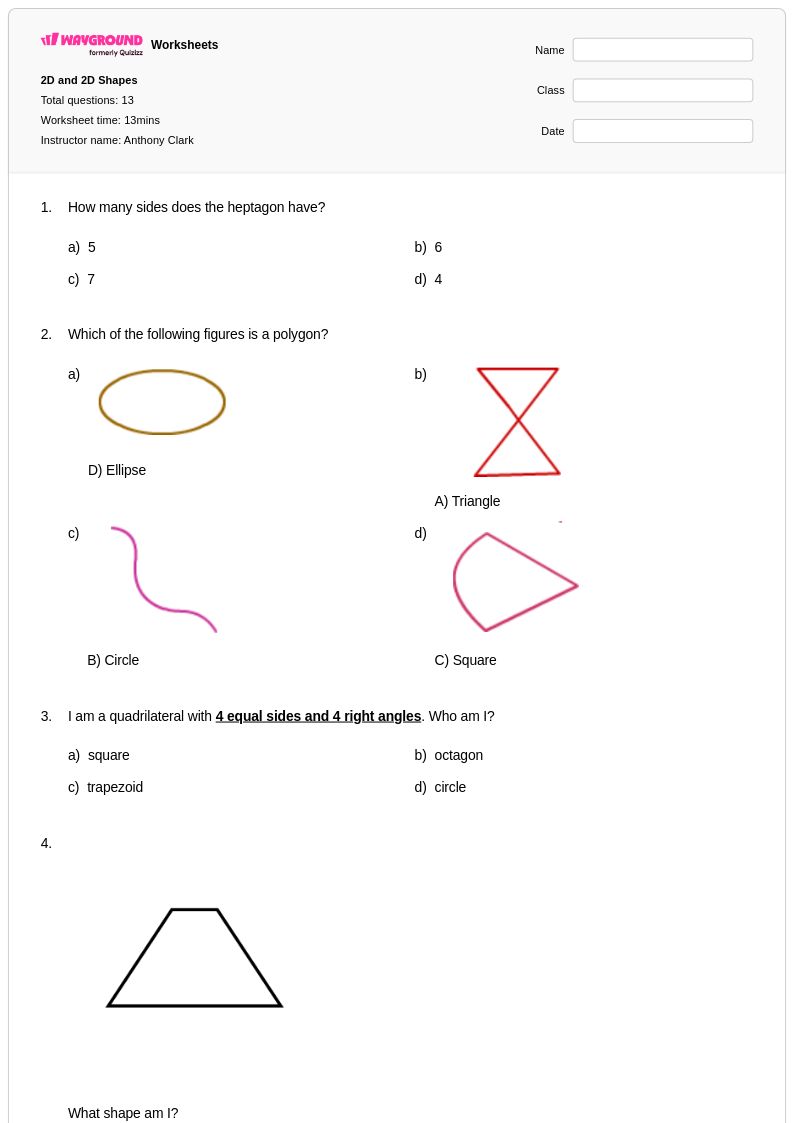
13 Q
1st - Uni
Explore Other Subject Worksheets for year 1
Explore printable 2D Shapes and Fractions worksheets for Year 1
2D shapes and fractions worksheets for Year 1 available through Wayground provide young learners with essential visual foundations for understanding fractional concepts through geometric forms. These carefully designed printables introduce students to basic fraction concepts by using familiar shapes like circles, rectangles, and squares that are divided into equal parts. Students develop critical mathematical reasoning skills as they identify halves, thirds, and fourths within various 2D shapes, building spatial awareness and early fraction sense simultaneously. Each worksheet collection includes comprehensive answer keys and offers free access to practice problems that strengthen students' ability to recognize equal parts, understand the relationship between wholes and parts, and begin developing fraction vocabulary through hands-on shape manipulation activities.
Wayground supports educators with an extensive library of millions of teacher-created resources specifically focused on 2D shapes and fractions instruction for Year 1 students. The platform's robust search and filtering capabilities enable teachers to quickly locate worksheets that align with specific learning standards and accommodate diverse student needs through built-in differentiation tools. Teachers can customize these materials to match their classroom requirements and access them in both printable pdf formats for traditional instruction and digital versions for technology-enhanced learning environments. This comprehensive resource collection streamlines lesson planning while providing targeted materials for remediation, enrichment, and regular skill practice, ensuring that every first-grade student can build confidence in recognizing fractional relationships within geometric shapes.
FAQs
How do I teach fractions with 2D shapes in first grade?
What exercises help first graders practice fractions in shapes?
What fraction mistakes are common in first grade?
How should I use a Grade 1 2D shapes and fractions worksheet on Wayground?
Are first-grade shape fractions aligned with Common Core?
How can I differentiate shape-fraction practice in Grade 1?
What fraction skills should first graders learn from 2D shapes?