
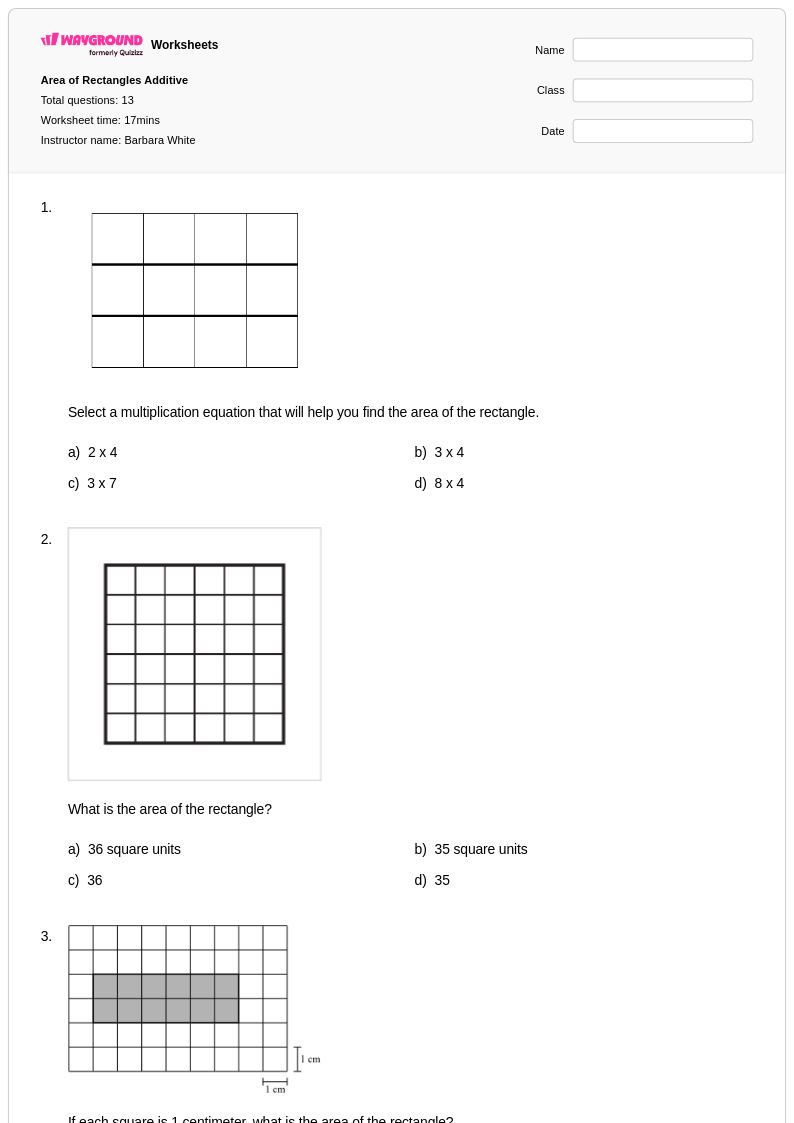
13 Q
3rd - 5th
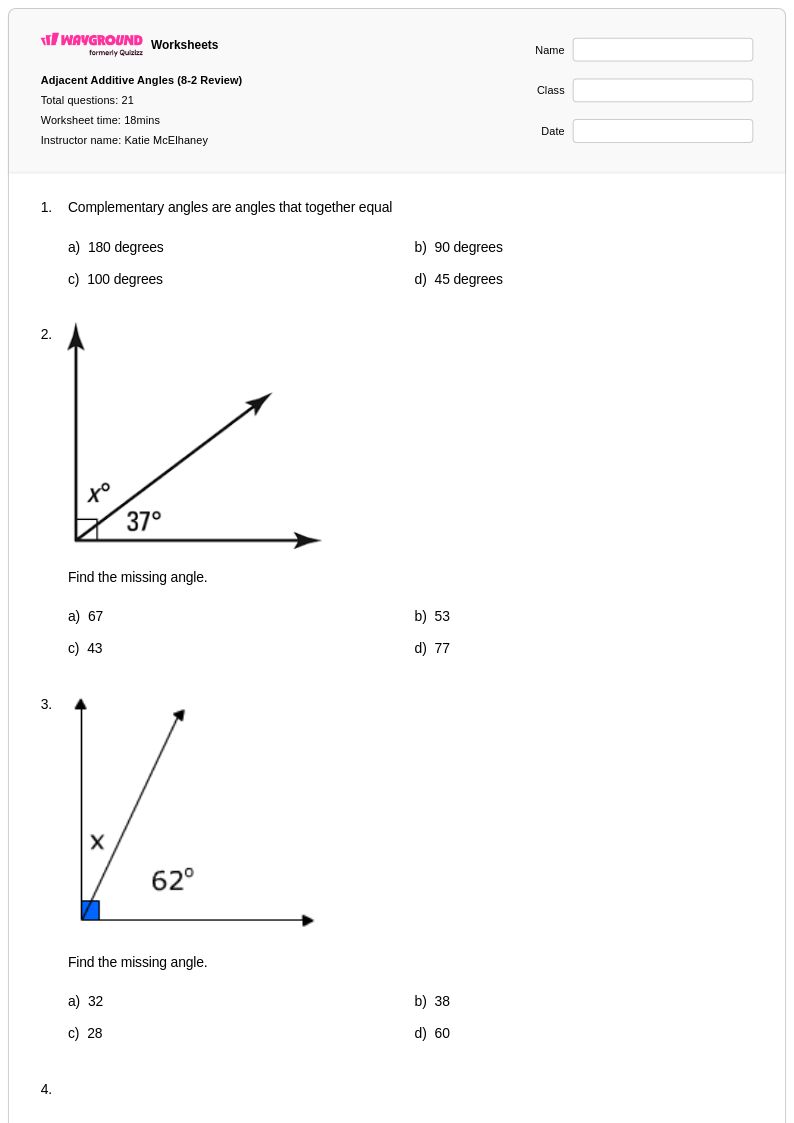
21 Q
4th
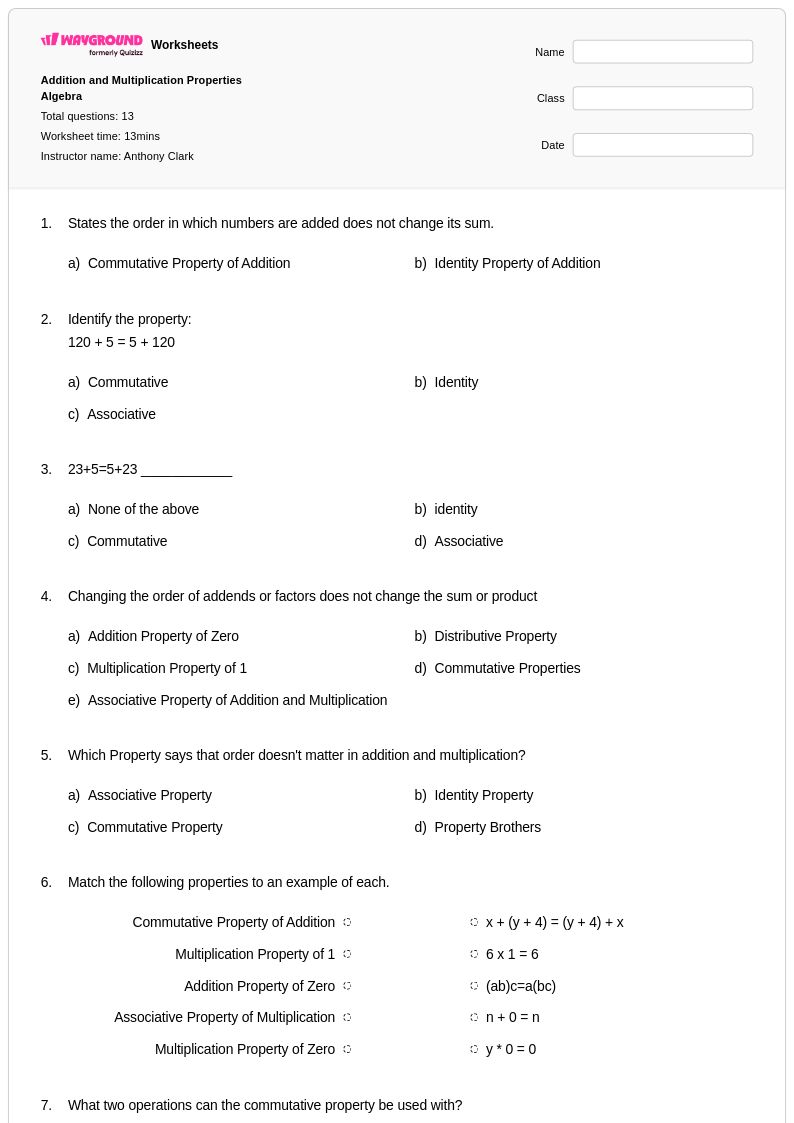
13 Q
3rd - Uni
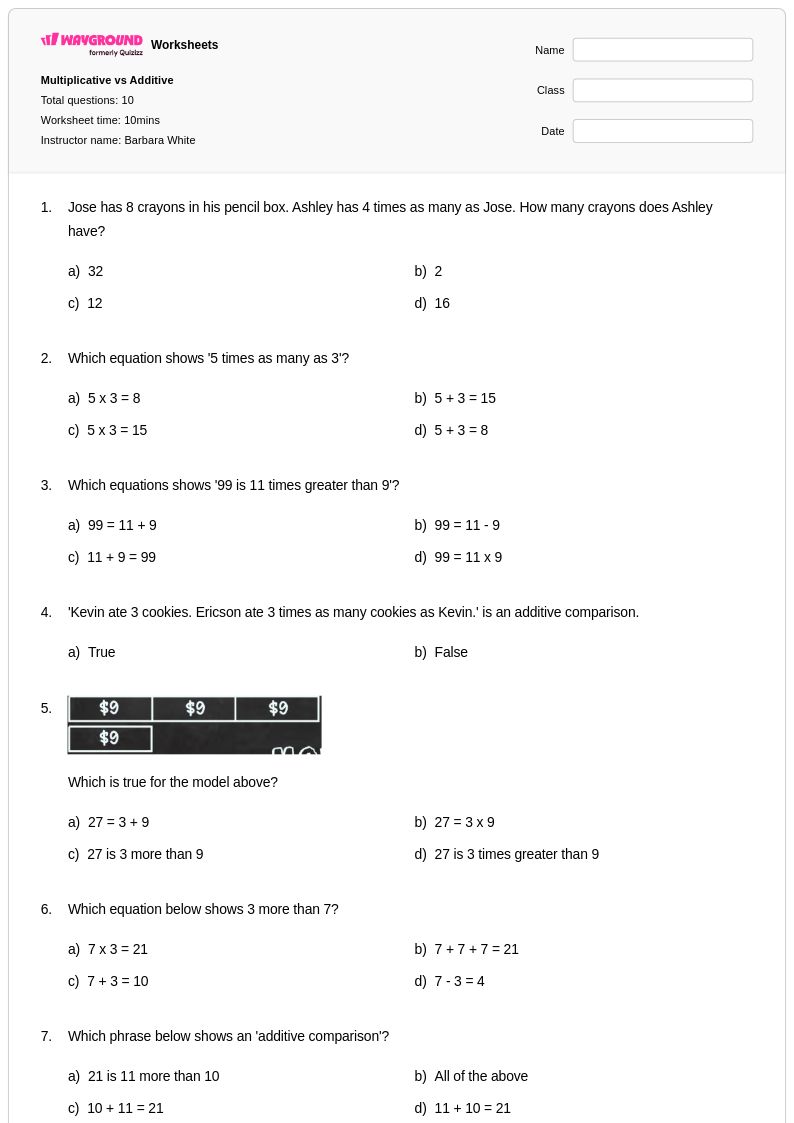
10 Q
4th
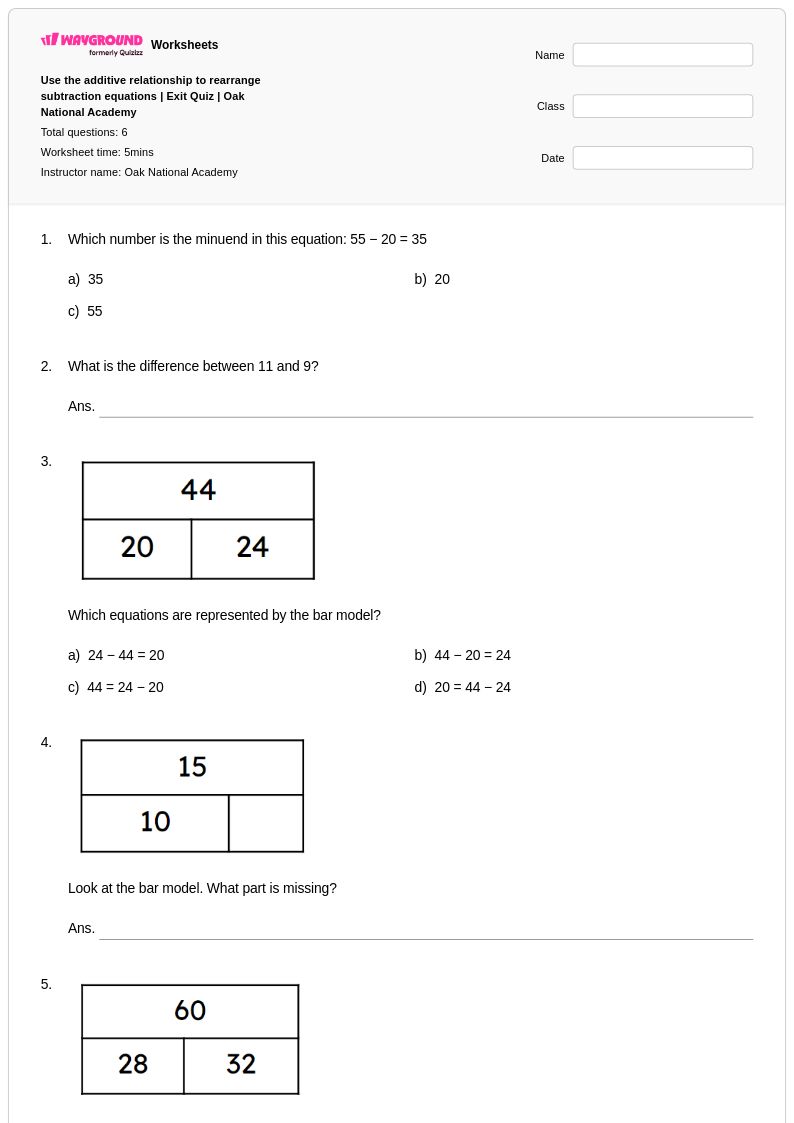
6 Q
2nd - Uni
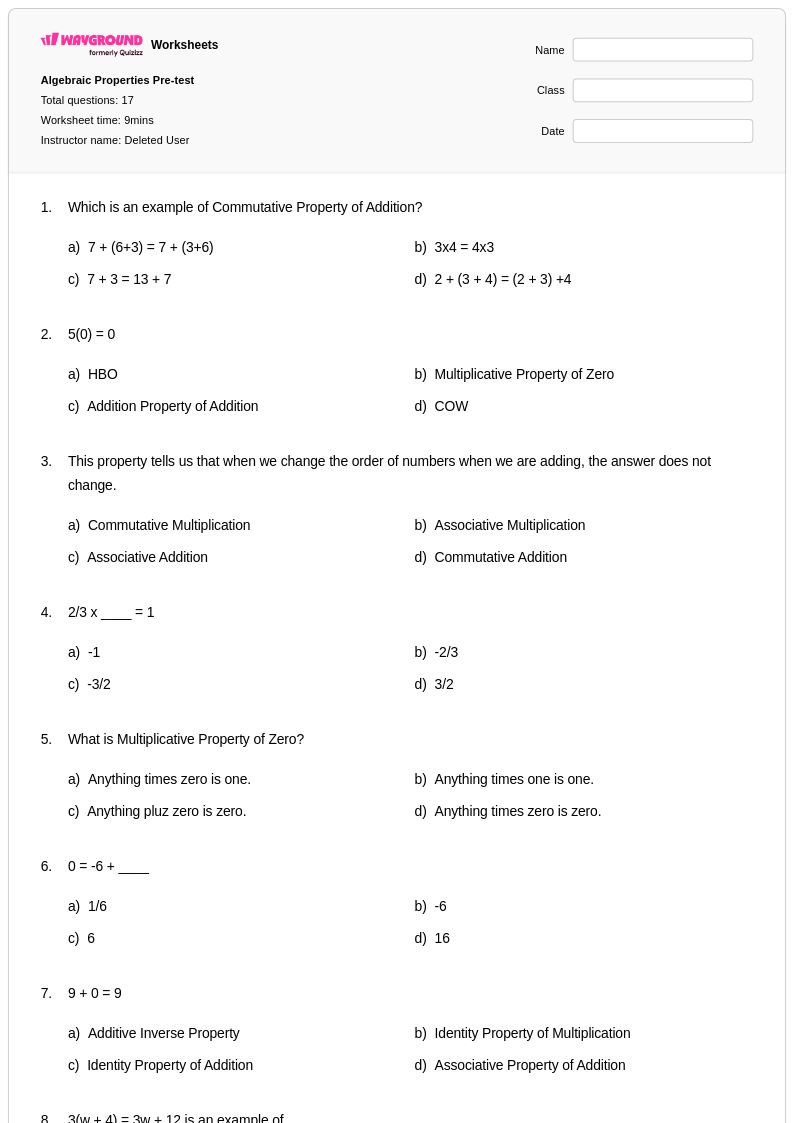
17 Q
2nd - 7th
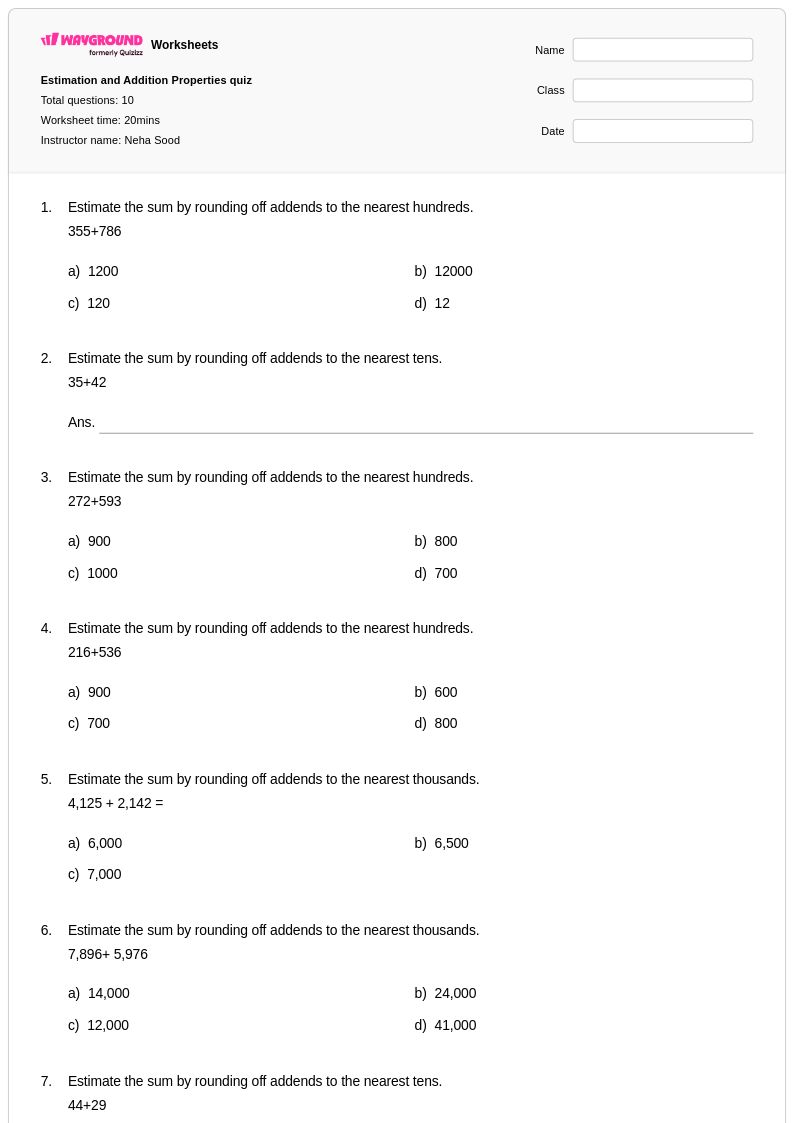
10 Q
4th
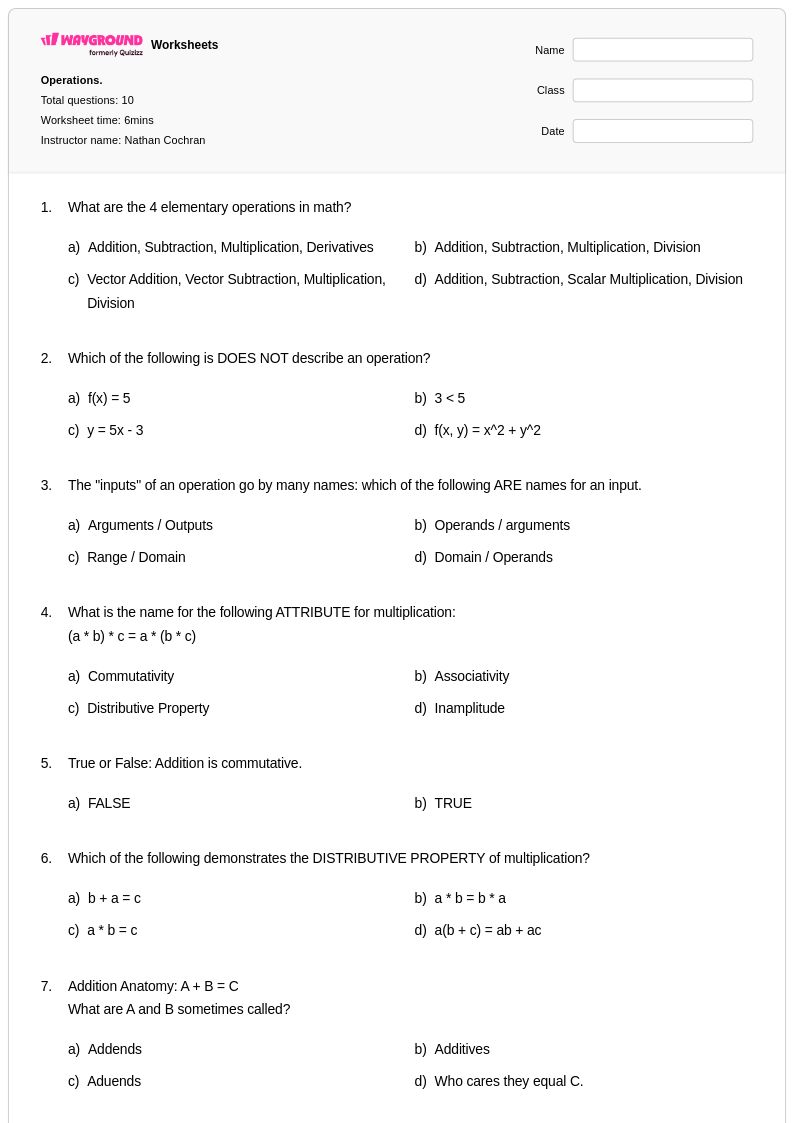
10 Q
4th - 10th
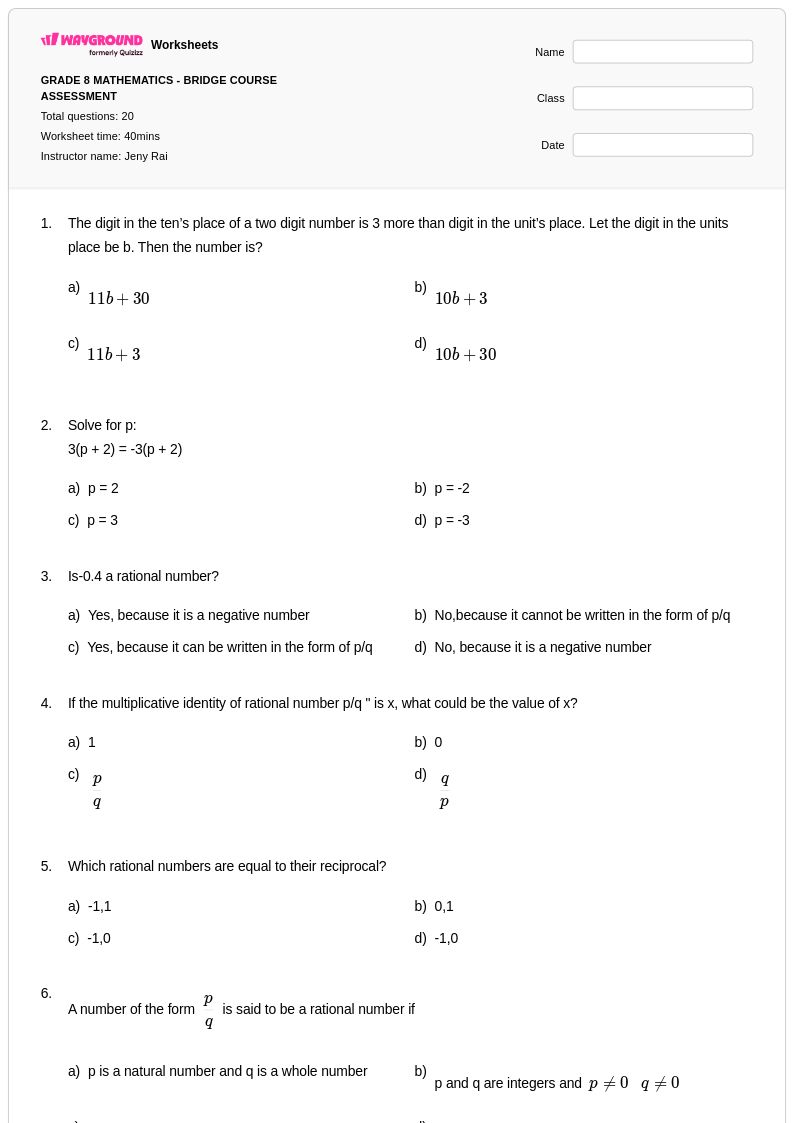
20 Q
4th
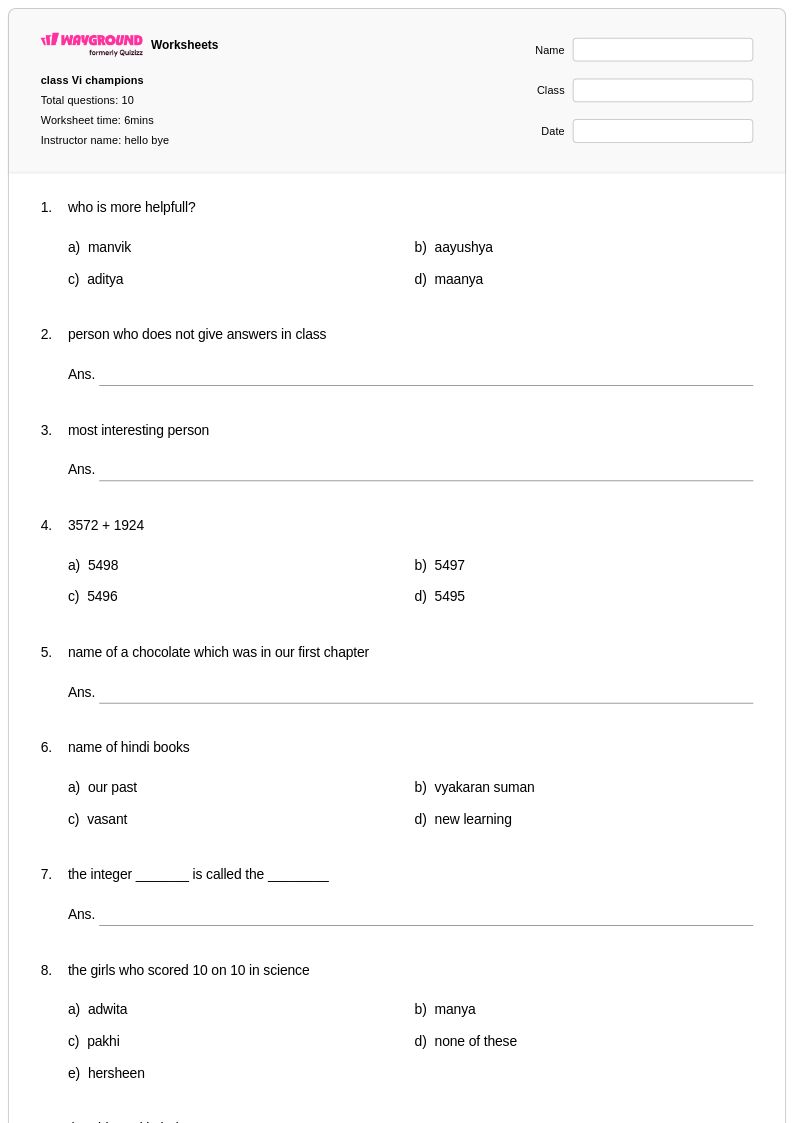
10 Q
KG - PD

15 Q
4th - 9th
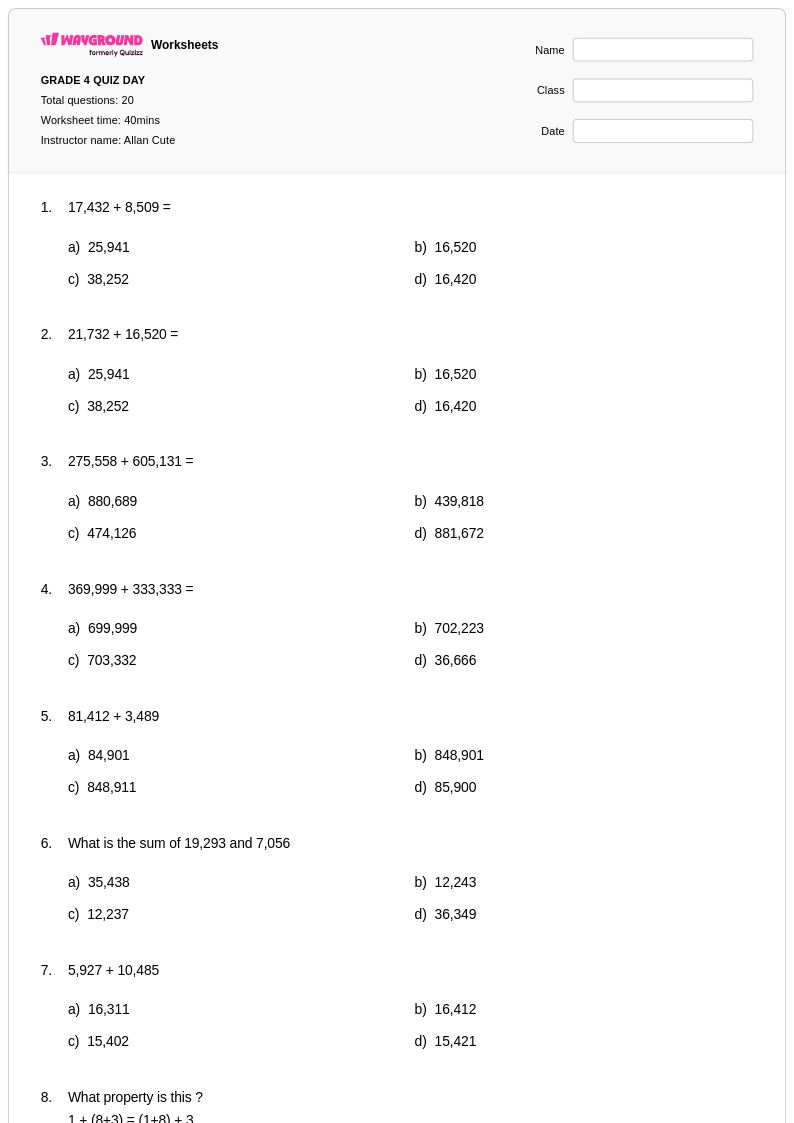
20 Q
4th
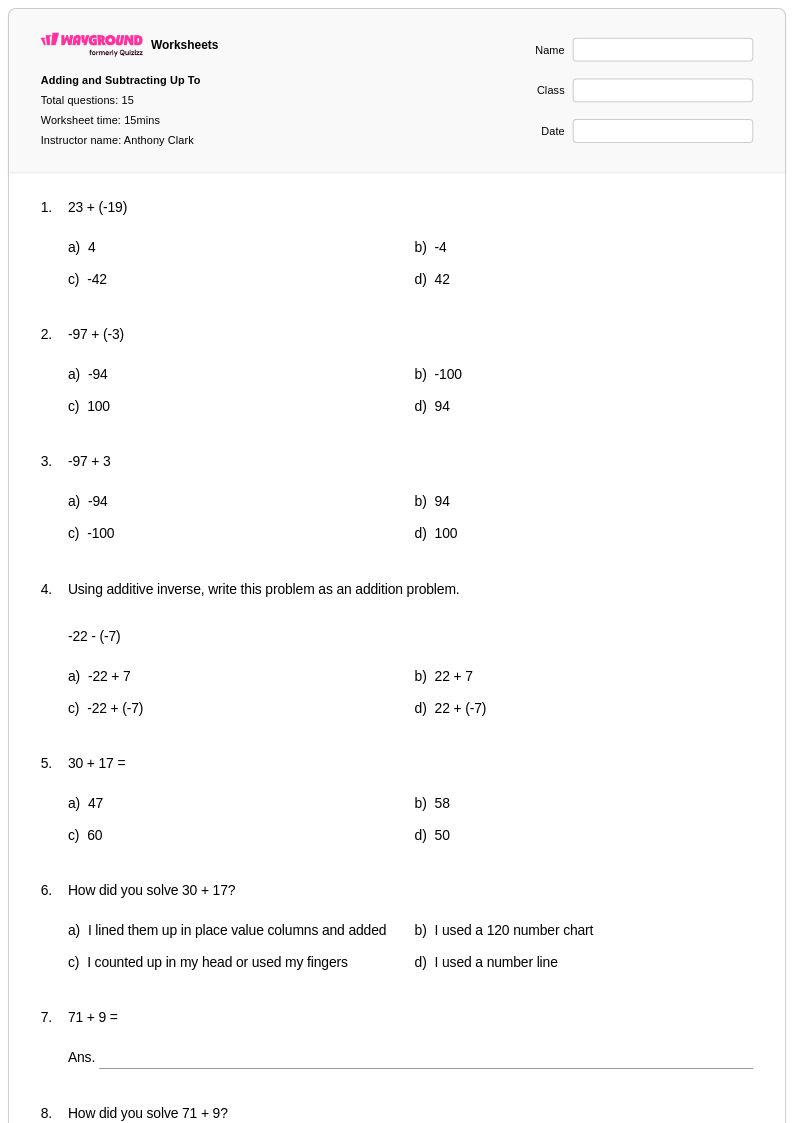
15 Q
2nd - Uni

5 Q
4th - 7th
19 Q
4th - Uni
18 Q
4th - 7th
20 Q
1st - 5th
14 Q
4th
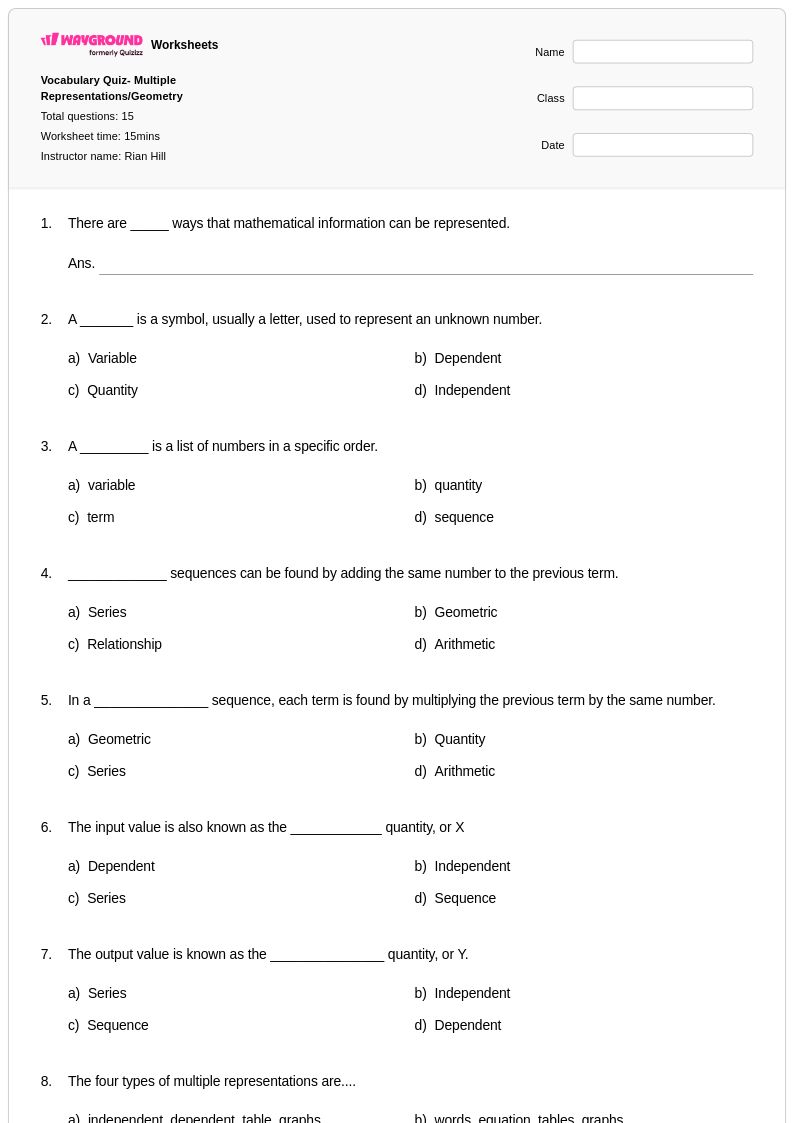
15 Q
4th - 6th
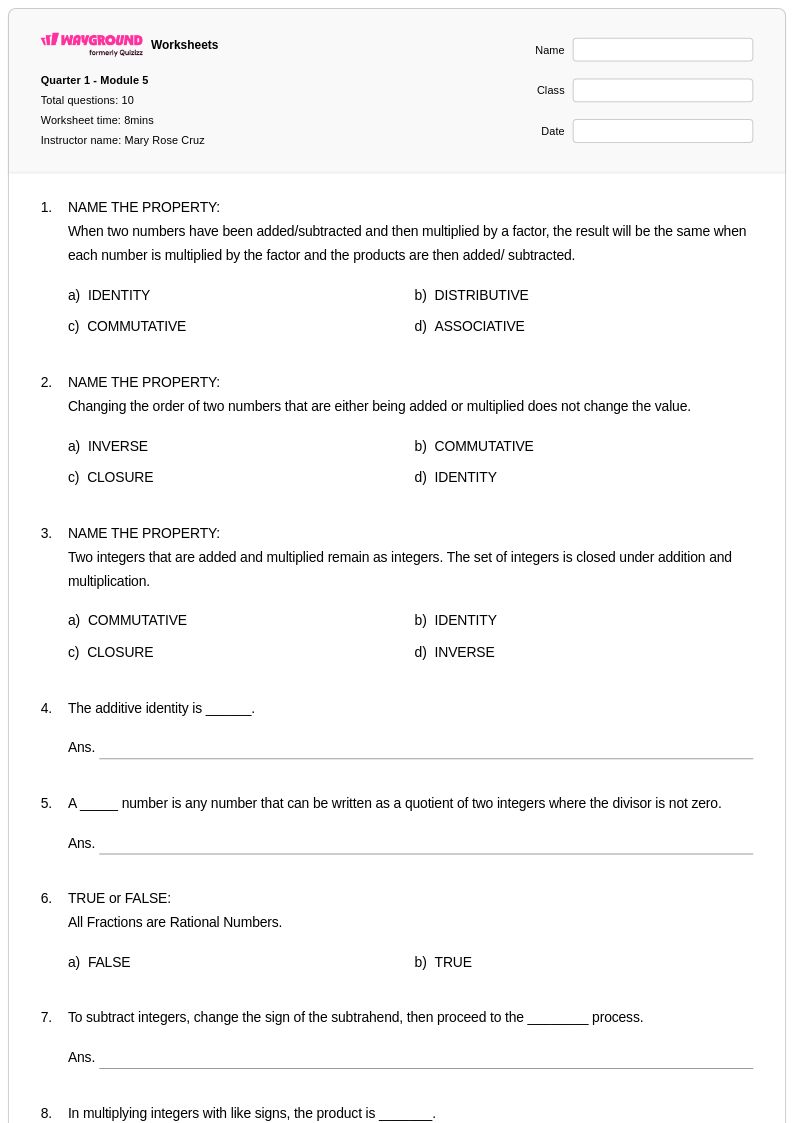
10 Q
1st - 5th
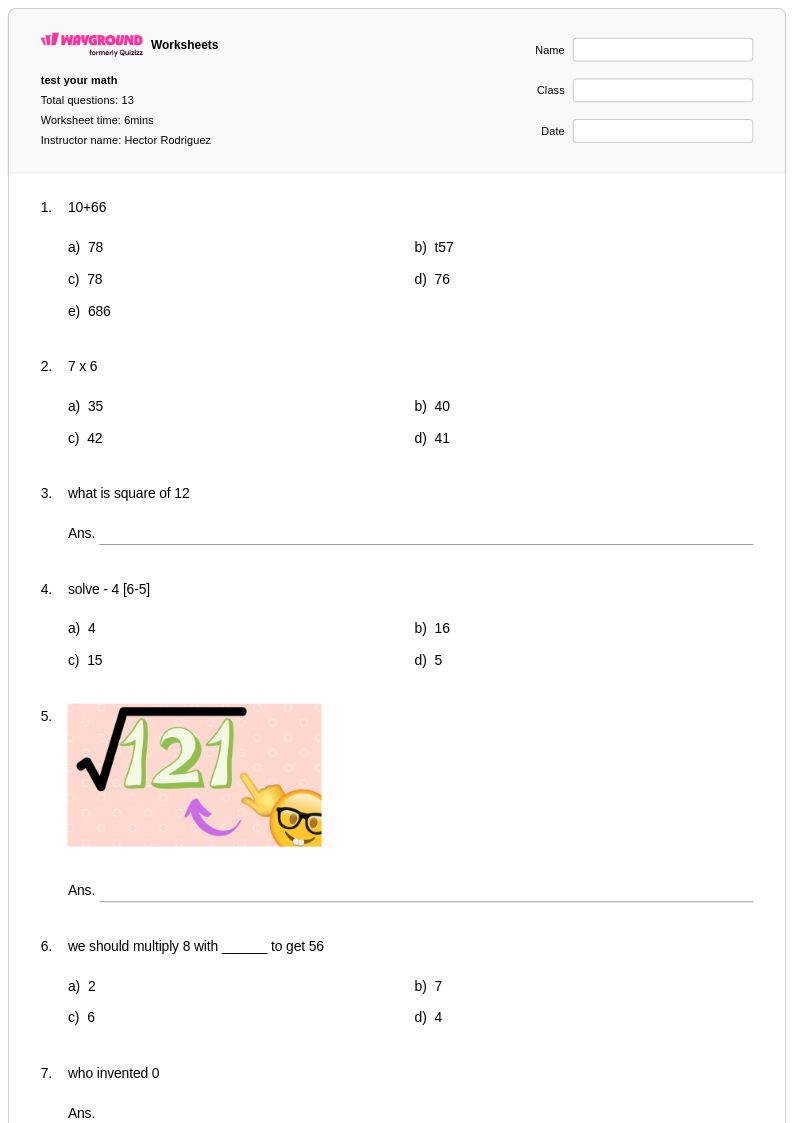
13 Q
3rd - 5th
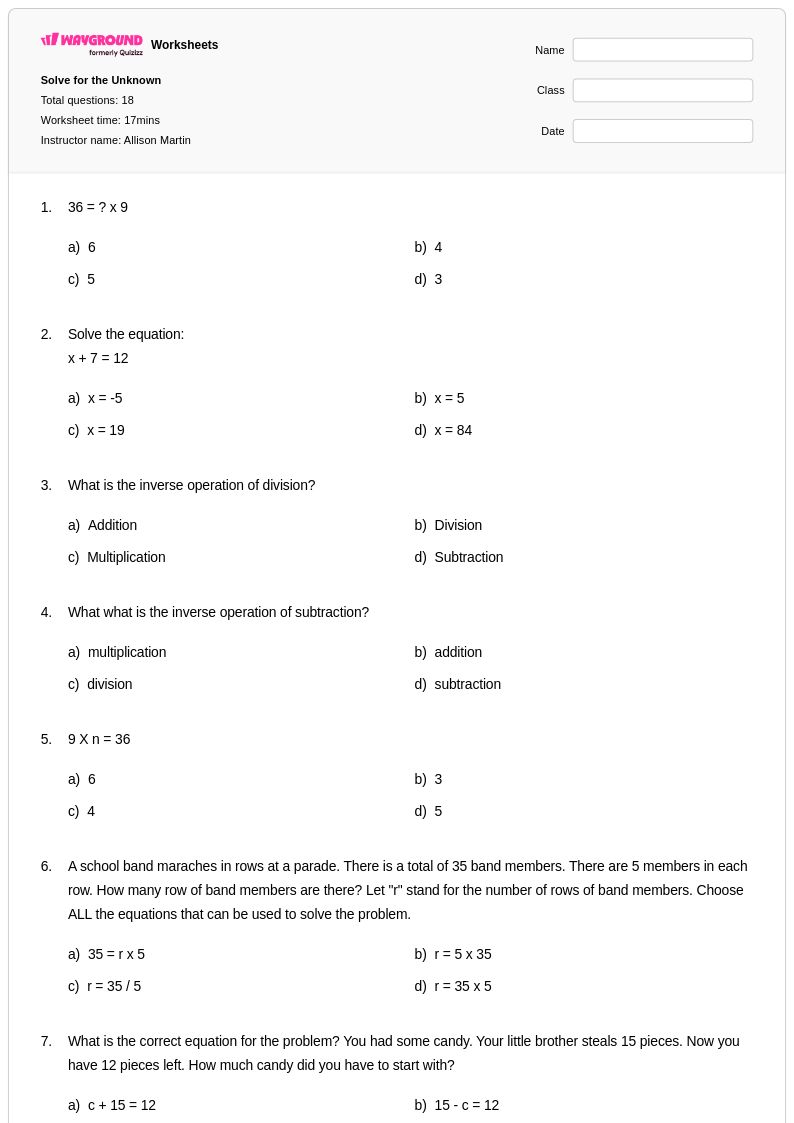
18 Q
4th
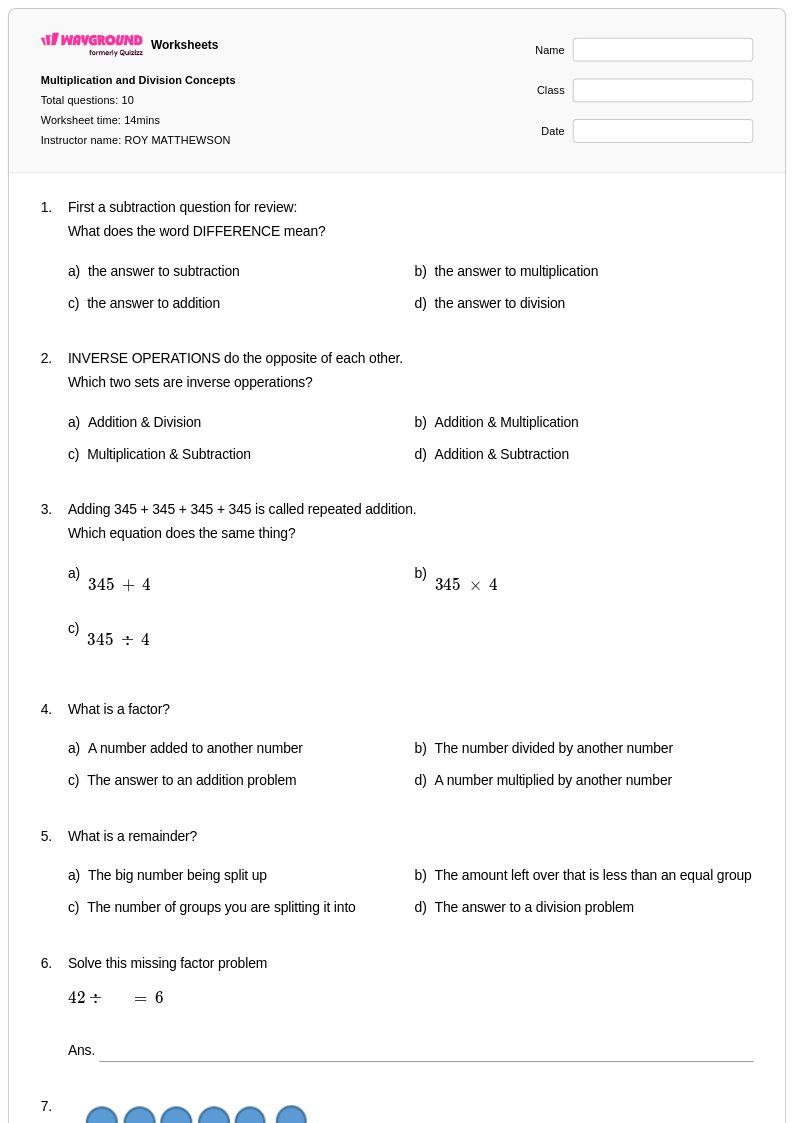
10 Q
4th
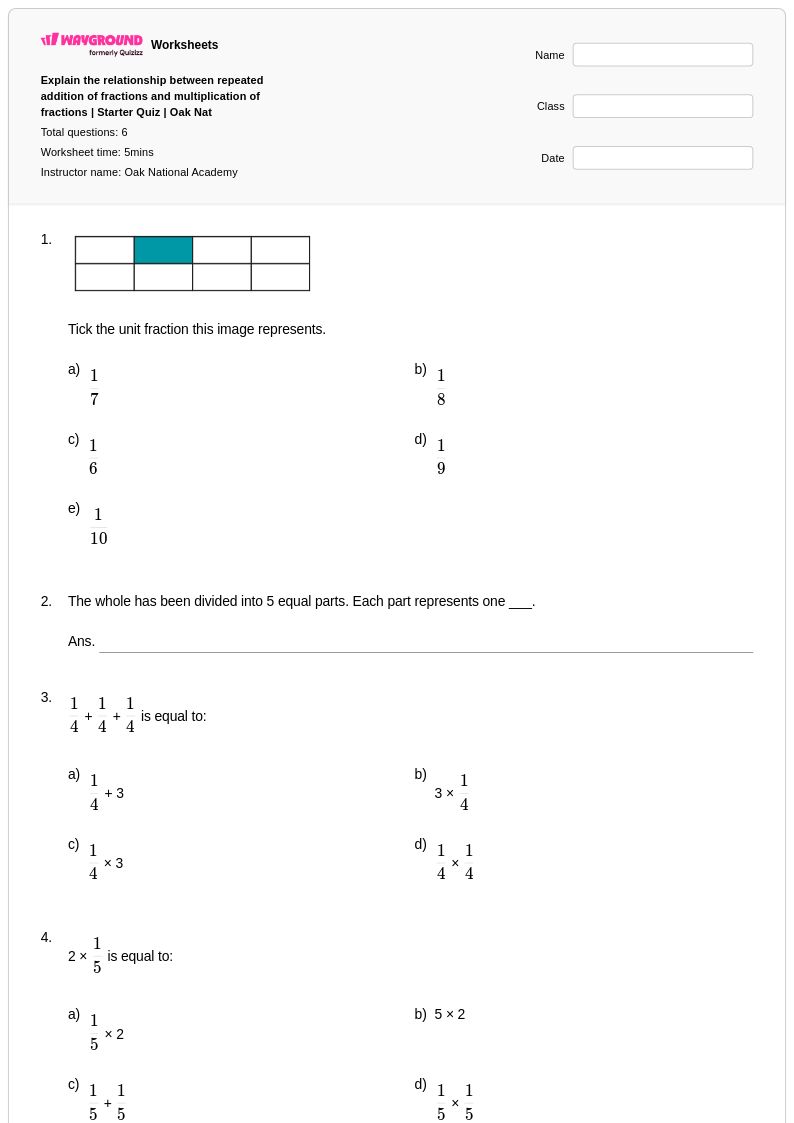
6 Q
4th - Uni
Explore Other Subject Worksheets for year 4
Explore printable Additive Inverse worksheets for Year 4
Additive inverse worksheets for Year 4 students available through Wayground (formerly Quizizz) provide comprehensive practice with this fundamental mathematical concept that forms the foundation for understanding negative numbers and algebraic thinking. These carefully designed practice problems help students master the principle that every number has an opposite, where the sum of a number and its additive inverse equals zero. The worksheets strengthen critical number sense skills by guiding students through exercises that demonstrate how positive and negative integers relate to each other, while building conceptual understanding through visual models, number line activities, and real-world applications. Each printable resource includes a complete answer key and offers free access to structured problems that progress from basic identification of additive inverse pairs to more complex problem-solving scenarios.
Wayground (formerly Quizizz) empowers educators with millions of teacher-created additive inverse resources that support differentiated instruction and flexible lesson planning for Year 4 mathematics. The platform's robust search and filtering capabilities allow teachers to quickly locate materials aligned with specific learning standards and customize worksheets to match individual student needs and ability levels. Whether educators require printable pdf formats for traditional classroom use or digital versions for interactive learning, the extensive collection supports both remediation for struggling learners and enrichment opportunities for advanced students. These versatile tools enable teachers to provide targeted skill practice, assess student understanding, and adapt instruction based on real-time feedback, ensuring that every fourth-grade student develops a solid foundation in additive inverse concepts essential for future mathematical success.
FAQs
How do I teach additive inverses to fourth graders?
What exercises help Grade 4 students practice additive inverses?
What mistakes do fourth graders make with additive inverses?
How can I use a Grade 4 additive inverse worksheet in my lesson?
Are additive inverses aligned with Common Core Grade 4 math?
At what grade level are additive inverses usually taught?
How can I differentiate additive inverse work for fourth graders?