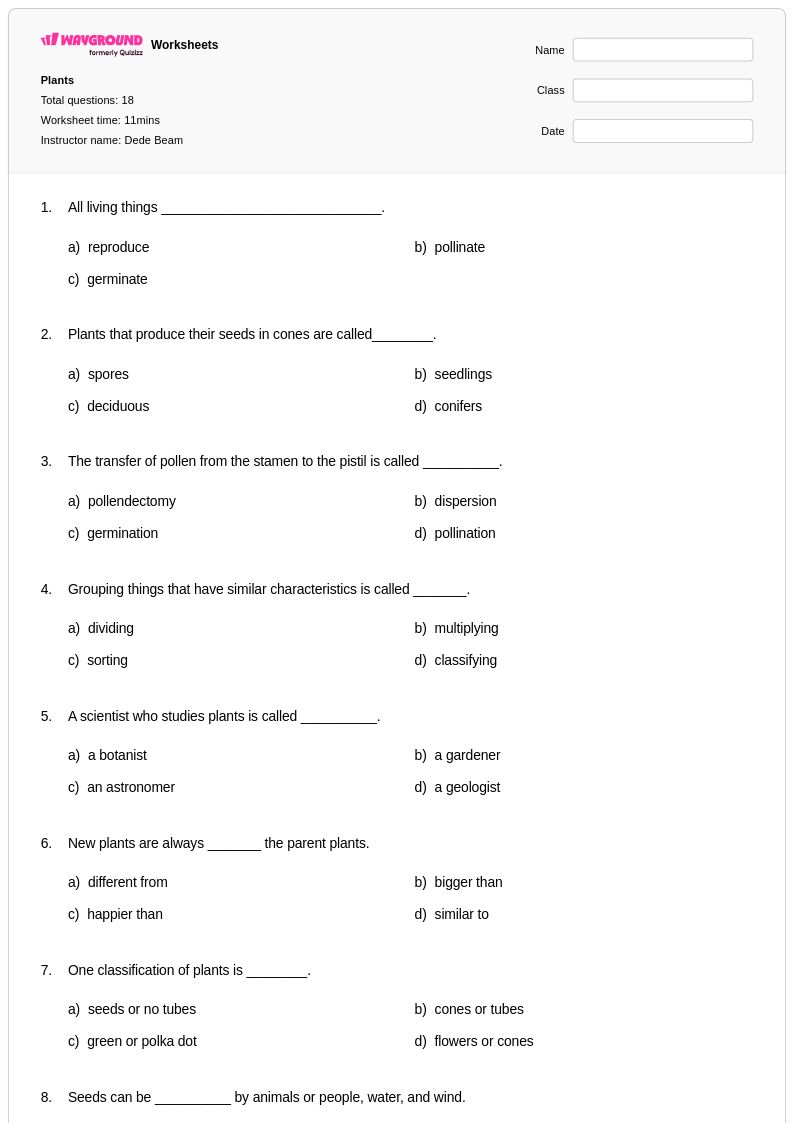
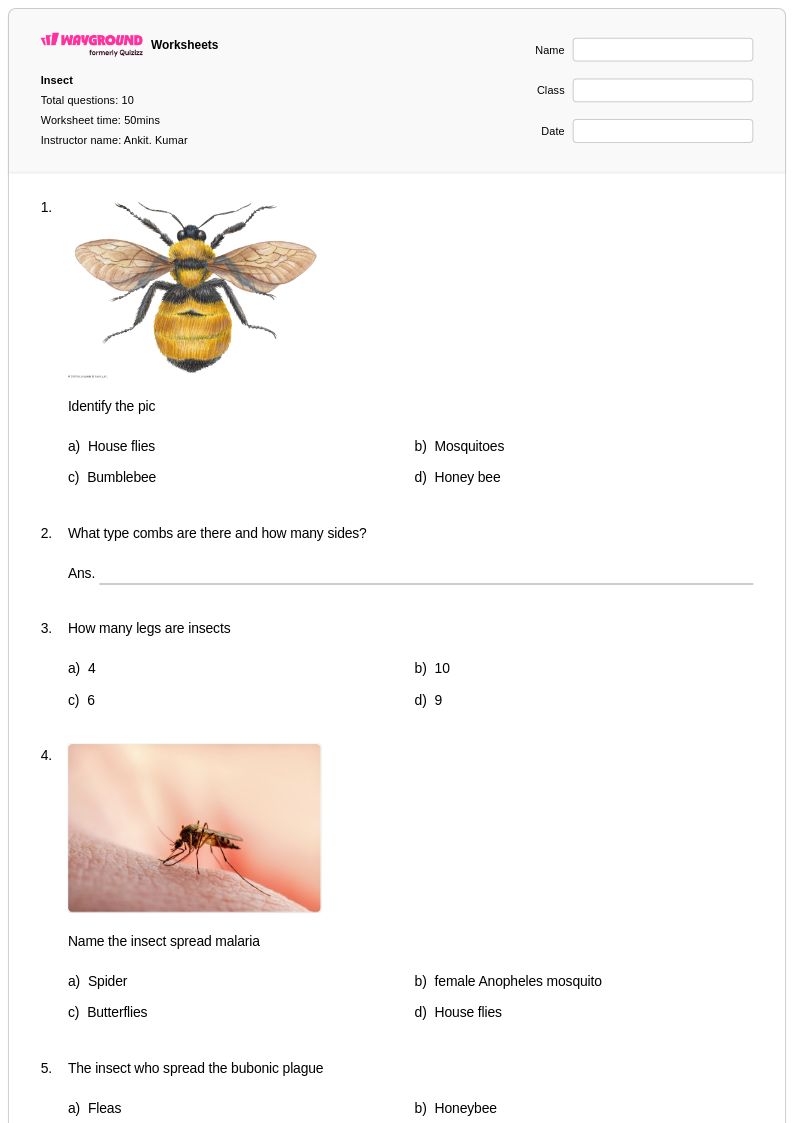
Free Printable Bee Life Cycle Worksheets for Year 4
Explore free Year 4 bee life cycle worksheets and printables that help students learn the stages of metamorphosis through engaging practice problems and activities with complete answer keys.
Explore printable Bee Life Cycle worksheets for Year 4
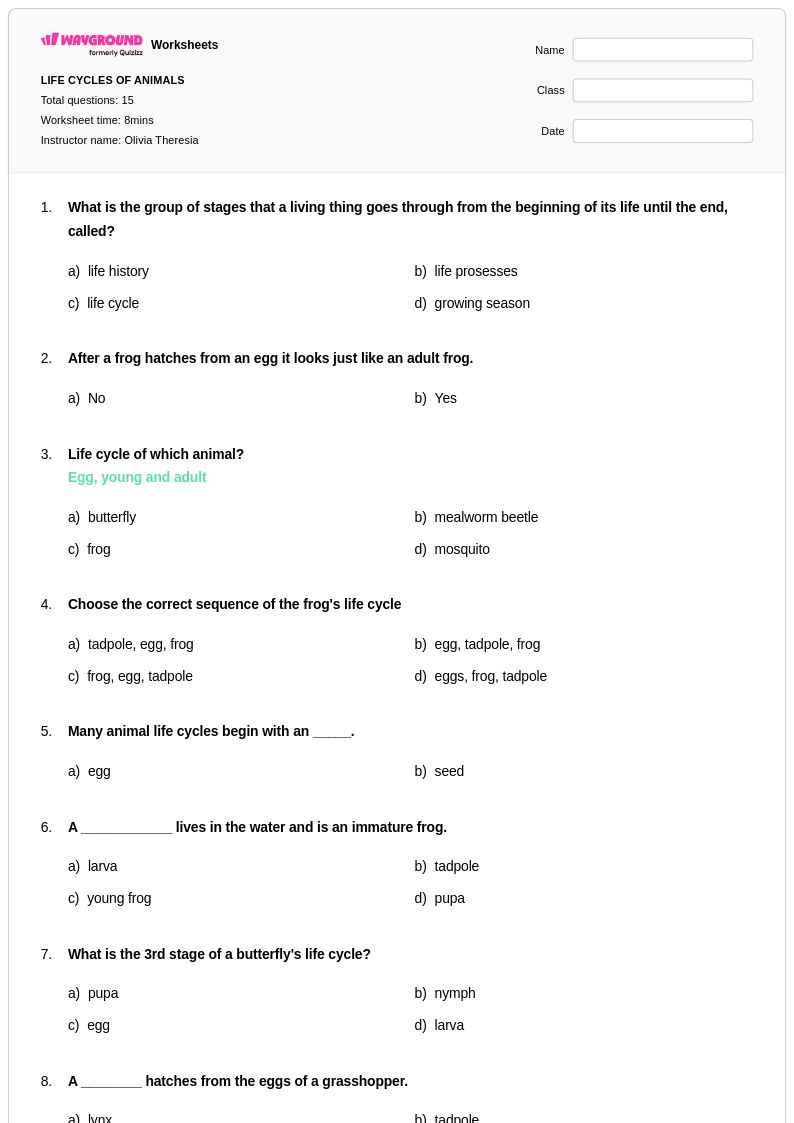
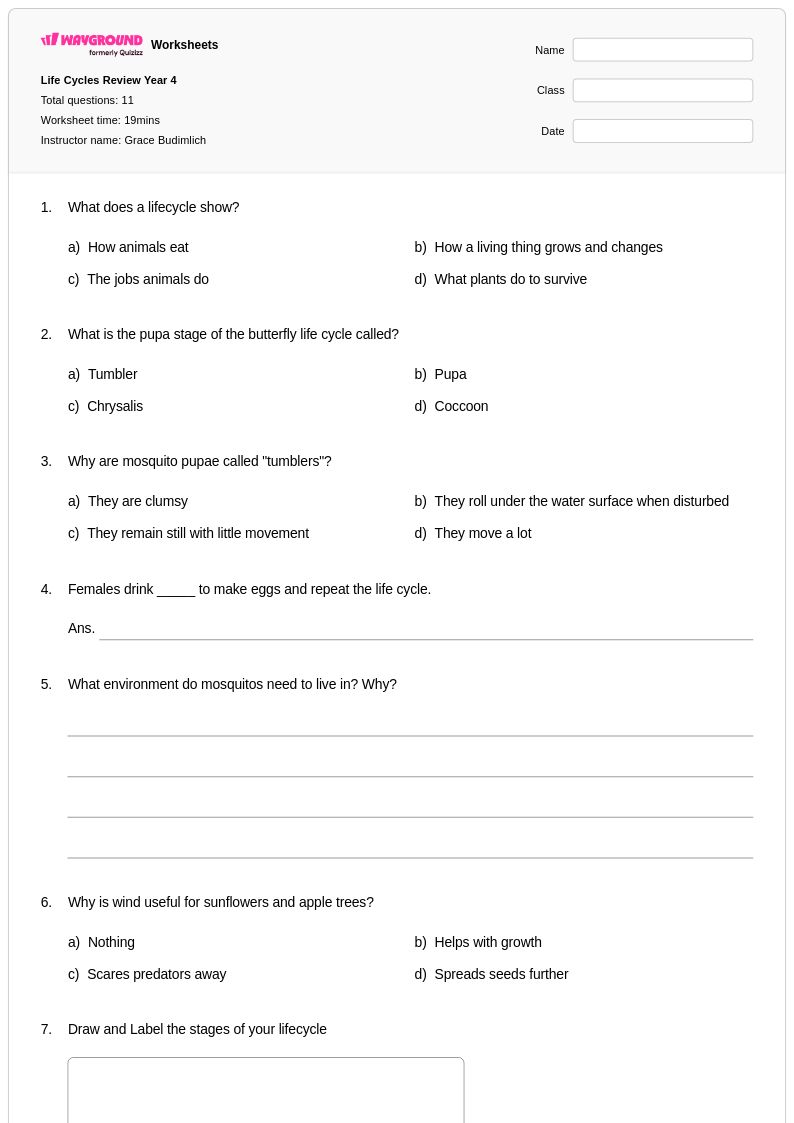
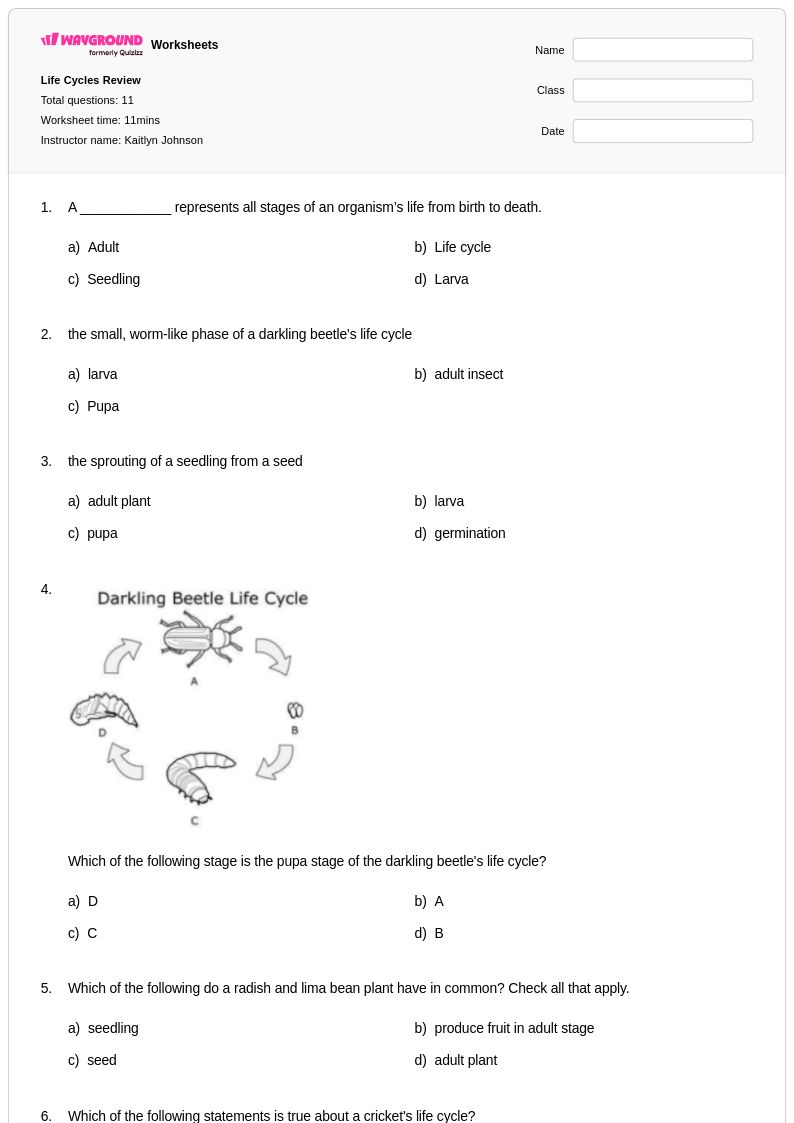
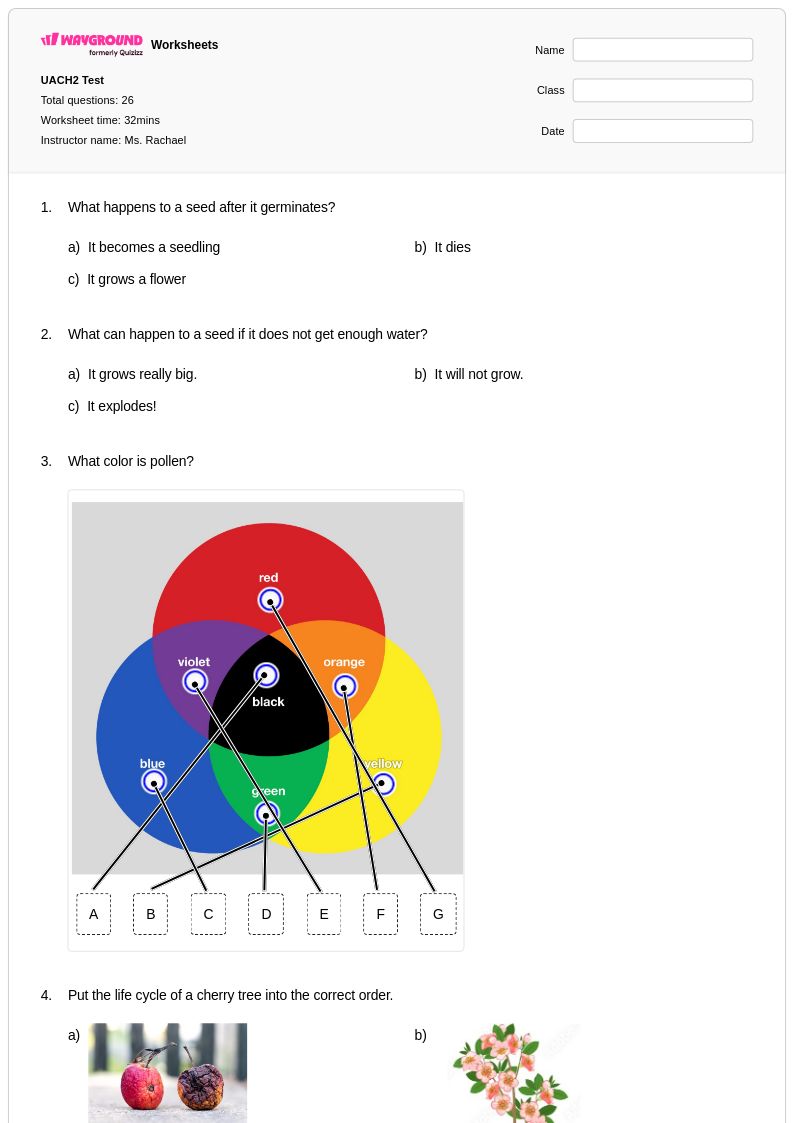
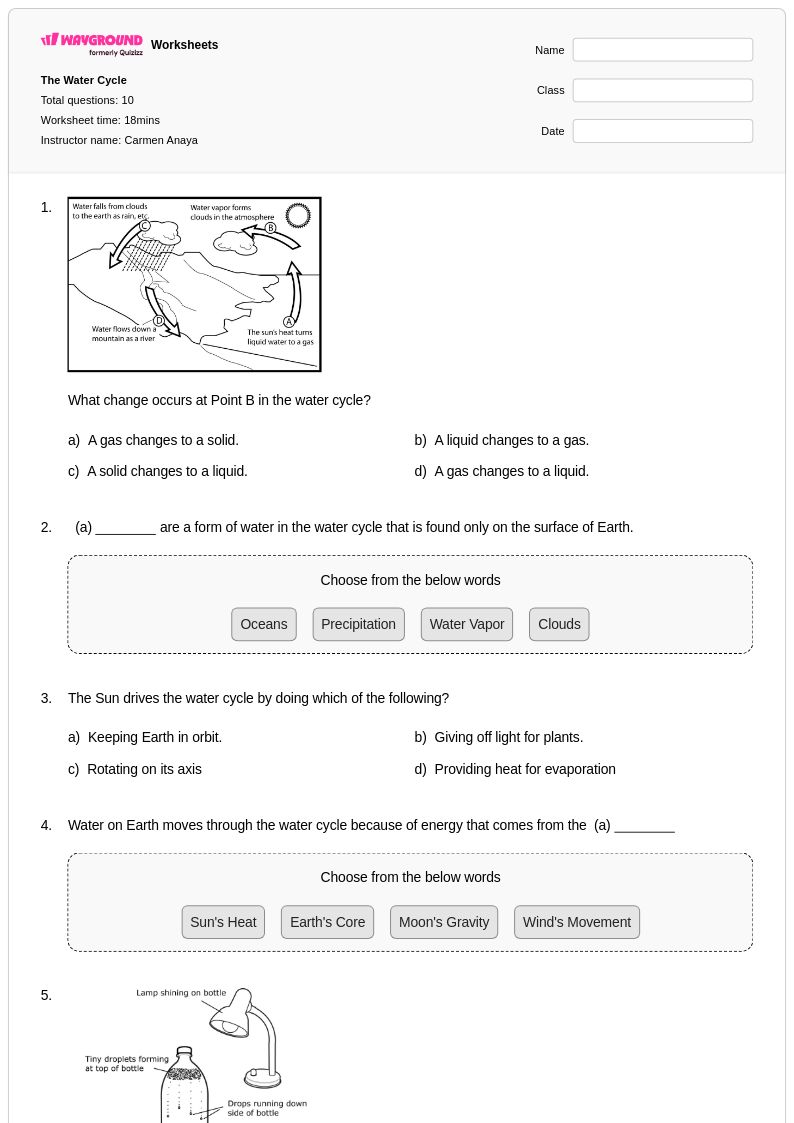
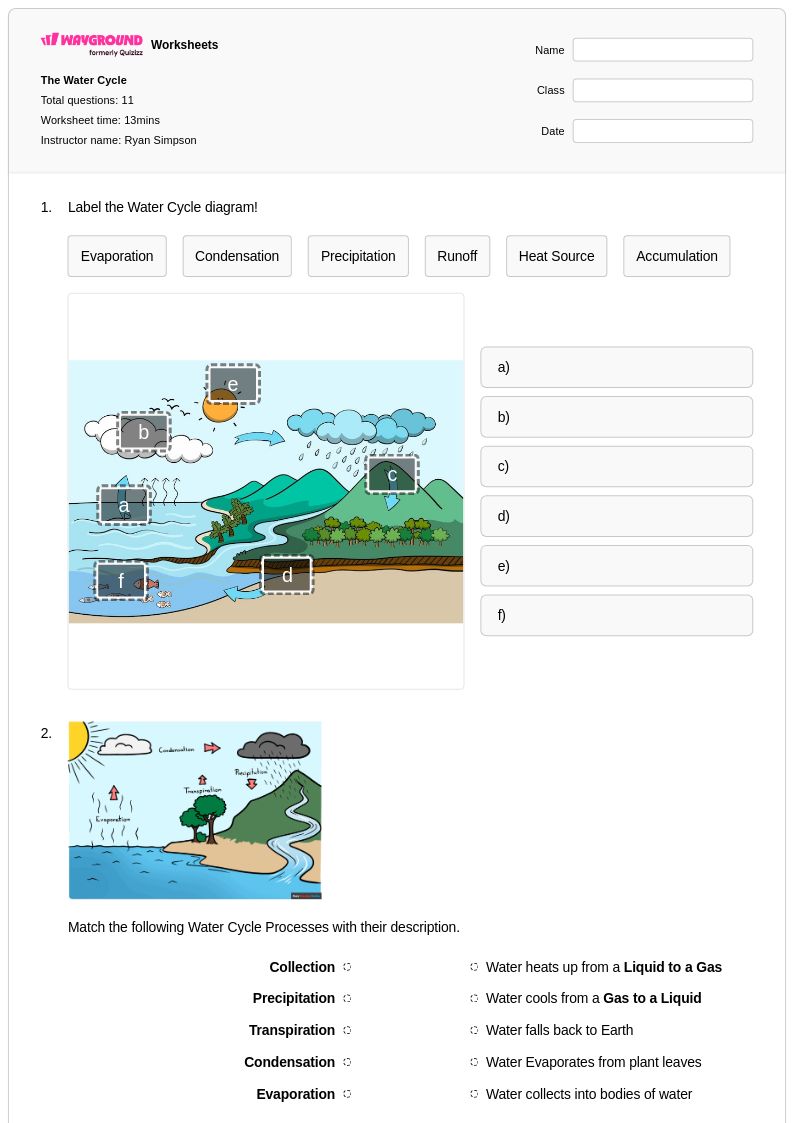
Year 4 bee life cycle worksheets available through Wayground (formerly Quizizz) provide comprehensive learning resources that guide students through the fascinating transformation of bees from egg to adult. These educational materials focus on the four distinct stages of complete metamorphosis: egg, larva, pupa, and adult bee, helping young learners understand this critical biological process through engaging visual diagrams, sequencing activities, and identification exercises. The worksheets strengthen essential life science skills including scientific observation, vocabulary development, and pattern recognition while building foundational knowledge about insect biology and ecosystem relationships. Teachers can access these practice problems as free printables in convenient pdf format, complete with detailed answer keys that support both independent learning and guided instruction.
Wayground's extensive collection draws from millions of teacher-created resources specifically designed to support Year 4 life science instruction on bee development and metamorphosis. The platform's robust search and filtering capabilities allow educators to quickly locate worksheets that align with state science standards while offering differentiation tools to meet diverse learning needs within the classroom. These resources are available in both printable and digital formats, including downloadable pdf versions that facilitate flexible lesson planning and implementation. Teachers can customize these bee life cycle materials for various instructional purposes, from initial concept introduction and skill practice to remediation support and enrichment activities, ensuring that all students develop a thorough understanding of this fundamental biological process.
FAQs
How do I teach the bee life cycle to elementary students?
Teaching the bee life cycle works best when students can visualize each of the four stages: egg, larva, pupa, and adult. Start by introducing the concept of complete metamorphosis, then walk students through each stage using labeled diagrams before moving into sequencing or labeling activities. Connecting the bee's development to other insects that undergo complete metamorphosis, such as butterflies, helps students build a broader understanding of the biological process.
What activities help students practice the stages of a bee's life cycle?
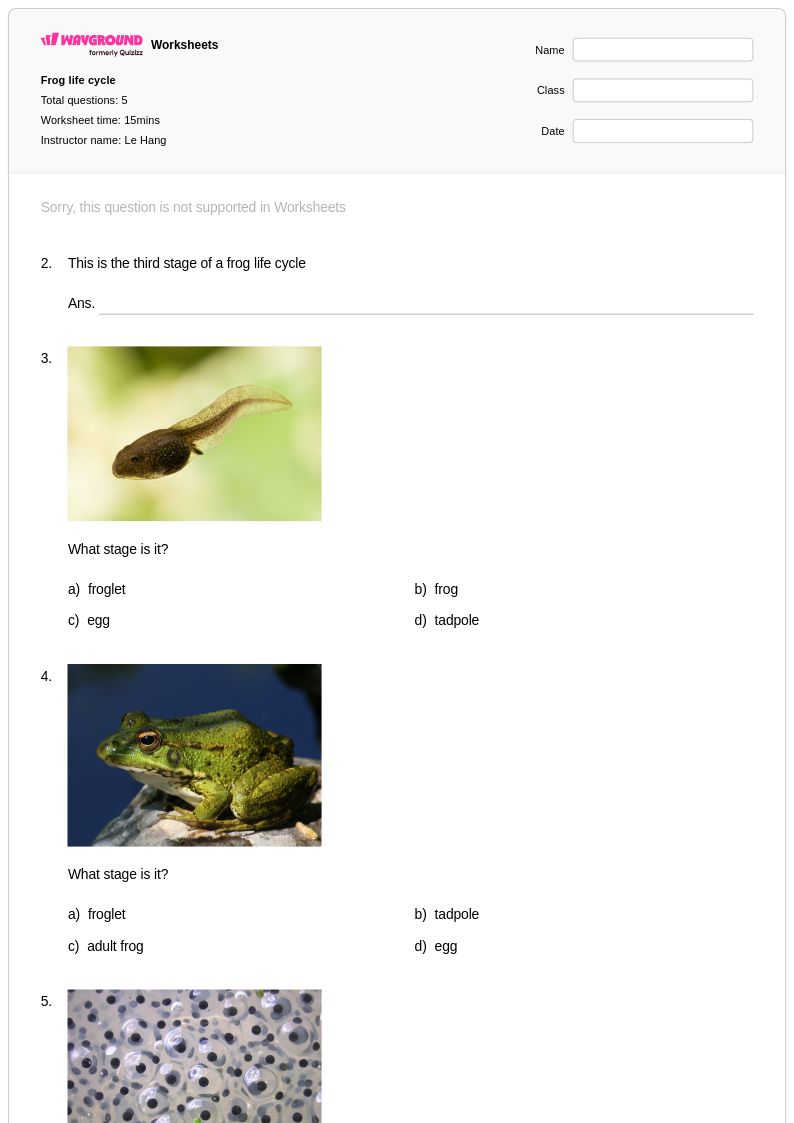
Sequencing activities, where students arrange the four stages in the correct order, are highly effective for reinforcing the bee life cycle. Labeling diagrams of each developmental stage and completing comparative analysis exercises that contrast the egg, larva, pupa, and adult phases help deepen comprehension. These practice formats also build the biological vocabulary students need to describe each stage's unique characteristics and duration accurately.
What common mistakes do students make when learning about the bee life cycle?
A frequent misconception is confusing complete metamorphosis with incomplete metamorphosis, leading students to omit the pupa stage or incorrectly sequence the developmental phases. Students also commonly struggle to distinguish the larva and pupa stages visually, since neither resembles the adult bee. Explicit instruction on what physically changes at each stage, supported by detailed diagrams, helps address these errors before they become entrenched.
How can I differentiate bee life cycle instruction for students at different skill levels?
For struggling learners, simplified diagrams with fewer labels and reduced answer choices reduce cognitive overload while keeping students engaged with the core content. Advanced students benefit from comparative analysis tasks that ask them to contrast the bee life cycle with that of other insects or explain the biological significance of each stage. On Wayground, teachers can apply accommodations such as read aloud support, reduced answer choices, and extended time to individual students without disrupting the rest of the class.
How do I use Wayground's bee life cycle worksheets in my classroom?
Wayground's bee life cycle worksheets are available as printable PDFs for traditional paper-based use and in digital formats for technology-integrated classrooms, giving teachers flexibility regardless of their learning environment. Teachers can also host the worksheets as a quiz directly on Wayground to collect real-time student responses and assess understanding formatively. All worksheets include complete answer keys, making it straightforward to review student work and provide timely feedback.