Free Printable Beginning, Middle, and End worksheets
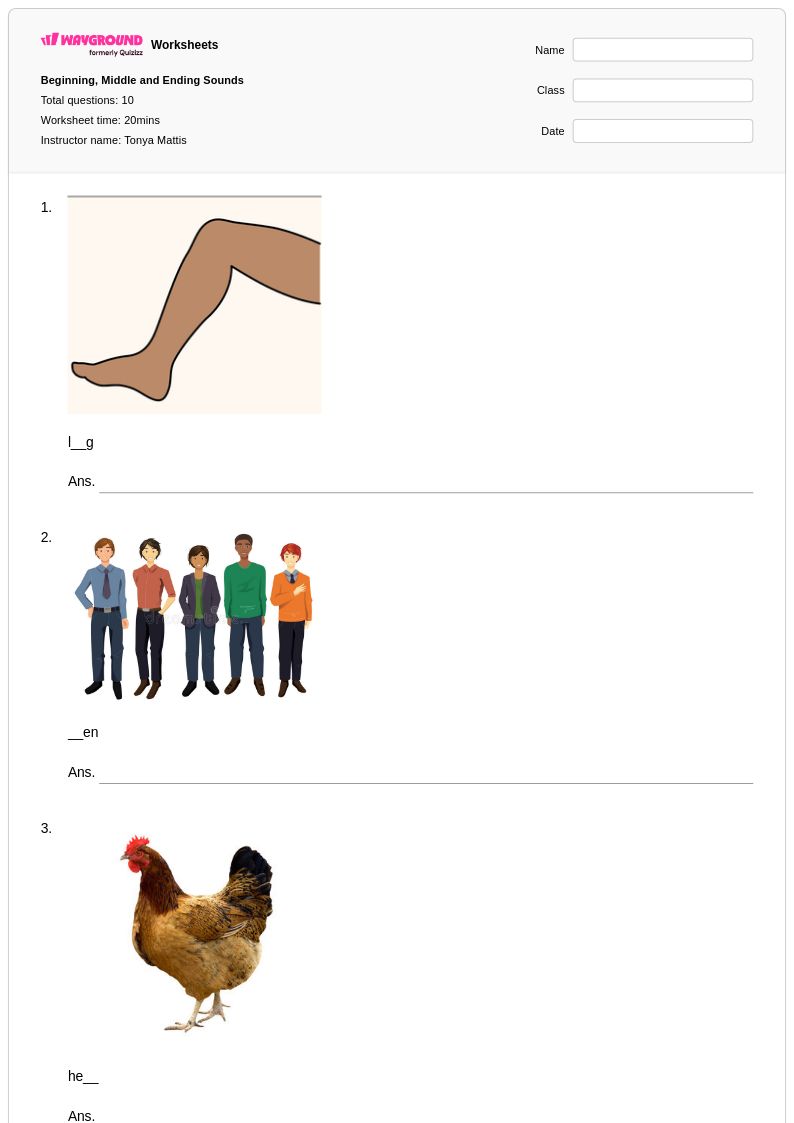
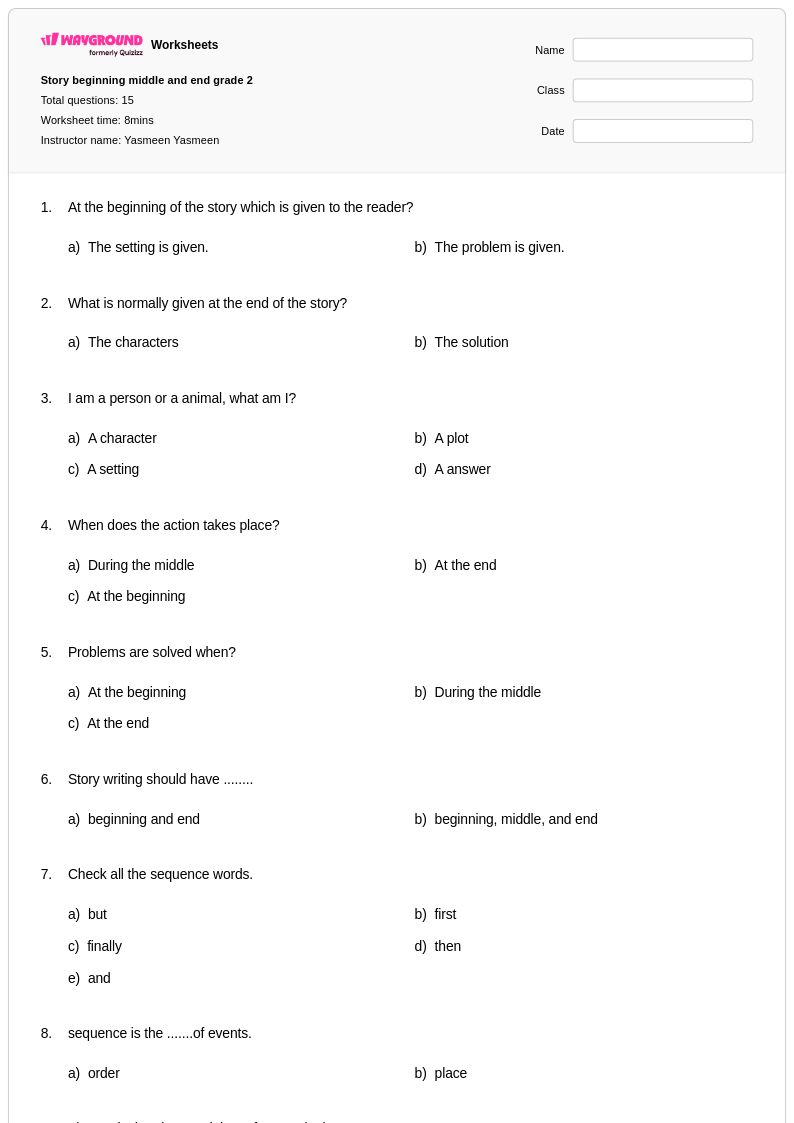
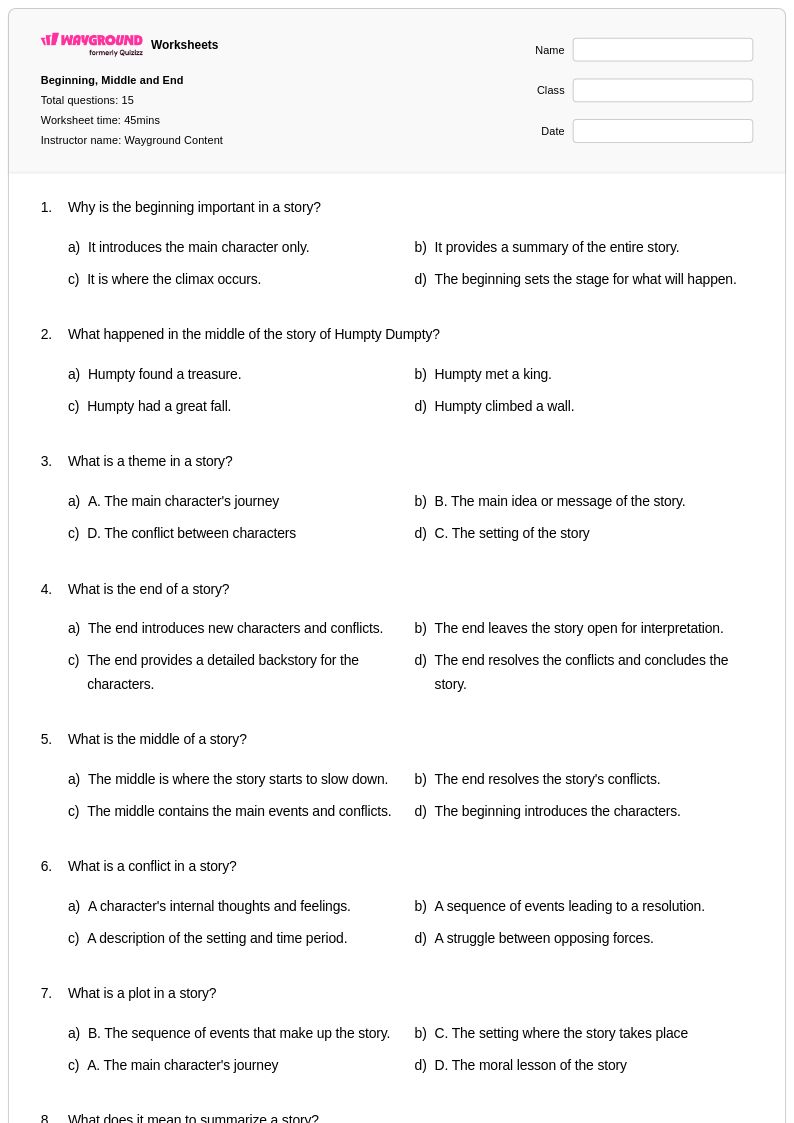
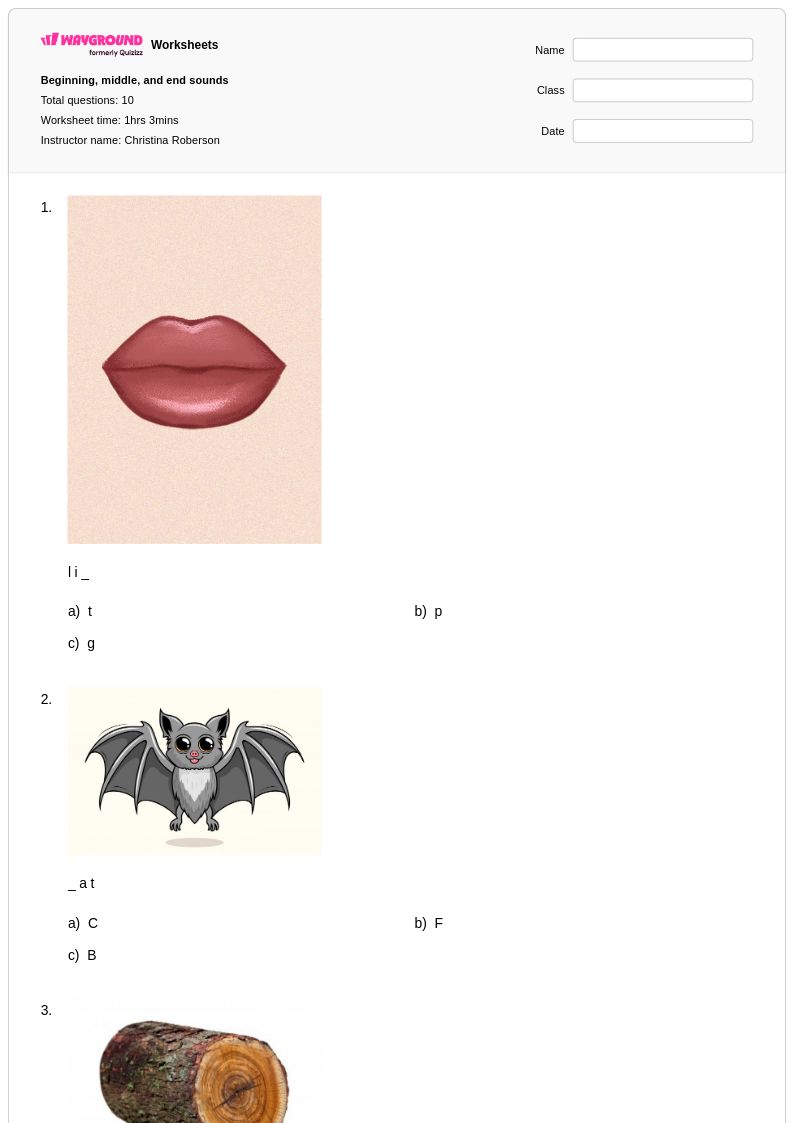
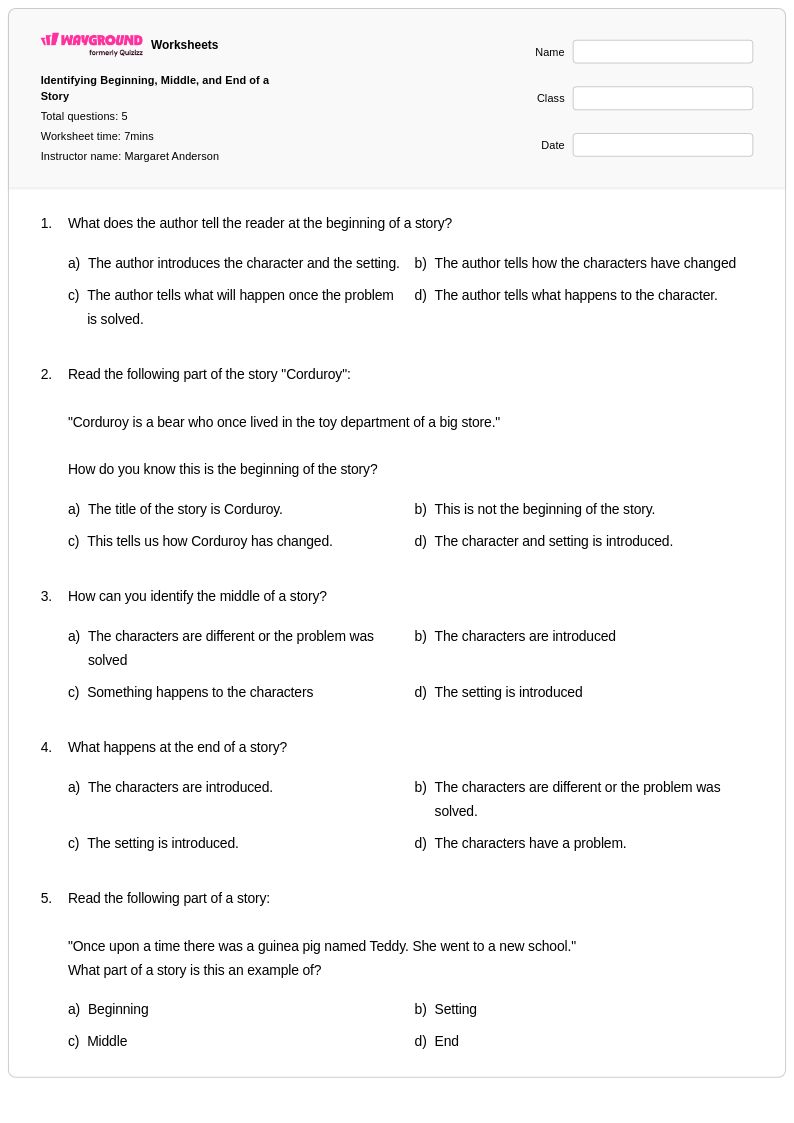
Wayground's free printable worksheets help students master identifying the beginning, middle, and end of stories through engaging practice problems and comprehensive answer keys in convenient PDF format.
Explore printable Beginning, Middle, and End worksheets
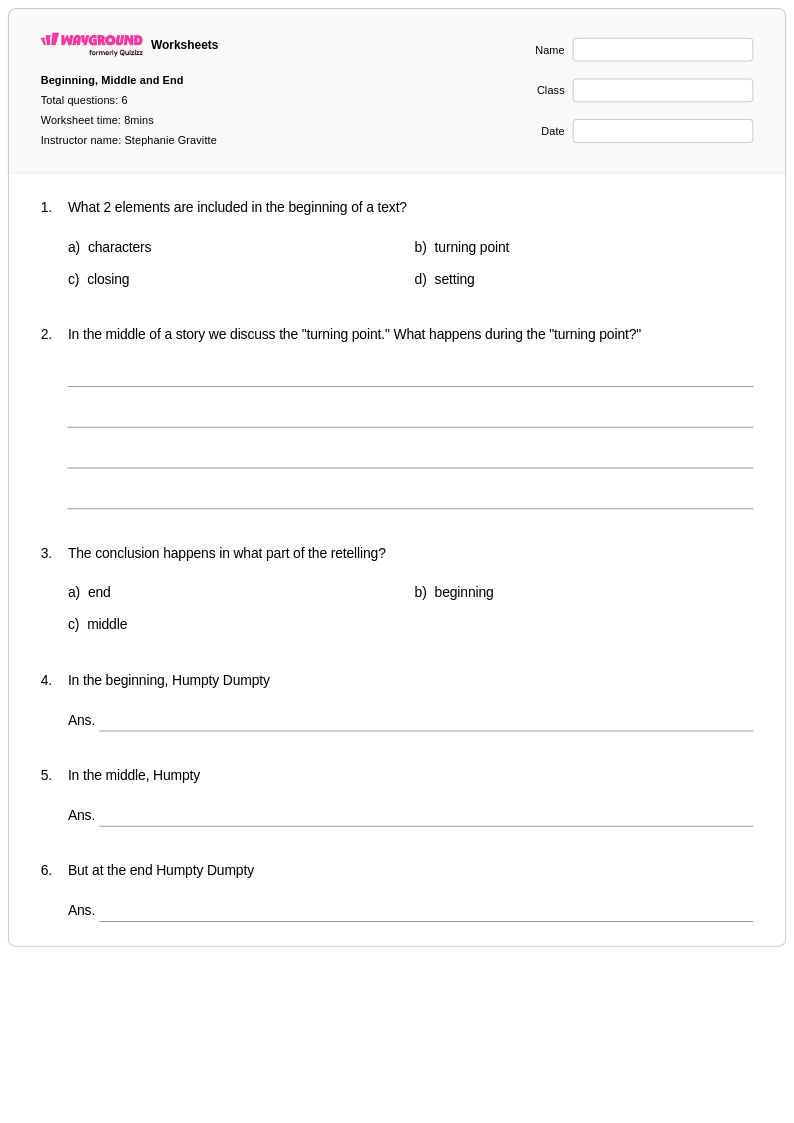
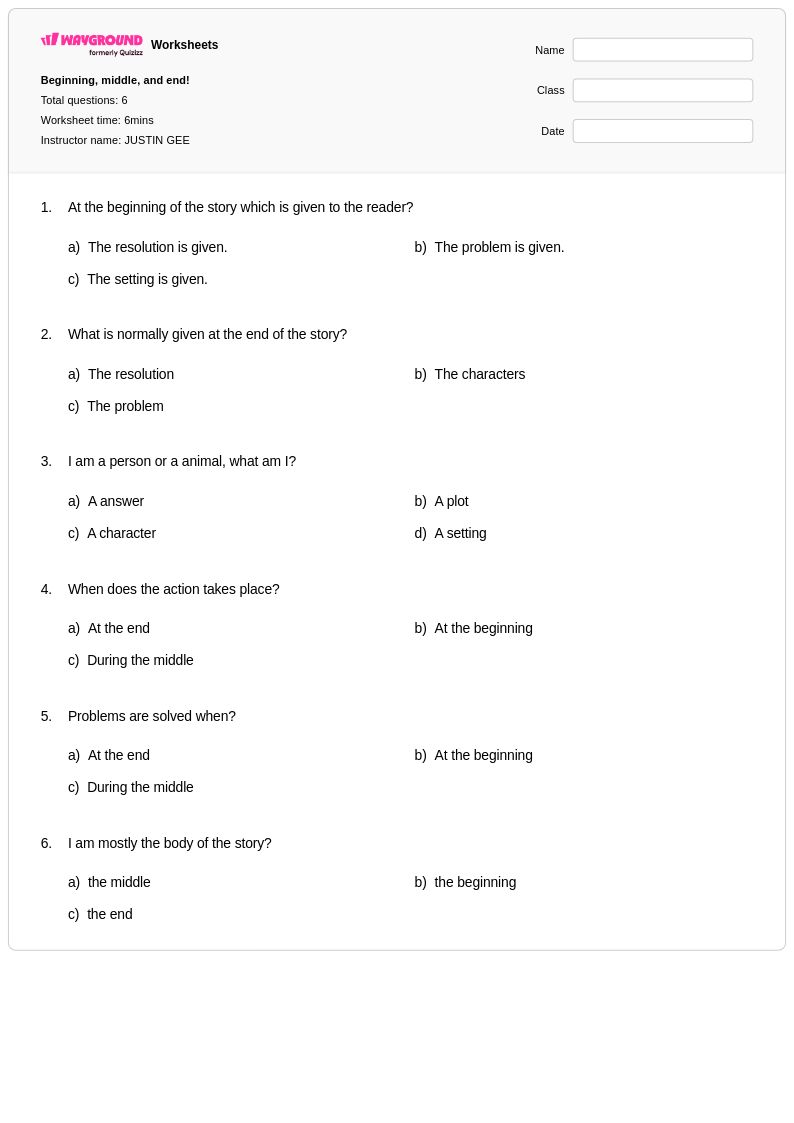
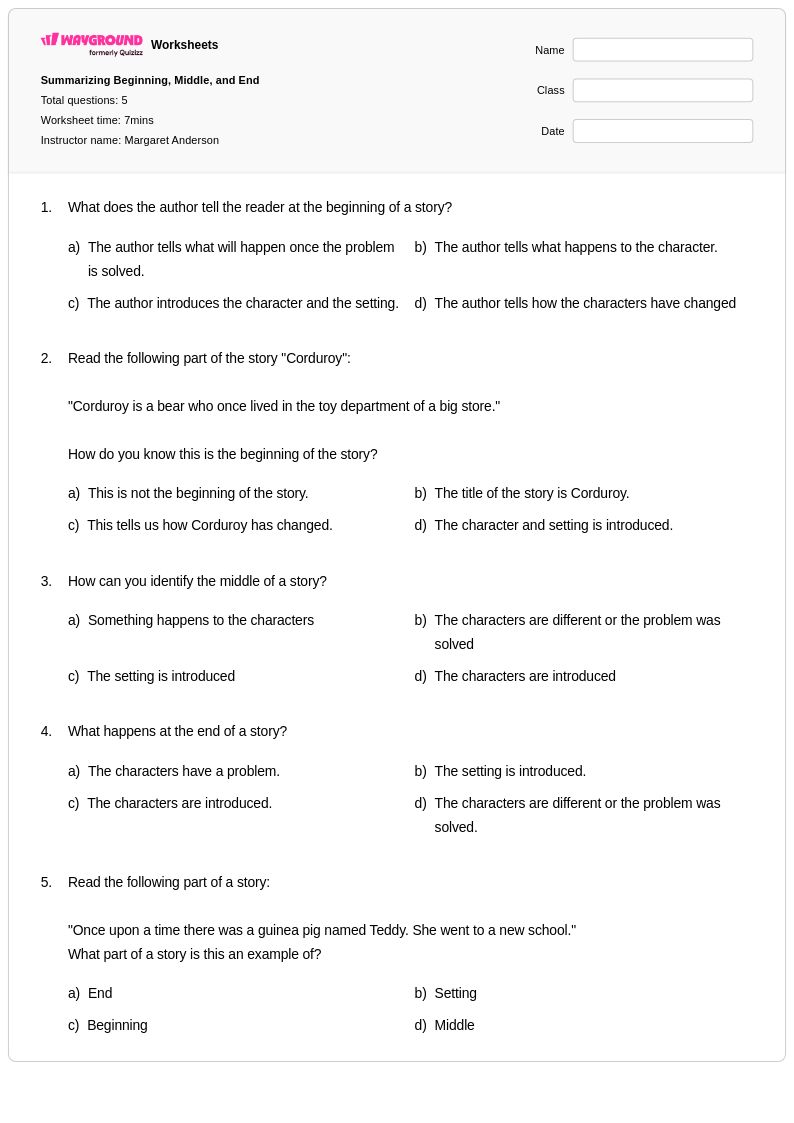
Beginning, middle, and end worksheets available through Wayground (formerly Quizizz) provide students with essential practice in identifying and analyzing the fundamental three-part structure that forms the foundation of narrative storytelling. These comprehensive resources strengthen critical reading comprehension skills by teaching students to recognize exposition and character introduction in story beginnings, identify rising action and conflict development in the middle sections, and understand how resolution and conclusion elements function in story endings. The practice problems guide students through systematic analysis of various narrative forms, from classic fairy tales to contemporary short stories, while answer keys support both independent study and classroom instruction. Teachers can access these free printables in convenient PDF format, making it easy to distribute structured activities that build students' ability to deconstruct narratives and understand how authors craft cohesive, engaging stories through deliberate structural choices.
Wayground (formerly Quizizz) empowers educators with millions of teacher-created beginning, middle, and end worksheets that streamline lesson planning and provide targeted skill practice for narrative structure analysis. The platform's robust search and filtering capabilities allow teachers to quickly locate age-appropriate materials that align with reading standards and support differentiated instruction across diverse learning needs. These flexible resources are available in both printable and digital formats, including downloadable PDFs, enabling seamless integration into traditional classroom settings or remote learning environments. Teachers can customize worksheet collections to address specific remediation goals, provide enrichment opportunities for advanced readers, or create comprehensive practice sets that systematically build students' understanding of story architecture, ensuring every learner develops the analytical skills necessary to comprehend and appreciate narrative literature effectively.
FAQs
How do I teach beginning, middle, and end to early readers?
Start by reading a short, familiar story aloud and pausing to ask students what just happened, what is happening now, and how the story wrapped up. Use graphic organizers that divide the page into three labeled sections so students can record key events in sequence. Once students are comfortable with simple narratives, gradually introduce stories with more complex plots to deepen their understanding of how each part functions structurally.
What exercises help students practice identifying beginning, middle, and end?
Effective practice includes sequencing activities where students arrange scrambled story events into the correct order, retelling tasks where students summarize each part in one or two sentences, and story-mapping exercises tied to specific texts. Working across a variety of narrative forms, from fairy tales to contemporary short stories, helps students generalize the skill rather than memorizing a single story's structure.
What mistakes do students commonly make when identifying beginning, middle, and end?
A common error is treating the beginning as simply the first sentence and the end as the last sentence, rather than understanding each part by its narrative function. Students also frequently lump the bulk of a story's events into the beginning, struggling to identify where rising action and conflict development signal the middle. Targeted practice that asks students to justify why an event belongs in a specific section helps correct these misconceptions.
How can I use beginning, middle, and end worksheets to support struggling readers?
For struggling readers, start with very short texts or wordless picture books so the cognitive load of decoding does not interfere with structural analysis. Wayground's digital worksheets support Read Aloud functionality, which reads questions and story content aloud to students who need it, and teachers can also reduce answer choices for students who need less cognitive load when selecting which event belongs in which story section. These accommodations can be assigned individually so the rest of the class works with standard settings.
How do I use Wayground's beginning, middle, and end worksheets in my classroom?
Wayground's beginning, middle, and end worksheets are available as printable PDFs for traditional classroom use and in digital formats for technology-integrated or remote learning environments, including the option to host them as a quiz directly on Wayground. Teachers can use the platform's search and filtering tools to locate materials aligned to specific reading standards or narrative forms, then assign them for independent practice, small-group work, or whole-class instruction. All worksheets include complete answer keys, making it straightforward to review student work or support self-paced study.