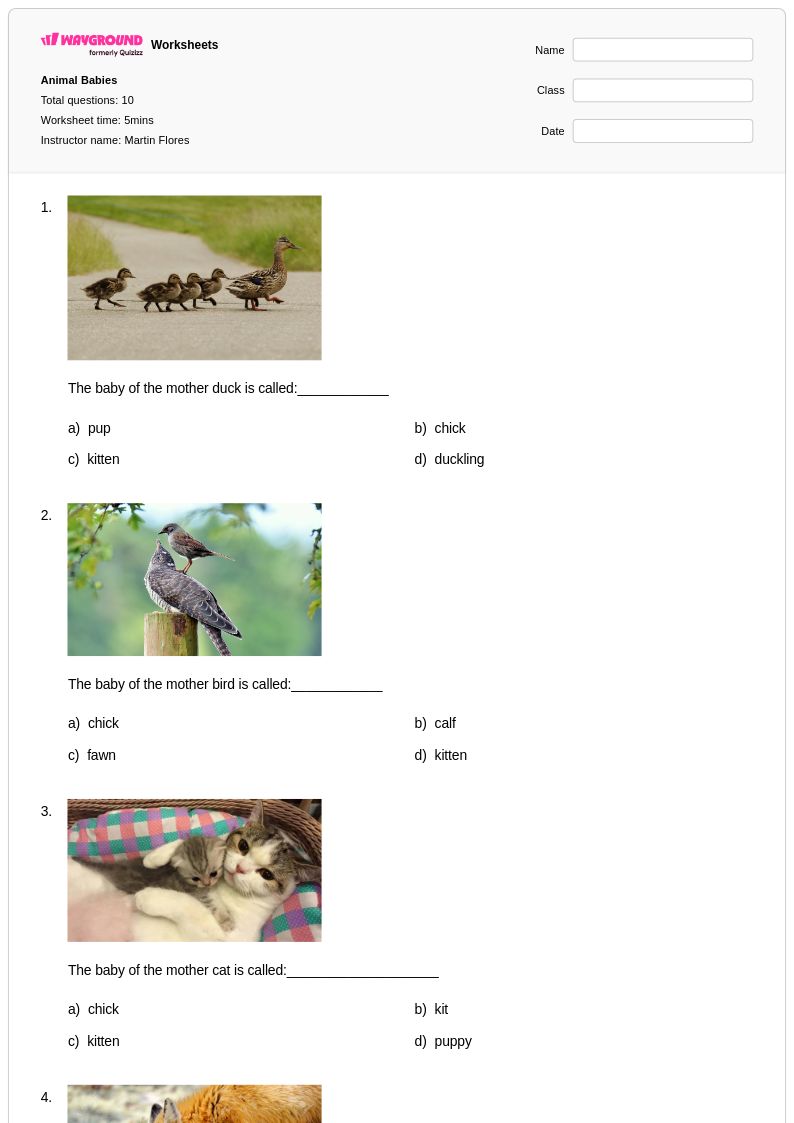
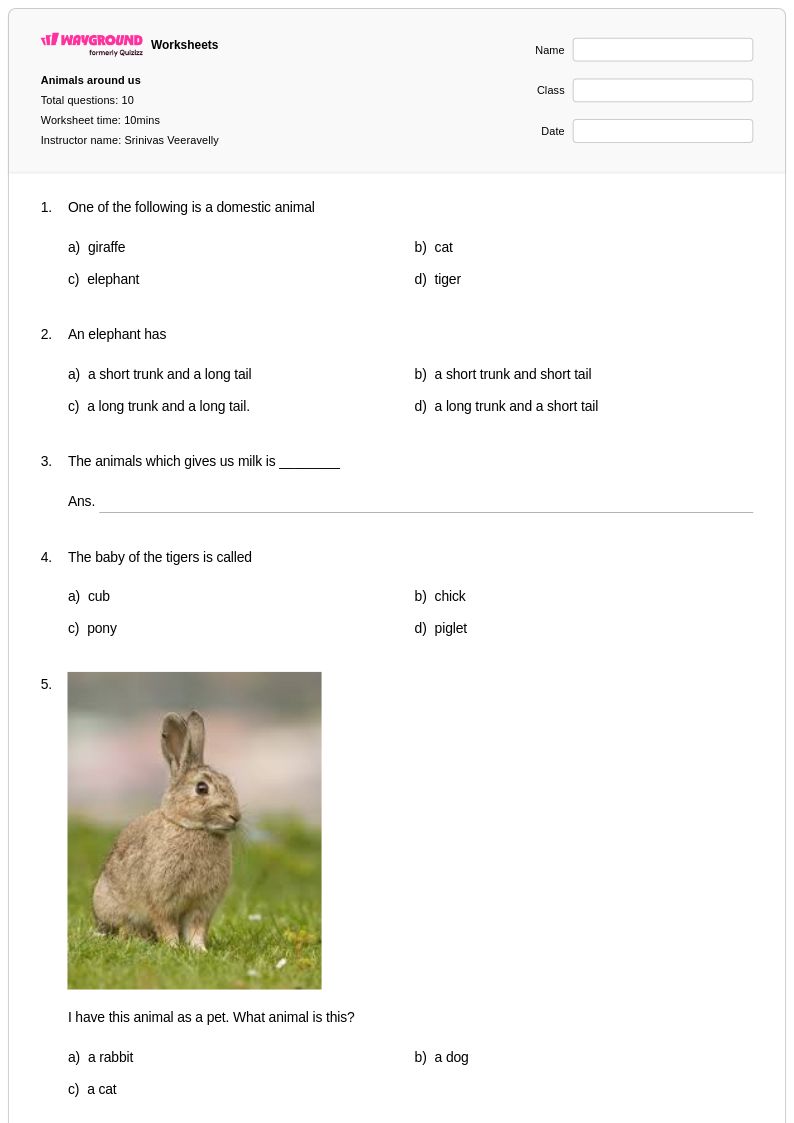
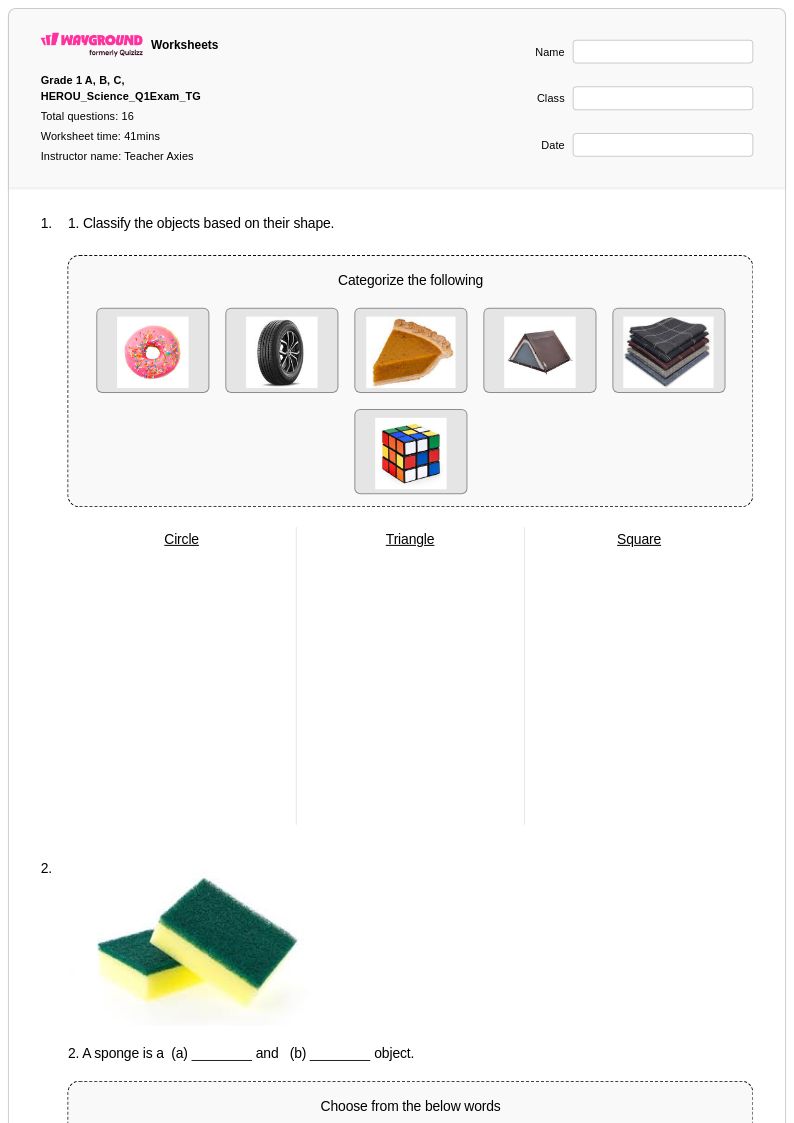
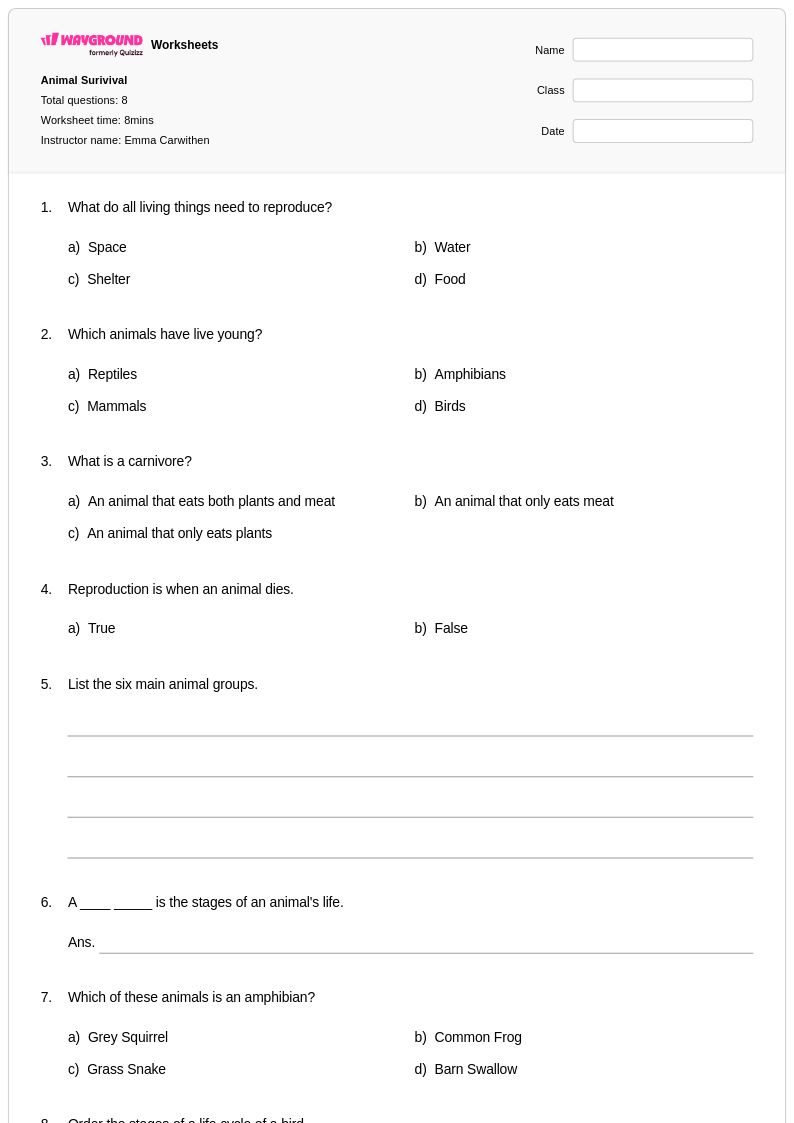
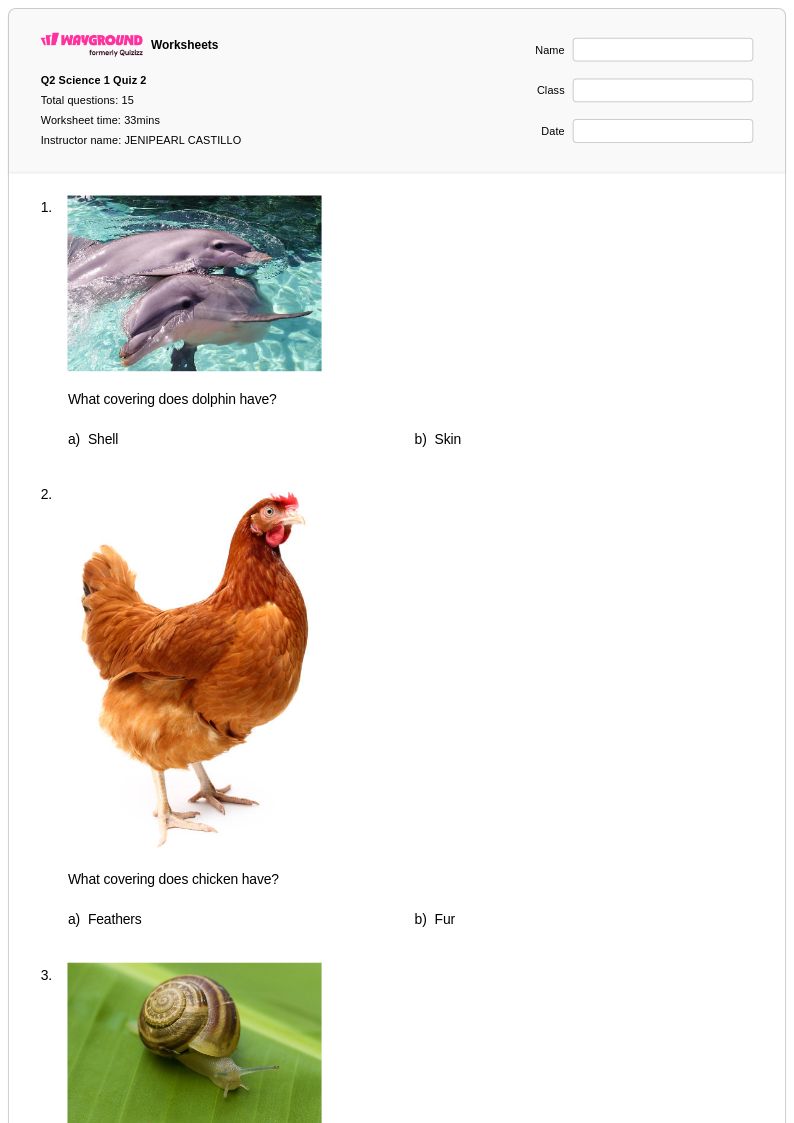
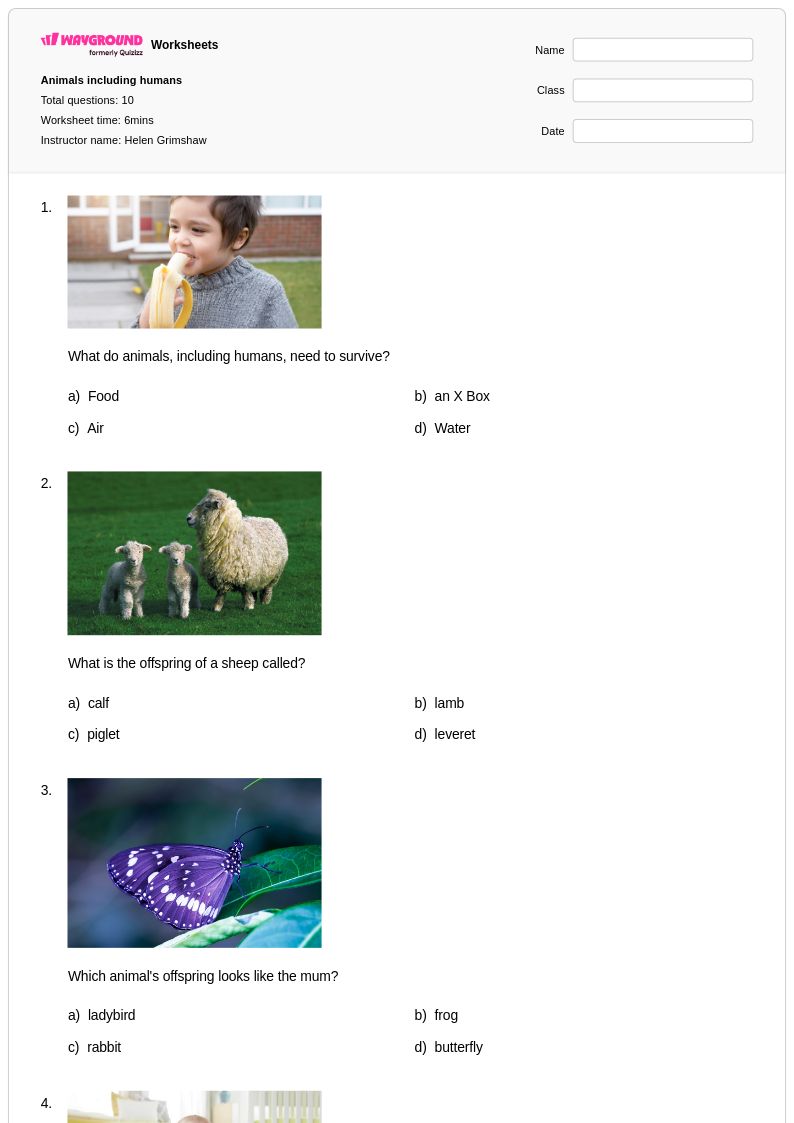
Explore our collection of free Year 1 chick worksheets and printables that help young learners discover life cycles, animal characteristics, and basic biology through engaging practice problems with included answer keys.
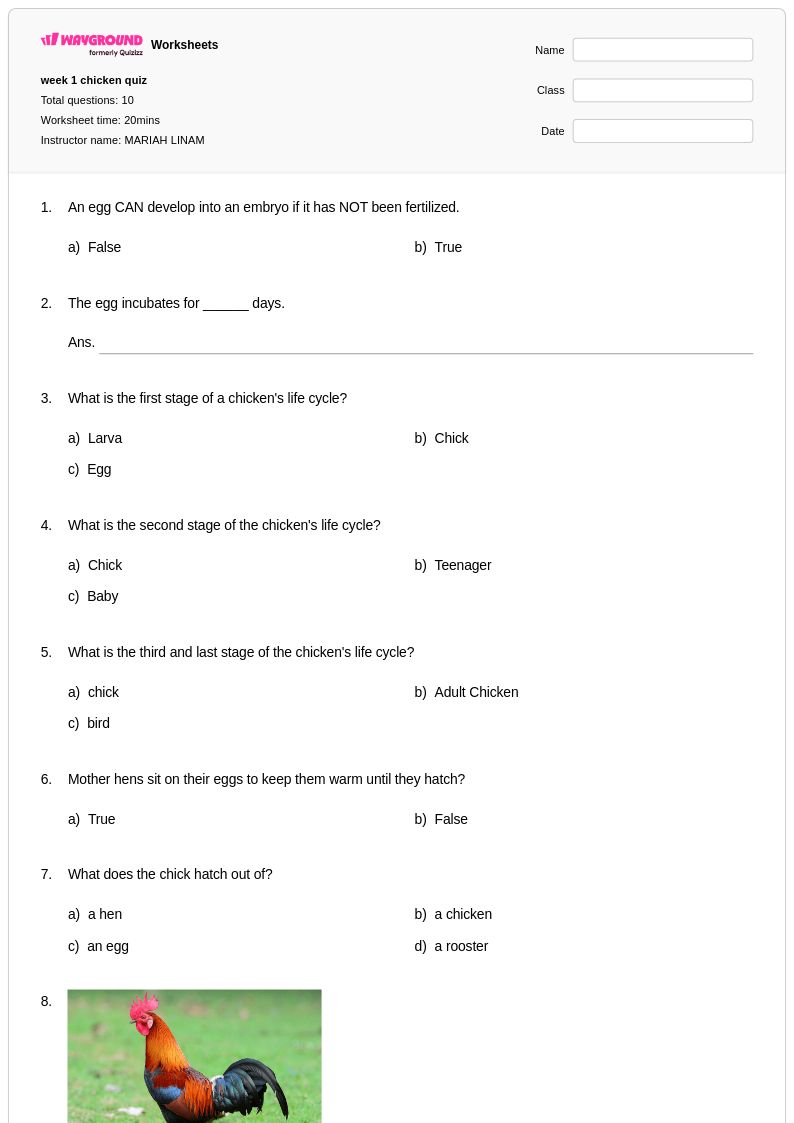
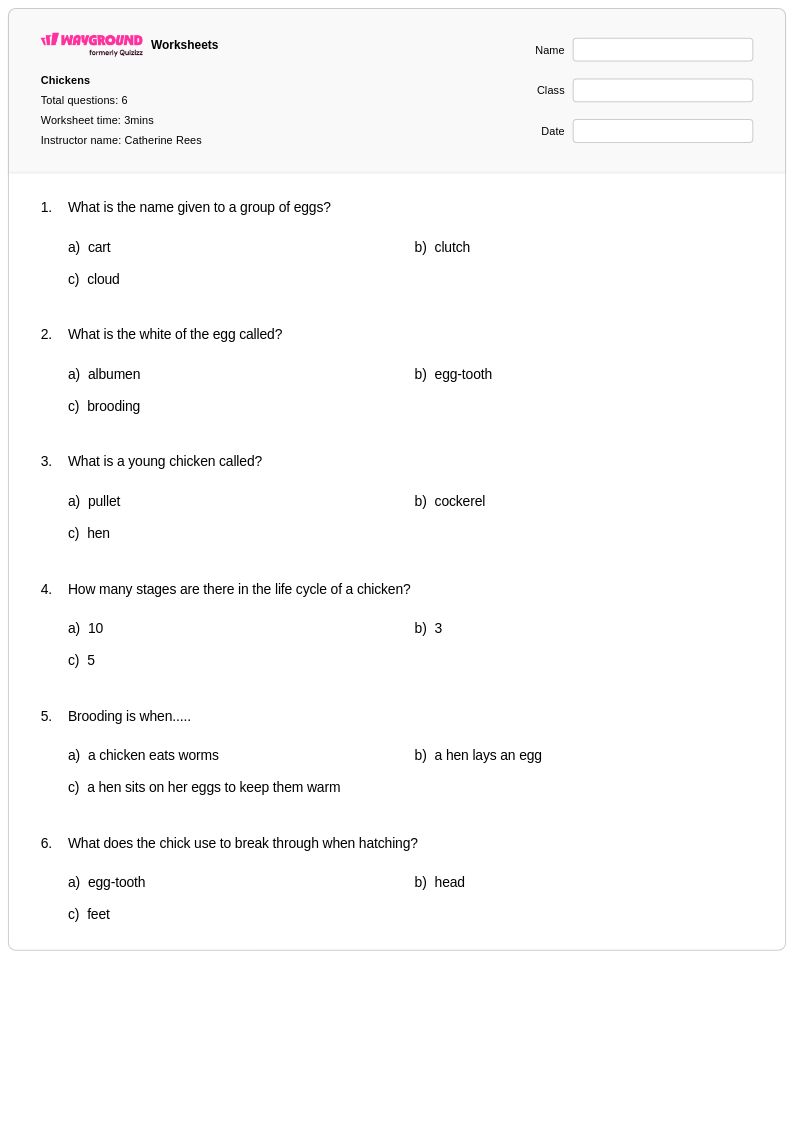
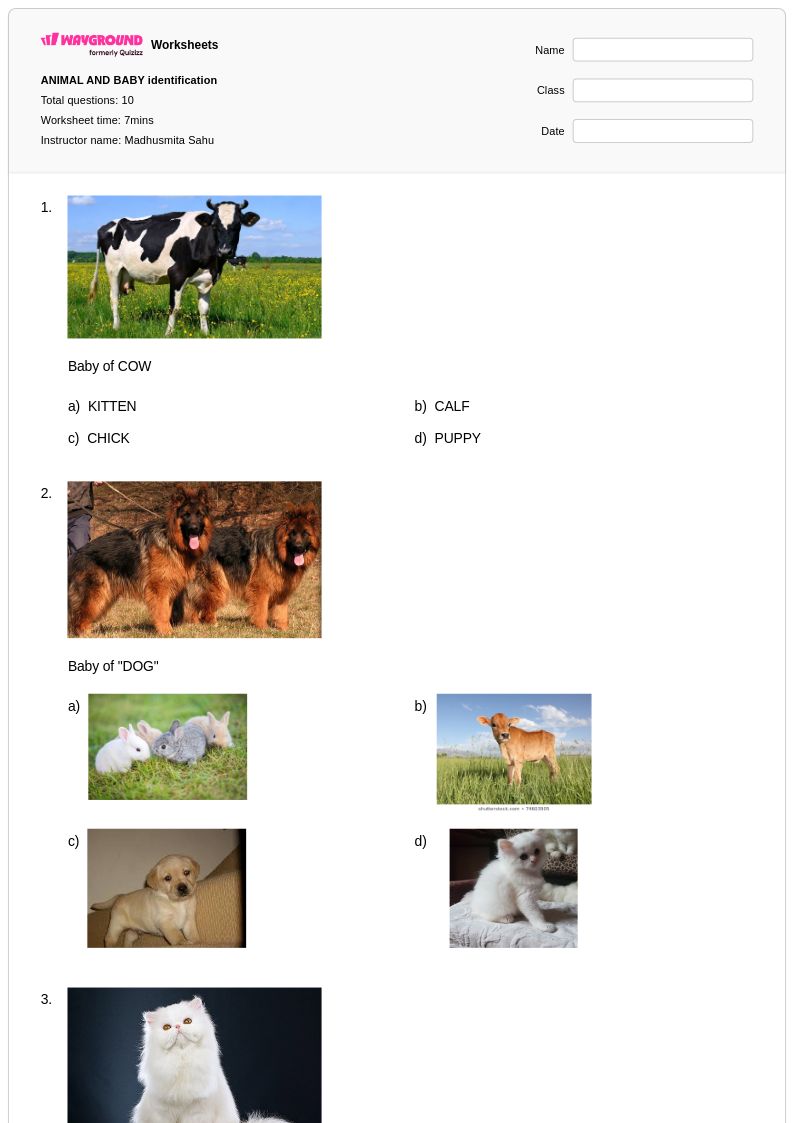
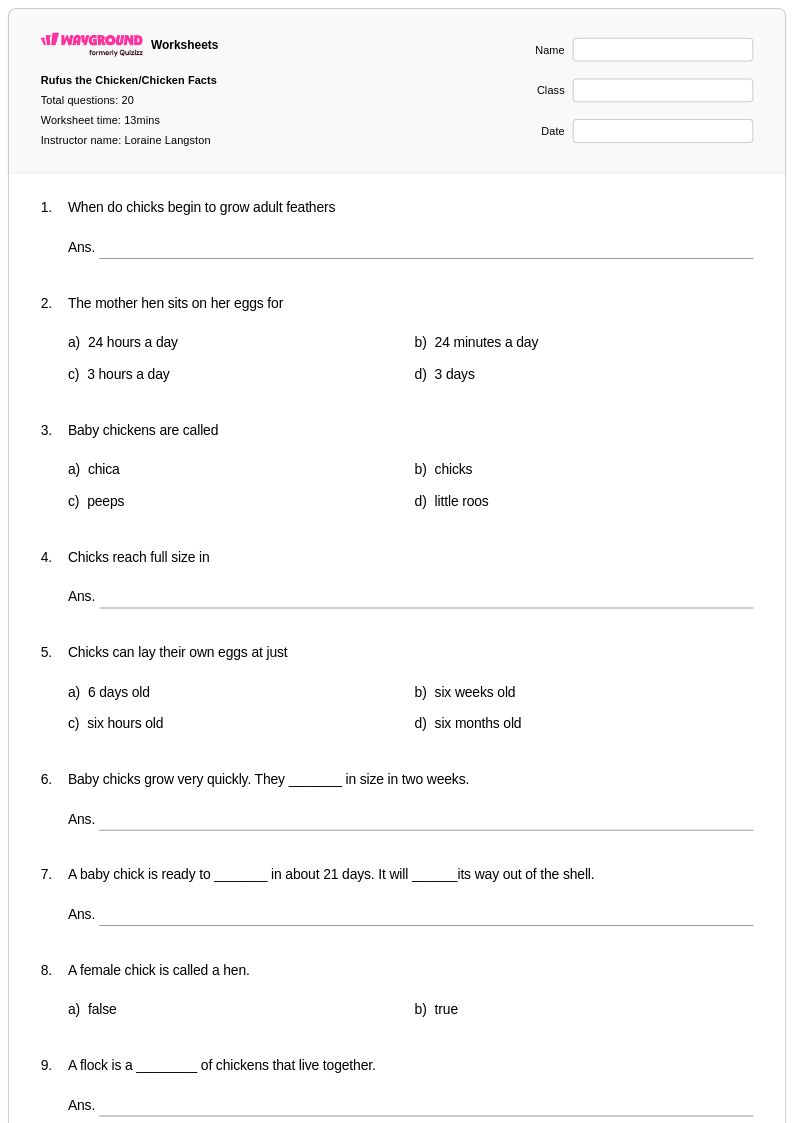
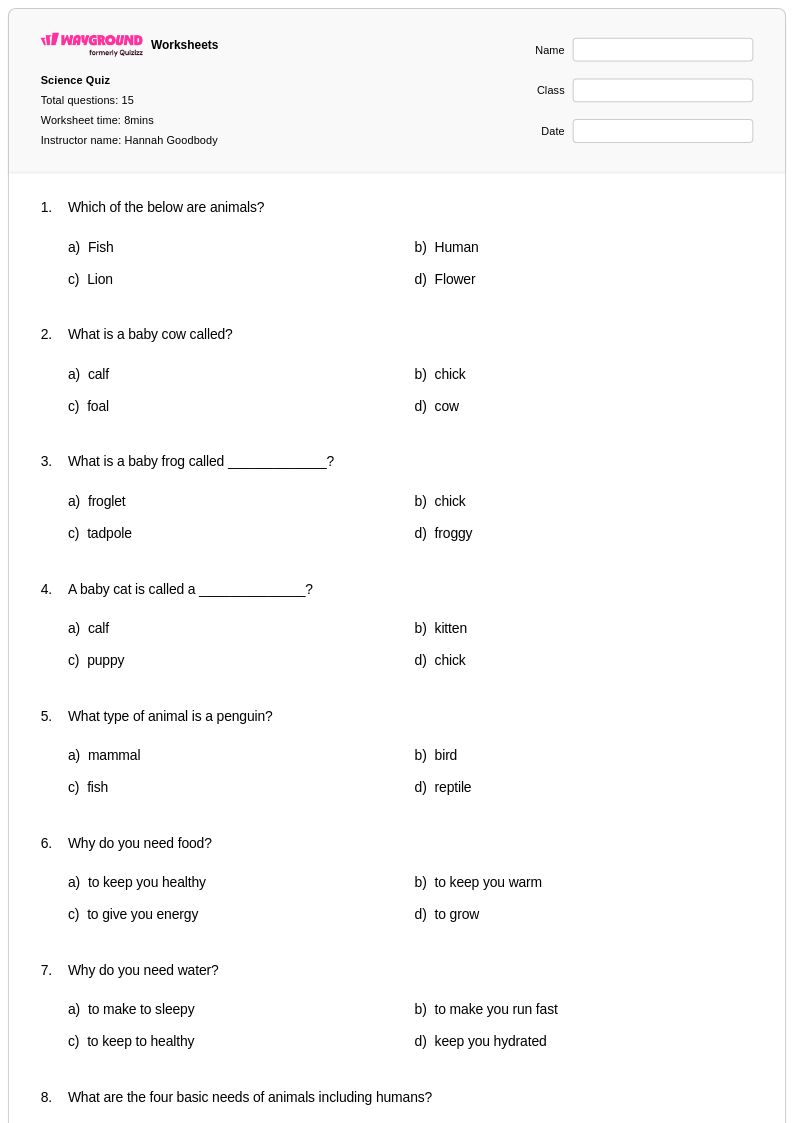
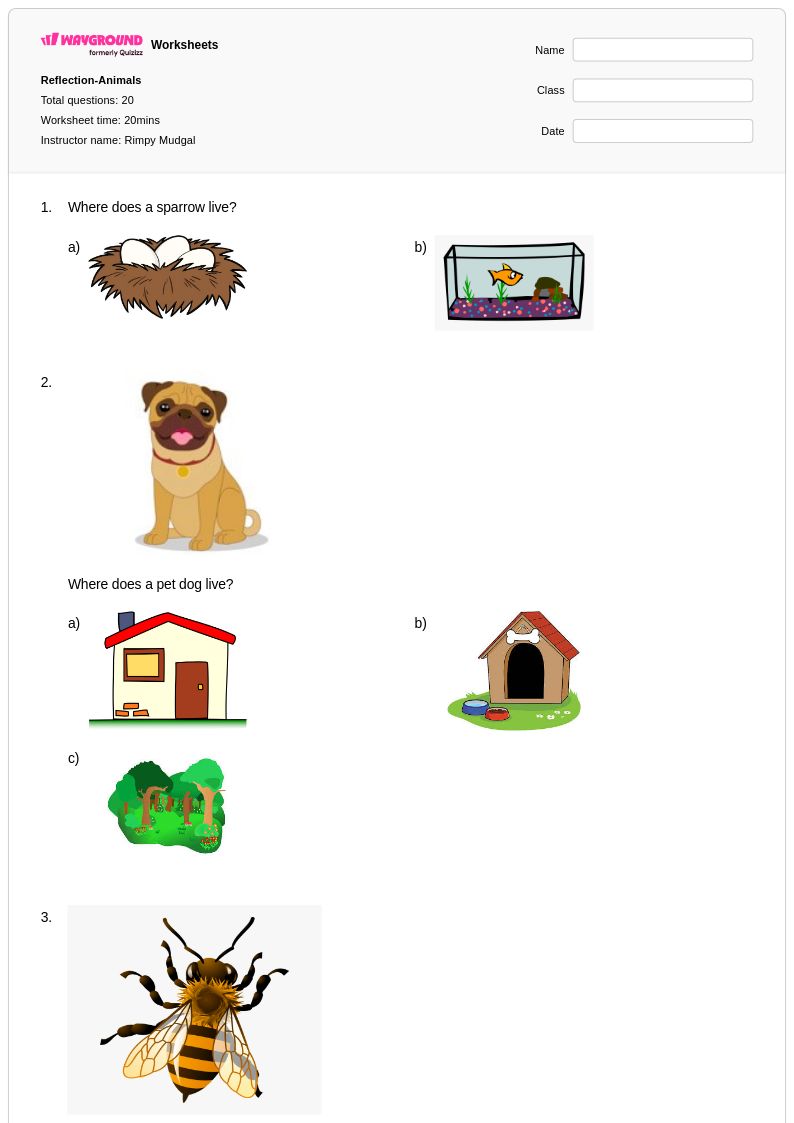
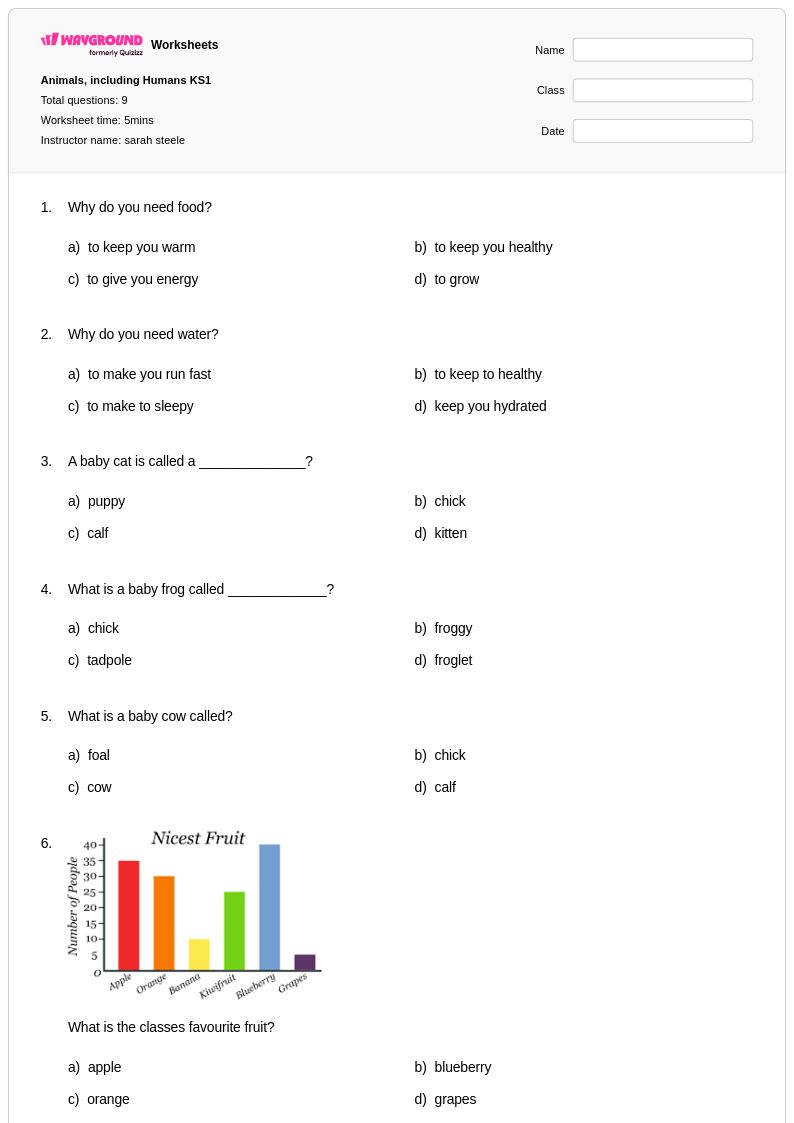
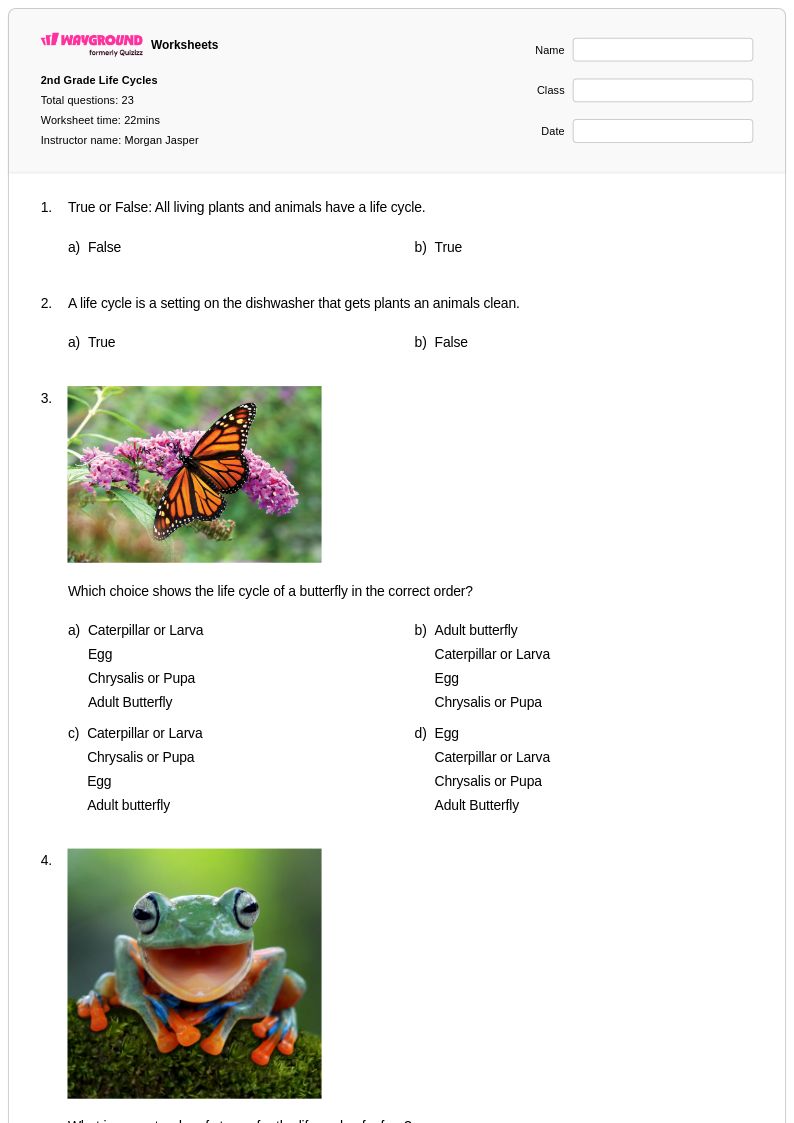
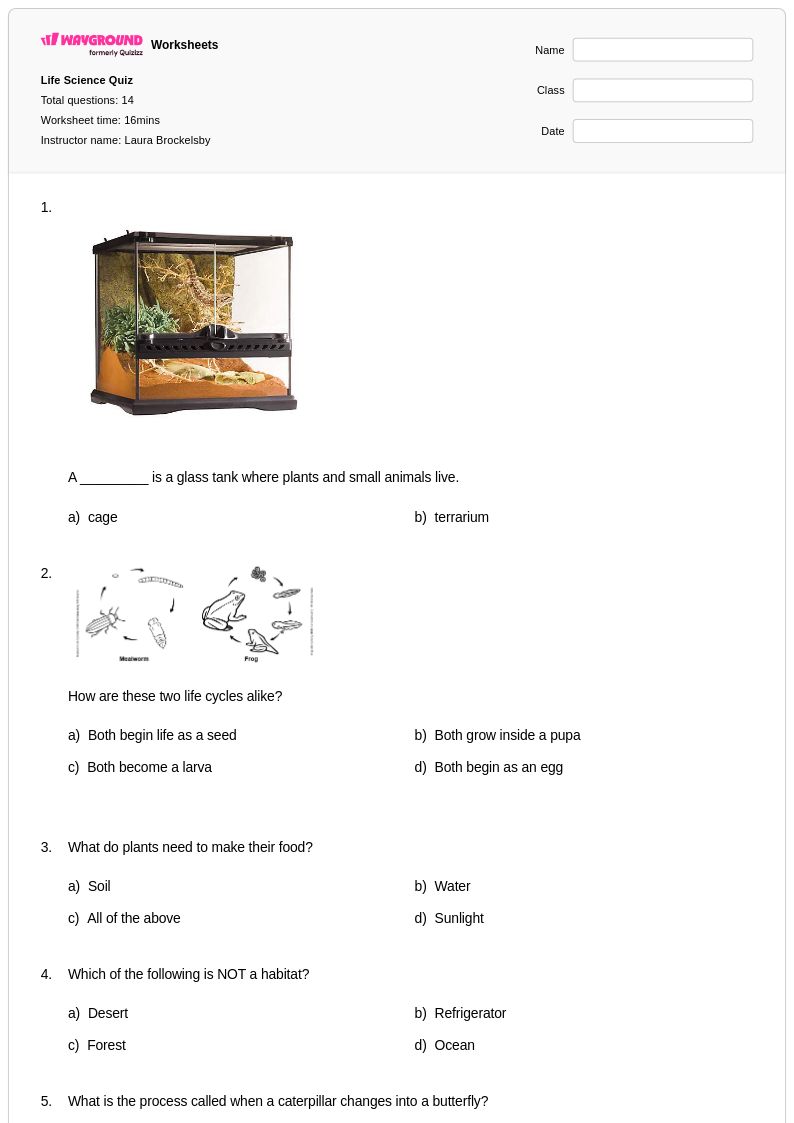
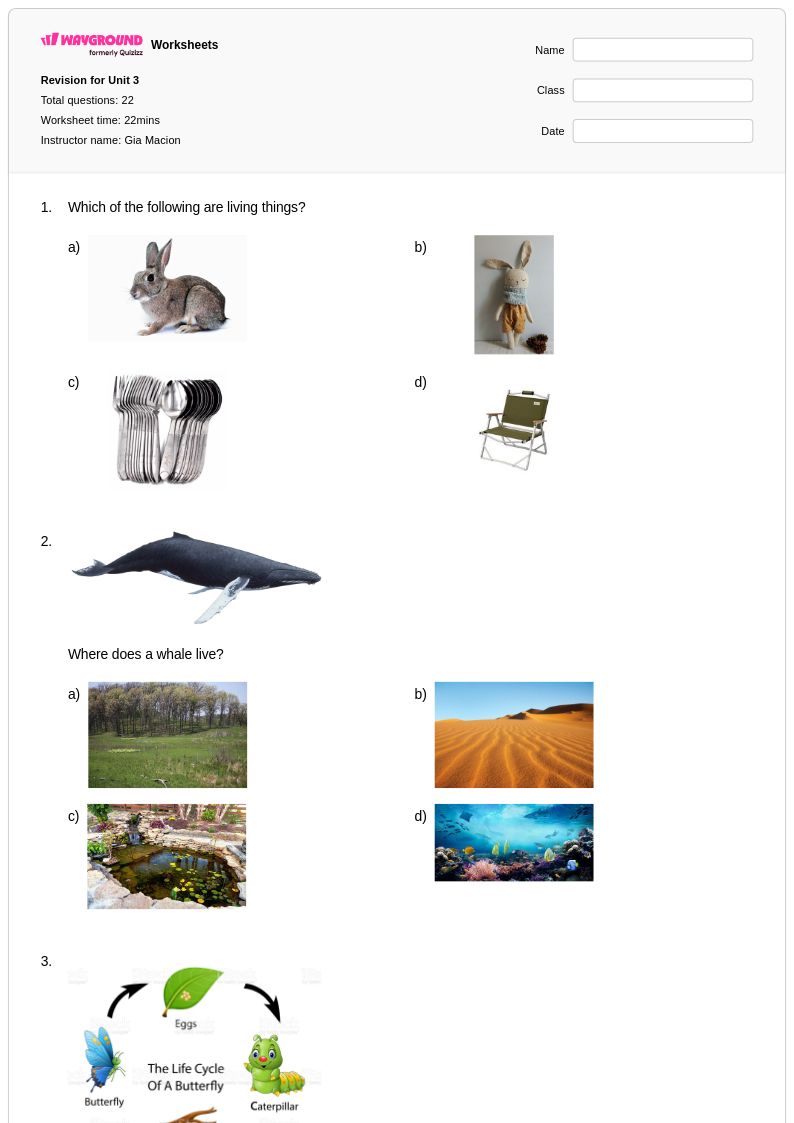
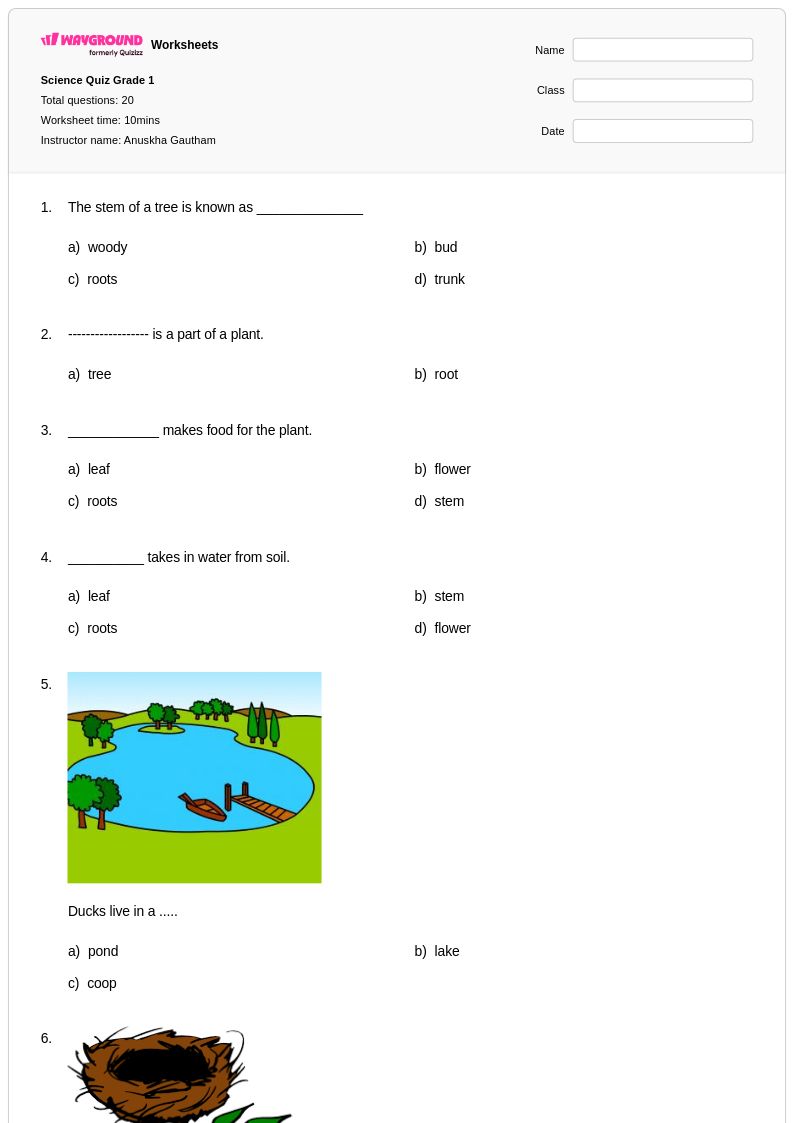
Chick-focused worksheets for Year 1 students provide an engaging introduction to life science concepts through the fascinating world of baby chickens. These educational materials help young learners develop foundational scientific observation and inquiry skills by exploring chick development, basic anatomy, life cycles, and habitat needs. Students strengthen their ability to identify physical characteristics, sequence developmental stages, and understand the relationship between living things and their environment through carefully designed practice problems that build scientific vocabulary and critical thinking. The worksheets include comprehensive answer keys that support both independent learning and guided instruction, while printable pdf formats ensure easy classroom distribution and at-home reinforcement of key concepts introduced during science lessons.
Wayground, formerly Quizizz, empowers educators with access to millions of teacher-created chick and life science worksheet collections specifically designed for Year 1 learners. The platform's robust search and filtering capabilities allow teachers to quickly locate age-appropriate materials that align with science standards and match their students' developmental needs. Advanced differentiation tools enable customization of content difficulty and format, supporting both remediation for struggling learners and enrichment opportunities for advanced students. Available in both digital and printable pdf formats, these flexible resources streamline lesson planning while providing consistent opportunities for skill practice and assessment. Teachers can efficiently organize targeted interventions, create homework assignments, and develop supplementary activities that reinforce classroom learning through hands-on exploration of chick biology and behavior.
FAQs
How do I teach chick development and life cycles to elementary students?
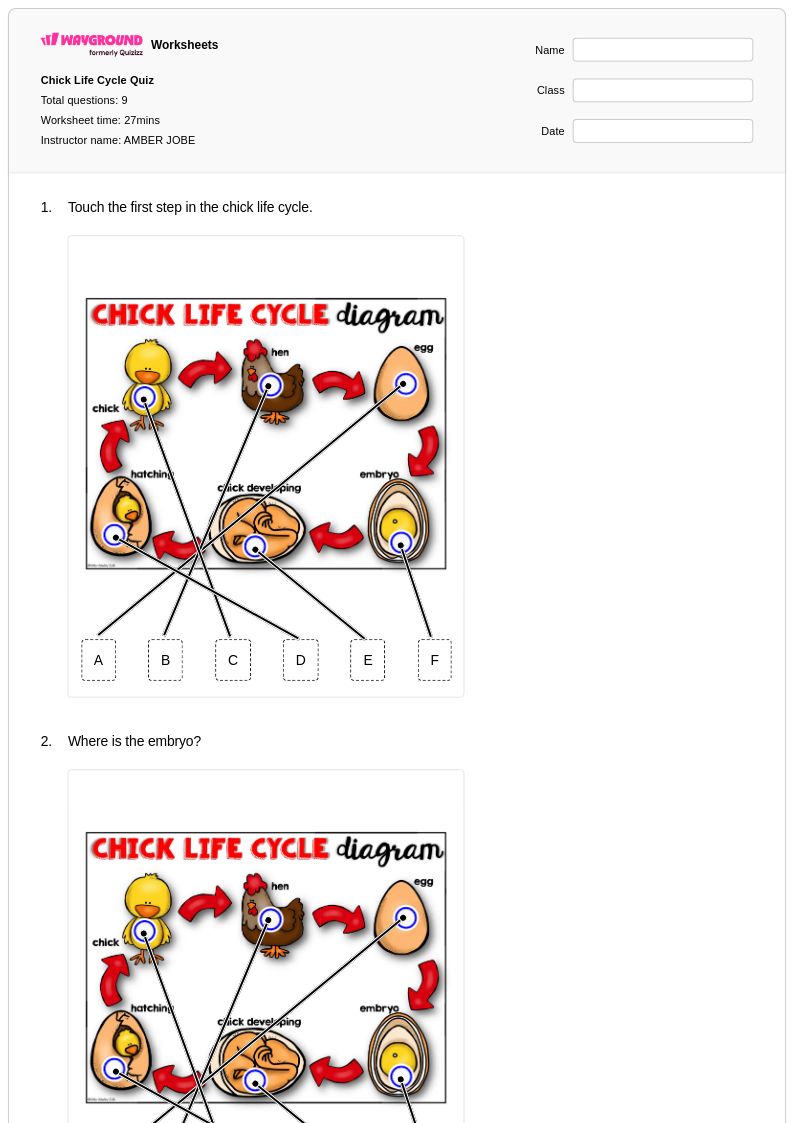
Teaching chick development works best when students can observe the sequence of stages from egg to hatchling in a concrete, visual way. Start with the egg's external and internal anatomy before moving into embryonic development, using labeled diagrams to build scientific vocabulary. Connecting each stage to observable changes — such as the formation of the beak, feathers, and yolk sac absorption — helps students understand biological processes rather than just memorize facts.
What activities help students practice identifying the stages of a chick's life cycle?
Sequencing activities are highly effective for practicing life cycle stages, where students order images or descriptions from fertilization through hatching to juvenile development. Labeling diagrams of chick embryos at different developmental days reinforces both scientific vocabulary and observational skills. Worksheets that include practice problems on growth patterns and behavioral characteristics give students structured repetition that builds long-term retention of the content.
What common mistakes do students make when learning about chick embryology?
A frequent misconception is that chicks develop fully formed inside the egg from the moment it is laid, rather than understanding that embryonic development is a gradual, staged process. Students also commonly confuse the function of the yolk sac, albumen, and amniotic fluid, treating them as interchangeable rather than understanding each structure's distinct role. Targeted labeling exercises and sequencing tasks help address these gaps by requiring students to distinguish between structures and developmental stages explicitly.
How do I use Wayground's chick worksheets in my classroom?
Wayground's chick worksheets are available as printable PDFs for traditional classroom use and in digital formats for technology-integrated or remote learning environments, making them flexible for a range of teaching setups. Teachers can also host worksheets as a quiz directly on Wayground, allowing for interactive student practice with built-in answer key support. For students who need accommodations, Wayground allows teachers to enable features such as read aloud, extended time, or reduced answer choices on an individual basis without disrupting the experience for the rest of the class.
How can I differentiate chick life science worksheets for students at different learning levels?
For students who need remediation, focus on basic life cycle sequencing and vocabulary matching before introducing embryological detail. Advanced learners can engage with more complex content such as embryonic development timelines or comparisons between chick development and other bird species. Wayground's differentiation tools allow teachers to assign modified versions of worksheets and apply individual accommodations — such as reduced answer choices or adjustable reading settings — so every student accesses the content at the appropriate level.
What scientific vocabulary should students know when studying chick anatomy and development?
Key vocabulary for this topic includes terms related to egg anatomy (yolk, albumen, shell membrane, air cell), embryonic structures (amnion, allantois, chorion), and developmental stages (fertilization, incubation, hatching). Students should also be able to use terms like embryo, hatchling, down feathers, and brooding accurately in context. Building this vocabulary systematically through labeled diagrams and fill-in-the-blank exercises ensures students can discuss chick biology with precision.