
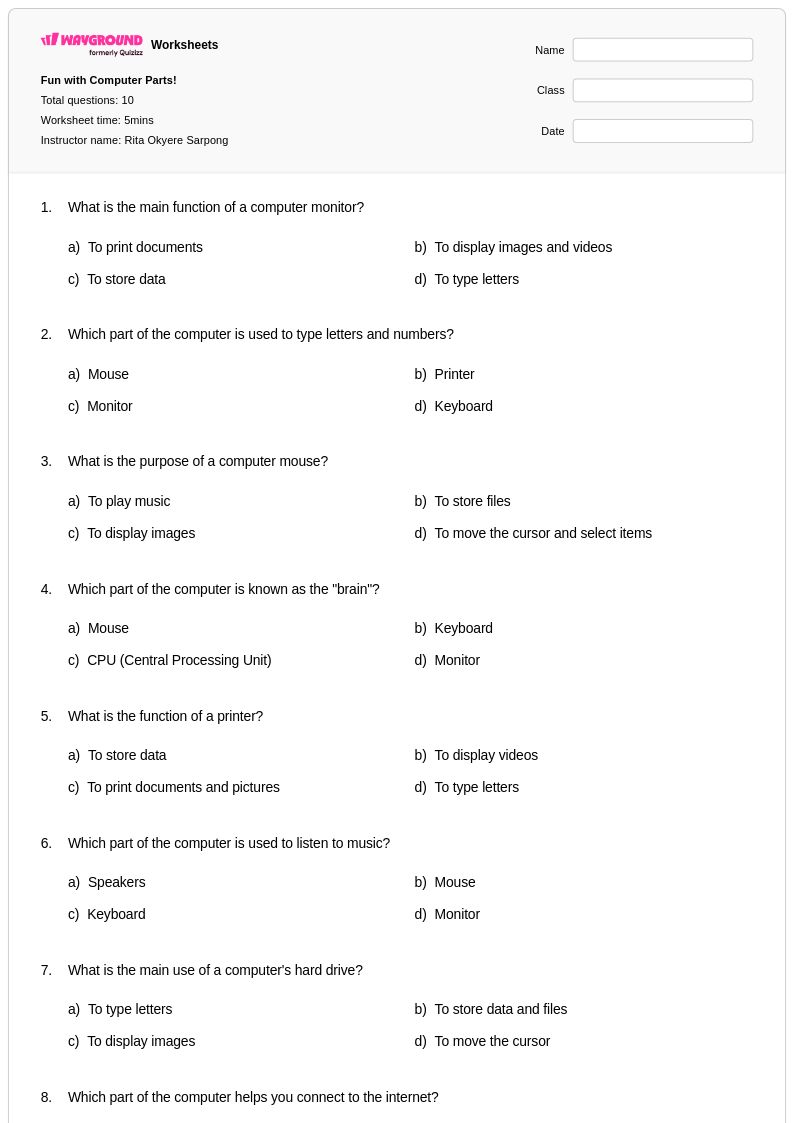
10 Q
2nd
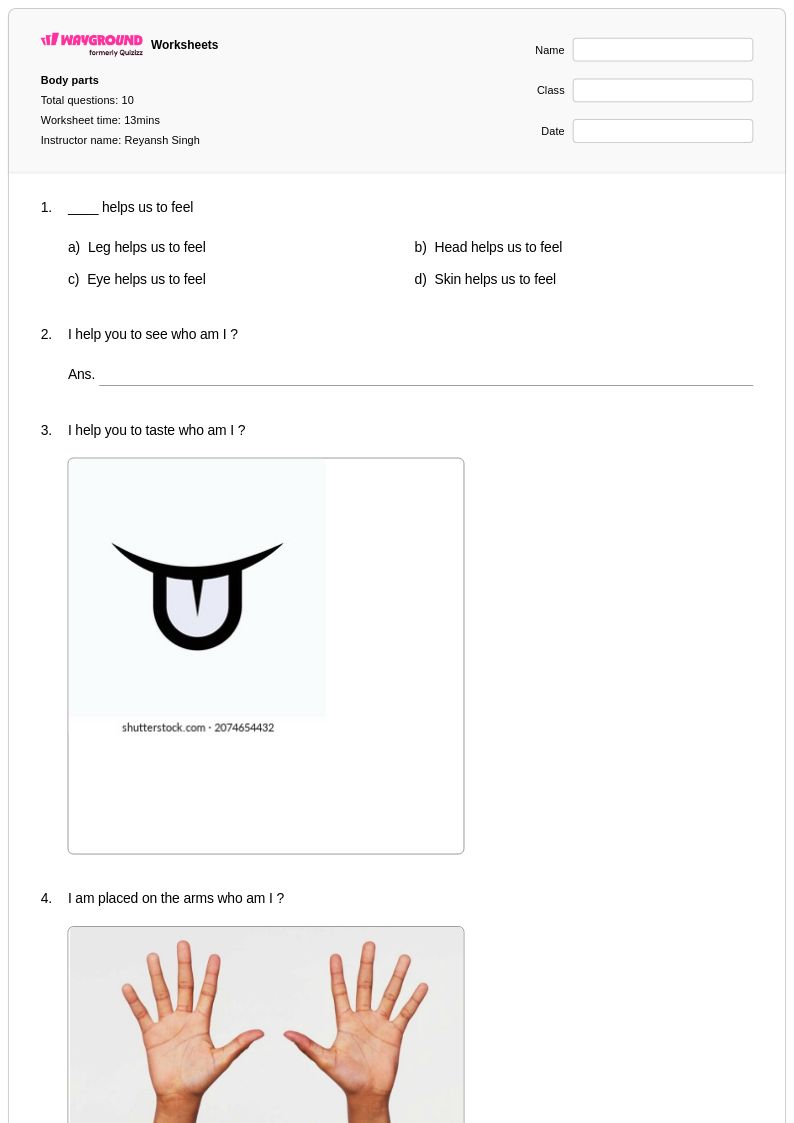
10 Q
2nd
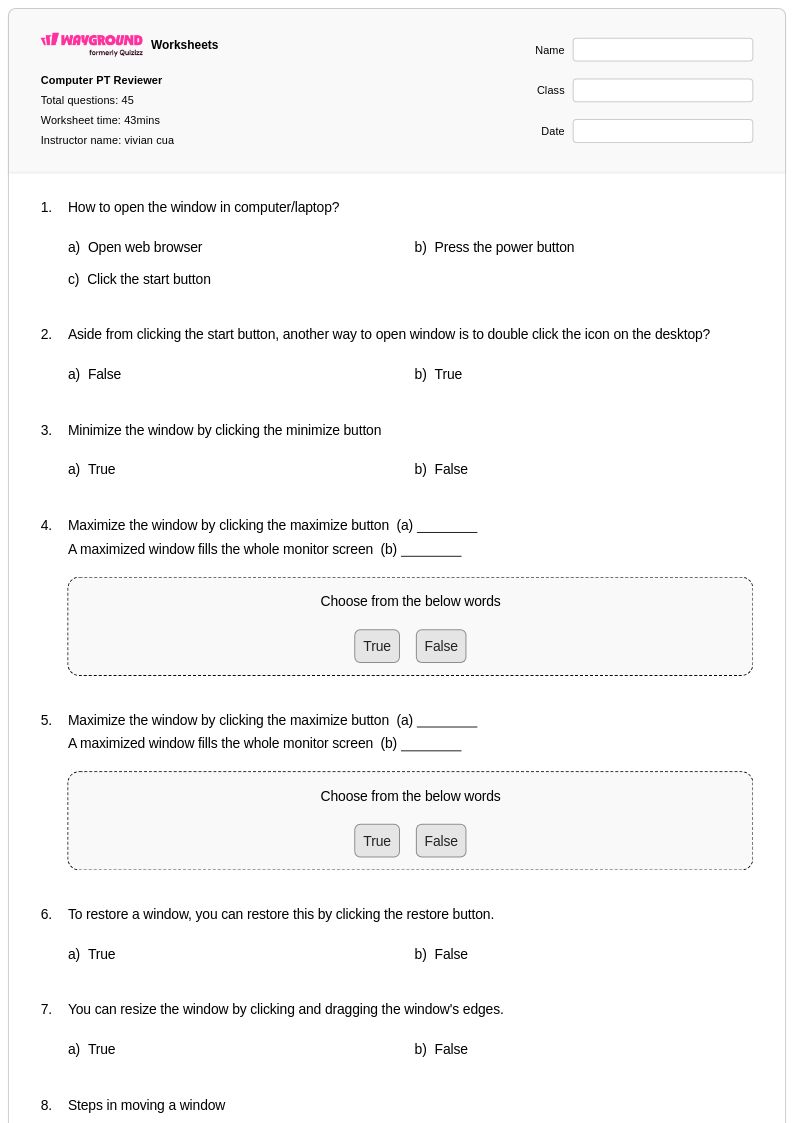
45 Q
2nd
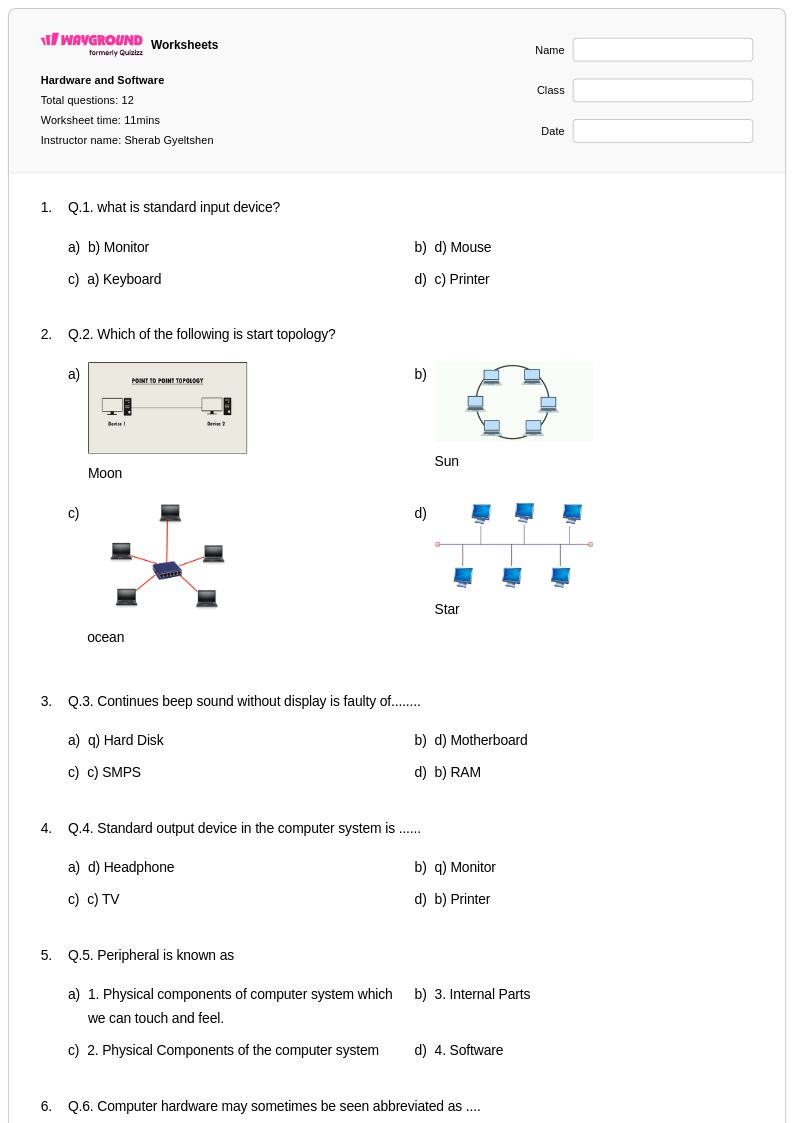
12 Q
2nd
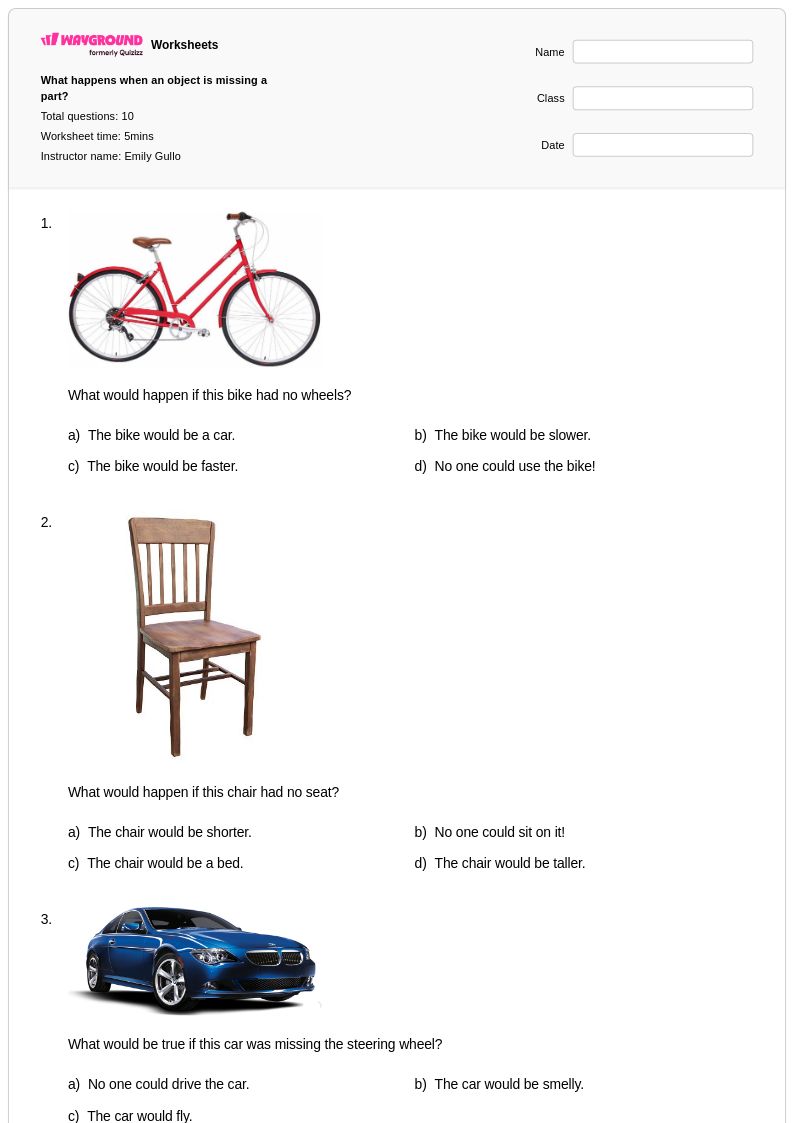
10 Q
2nd
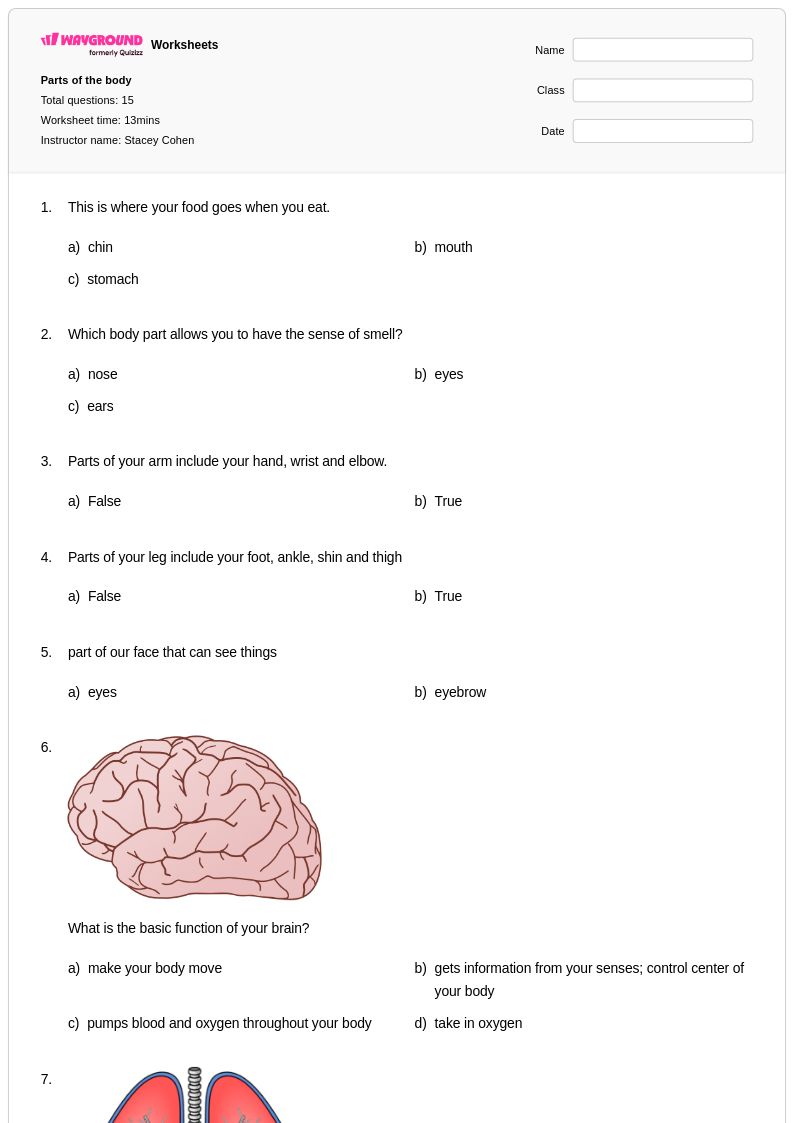
15 Q
2nd
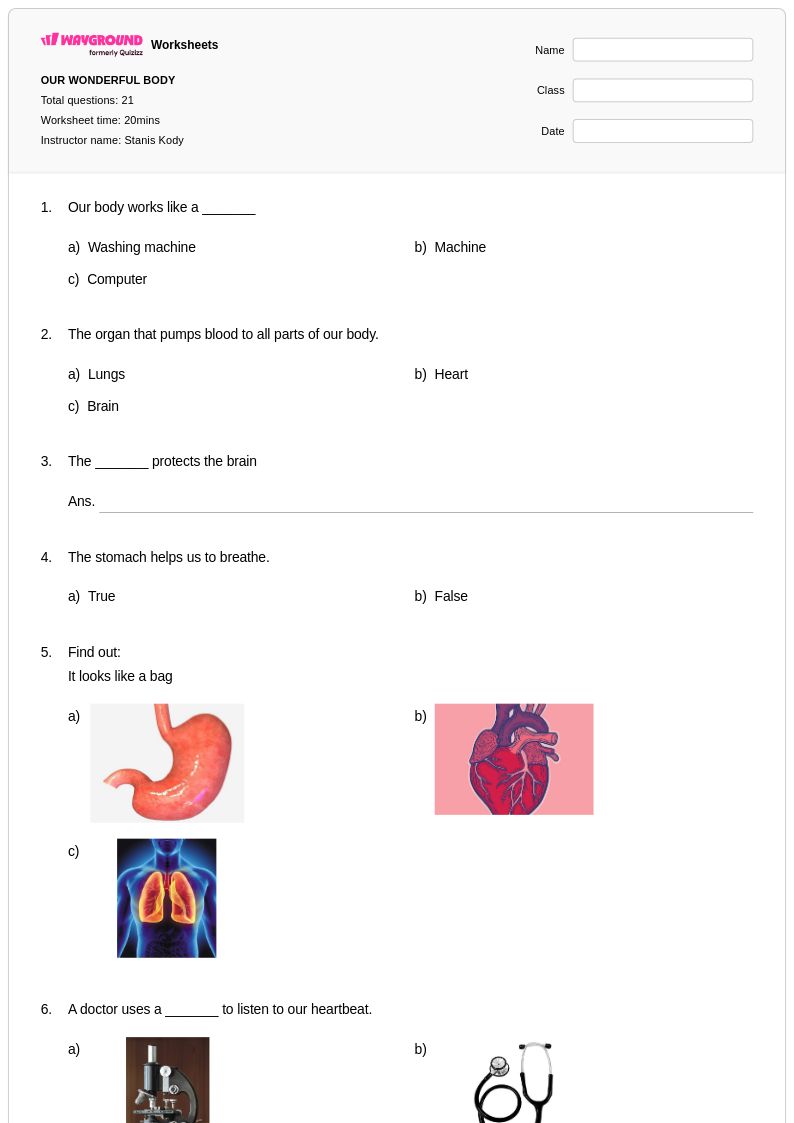
21 Q
2nd
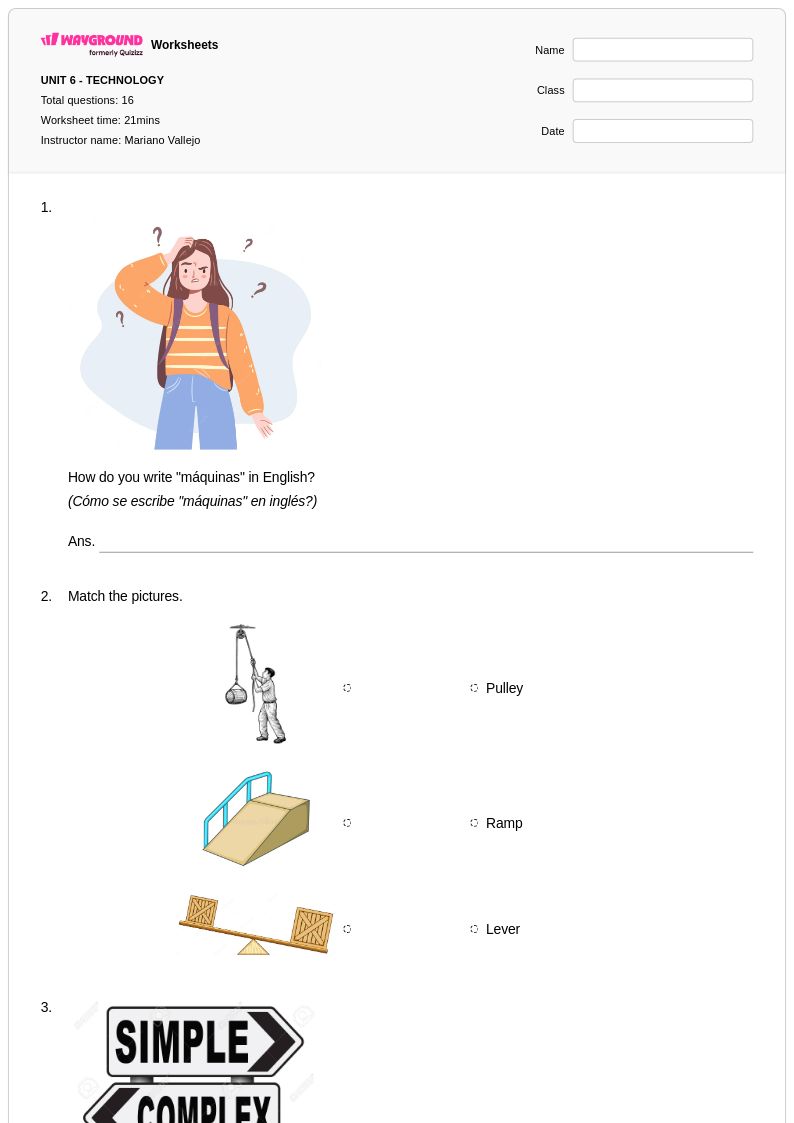
16 Q
2nd
31 Q
2nd
8 Q
2nd
17 Q
2nd
20 Q
2nd
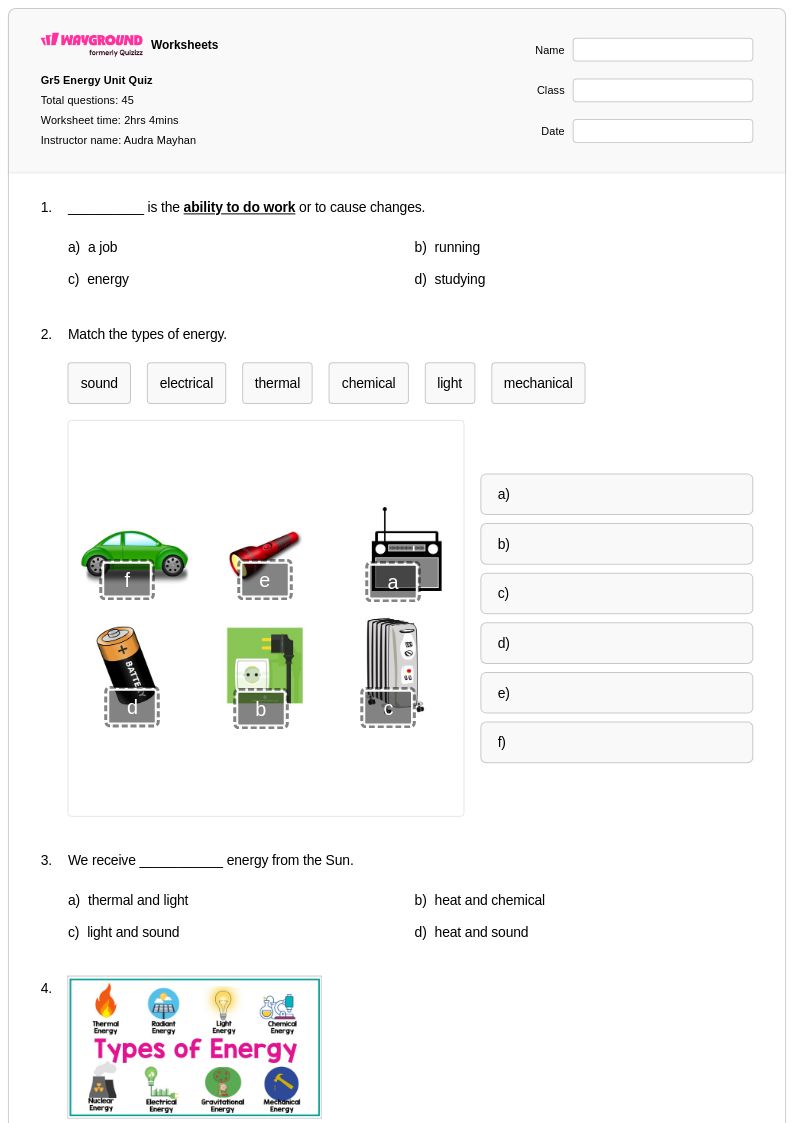
45 Q
1st - 5th
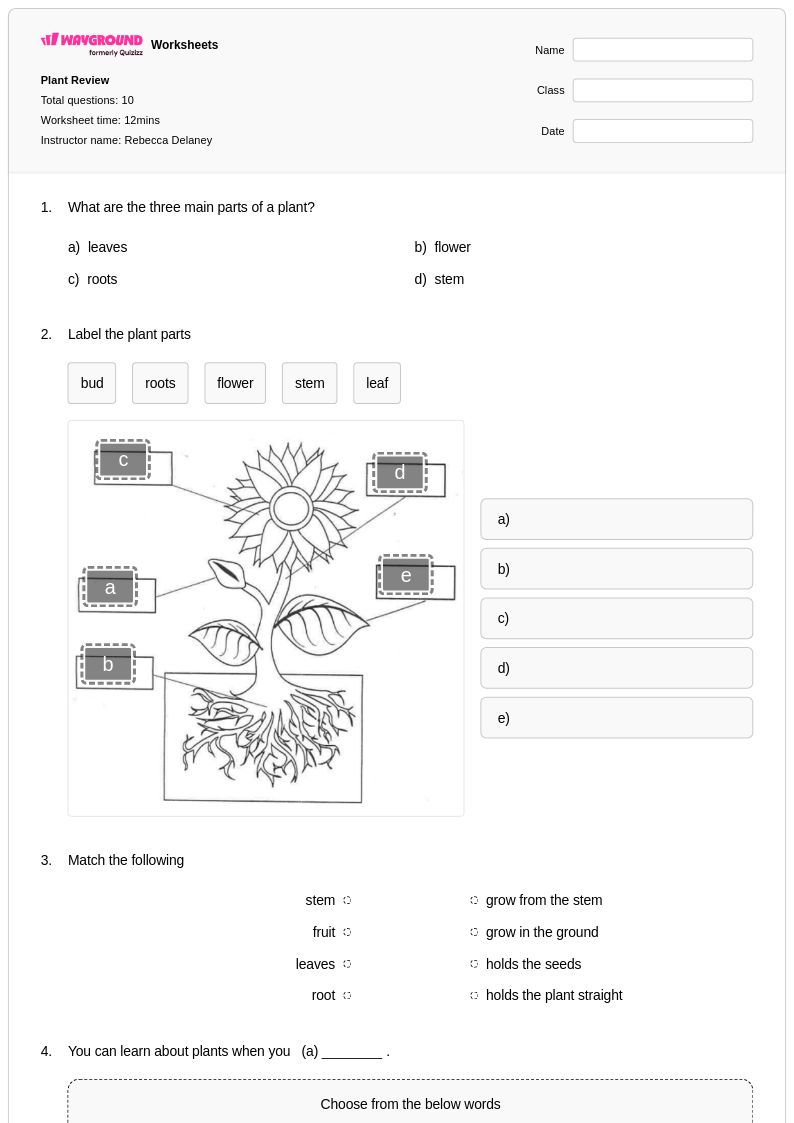
10 Q
2nd
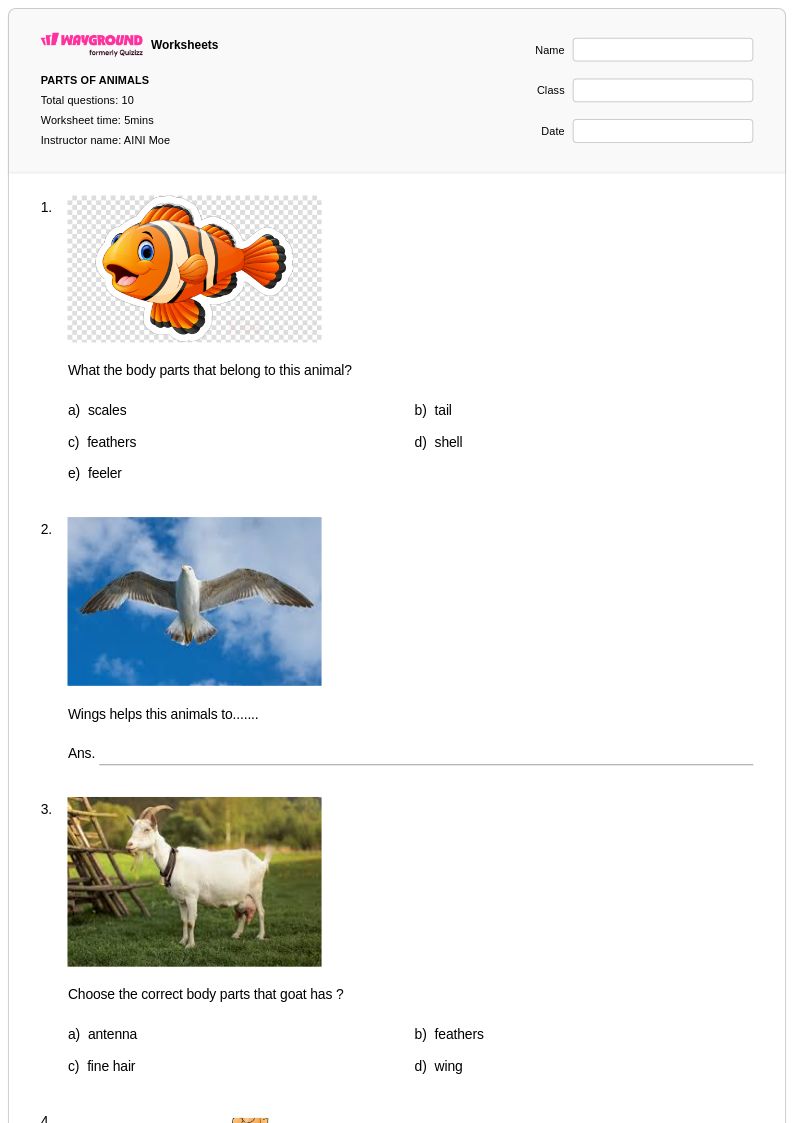
10 Q
1st - 6th
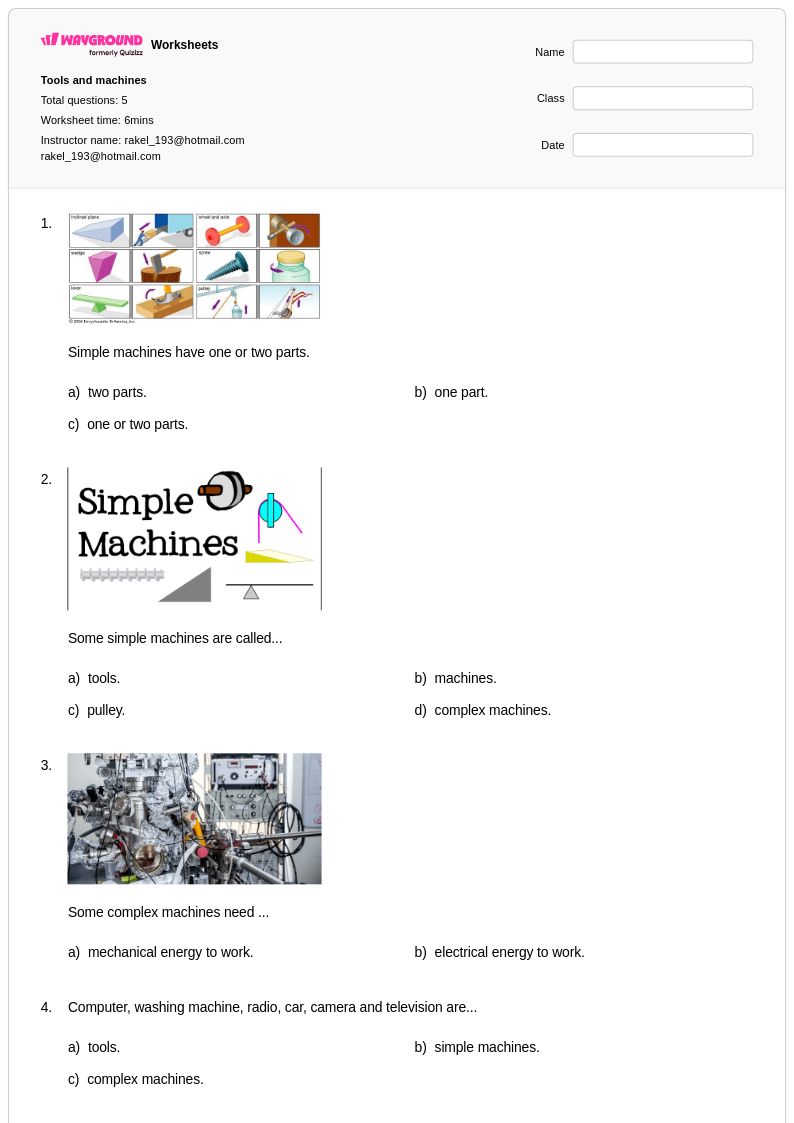
5 Q
2nd
5 Q
2nd - 3rd
20 Q
1st - 2nd
20 Q
1st - 5th
10 Q
2nd
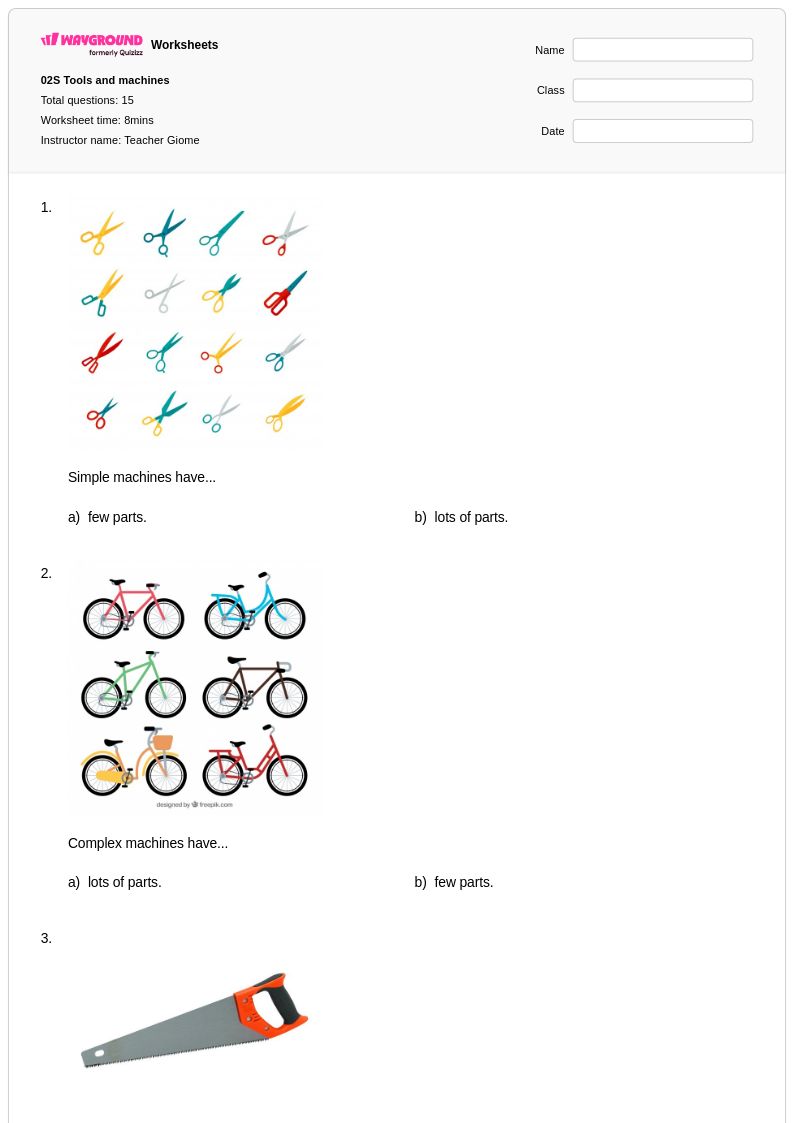
15 Q
1st - 2nd
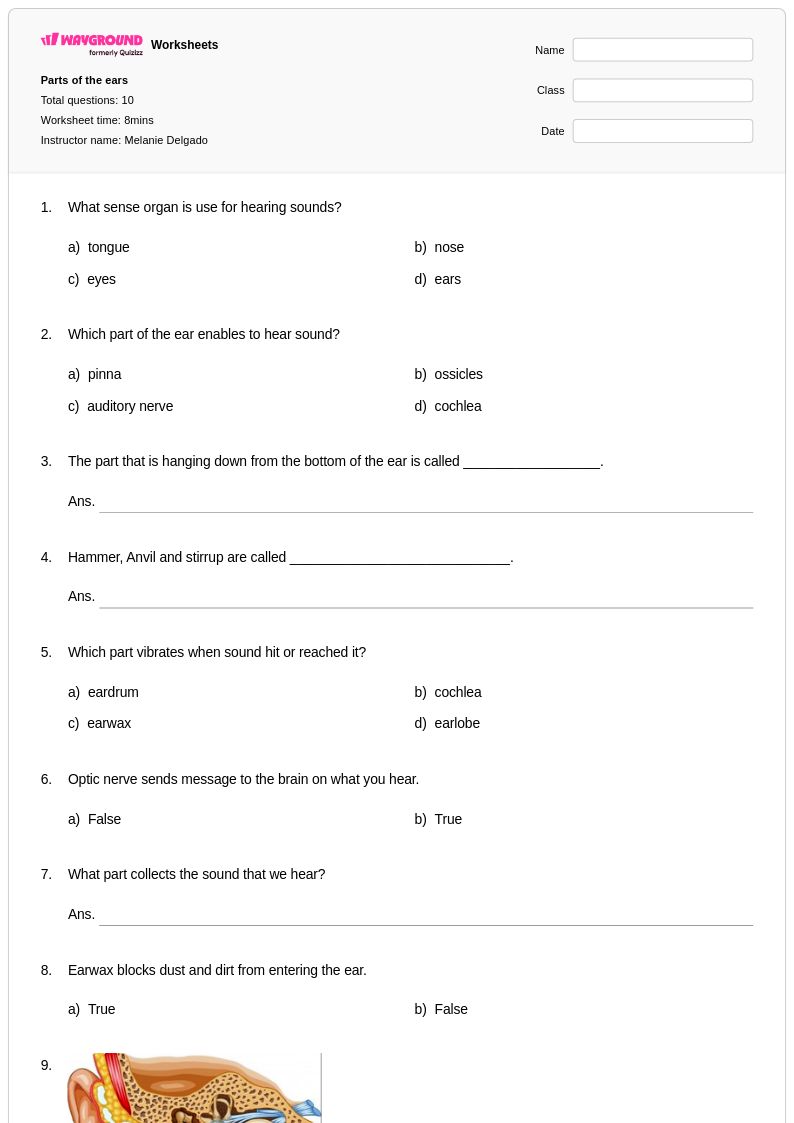
10 Q
2nd
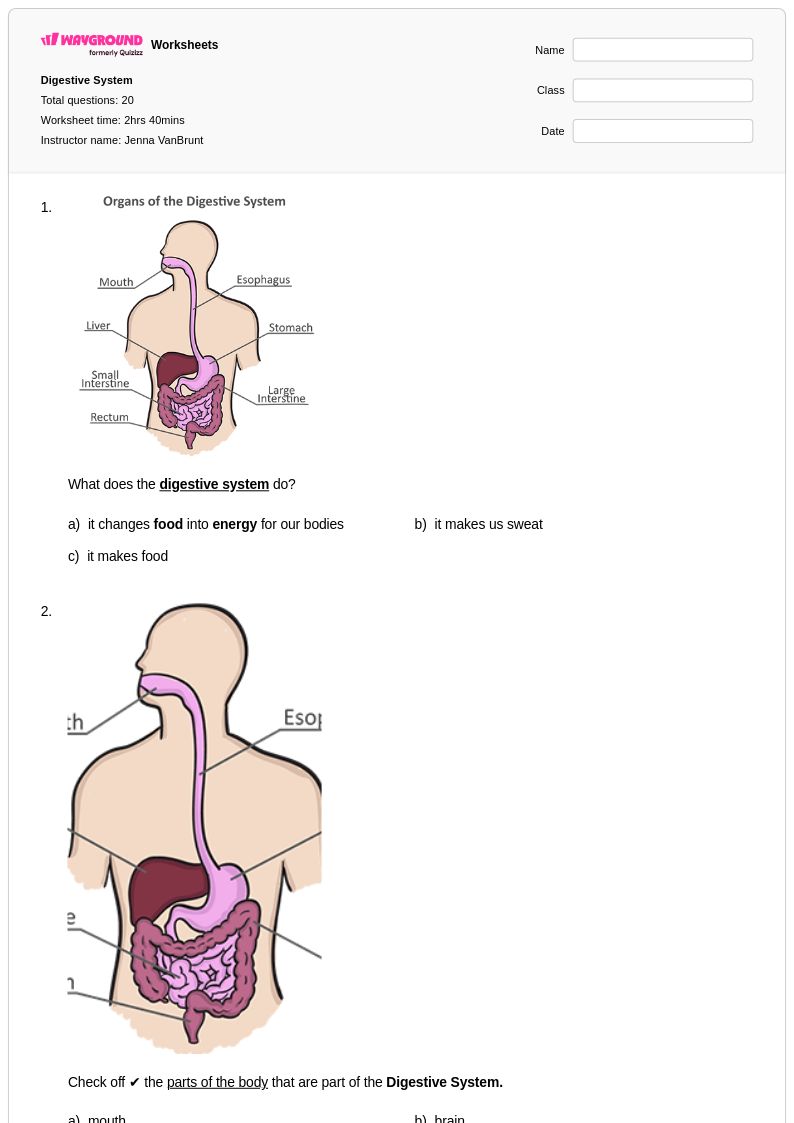
20 Q
2nd - 3rd
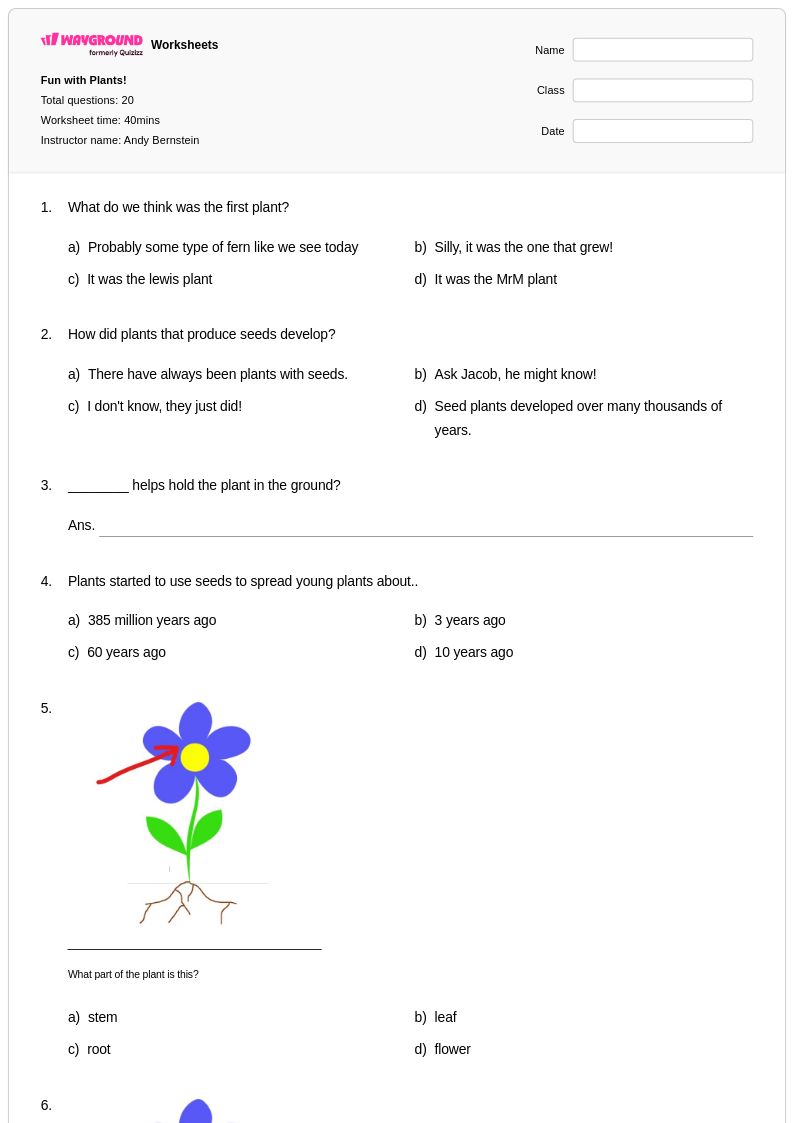
20 Q
2nd - 3rd
Explore Other Subject Worksheets for year 2
Explore printable Computer Parts worksheets for Year 2
Computer parts worksheets for Year 2 students available through Wayground (formerly Quizizz) introduce young learners to the fundamental components that make computers work. These educational resources help second-grade students identify and understand basic computer hardware such as the monitor, keyboard, mouse, speakers, and CPU tower through engaging visual activities and age-appropriate exercises. The worksheets strengthen essential digital literacy skills by teaching students to recognize different computer components, understand their basic functions, and develop vocabulary related to technology. Teachers can access comprehensive answer keys alongside these printable resources, making it easy to guide students through practice problems that build foundational knowledge about the technology they use daily. These free materials provide structured learning opportunities that transform abstract concepts about computer functionality into concrete, observable understanding for young minds.
Wayground (formerly Quizizz) supports educators with an extensive collection of teacher-created computer parts worksheets specifically designed for Year 2 learners, drawn from millions of educational resources developed by classroom professionals. The platform's robust search and filtering capabilities allow teachers to quickly locate materials that align with technology standards and match their students' developmental needs. These versatile worksheet collections are available in both printable PDF formats for traditional classroom use and digital formats for interactive learning experiences. Teachers benefit from built-in differentiation tools that help them customize content for diverse learning styles, whether they need materials for remediation, enrichment, or regular skill practice. The flexible nature of these resources enables educators to seamlessly integrate computer literacy instruction into their science curriculum while providing students with multiple opportunities to master essential technology concepts through varied practice formats.
FAQs
How do I teach computer parts to students who have never used a desktop before?
What exercises help students practice identifying computer hardware components?
What mistakes do students commonly make when learning about computer parts?
How can I differentiate computer parts instruction for students at different skill levels?
How do I use Wayground's computer parts worksheets in my classroom?