
22 Q
7th
10 Q
10th
25 Q
6th - Uni
10 Q
6th
16 Q
7th
8 Q
6th
20 Q
Uni
10 Q
8th
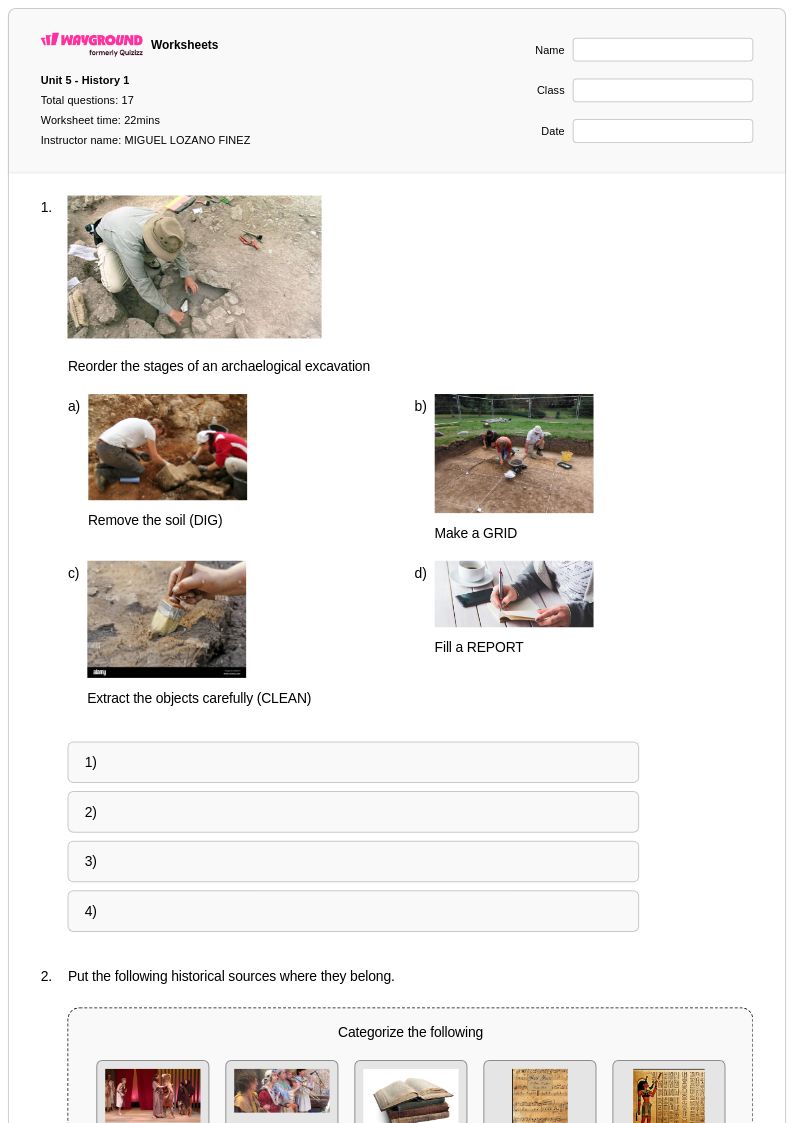
17 Q
3rd
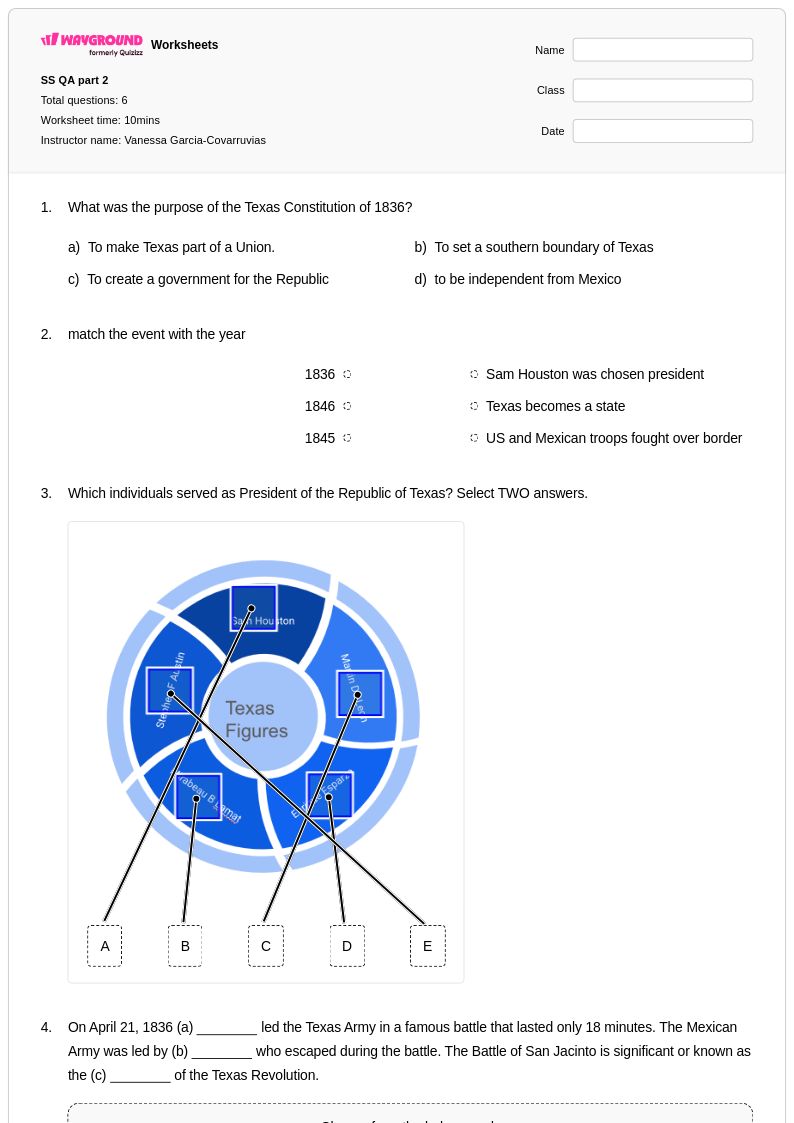
6 Q
4th - Uni
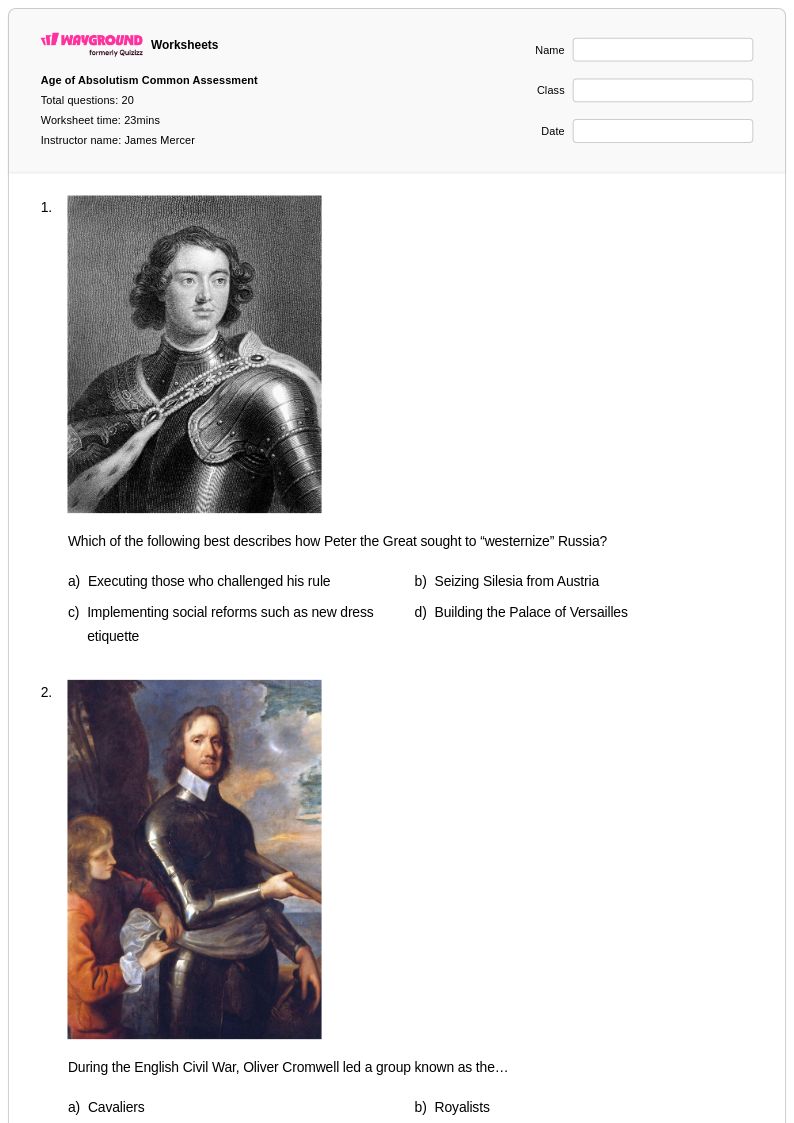
20 Q
10th
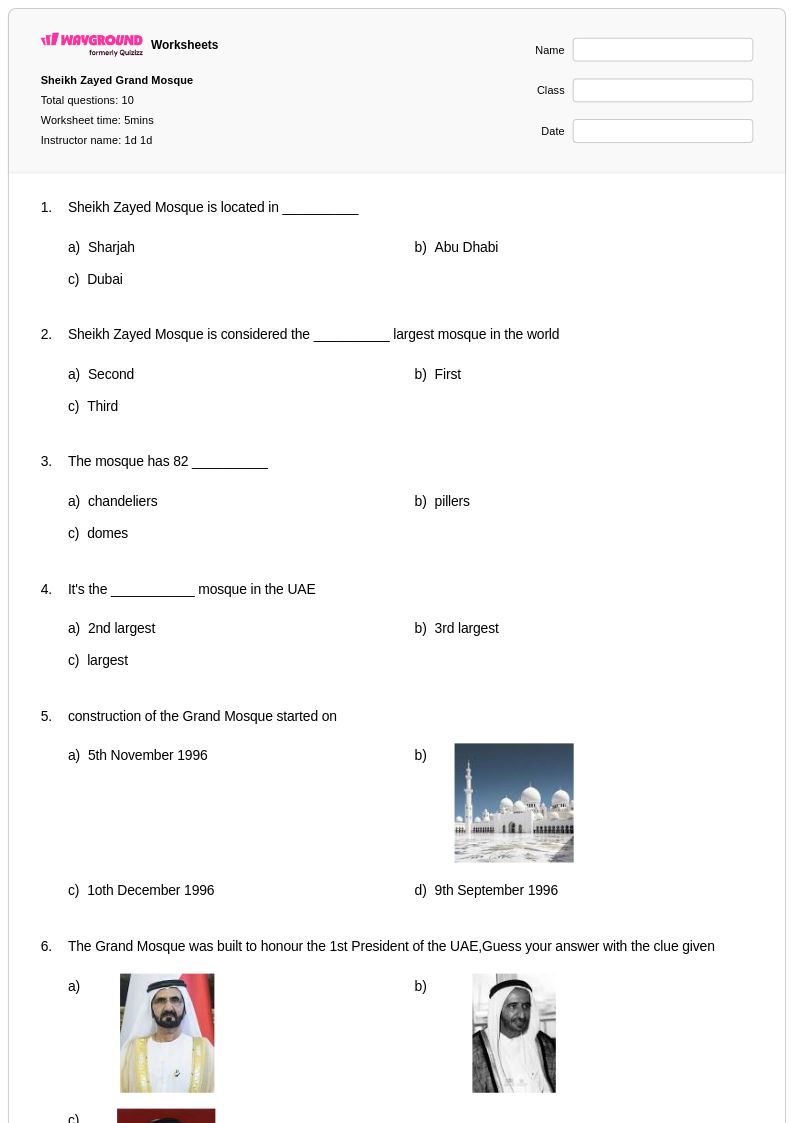
10 Q
2nd

11 Q
4th
15 Q
8th
20 Q
6th - 8th
20 Q
9th
10 Q
7th
25 Q
5th - Uni
11 Q
8th
10 Q
8th
6 Q
6th
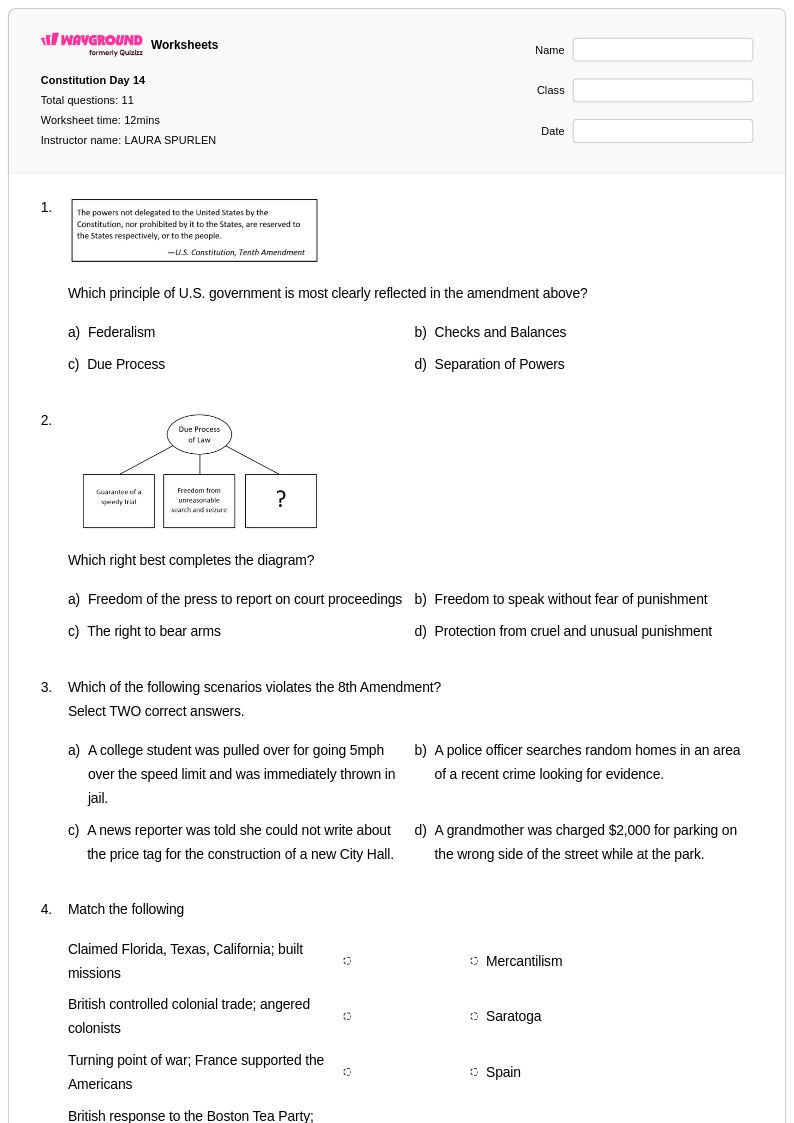
13 Q
8th - 12th
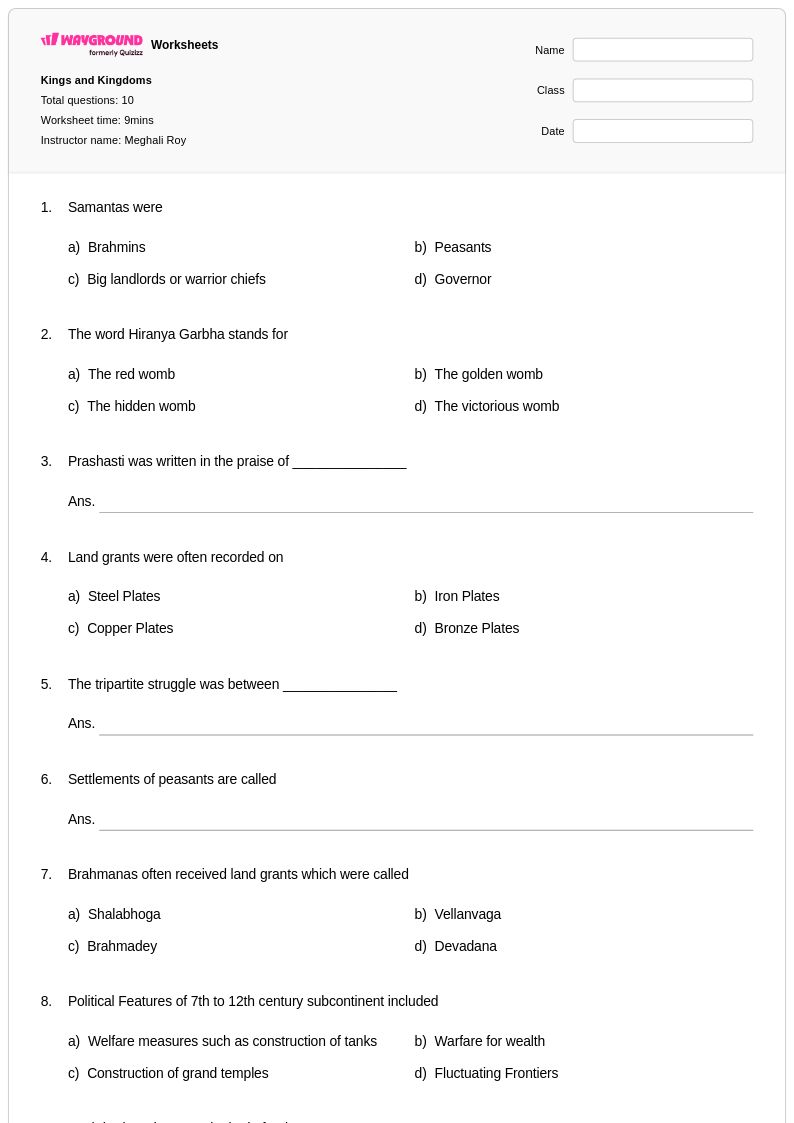
10 Q
7th
Explore Other Subject Worksheets for kindergarten
Explore printable Construction worksheets for Kindergarten
Construction-focused worksheets for kindergarten social studies provide young learners with essential opportunities to explore how buildings and structures shape their communities and cultures. These educational resources from Wayground (formerly Quizizz) help students develop foundational understanding of different types of construction, from homes and schools to bridges and community buildings, while strengthening observation skills, vocabulary development, and cultural awareness. The collection includes free printables and practice problems that encourage students to identify construction materials, compare building styles across different cultures, and recognize how construction meets community needs. Each worksheet comes with a comprehensive answer key in pdf format, making it simple for educators to assess student comprehension and provide targeted feedback on this important social studies concept.
Wayground (formerly Quizizz) empowers teachers with millions of teacher-created construction worksheets specifically designed for kindergarten social studies instruction. The platform's robust search and filtering capabilities allow educators to quickly locate age-appropriate materials that align with curriculum standards and learning objectives, whether focusing on community helpers in construction, cultural building traditions, or basic architectural concepts. Teachers can easily customize these resources to support differentiation, creating modified versions for students who need additional practice or enrichment activities for advanced learners. Available in both printable pdf format and interactive digital versions, these construction worksheets seamlessly integrate into lesson planning, remediation sessions, and independent practice time, providing flexible options that accommodate diverse classroom needs and teaching styles while building students' understanding of how construction connects communities and cultures.
FAQs
How do I teach students about construction and its role in community development?
What kinds of practice problems help students understand construction's impact on communities?
What common misconceptions do students have about construction and built environments?
How can I use construction worksheets to support social studies learning?
How do I differentiate construction worksheets for students with different learning needs?