Strengthen daily routine writing skills with Wayground's free printable worksheets and practice problems that help students master descriptive storytelling through structured exercises and comprehensive answer keys.
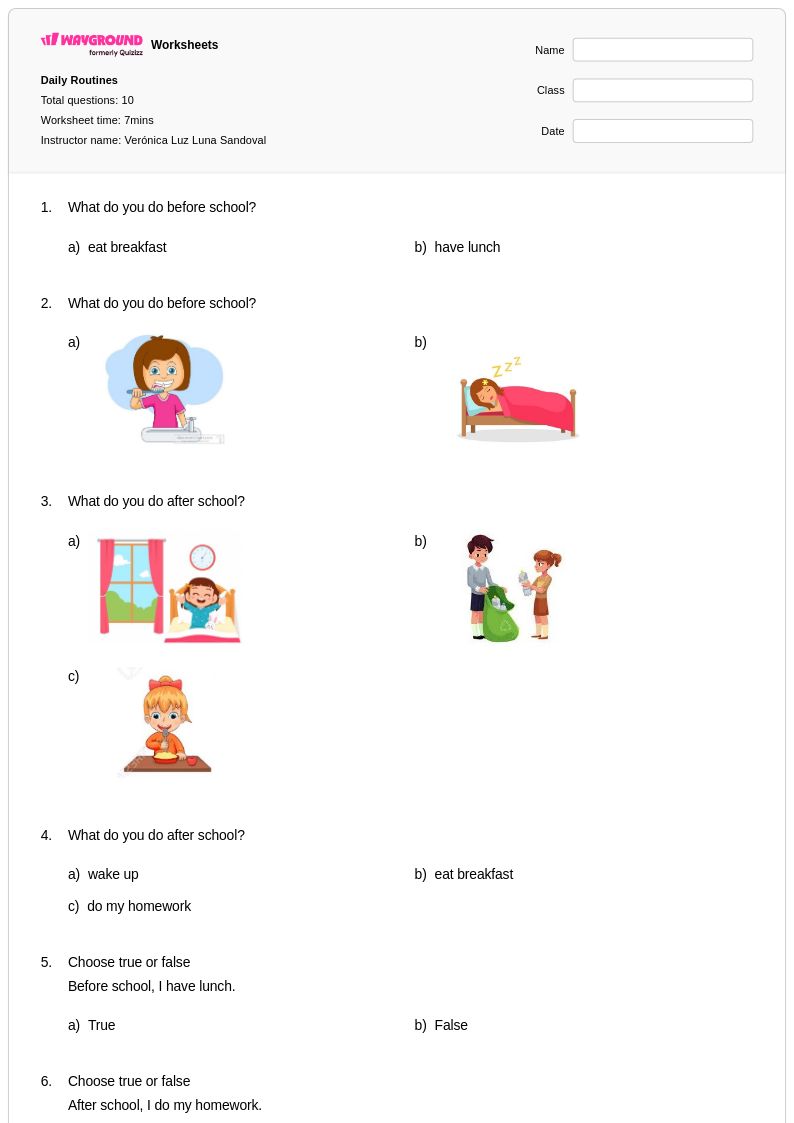
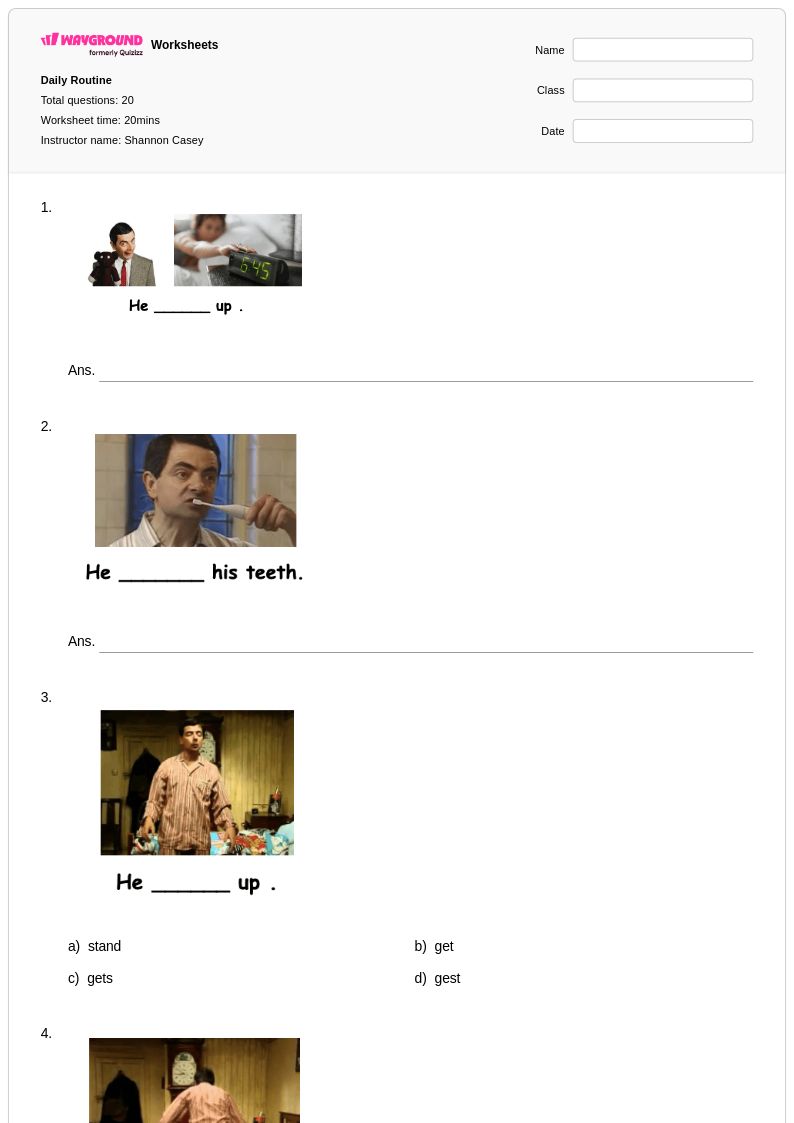
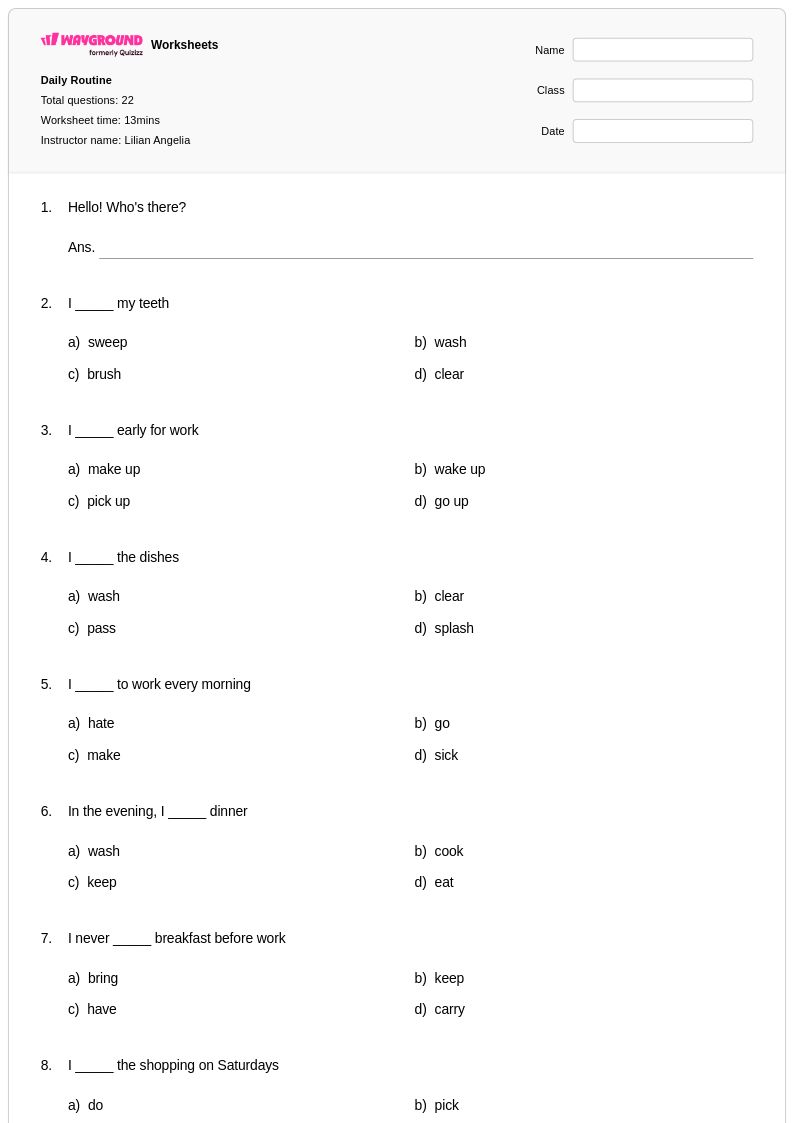
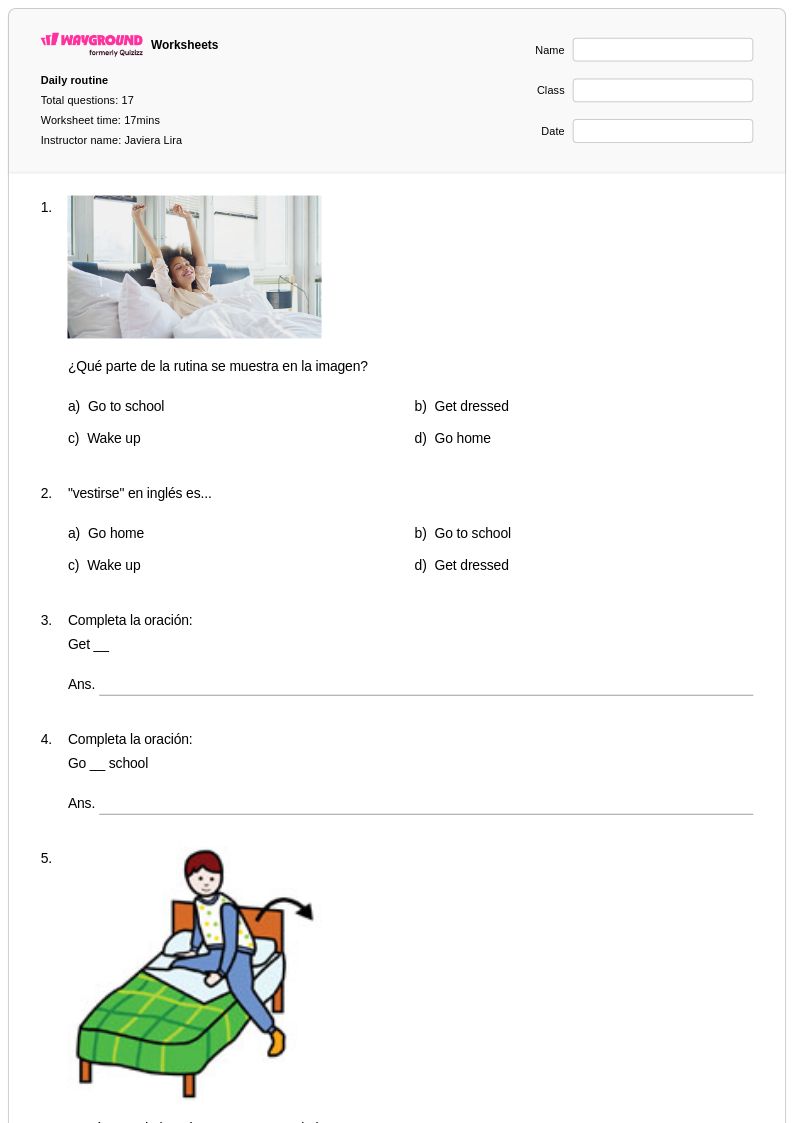
Daily routine genre writing worksheets available through Wayground (formerly Quizizz) provide students with structured opportunities to master descriptive and narrative writing techniques while exploring the familiar context of everyday activities. These comprehensive practice materials guide learners through the process of crafting engaging prose about morning rituals, school schedules, family traditions, and personal habits, helping them develop essential skills in chronological organization, sensory detail incorporation, and authentic voice development. The collection includes diverse printable resources with accompanying answer keys, offering free access to professionally designed exercises that strengthen students' ability to transform mundane experiences into compelling written narratives through careful word choice, transitional phrases, and descriptive language techniques.
Wayground (formerly Quizizz) empowers educators with an extensive library of millions of teacher-created daily routine genre writing resources that streamline lesson planning and support differentiated instruction across diverse learning needs. The platform's robust search and filtering capabilities allow teachers to quickly locate materials aligned with specific writing standards, while customization tools enable educators to modify existing worksheets or create entirely new practice problems tailored to their classroom requirements. Whether accessed as digital assignments or downloaded as PDF printables, these versatile resources support targeted skill practice, remediation for struggling writers, and enrichment opportunities for advanced students, ensuring that all learners can develop confidence in transforming personal experiences into polished written works that demonstrate mastery of genre-specific writing conventions.
FAQs
How do I teach daily routine writing to students?
Teaching daily routine writing works best when students begin with familiar, concrete experiences before moving toward more polished narrative prose. Start by having students brainstorm their own morning or after-school routines using a simple timeline, then introduce chronological transition words like 'first,' 'next,' 'after that,' and 'finally' to give their writing structure. From there, guide students to layer in sensory details and authentic voice so their descriptions move beyond a bare list of events and become engaging narratives. Modeling with a shared class example before independent writing is especially effective at this stage.
What exercises help students practice daily routine writing?
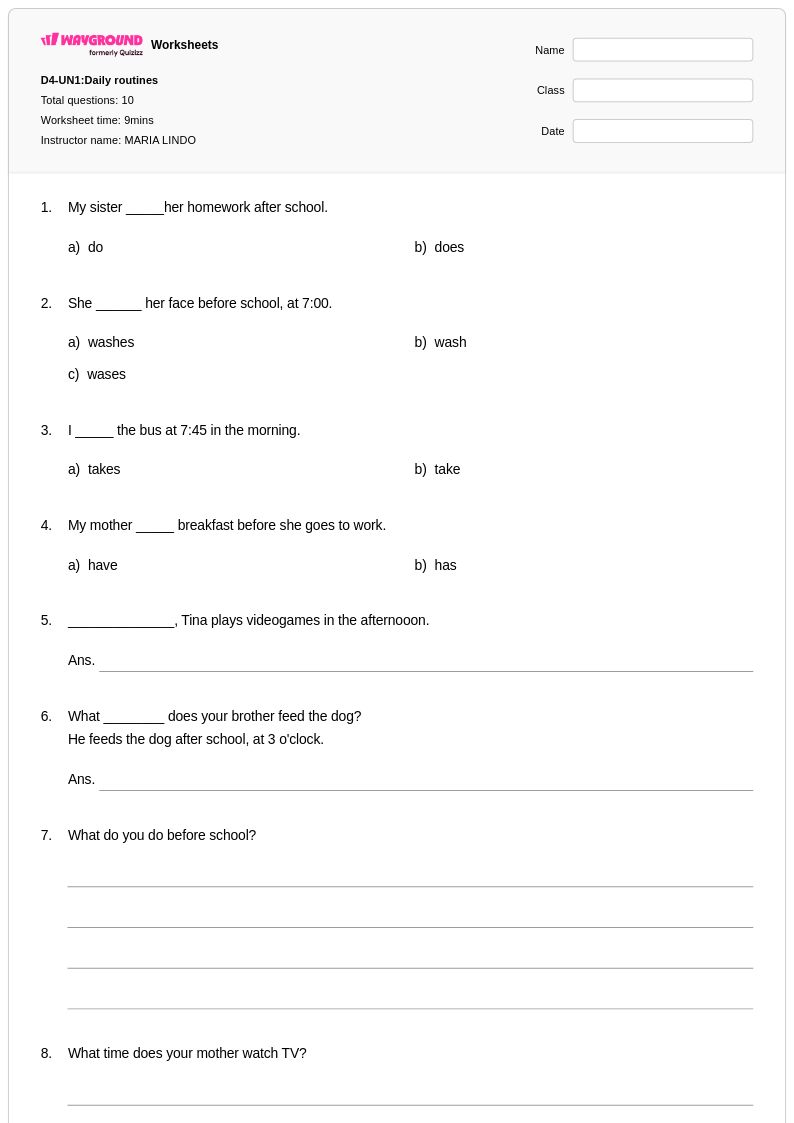
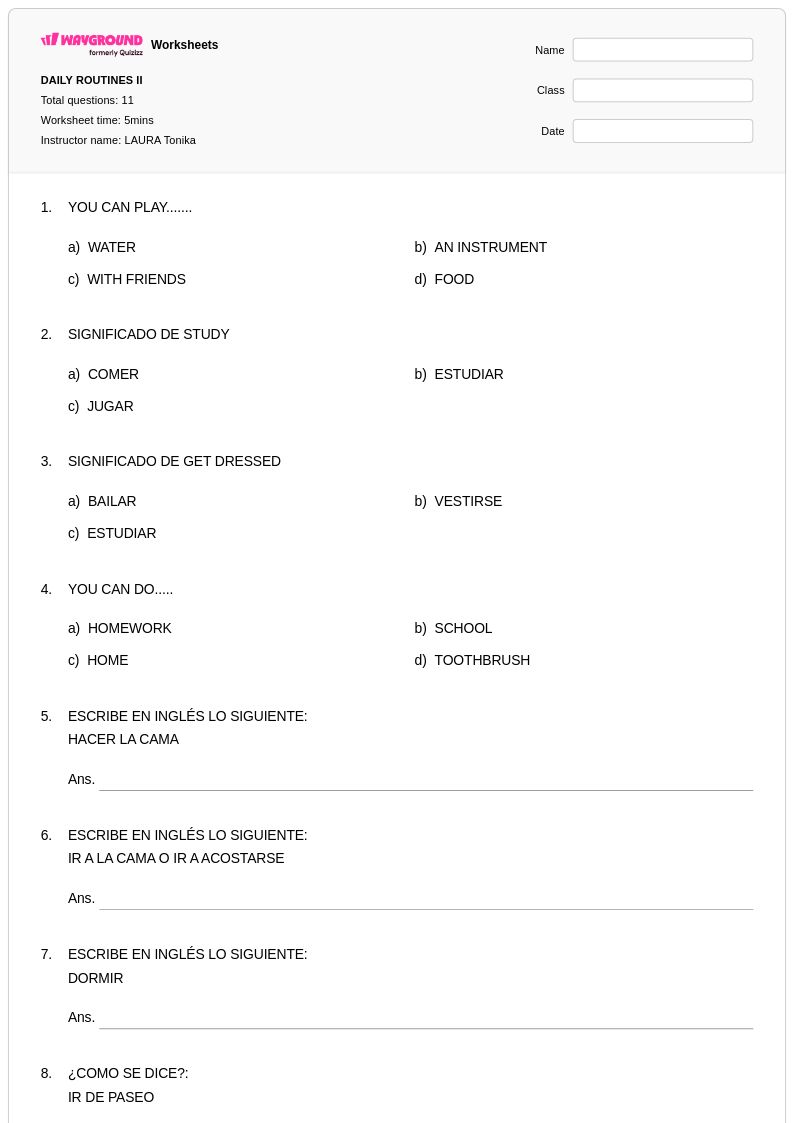
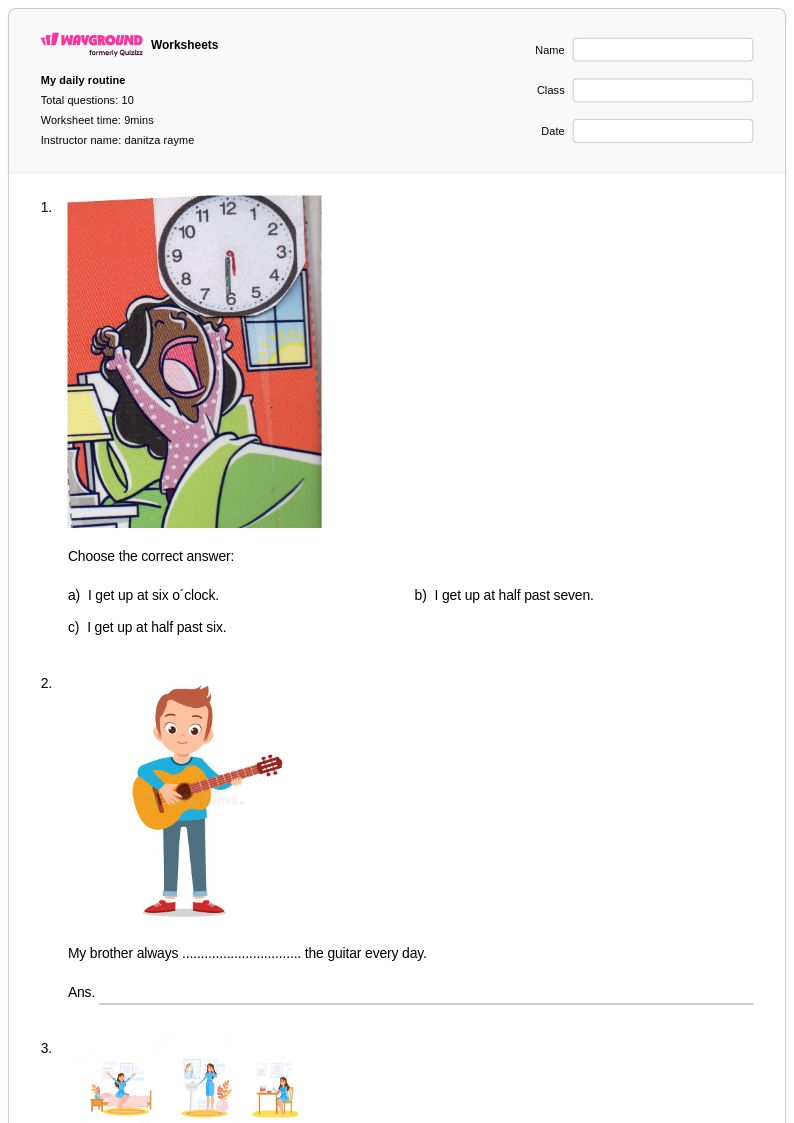
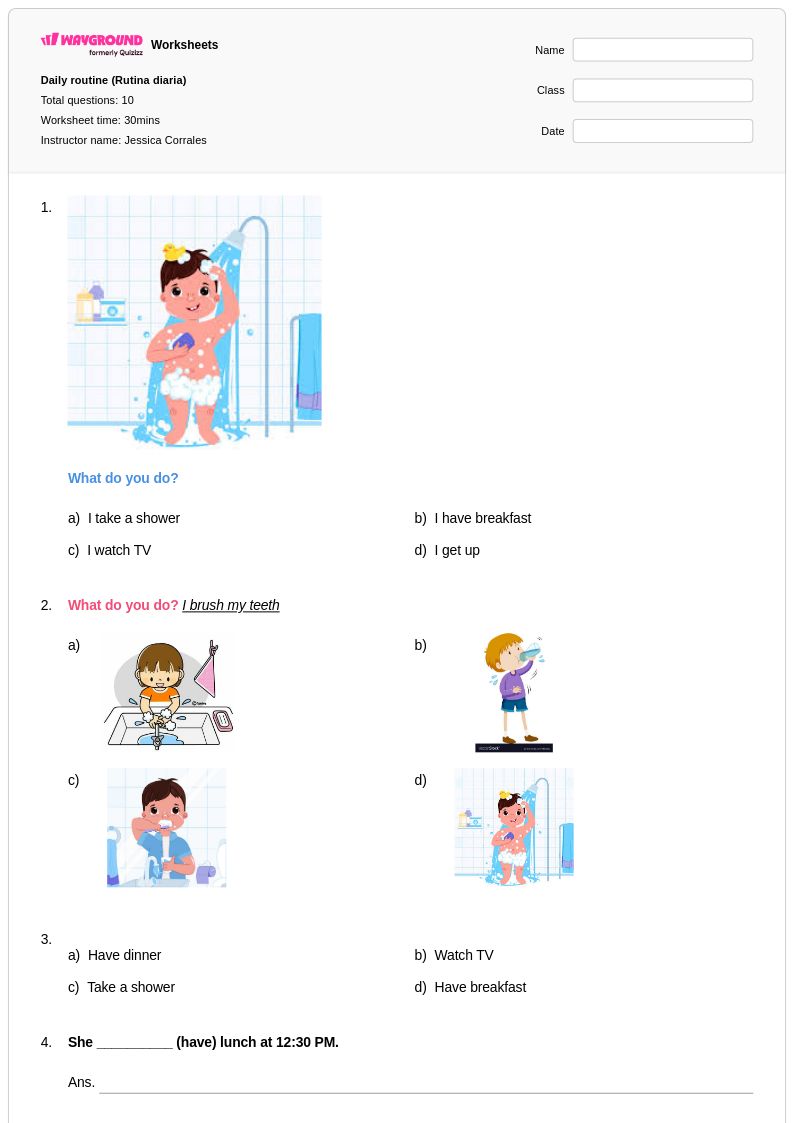
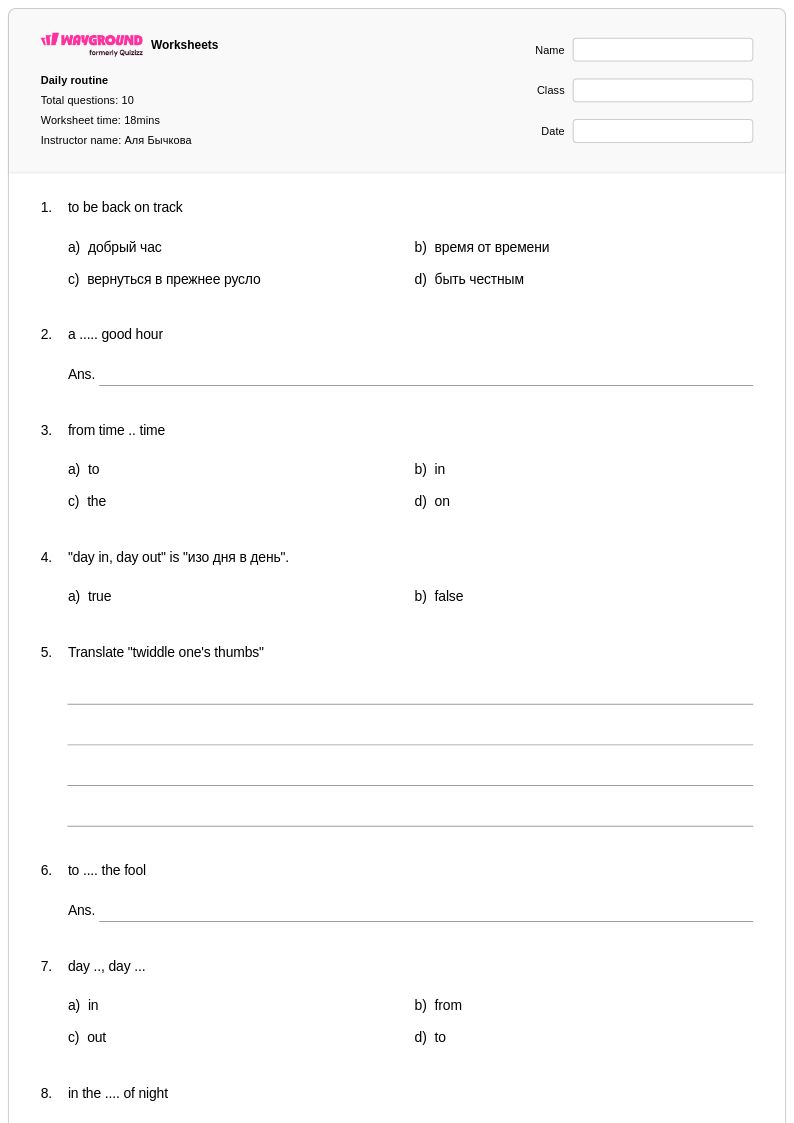
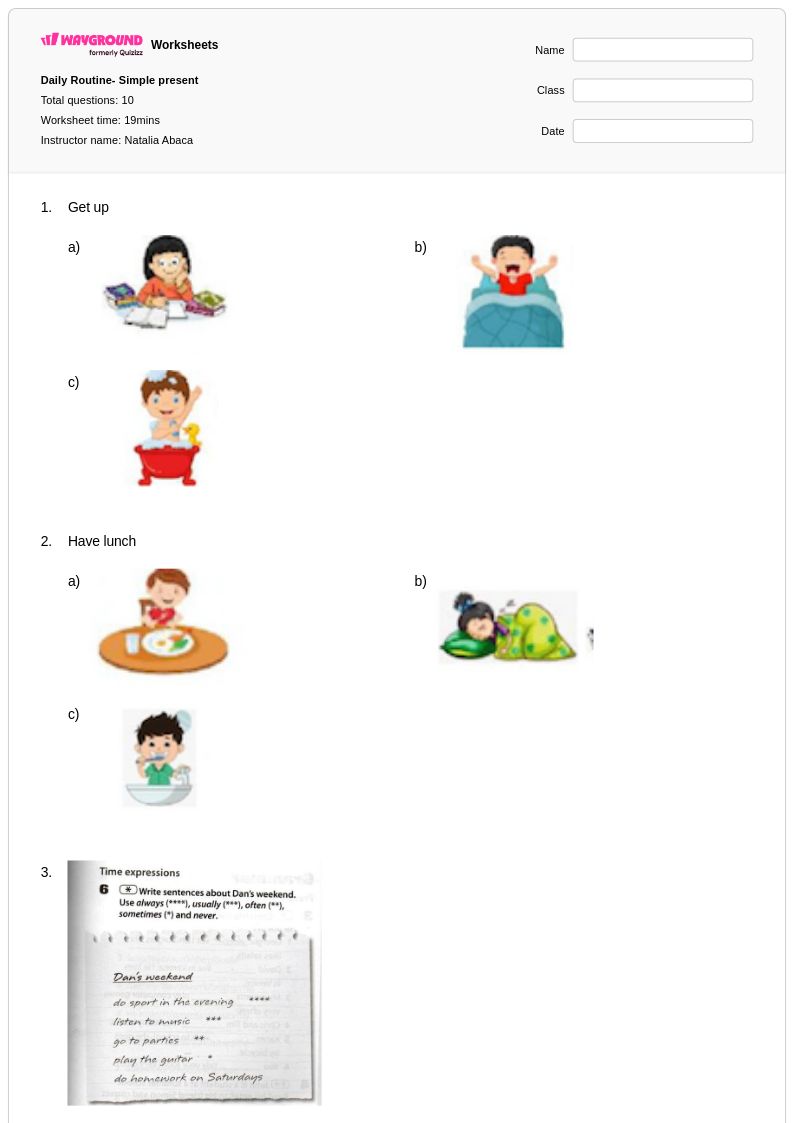
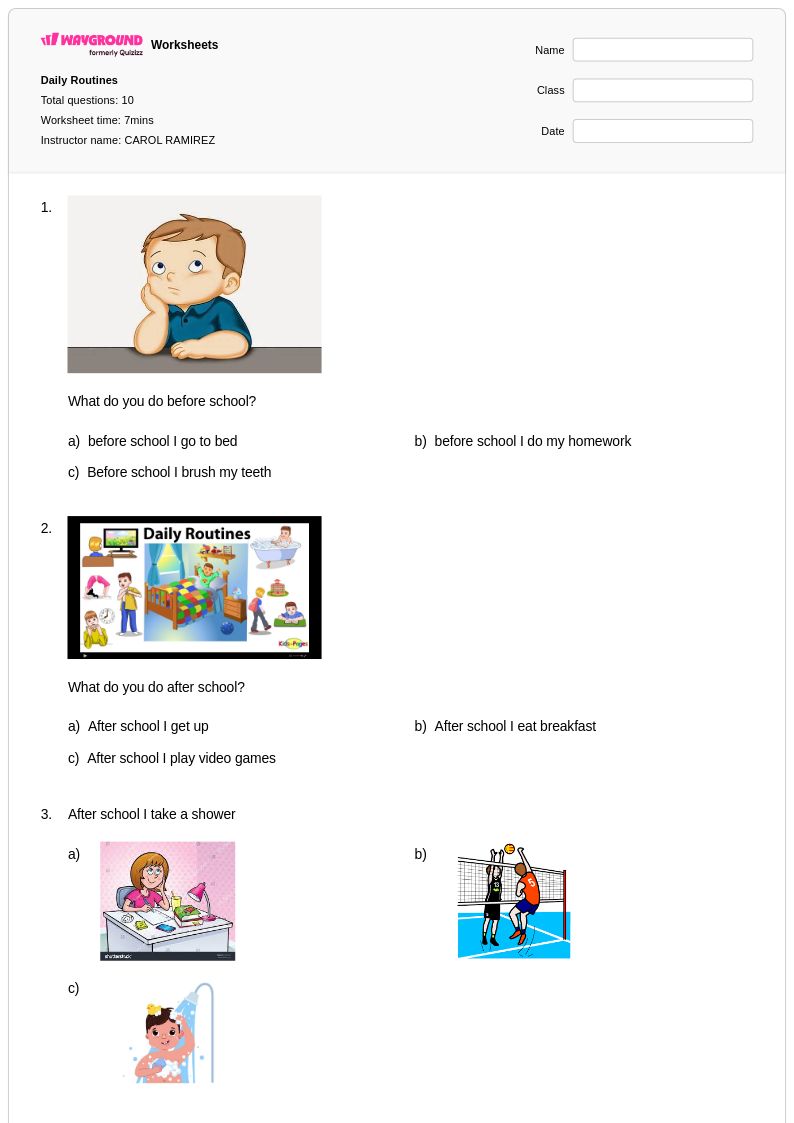
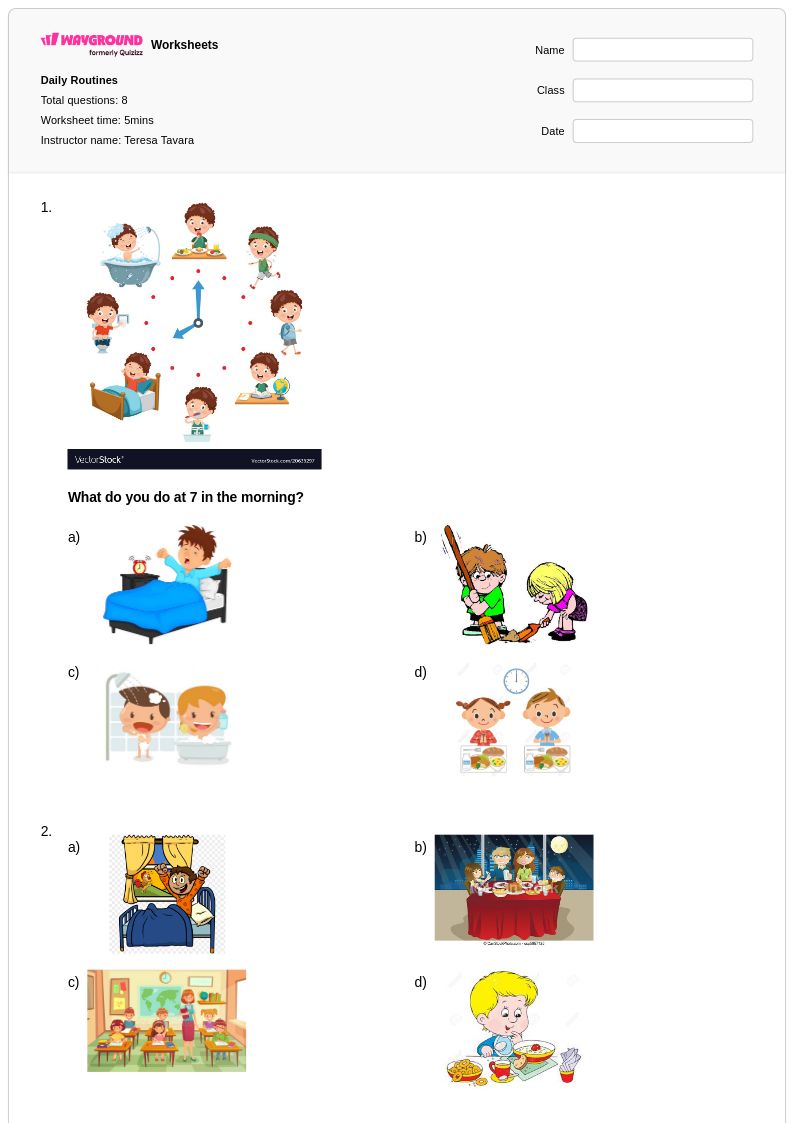
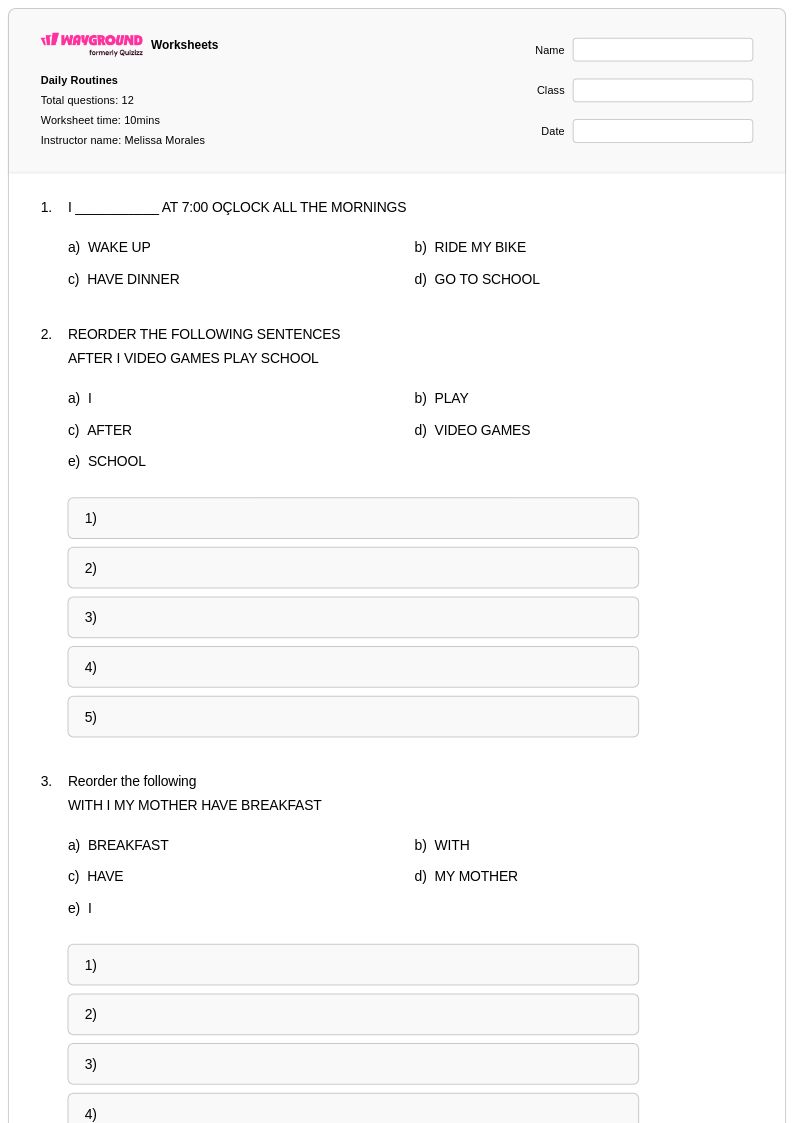
Structured writing exercises that scaffold from sentence-level to paragraph-level work are the most effective for practicing daily routine writing. Students benefit from exercises that ask them to reorder scrambled routine sentences, fill in missing transition words, expand bare-bones event descriptions with sensory detail, and ultimately write a full descriptive paragraph about a personal routine. Combining these practice types in a single worksheet helps students internalize chronological organization and descriptive language techniques simultaneously.
What mistakes do students commonly make when writing about daily routines?
The most common error students make in daily routine writing is producing a flat, list-like sequence of events without any descriptive language or personal voice, for example writing 'I wake up. I eat breakfast. I go to school.' without elaboration. Students also frequently neglect transition words, which makes their writing feel choppy and disconnected. A third common issue is inconsistent verb tense, particularly shifting between present and past tense mid-paragraph. Targeted exercises that require students to revise weak routine paragraphs are an efficient way to address all three of these patterns.
How can I differentiate daily routine writing worksheets for students at different skill levels?
For struggling writers, provide sentence starters, a word bank of transition phrases, and a graphic organizer that maps the routine before any writing begins. For on-level students, supply a structured paragraph frame that prompts chronological order and one or two sensory details per event. Advanced writers benefit from open-ended prompts that challenge them to write from a different perspective or incorporate figurative language into their routine descriptions. When using Wayground's digital format, teachers can apply individual accommodations such as Read Aloud support or reduced answer choices to specific students without alerting the rest of the class.
How do I use Wayground's daily routine worksheets in my classroom?
Wayground's daily routine worksheets are available as printable PDFs for traditional classroom use and in digital formats for technology-integrated or hybrid learning environments, including the option to host them as an interactive quiz directly on Wayground. Teachers can assign digital versions for independent practice, homework, or formative assessment, while PDF versions work well for in-class writing sessions or small-group instruction. All worksheets include complete answer keys, which makes them practical for self-checking, peer review, or teacher-led correction.
How do daily routine writing worksheets connect to broader writing standards?
Daily routine writing directly supports standards related to narrative and descriptive writing, including skills such as chronological organization, use of transitional language, sensory detail incorporation, and development of an authentic authorial voice. Because the subject matter is immediately familiar to all students, this genre serves as an accessible entry point for building these transferable writing skills before students apply them to less familiar topics. It also addresses conventions standards when exercises focus on consistent verb tense and sentence fluency within a descriptive paragraph.