Free Printable Family Finances Worksheets for Year 4
Explore Wayground's free Year 4 family finances worksheets and printables that help students learn essential money management skills through engaging practice problems with complete answer keys.
Explore printable Family Finances worksheets for Year 4
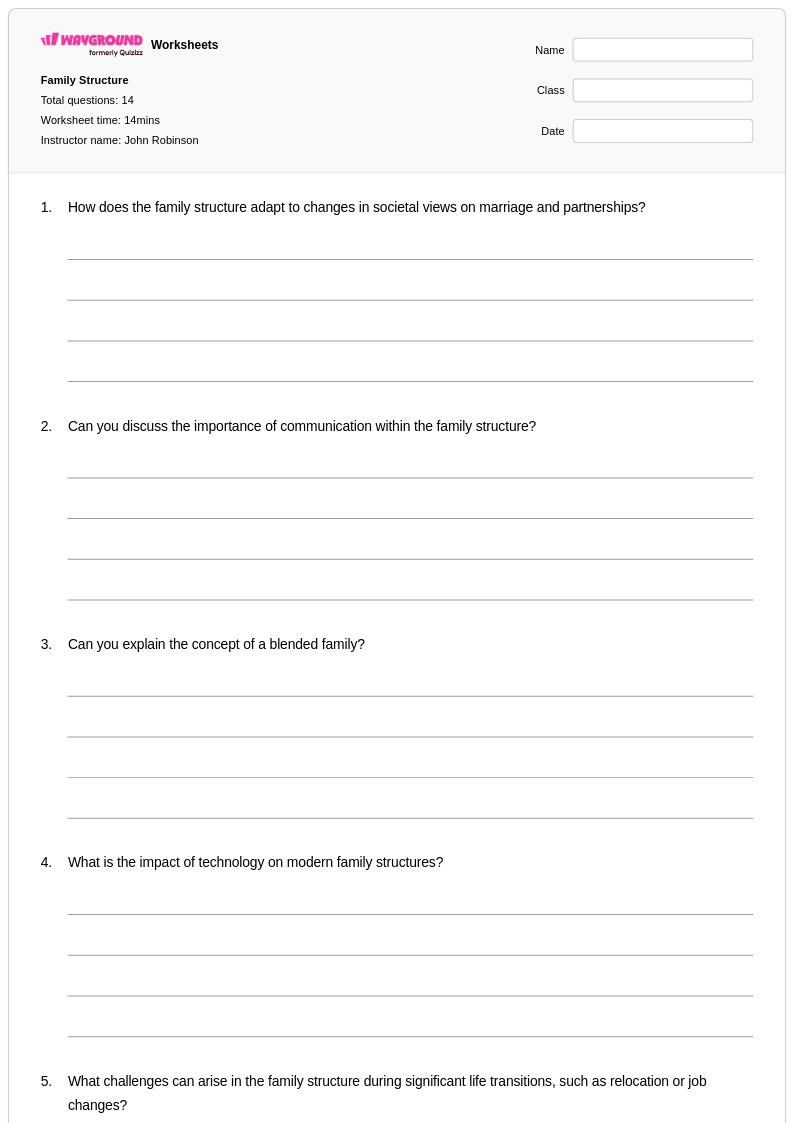
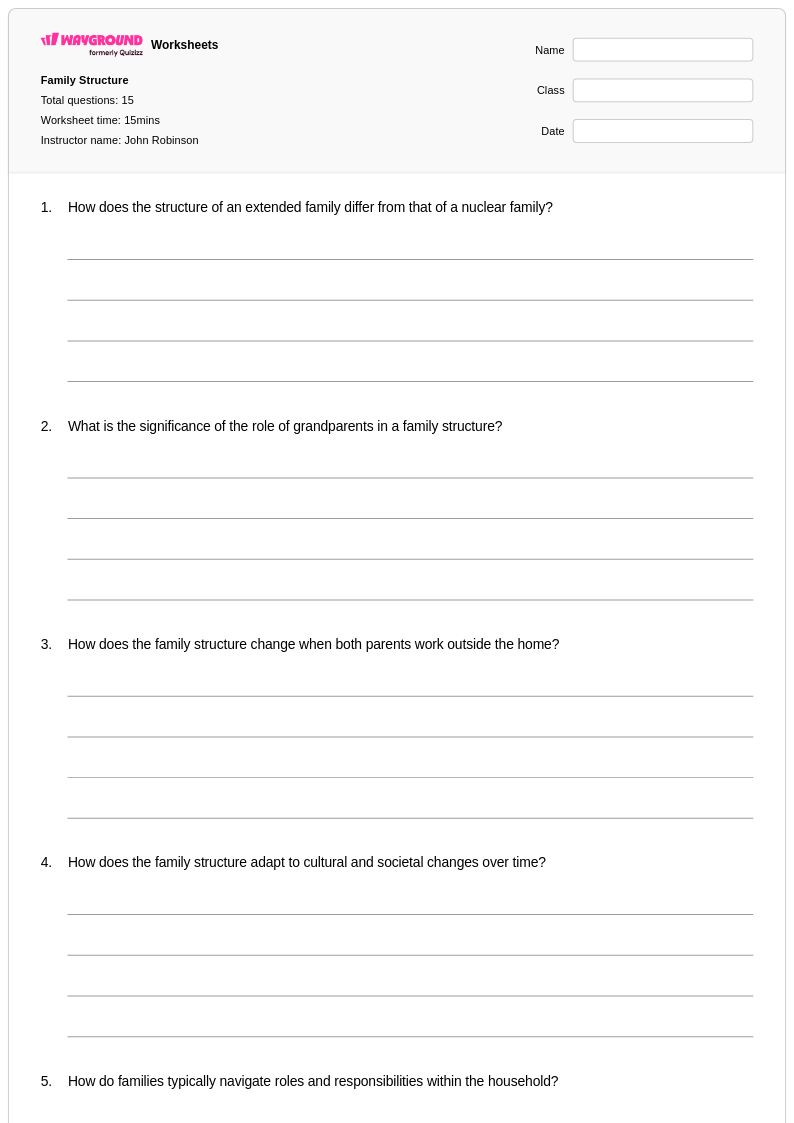
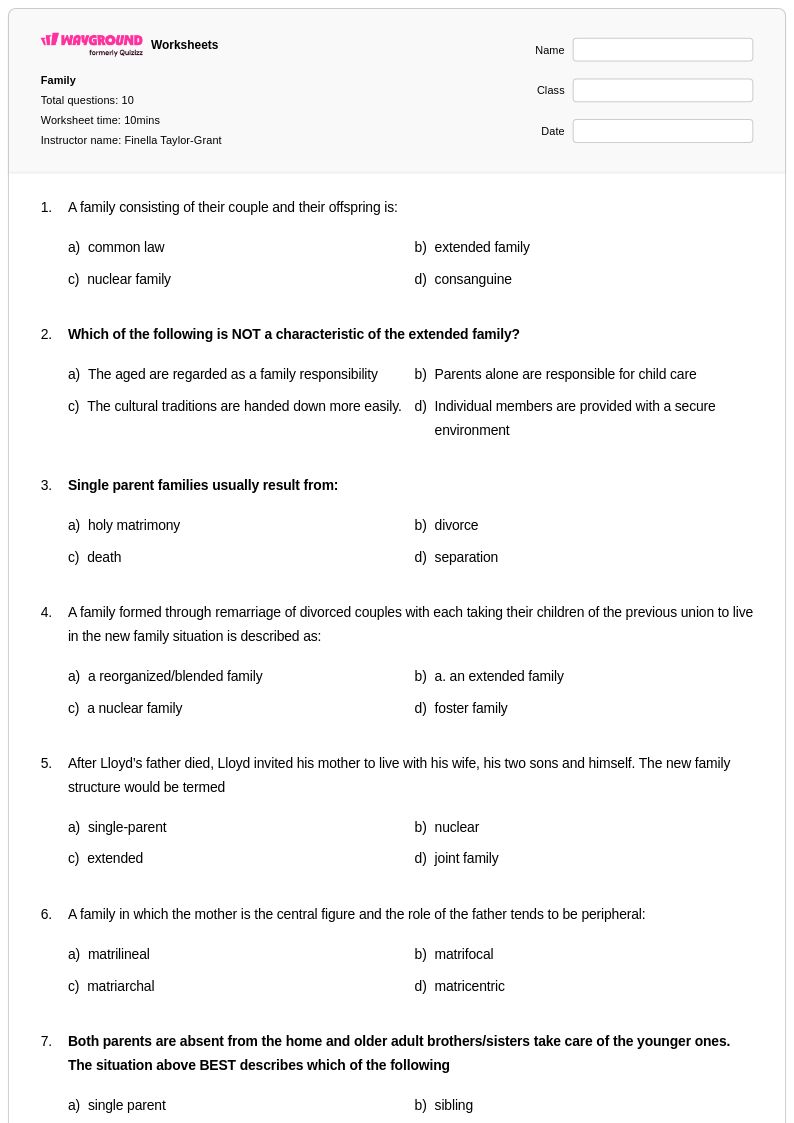
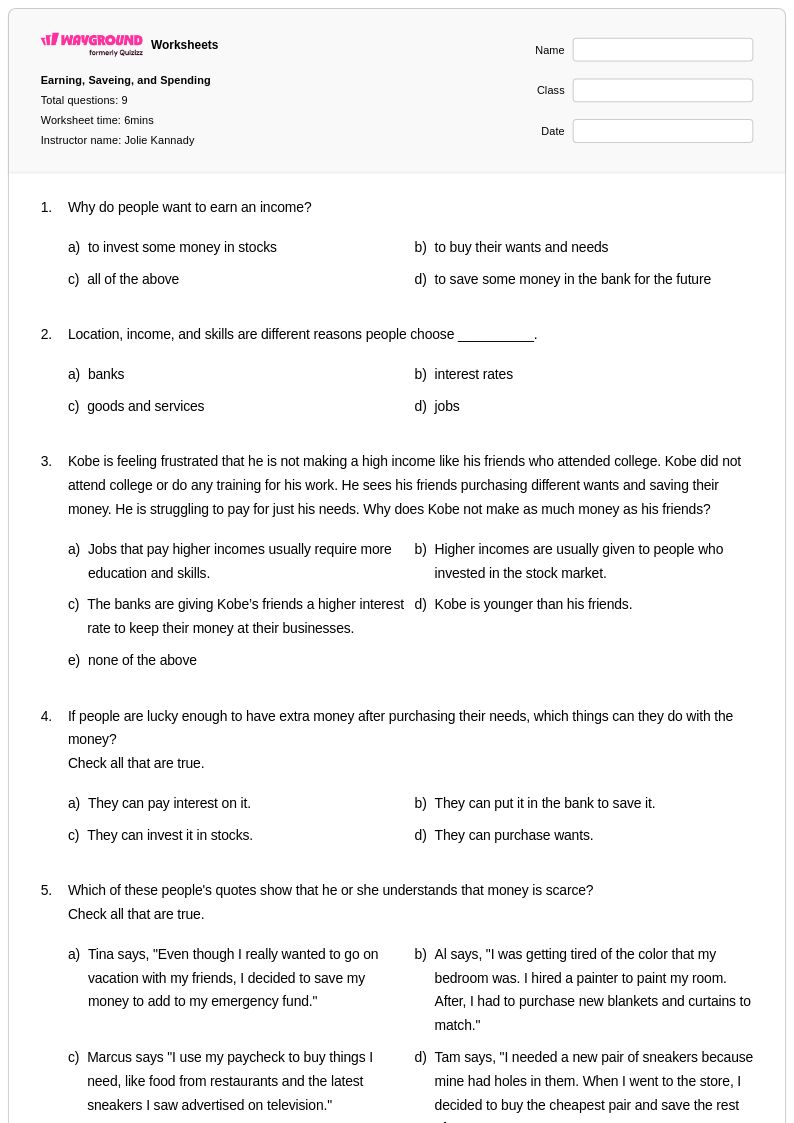
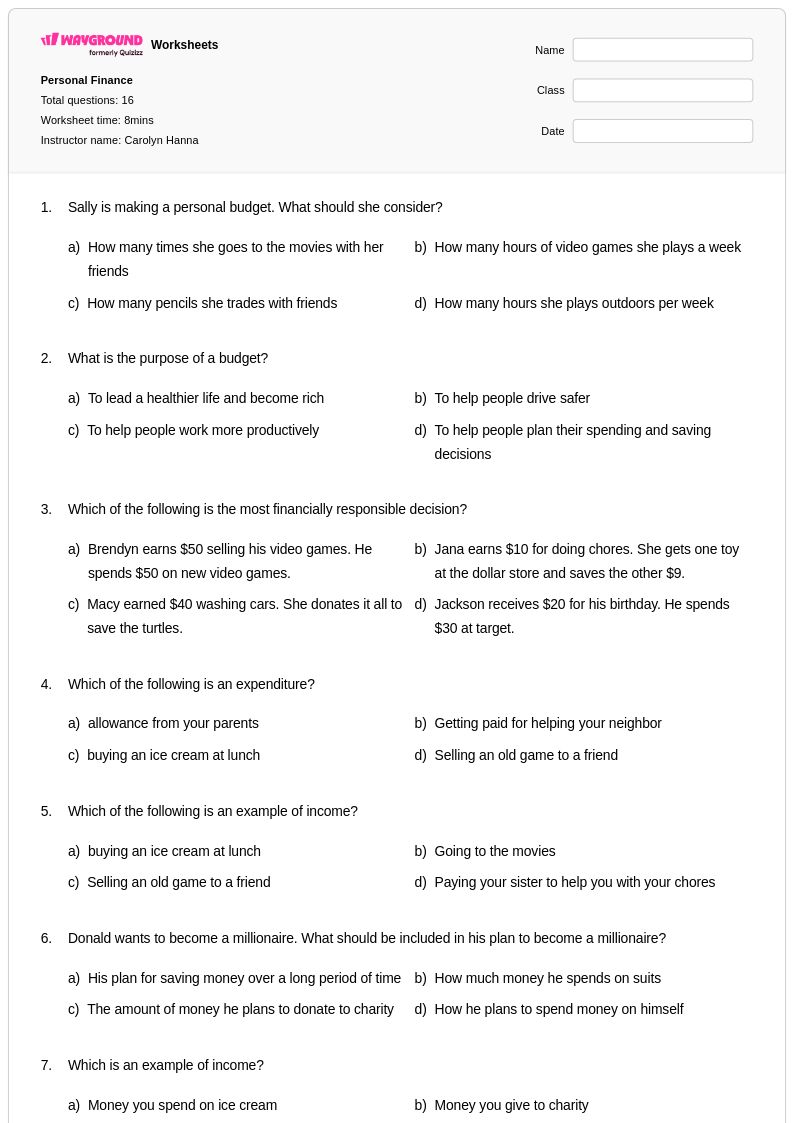
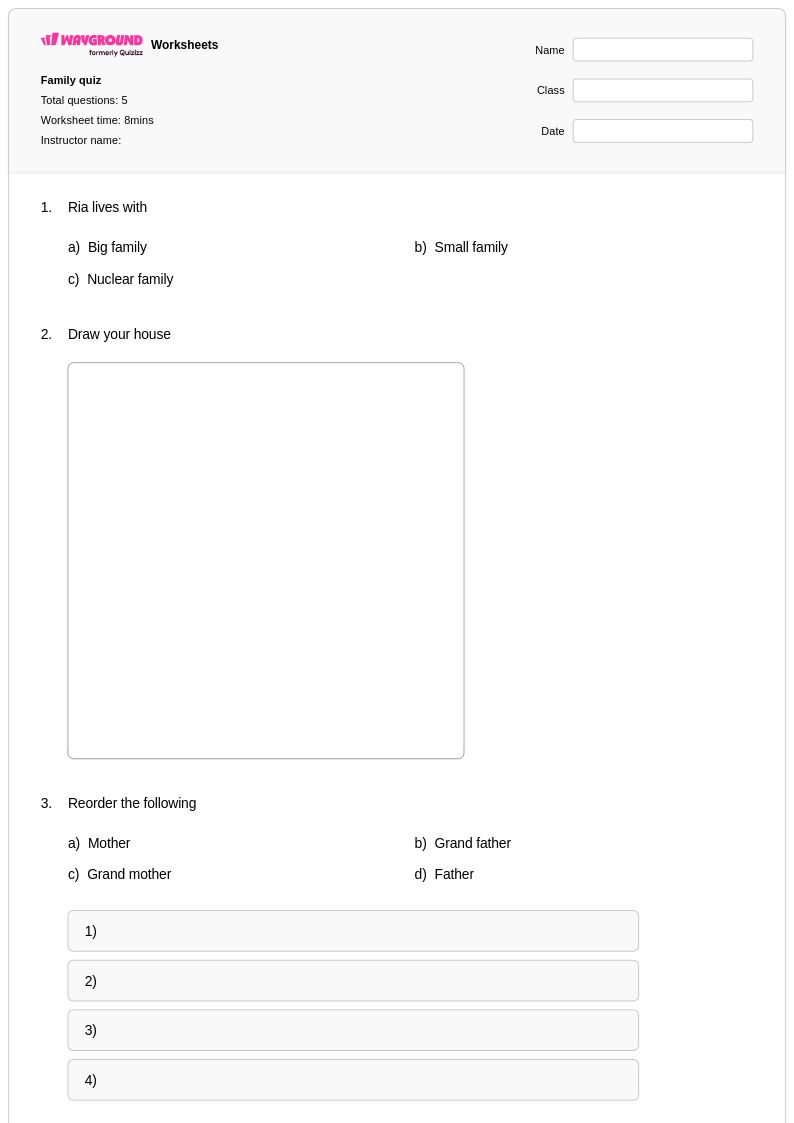
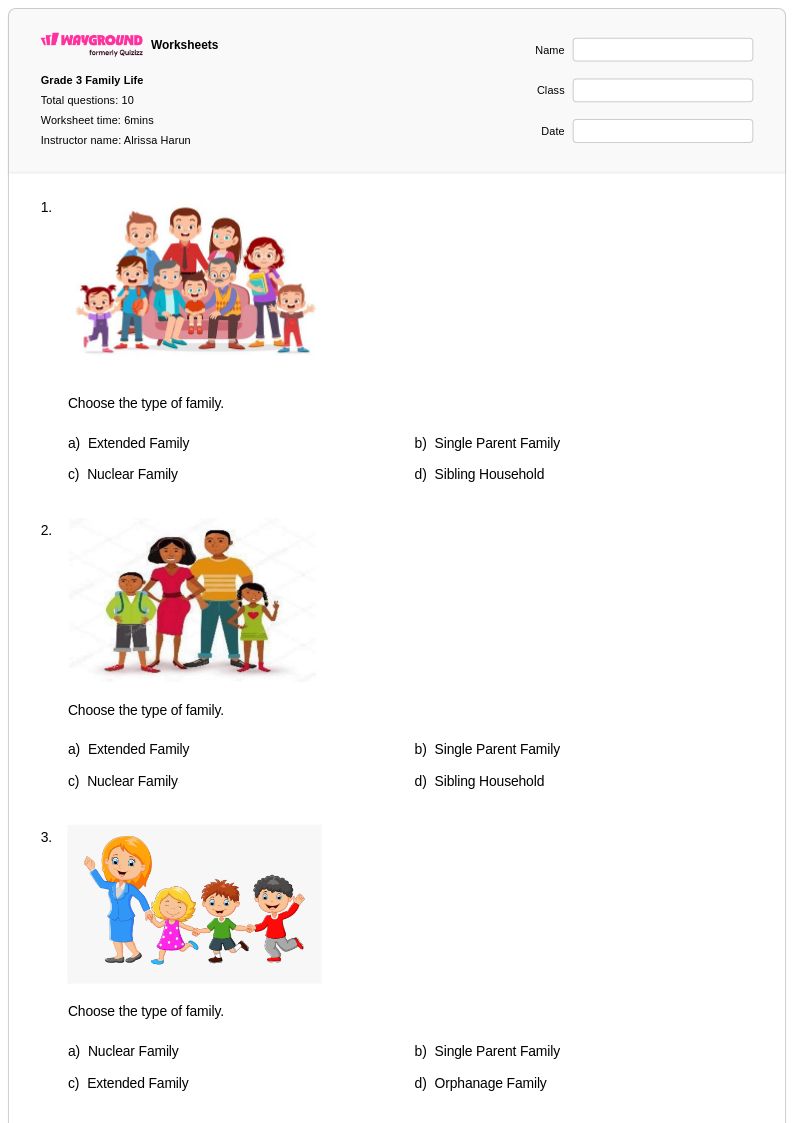
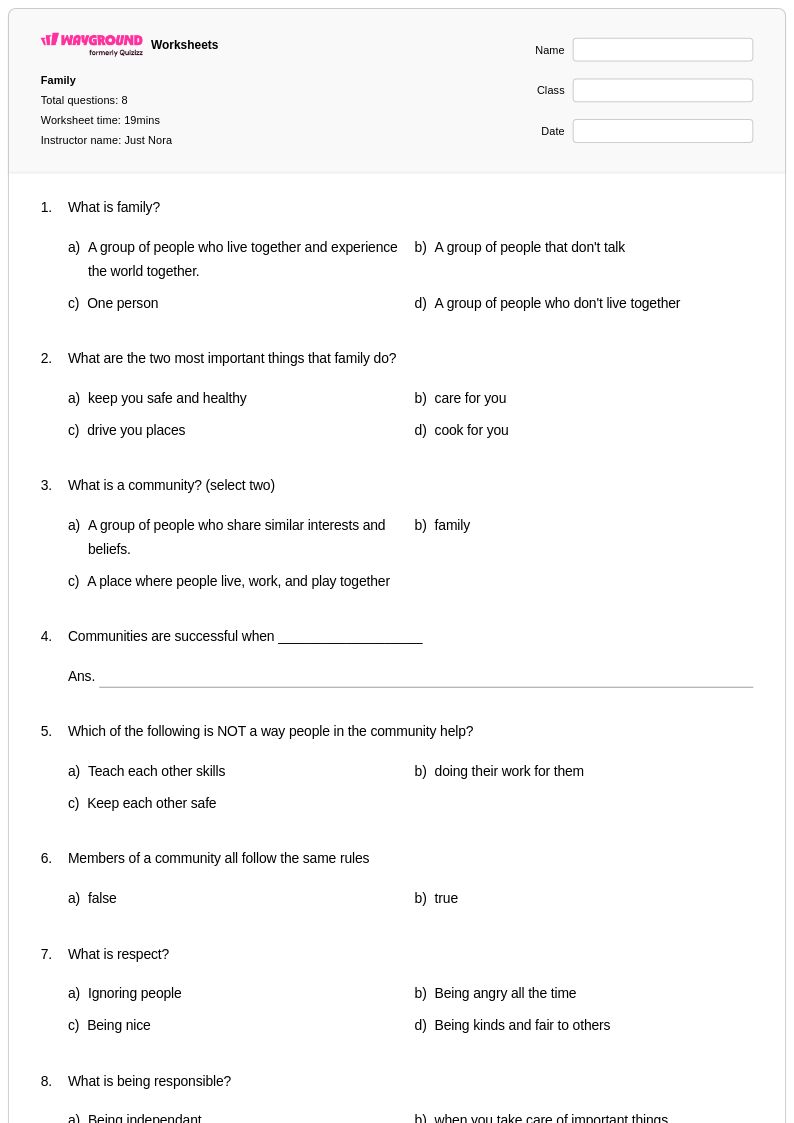
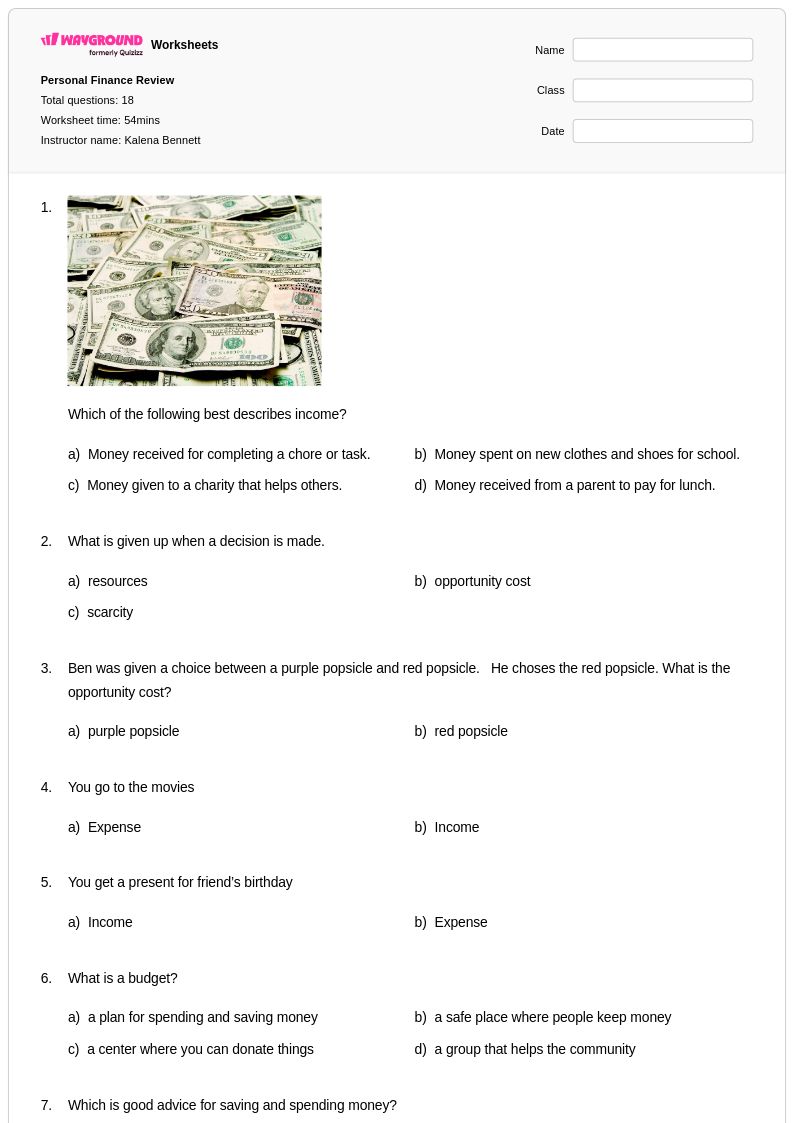
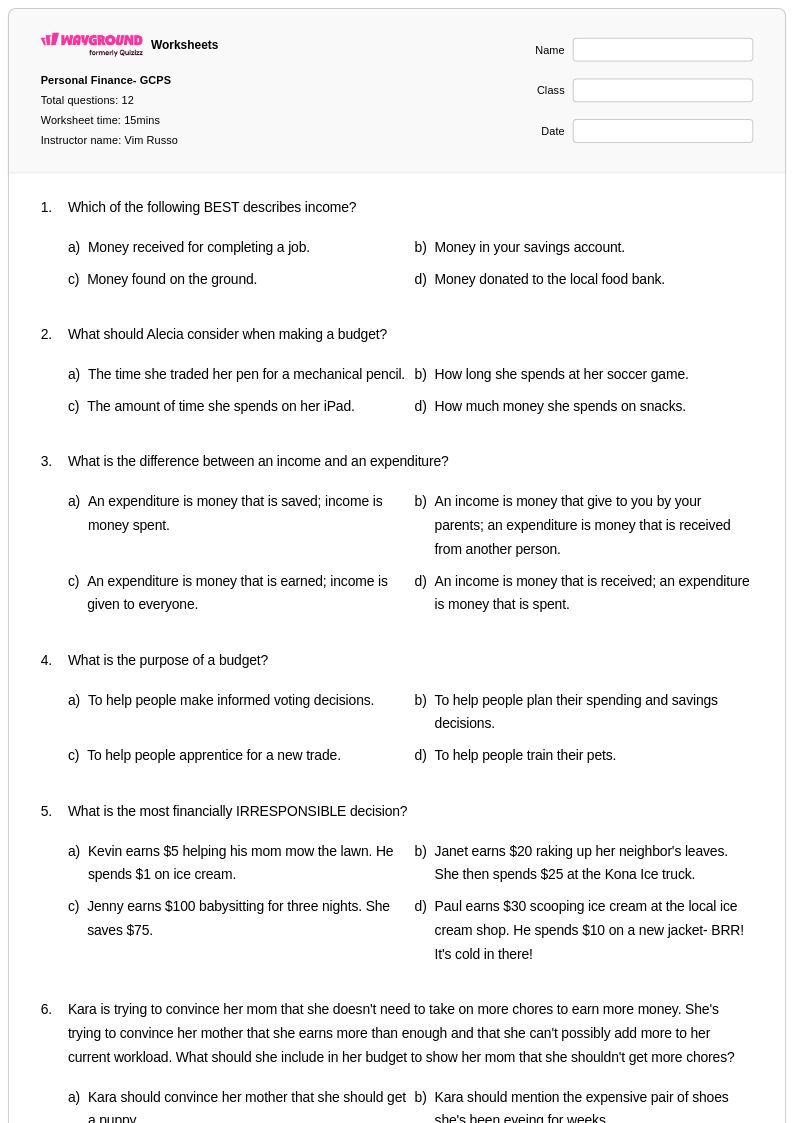
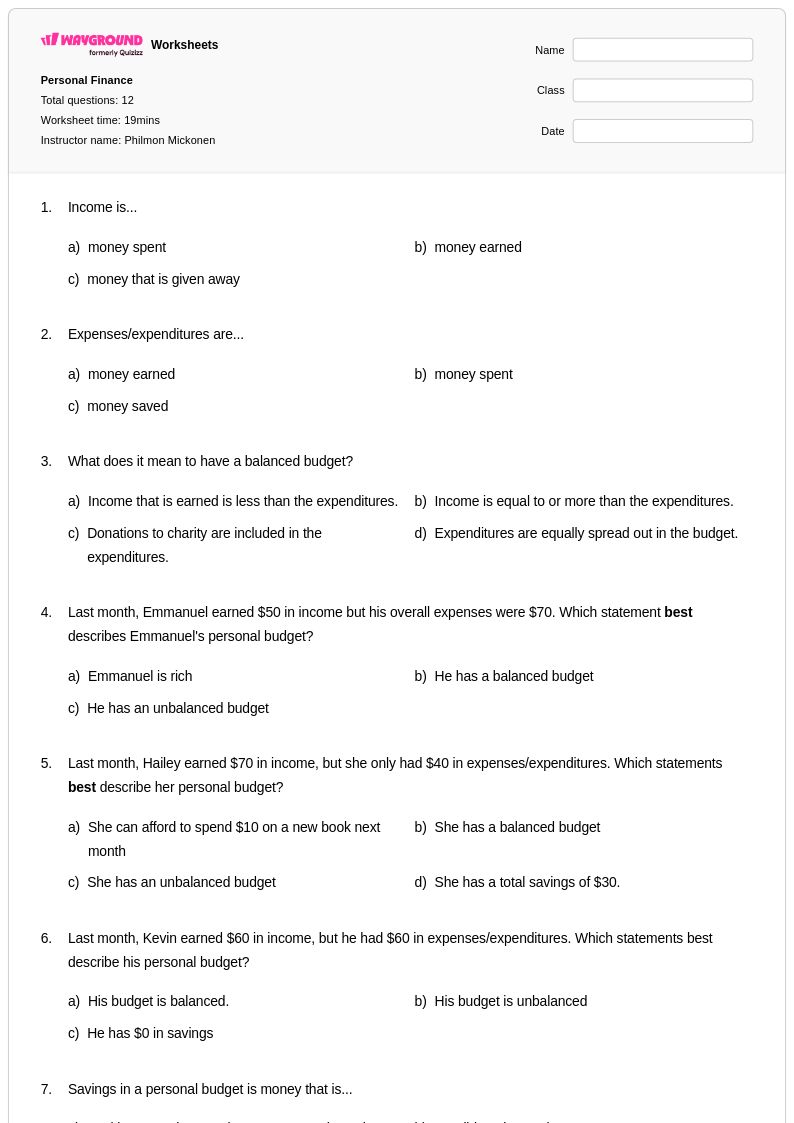
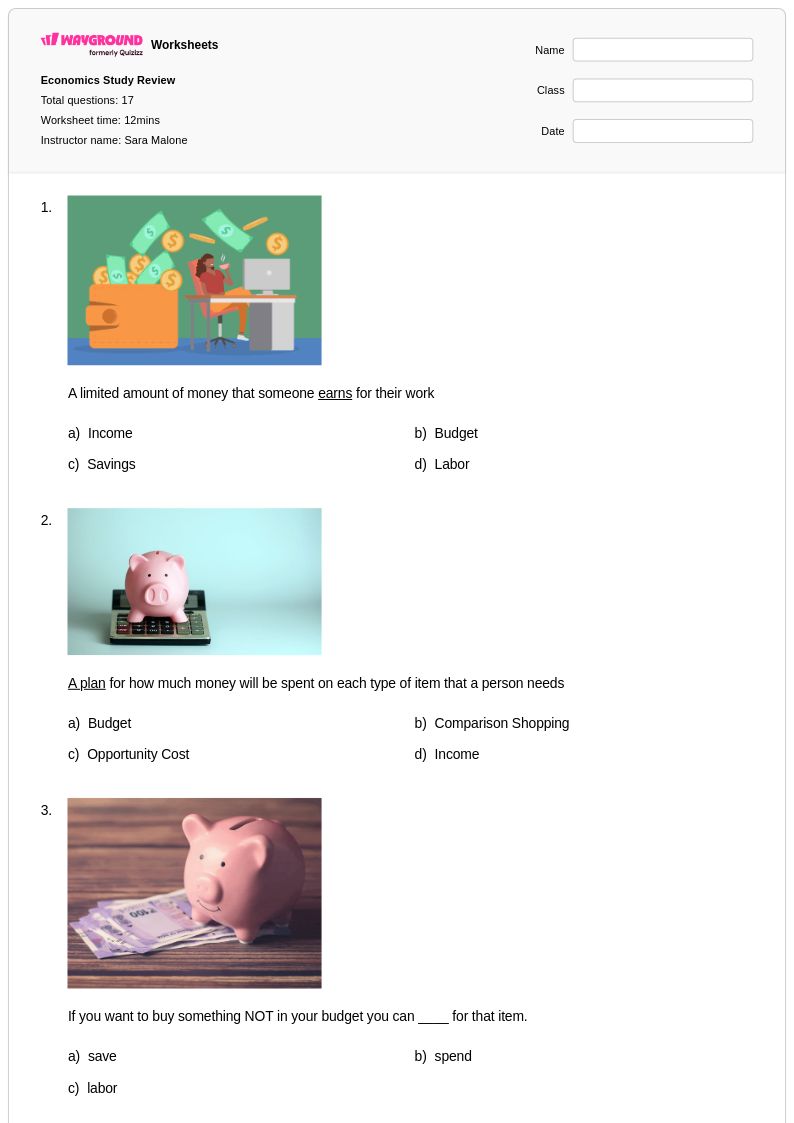
Family finances worksheets for Year 4 students available through Wayground (formerly Quizizz) provide essential foundations for understanding how households manage money and make economic decisions. These comprehensive printables guide young learners through fundamental concepts such as distinguishing between needs and wants, understanding family budgets, exploring different sources of income, and recognizing how families save money for future goals. The practice problems embedded within these free resources strengthen critical thinking skills as students analyze real-world scenarios involving family spending choices, compare costs of different items, and calculate simple budget allocations. Each worksheet includes a detailed answer key that supports both independent learning and guided instruction, allowing educators to seamlessly integrate these pdf materials into their social studies curriculum while building students' financial literacy skills.
Wayground (formerly Quizizz) empowers teachers with millions of educator-created resources specifically designed to support Year 4 family finances instruction across diverse classroom settings. The platform's robust search and filtering capabilities enable teachers to quickly locate worksheets that align with their state standards and match their students' specific learning needs, whether for initial skill introduction, targeted remediation, or advanced enrichment activities. Teachers can customize these digital and printable materials to differentiate instruction, modify complexity levels, and adapt content for various learning styles, ensuring every student develops a solid understanding of how families make financial decisions. The seamless availability of both interactive digital formats and traditional pdf printables provides flexibility for lesson planning, homework assignments, and assessment preparation, making family finances concepts accessible and engaging for all Year 4 learners.
FAQs
How do I teach family finances to students?
Teaching family finances is most effective when grounded in real-world scenarios students can relate to, such as planning a family grocery budget, comparing the cost of needs versus wants, or deciding how to allocate a monthly income. Start with concrete examples before introducing abstract concepts like percentage-based saving goals or opportunity cost. Connecting lessons to students' actual home experiences increases engagement and helps them internalize why financial decision-making skills matter.
What exercises help students practice family budgeting and money management?
Effective practice exercises include creating a sample family budget given a fixed monthly income, categorizing expenses as fixed or variable, and making spending trade-off decisions under constraints. Comparing two families' financial choices and evaluating the long-term impact of saving versus spending builds higher-order thinking alongside procedural fluency. Worksheets that use realistic dollar amounts and household scenarios give students the contextual grounding they need to apply skills beyond the classroom.
What common mistakes do students make when learning about family finances?
A frequent misconception is that budgeting simply means tracking spending rather than planning it in advance, which leads students to confuse descriptive records with prescriptive financial plans. Students also commonly conflate wants with needs, particularly when evaluating household expenses, and struggle to understand why two families with the same income might have very different financial outcomes. Targeted practice with scenario-based problems that require students to justify categorization decisions helps address both errors directly.
How can I differentiate family finances instruction for students at different skill levels?
For students who need additional support, simplify scenarios by reducing the number of expense categories or providing a partially completed budget template. More advanced students can be challenged with multi-step problems that involve income changes, unexpected expenses, or saving toward a goal over several months. On Wayground, teachers can apply accommodations such as reduced answer choices or read-aloud features to individual students, allowing the same worksheet to serve a diverse classroom without requiring separate materials.
How do I use Wayground's family finances worksheets in my classroom?
Wayground's family finances worksheets are available as printable PDFs for traditional classroom use and in digital formats for technology-integrated environments, making them flexible for in-person, hybrid, or remote settings. Teachers can also host worksheets as a live or self-paced quiz directly on Wayground, giving students immediate feedback and giving teachers real-time visibility into class performance. Each worksheet includes a complete answer key, so they work equally well for independent practice, guided instruction, or homework assignments.
How do family finances worksheets connect to financial literacy and social studies standards?
Family finances topics intersect with personal financial literacy standards that appear across social studies, math, and dedicated economics curricula at multiple grade levels. Core concepts covered include income allocation, needs versus wants, saving for goals, and household budgeting, all of which appear in state and national financial literacy frameworks. Using worksheets that are aligned to these standards ensures that practice time directly supports measurable curriculum objectives rather than supplemental enrichment alone.