Explore worksheets by Foreign language topics
- Amharic
- Arabic
- Chinese
- Creole
- ESL
- Filipino
- French
- German
- Greek
- Hebrew
- Hindi
- Italian
- Japanese
- Korean
- Latin
- Marathi
- Navajo
- Portuguese
- Punjabi
- Russian
- Sinhala
- Spanish
- Tamil
- Telugu
- Thai

15 Q
3rd - Uni
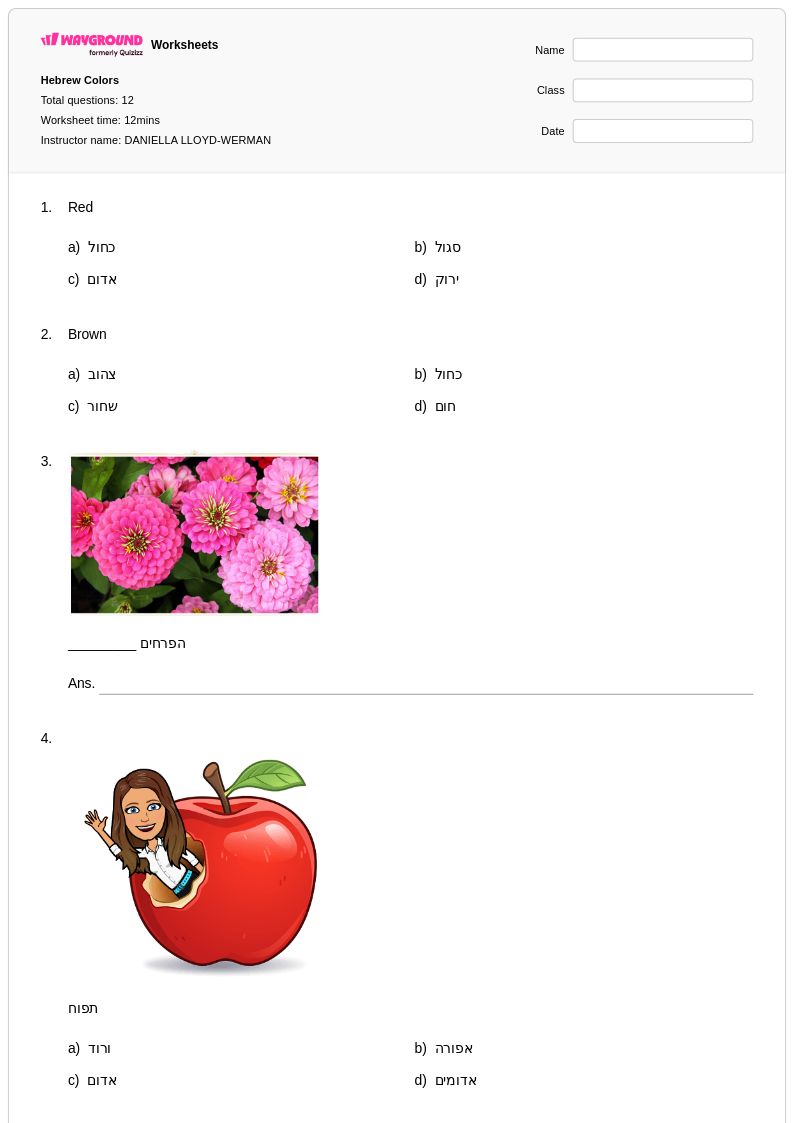
12 Q
9th - 12th
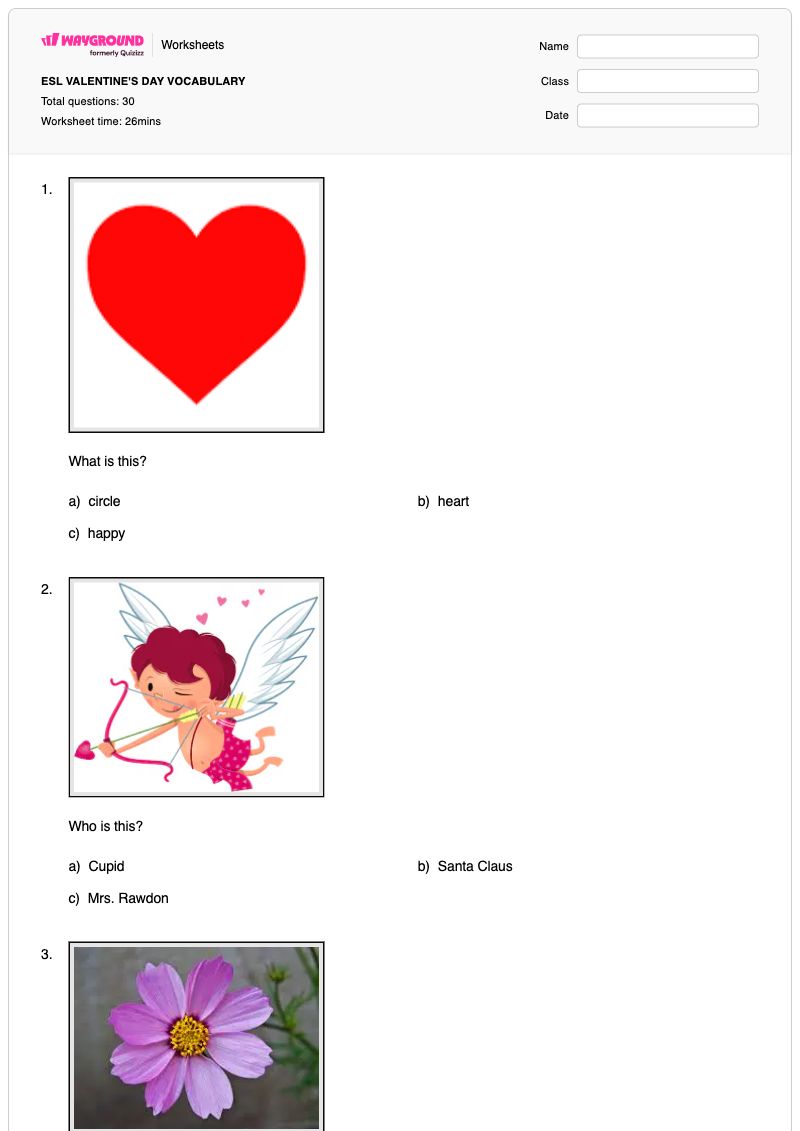
30 Q
9th - 12th
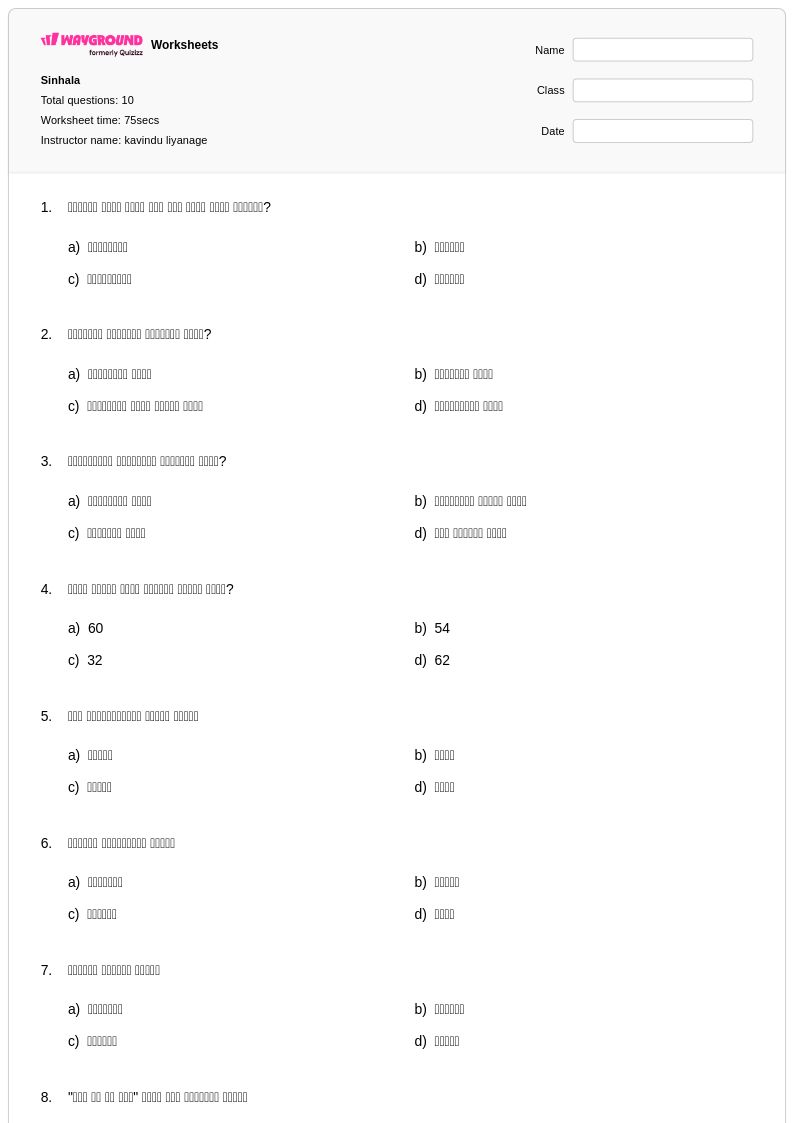
10 Q
9th - 12th
10 Q
7th - 12th
20 Q
9th - 12th

10 Q
11th

16 Q
11th
12 Q
9th - 12th
10 Q
7th - 12th
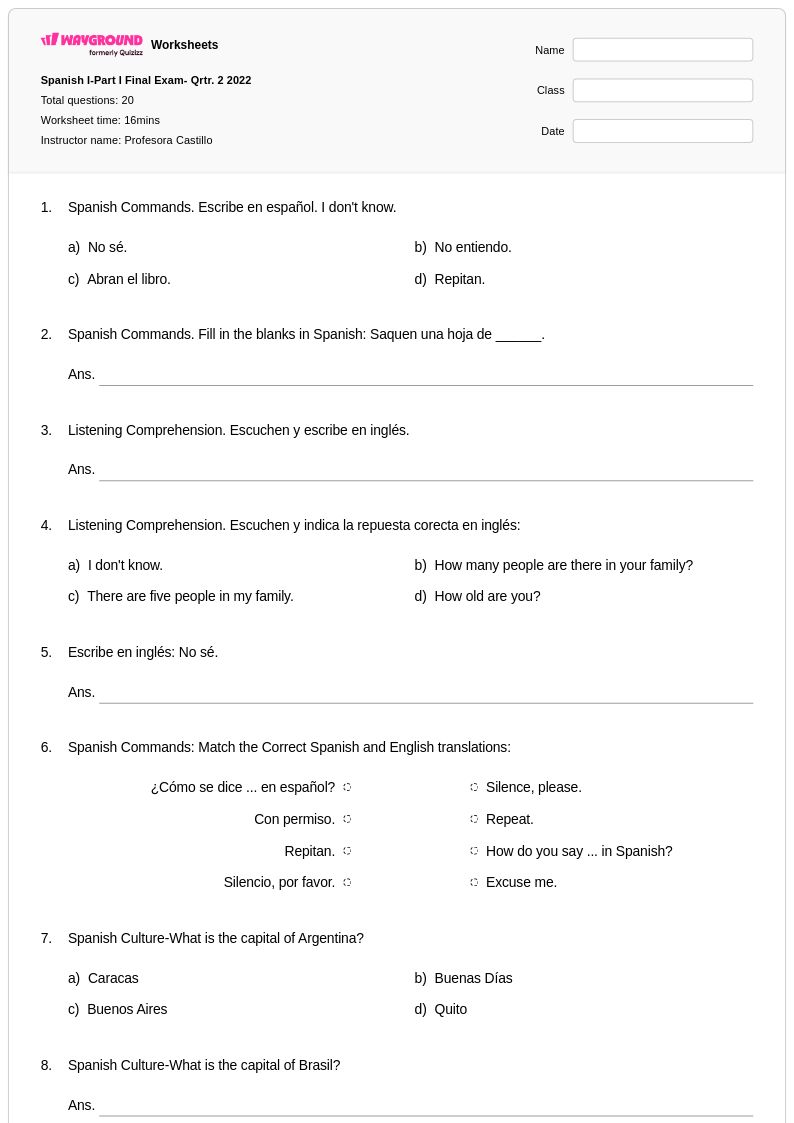
20 Q
11th
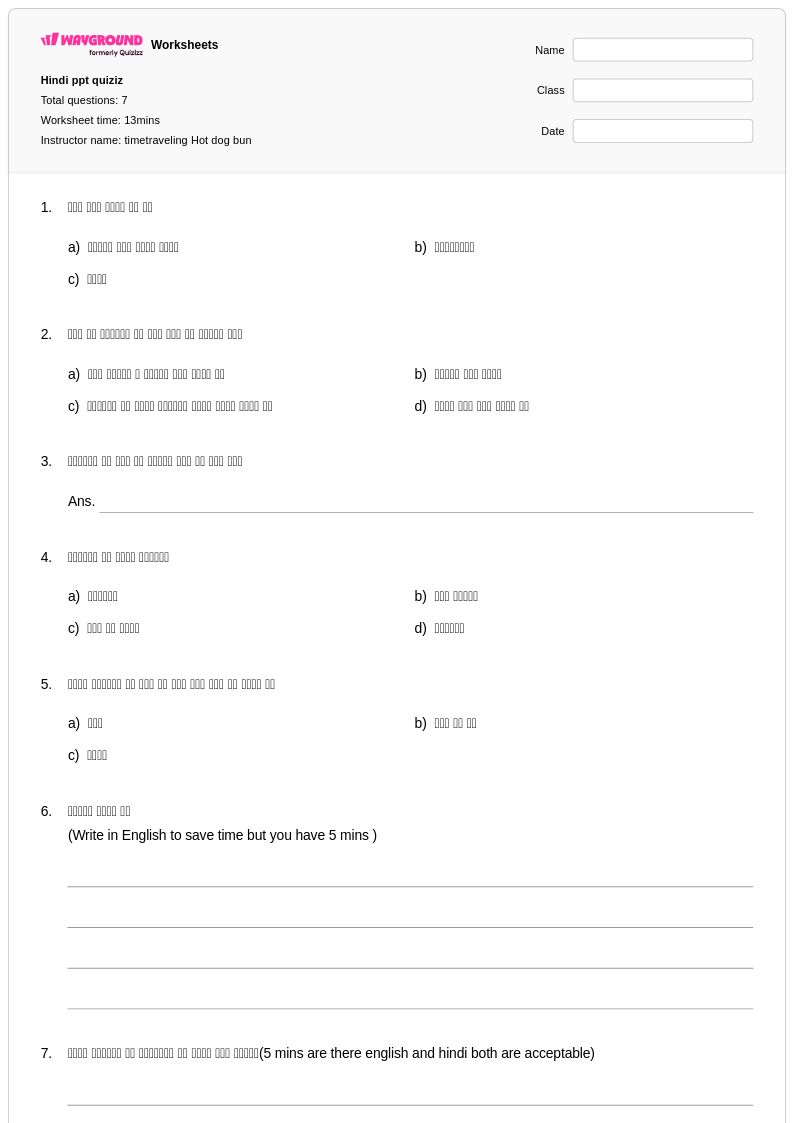
7 Q
KG - PD

10 Q
10th - 12th

15 Q
3rd - Uni
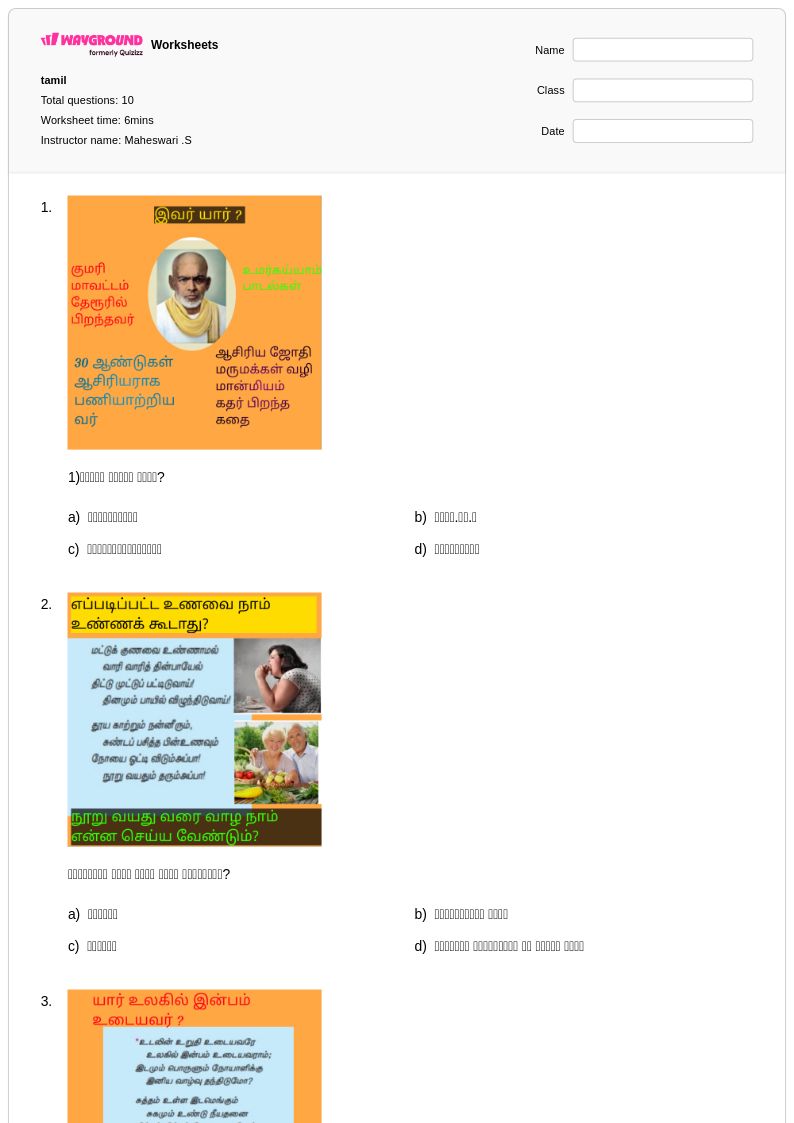
10 Q
6th - Uni
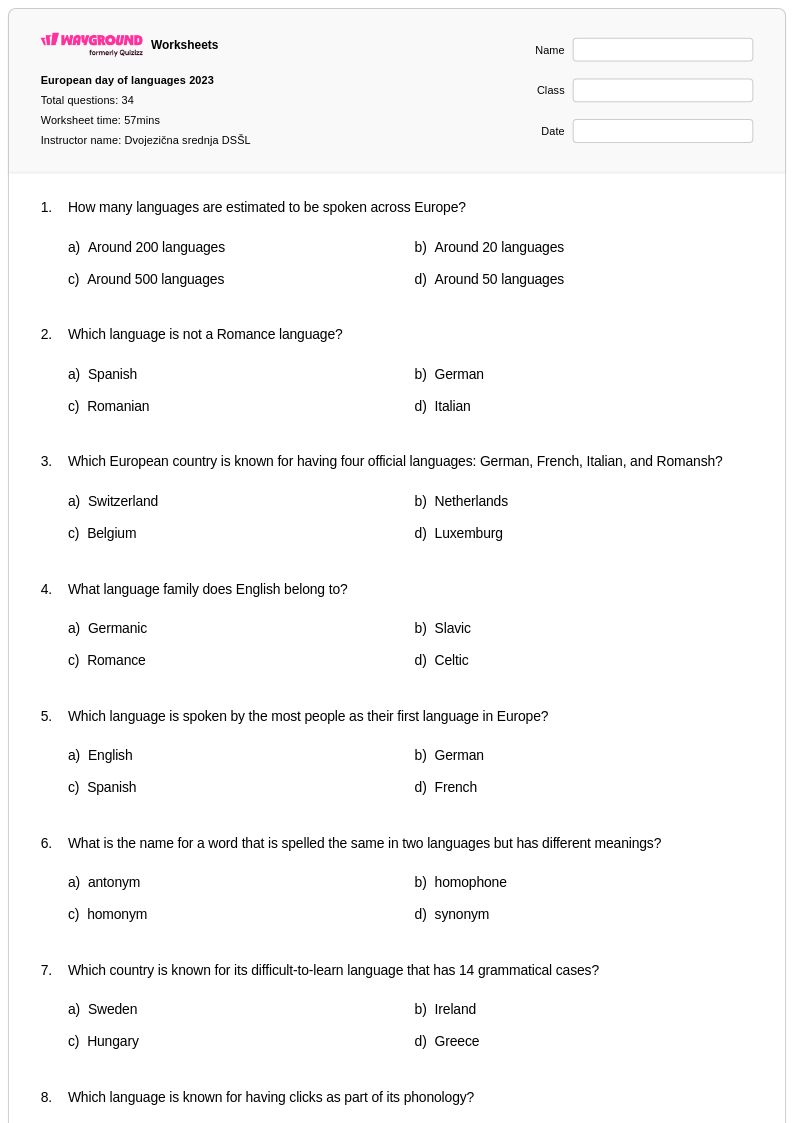
34 Q
9th - 12th

20 Q
11th
20 Q
11th
22 Q
9th - 11th
8 Q
2nd - 11th

14 Q
3rd - Uni
6 Q
4th - Uni
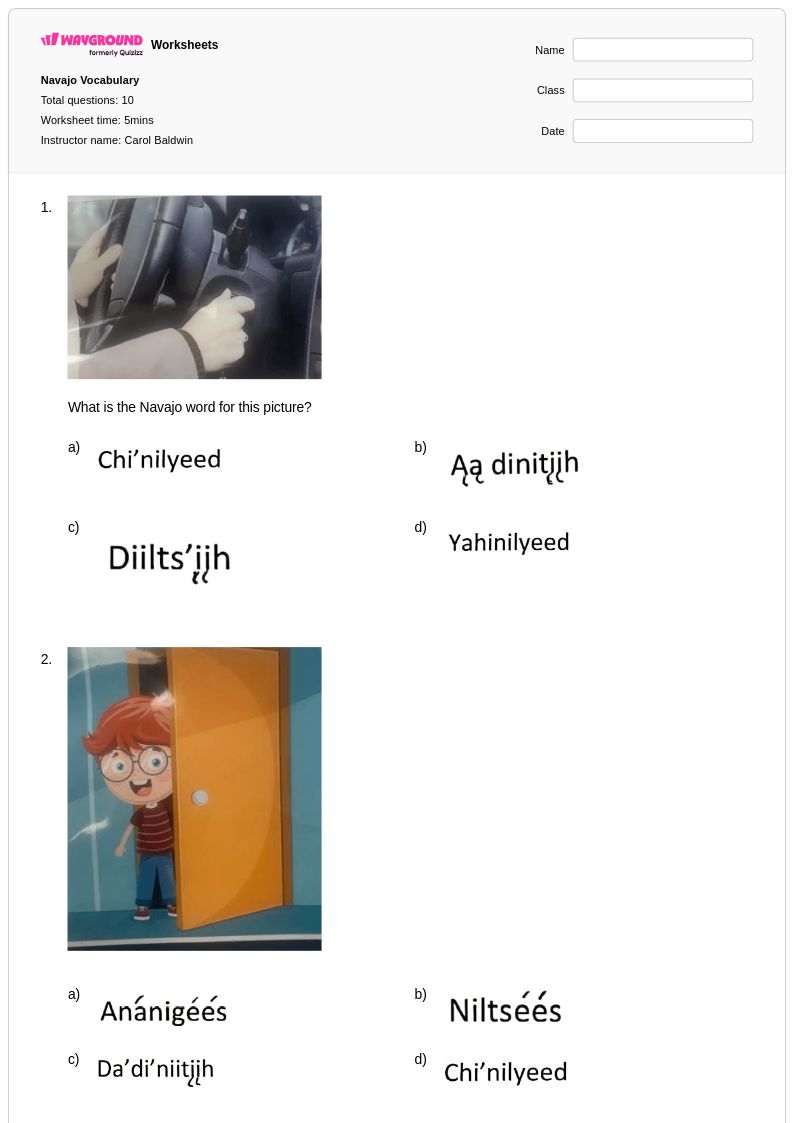
10 Q
9th - 12th

7 Q
KG - PD
Explore Foreign language Worksheets by Grades
Explore Foreign language Worksheets for year 11 by Topic
Explore Other Subject Worksheets for year 11
Explore printable Foreign language worksheets for Year 11
Year 11 foreign language worksheets available through Wayground (formerly Quizizz) provide comprehensive practice materials that strengthen essential communication skills across speaking, listening, reading, and writing domains. These expertly designed resources target advanced grammatical structures, complex vocabulary acquisition, cultural competency development, and authentic communication scenarios that prepare students for real-world language use. Each worksheet collection includes detailed answer keys and is available as free printable PDFs, featuring practice problems that range from conjugation drills and syntax exercises to reading comprehension passages and creative writing prompts that challenge students to demonstrate mastery of nuanced linguistic concepts.
Wayground (formerly Quizizz) empowers educators with millions of teacher-created foreign language resources specifically curated for Year 11 learners, featuring robust search and filtering capabilities that allow instructors to locate materials aligned with specific language standards and proficiency benchmarks. The platform's differentiation tools enable teachers to customize worksheet difficulty levels and content focus areas, while flexible formatting options provide both printable PDF versions for traditional classroom use and digital formats for interactive online learning environments. These comprehensive features streamline lesson planning by offering immediate access to remediation materials for struggling students, enrichment activities for advanced learners, and targeted skill practice exercises that support systematic language acquisition and fluency development.
FAQs
How do I teach a foreign language to students who have no prior experience?
What exercises help students practice vocabulary in a foreign language?
What are the most common mistakes students make when learning a foreign language?
How can I differentiate foreign language instruction for students at different proficiency levels?
How do I use Wayground's foreign language worksheets in my classroom?
Which foreign languages are covered in Wayground's worksheet collection?