
23 Q
4th
20 Q
1st - 2nd
11 Q
4th
16 Q
1st
15 Q
1st
10 Q
2nd
15 Q
1st
10 Q
1st
17 Q
1st
18 Q
1st - 5th
20 Q
4th
7 Q
1st
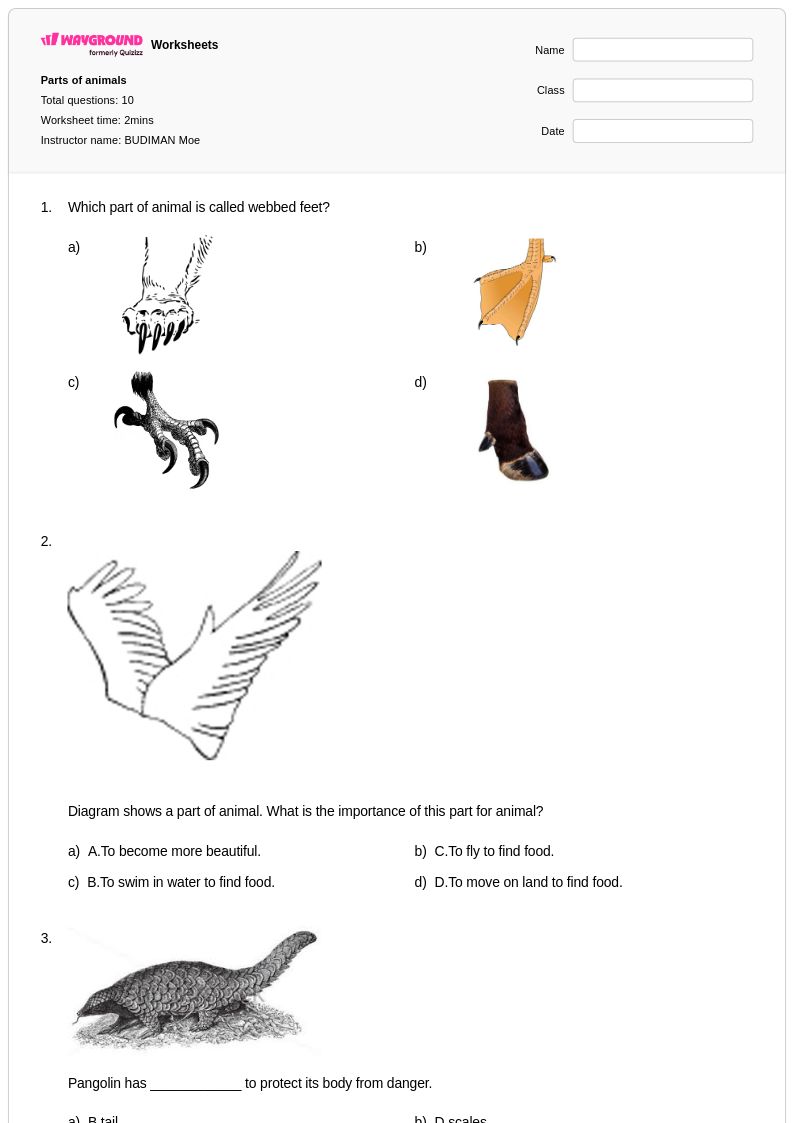
10 Q
1st
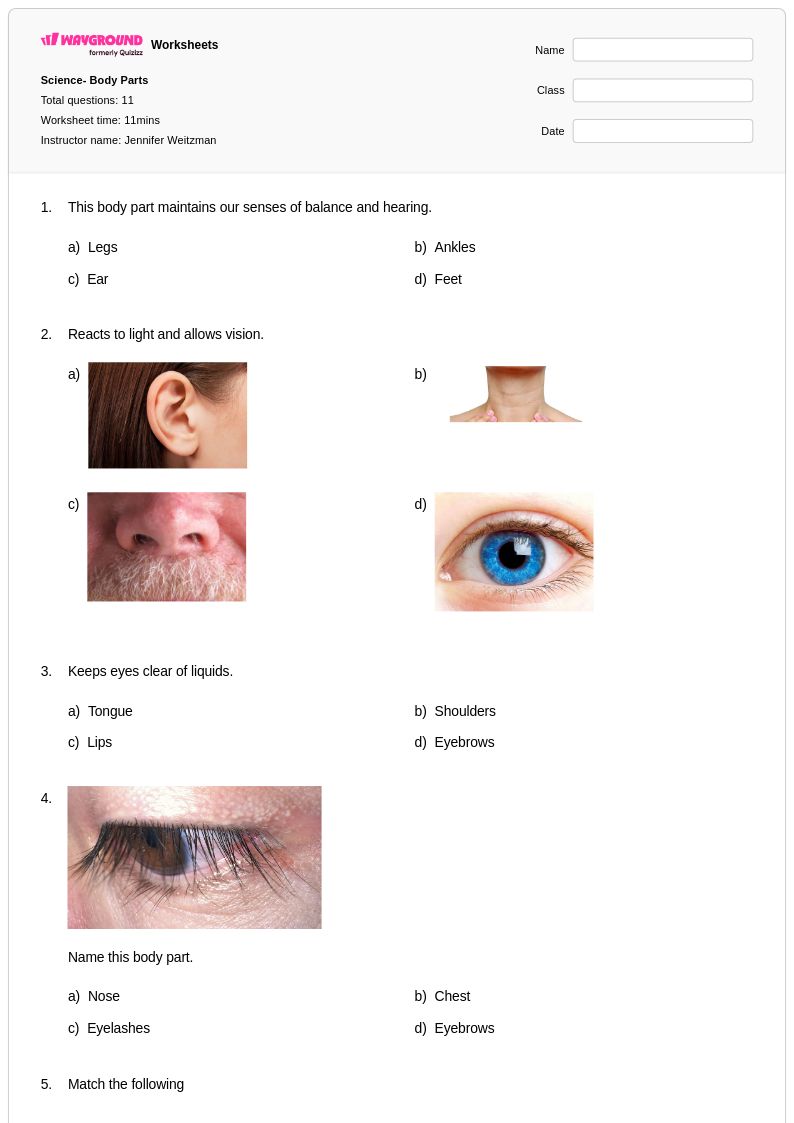
11 Q
9th - 12th
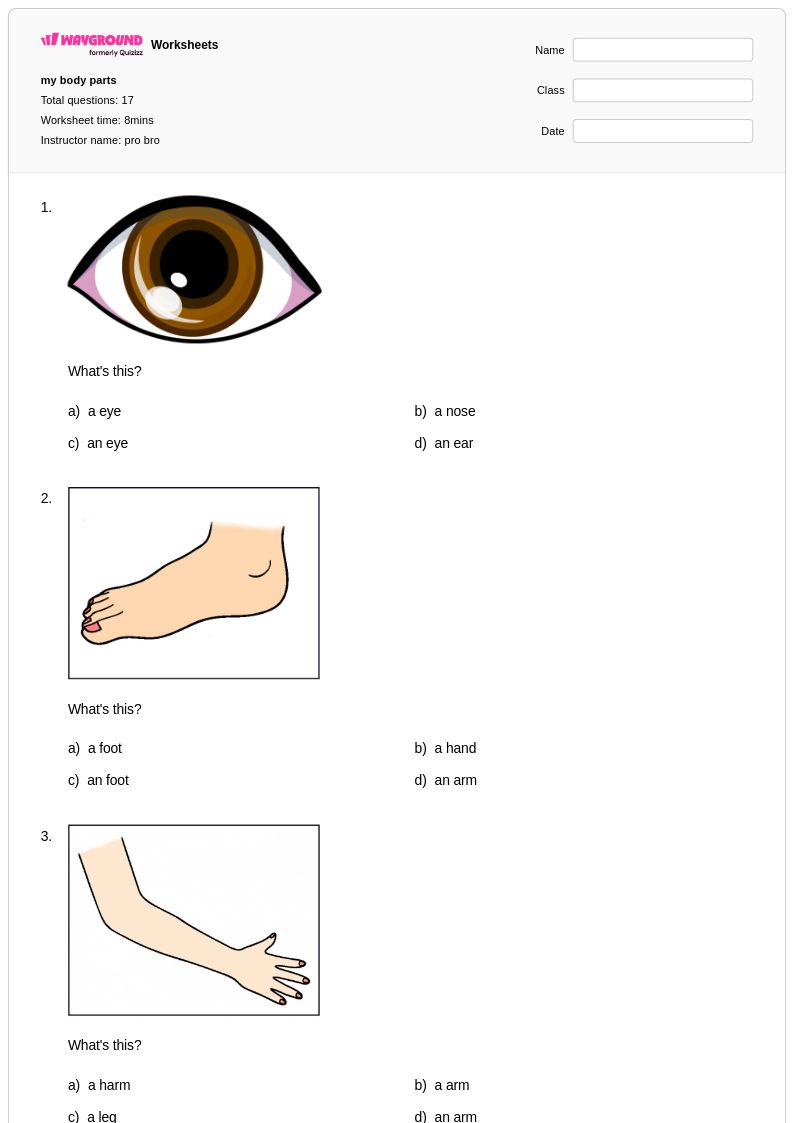
17 Q
1st
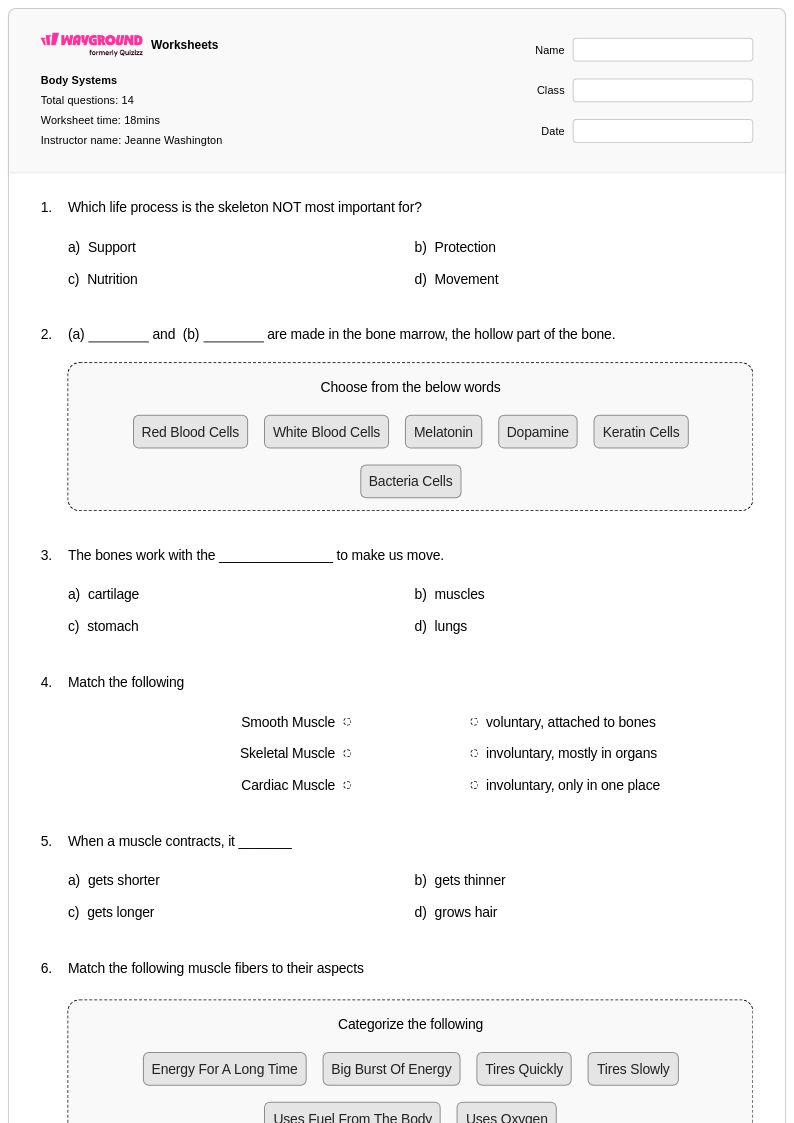
14 Q
7th
15 Q
4th
26 Q
9th - 12th
15 Q
2nd
25 Q
12th

14 Q
4th
10 Q
3rd
11 Q
1st
Explore Other Subject Worksheets for kindergarten
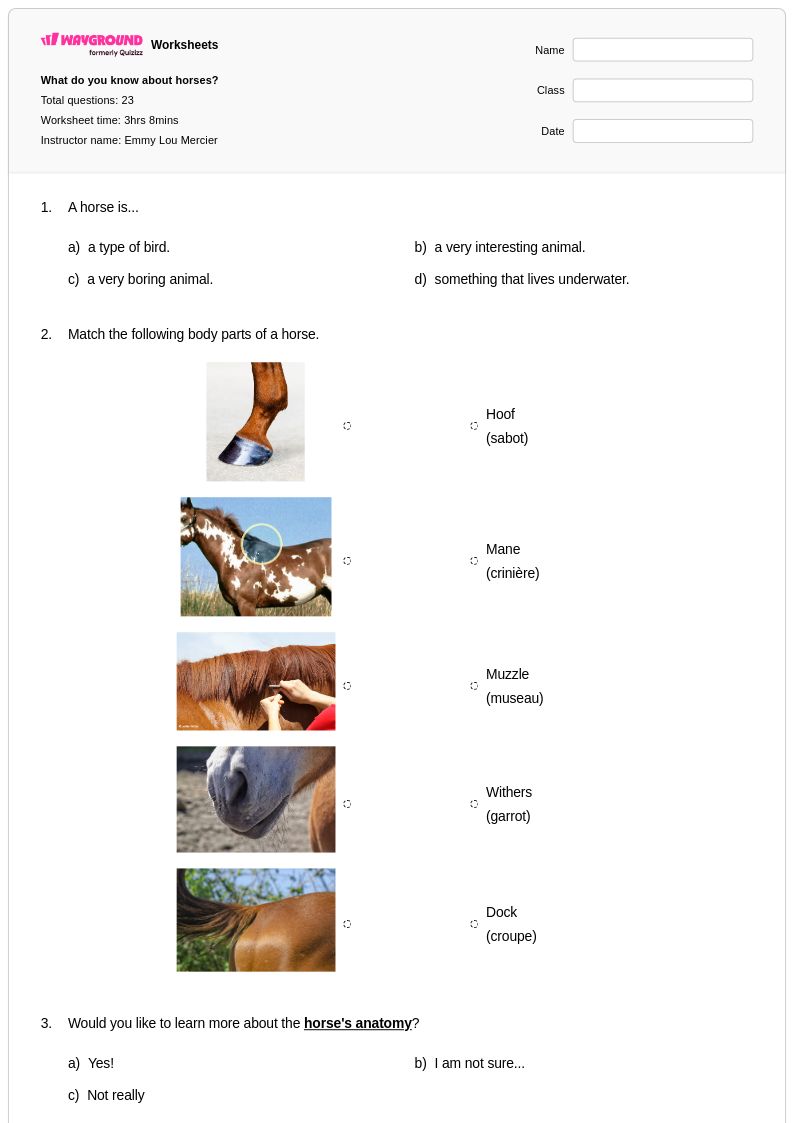
Explore printable Horse Body Parts worksheets for Kindergarten
Horse body parts worksheets for kindergarten provide young learners with an engaging introduction to animal anatomy through age-appropriate life science activities. These educational resources help students develop foundational scientific vocabulary while strengthening observation skills, visual recognition, and basic understanding of how living creatures are structured. Wayground's collection includes free printables that feature clearly labeled diagrams, matching exercises, and simple identification tasks designed specifically for early elementary students. Each worksheet comes with a comprehensive answer key to support accurate learning, and the pdf format ensures easy classroom distribution and home practice. These practice problems encourage students to explore the relationship between form and function in animals while building essential pre-reading skills through picture-word associations.
Wayground, formerly Quizizz, empowers educators with access to millions of teacher-created horse body parts worksheets specifically designed for kindergarten life science instruction. The platform's robust search and filtering capabilities allow teachers to quickly locate resources that align with their specific curriculum standards and learning objectives. These differentiation tools enable instructors to customize worksheets for varying skill levels within their classrooms, supporting both remediation for struggling learners and enrichment opportunities for advanced students. Available in both printable and digital formats, including downloadable pdf versions, these worksheets seamlessly integrate into lesson planning whether for in-person instruction, remote learning, or hybrid educational environments. Teachers can efficiently address individual student needs while ensuring consistent skill practice across diverse learning settings, making horse anatomy concepts accessible and memorable for young scientists.
FAQs
How do I teach horse body parts to students?
What exercises help students practice identifying horse body parts?
What mistakes do students commonly make when learning equine anatomy?
How can I differentiate horse body parts instruction for different skill levels?
How do I use Wayground's horse body parts worksheets in my classroom?