Free Printable Impulse Control Worksheets for Year 1
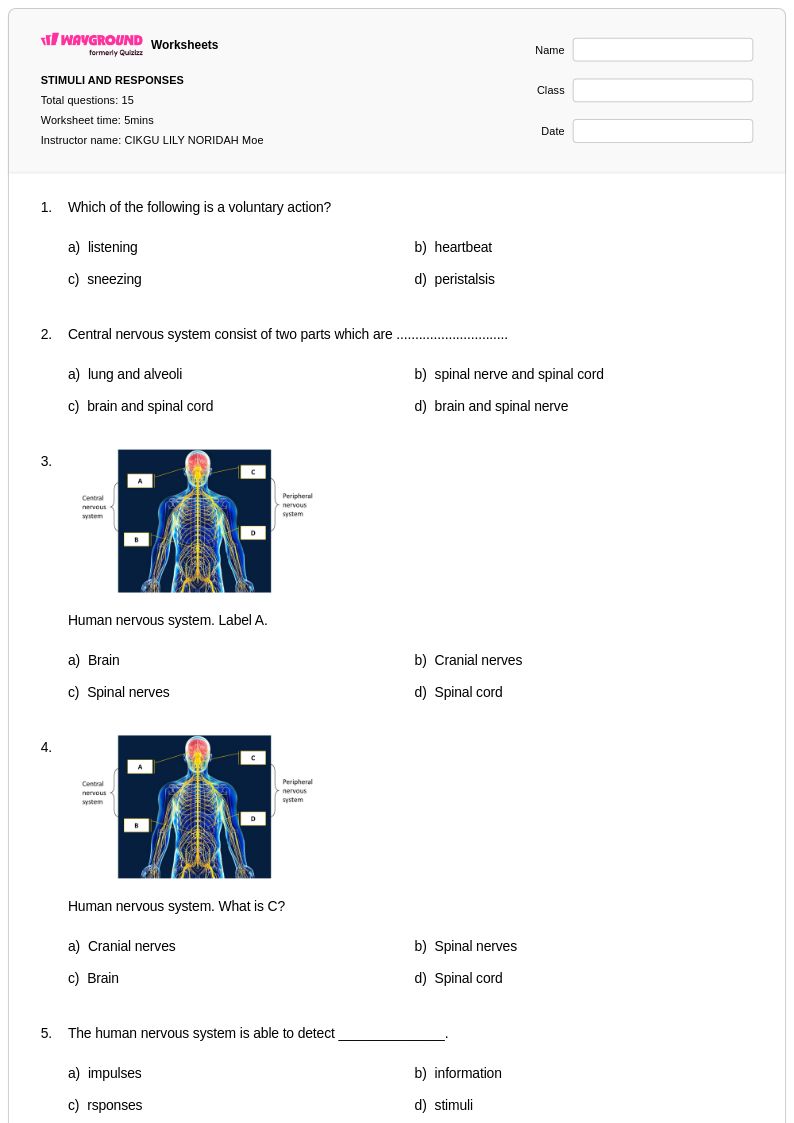
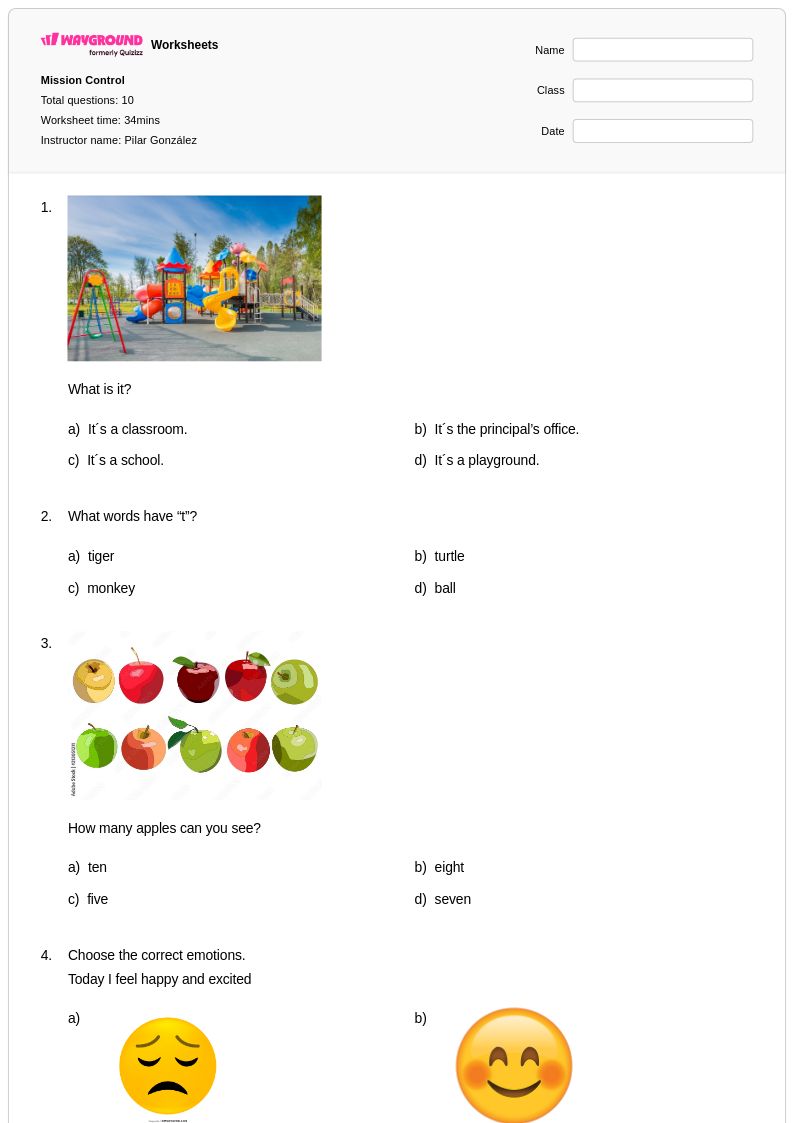
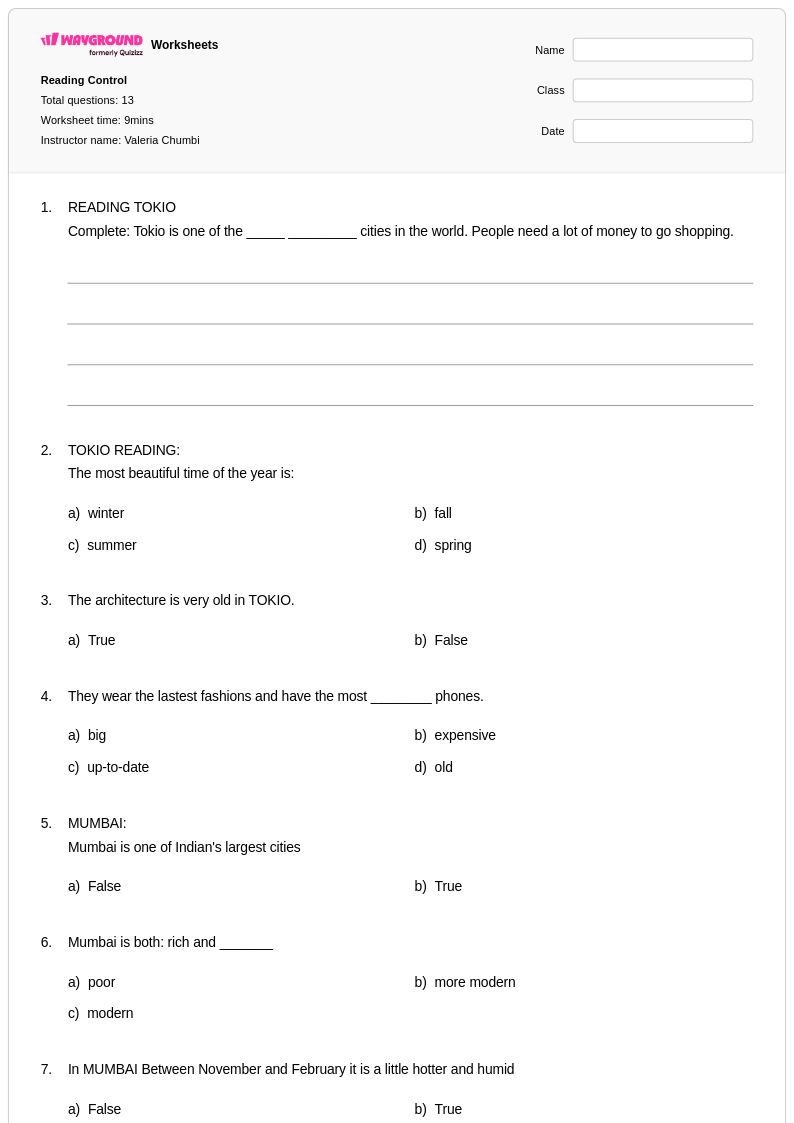
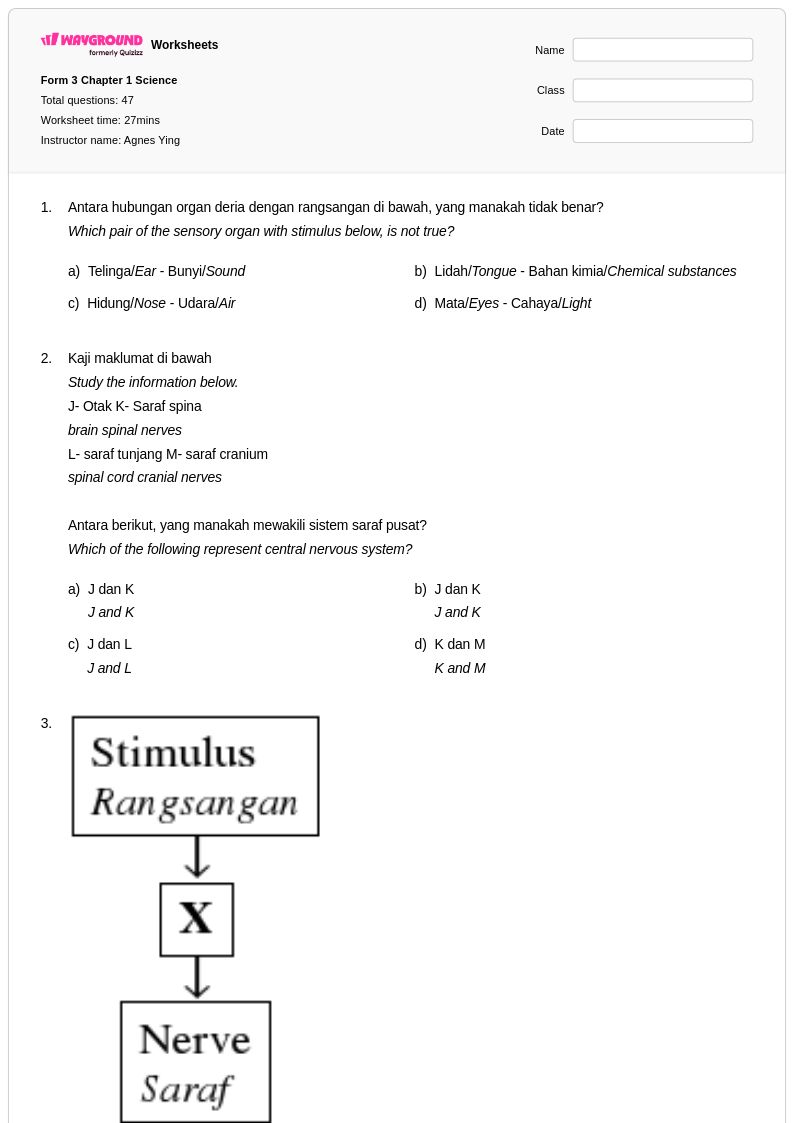
Wayground's free Year 1 impulse control worksheets and printables help young students develop self-regulation skills through engaging physical education activities, complete with answer keys and practice problems in downloadable PDF format.
Explore printable Impulse Control worksheets for Year 1
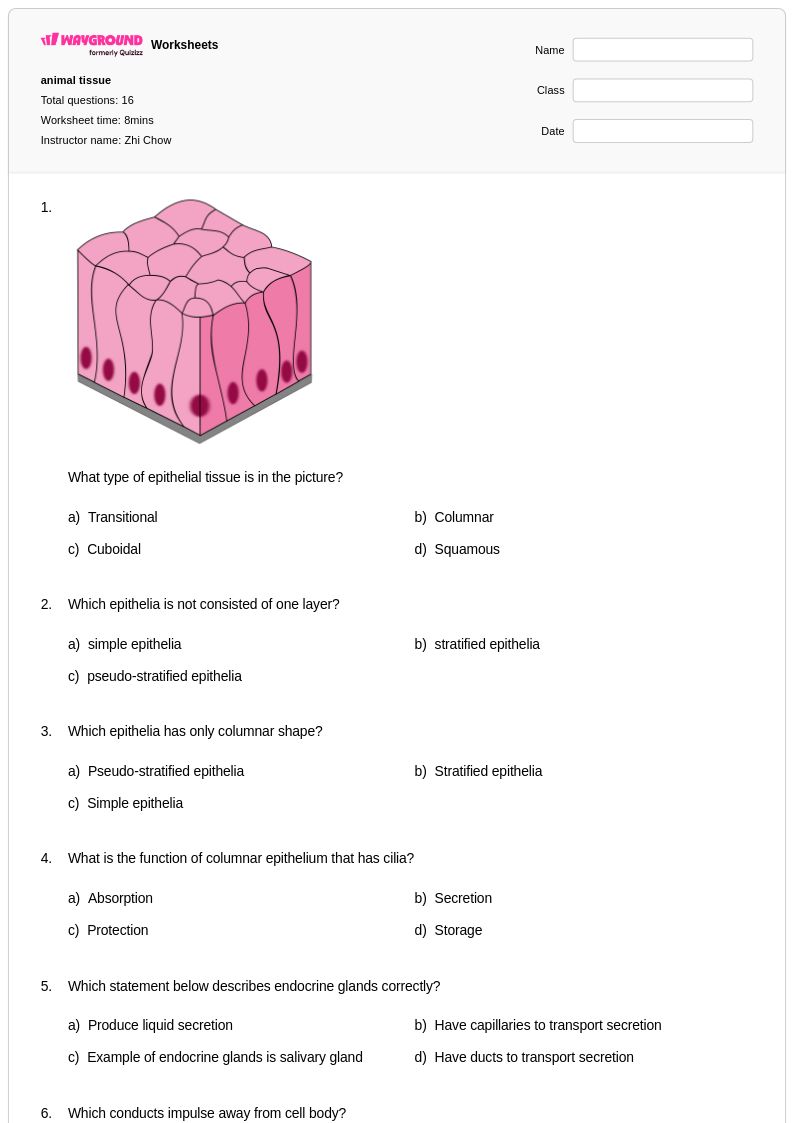
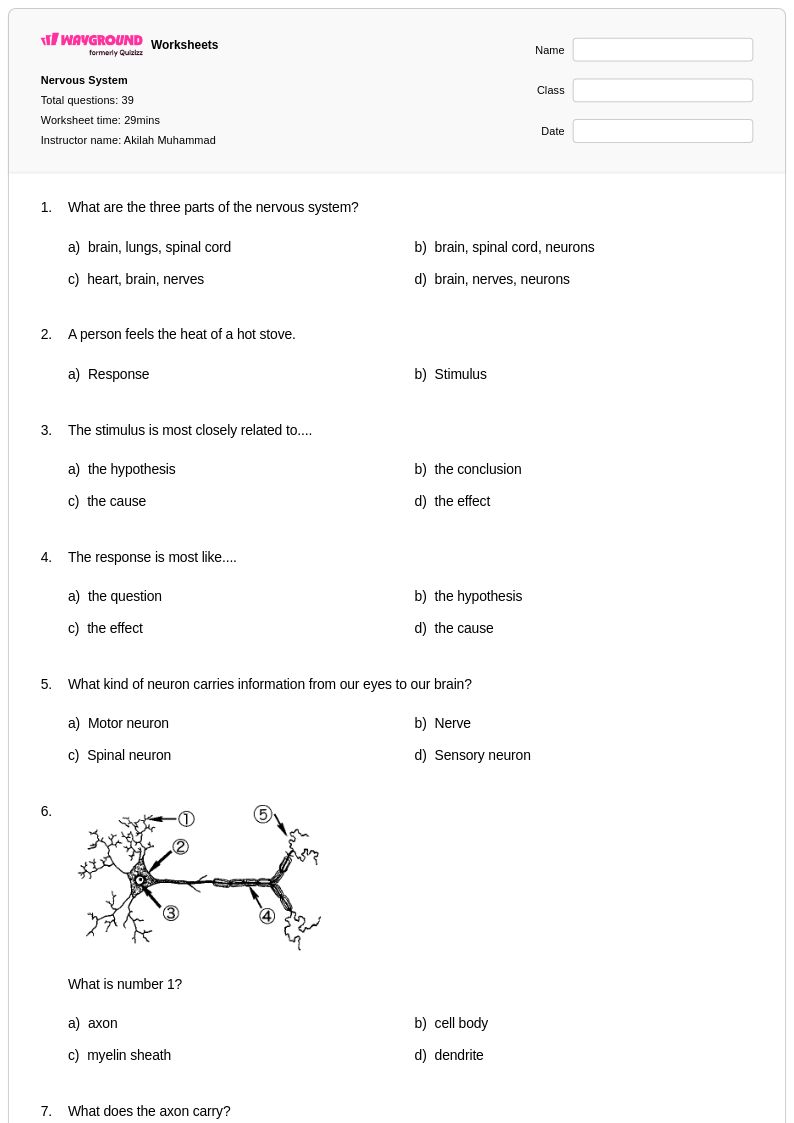
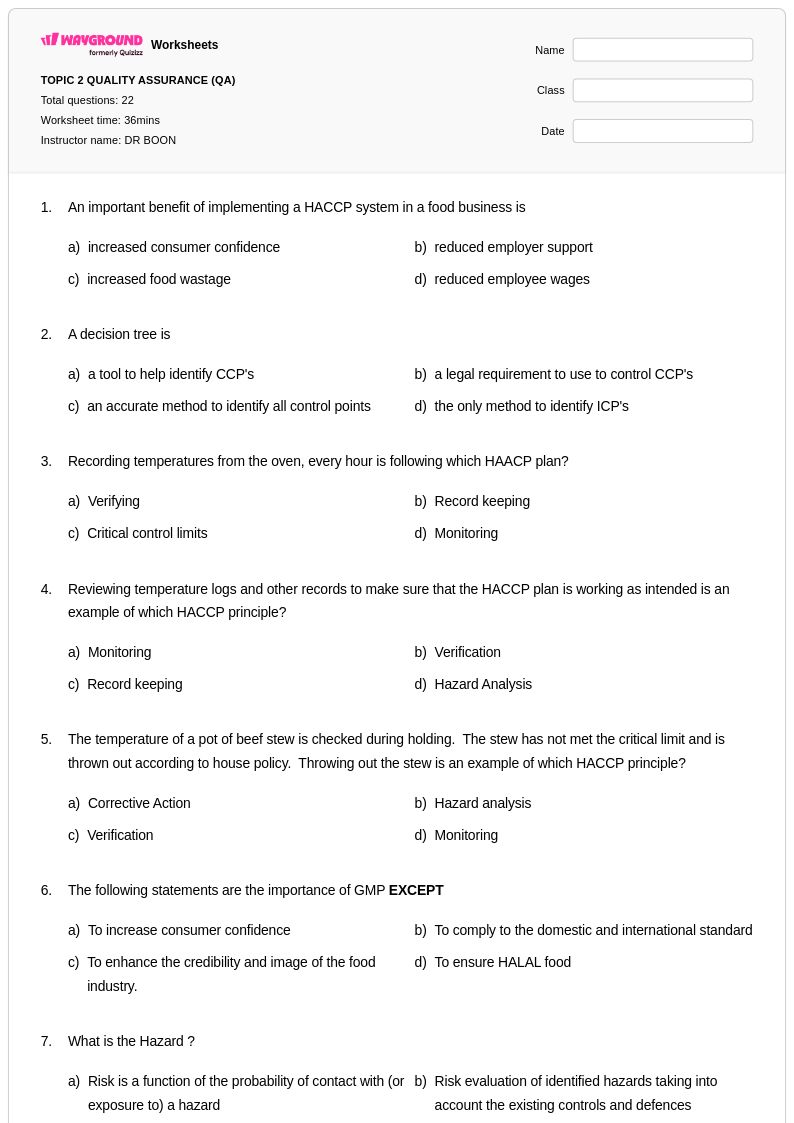
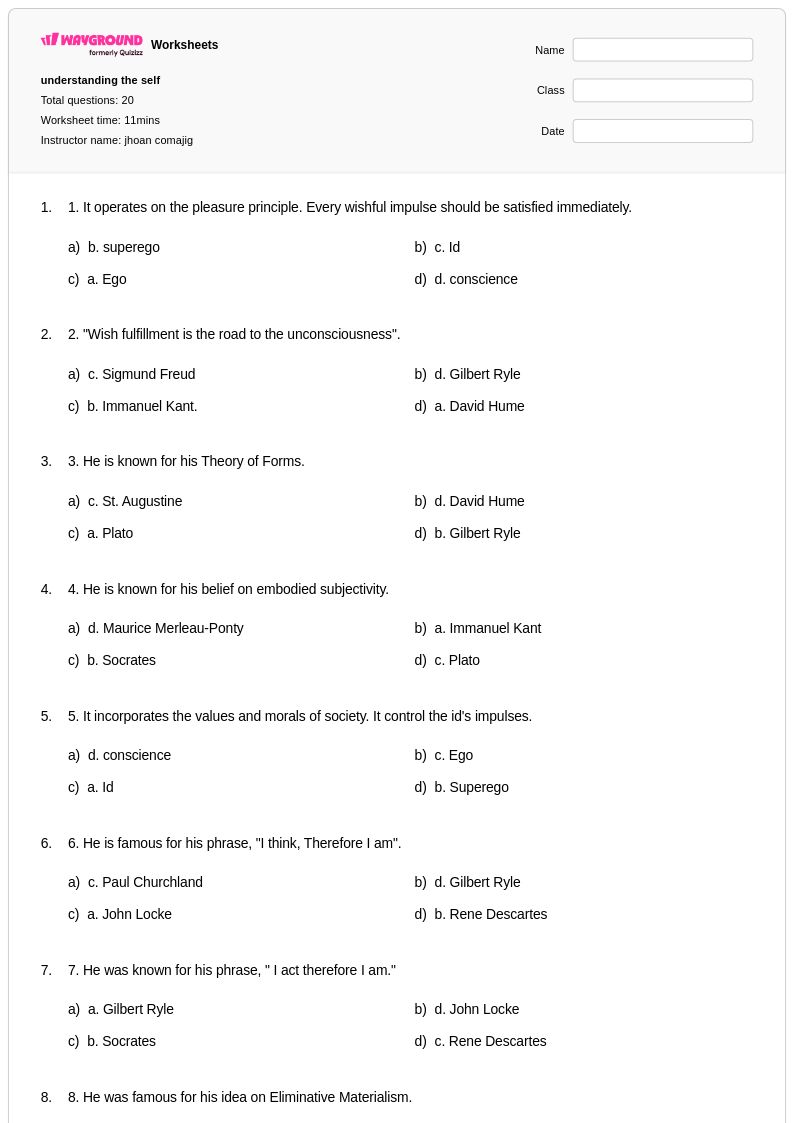
Impulse control worksheets for Year 1 students through Wayground (formerly Quizizz) provide essential practice for developing self-regulation skills within physical education contexts. These carefully designed printables focus on helping young learners recognize emotional triggers, pause before reacting, and make thoughtful choices during physical activities and social interactions. Each worksheet strengthens critical skills such as waiting for turns, following game rules, managing frustration when losing, and responding appropriately to conflict during group activities. The free pdf resources include answer keys for educators and feature age-appropriate scenarios that Year 1 students encounter in PE class, playground settings, and team sports, making the practice problems both relevant and engaging for developing minds.
Wayground (formerly Quizizz) empowers teachers with millions of educator-created resources specifically designed to support social-emotional learning in physical education environments. The platform's robust search and filtering capabilities allow instructors to quickly locate impulse control materials that align with curriculum standards and match their students' developmental needs. Teachers benefit from comprehensive differentiation tools that enable them to customize worksheets for varying ability levels, ensuring every Year 1 student receives appropriate challenge and support. Available in both printable and digital pdf formats, these resources streamline lesson planning while providing flexible options for remediation, enrichment, and ongoing skill practice, allowing educators to seamlessly integrate impulse control instruction into their physical education curriculum throughout the academic year.
FAQs
How do I teach impulse control to students in a PE or active learning setting?
Teaching impulse control in physical education works best when lessons are embedded in real gym situations, such as waiting turns, responding to calls, or managing frustration during competitive play. Scenario-based instruction helps students practice pausing and evaluating their choices before acting, which builds the habit of self-regulation over time. Explicitly naming the pause-think-act sequence and reinforcing it during warm-ups, transitions, and cool-downs gives students repeated, low-stakes opportunities to internalize the skill.
What exercises help students practice impulse control and self-regulation?
Scenario-based practice problems are among the most effective exercises for impulse control because they ask students to evaluate a realistic situation, identify the impulse response, and choose a regulated alternative. Worksheets that focus on conflict resolution during sports, emotional awareness in competitive moments, and respectful communication after a loss address the specific triggers students face in PE and social settings. Repeated exposure to varied scenarios across multiple sessions builds consistent self-management habits rather than one-off responses.
What mistakes do students commonly make when learning impulse control strategies?
One of the most common errors is that students understand the concept of impulse control abstractly but fail to apply it under real emotional pressure, such as during a competitive game or a peer conflict. Students also frequently confuse suppressing emotion with regulating it, which leads to delayed outbursts rather than genuine self-management. Worksheets that include decision-making prompts tied to physical education scenarios help close this gap by anchoring the strategy to situations students actually encounter.
How can I differentiate impulse control worksheets for students with different behavioral or learning needs?
Differentiation for impulse control instruction can include adjusting the complexity of scenarios, reducing the number of answer choices for students who experience decision fatigue, or providing audio support for students who struggle to process written prompts independently. On Wayground, teachers can apply individual accommodations such as Read Aloud, reduced answer choices, and extended time to specific students, while the rest of the class works under standard settings. These accommodations are saved per student and carry over to future sessions, making it practical to consistently support students who need behavioral or learning scaffolding without disrupting the broader class.
How do I use Wayground's impulse control worksheets in my classroom?
Wayground's impulse control worksheets are available as printable PDFs for traditional classroom or gymnasium use and in digital formats for technology-integrated environments, giving teachers flexibility in how and when they assign the material. They can be used as warm-up reflection prompts, cool-down activities after physical play, or targeted interventions for students who need additional self-regulation support. Teachers can also host the worksheets as a quiz directly on Wayground, which enables real-time progress tracking and streamlined feedback delivery.
How do impulse control worksheets support social-emotional learning standards?
Impulse control worksheets that address emotional awareness, decision-making, conflict resolution, and respectful communication directly map to core SEL competencies, particularly self-management and responsible decision-making. When these worksheets are grounded in physical education contexts, they reinforce SEL skills in the active, social environments where students are most likely to be tested. Using structured practice problems with answer keys ensures teachers can assess student progress against SEL benchmarks and provide targeted feedback.