
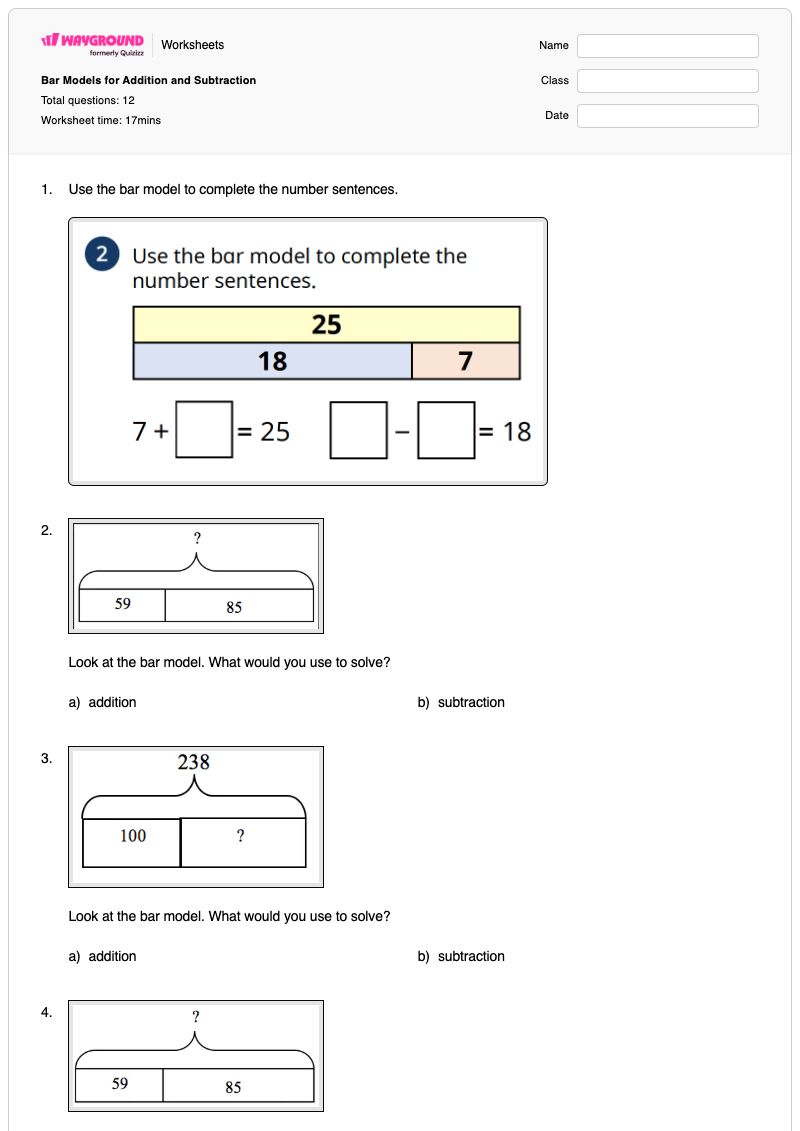
12 Q
1st
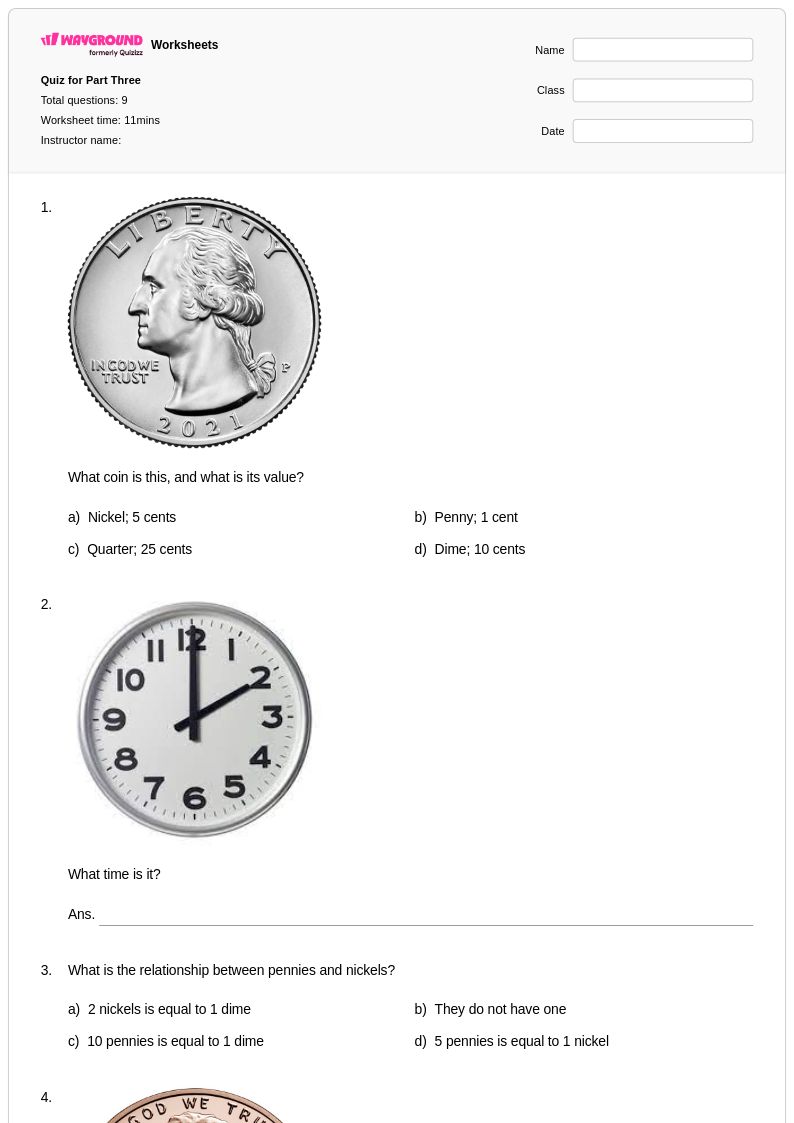
9 Q
1st
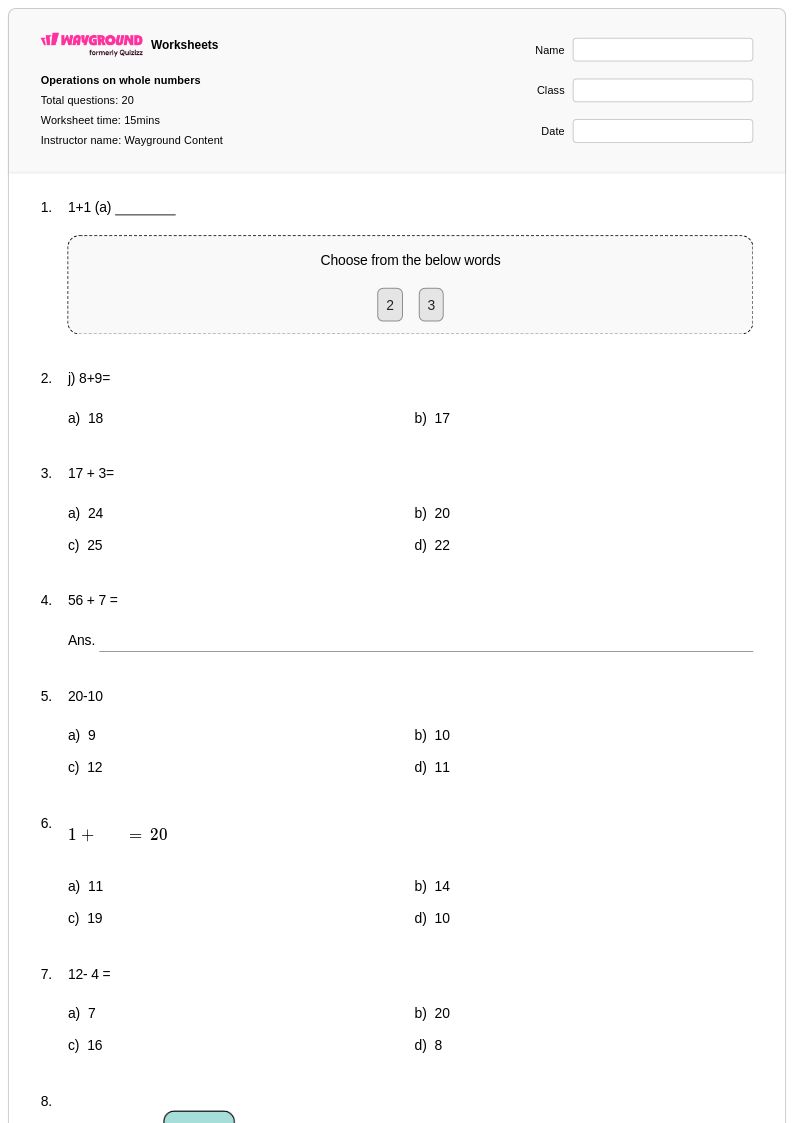
20 Q
1st
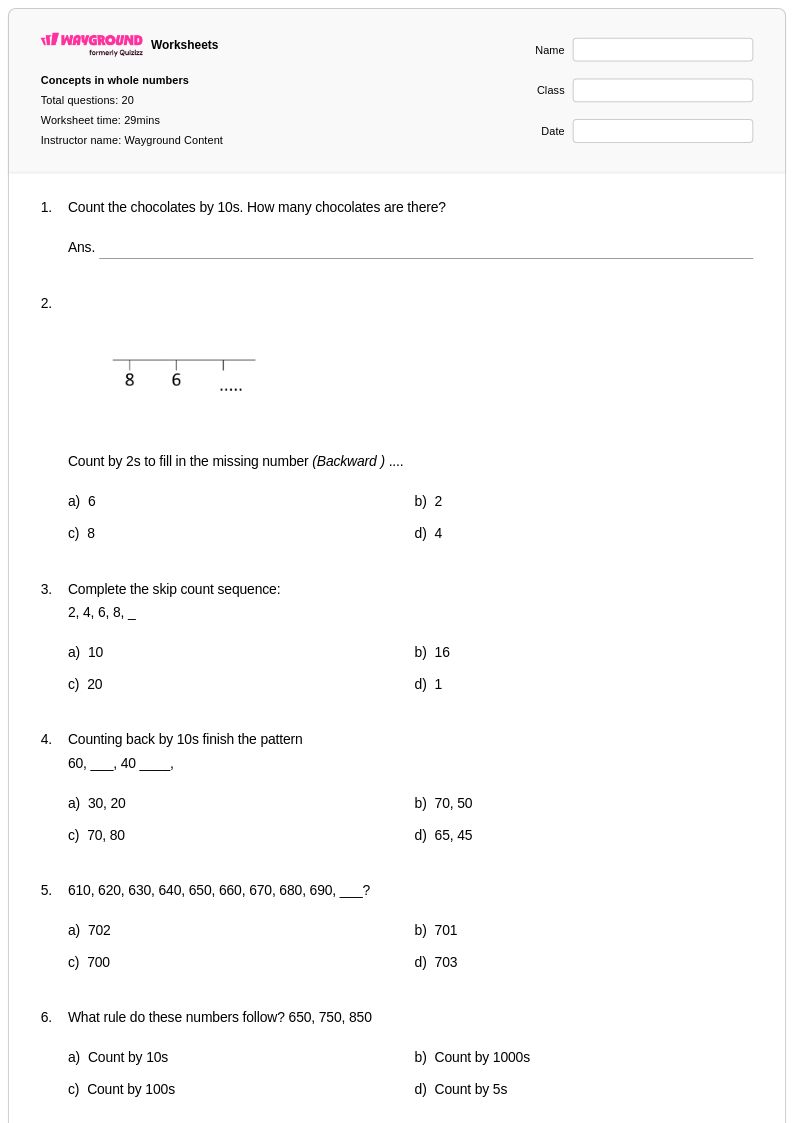
20 Q
1st
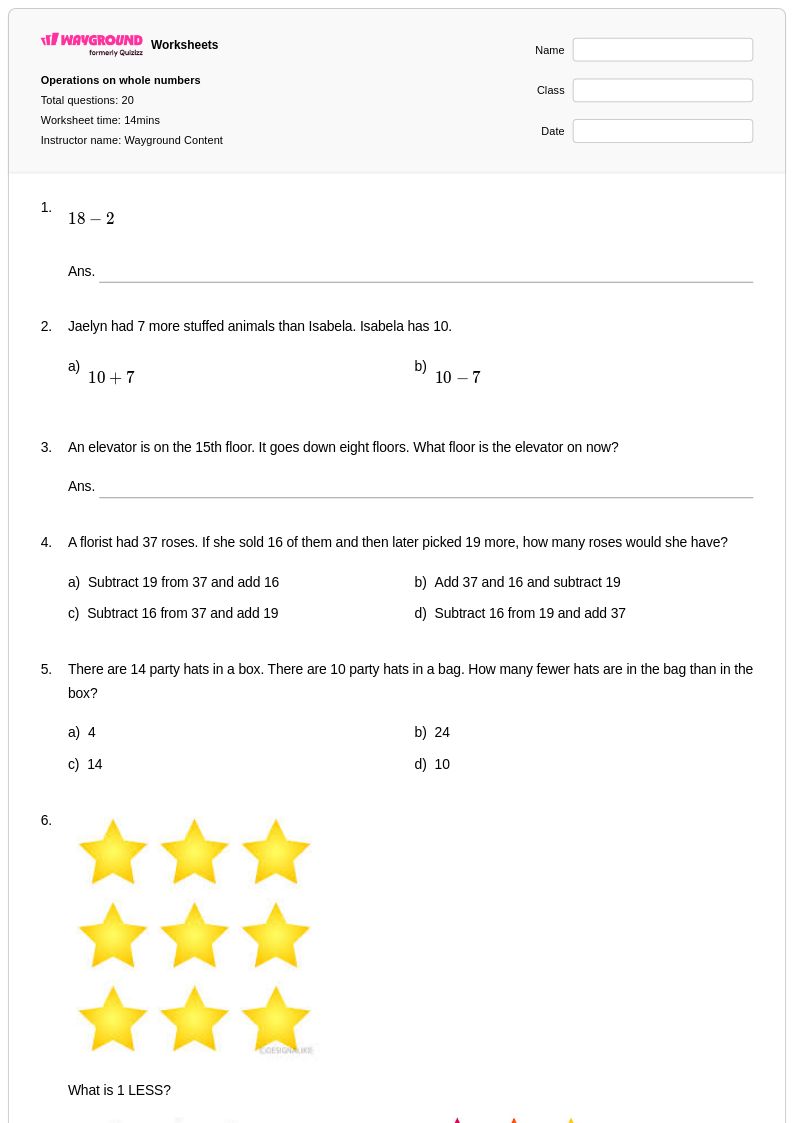
20 Q
1st
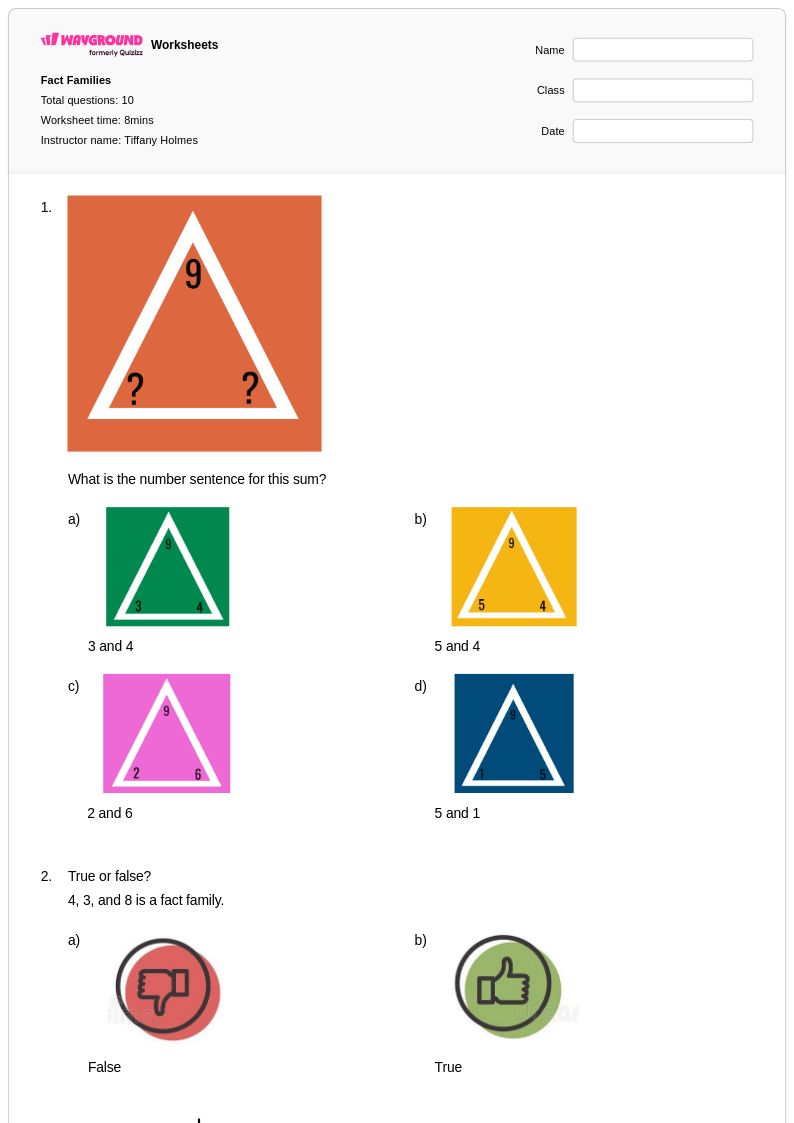
10 Q
1st
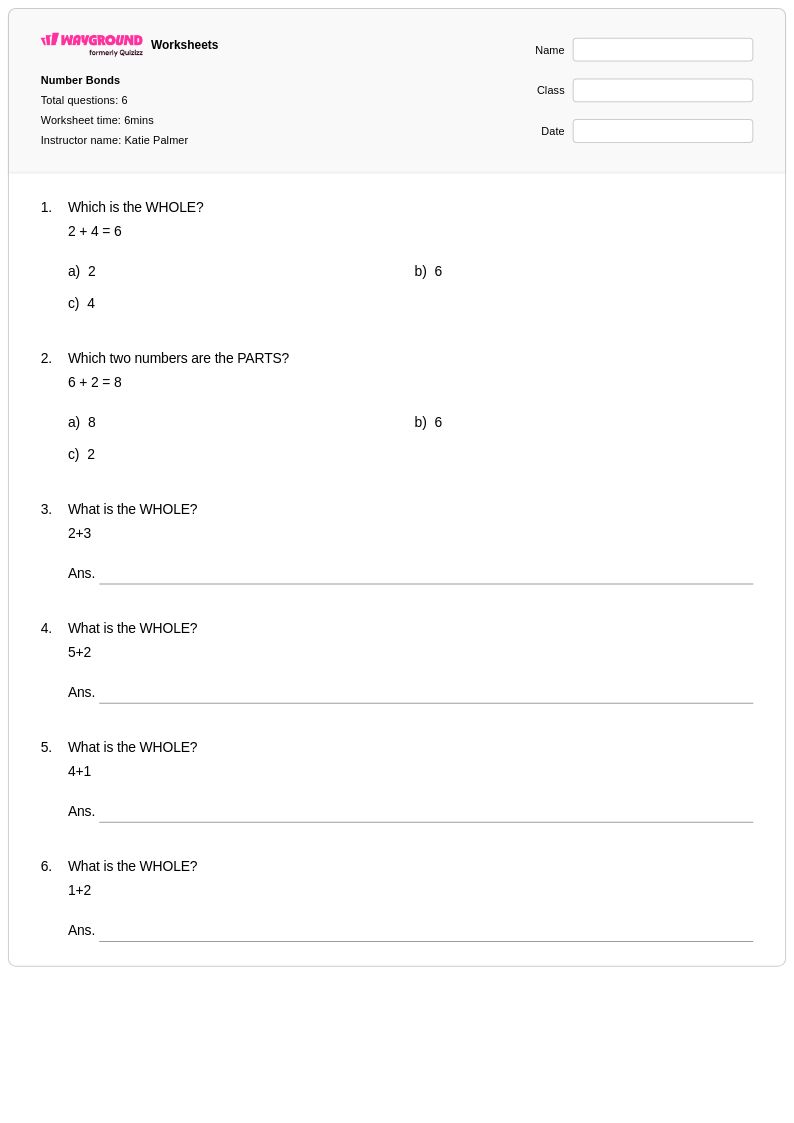
6 Q
1st
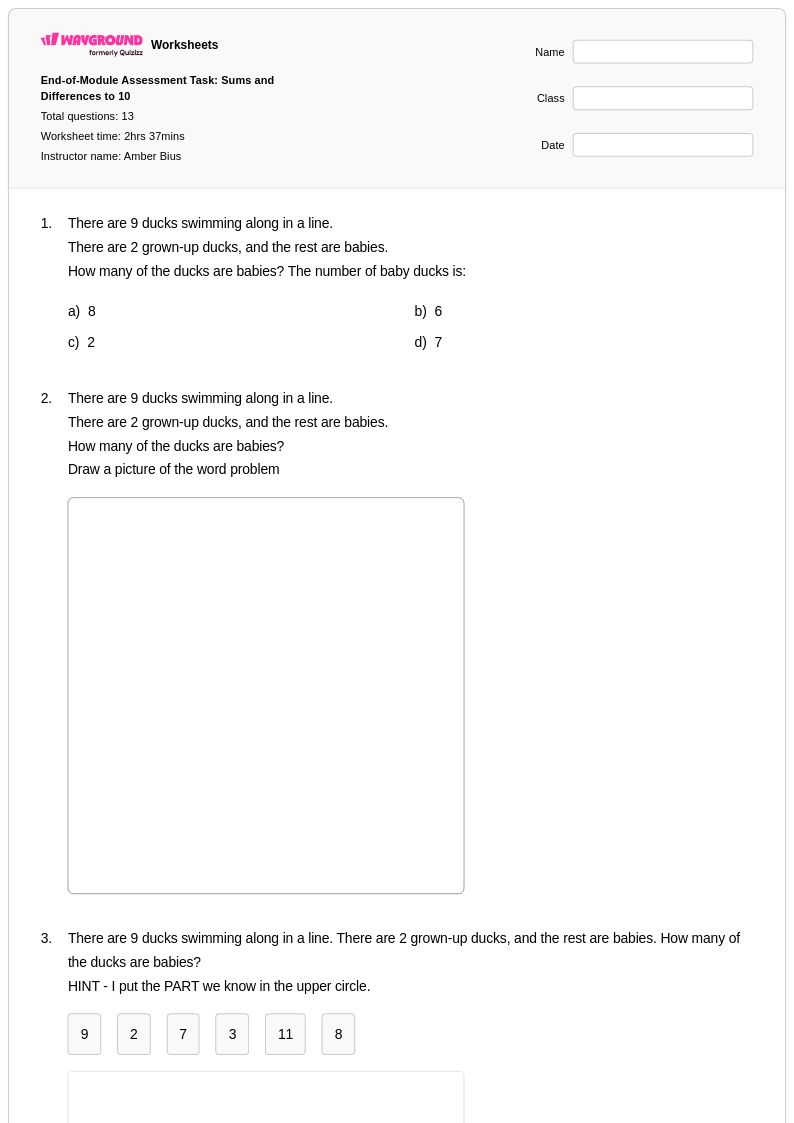
13 Q
1st - Uni
41 Q
1st - 5th
10 Q
1st
18 Q
1st
15 Q
1st - 5th
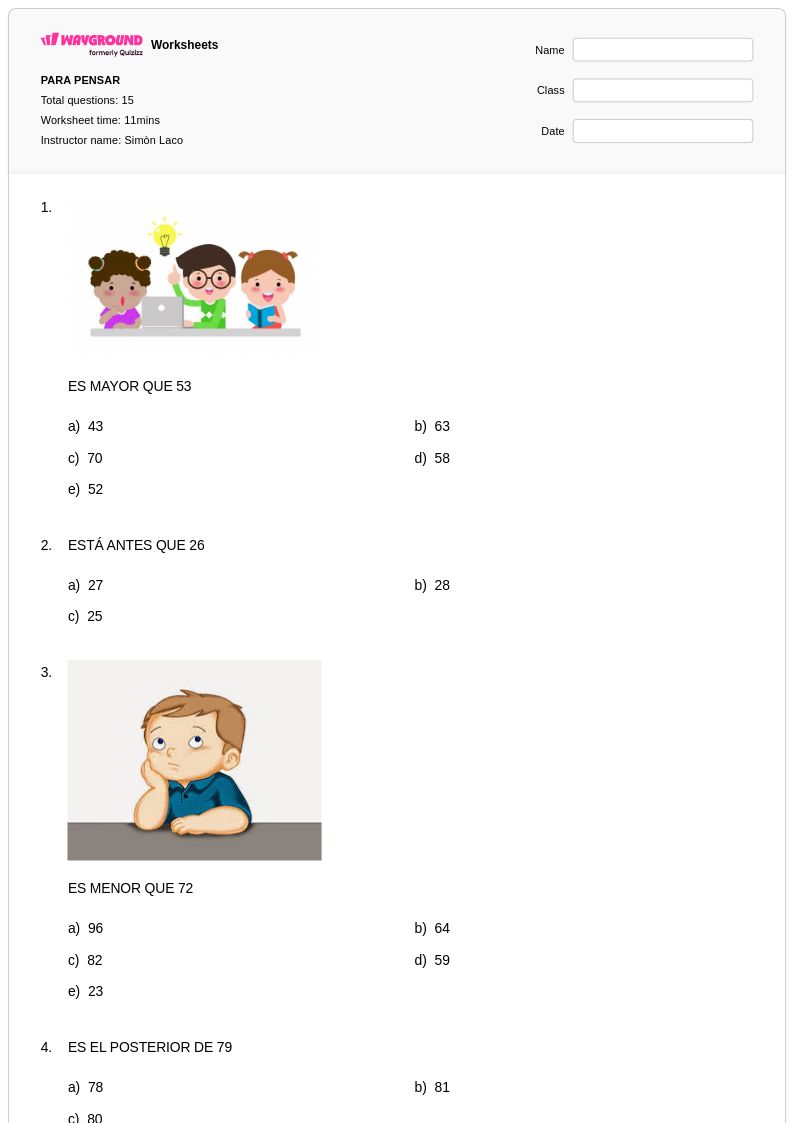
15 Q
1st
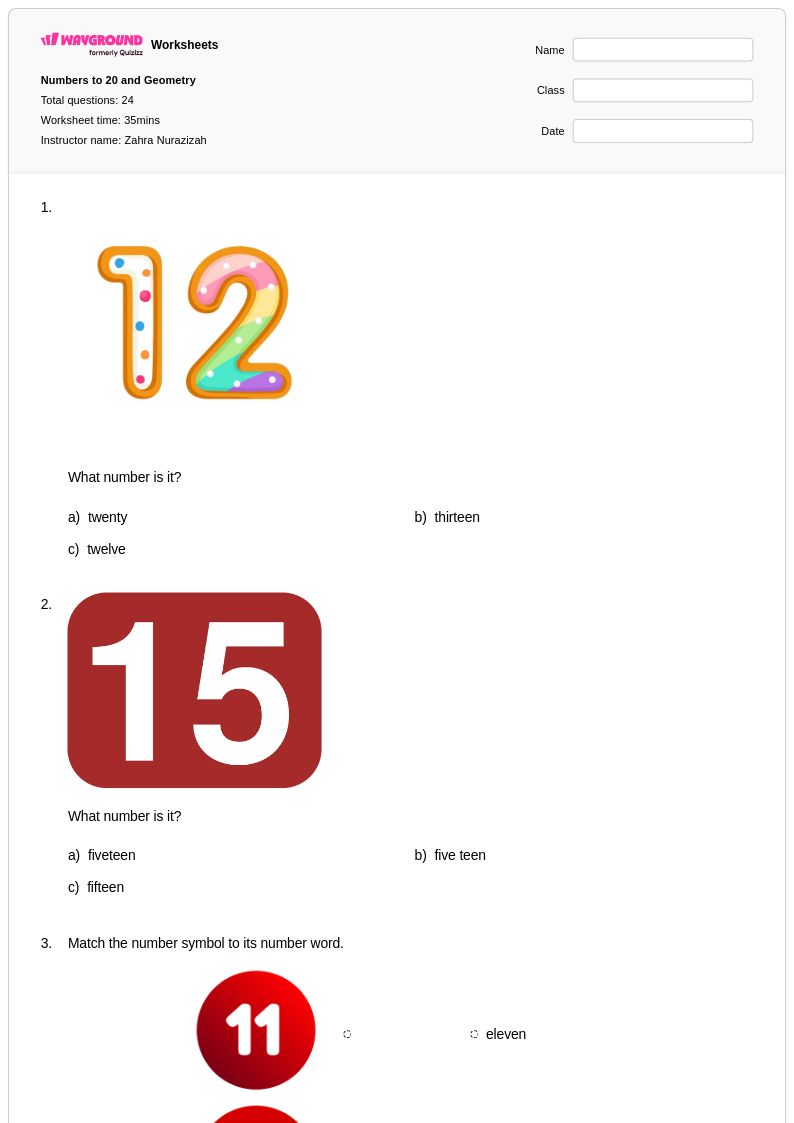
24 Q
1st
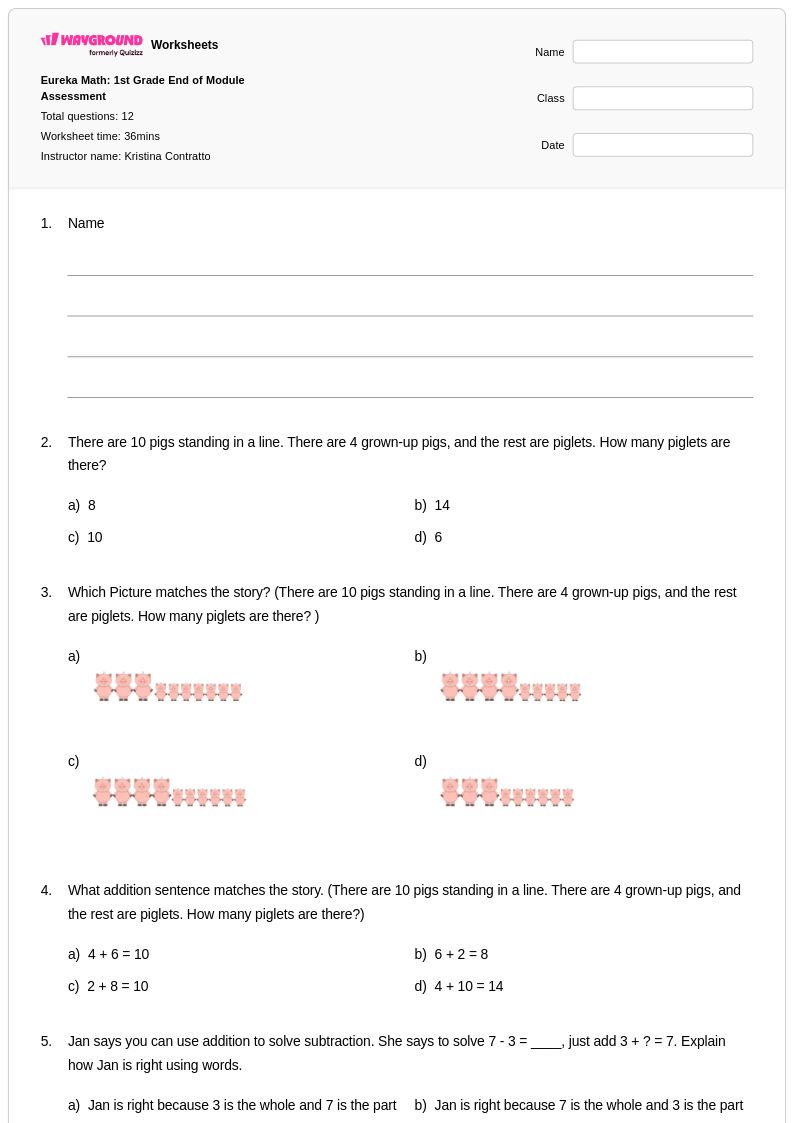
12 Q
1st
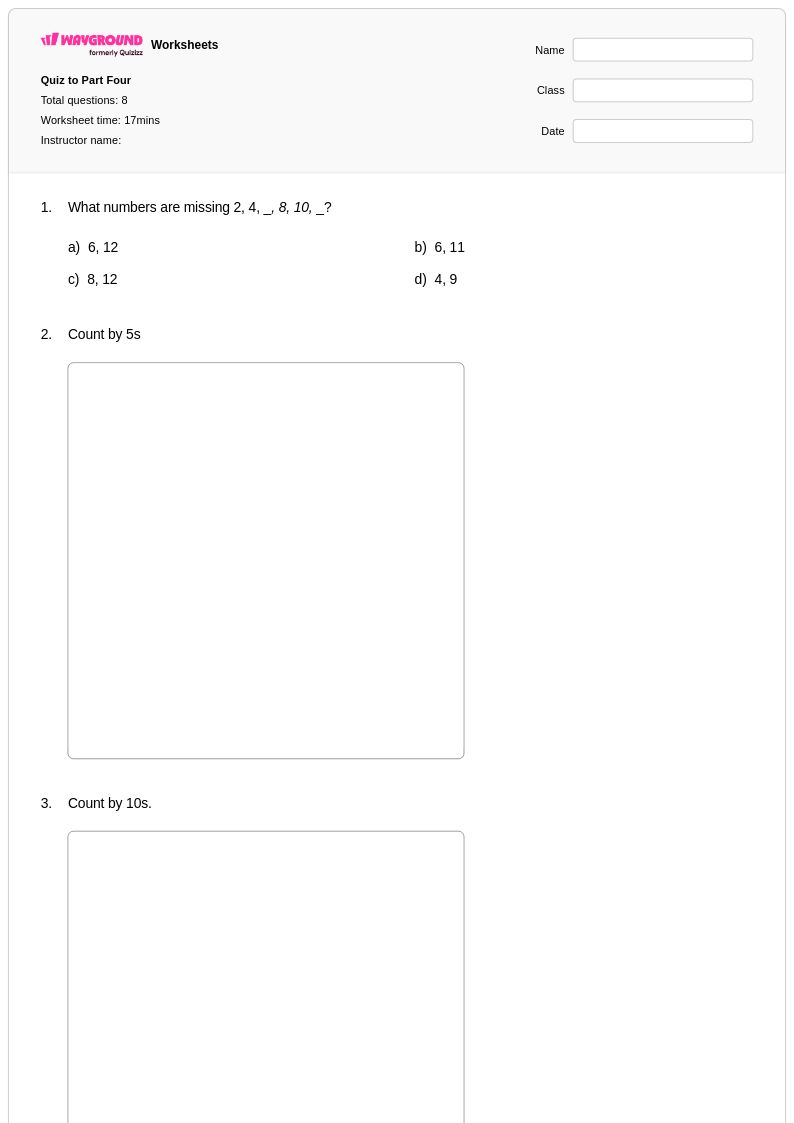
8 Q
1st
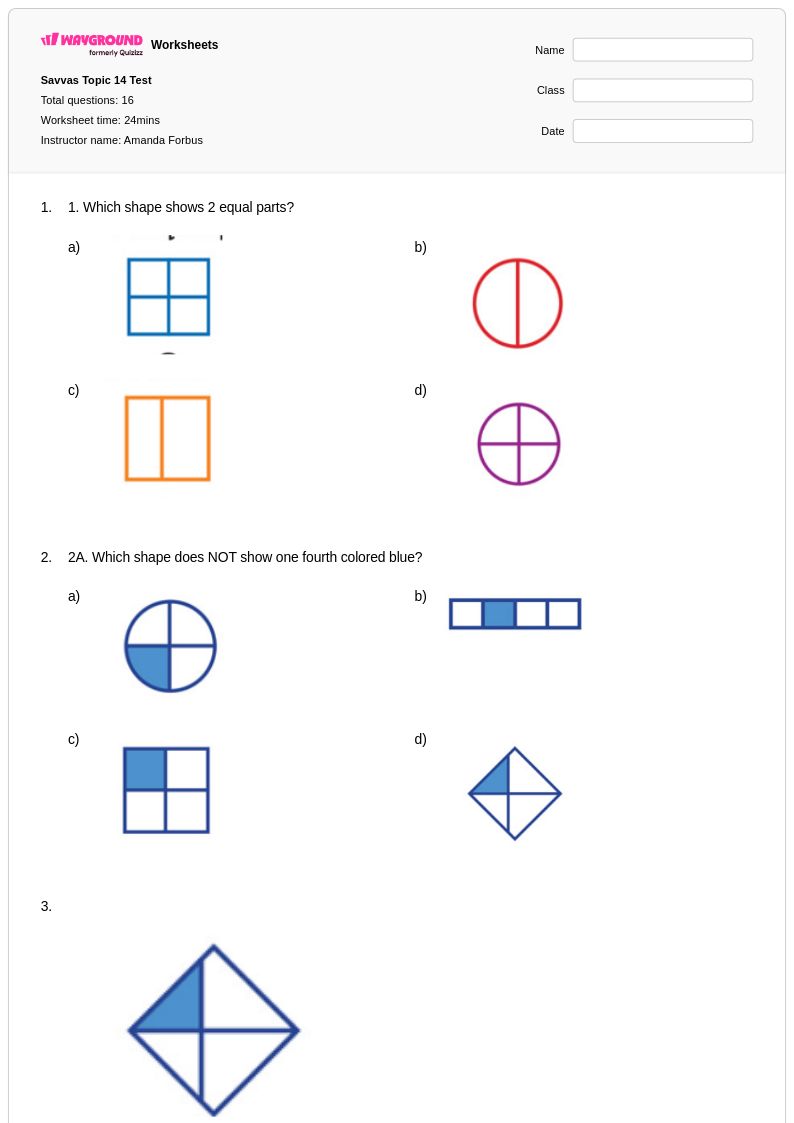
16 Q
1st
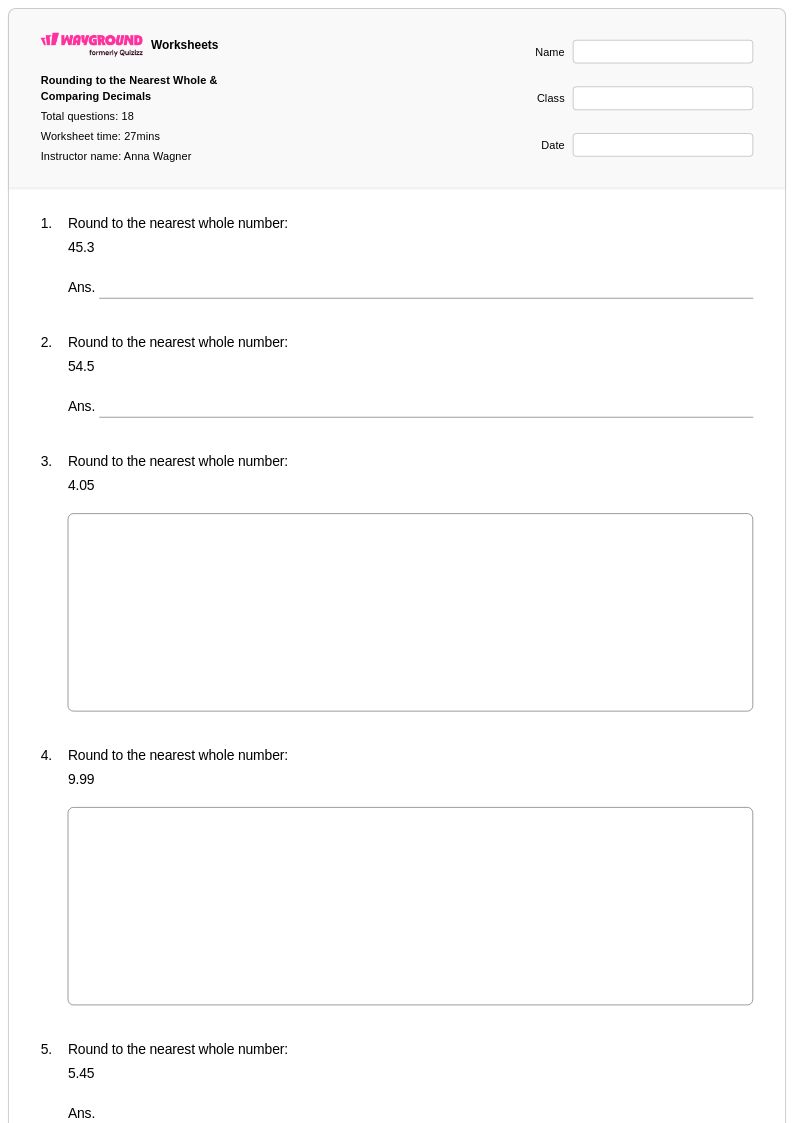
18 Q
1st - 5th
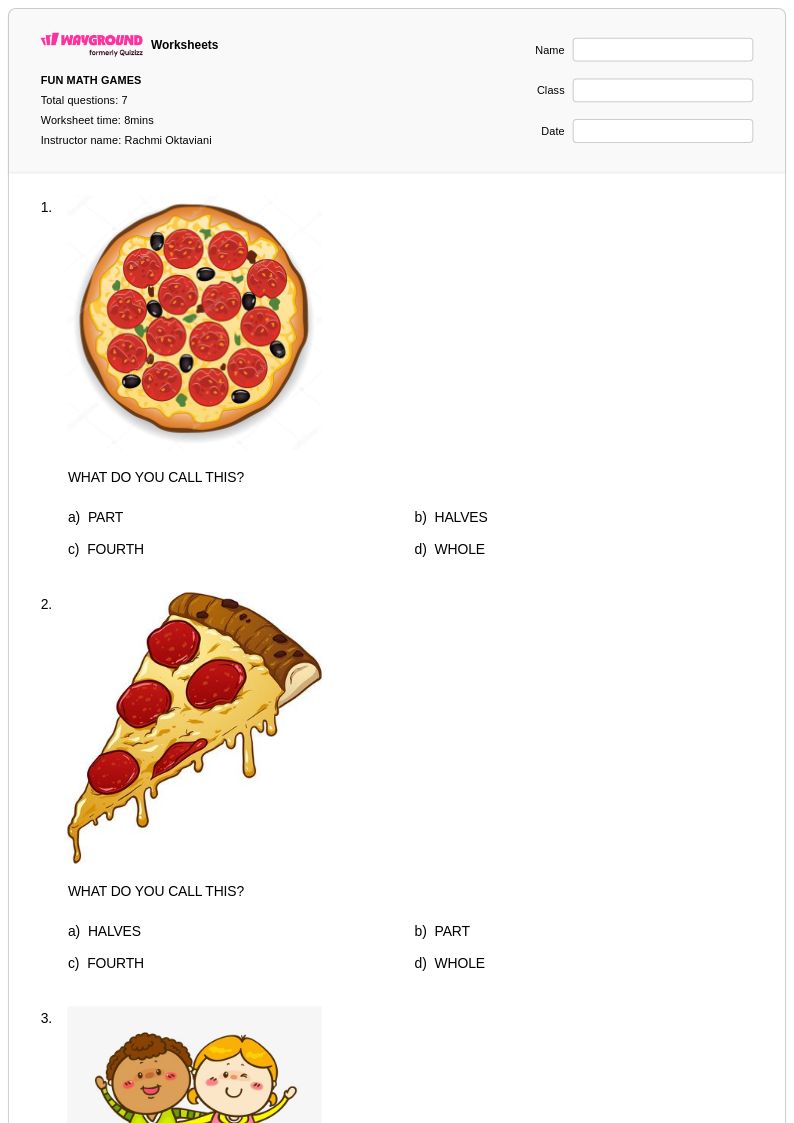
7 Q
1st
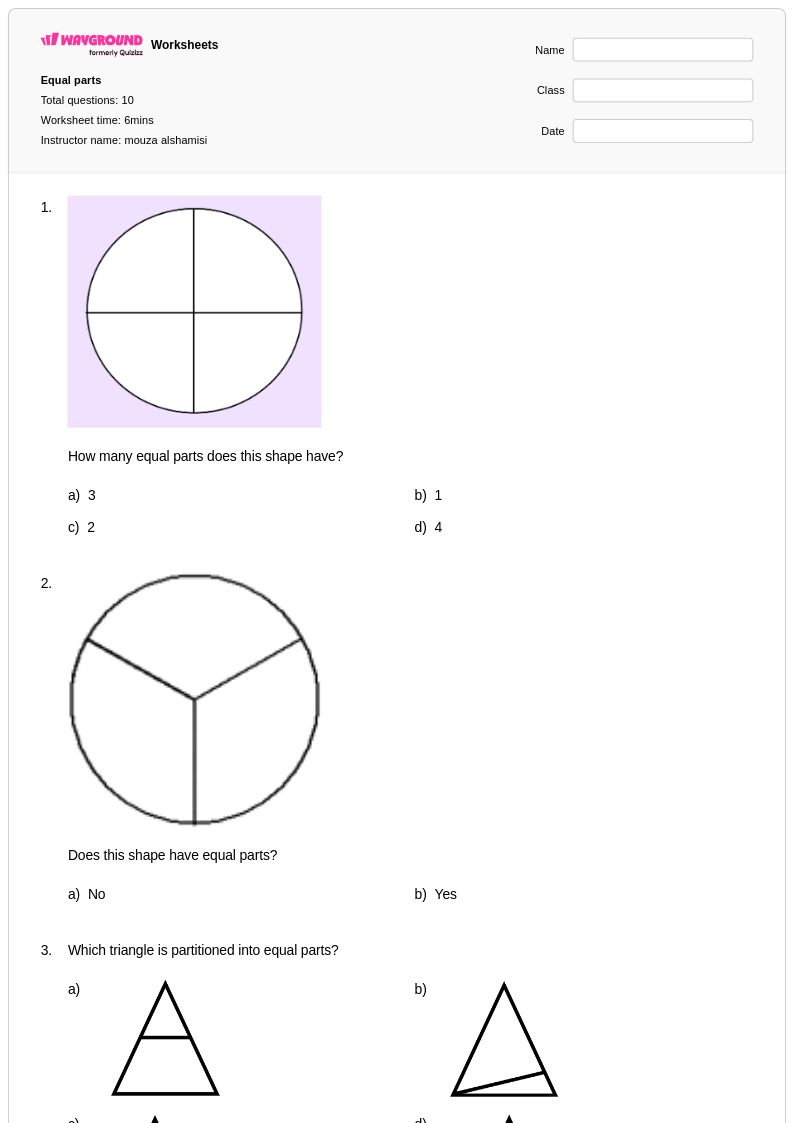
10 Q
1st
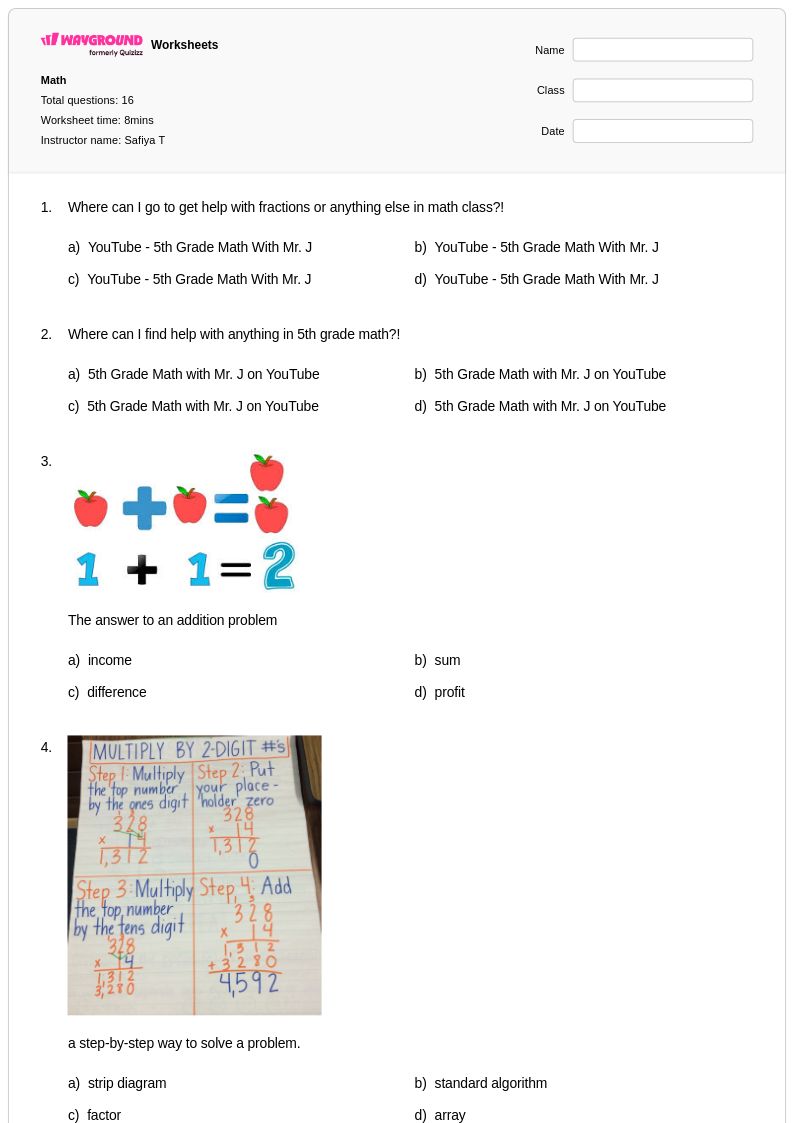
16 Q
1st - 5th
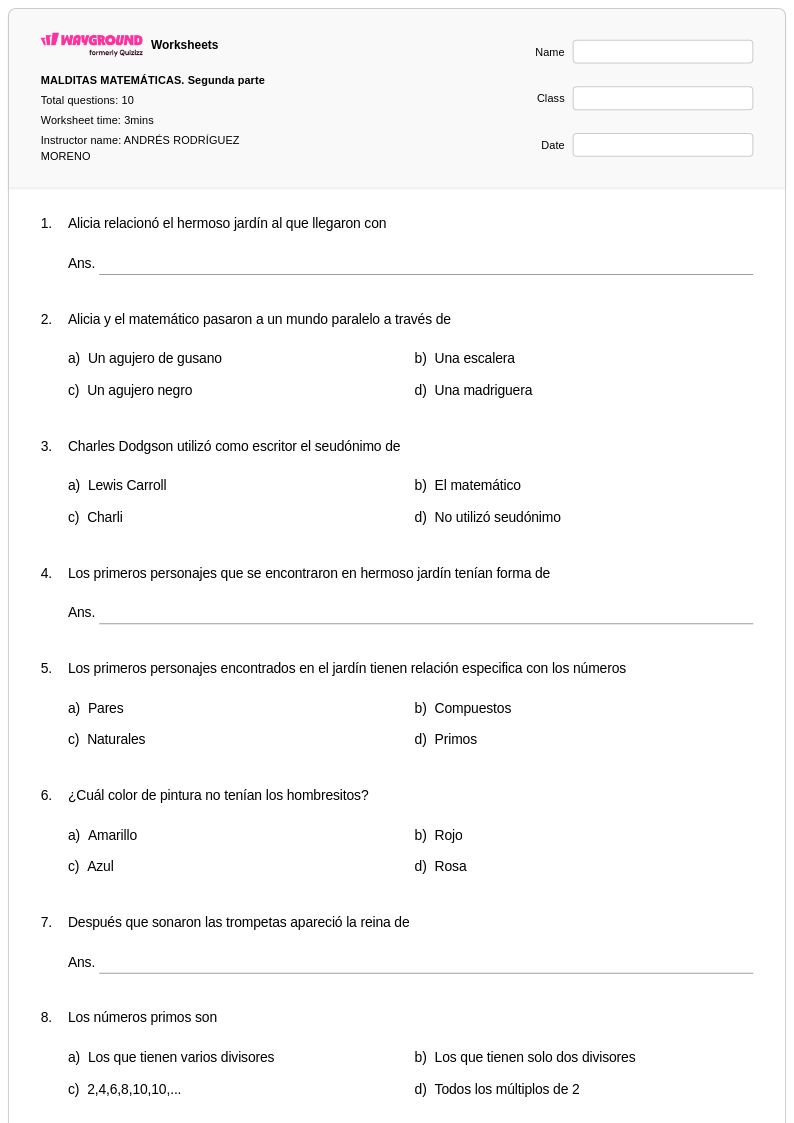
10 Q
1st
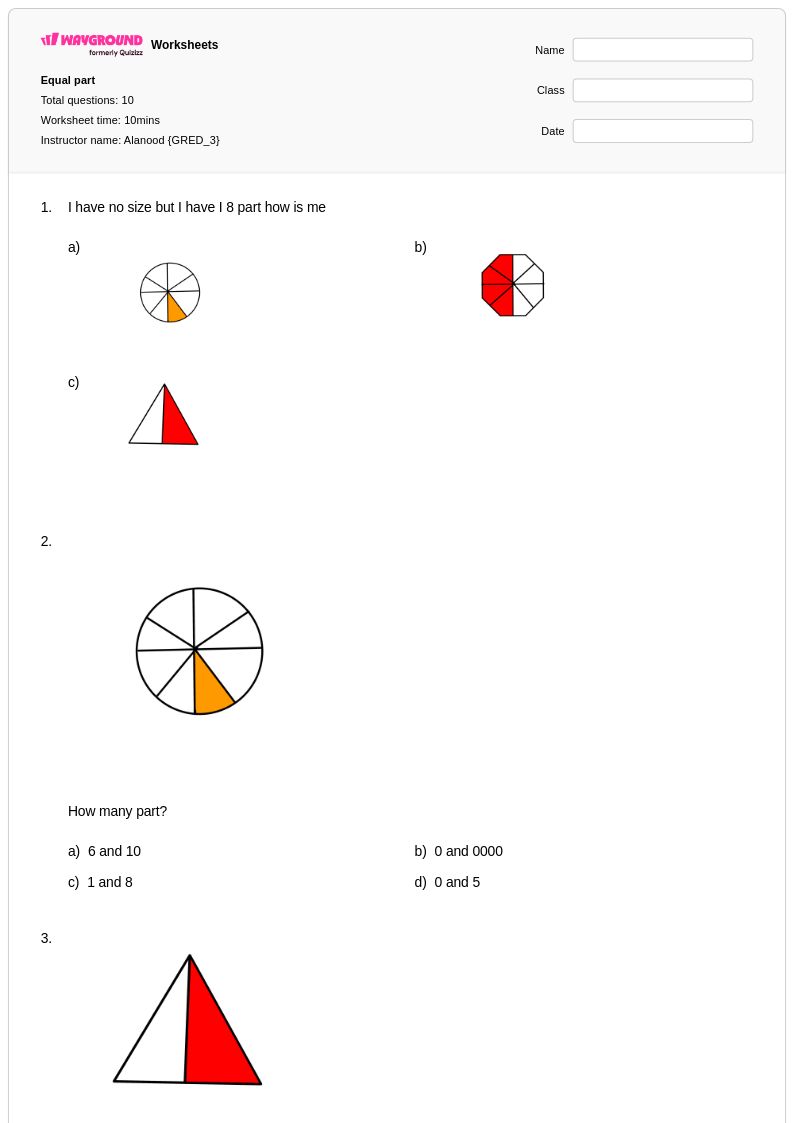
10 Q
1st
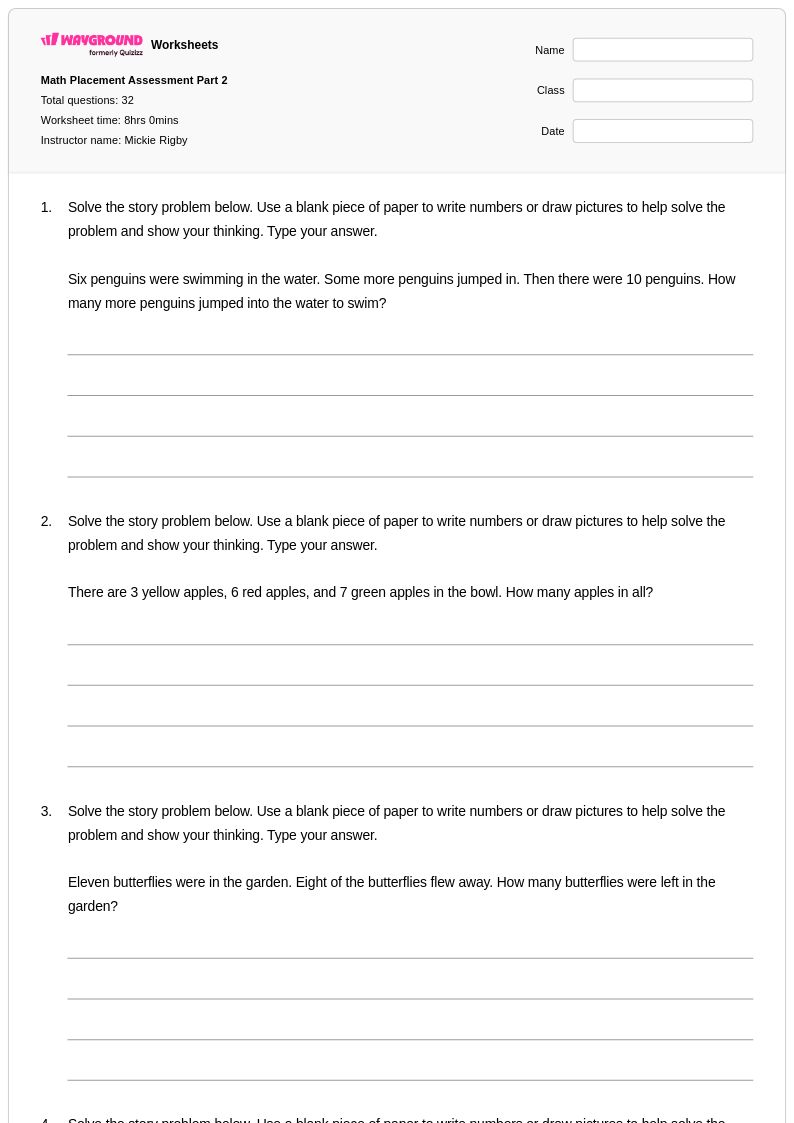
32 Q
1st
Explore Part-part-whole Relationships Worksheets by Grades
Explore Other Subject Worksheets for year 1
Explore printable Part-part-whole Relationships worksheets for Year 1
Part-part-whole relationships form the cornerstone of mathematical thinking for Year 1 students, and Wayground's comprehensive worksheet collection provides educators with expertly designed resources to build this critical foundation. These printable worksheets guide young learners through the essential concept that numbers can be broken apart and recombined in various ways, strengthening their number sense and preparing them for more complex mathematical operations. Each worksheet includes carefully scaffolded practice problems that help students visualize how smaller parts combine to create wholes, with clear answer keys that enable teachers to quickly assess student understanding and identify areas needing additional support. The free pdf format ensures easy classroom distribution while maintaining the visual clarity essential for beginning mathematicians.
Wayground's platform, formerly known as Quizizz, empowers teachers with access to millions of educator-created resources specifically focused on part-part-whole relationships and other fundamental Year 1 mathematical concepts. The robust search and filtering system allows educators to quickly locate worksheets that align with specific learning standards and match their students' developmental needs, while built-in differentiation tools enable seamless customization for varied ability levels within the classroom. Teachers can efficiently plan targeted instruction, provide remediation for struggling learners, or offer enrichment opportunities for advanced students using these flexible digital and printable formats. This extensive worksheet library supports systematic skill practice while reducing preparation time, allowing educators to focus on delivering high-quality mathematical instruction that builds confident, capable young mathematicians.
FAQs
How does the part-part-whole concept evolve in first grade?
How can I connect part-part-whole to addition and subtraction?
What types of problems build first graders' part-part-whole skills?
What is a common struggle for first graders with this topic?
How can I use these first-grade worksheets for practice or assessment?
How does this align with first-grade math standards?