
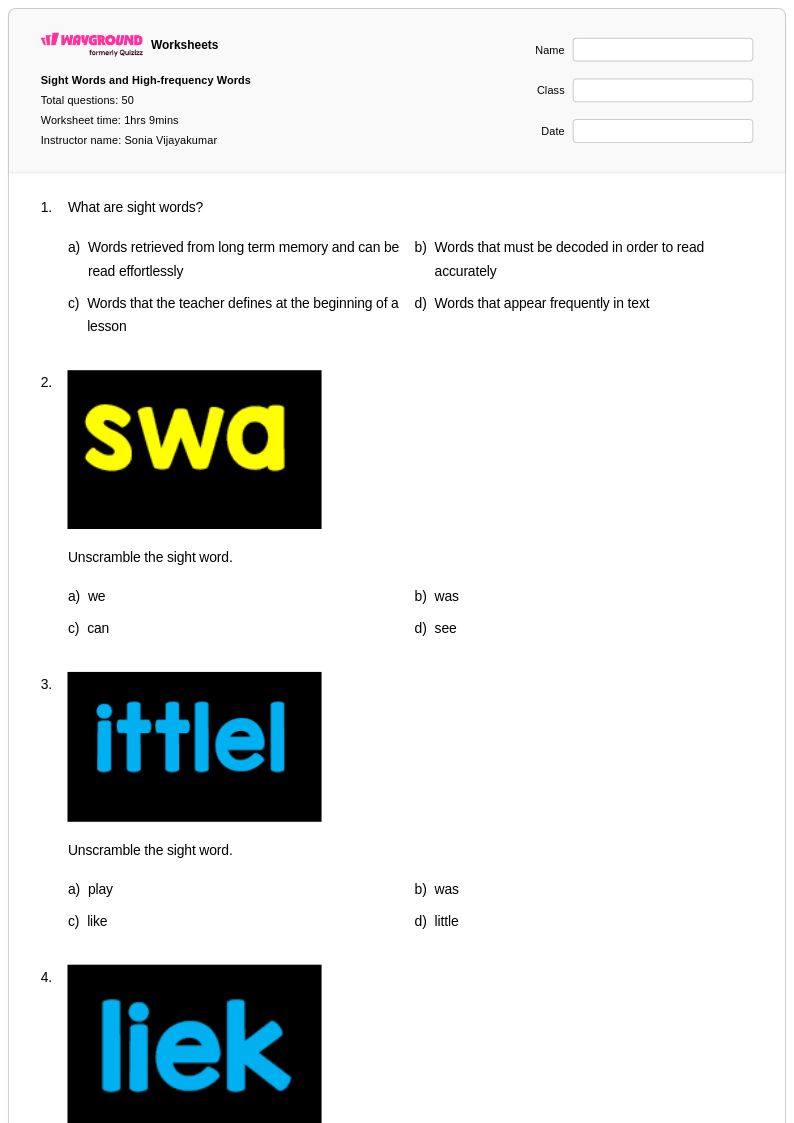
50 Q
1st - 5th
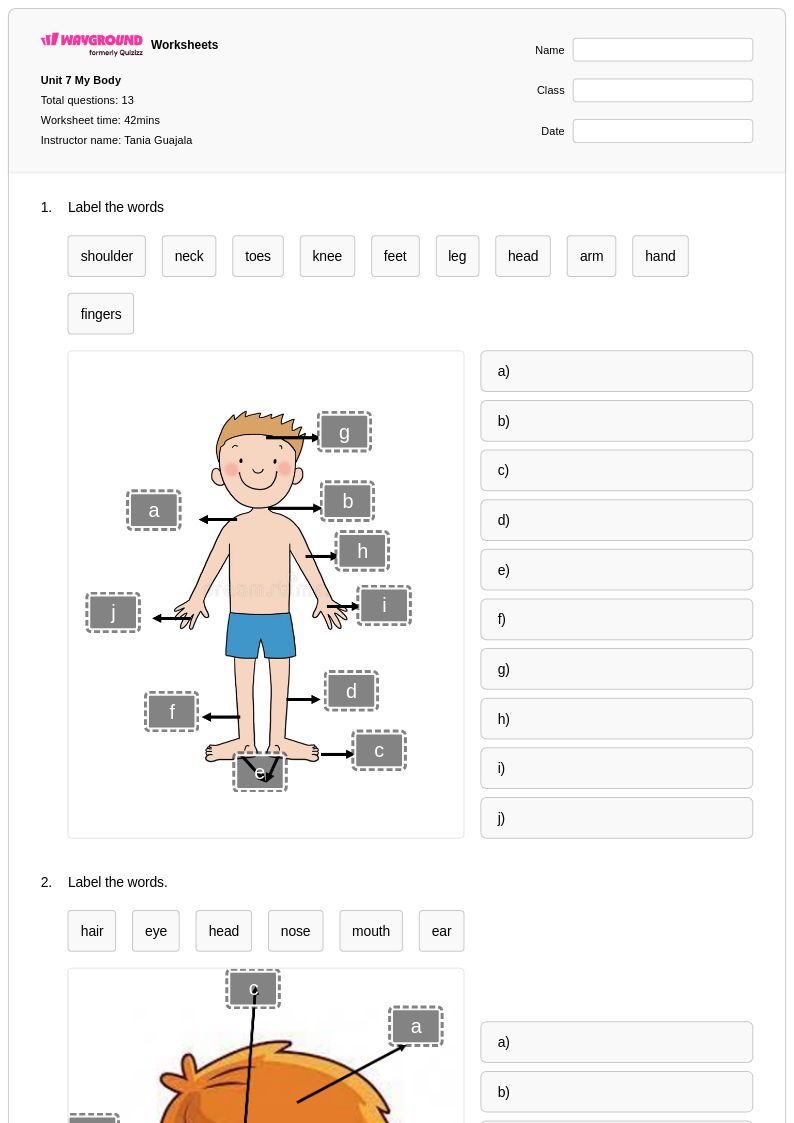
13 Q
1st
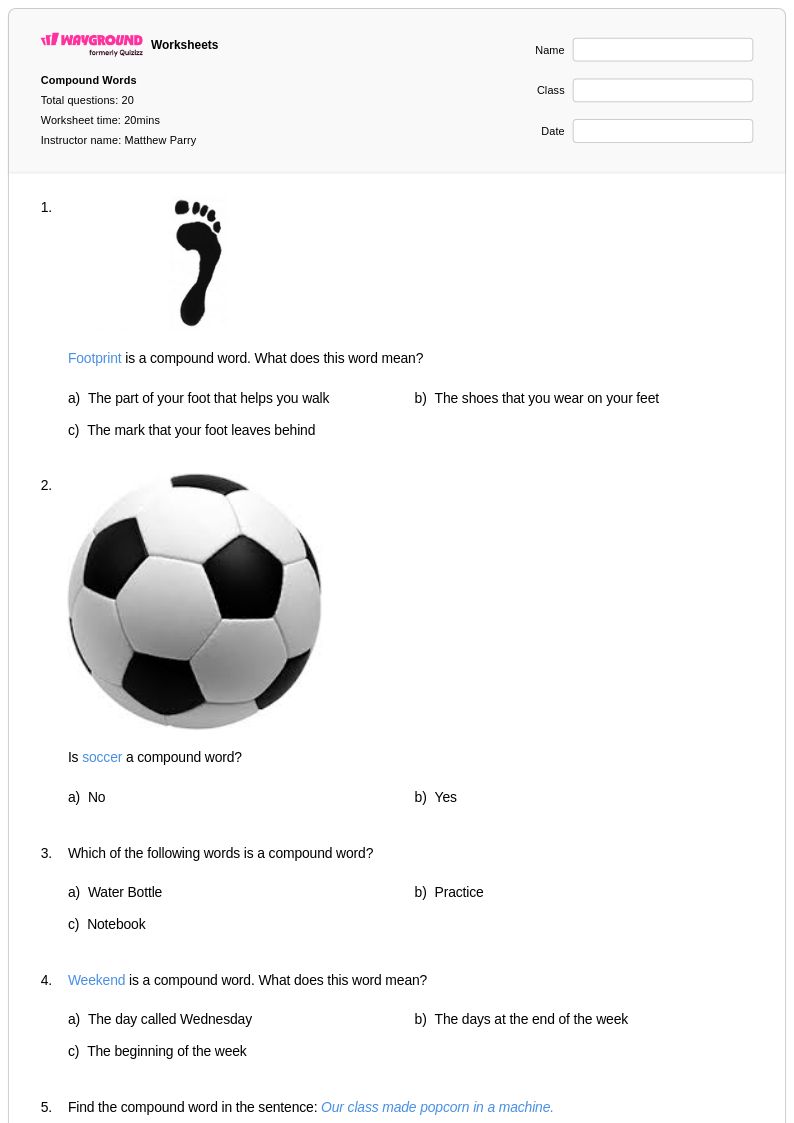
20 Q
1st - 2nd
23 Q
1st
14 Q
1st - 3rd
15 Q
1st - 3rd
19 Q
1st - 3rd
10 Q
1st - 2nd
10 Q
1st - 3rd
10 Q
1st - 5th
23 Q
1st
17 Q
1st - 5th
27 Q
1st - 5th
10 Q
1st - 5th
23 Q
1st
20 Q
1st
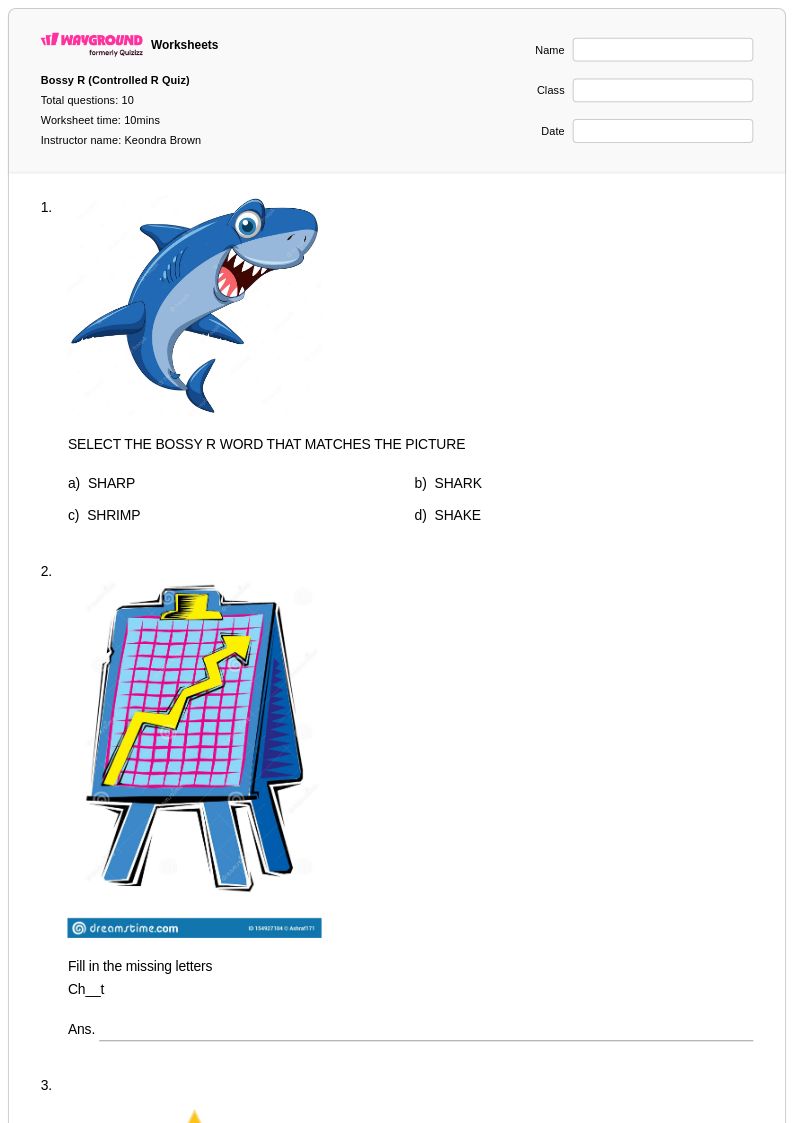
10 Q
1st
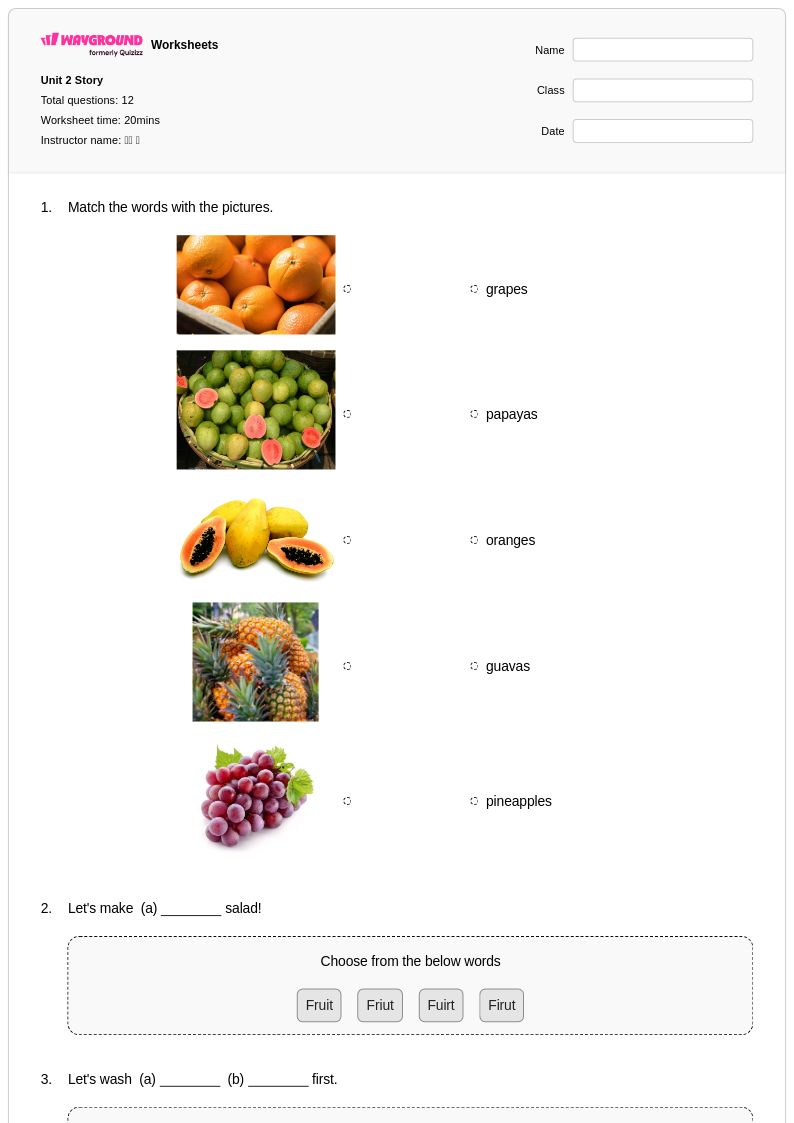
12 Q
1st - 5th
23 Q
1st
23 Q
1st
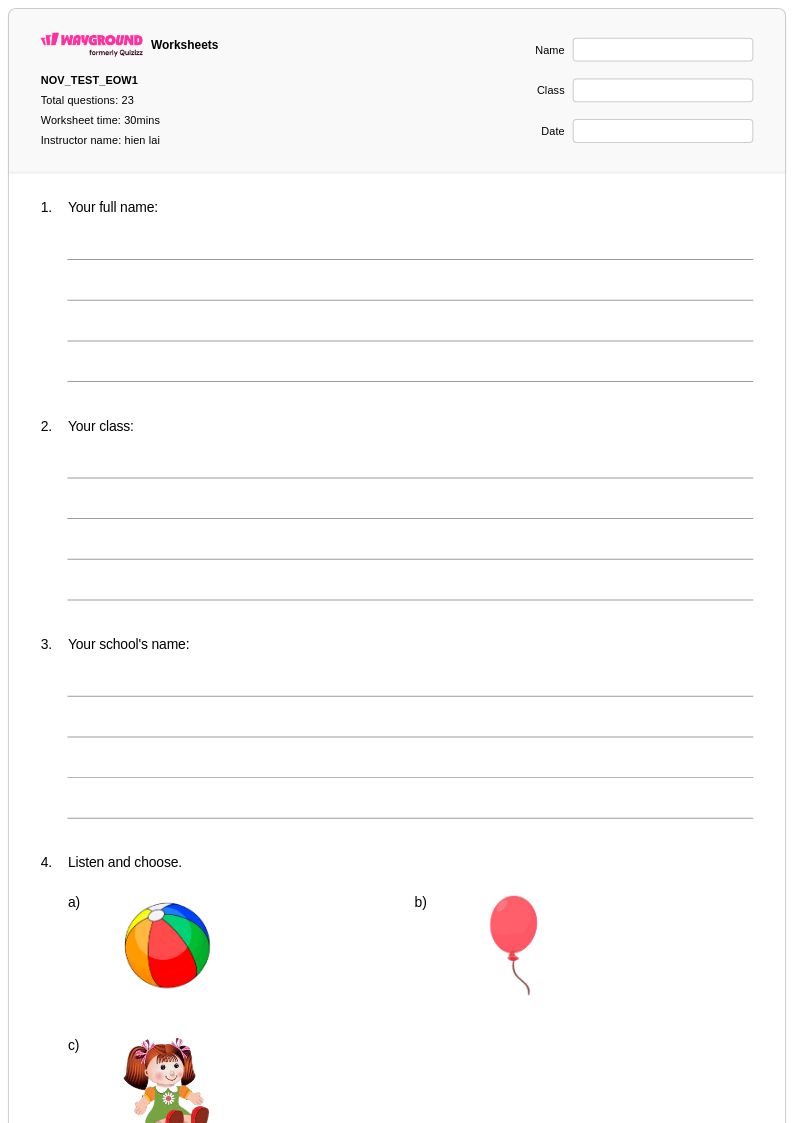
23 Q
1st
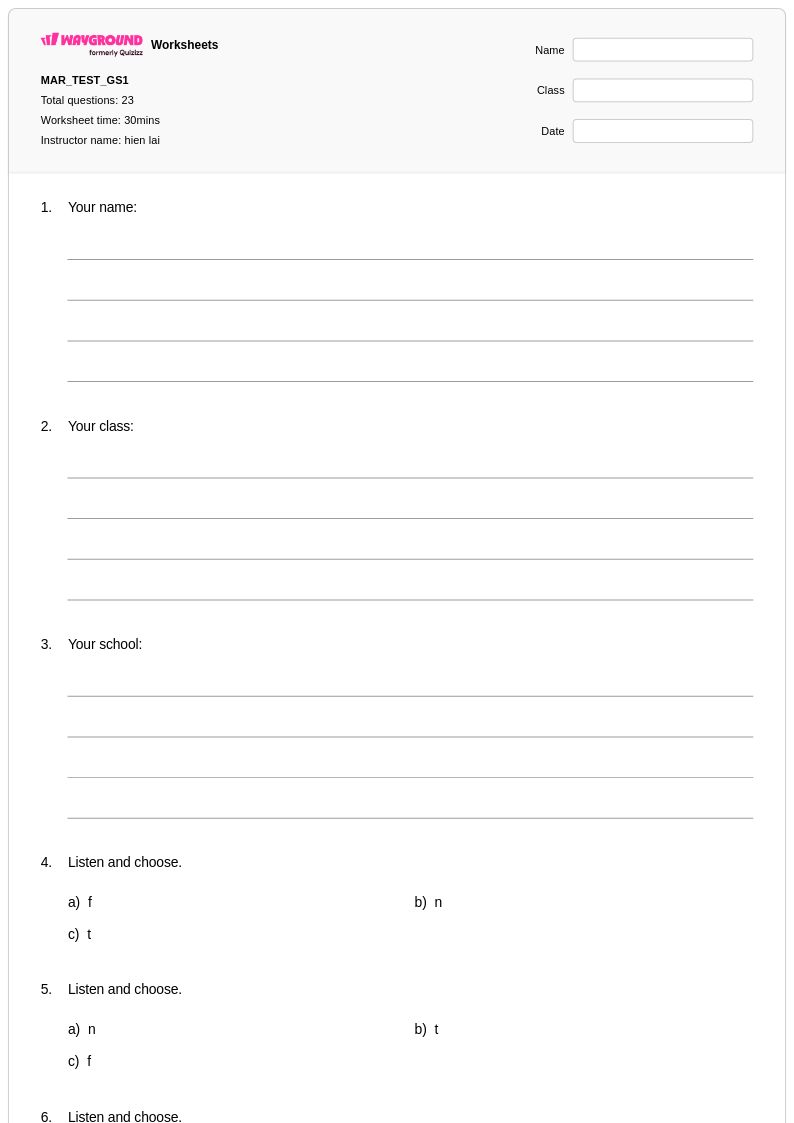
23 Q
1st
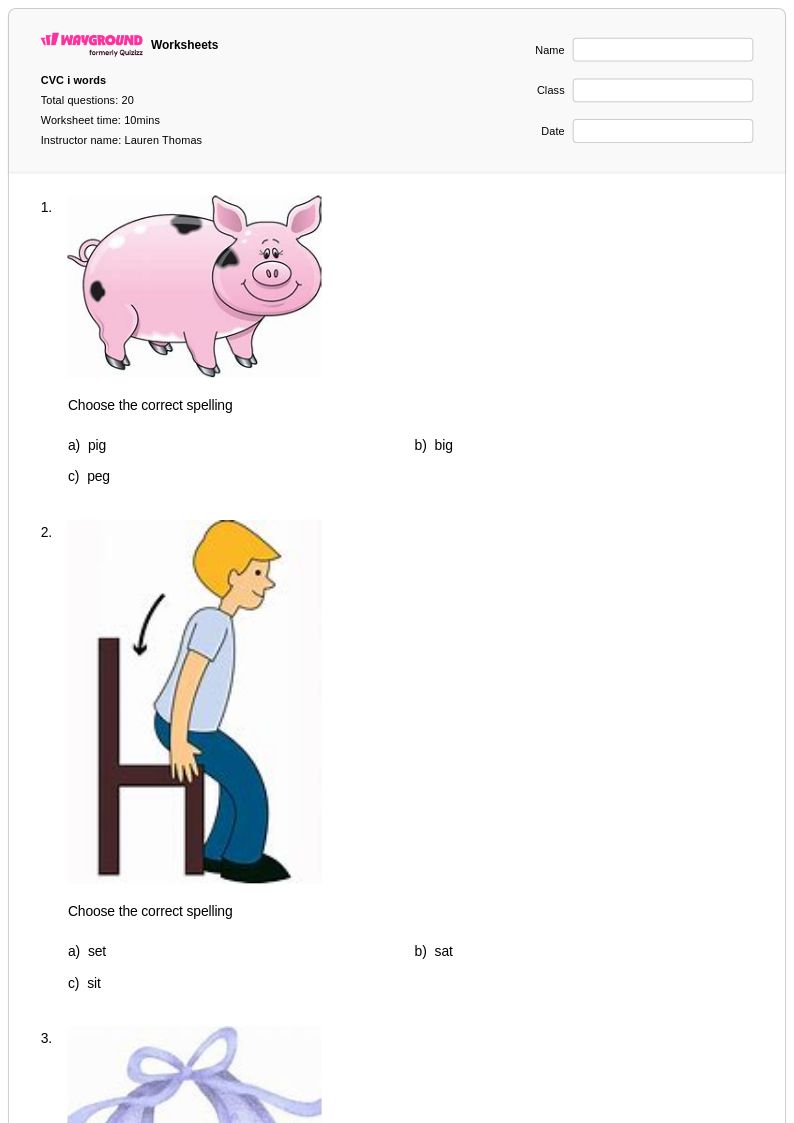
20 Q
KG - 1st
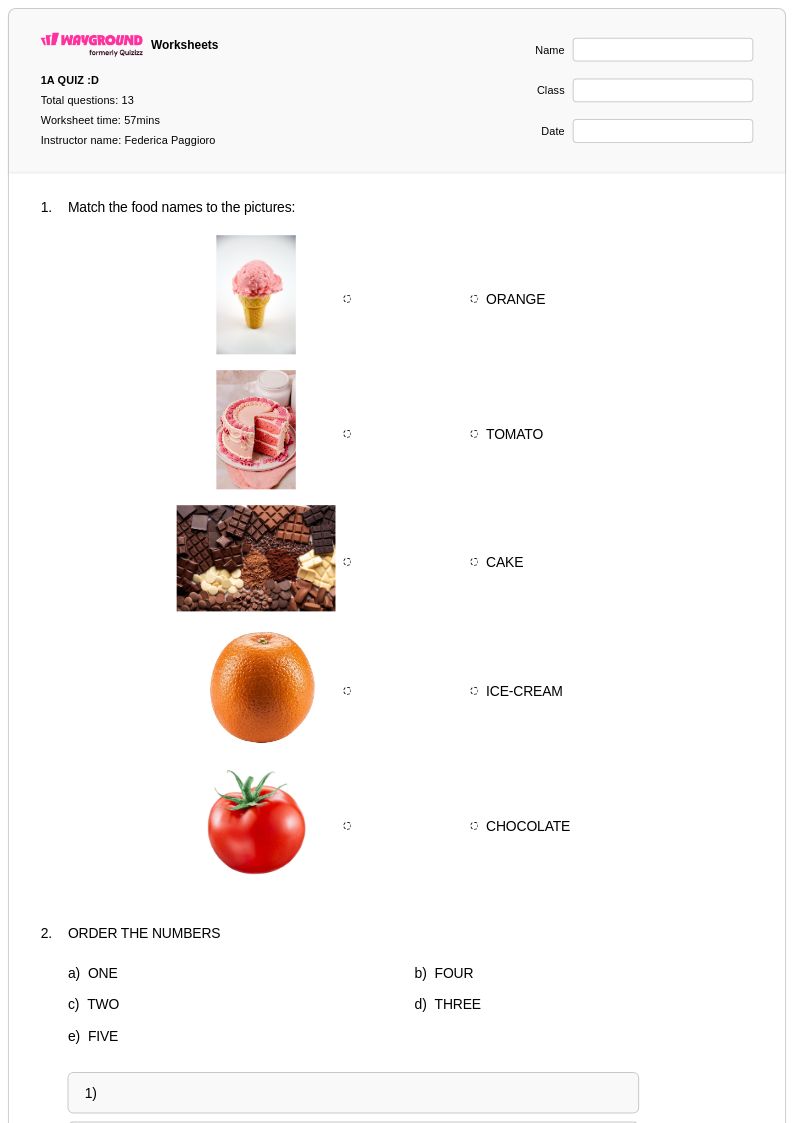
16 Q
1st
Explore Other Subject Worksheets for year 1
Explore printable Positional Words worksheets for Year 1
Positional words worksheets for Year 1 students available through Wayground (formerly Quizizz) provide essential foundational practice for young learners developing spatial vocabulary and conceptual understanding. These comprehensive printables focus on teaching critical directional and location terms such as above, below, beside, in front of, behind, left, right, near, and far through engaging visual exercises and interactive practice problems. Students work with colorful illustrations and real-world scenarios to identify object positions, follow directional instructions, and describe spatial relationships accurately. Each worksheet includes a detailed answer key to support independent learning and assessment, while the free pdf format ensures accessibility for both classroom instruction and home practice. These materials strengthen essential pre-reading and mathematical reasoning skills by helping first graders develop precise vocabulary for describing their physical environment and understanding positional concepts that serve as building blocks for geometry, reading comprehension, and following multi-step directions.
Wayground (formerly Quizizz) empowers educators with millions of teacher-created positional words resources specifically designed for Year 1 instruction, featuring robust search and filtering capabilities that allow quick identification of materials aligned with specific learning standards and objectives. The platform's differentiation tools enable teachers to customize worksheets based on individual student needs, providing options for remediation support through simplified vocabulary exercises or enrichment opportunities with more complex spatial reasoning challenges. Available in both printable pdf formats and interactive digital versions, these positional words collections streamline lesson planning while offering flexible implementation across diverse learning environments. Teachers benefit from comprehensive customization features that allow modification of practice problems, visual elements, and difficulty levels, ensuring that spatial vocabulary instruction meets the varied developmental stages found in first-grade classrooms and supports systematic skill-building progression throughout the academic year.
FAQs
How do I teach positional words to young students?
What exercises help students practice positional words?
What mistakes do students commonly make with positional words?
How can I use positional words worksheets to support students with different learning needs?
How do I use Wayground's positional words worksheets in my classroom?