Free Printable Positional Words Worksheets for Year 4
Enhance Year 4 students' understanding of positional words with Wayground's free printable worksheets featuring engaging practice problems and complete answer keys to master spatial vocabulary concepts.
Explore printable Positional Words worksheets for Year 4
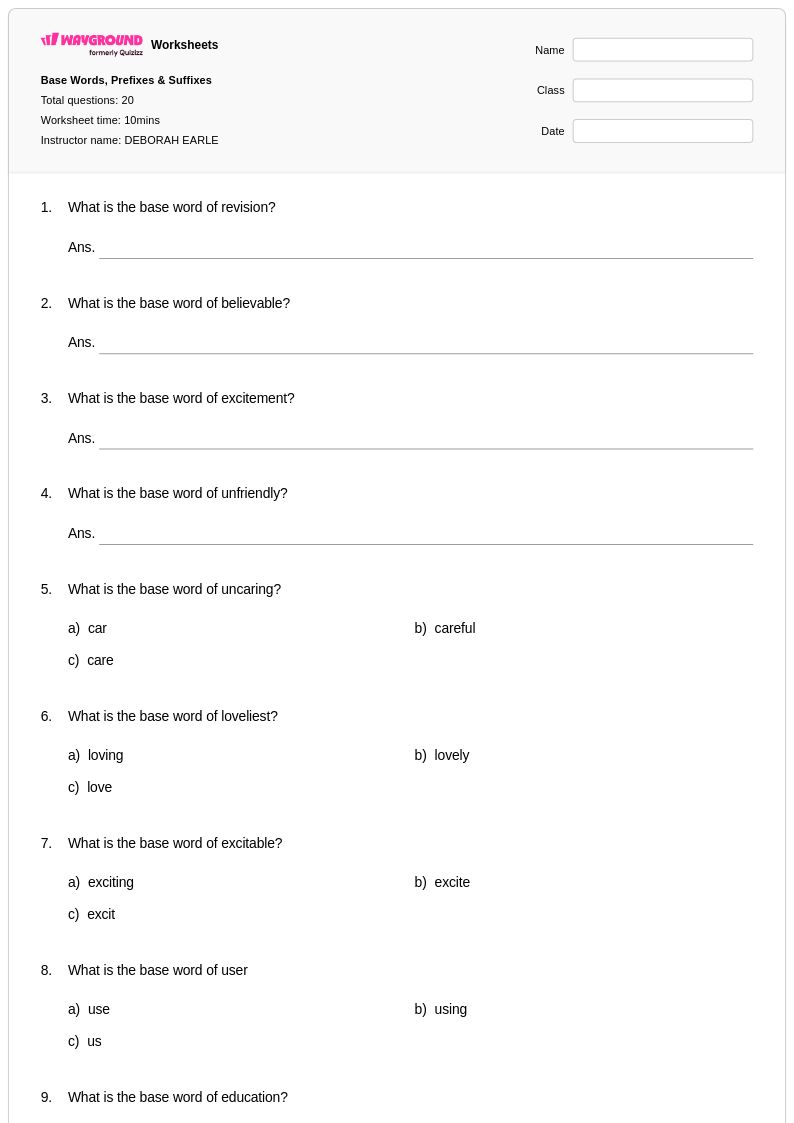
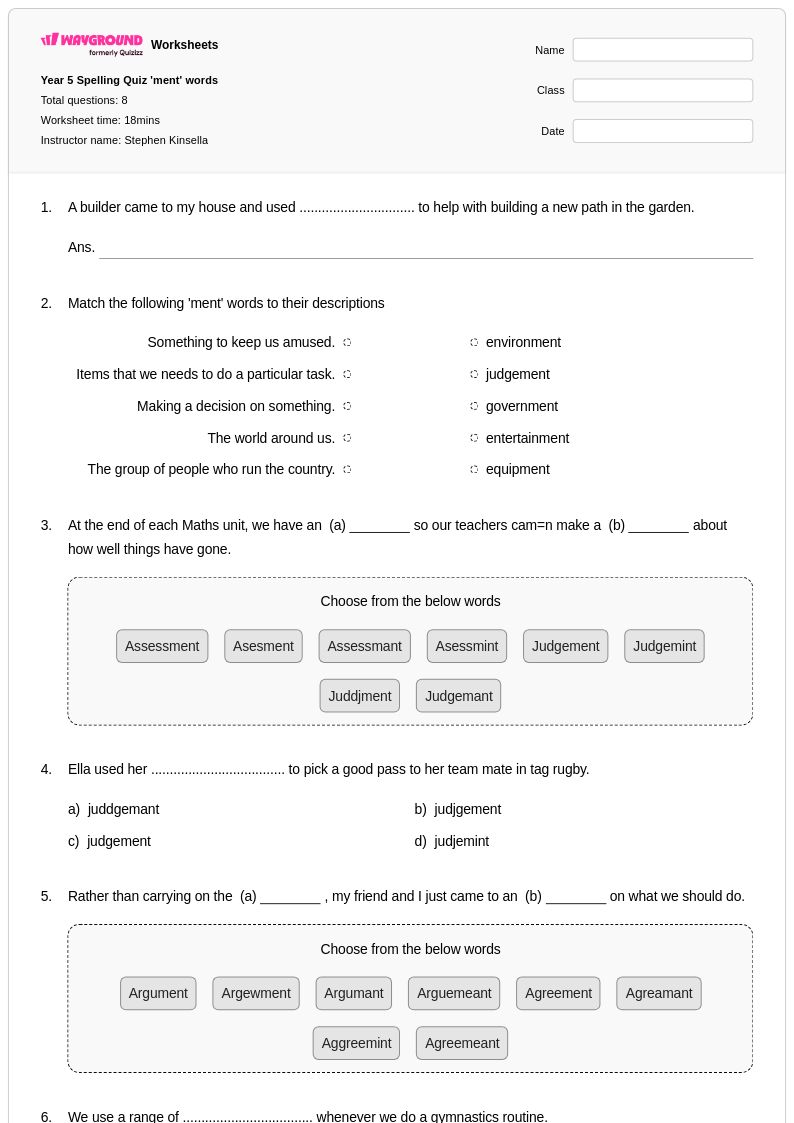
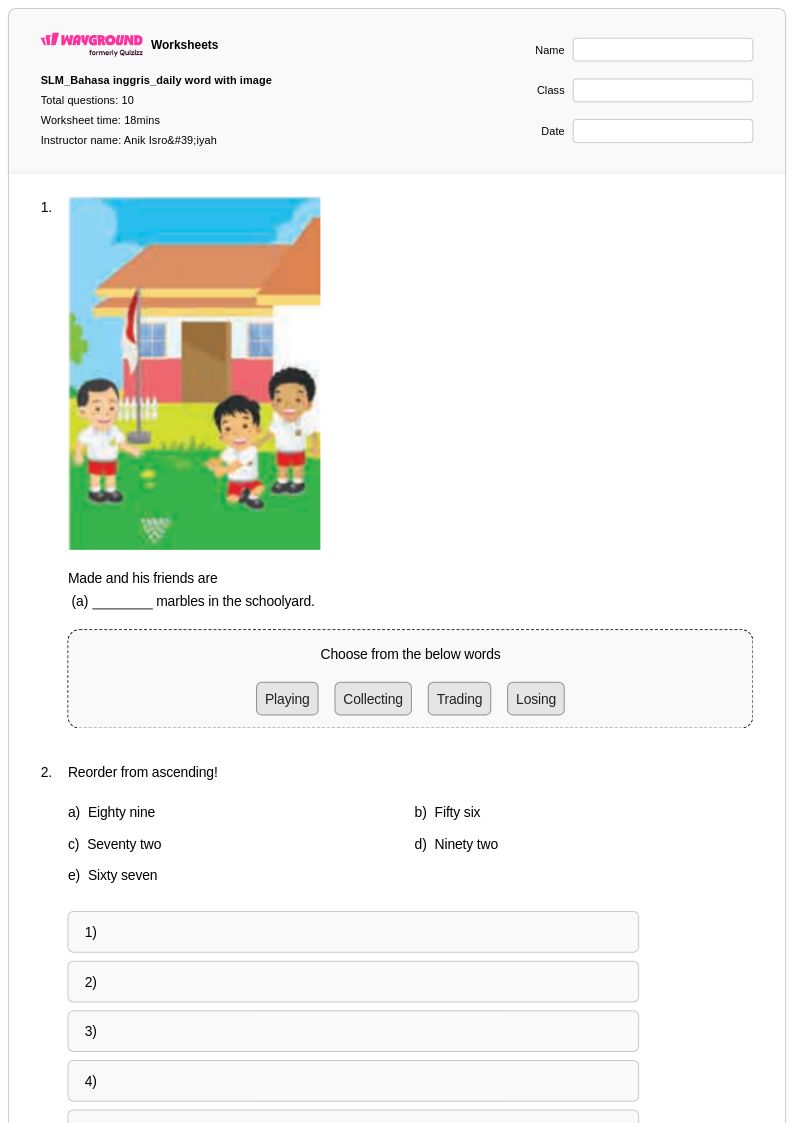
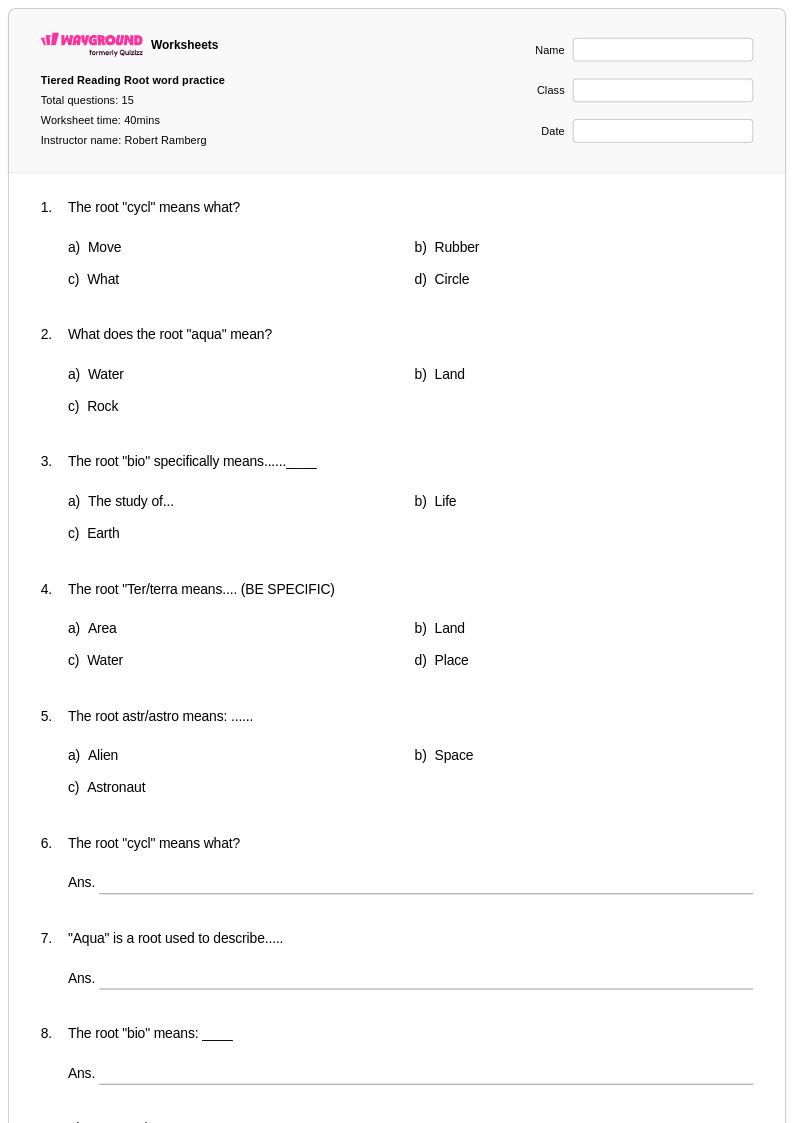
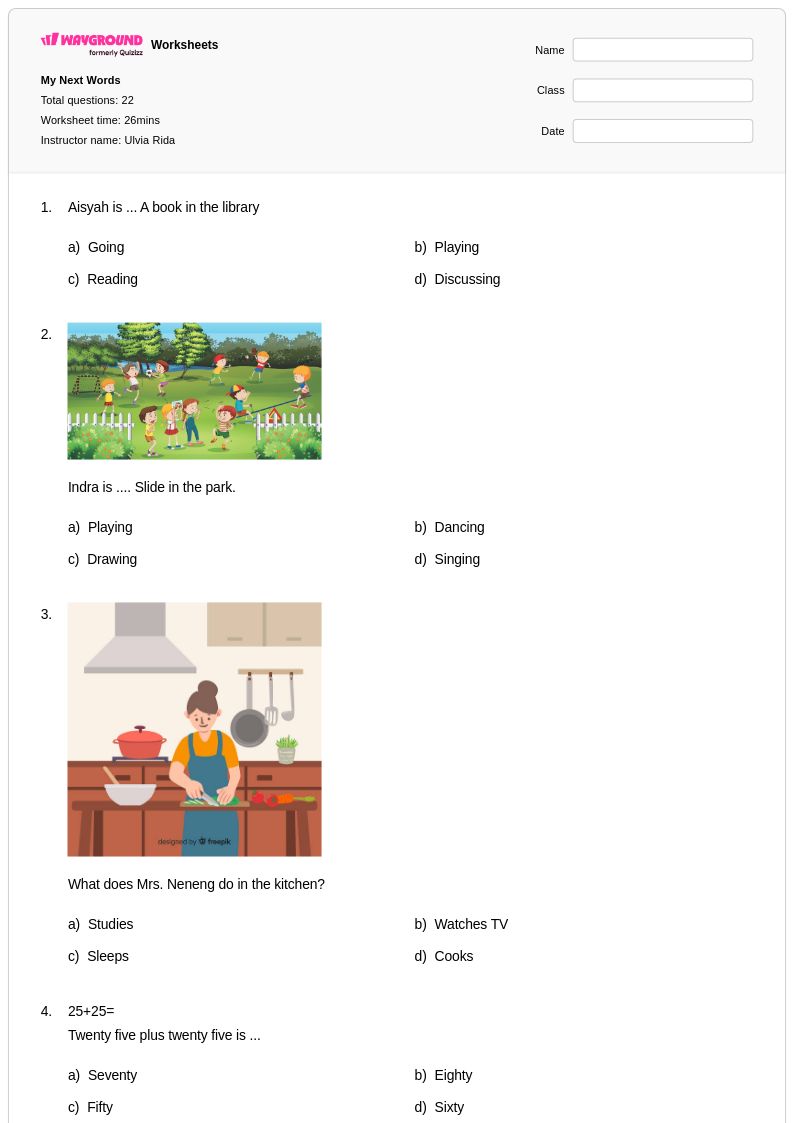
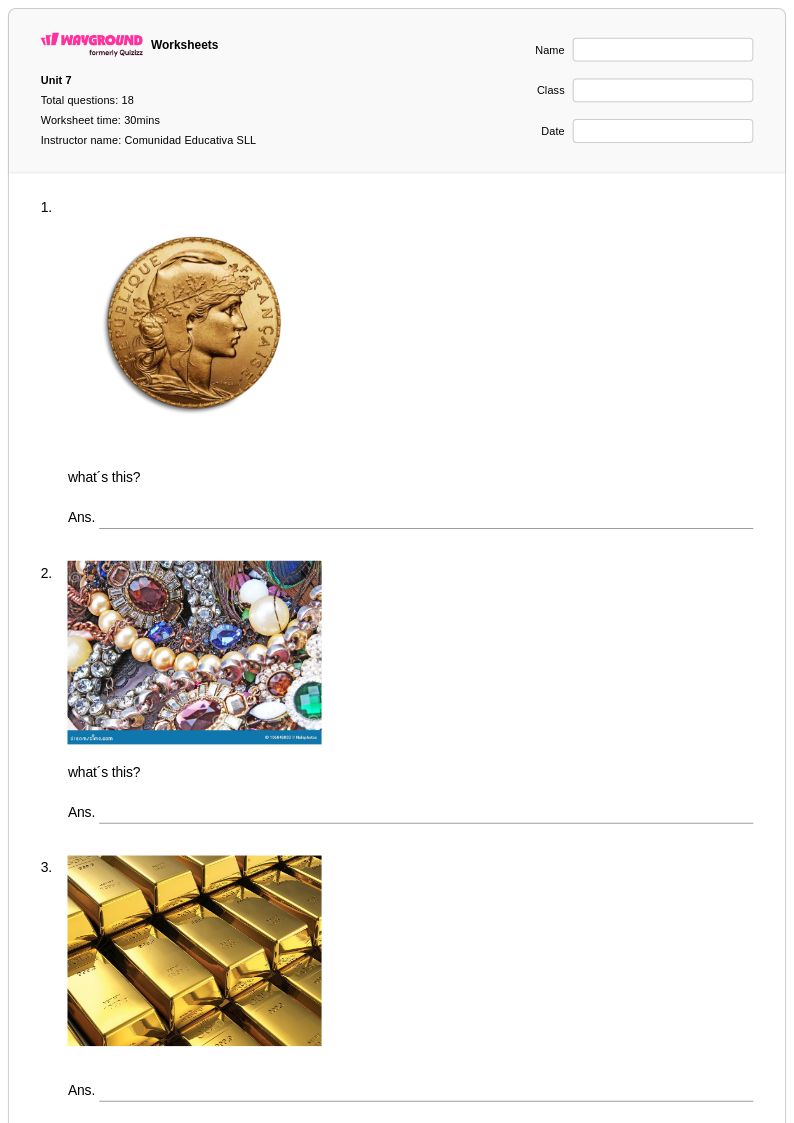
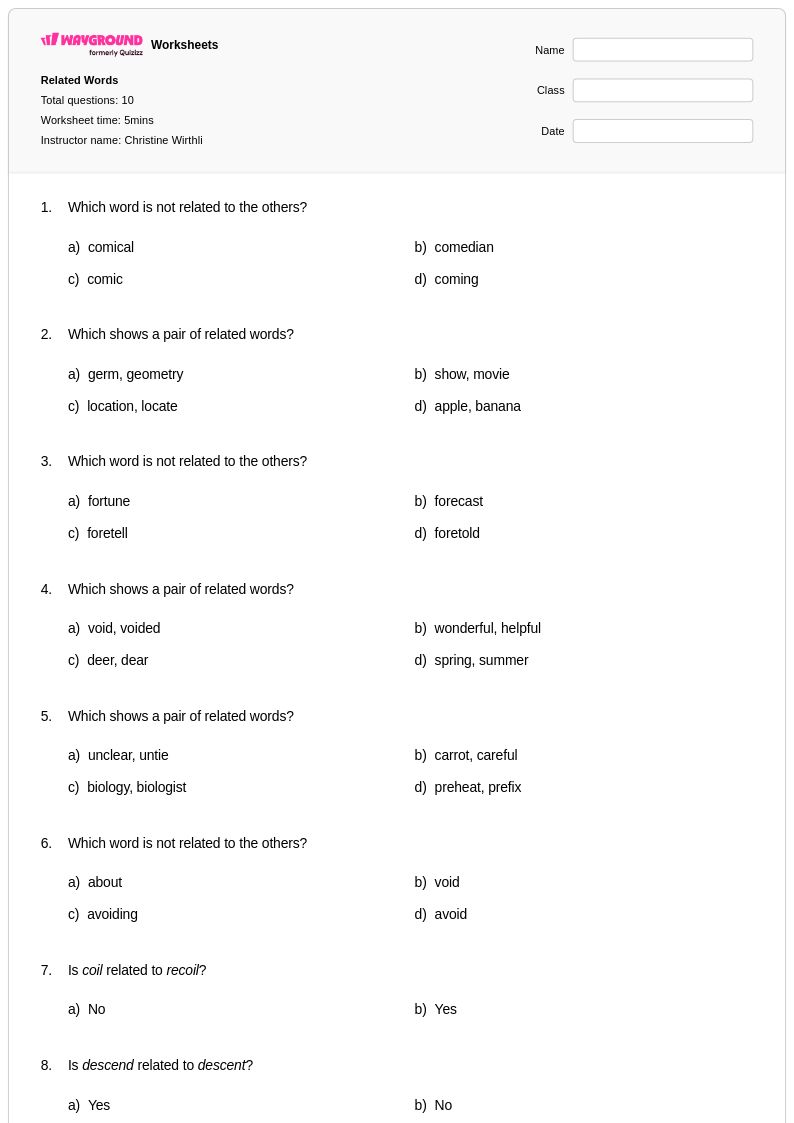
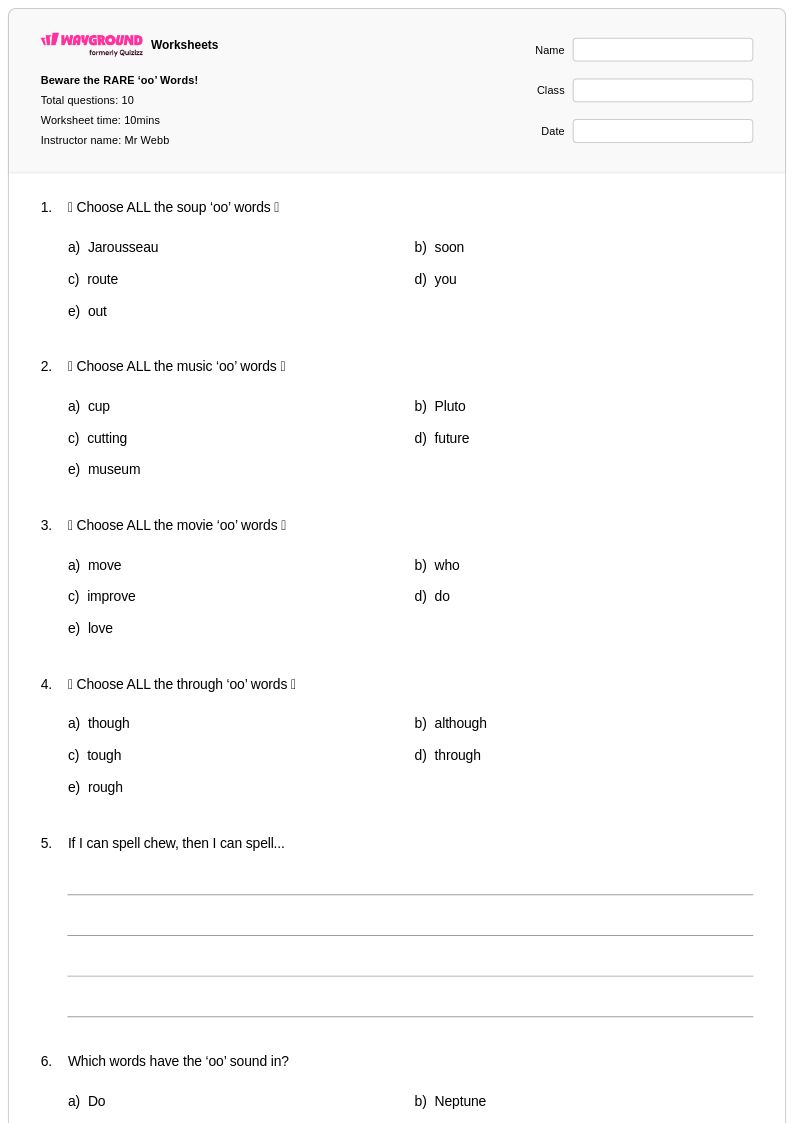
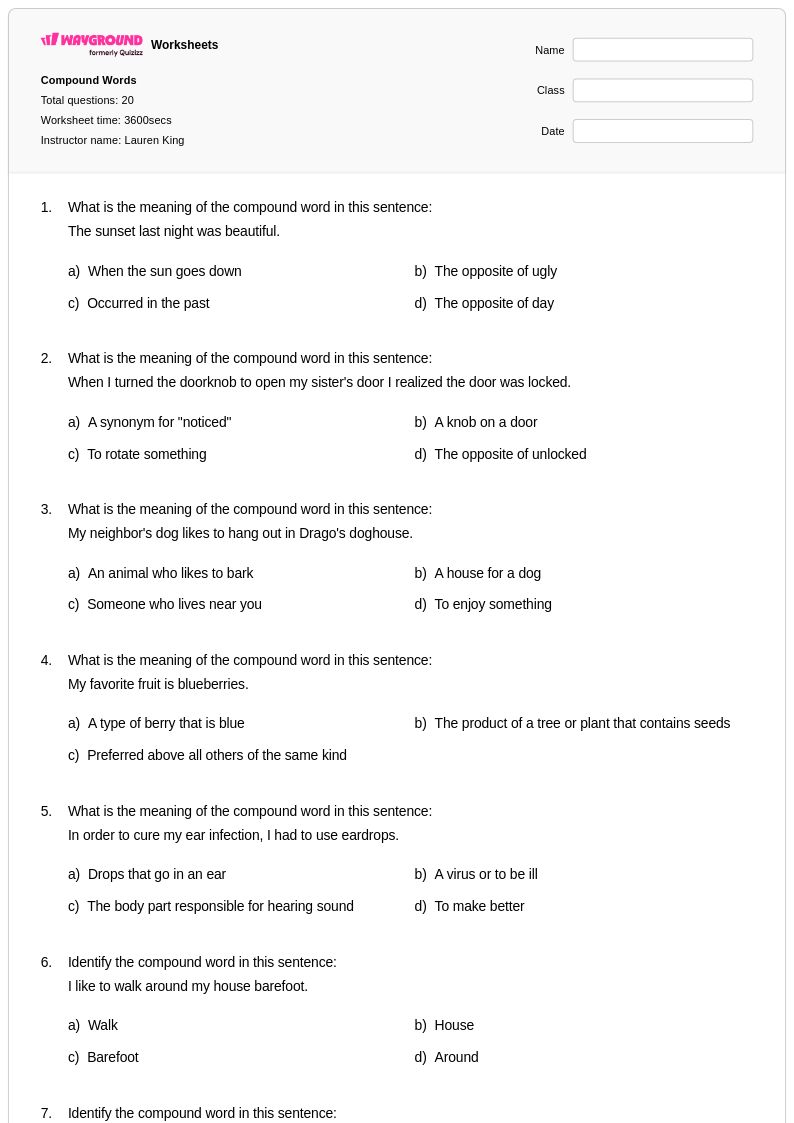
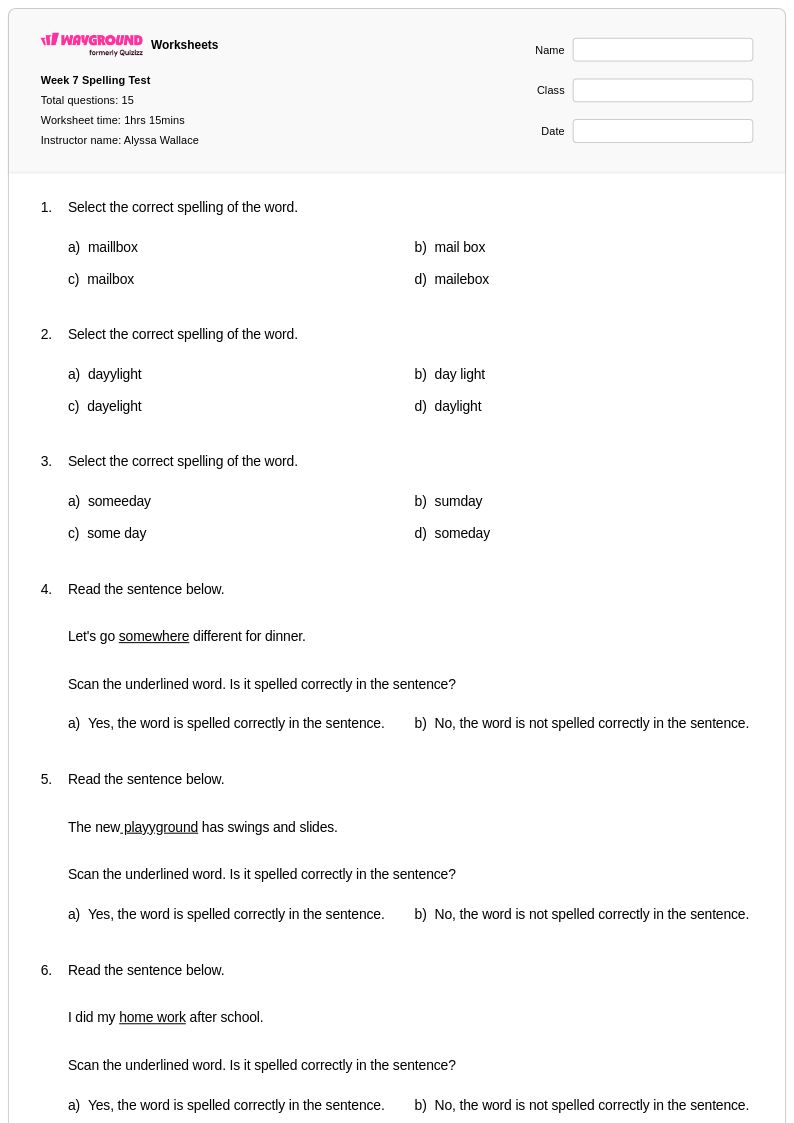
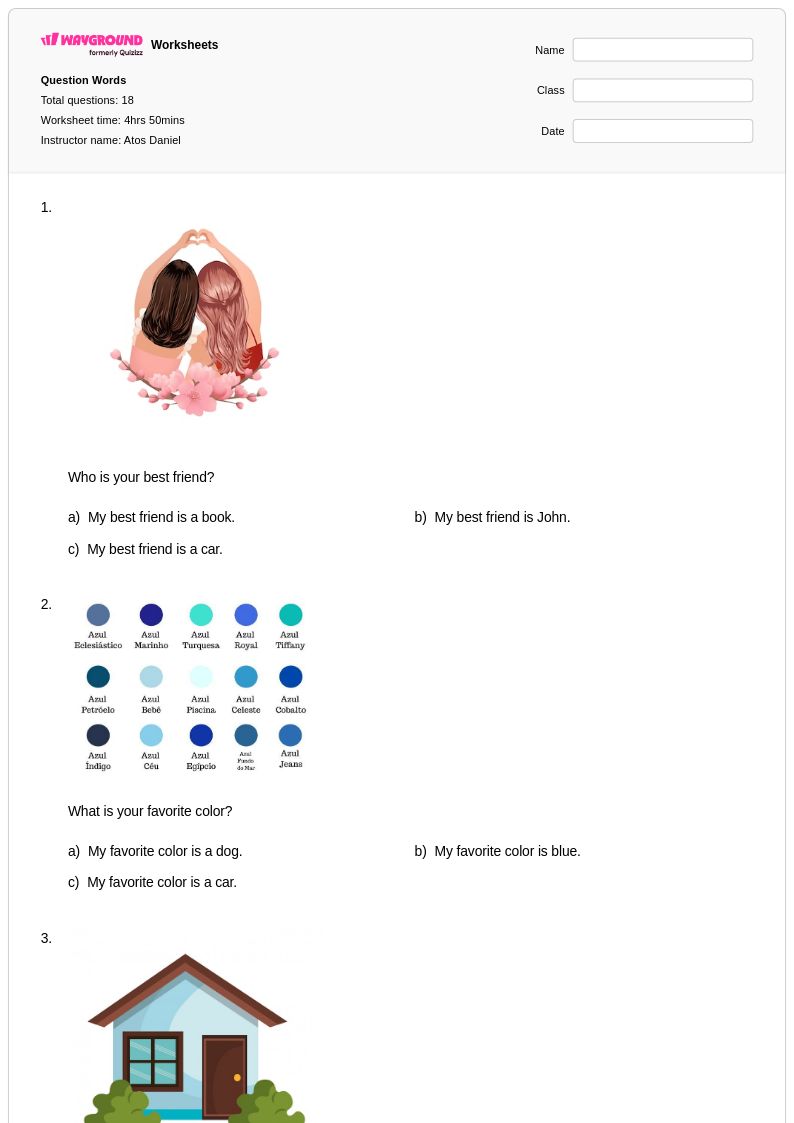
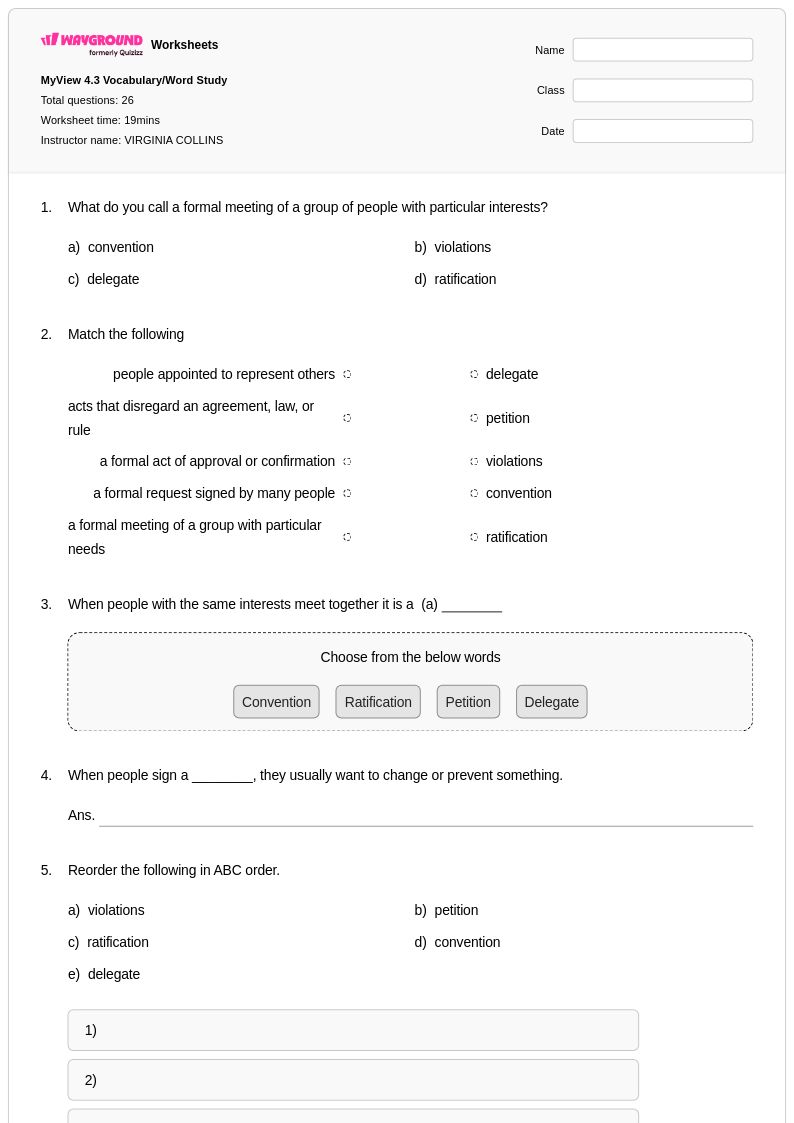
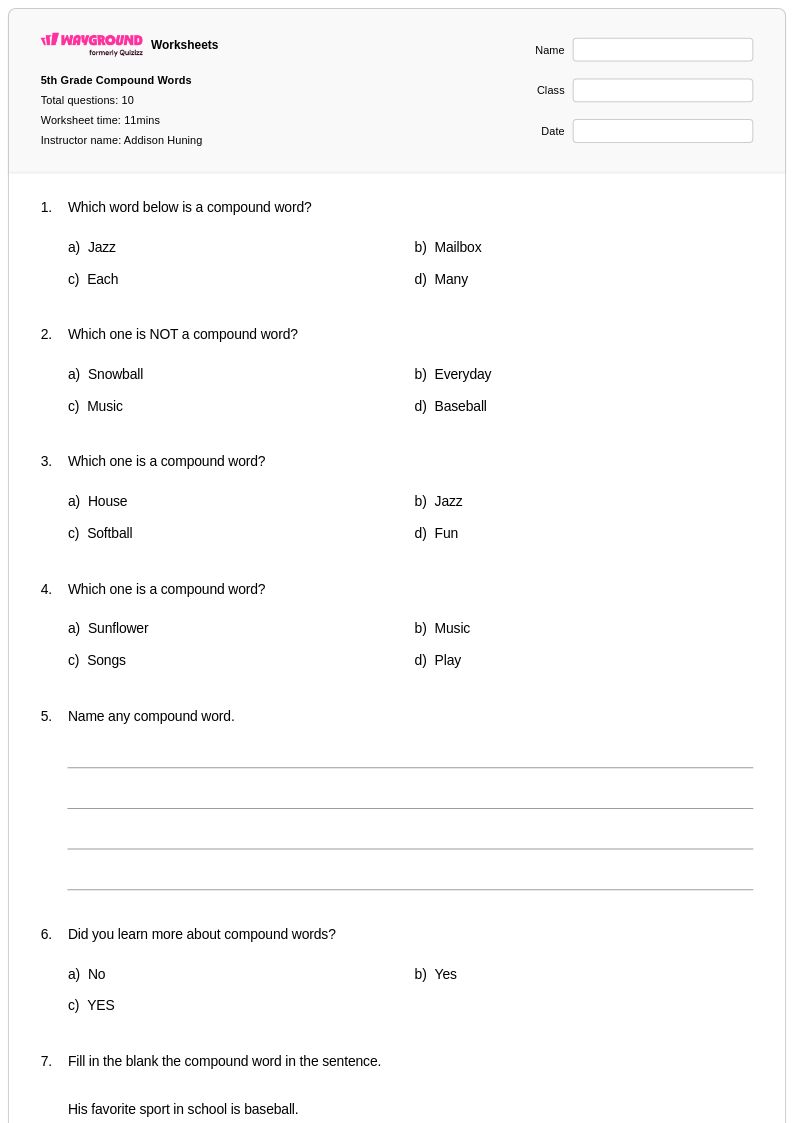
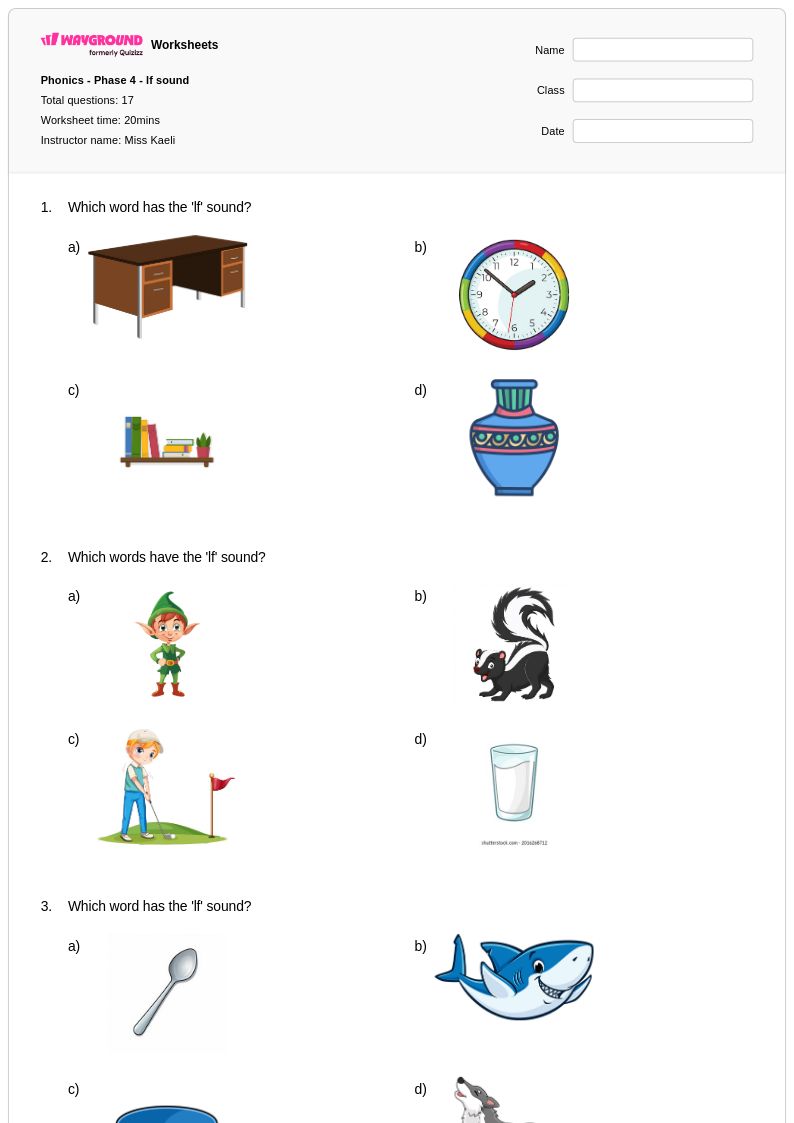
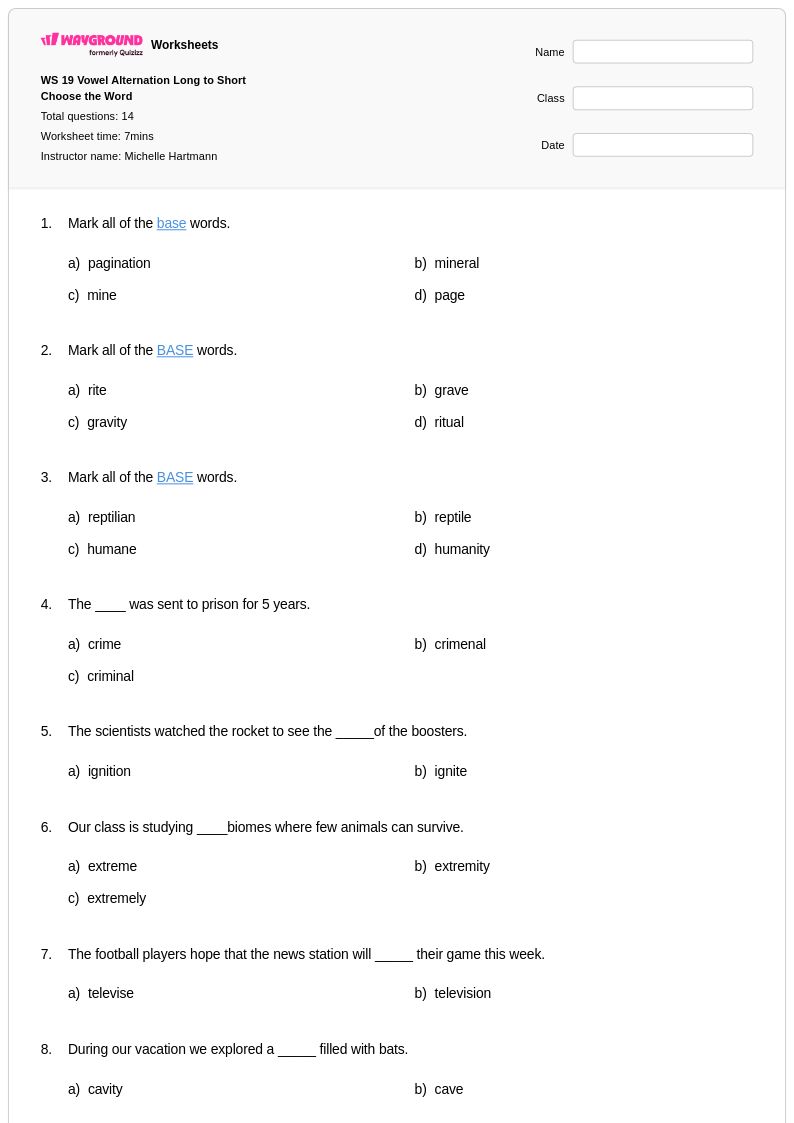
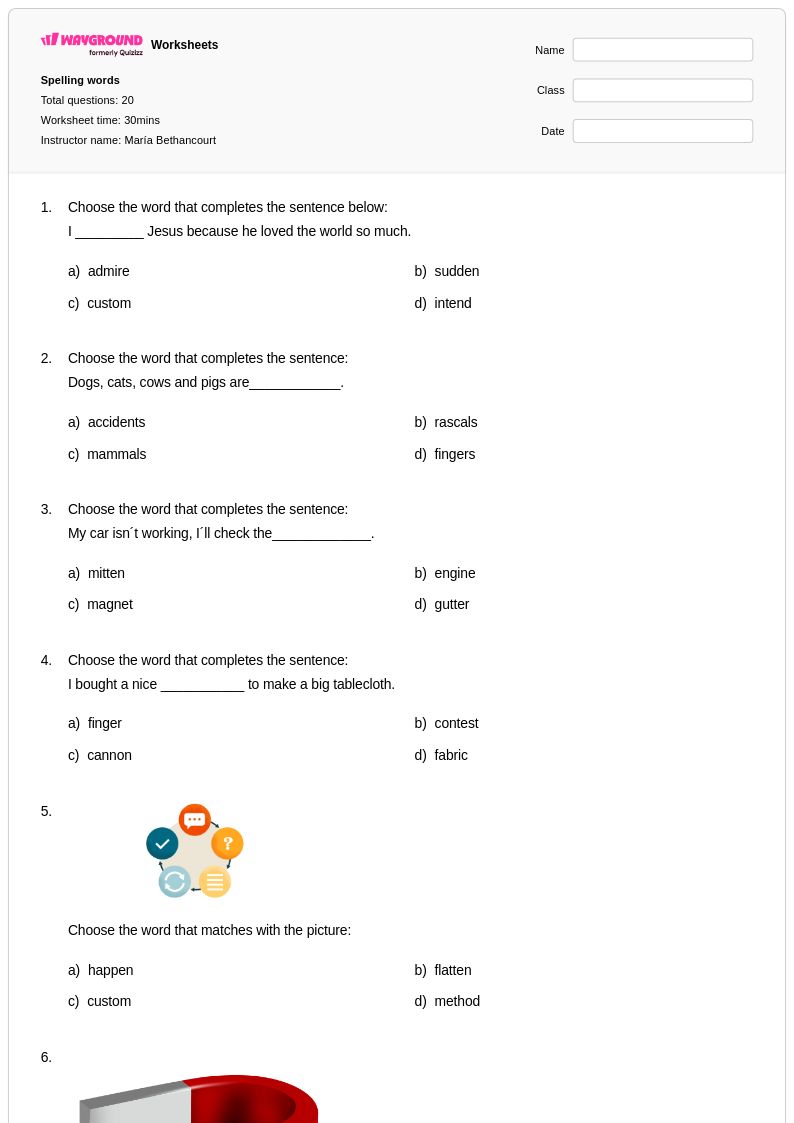
Year 4 positional words worksheets available through Wayground (formerly Quizizz) provide comprehensive practice for students developing spatial vocabulary and directional language skills. These educational resources focus on essential prepositions and location descriptors such as above, below, beside, between, inside, outside, near, far, left, right, and behind that form the foundation of clear communication and reading comprehension. Each worksheet strengthens students' ability to follow directions, describe object relationships, and understand spatial concepts through engaging practice problems that include picture matching, sentence completion, and real-world scenarios. Teachers can access complete answer keys and free printable pdf versions that make classroom implementation seamless while supporting diverse learning needs.
Wayground's extensive collection features millions of teacher-created positional words resources specifically designed for Year 4 students, offering educators powerful search and filtering capabilities to locate materials aligned with curriculum standards and individual classroom objectives. The platform's differentiation tools enable teachers to customize worksheets for varying skill levels, while flexible formatting options provide both printable and digital pdf versions suitable for in-class activities, homework assignments, or remote learning environments. These comprehensive resources support effective lesson planning by offering ready-to-use materials for skill introduction, guided practice, independent work, remediation for struggling learners, and enrichment opportunities for advanced students, ensuring all fourth-grade students can master the spatial vocabulary essential for academic success across multiple subject areas.
FAQs
How do I teach positional words to young students?
Start by grounding positional words in physical, hands-on experiences before moving to written practice. Use objects in the classroom to demonstrate terms like above, below, beside, and in front of by placing items in different positions and narrating each one. Once students can identify positions with physical objects, transition to picture-based activities where they describe or label the location of objects in a scene. Connecting the vocabulary to familiar, concrete contexts helps students internalize spatial language before applying it in reading and writing.
What exercises help students practice positional words?
Effective practice activities include labeling diagrams, completing fill-in-the-blank sentences using spatial vocabulary, and matching positional words to pictures that show object relationships. Students also benefit from exercises that ask them to draw or place objects according to written positional instructions, which reinforces both comprehension and production of the vocabulary. Worksheets that present positional words in varied sentence contexts help students move beyond rote memorization toward flexible, accurate use.
What mistakes do students commonly make with positional words?
Students frequently confuse terms that describe opposite or adjacent relationships, particularly above and below, in front of and behind, and beside and between. A common error is treating between as interchangeable with beside, when between specifically refers to a position involving two reference points. Students also struggle with positional words that shift meaning depending on perspective, such as left and right, which change based on the observer's orientation. Targeted practice that isolates these easily confused pairs and uses consistent visual anchors helps students distinguish them correctly.
How can I use positional words worksheets to support students with different learning needs?
Positional words worksheets can be adapted for diverse learners by pairing written exercises with visual supports such as labeled diagrams or picture cues that reduce the language load for emerging readers. On Wayground, teachers can apply individual accommodations such as Read Aloud, which reads questions aloud for students who need audio support, and Reduced Answer Choices, which lowers cognitive load for students who are still building confidence with spatial vocabulary. Extended time can also be set per student, ensuring each learner has adequate processing time without affecting the rest of the class.
How do I use Wayground's positional words worksheets in my classroom?
Wayground's positional words worksheets are available as printable PDFs for traditional classroom use and in digital formats for technology-integrated environments, making them easy to deploy in any instructional setting. Teachers can also host worksheets as a quiz directly on Wayground, allowing for interactive digital practice with built-in answer checking. Each worksheet includes a complete answer key, so they can be used for guided practice, independent work, or homework without additional prep from the teacher.