Free Printable Printing Practice Worksheets for Year 1
Enhance Year 1 students' printing practice skills with Wayground's comprehensive collection of free handwriting worksheets, featuring printable PDFs and answer keys to develop proper letter formation.
Explore printable Printing Practice worksheets for Year 1
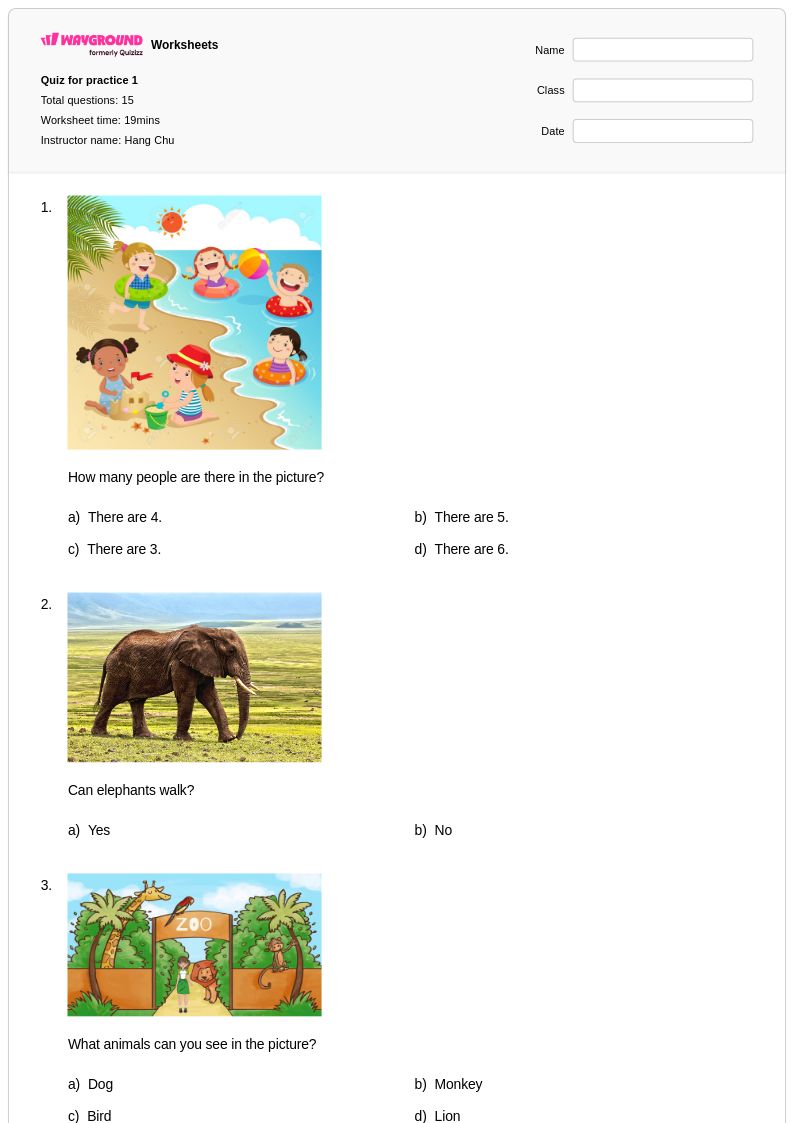
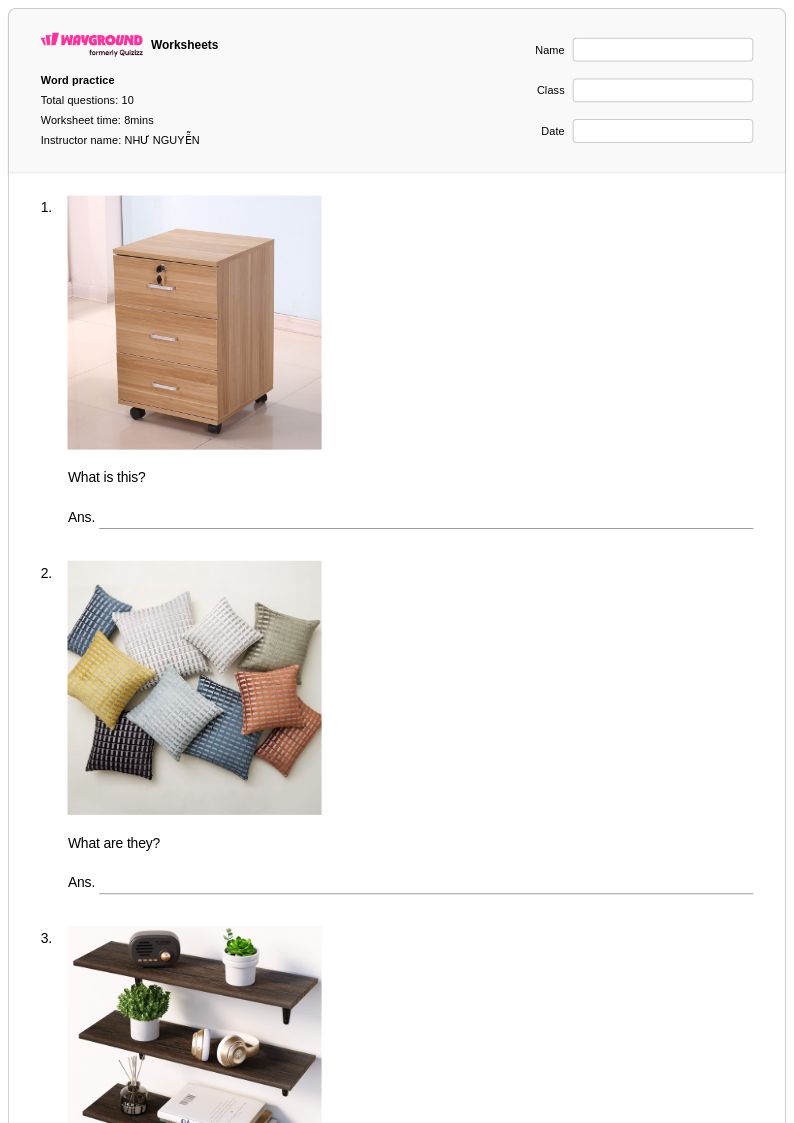
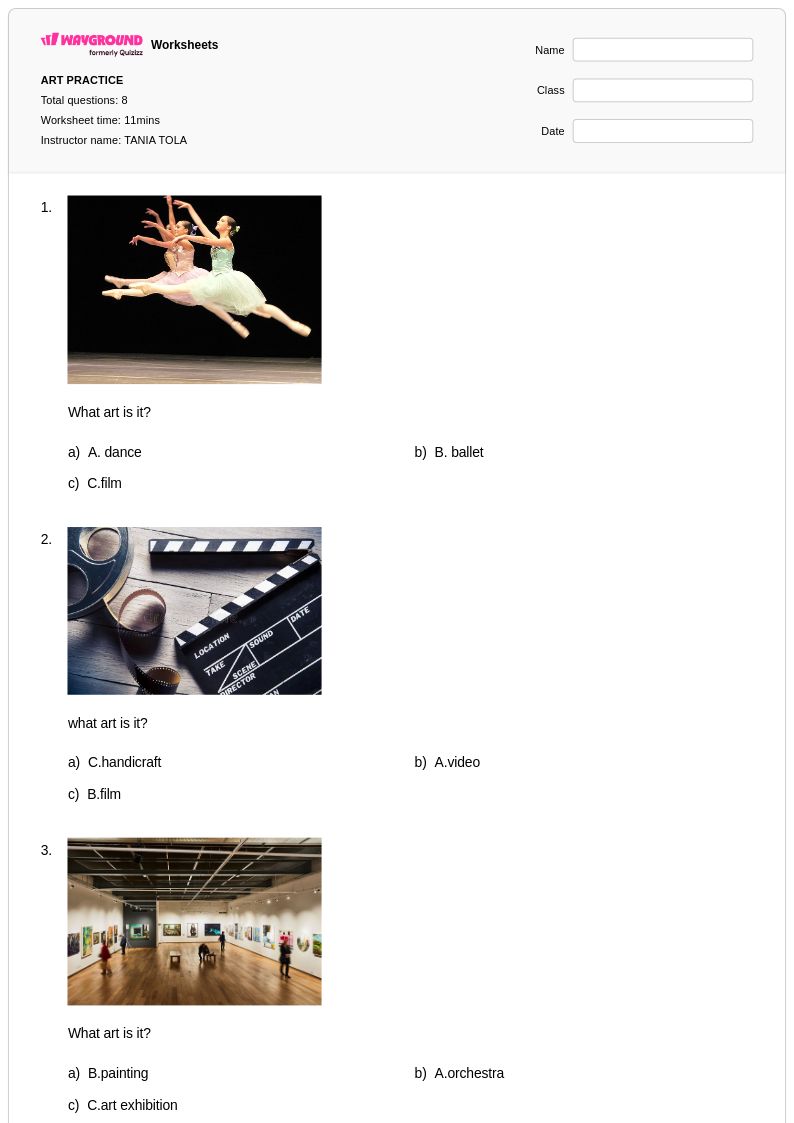
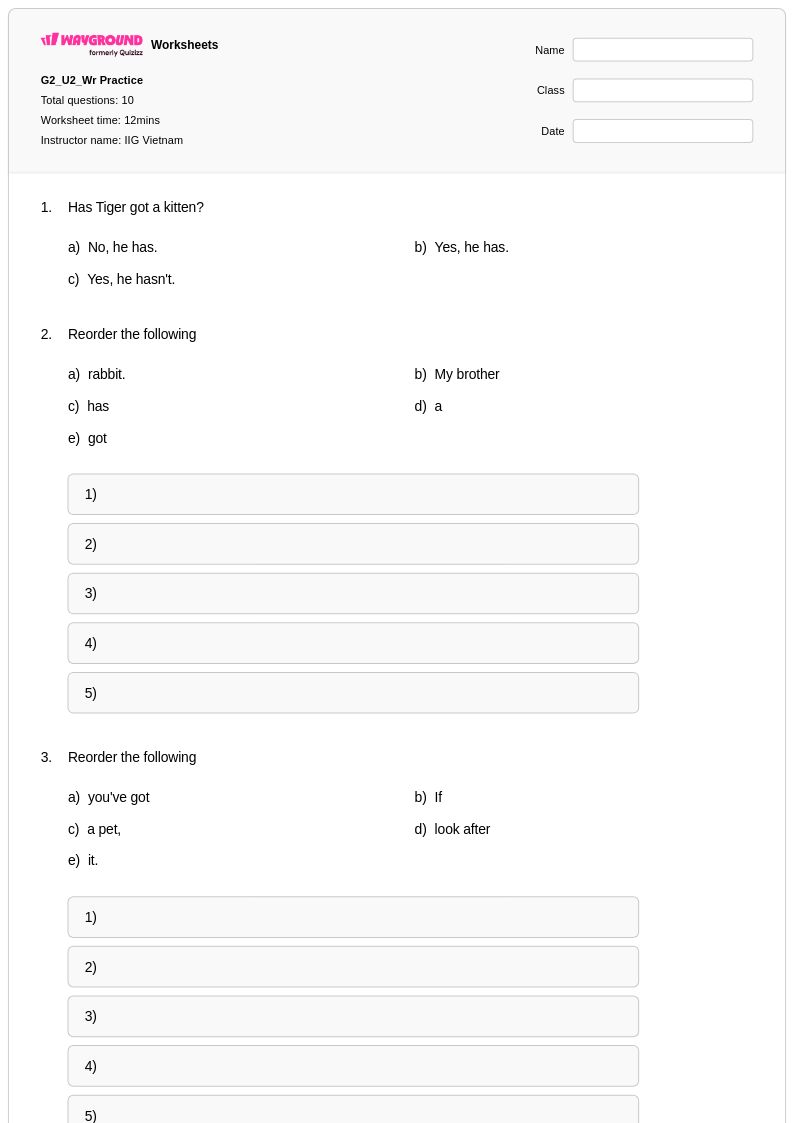
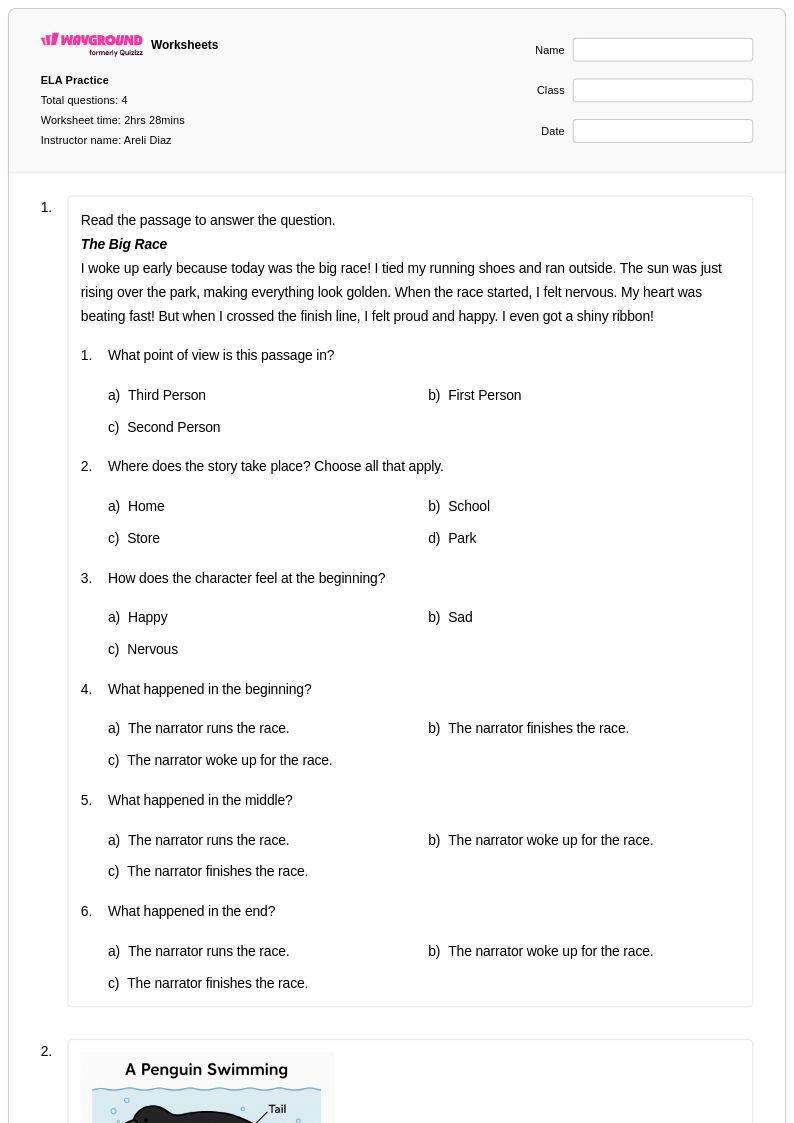
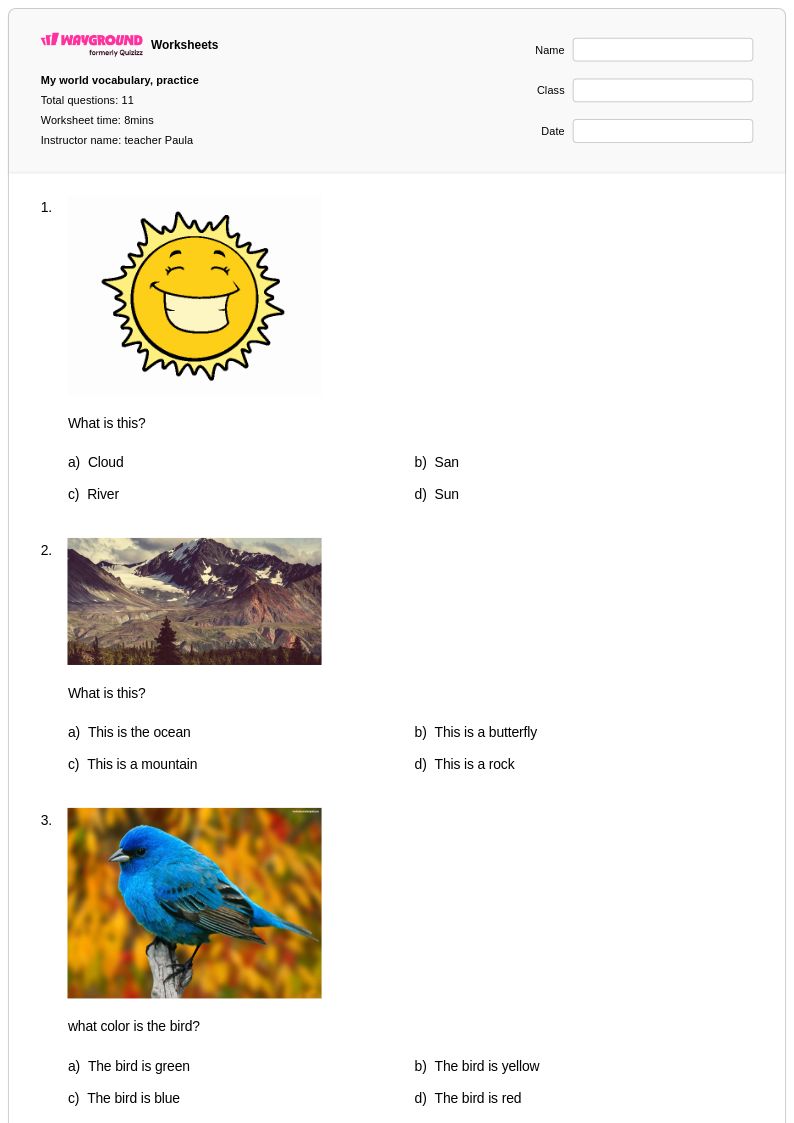
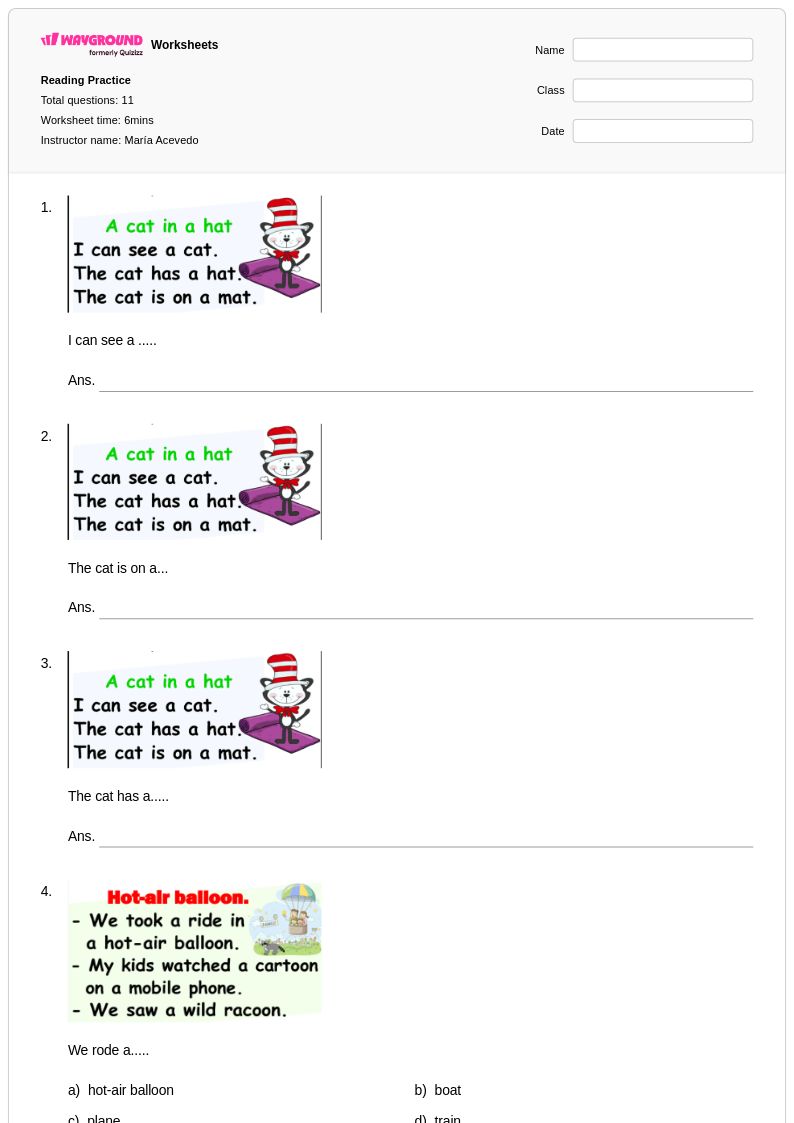
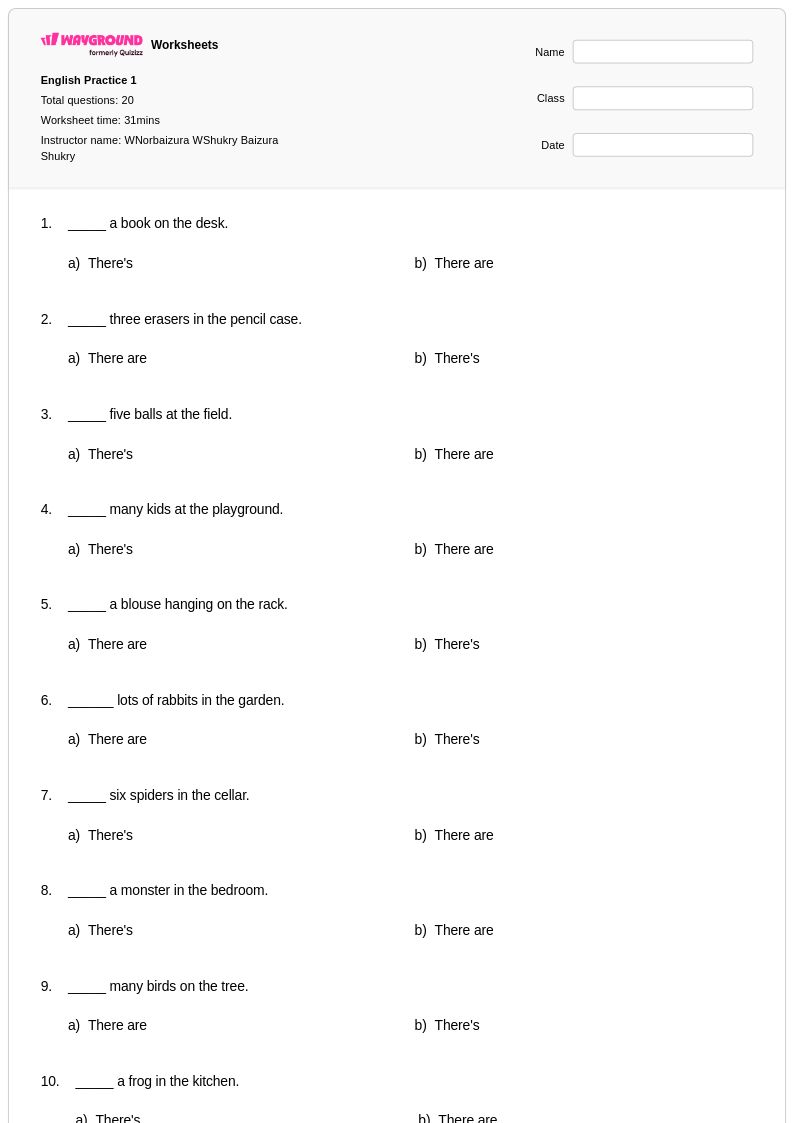
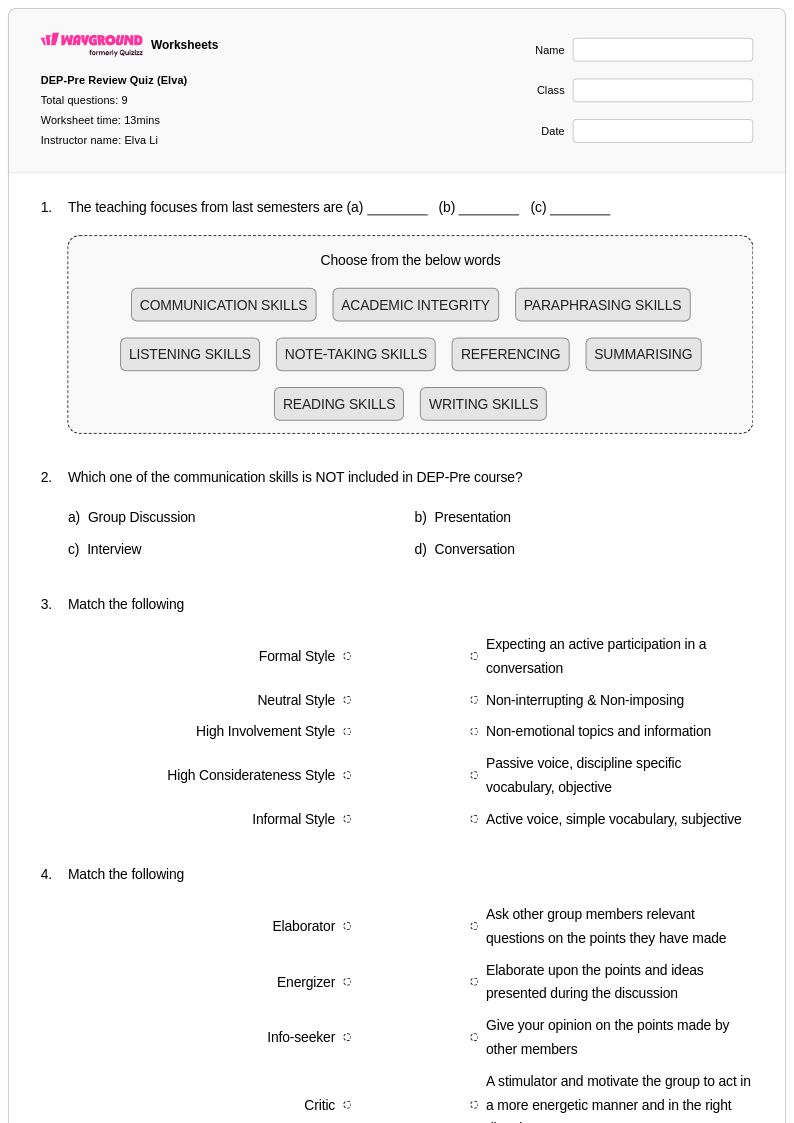
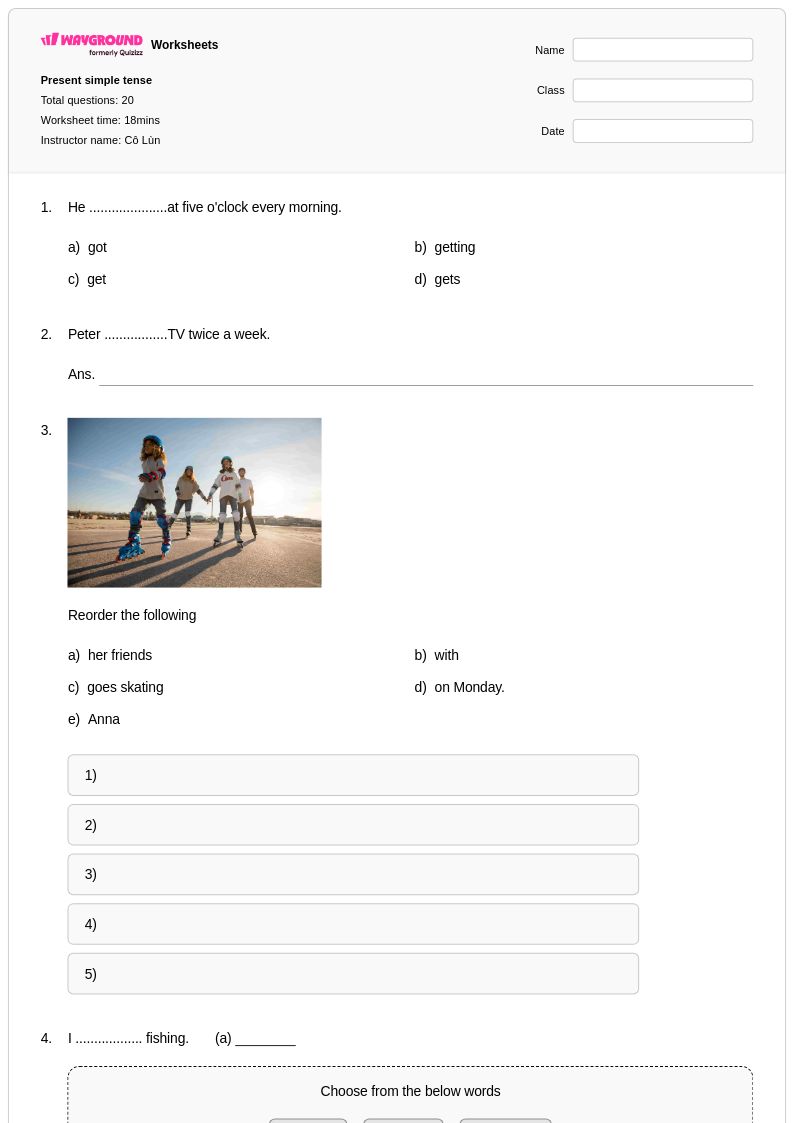
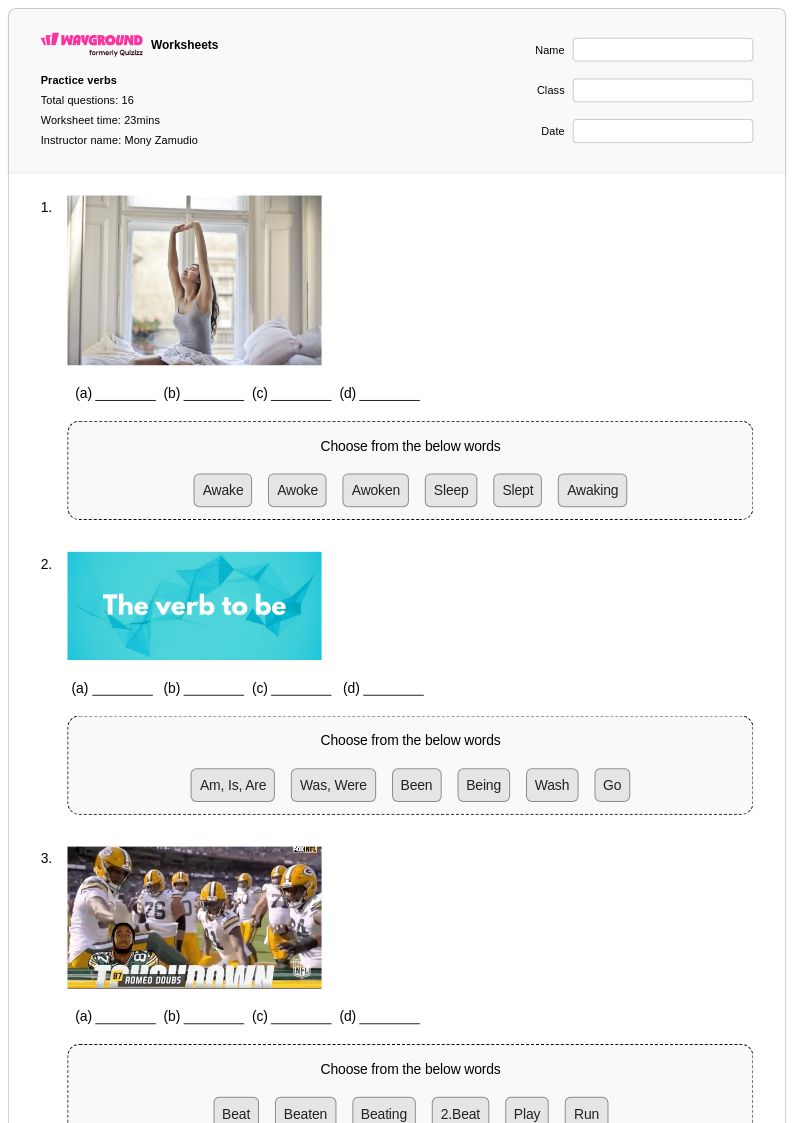
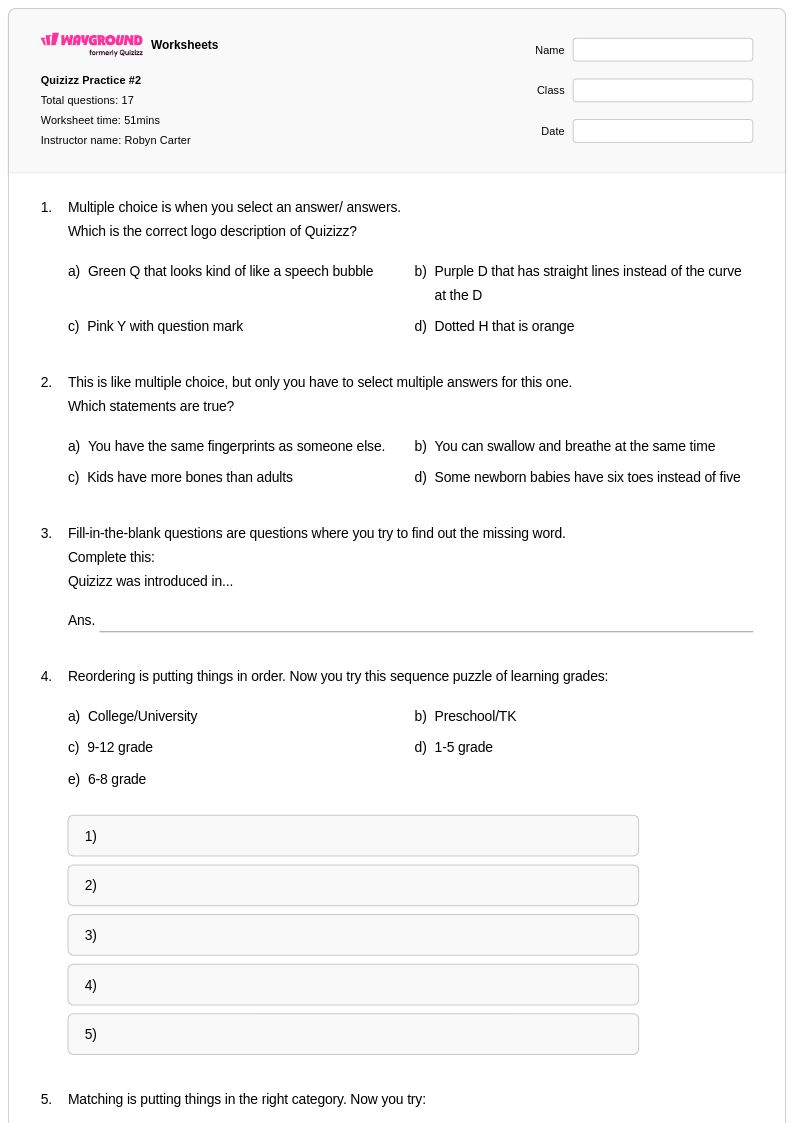
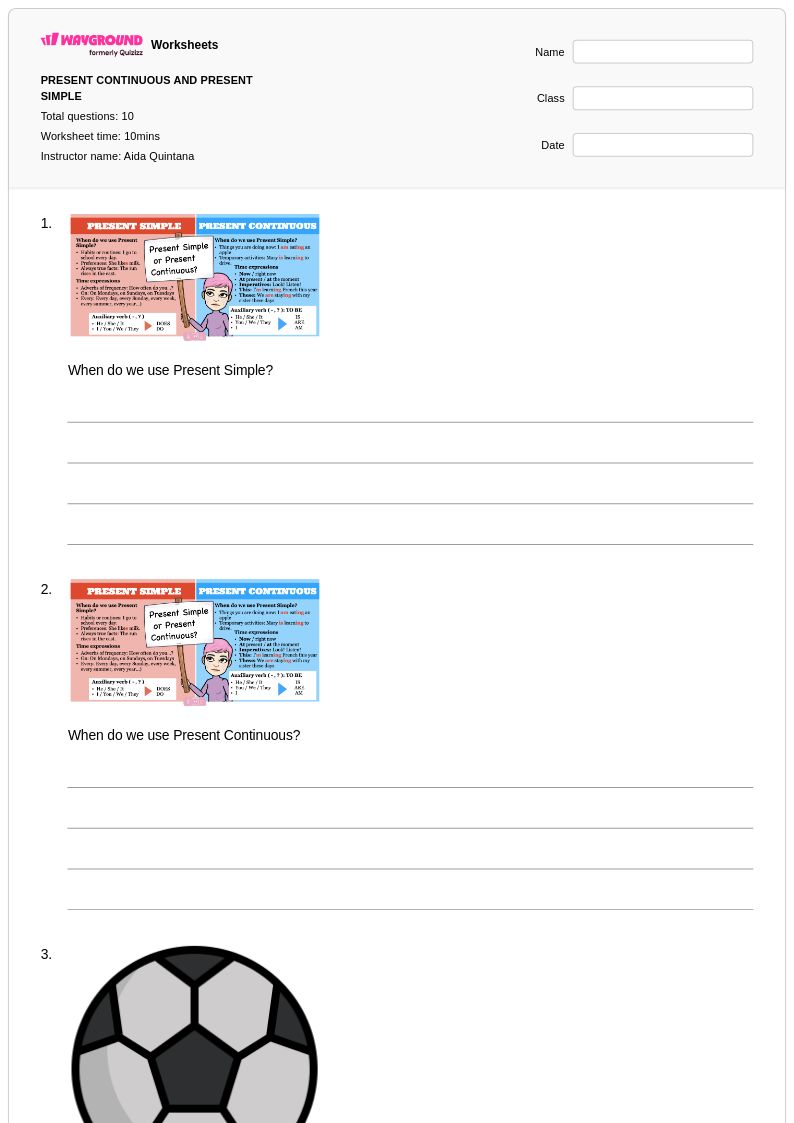
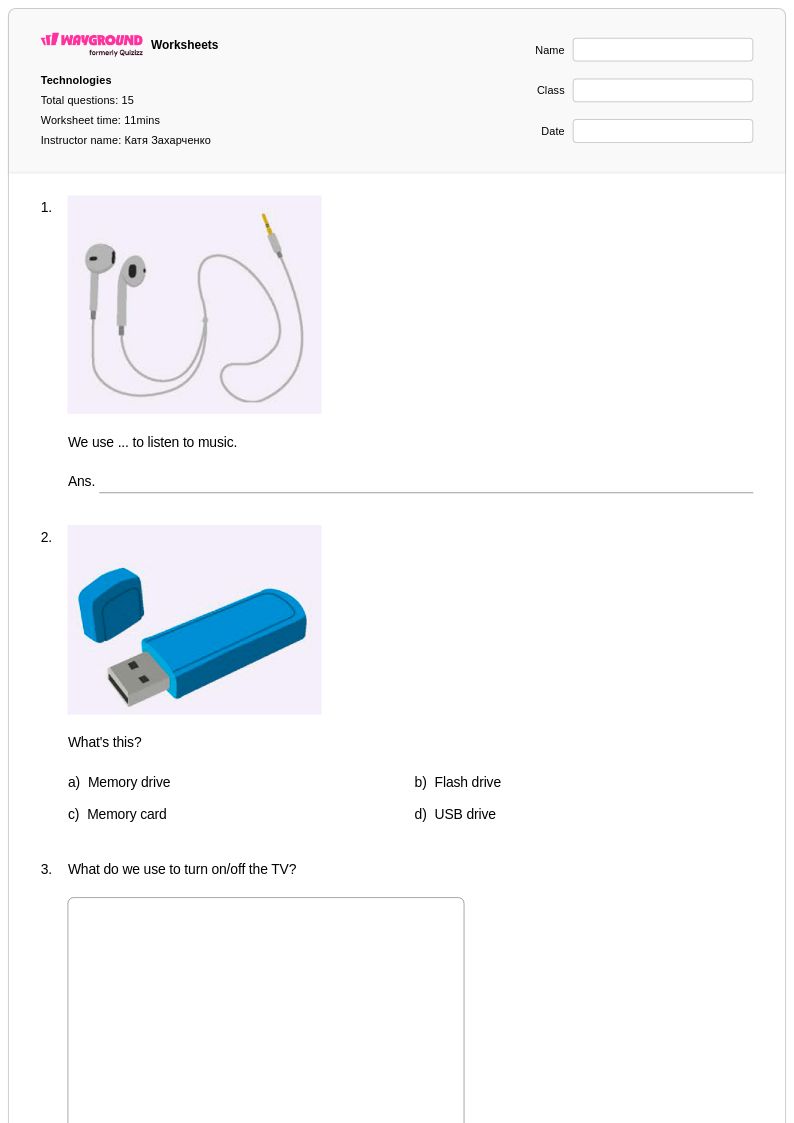
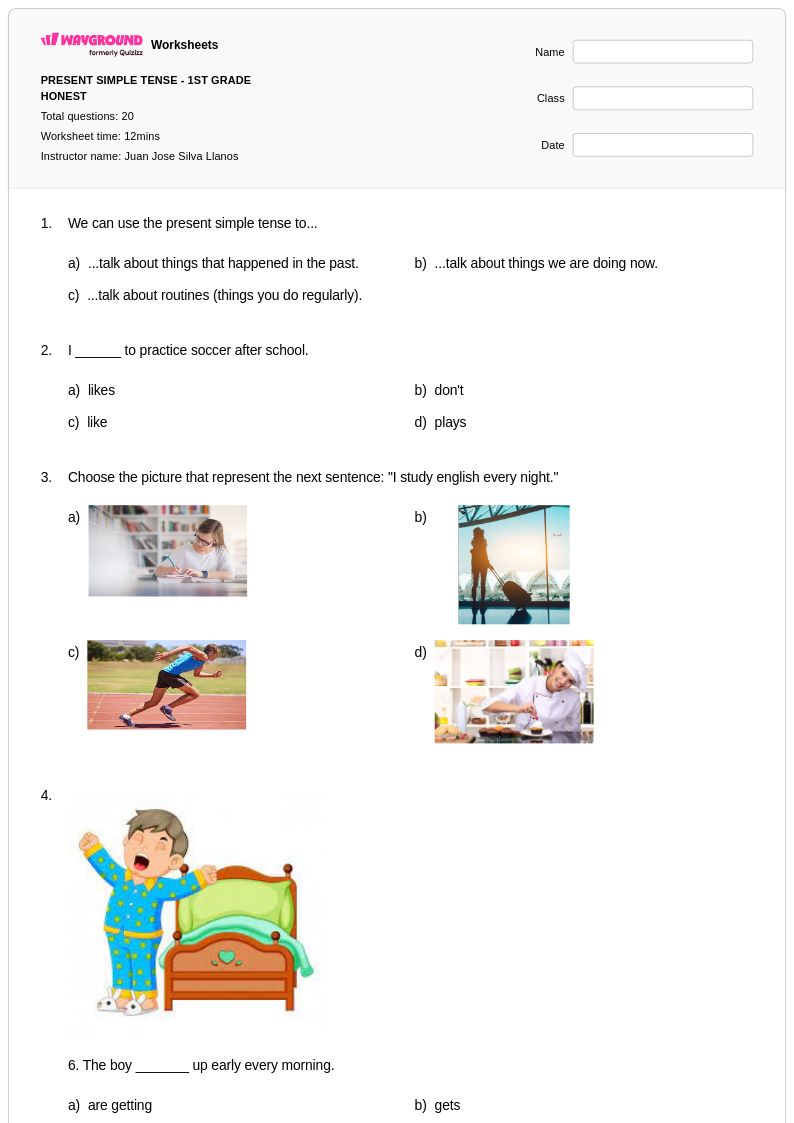
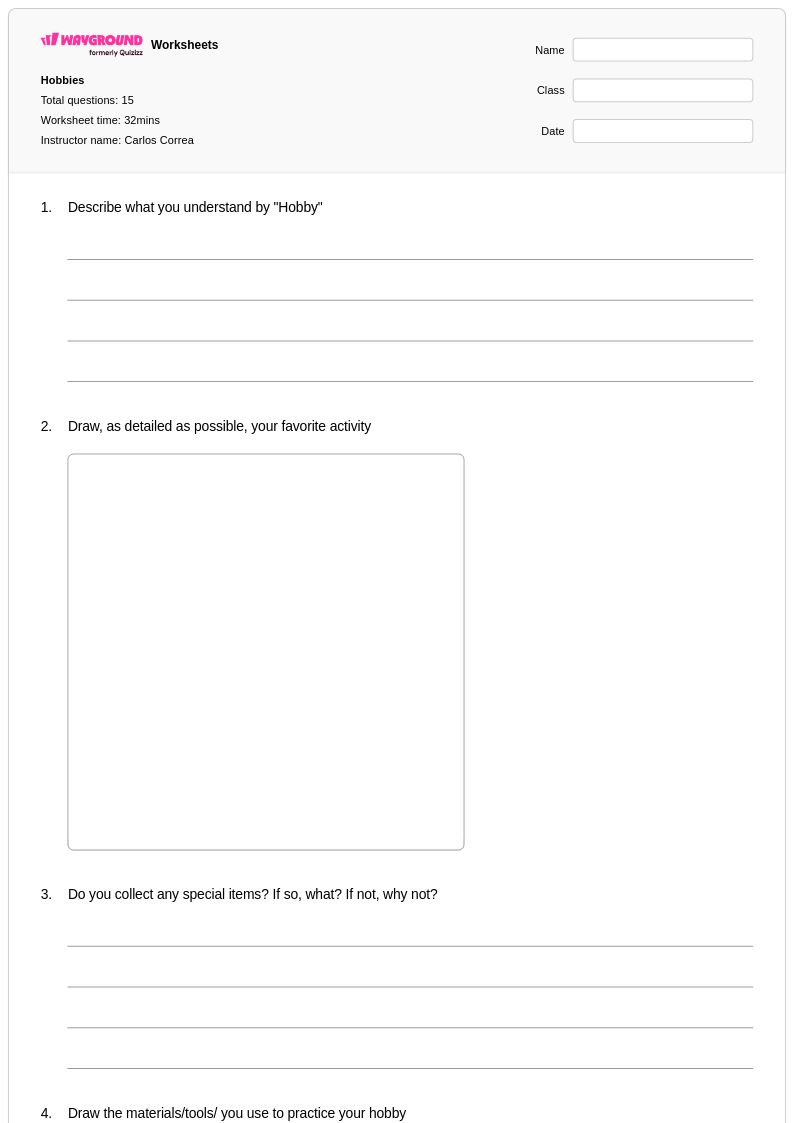
Printing practice worksheets for Year 1 students available through Wayground (formerly Quizizz) provide essential foundational support for developing proper letter formation and handwriting skills. These carefully designed printables focus on helping young learners master the correct strokes, spacing, and alignment needed for clear, legible writing. Each worksheet collection includes systematic practice problems that progress from basic letter tracing to independent letter formation, with answer keys provided to support both classroom instruction and home practice. The free pdf resources cover uppercase and lowercase letters, numbers, and simple words, allowing students to build muscle memory and confidence through repetitive, structured practice that reinforces proper printing techniques.
Wayground (formerly Quizizz) empowers teachers with access to millions of educator-created printing practice resources that can be easily searched, filtered, and customized to meet diverse classroom needs. The platform's comprehensive worksheet collections support standards-aligned instruction while offering differentiation tools that allow teachers to modify content for varying skill levels within their Year 1 classrooms. Available in both printable and digital formats including downloadable pdfs, these resources streamline lesson planning and provide flexible options for skill practice, remediation, and enrichment activities. Teachers can efficiently locate age-appropriate materials that target specific handwriting challenges, enabling them to provide targeted support that helps students develop the fine motor control and letter recognition skills essential for successful written communication.
FAQs
How do I teach proper letter formation to early writers?
Effective letter formation instruction starts with explicit modeling of stroke sequence and pencil grip before students attempt independent practice. Group letters by shared strokes (e.g., letters that start with a downward pull like l, i, t) so students build muscle memory through pattern recognition rather than learning each letter in isolation. Consistent verbal cues during guided practice, such as narrating strokes aloud, help students internalize correct habits before transitioning to independent writing.
What exercises best help students practice printing and handwriting?
Structured tracing activities are the most effective starting point because they guide the hand through correct stroke sequences repeatedly before asking students to write independently. Progressing from letter tracing to copying words and then writing complete sentences in a controlled format ensures skills build incrementally. Worksheets that incorporate consistent baseline and cap-height guidelines are especially useful because they help students internalize letter size and spacing through repetition.
What are the most common handwriting mistakes students make when learning to print?
The most frequent errors include incorrect stroke direction (e.g., drawing circles clockwise instead of counterclockwise), inconsistent letter sizing, and poor spacing between letters and words. Students also commonly reverse letters such as b and d or p and q, which reflects a developmental stage in spatial orientation rather than a reading issue. Identifying these patterns early through structured worksheets allows teachers to provide targeted correction before habits become entrenched.
How can I differentiate printing practice for students at different skill levels?
For emerging writers, start with large-format tracing and dotted-line guides that provide maximum support for stroke formation. Students who have mastered basic letter shapes can move to copy work with reduced scaffolding, while advanced writers benefit from sentence-level practice focused on consistency and spacing. On Wayground, teachers can apply individual accommodations such as read aloud support and reduced answer choices to meet each student's needs, while the rest of the class continues with standard settings.
How do I use Wayground's printing practice worksheets in my classroom?
Wayground's printing practice worksheets are available as printable PDFs for traditional pencil-and-paper practice and in digital formats for technology-integrated learning environments, including the option to host them as a quiz directly on Wayground. Teachers can use the printable versions for daily warm-ups, guided small-group instruction, or take-home practice, while the digital format supports individual pacing and immediate feedback. Each worksheet includes answer keys, making it straightforward to assess student progress and identify letters or strokes that need reteaching.
How do I assess whether my students are making progress in printing and handwriting?
Progress in handwriting is best assessed through consistent observation of letter formation accuracy, sizing, and spacing over time rather than a single snapshot. Using worksheets with built-in assessment rubrics allows teachers to evaluate stroke sequence, legibility, and line adherence systematically. Collecting dated writing samples at regular intervals gives a clear developmental record that can inform parent communication and decisions about targeted remediation.