
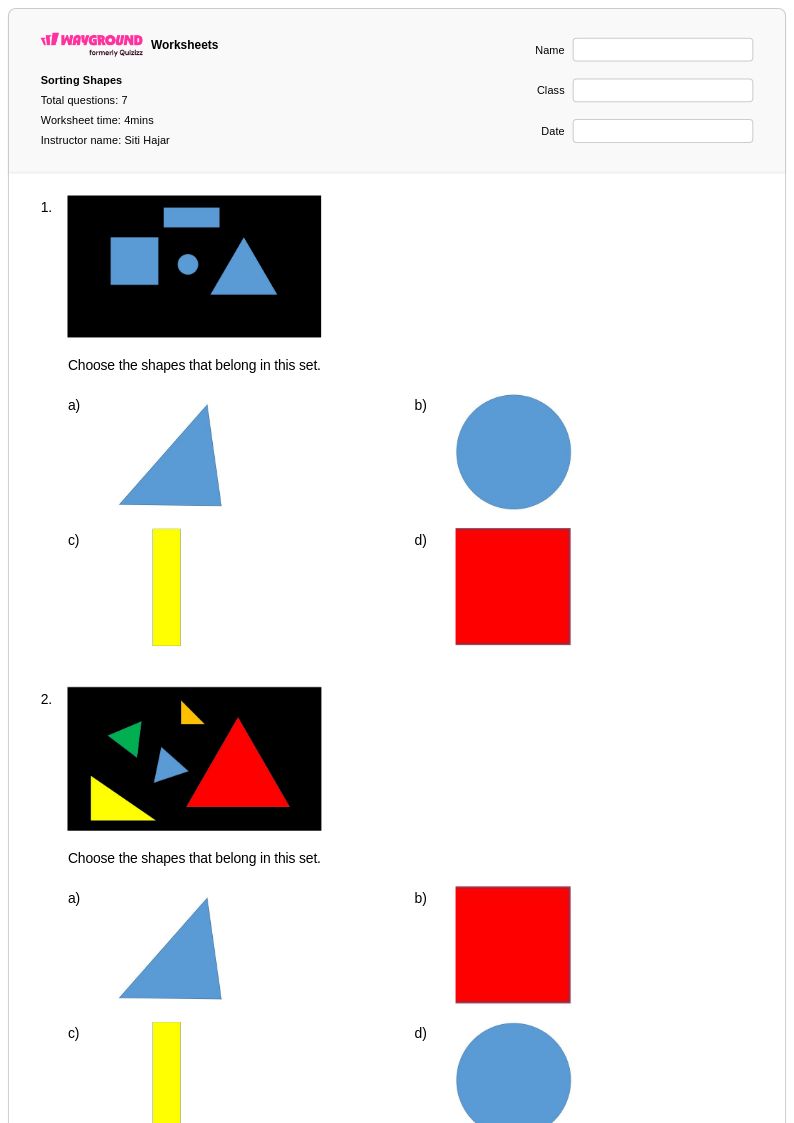
7 Q
KG - 2nd
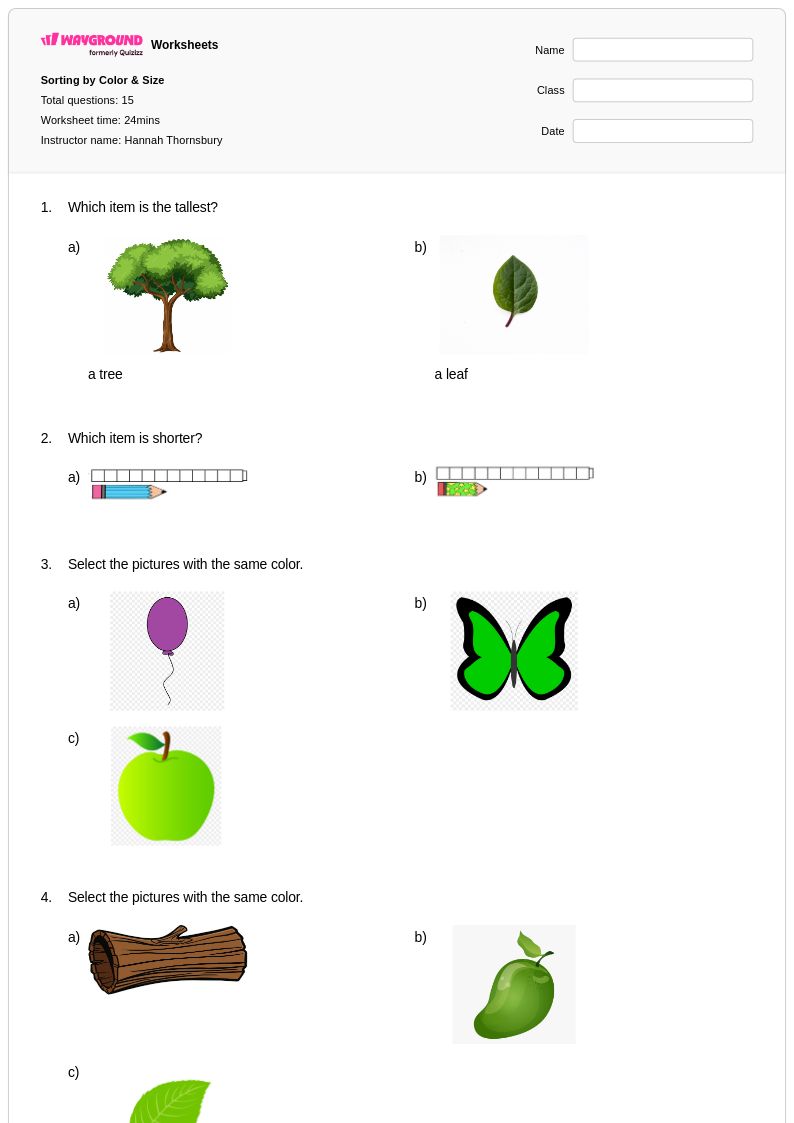
15 Q
KG
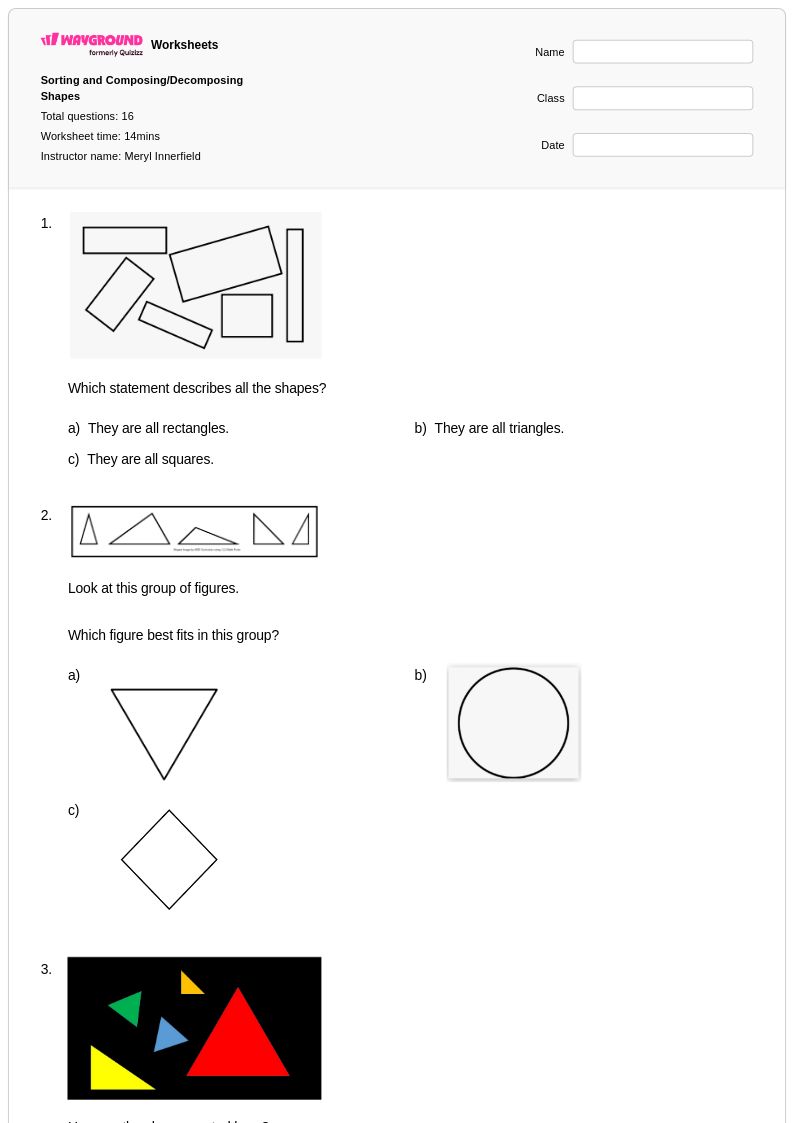
16 Q
1st
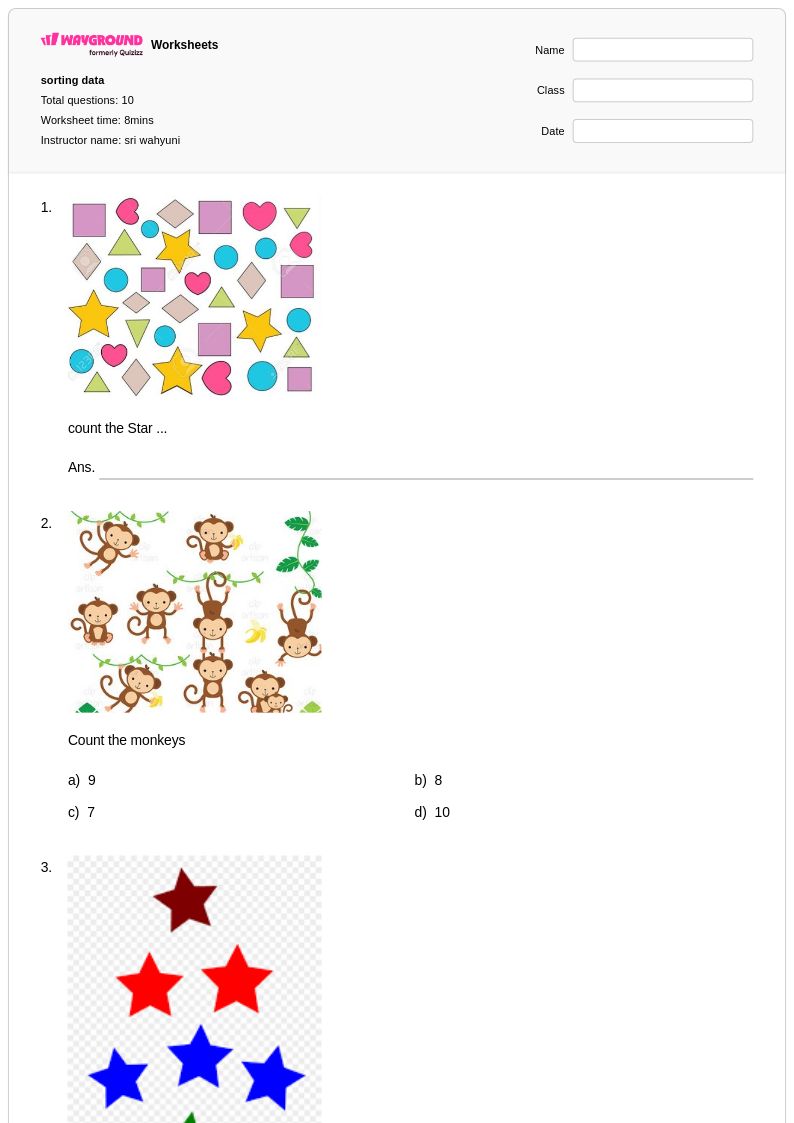
10 Q
KG
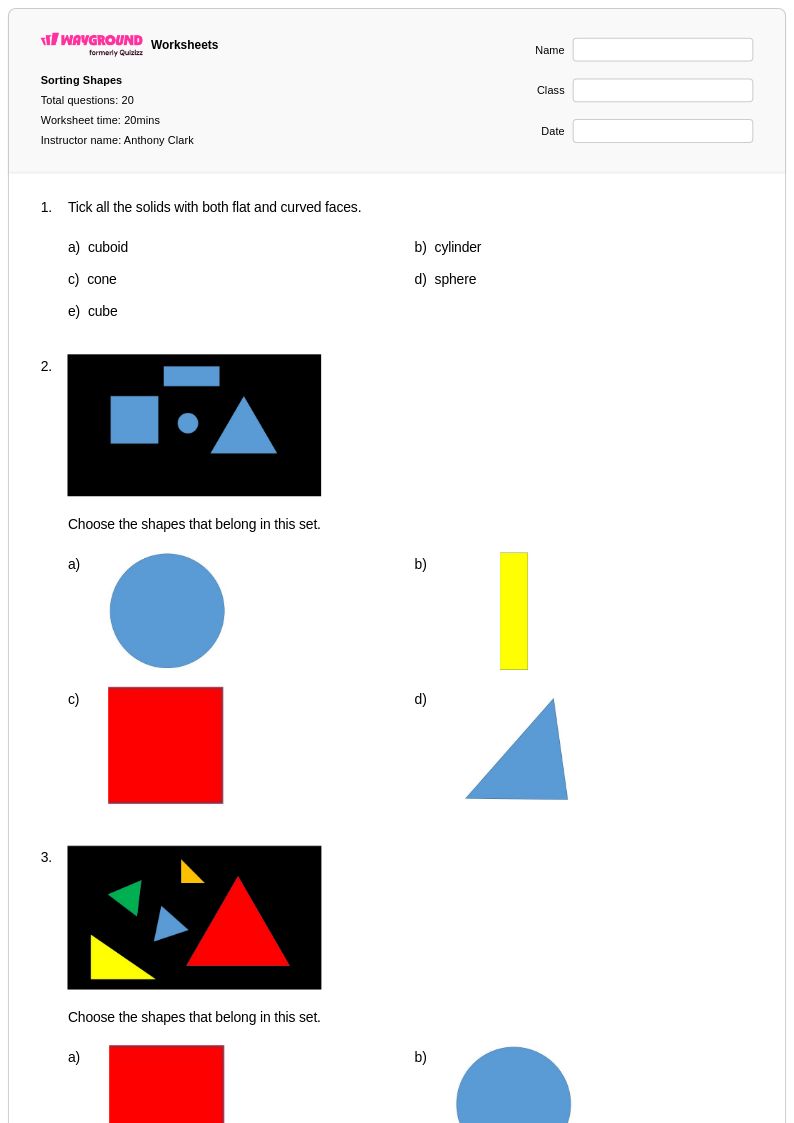
20 Q
1st - Uni
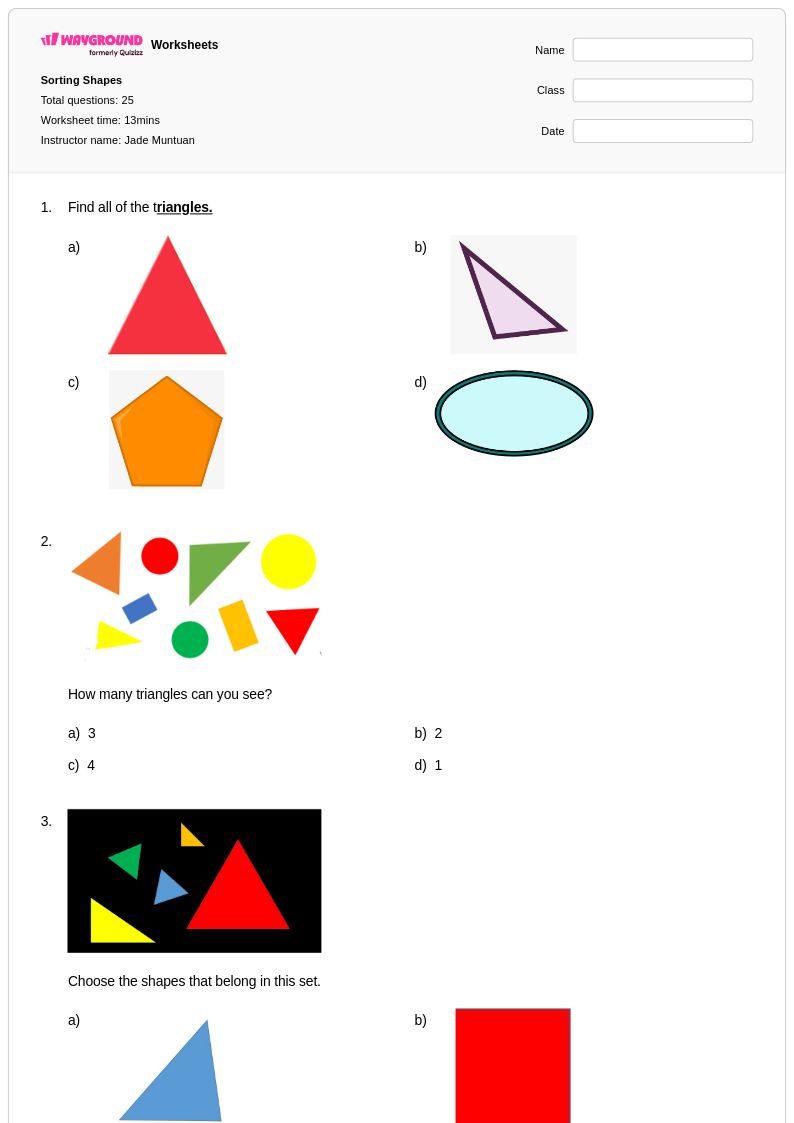
25 Q
1st
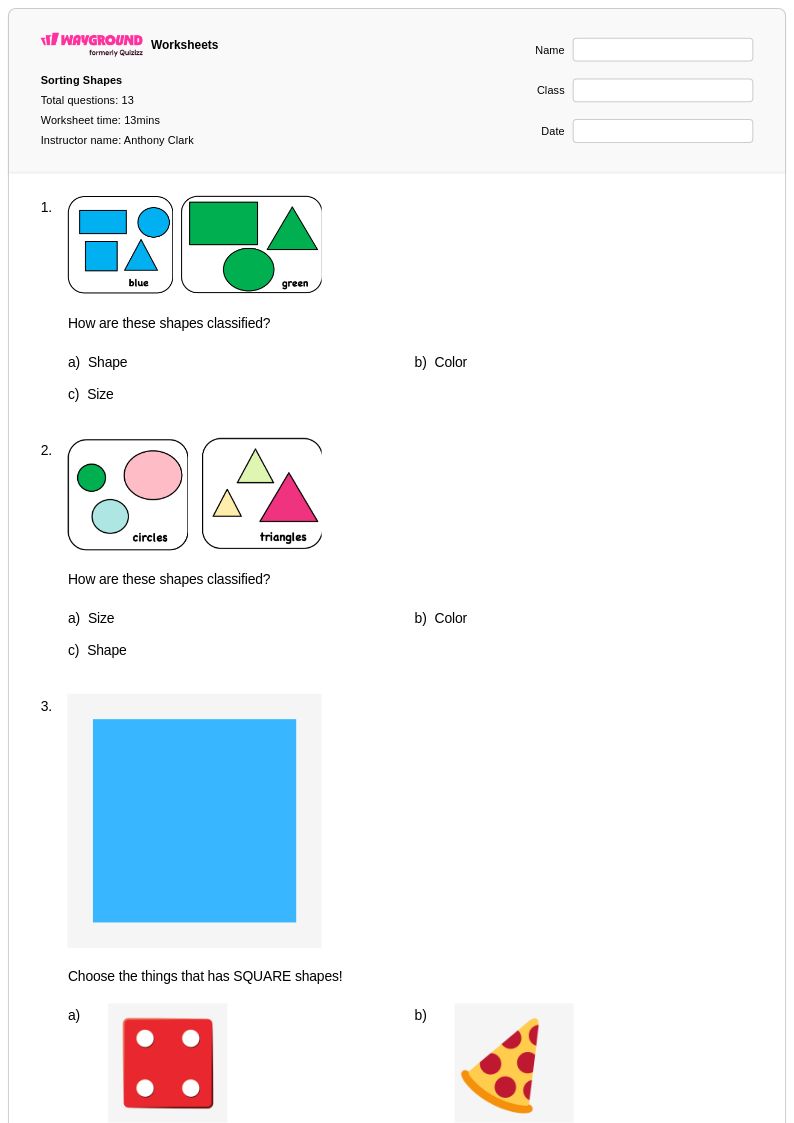
13 Q
1st - Uni
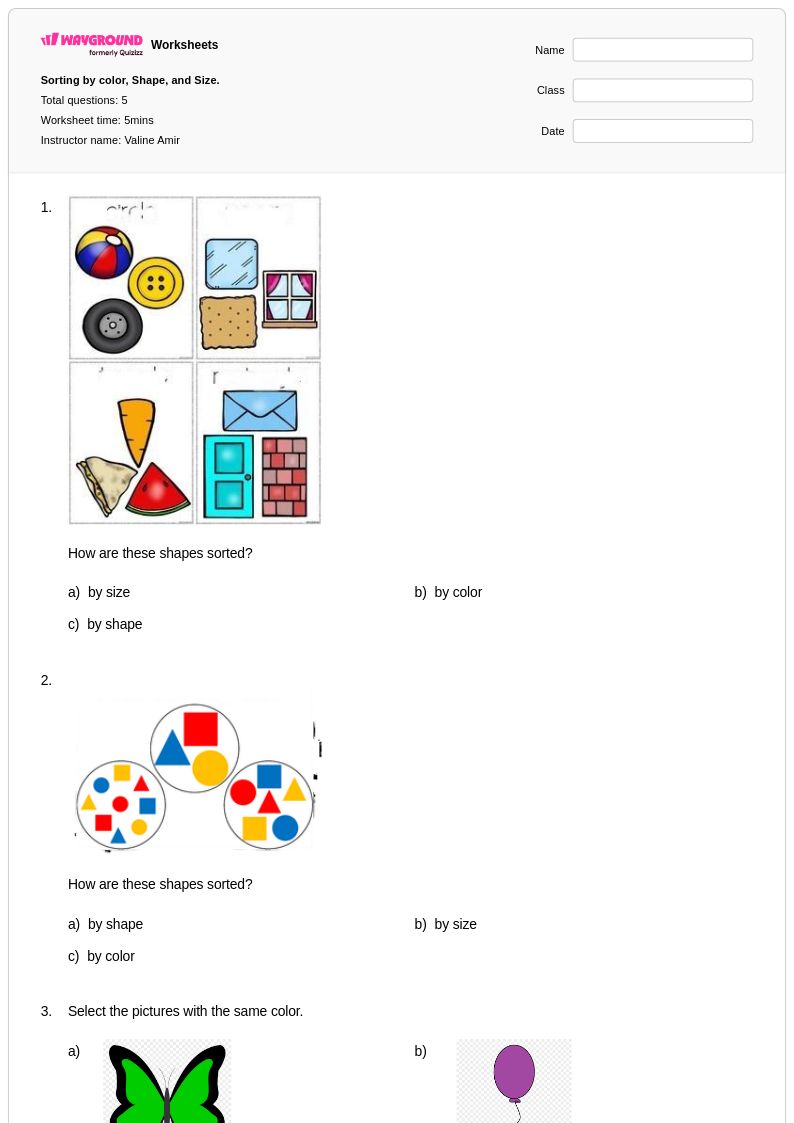
5 Q
KG
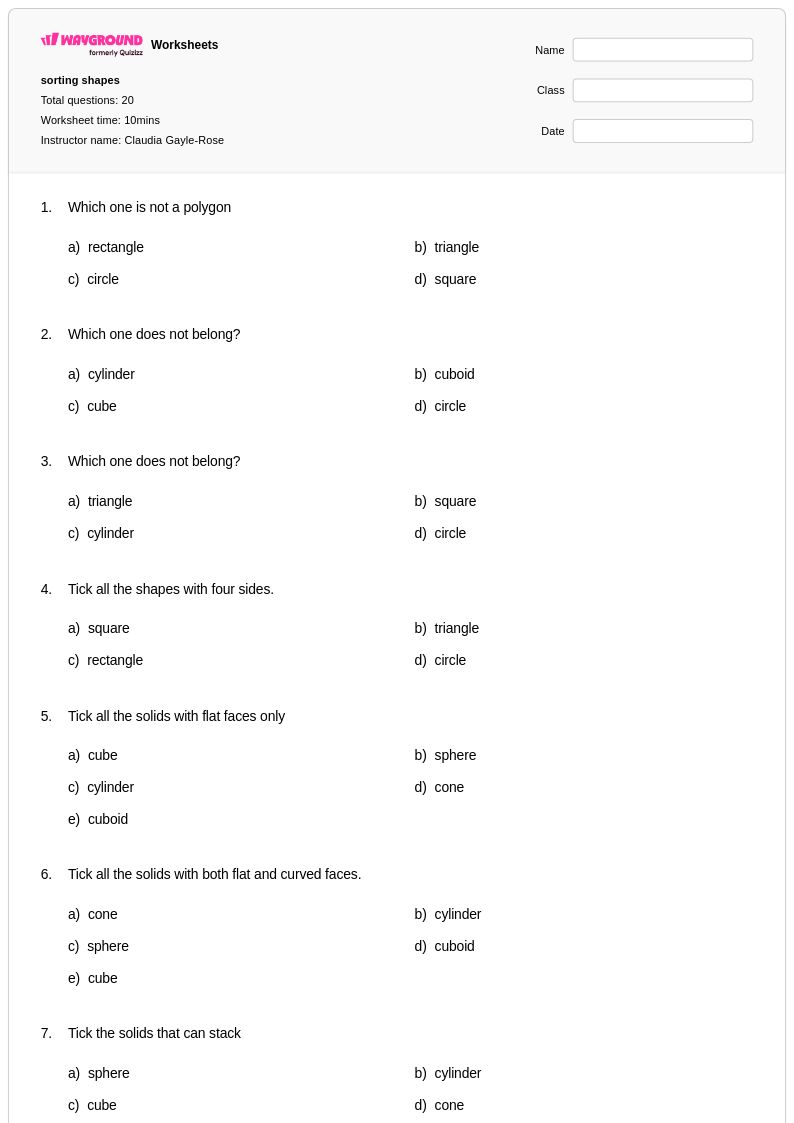
20 Q
1st - 2nd
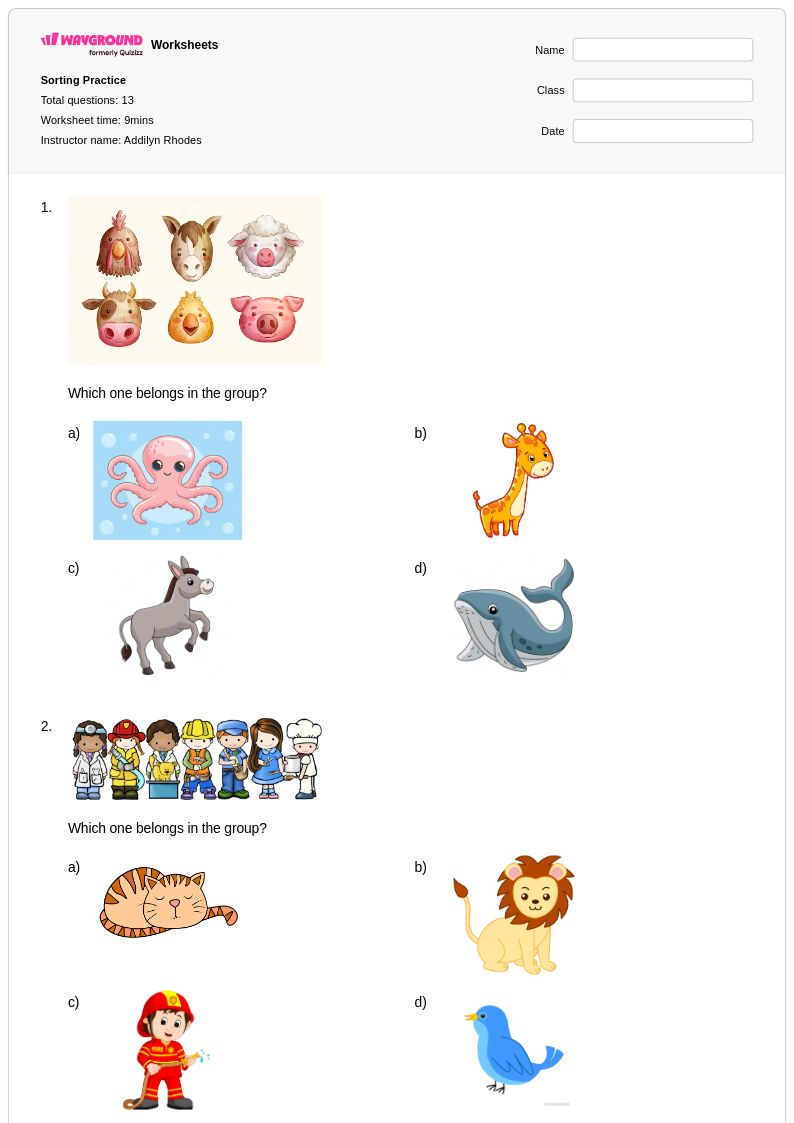
13 Q
KG - Uni
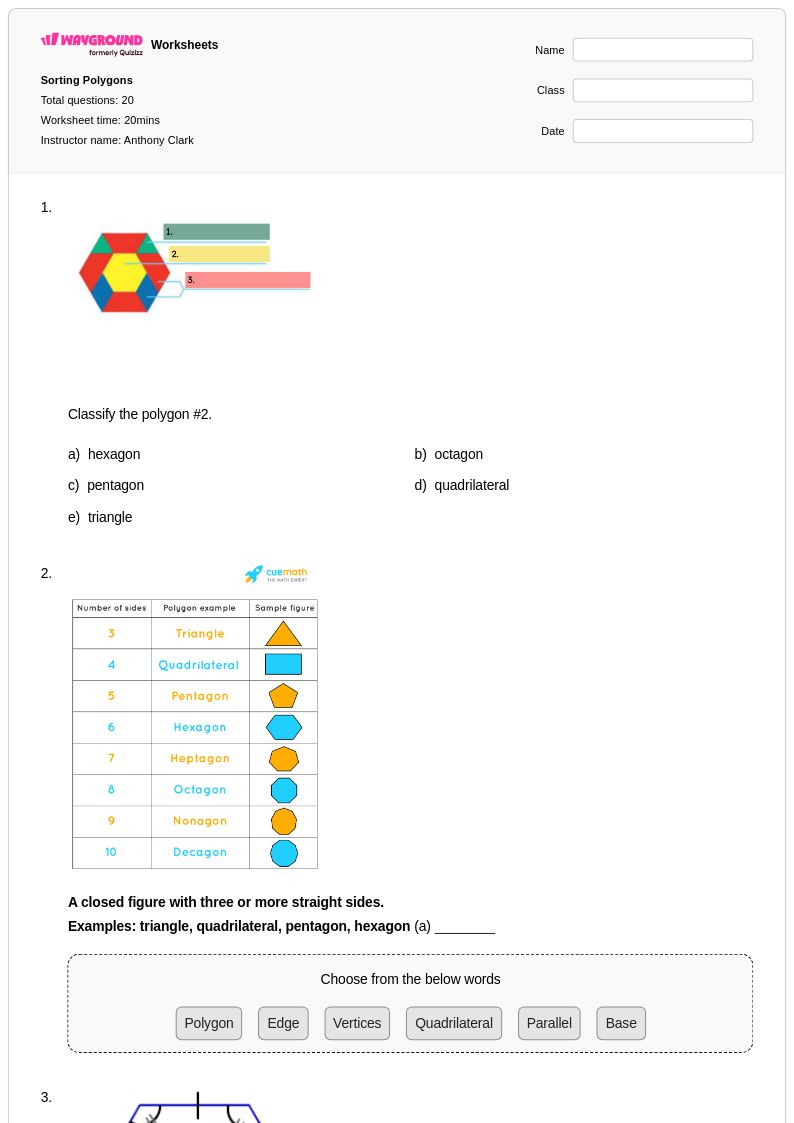
20 Q
4th - Uni
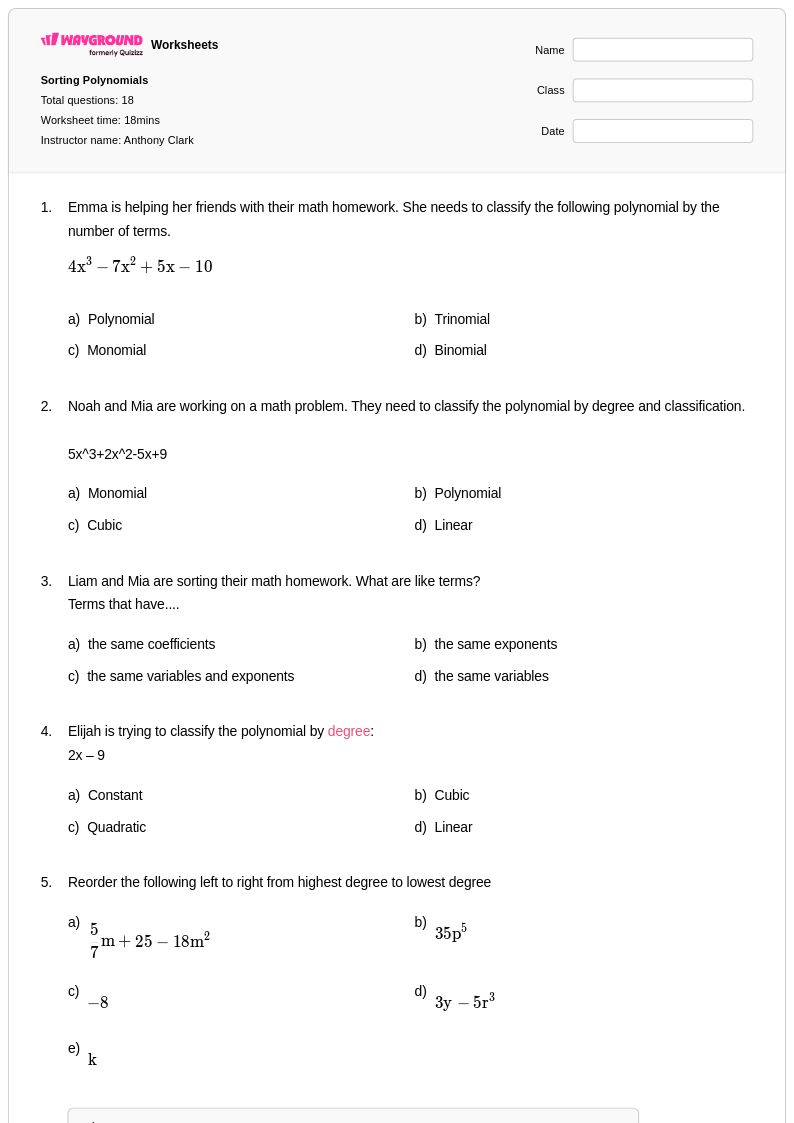
18 Q
9th - Uni
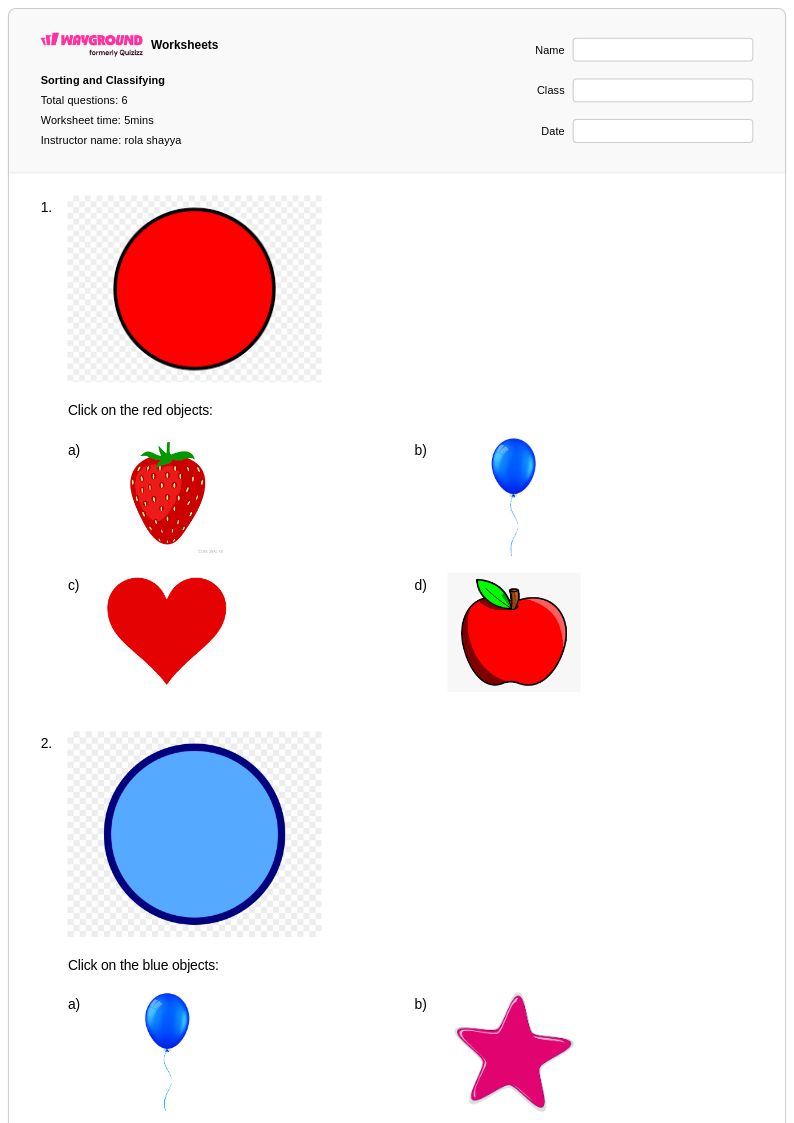
6 Q
KG
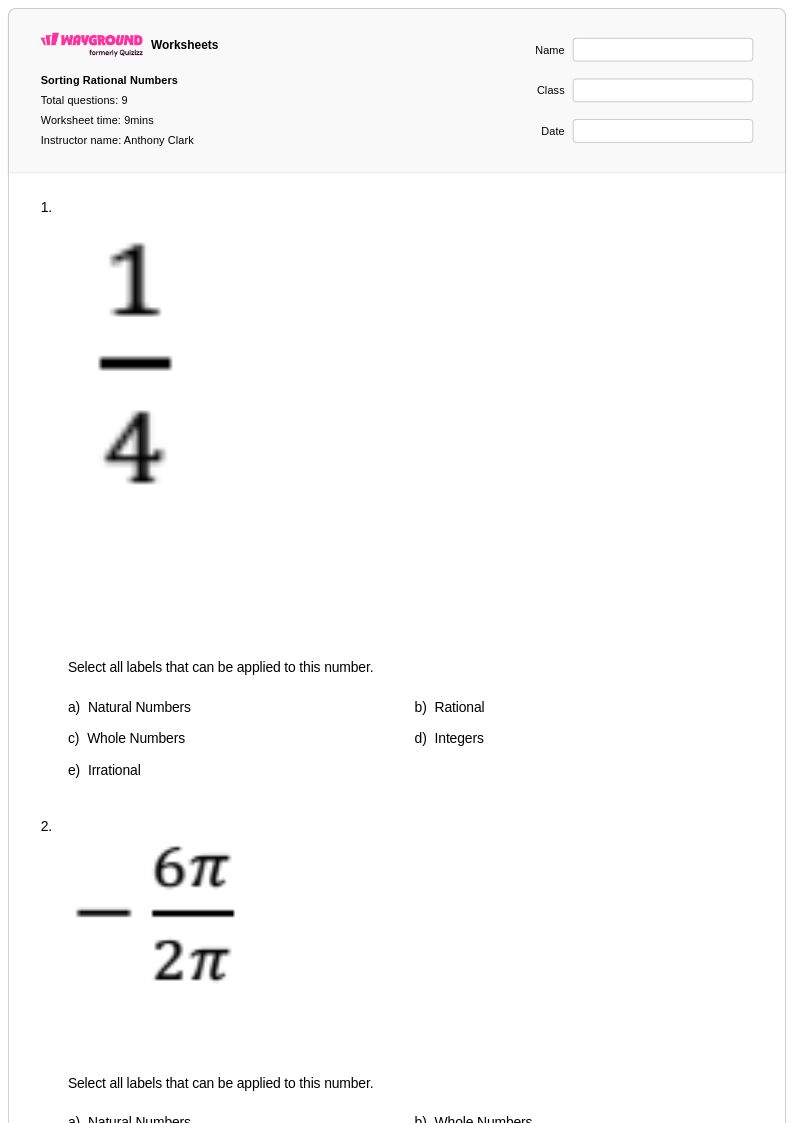
9 Q
7th - Uni
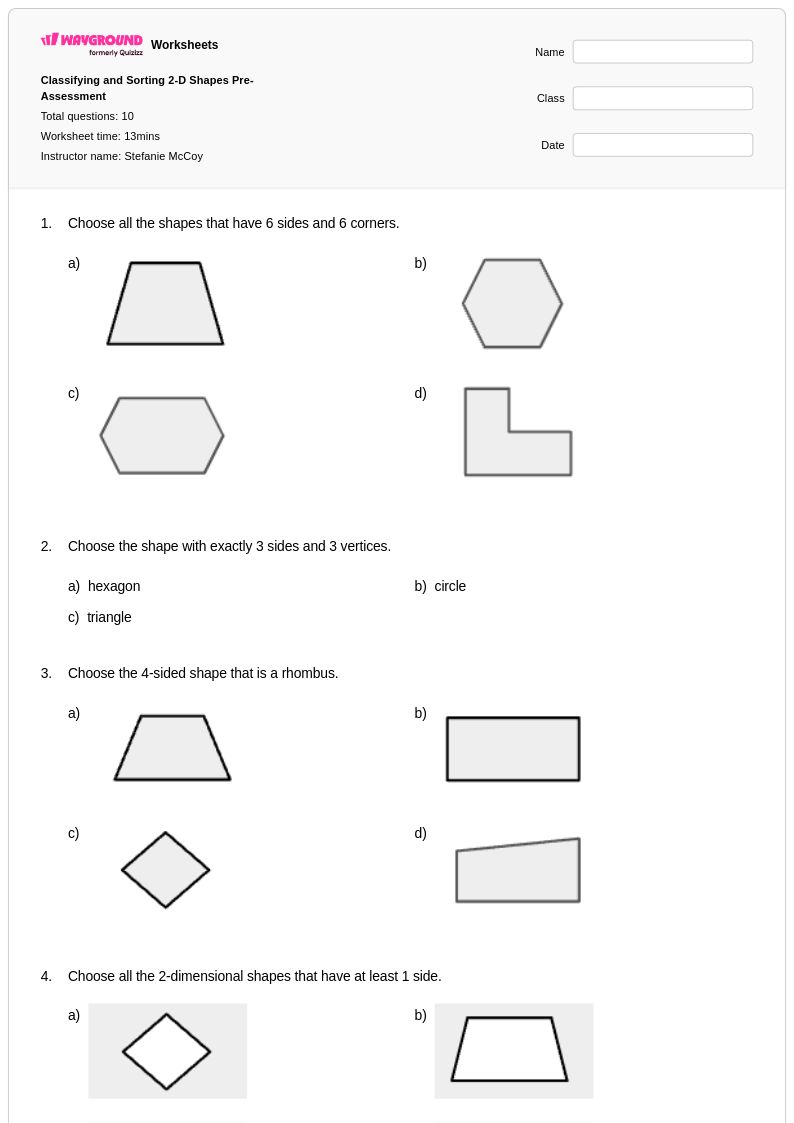
10 Q
1st
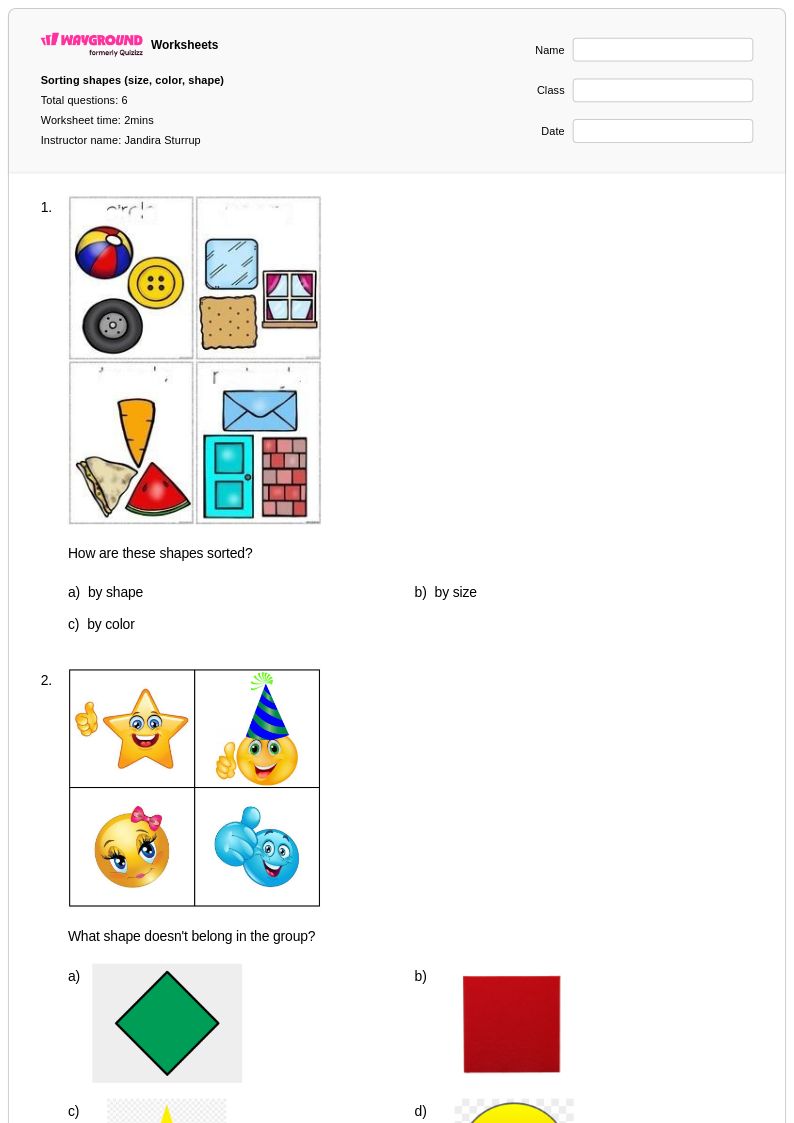
6 Q
KG - 1st
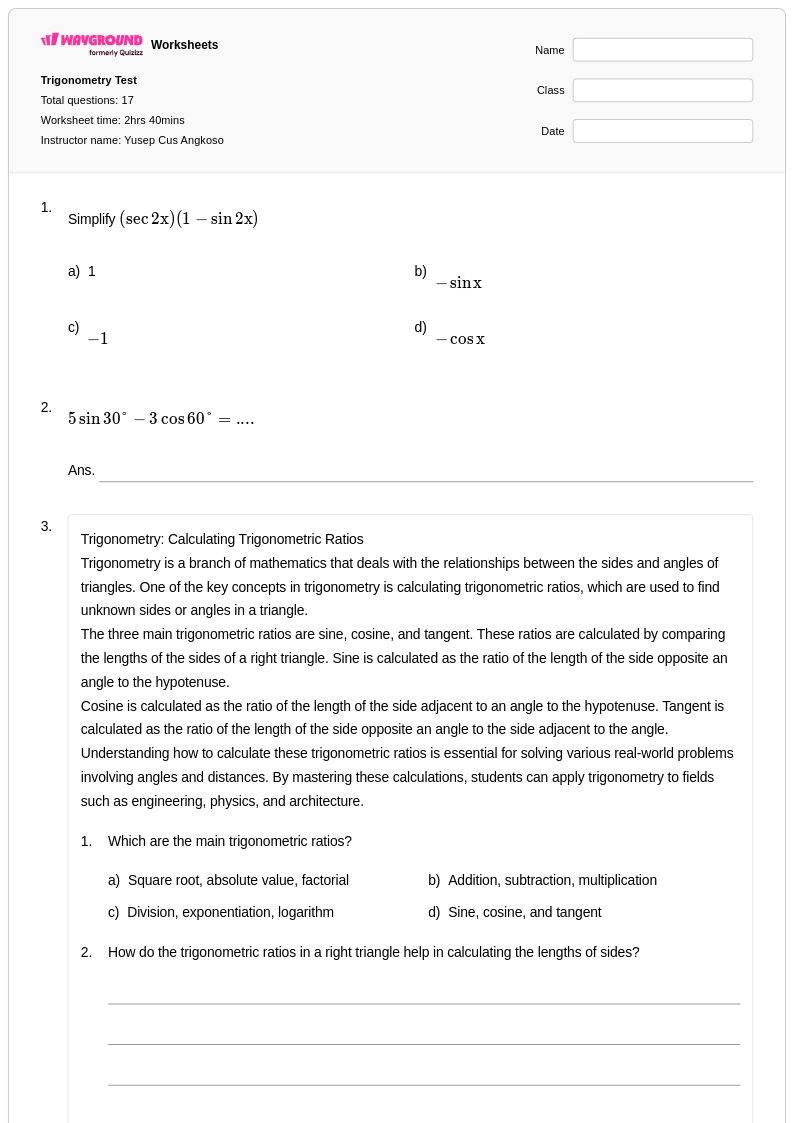
20 Q
10th
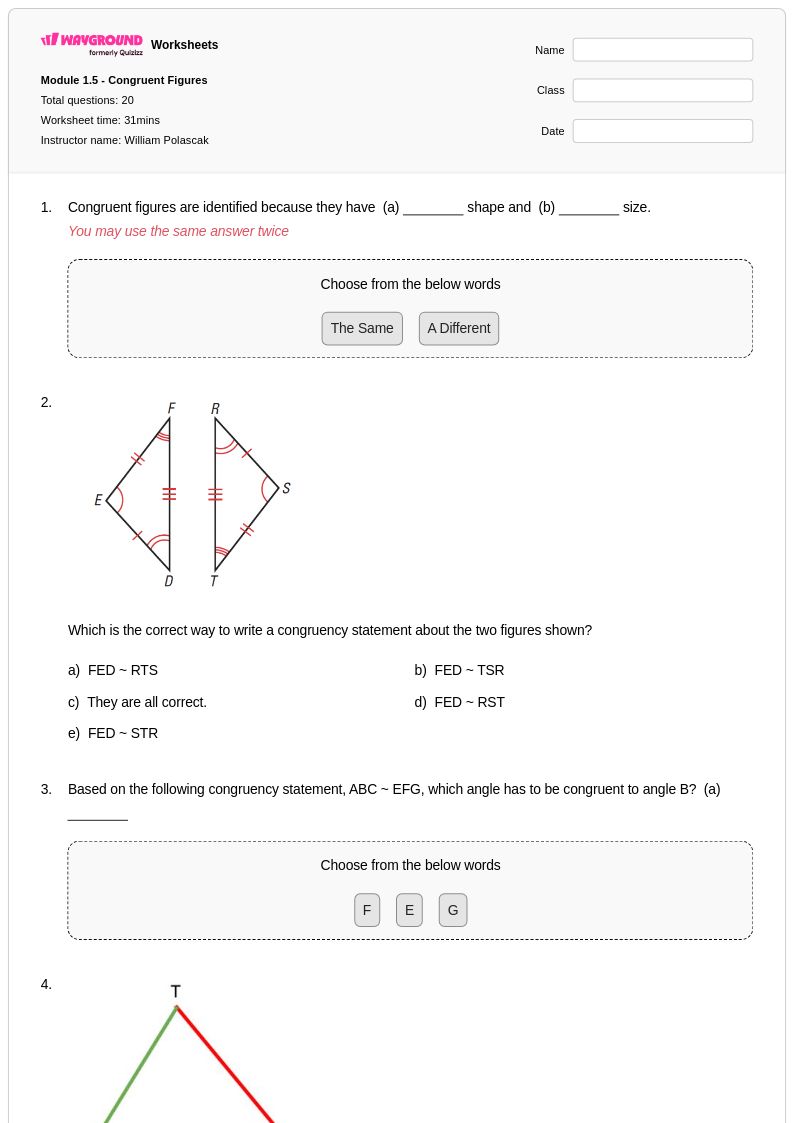
20 Q
8th
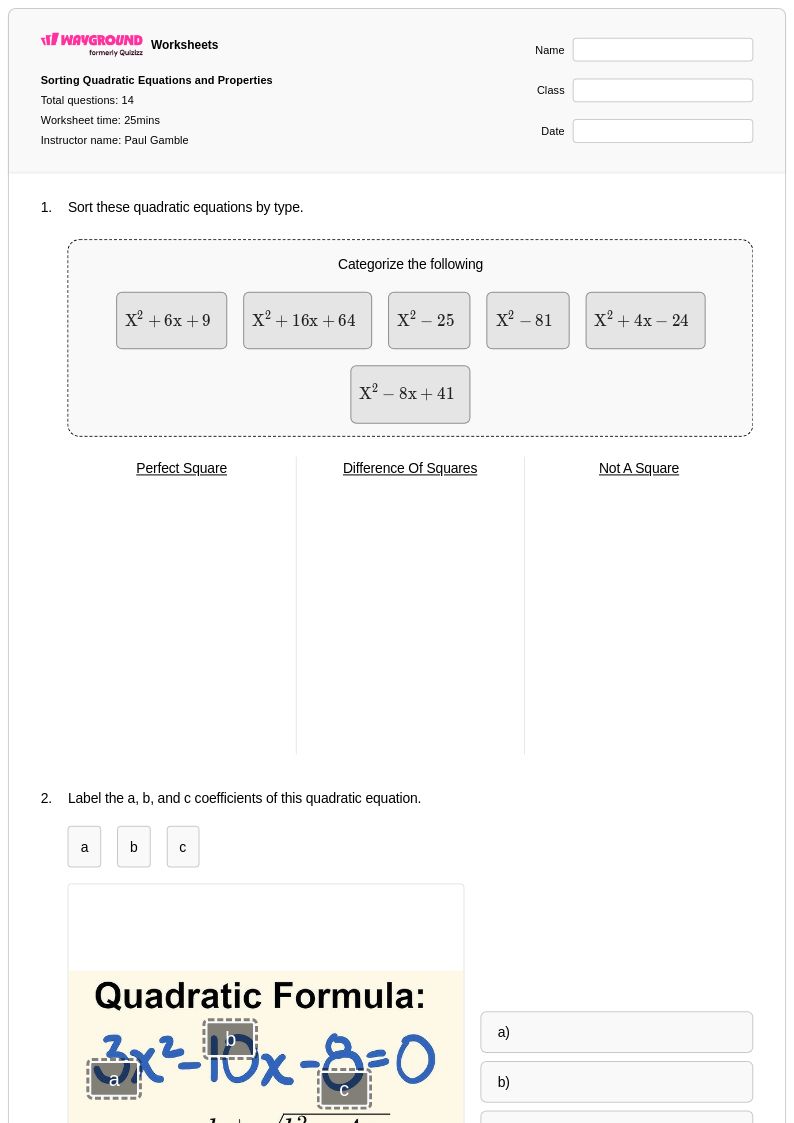
14 Q
9th - 12th
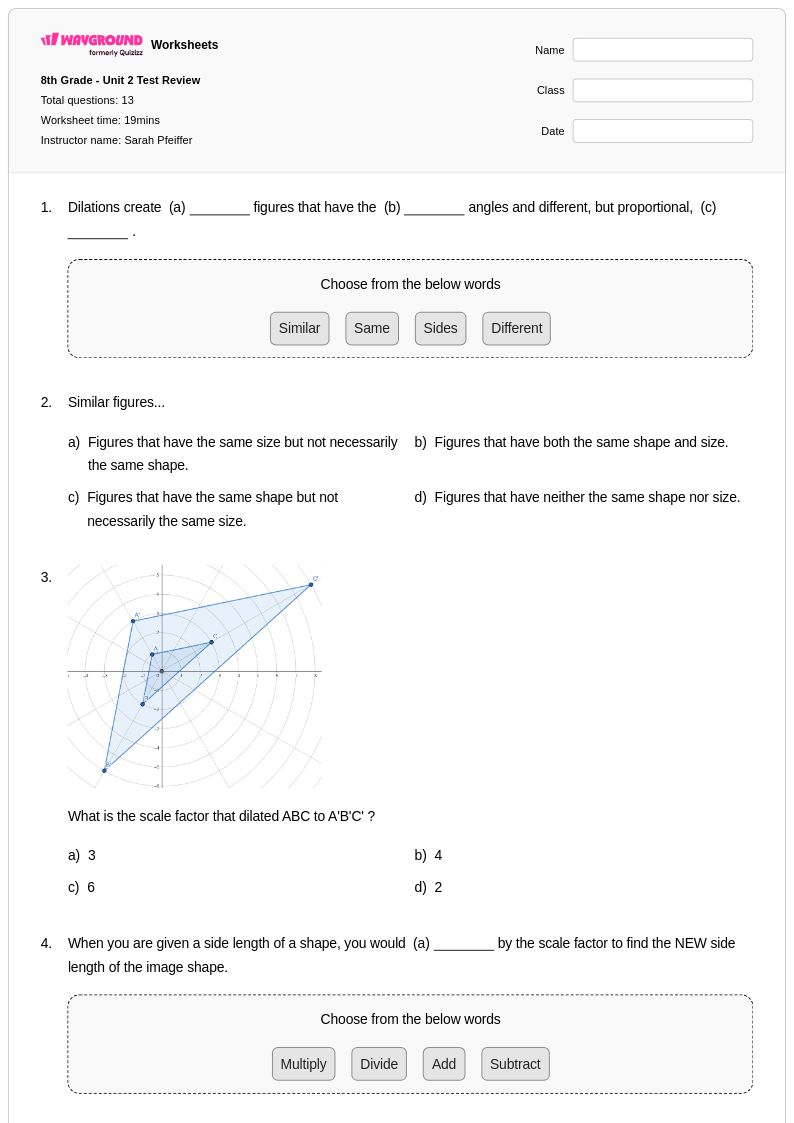
13 Q
8th
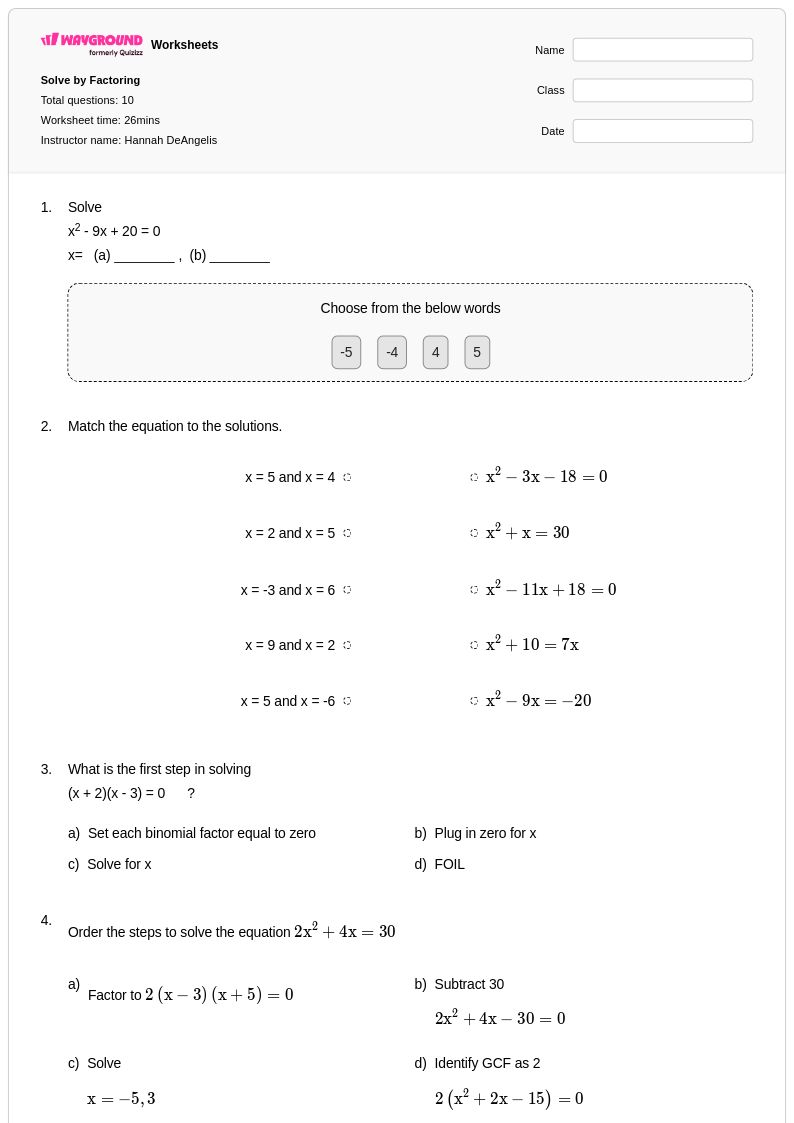
10 Q
9th
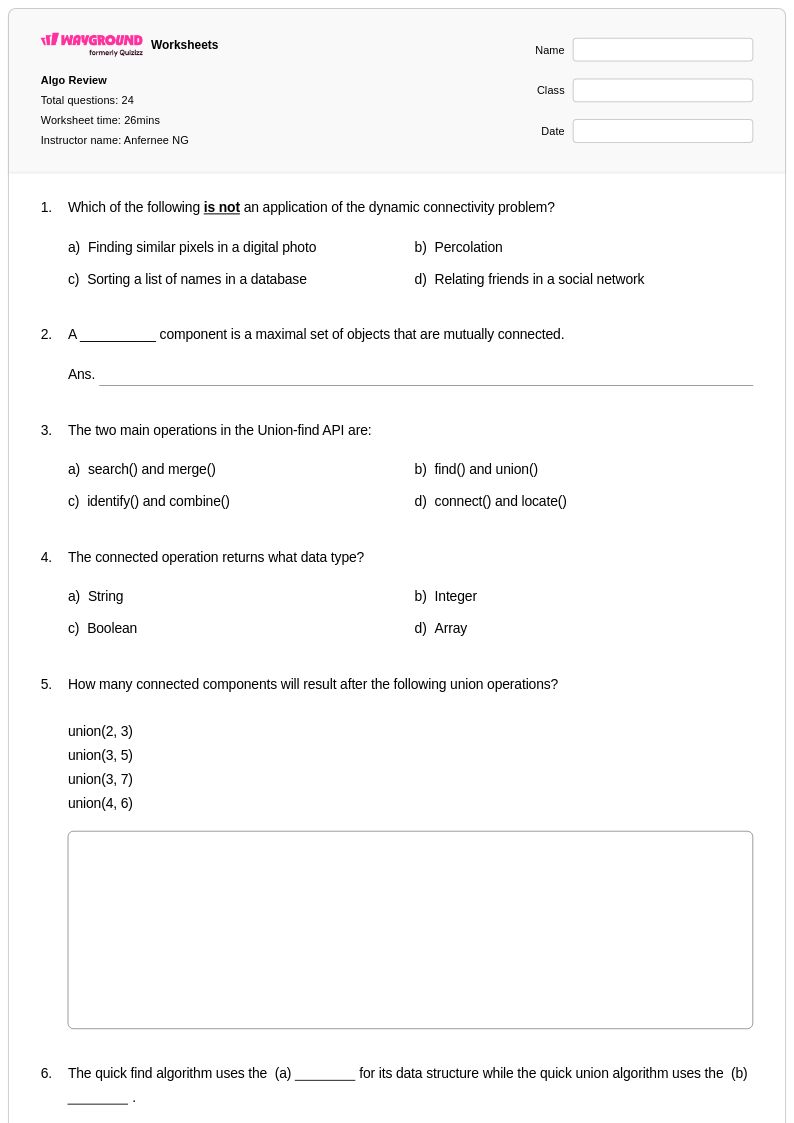
24 Q
Uni
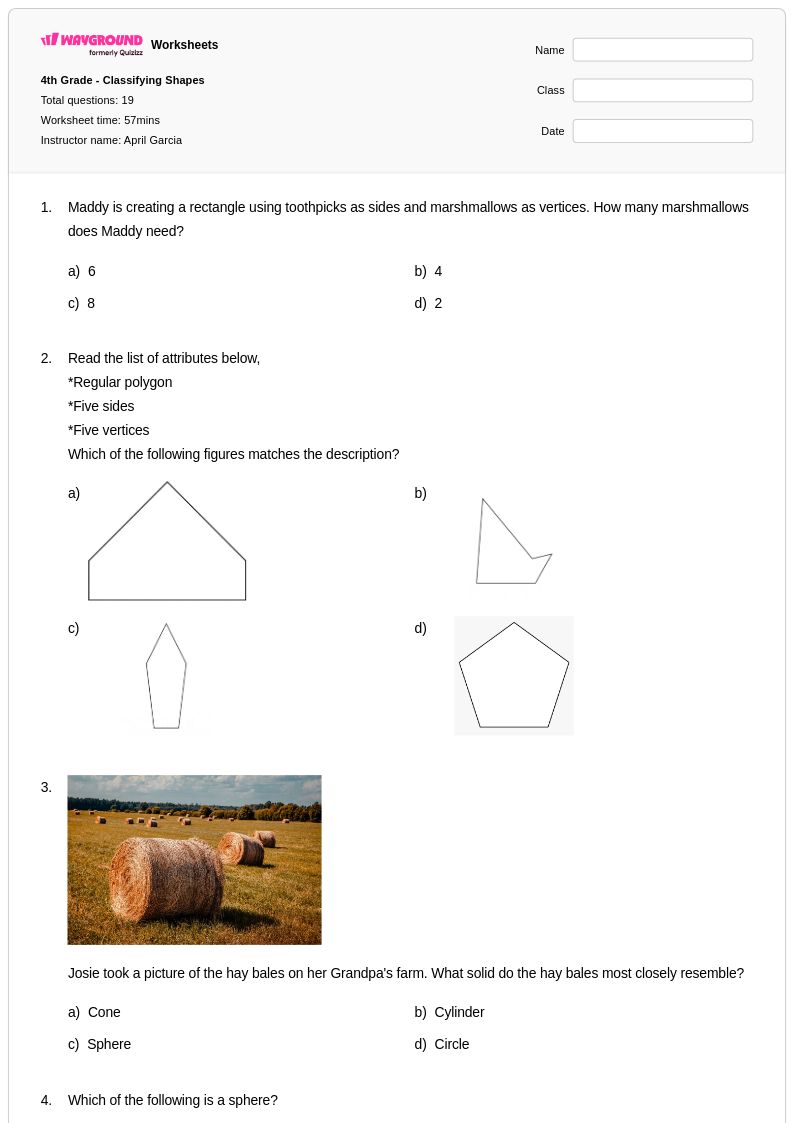
19 Q
3rd - 5th
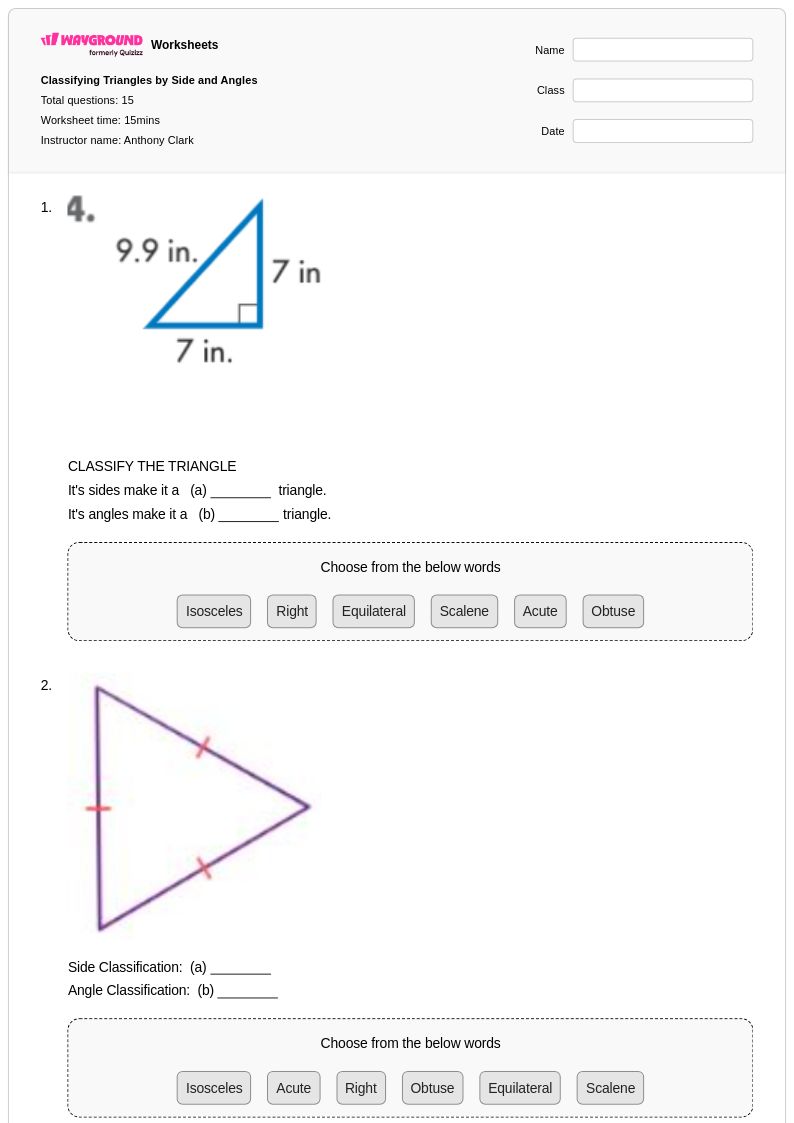
15 Q
5th - Uni
Explore Sorting by Size Worksheets by Grades
Explore Other Subject Worksheets for kindergarten
Explore printable Sorting by Size worksheets for Kindergarten
Sorting by size worksheets for kindergarten students provide essential foundational experiences in data analysis and mathematical reasoning through hands-on classification activities. These carefully designed printables help young learners develop critical pre-math skills including visual discrimination, comparative analysis, and logical thinking as they arrange objects from smallest to largest or categorize items by relative dimensions. Wayground's collection of sorting by size practice problems engages kindergarteners with age-appropriate exercises featuring familiar objects like toys, animals, and everyday items that make abstract mathematical concepts concrete and accessible. Each worksheet includes comprehensive answer keys that support both independent learning and guided instruction, while the free pdf format ensures easy classroom implementation and home practice opportunities.
Wayground, formerly Quizizz, empowers educators with millions of teacher-created sorting by size resources specifically calibrated for kindergarten mathematics instruction. The platform's robust search and filtering capabilities allow teachers to quickly locate worksheets that align with specific learning objectives and developmental standards, while built-in differentiation tools enable seamless customization for diverse learning needs and abilities. These versatile materials are available in both printable and digital formats, providing flexibility for traditional classroom environments, remote learning scenarios, and hybrid educational models. Teachers leverage these comprehensive collections for lesson planning, targeted skill remediation, enrichment activities for advanced learners, and ongoing practice sessions that reinforce data and graphing concepts through engaging, developmentally appropriate sorting experiences.
FAQs
How should I teach sorting by size in kindergarten?
What are some effective practice activities for sorting by size?
What are common challenges for kindergarteners when sorting by size?
How can I use these kindergarten sorting worksheets in my class?
How does sorting by size align with kindergarten math standards?