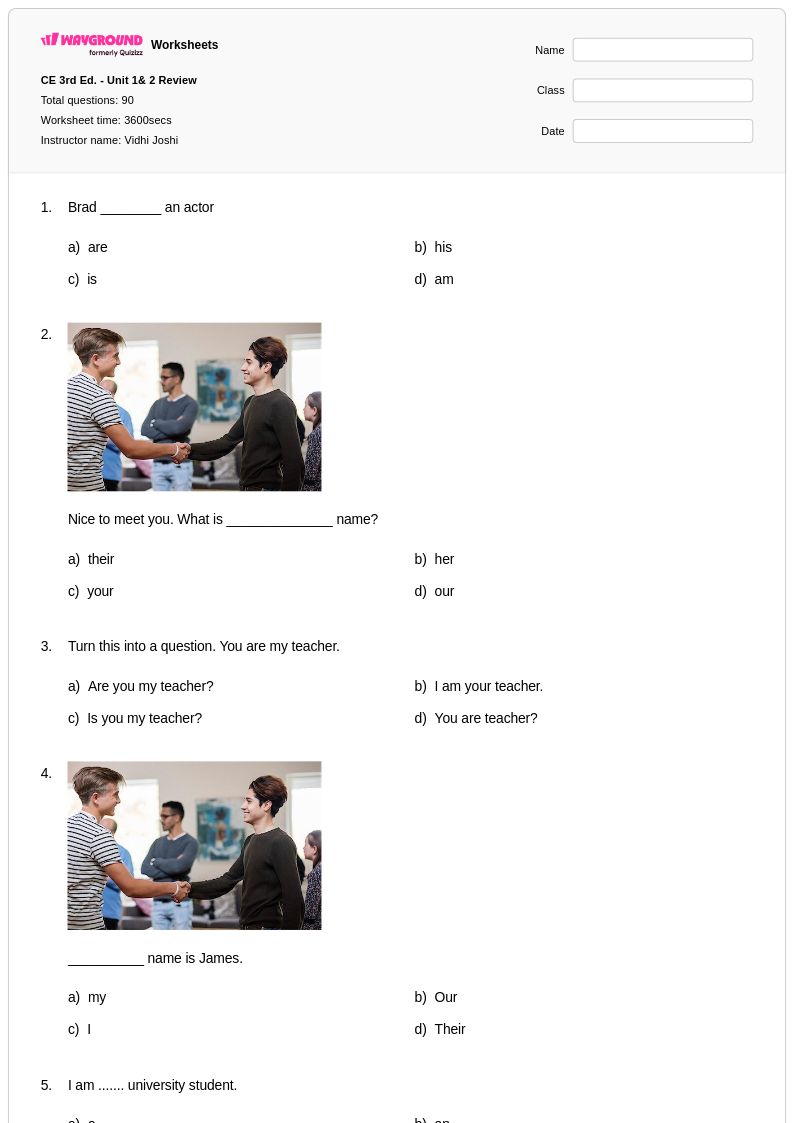
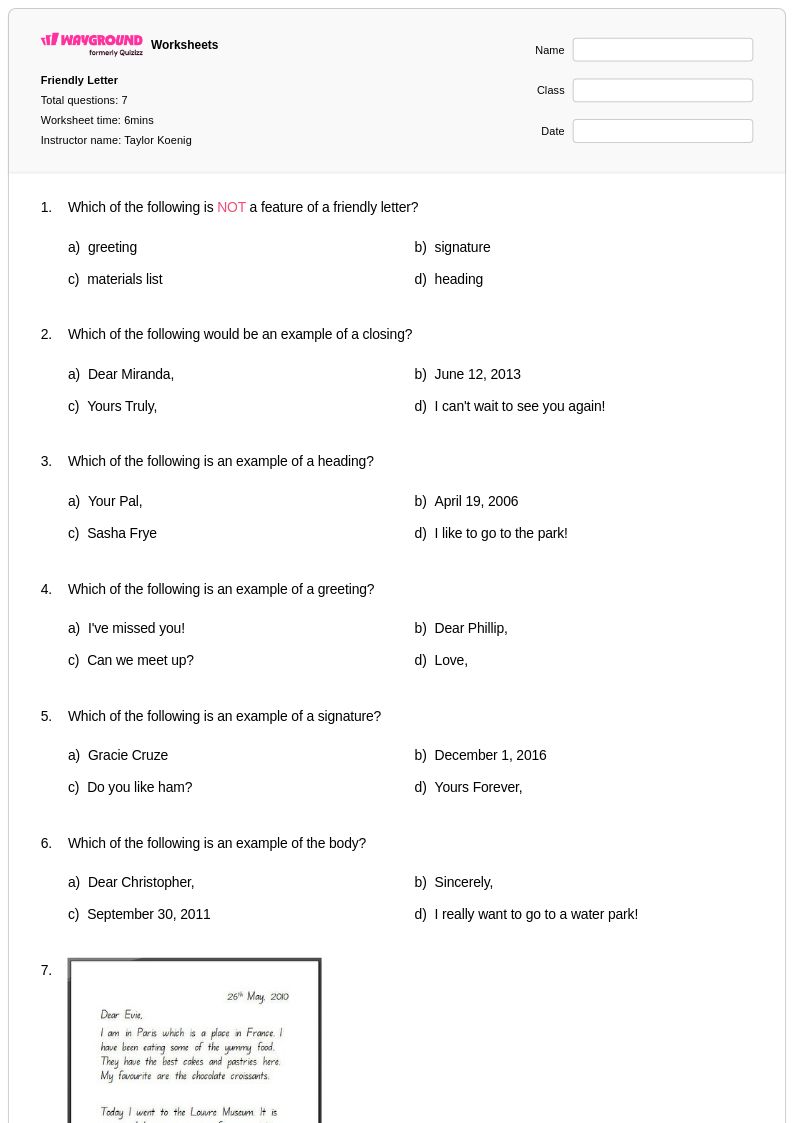
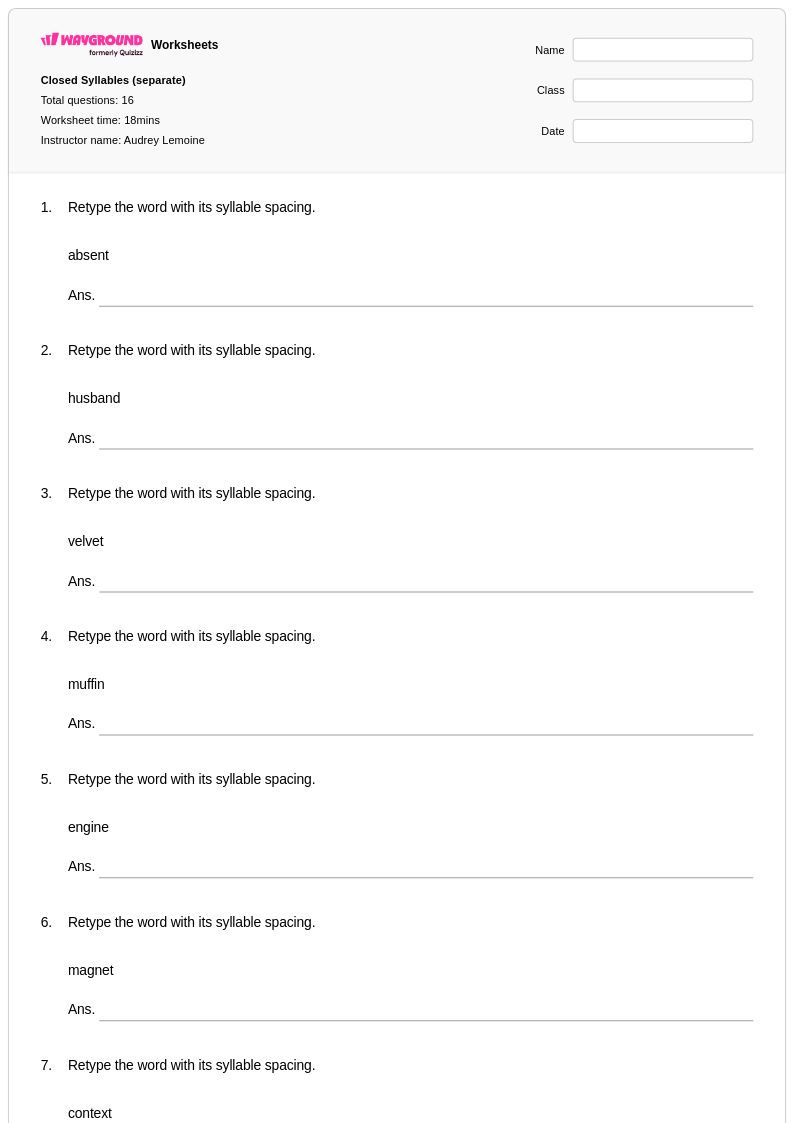
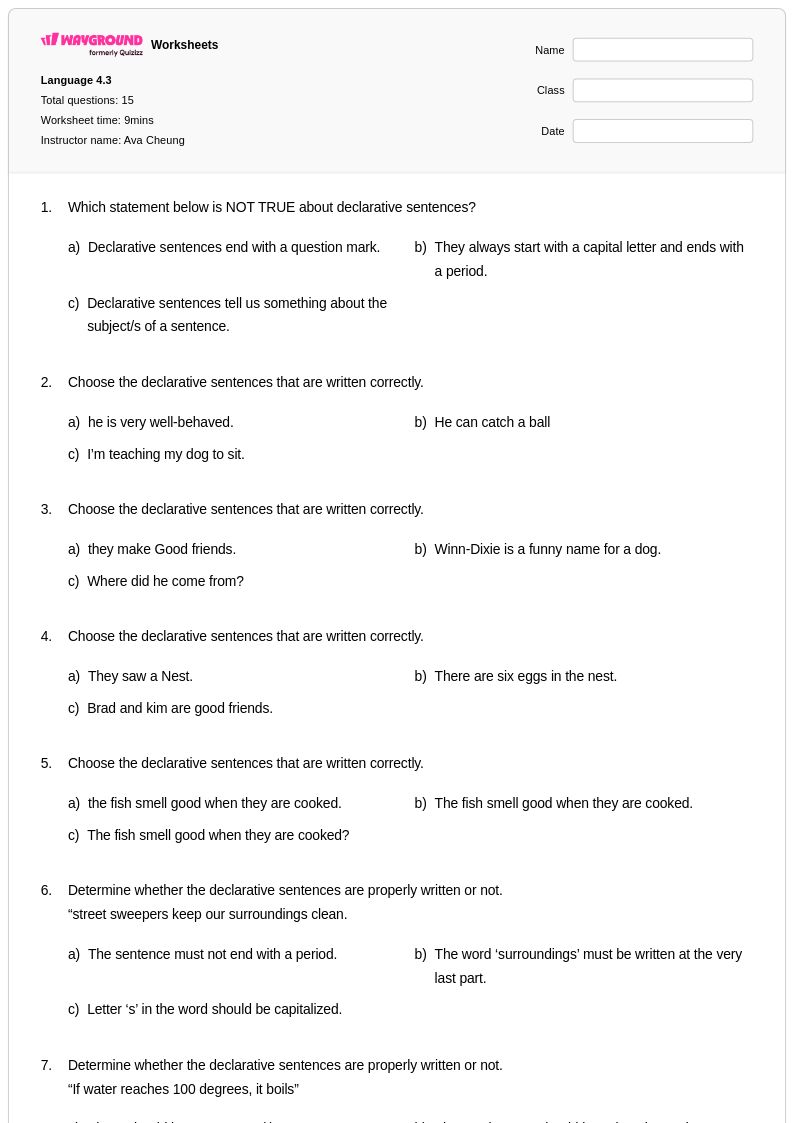
Enhance Year 3 students' understanding of proper spacing between words and sentences with Wayground's free printable worksheets, featuring engaging practice problems and comprehensive answer keys.
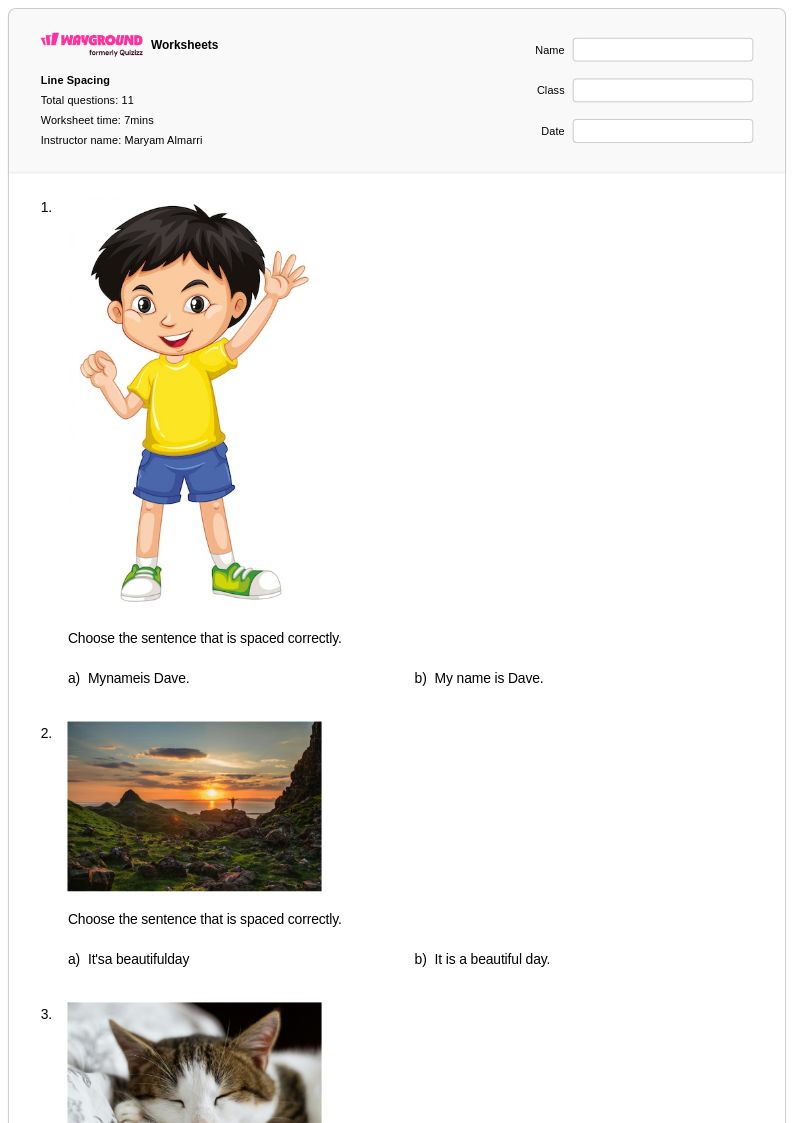
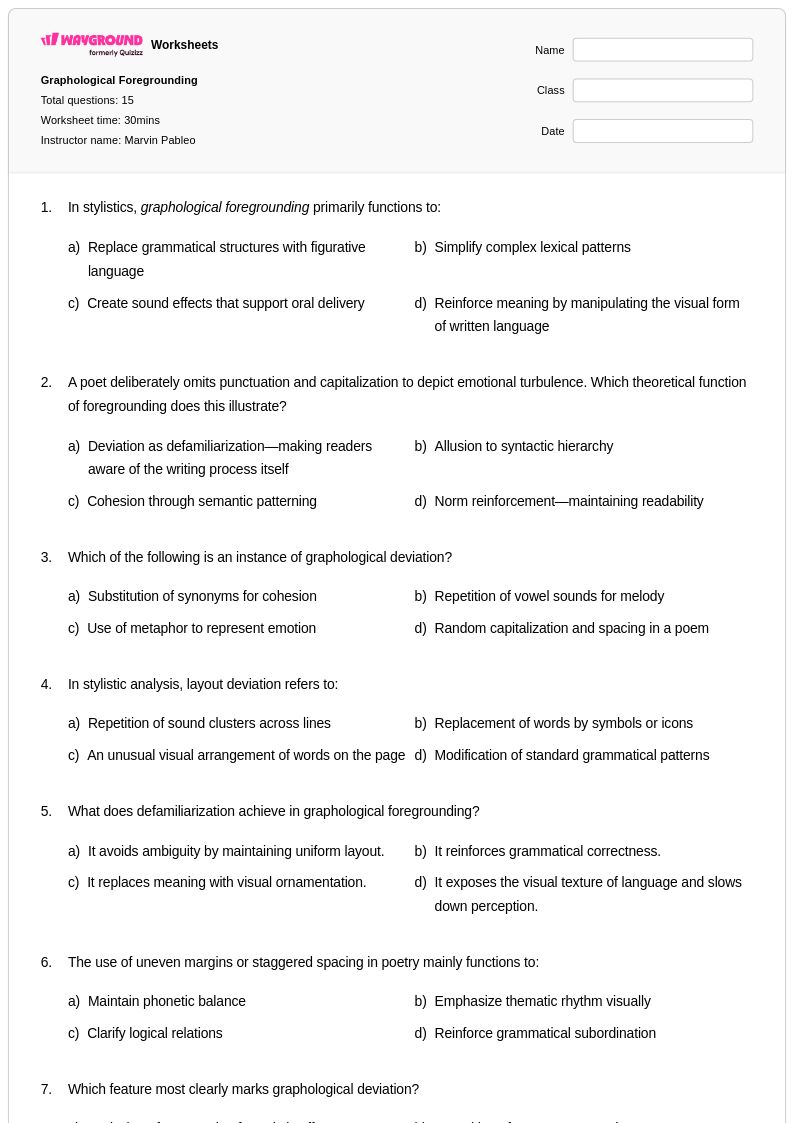
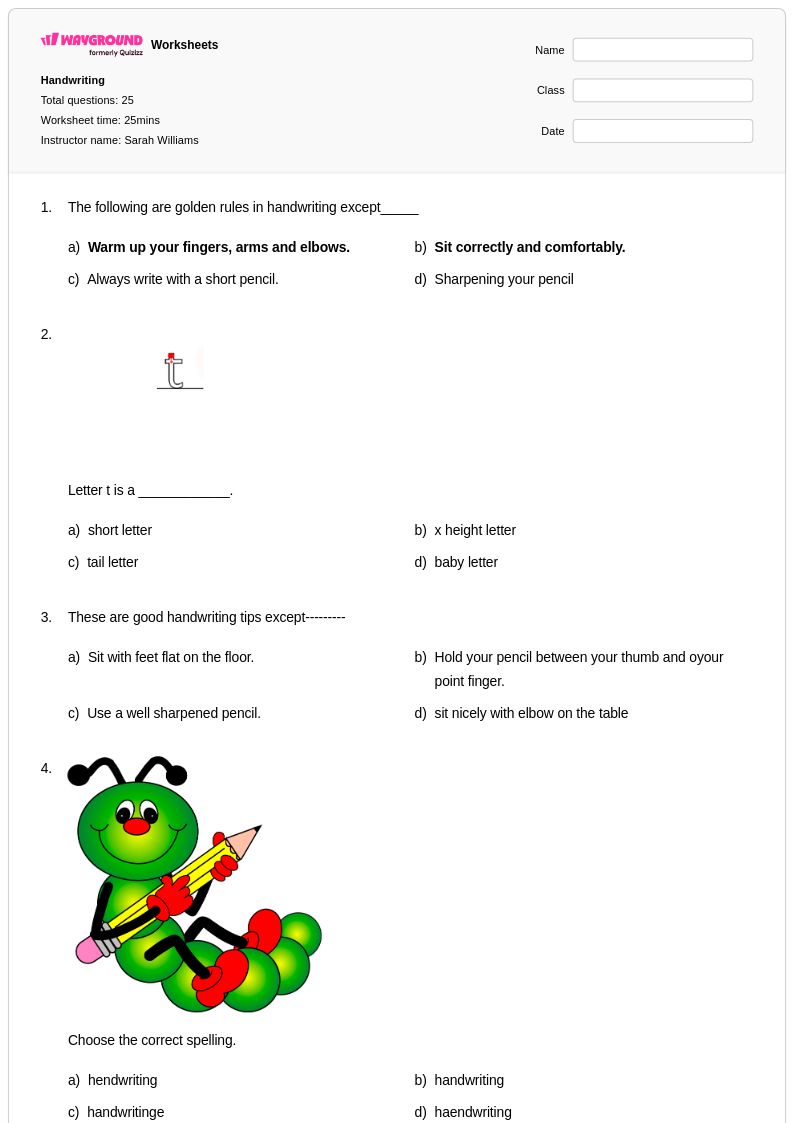
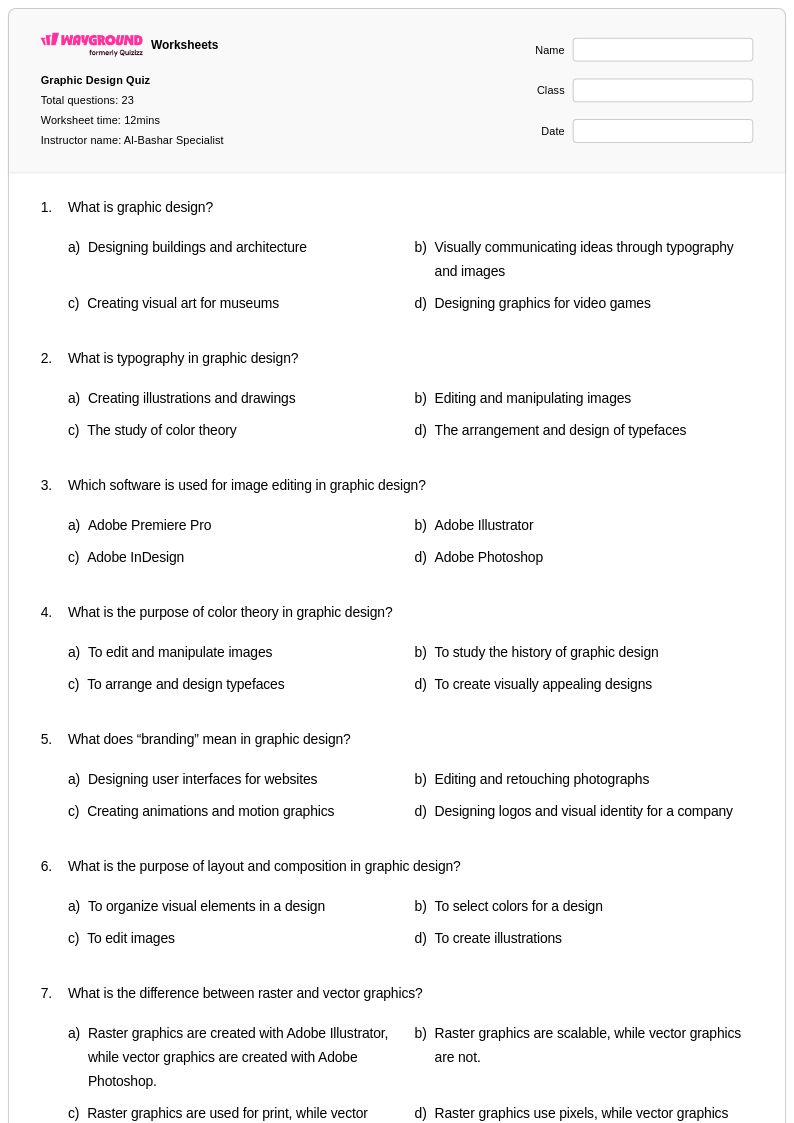
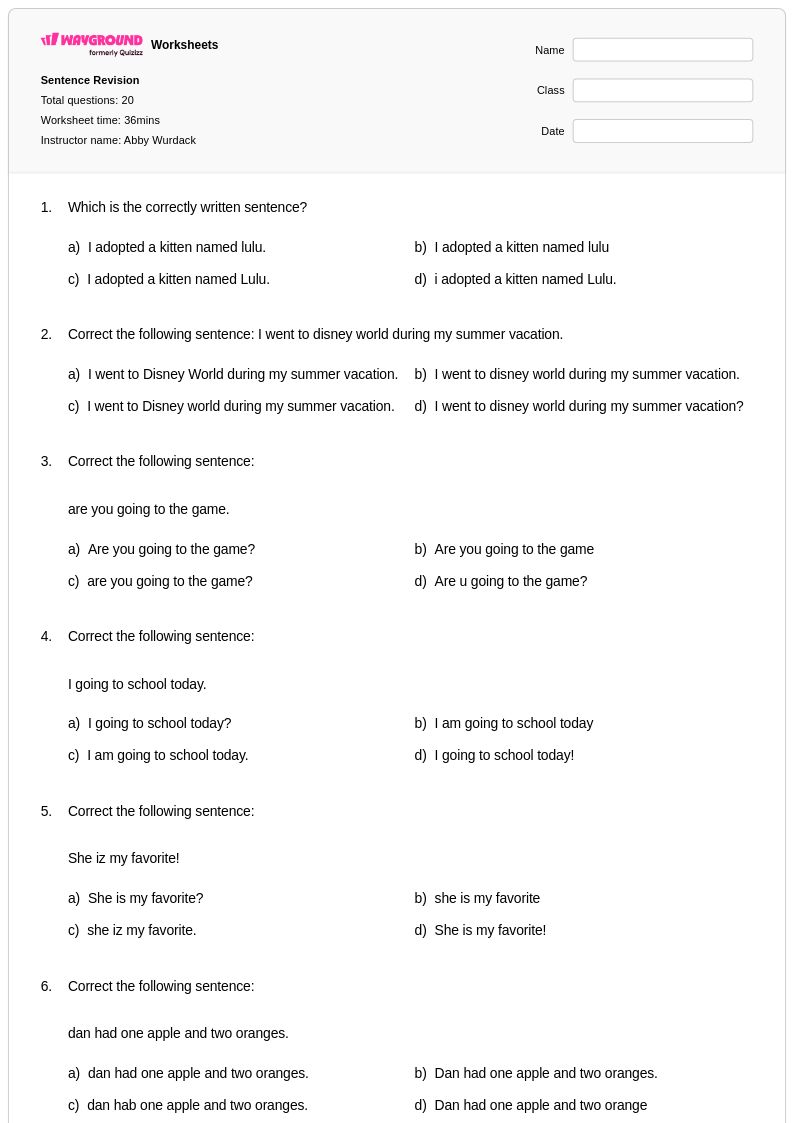
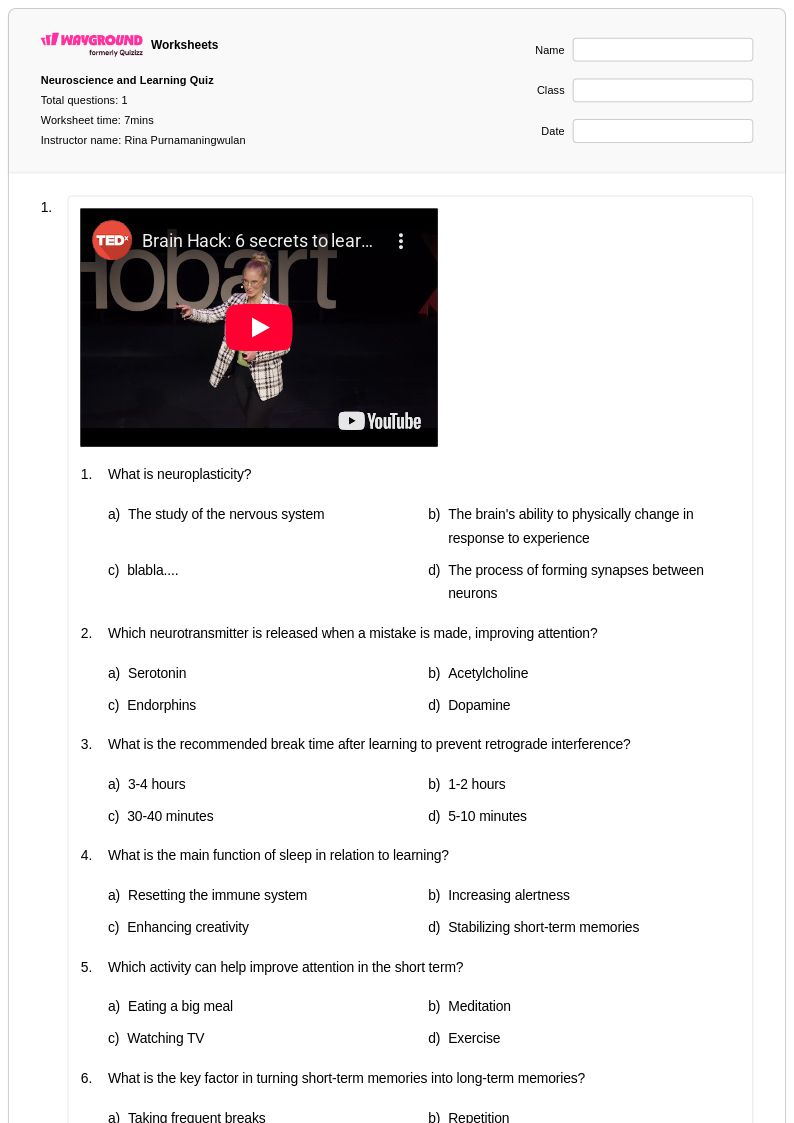
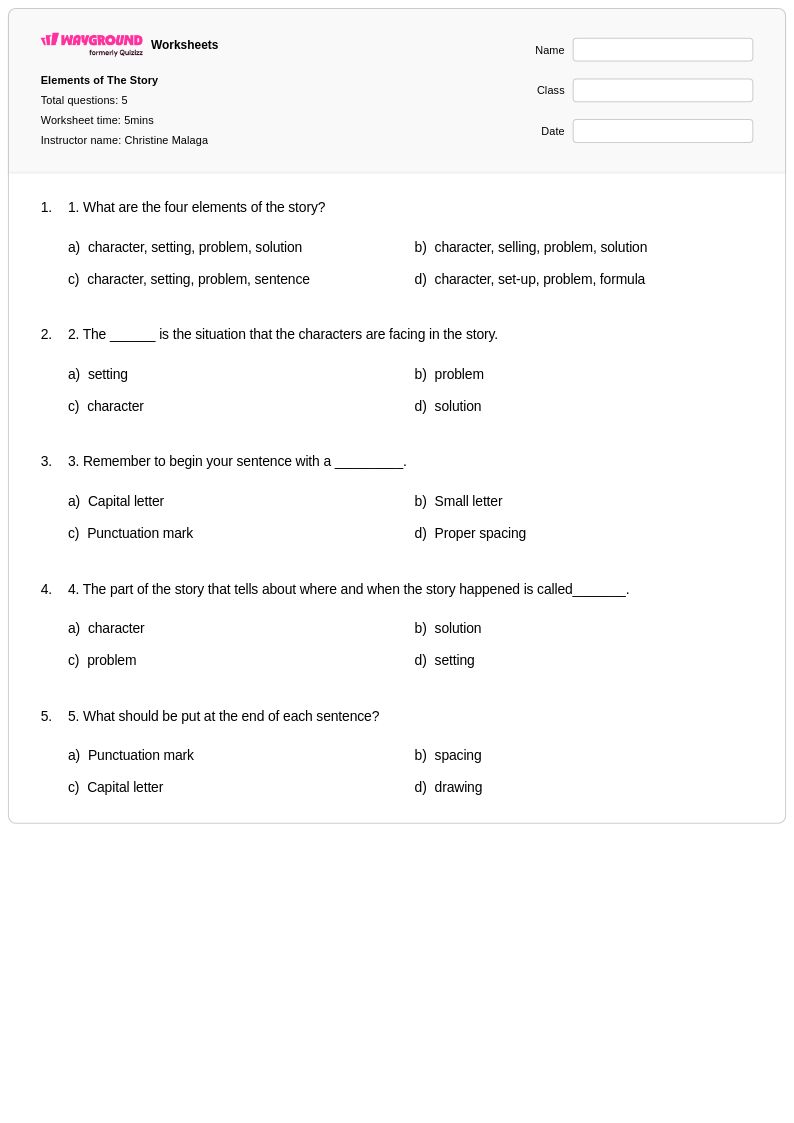
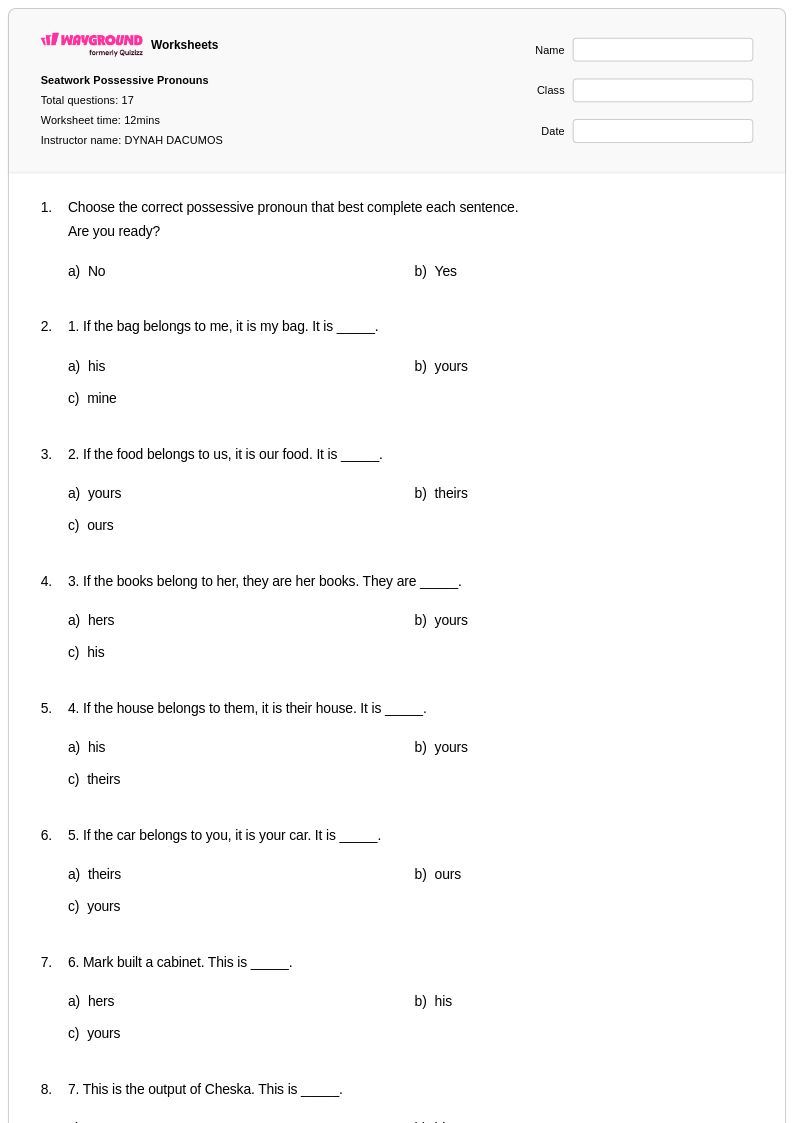
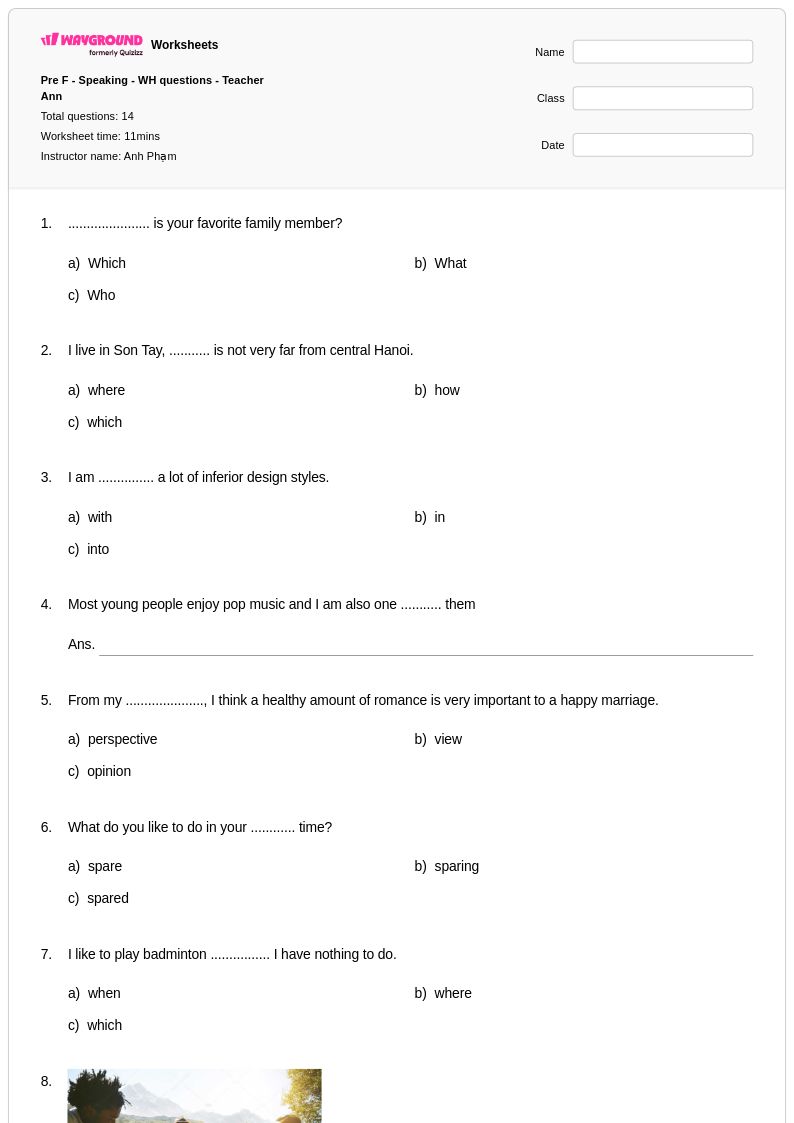
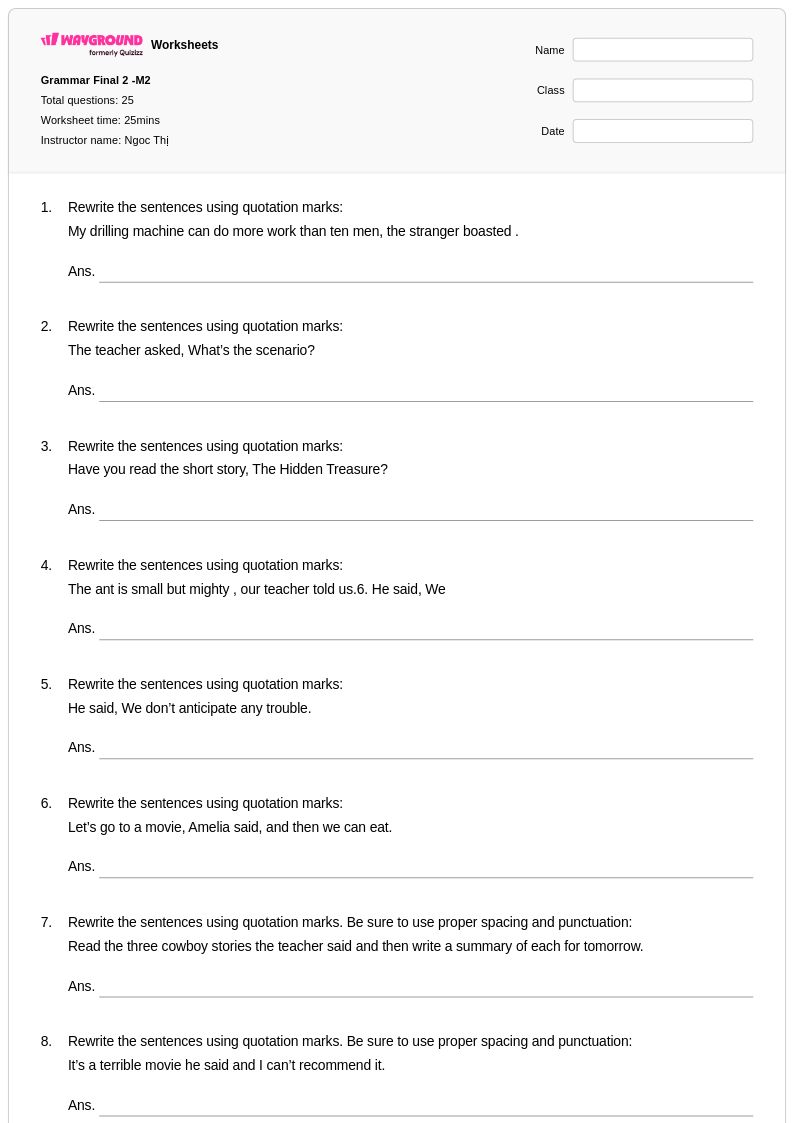
Spacing worksheets for Year 3 students available through Wayground (formerly Quizizz) provide essential practice in understanding proper word and sentence spacing within printed text. These comprehensive resources help third-grade learners develop critical concepts of print skills by focusing on the visual organization of written language, including appropriate gaps between words, consistent spacing between sentences, and proper margins around text blocks. Students work through carefully designed practice problems that strengthen their ability to recognize correct spacing patterns, identify spacing errors, and apply proper spacing rules in their own writing. Each worksheet collection includes detailed answer keys and free printable pdf formats that support both independent practice and guided instruction, making these valuable printables accessible for classroom use and home reinforcement.
Wayground (formerly Quizizz) empowers educators with millions of teacher-created spacing and concepts of print resources that streamline lesson planning and support differentiated instruction for Year 3 classrooms. The platform's robust search and filtering capabilities allow teachers to quickly locate standards-aligned materials that match their specific curriculum requirements and student needs. These flexible worksheet collections are available in both printable pdf formats and interactive digital versions, enabling seamless integration into various teaching environments and learning modalities. Teachers can easily customize content difficulty levels, modify practice problems for remediation or enrichment purposes, and adapt materials to accommodate diverse learning styles, ensuring that every third-grade student receives appropriate support in mastering essential spacing concepts that form the foundation of reading fluency and writing mechanics.
FAQs
How do I teach proper word and letter spacing to early readers?
Teaching spacing begins with building print awareness through explicit, hands-on instruction. Have students use physical spacers, such as a finger or craft stick, between words as they write, then gradually fade that support as the habit becomes automatic. Pairing this kinesthetic practice with visual examples of correctly and incorrectly spaced text helps students internalize what proper spacing looks like before applying it independently.
What exercises help students practice word spacing in writing?
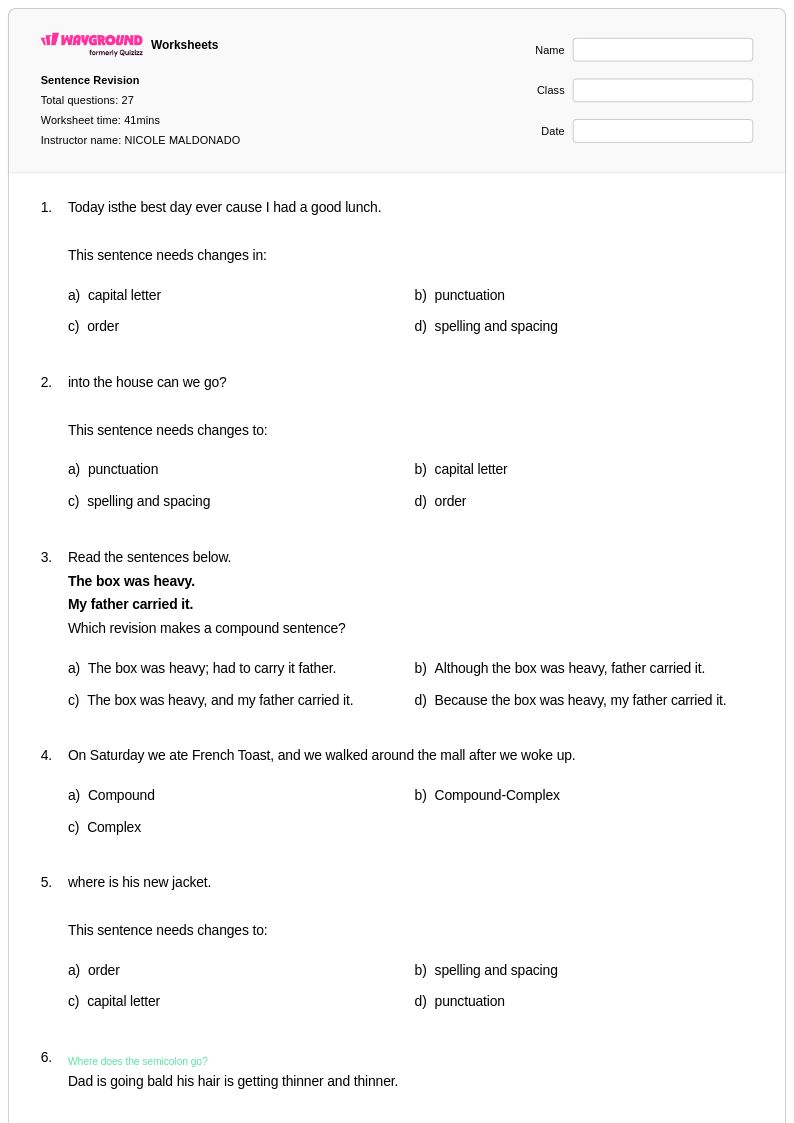
Effective practice includes error-identification tasks where students locate and correct spacing mistakes in sample sentences, as well as rewriting activities where poorly spaced text is reformatted correctly. Copy tasks that require students to reproduce a model sentence with attention to spacing reinforce the visual standard they are working toward. Progressing from single-word spacing to sentence-level and multi-sentence formatting tasks builds complexity incrementally.
What mistakes do students commonly make with word and letter spacing?
The most common error is inconsistent spacing, where students leave appropriate gaps in some places but run words together or add excessive space in others within the same piece of writing. Students also frequently confuse letter spacing within a word with word spacing between words, treating both inconsistently. A related misconception is assuming that spacing only matters in formal writing, which can prevent students from applying the skill during independent drafting.
How can I use spacing worksheets to support students who are struggling with print concepts?
Spacing worksheets that progress from basic word-gap recognition to more complex formatting tasks allow struggling students to build confidence at each stage before advancing. For students who need additional support, Wayground's Read Aloud feature can help those with decoding difficulties focus on the spatial arrangement of text rather than word recognition. Reduced answer choices can also lower cognitive load for students who are overwhelmed by dense text layouts.
How do I use Wayground's spacing worksheets in my classroom?
Wayground's spacing worksheets are available as printable PDFs for traditional classroom use and in digital formats for technology-integrated learning environments, making them flexible for whole-class, small-group, or independent practice. Teachers can also host the worksheets as a live quiz on Wayground, enabling real-time participation and immediate feedback. All worksheets include complete answer keys, supporting both teacher-led instruction and student self-correction.
Why is spacing considered a foundational literacy skill?
Proper spacing is a core concept of print, the understanding that written language follows predictable visual conventions. When students cannot reliably identify where one word ends and another begins, it directly impairs reading fluency and decoding accuracy. Developing spatial awareness of text layout early reduces cognitive load during reading, freeing students to focus on meaning rather than word boundaries.