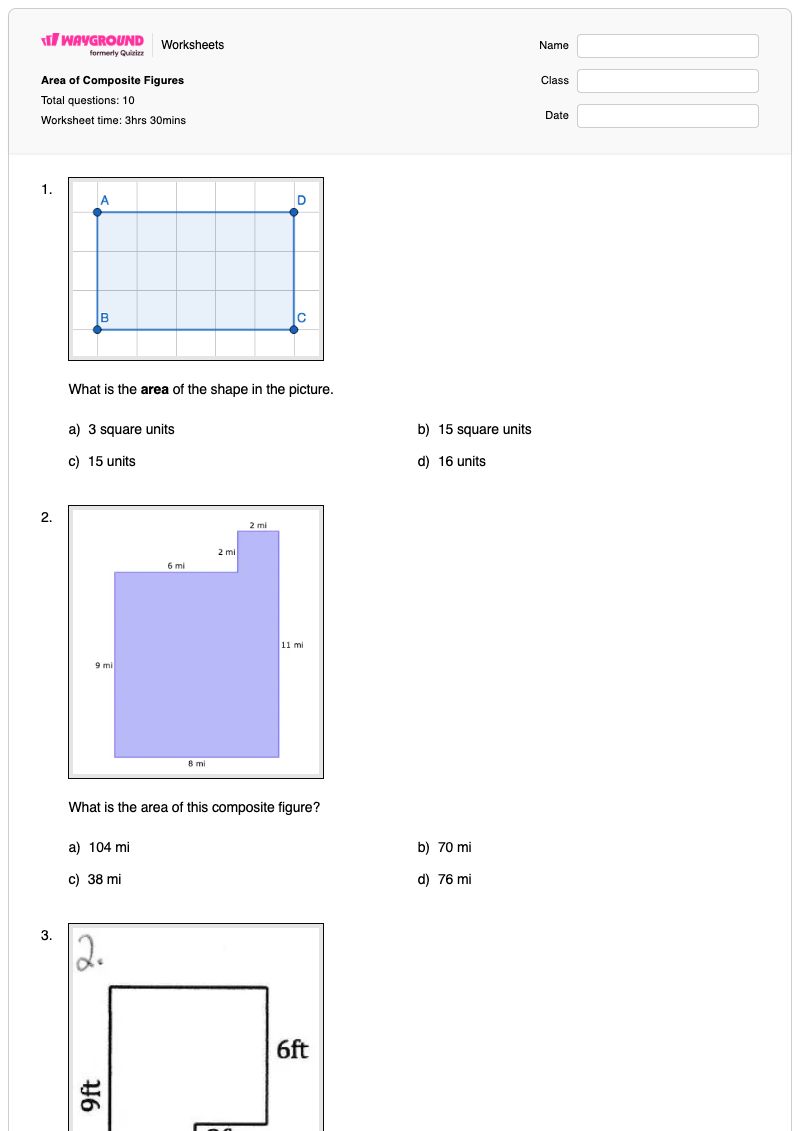
Area of Composite Figures is a Grade 3 mathematics worksheet that gives students 10 multiple-choice questions about finding the area of rectangles and composite figures. Students interpret shape diagrams, apply multiplication to determine rectangular areas, identify the correct square-unit measurement, and select the total area represented by each figure. The questions use different units, including square units, square centimeters, square inches, and square miles, helping students connect numerical answers with appropriate area notation.
Use this free printable worksheet for guided practice, independent work, homework, or a quick check of students’ understanding. Review how to identify the dimensions of a rectangle and, for composite figures, how to break a shape into simpler parts and combine their areas. The worksheet includes a complete answer key, making it useful for checking whether students can calculate area accurately and distinguish area measurements from incorrect units or products.
Worksheet settings
Font size
S
M
L
XL
Worksheets
Area of Composite Figures
Total questions: 10
Name
Class
Date
1.
What is the area of the shape in the picture.
a)
3 square units
b)
15 square units
c)
15 units
d)
16 units
2.
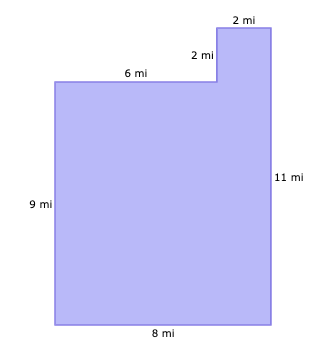
What is the area of this composite figure?
a)
104 mi
b)
70 mi
c)
38 mi
d)
76 mi
3.
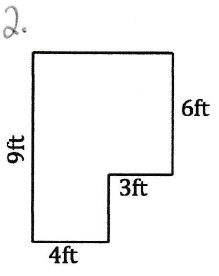
What is the areas of this figure?
a)
54 cm2
b)
45 cm2
c)
63 cm2
d)
36 cm2
4.
What is the area of the figure?
a)
20 sq cm
b)
4 sq cm
c)
30 sq cm
d)
24 sq cm
5.
Find the area of this rectangle
a)
180 cm2
b)
160 cm2
c)
1800 cm2
d)
1600 cm2
6.
Find the area of the rectangle.
a)
36 in.2
b)
72 in.2
c)
26 in.2
d)
13 in.2
7.
Find the area.
a)
6 cm2
b)
36 cm2
c)
42 cm2
d)
48 cm2
8.
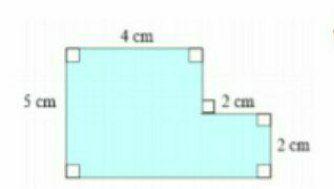
What is the area of the composite figure?
a)
20 cm2
b)
4 cm2
c)
30 cm2
d)
24 cm2
9.
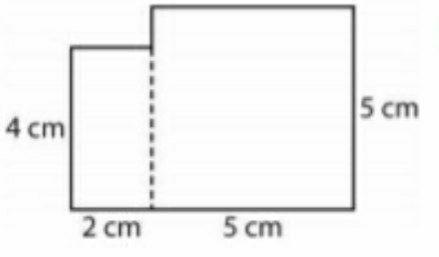
What is the area of the composite figure?
a)
63 cm2
b)
33 cm2
c)
19 cm2
d)
20 cm2
10.
What is the area?
a)
10
b)
9
c)
21
d)
11
Answer Key
Area of Composite Figures
Total questions: 10
1.
b)
15 square units
2.
d)
76 mi
3.
a) 54 cm2
4.
d) 24 sq cm
5.
c)
1800 cm2
6.
a) 36 in.2
7.
b)
36 cm2
8.
d)
24 cm2
9.
b)
33 cm2
10.
d)
11
140 %
Browse by subjects
Browse by grades
Browse by format
FAQs
What does this worksheet cover?
This Grade 3 worksheet covers finding the area of rectangles and composite figures through 10 multiple-choice questions. Students read shape diagrams, calculate rectangular areas, combine areas when a figure has multiple parts, and choose answers expressed in appropriate square units such as cm², in², or mi².
How can I use this worksheet to teach area of composite figures?
First model how to identify the dimensions of each rectangle and multiply length by width, then demonstrate how a composite figure can be split into simpler rectangles before adding their areas. Have students explain why an answer such as 24 square centimeters represents area while a plain linear-unit answer does not. Use the worksheet’s multiple-choice options to discuss how a wrong product, incomplete part, or incorrect unit can change the answer.
What mistakes should I watch for when students complete this worksheet?
Watch for students choosing a linear measurement instead of a square-unit area, as several options differ by unit notation or by a missing square designation. Students may also multiply the wrong dimensions, confuse a rectangle’s area with its perimeter, or calculate only one part of a composite figure rather than the total. Ask them to label each component area and check that their final answer uses the unit shown by the diagram.
How do I assign and grade this worksheet?
This area worksheet is available as a printable PDF and as a digital quiz on Wayground, so you can assign the 10 multiple-choice questions in the format that fits your lesson. It includes a complete answer key, and printable submissions can be graded by scanning student work with the Wayground for Teachers app. The printable version can also support schools that are reducing screen time.
How can I differentiate this composite-figure area worksheet for my students?
Use the worksheet’s Advanced Settings to adjust font spacing and font size so the rectangle and composite-figure questions are easier to read and annotate. You can also enable a dyslexia-friendly font or translate the worksheet into another language when those changes help students access the diagrams and area prompts.
Where can I find more worksheets like this on Wayground?
Wayground offers a broad collection of free printable worksheets and practice problems across all subjects, with downloadable PDFs and answer keys to support essential skills and concepts. Browse more resources at https://wayground.com/en-us/worksheets.

 Worksheets