Alliteration & Onomatopoeia is a free printable Grade 6 English worksheet that helps students distinguish two sound-based figures of speech. Across 10 multiple-choice questions, students identify onomatopoeic words such as “croak” and “clanging,” explain that onomatopoeia imitates the sound it represents, and recognize alliteration through repeated beginning sounds in phrases and sentences.
The worksheet also includes a true-or-false item, sentence-based examples, and an excerpt from Shel Silverstein’s “Spoiled Brat,” giving students practice applying definitions to familiar language and literary context. It is useful for introducing or reviewing figurative language before students analyze poetry, narrative writing, or descriptive sentences. A complete answer key is included, making this free printable worksheet convenient for independent practice, guided instruction, homework, or a quick formative check.
Worksheet settings
Font size
S
M
L
XL
Worksheets
Alliteration & Onomatopoeia
Total questions: 10
Name
Class
Date
1.
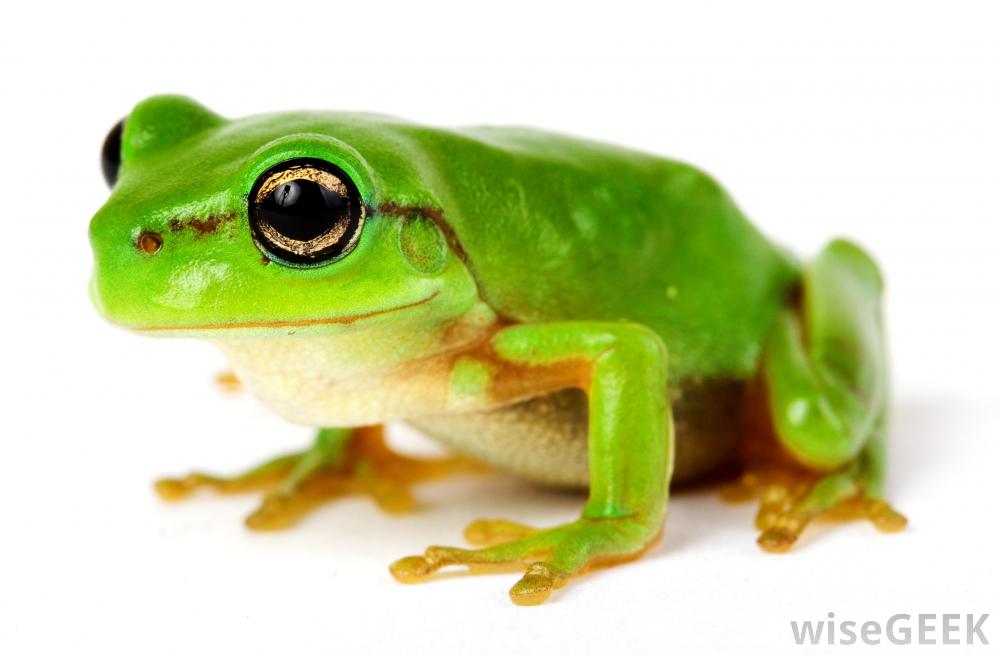
Read the sentence and choose the onomatopoeia. Mrs. Davis was sitting by her pond listening to the frogs croak.
a)
croak
b)
Mrs. Davis
c)
frogs
d)
pond
2.
"Boom," "Crack," and "Buzz" are examples of what?
a)
neither
b)
onomotopoeia
c)
alliteration
3.
"SHHH! SHHH!" the teacher said during MAP testing. This is an example of . . .
a)
alliteration
b)
neither
c)
onomotopoeia
4.
Onomatopoeia is a word that ________________ the sound it represents.
a)
destroys
b)
imitates
c)
understands
5.
Alliteration is the repetition of sounds at the beginning of nearby words.
a)
True
b)
False
6.
Which is the best example of alliteration?
a)
Only three girls came to the picnic.
b)
She wants to see that movie.
c)
I like popcorn, peanuts, and Pepsi when I watch movies.
d)
The sun was in my eyes all day and I got a headache!
7.
Which of these is alliteration?
a)
Most of the animals left the zoo.
b)
The chirping cheetah raced across the land.
c)
The curious dog left his house at night.
d)
The hungry cat searched for a quick meal.
8.
Which line is an example of alliteration from Shel Silverstein's poem, Spoiled Brat?"
a)
The spoiled brat fell into a vat.
b)
And sat on her birthday cake 'til it was flat.
c)
The spoiled brat broke her bike with a bat.
9.
Read the sentence and choose the word that is an example of onomatopoeia. Saya was doing the dishes and the clanging pots awoke the baby.
a)
pots
b)
clanging
c)
dishes
d)
awoke
10.
Which figure of speech is used in this sentence: Mr. Newcott greatly enjoys going golfing.
a)
alliteration
b)
onomatopoeia
c)
neither
Answer Key
Alliteration & Onomatopoeia
Total questions: 10
1.
a) croak
2.
b) onomotopoeia
3.
c) onomotopoeia
4.
b) imitates
5.
a) True
6.
c) I like popcorn, peanuts, and Pepsi when I watch movies.
7.
b)
The chirping cheetah raced across the land.
8.
c) The spoiled brat broke her bike with a bat.
9.
b) clanging
10.
a) alliteration
140 %
Browse by subjects
Browse by grades
Browse by format
FAQs
What does the Alliteration & Onomatopoeia worksheet cover?
This Grade 6 English worksheet uses 10 multiple-choice questions to help students distinguish alliteration from onomatopoeia. Students identify sound-imitating words such as “croak” and “clanging,” recognize repeated beginning sounds in examples such as “chirping cheetah,” and apply both definitions to a line from Shel Silverstein’s “Spoiled Brat.”
How can I use this worksheet to teach alliteration and onomatopoeia?
Begin by modeling the difference: an onomatopoeic word imitates a sound, while alliteration repeats beginning sounds in nearby words. Then have students explain why words such as “Boom,” “Crack,” and “Buzz” are onomatopoeia and why phrases such as “curious dog” do not show alliteration, before assigning the 10 multiple-choice items for guided or independent practice.
What mistakes should I watch for when students complete this worksheet?
Students may choose the object making a sound, such as “frogs” or “pots,” instead of the onomatopoeic word “croak” or “clanging.” They may also confuse repeated letters with alliteration, so ask them to listen for repeated beginning sounds in nearby words, as in “spoiled brat broke her bike with a bat,” rather than searching for repetition anywhere in the sentence.
How do I assign and grade this Alliteration & Onomatopoeia worksheet?
Wayground provides this worksheet as a printable PDF and as a digital quiz, so you can use the 10 multiple-choice questions for paper-based or online practice. It includes a complete answer key, and printable submissions can be graded by scanning student work with the Wayground for Teachers app.
How can I differentiate this worksheet for my students?
In the worksheet’s Advanced Settings, adjust font spacing or choose a larger font size to make the multiple-choice questions and answer options easier to scan. You can also enable a dyslexia-friendly font or translate the worksheet into another language while students review the alliteration and onomatopoeia examples.
Where can I find more worksheets like this on Wayground?
Wayground offers a broad collection of free printable worksheets and practice problems across subjects, with downloadable PDFs and answer keys to support essential skills and concepts. Browse more resources at https://wayground.com/en-us/worksheets.


 Worksheets