Graphs: Proportional or Not Proportional is a Grade 8–12 Algebra I worksheet that helps students determine whether a relationship shown in a graph is proportional. Across six multiple-choice questions, students classify graphs as proportional or non-proportional, identify the graph that represents a proportional relationship, and explain that a proportional graph passes through the origin. The questions also address why a graph is non-proportional, helping students connect visual evidence to mathematical reasoning.
Use this worksheet for guided practice, independent work, or a quick formative assessment after introducing proportional relationships in graphs. Students must select both classifications and explanations, so their responses can reveal whether they understand the defining role of the origin rather than relying only on the graph’s appearance. This free printable worksheet includes a complete answer key for efficient review and grading, and it is also available in a digital format on Wayground.
Worksheet settings
Font size
S
M
L
XL
Worksheets
Graphs: Proportional or Not Proportional
Total questions: 6
Name
Class
Date
1.
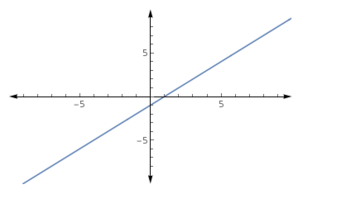
Does this graph represent a proportional relationship?
a)
No, because it doesn't pass through the origin.
b)
Yes, because it doesn't pass through the origin.
c)
Yes, because it intersects the y axis.
d)
No, because it intersects the x axis.
2.
Is the graph proportional or non-proportional?
a)
Proportional
b)
Non-Proportional
3.
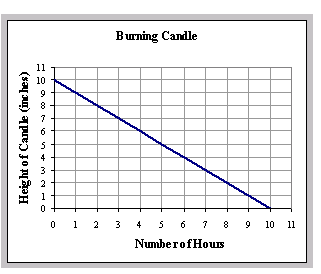
Is the graph proportional or non proportional?
a)
proportional
b)
non proportional
4.
Why does this graph show a non-proportional relationship?
a)
Because it is proportional
b)
It goes through the origin
c)
It does not go through the origin
d)
It is a straight line
5.
Is the graph proportional or non proportional?
a)
proportional
b)
non proportional
6.
Which graph is proportional?
a)
A
b)
B
c)
C and D
d)
All of the graphs are proportional
Answer Key
Graphs: Proportional or Not Proportional
Total questions: 6
1.
a) No, because it doesn't pass through the origin.
2.
b) Non-Proportional
3.
b) non proportional
4.
c) It does not go through the origin
5.
a) proportional
6.
d) All of the graphs are proportional
140 %
Browse by subjects
Browse by grades
Browse by format
FAQs
What does this worksheet cover?
This worksheet covers how to classify graphs as proportional or non-proportional by checking whether the relationship passes through the origin. Its six multiple-choice questions ask students to identify classifications, select which graph is proportional, and explain why a graph is non-proportional, building the skill of using a graph’s defining feature as evidence.
How can I use this worksheet to teach students to identify proportional graphs?
Introduce the idea that a proportional graph must pass through the origin, then model how to use that feature before students begin the six multiple-choice items. Ask students to justify each choice with the sentence frame, “This graph is ___ because it does or does not pass through the origin.” Use the explanation questions to discuss why being a straight line or intersecting an axis alone does not determine proportionality.
What mistakes should I watch for when students complete this graph worksheet?
Watch for students choosing “proportional” because a graph is a straight line or because it intersects the y-axis, even though the worksheet specifically tests whether it passes through the origin. Students may also reverse the classification and explanation in the yes-or-no items, or select a graph without checking the origin. Review the difference between an arbitrary axis intersection and the required origin point.
How do I assign and grade this proportional-graphs worksheet?
You can assign this worksheet as a printable PDF or as a digital quiz on Wayground. It includes a complete answer key for checking the six multiple-choice responses, and printable submissions can be graded by scanning student work with the Wayground for Teachers app. The printable version can also support instruction when your school is reducing screen time.
How can I differentiate this proportional-graphs worksheet for my students?
Use the worksheet’s Advanced Settings to adjust font spacing or increase the font size so the graph-based prompts and answer choices are easier to read. You can also apply a dyslexia-friendly font or translate the worksheet into another language. These options modify the worksheet file while keeping its six multiple-choice questions about proportional and non-proportional graphs.
Where can I find more worksheets like this on Wayground?
Wayground offers a comprehensive collection of free printable worksheets and practice problems across subjects, with downloadable PDFs and answer keys to help students master essential skills and concepts. Browse more resources at https://wayground.com/en-us/worksheets.


 Worksheets