
Wayground
BILL NYE ROCKS AND SOIL - Printable Science Worksheets year 4 - Wayground

BILL NYE ROCKS AND SOIL

Vanda Sue Bell

Created by Vanda Sue Bell

41 questions

4th Grade

Science

Updated Feb 2026

BILL NYE ROCKS AND SOIL is a Grade 4 science worksheet with 41 multiple-choice questions about how rocks and soil form and change. Students identify melted rock, volcanic bubbles, tectonic plates, the rock cycle, weathering-related soil formation, soil layers, and the conditions that change coal into diamond. Questions also address why sedimentary rocks have layers and how sand settles downstream. This free printable worksheet helps students connect observable features—such as rock pits, soil color, and sedimentary layers—to Earth science processes. Its selected-response format gives teachers a focused way to check whether students can distinguish related terms and recognize cause-and-effect relationships, including pressure and time in diamond formation. A complete answer key is included for efficient review, feedback, or assessment.

Worksheet settings

Font size

S
M
L
XL
WaygroundWorksheets

BILL NYE ROCKS AND SOIL

Total questions: 41

Name
Class
Date
1.

All of the rocks in the world used to be ___________ rock called molten rock.

a)

melted

b)

igneous

c)

tectonic

d)

carbon

2.

The pits in the rock were formed by ___________ in liquid rock that came out of a volcano.

a)

bubbles

b)

dirt

c)

carbon

d)

different minerals

3.

When rocks come out of the volcano onto the earth, they can ______________ the older rocks.

a)

push

b)

pull

c)

erode

d)

melt

4.

Soil comes from ____________.

a)

rocks

b)

plants

c)

carbon

d)

layers

5.

Dirt comes from _________________________.

a)

broken down rocks

b)

carbon

c)

pressure

d)

tectonic plates

6.

Every rock you see used to be _____________________.

a)

different

b)

the same

c)

igneous

d)

carbon

7.

Rocks are always changing and are part of something we call the ________________.

a)

rock cycle

b)

tectonic plates

c)

weathering system

d)

organism cycle

8.

The reason why we have volcanoes is because of _____________ that are always moving.

a)

tectonic plates

b)

molten rock

c)

tons of pressure

d)

organism actions

9.

The rock cycle has been going on for more than many _____________ years.

a)

millions

b)

thousands

c)

hundreds

d)

trillions

10.

Does soil have layers?

a)

YES

b)

NO

11.

As you go through different layers of soil, the color of the soil becomes _________.

a)

lighter

b)

darker

12.

What is the hardest substance known to man?

a)

diamond

b)

carbon

c)

molten rock

d)

tectonic plates

13.

What changes coal into diamond?

a)

millions of years and tons of pressure

b)

tectonic plates moving

c)

weathering actions

d)

molten rock melting

14.

Both coal and diamond are made of ____________.

a)

carbon

b)

molten rock

c)

organisms

d)

dirt

15.

Sedimentary rock has layers because ____ are washed downstream and settle on the bottom.

a)

Dirt

b)

Boulders

c)

Sand

d)

Pebbles

16.

Metamorphic rocks are made from a combination of pressure and ____.

a)

Sand

b)

Ice

c)

Heat

d)

Sediment

17.

The surface of the Earth is made up of huge rocks called ____.

a)

Tectonic Plates

b)

Continents

c)

Mountains

d)

Countries

18.

Waves can change rocks into ____.

a)

Soil

b)

Sand

c)

Dirt

d)

Boulders

19.

A huge flood happened in Washington State when a _____ broke.

a)

Glacier

b)

Rock

c)

Dam

d)

Mountain

20.

Which kinds of rocks form from being changed by HEAT and PRESSURE?

a)

Sedimentary Rock

b)

Igneous Rock

c)

Metamorphic Rock

21.

Which kind of rocks form from magma or lavaCOOLING and HARDENING?

a)

Sedimentary Rock

b)

Igneous Rock

c)

Metamorphic Rock

22.

Which kind of rocks form from sediments being COMPACTED and CEMENTED together?

a)

Sedimentary Rock

b)

Igneous Rock

c)

Metamorphic Rock

23.
Which type of rock results from melting and cooling of magma?
a)
Igneous
b)
Metamorphic
c)
Sedimentary
d)
Extrusive
24.
Which type of rock forms from extreme heat and pressure?
a)
Igneous
b)
Sedimentary
c)
Organic
d)
Metamorphic
25.
A metamorphic rock changes into an igneous rock by what two processes?
a)
Melting and cooling
b)
Extreme heat and pressure
c)
Compaction and cementation
d)
Weathering and erosion
26.
Wind, water, and ice breaking down rock is called
a)
Erosion
b)
Deposition
c)
Compaction
d)
Weathering
27.
What is the MAIN way rocks are classified?
a)
Their color and shapes
b)
How they form
c)
Mineral bands
d)
Where they form
28.
True/False: Igneous rocks can only turn into metamorphic rocks.
a)
True
b)
False
29.
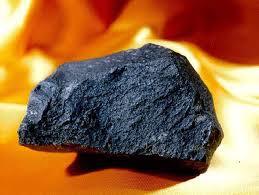
This rock was found near the mouth of a volcano. What type of rock is this?
a)
Sedimentary
b)
Igneous
c)
Metamorphic
30.
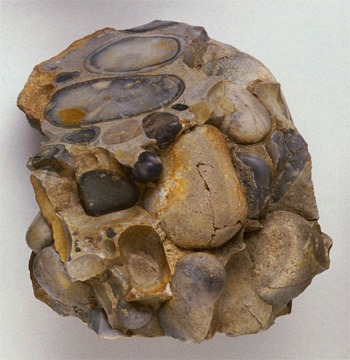
This rock was formed by smaller pieces of rock that settled at the bottom of a lake millions of years ago. What type of rock…
This rock was formed by smaller pieces of rock that settled at the bottom of a lake millions of years ago. What type of rock is this?
a)
Sedimentary
b)
Igneous
c)
Metamorphic
31.
What are the 3 major types of rocks?
a)
Igneous, Metamorphic, Sedimentary
b)
Metamorphic, Igneous, Cementation
c)
Brown, Red, Gray
d)
Streak, Hardness, Breakage
32.
This rock started as lava that cooled and then was heated and put under pressure over time. What type of rock is this?
a)
Sedimentar
b)
Igneous
c)
Metamorphic
33.
This rock started as molten magma. What type of rock is this?
a)
Sedimentary
b)
Igneous
c)
Metamorphic
34.
This rock is made from tiny pieces of other rocks that settled to the bottom of a valley millions of years ago. What type of…
This rock is made from tiny pieces of other rocks that settled to the bottom of a valley millions of years ago. What type of rock is this?
a)
Sedimentary
b)
Igneous
c)
Metamorphic
35.
This rock was molten magma that slowly cooled under the ground. What type of rock is this?
a)
Sedimentar
b)
Igneous
c)
Metamorphic
36.
This rock cooled on the outside of a volcano and contained air bubbles when it was forming. What type of rock is this?
a)
Sedimentary
b)
Igneous
c)
Metamorphic
37.
After lots of time, pressure, and heat, you get this kind of rock. What type of rock is this?
a)
Sedimentary
b)
Igneous
c)
Metamorphic
38.
Each rock type can follow only one pathway of the rock cycle.
a)
True
b)
False
39.
What is small pieces of rock material?
a)
grain
b)
lava 
c)
magma
d)
sediment
40.
What is molten or liquid rock material that is deep beneath the Earth's surface?
a)
grain
b)
lava
c)
magma
d)
rock
41.
What is molten rock that erupts onto or above the Earth’s surface?
a)
grain
b)
lava
c)
magma
d)
sediment
WaygroundAnswer Key

BILL NYE ROCKS AND SOIL

Total questions: 41

1.
a)

melted

2.
a)

bubbles

3.
a)

push

4.
a)

rocks

5.
a)

broken down rocks

6.
a)

different

7.
a)

rock cycle

8.
a)

tectonic plates

9.
a)

millions

10.
a)

YES

11.
a)

lighter

12.
a)

diamond

13.
a)

millions of years and tons of pressure

14.
a)

carbon

15.
c)

Sand

16.
c)

Heat

17.
a)

Tectonic Plates

18.
b)

Sand

19.
a)

Glacier

20.
c)

Metamorphic Rock

21.
b)

Igneous Rock

22.
a)

Sedimentary Rock

23.
a) Igneous
24.
d) Metamorphic
25.
a) Melting and cooling
26.
d) Weathering
27.
b) How they form
28.
b) False
29.
b) Igneous
30.
a) Sedimentary
31.
a) Igneous, Metamorphic, Sedimentary
32.
c) Metamorphic
33.
b) Igneous
34.
a) Sedimentary
35.
b) Igneous
36.
b) Igneous
37.
c) Metamorphic
38.
b) False
39.
d) sediment
40.
c) magma
41.
b) lava

FAQs

What does the BILL NYE ROCKS AND SOIL worksheet cover?

This Grade 4 science worksheet uses 41 multiple-choice questions to assess understanding of the rock cycle, volcanic rock formation, tectonic plates, soil formation and layers, and sedimentary deposits. Students select explanations for relationships such as soil coming from broken-down rocks, volcanoes resulting from moving tectonic plates, and coal changing into diamond through time and pressure.

How can I use this worksheet to teach the rock cycle and soil formation?

Introduce the key terms—melted rock, tectonic plates, rock cycle, soil layers, carbon, and sediment—before students complete the multiple-choice items. Afterward, ask students to explain why each correct choice fits, such as how sand settles to form sedimentary layers or how pressure and millions of years affect coal and diamond; use the distractors to clarify commonly confused ideas.

What mistakes should I watch for on this rocks and soil worksheet?

Students may confuse tectonic plates, molten rock, and pressure when explaining volcanoes or diamond formation. They may also mix up soil with broken-down rocks, overlook that soil has layers, or choose boulders or pebbles instead of sand for the material that settles downstream in sedimentary rock. Review each choice by asking students to identify the process described, not just recall an isolated term.

How do I assign and grade the BILL NYE ROCKS AND SOIL worksheet?

Wayground provides this 41-question worksheet as a printable PDF and as a digital quiz, and it includes a complete answer key. You can grade printable submissions by scanning student work with the Wayground for Teachers app, while the digital quiz supports online completion and grading.

How can I differentiate this rocks and soil worksheet for my students?

Use the worksheet’s Advanced Settings to adjust font spacing or increase the font size so the 41 multiple-choice items are easier to follow. You can also enable a dyslexia-friendly font or translate the worksheet into another language, helping students access the rock cycle, soil layers, and Earth materials vocabulary.

Where can I find more free worksheets like this on Wayground?

Wayground offers a comprehensive collection of free printable worksheets and practice problems across all subjects, including downloadable PDFs with answer keys. Browse more resources at https://wayground.com/en-us/worksheets to find materials that help students master essential skills and concepts.