Free Printable Conflict and Resolution Worksheets for Class 7
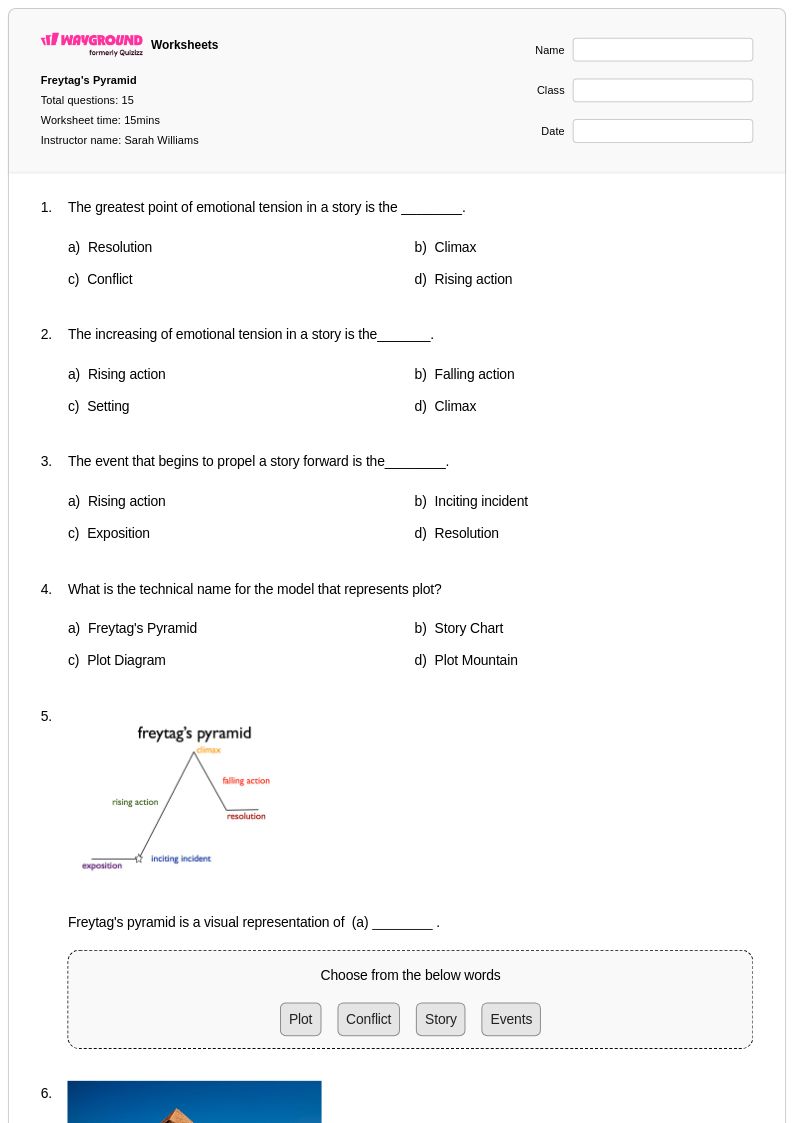
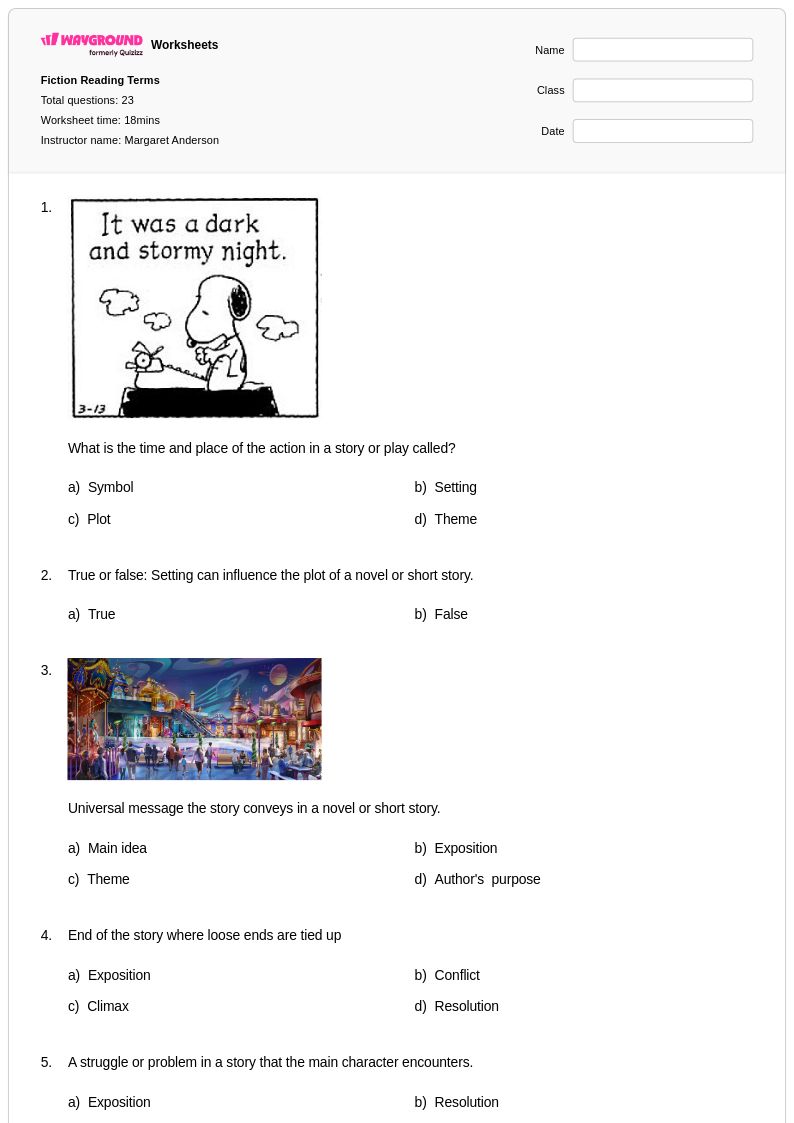
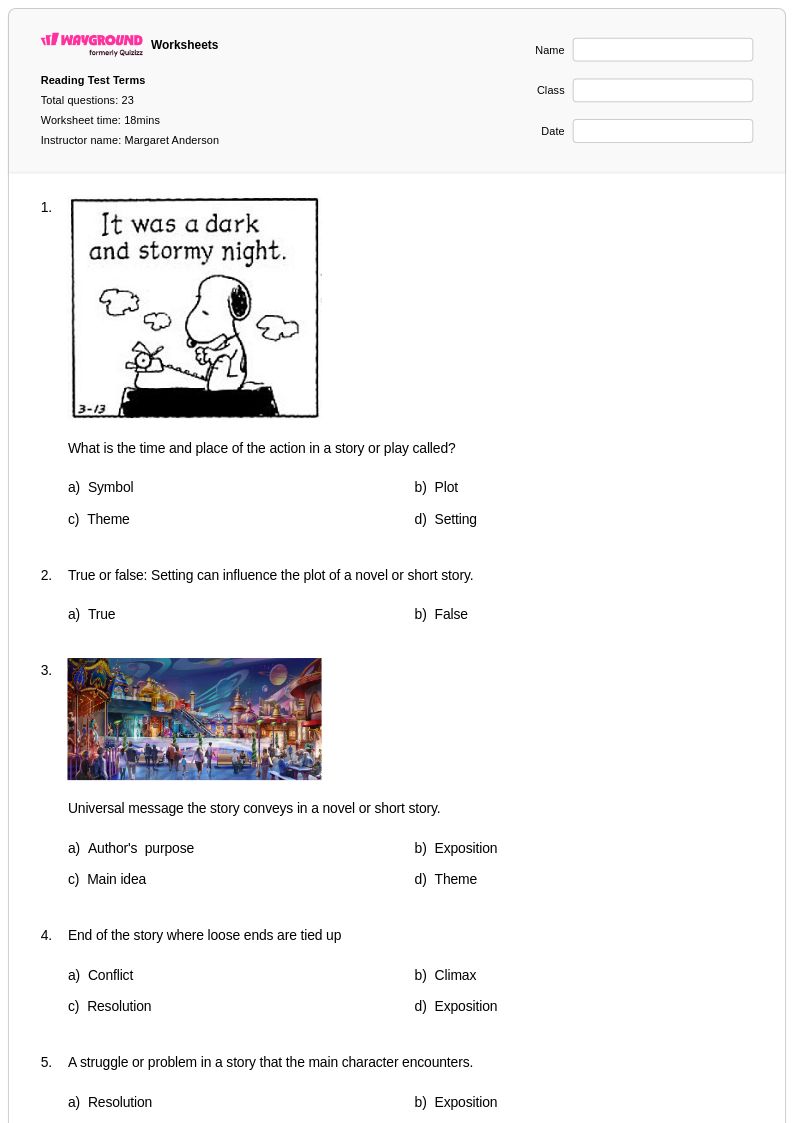
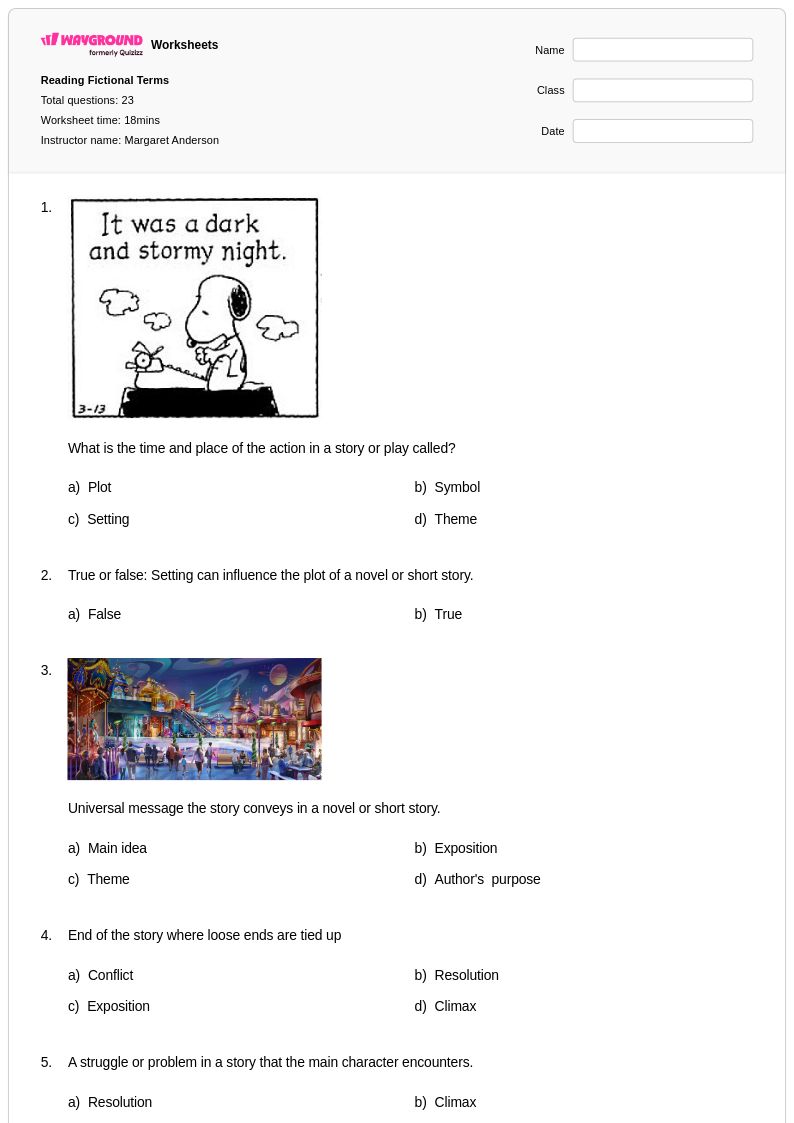
Wayground's Class 7 conflict and resolution reading comprehension worksheets help students analyze literary conflicts through engaging printables, practice problems, and comprehensive answer keys available as free PDF downloads.
Explore printable Conflict and Resolution worksheets for Class 7
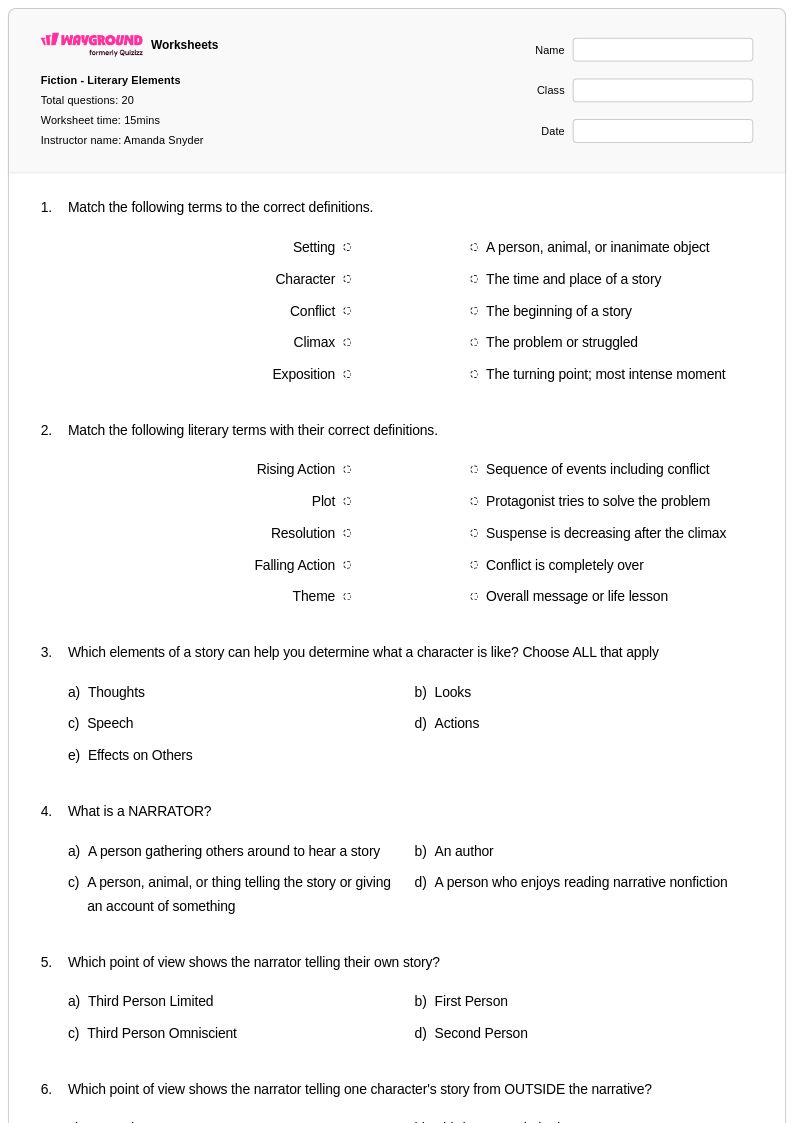
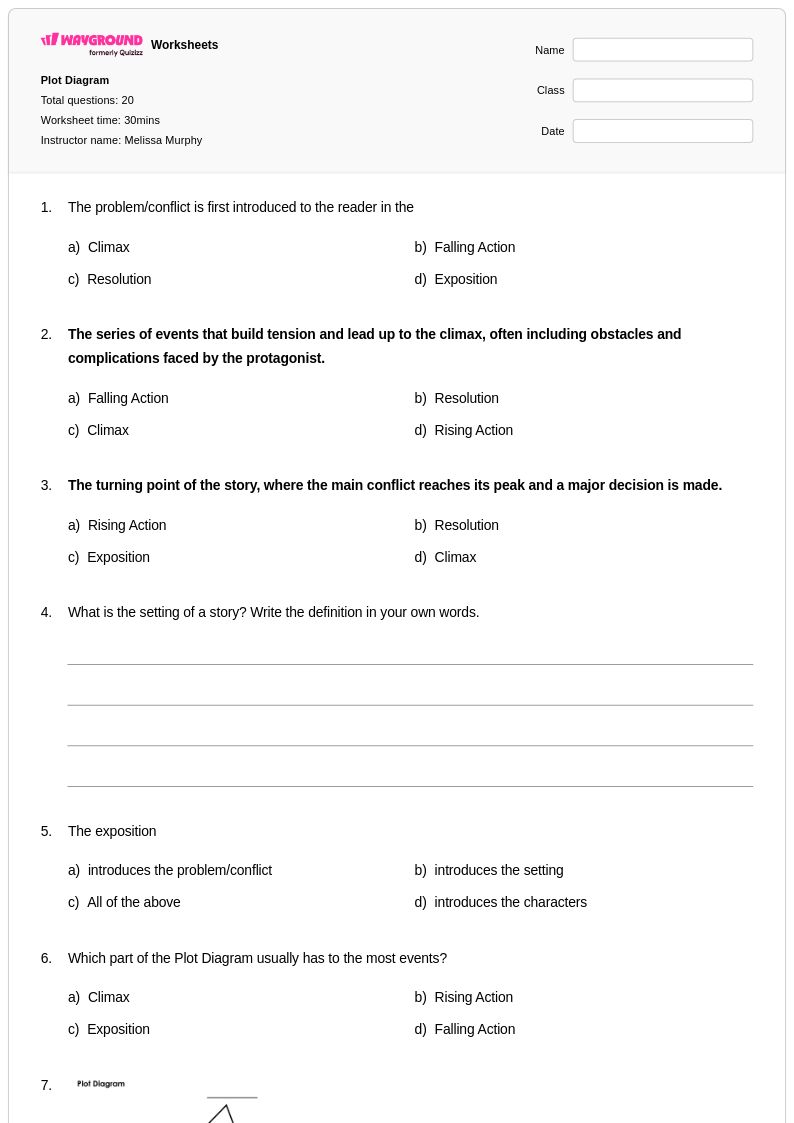
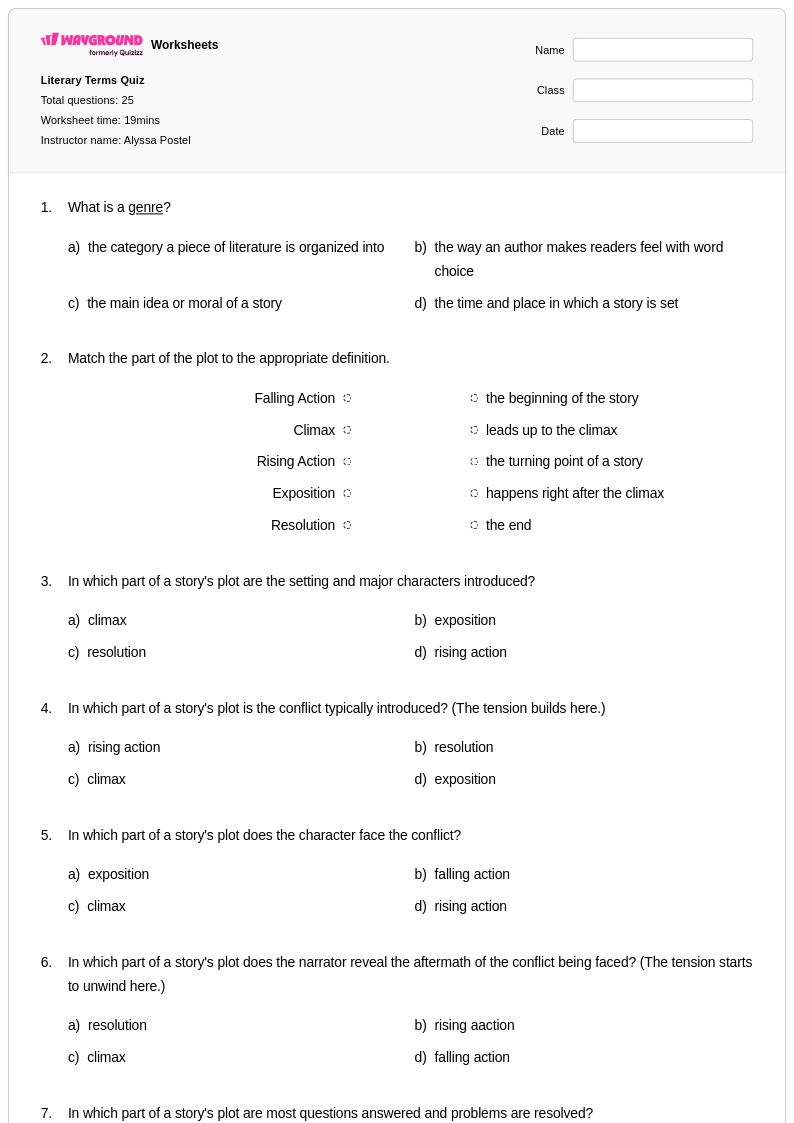
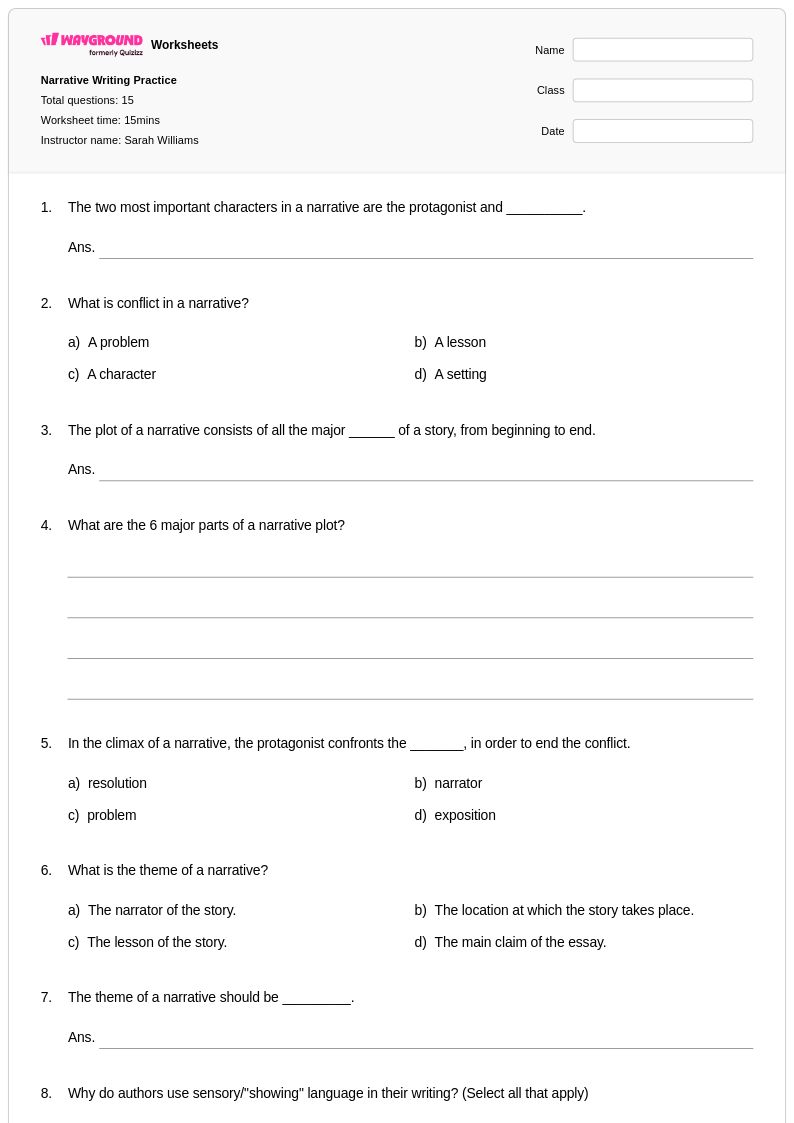
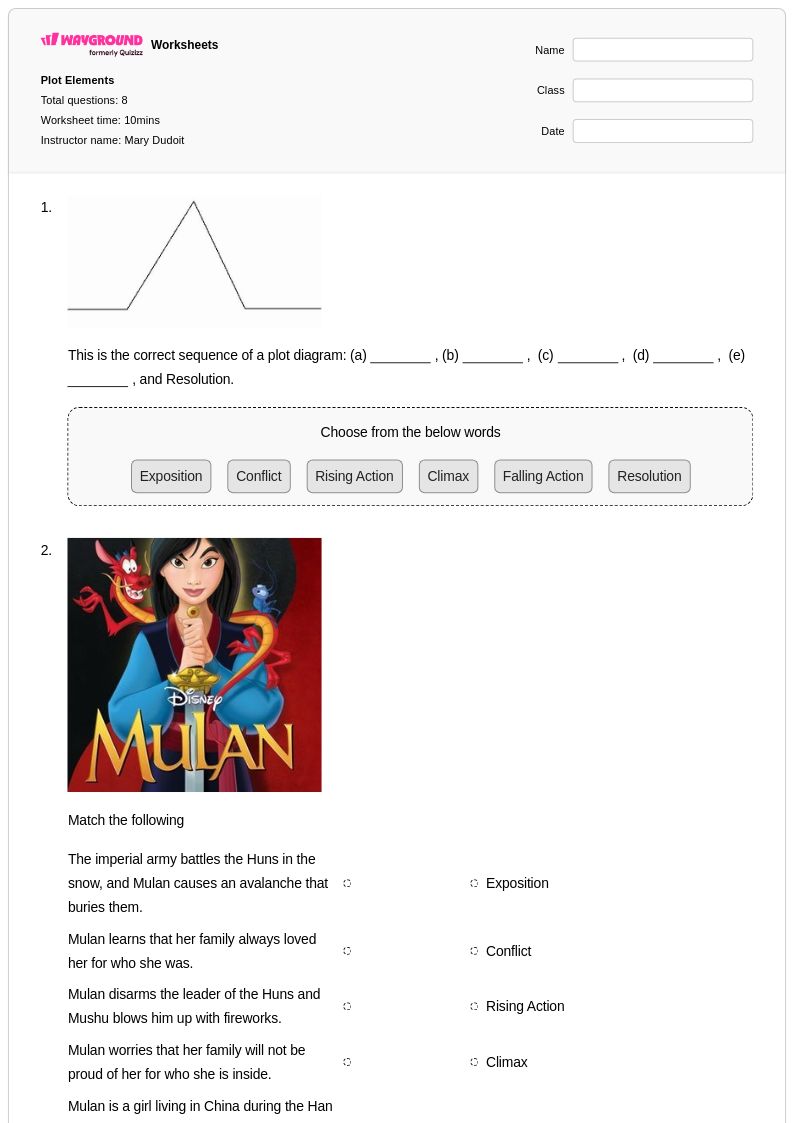
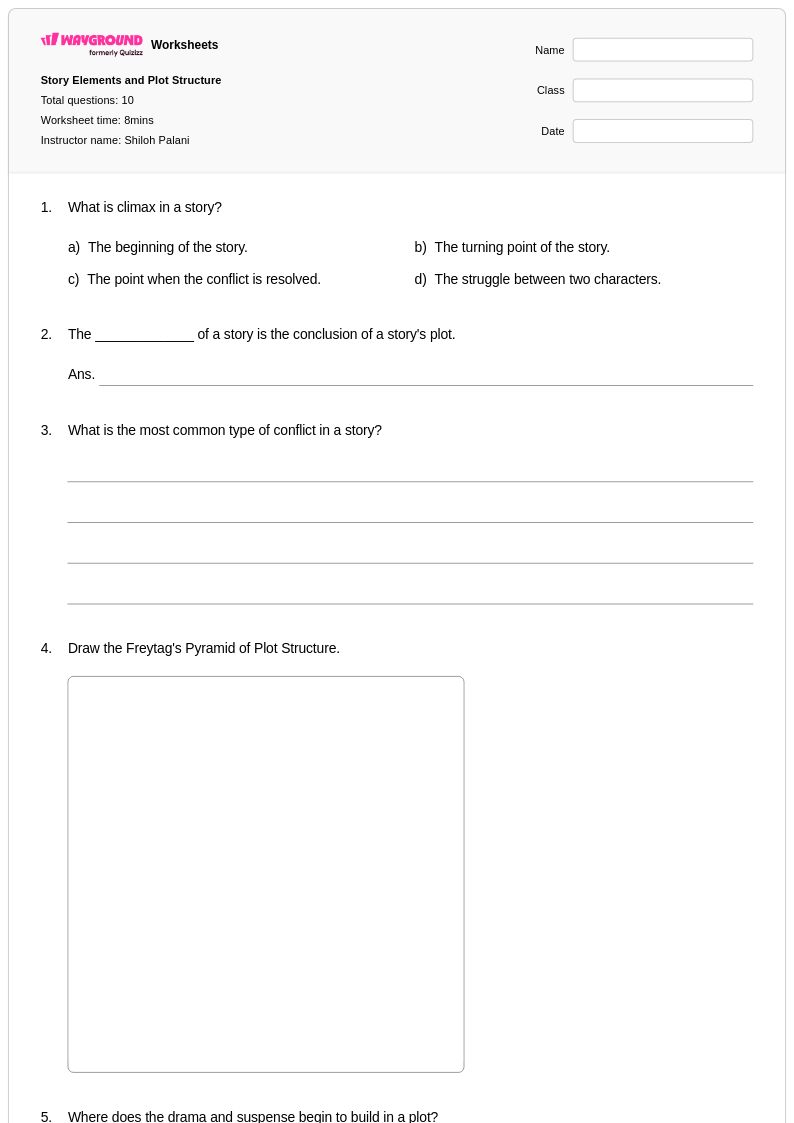
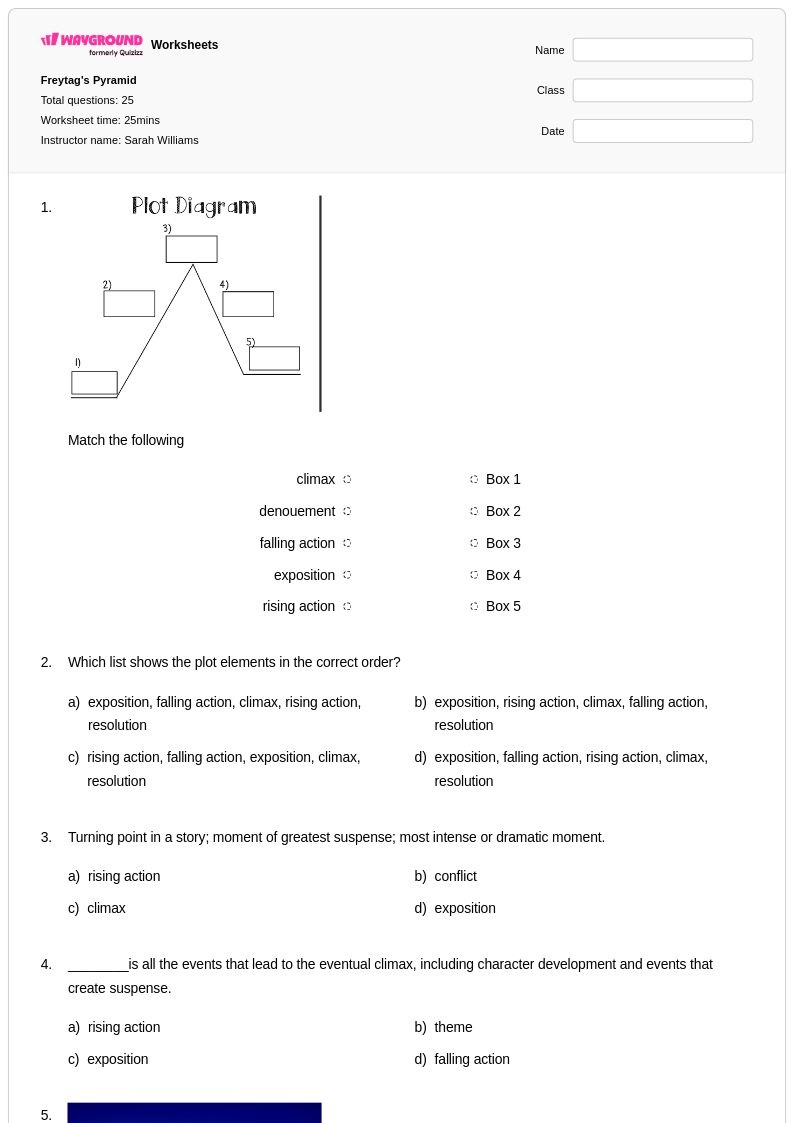
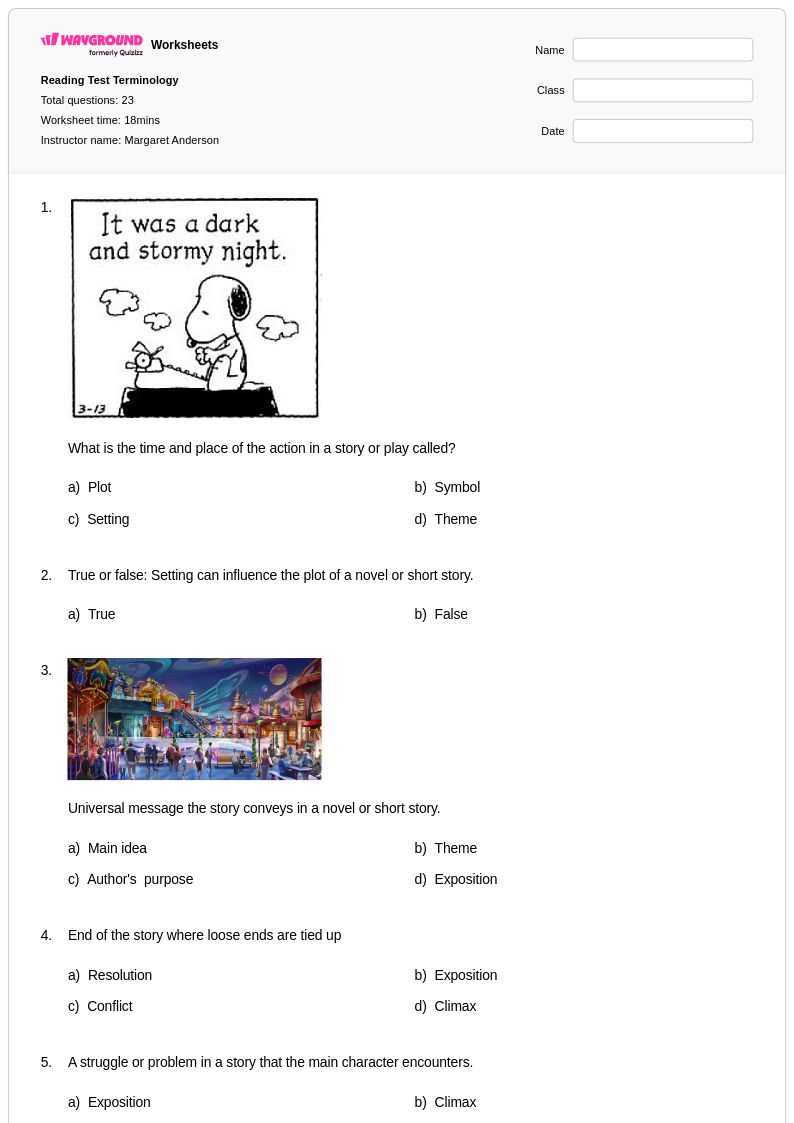
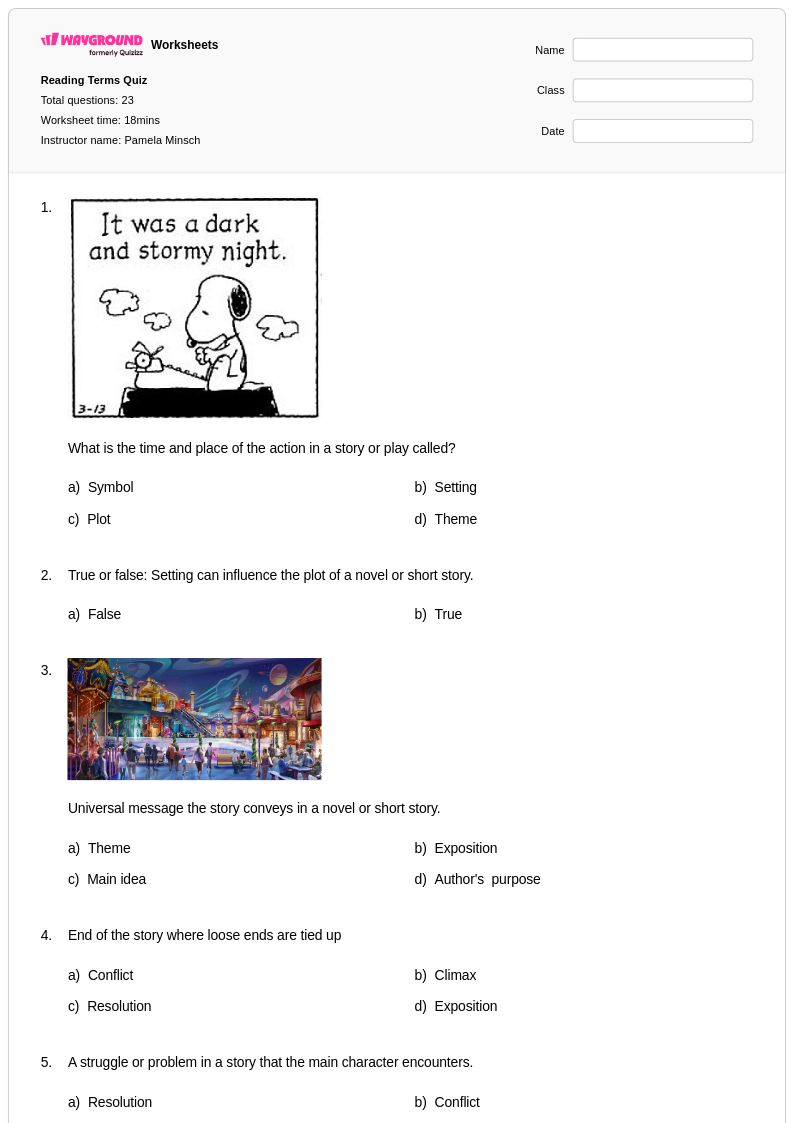
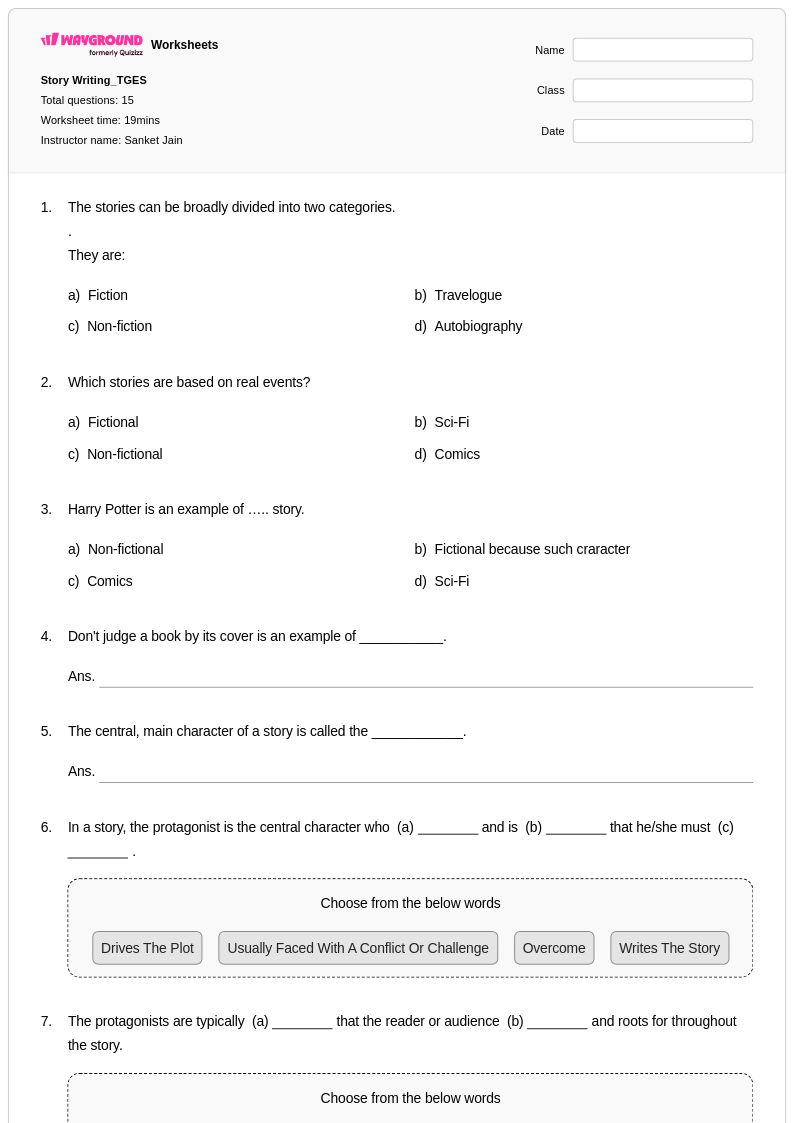
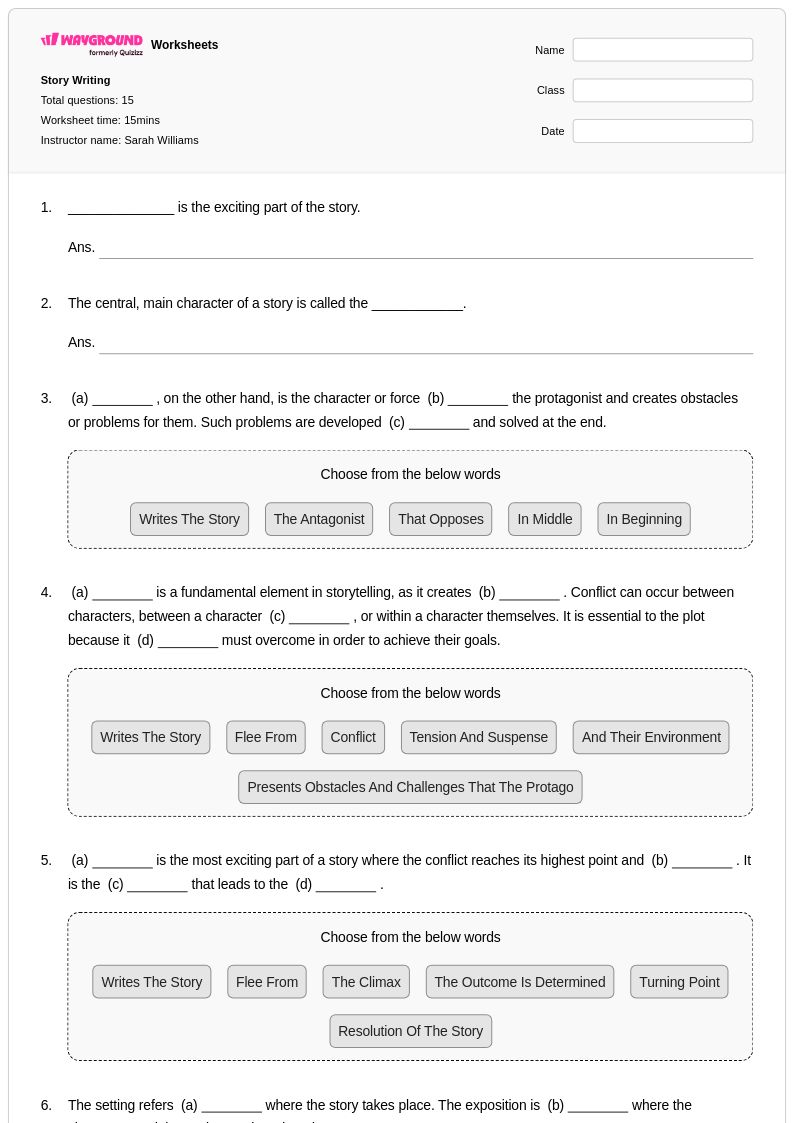
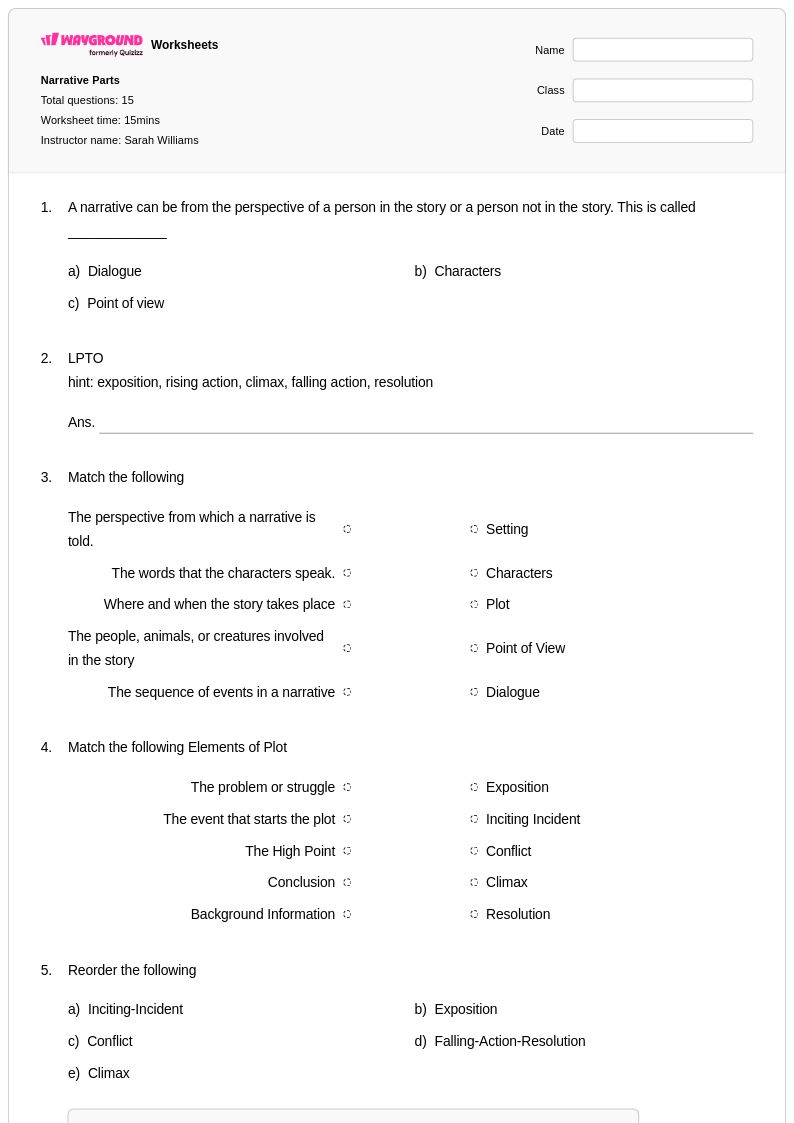
Conflict and Resolution worksheets for Class 7 students available through Wayground (formerly Quizizz) provide comprehensive reading comprehension practice that helps students identify, analyze, and understand the various types of conflicts that drive literary narratives. These carefully designed printables strengthen critical thinking skills by guiding seventh graders through the recognition of internal conflicts within characters, external conflicts between characters, and broader conflicts between characters and their environment or society. Each worksheet includes structured practice problems that require students to examine textual evidence, make inferences about character motivations, and trace how conflicts develop and resolve throughout a story. The accompanying answer key supports both independent study and classroom instruction, while the free pdf format ensures easy access for students working on conflict analysis skills at home or in school.
Wayground (formerly Quizizz) empowers teachers with millions of educator-created resources specifically focused on conflict and resolution concepts, featuring robust search and filtering capabilities that allow instructors to quickly locate materials aligned with grade-level reading standards and learning objectives. The platform's differentiation tools enable teachers to customize worksheets based on individual student reading levels and comprehension abilities, making it simple to provide targeted remediation for struggling readers or enrichment activities for advanced learners. Available in both printable and digital formats including downloadable pdf versions, these worksheet collections support flexible lesson planning whether teachers need quick practice activities, comprehensive skill assessments, or supplementary materials for literature units. The extensive library of conflict and resolution resources helps educators efficiently address diverse learning needs while building students' analytical reading skills through consistent, standards-aligned practice opportunities.
FAQs
How do I teach conflict and resolution in literature?
Begin by introducing the four main conflict types: person vs. person, person vs. self, person vs. society, and person vs. nature. Use familiar short stories or picture books to model how conflict is introduced, escalates, and resolves before applying the same framework to longer texts. Structured graphic organizers that ask students to trace the conflict arc from exposition to resolution help build this analytical habit systematically.
What exercises help students practice identifying conflict and resolution in a text?
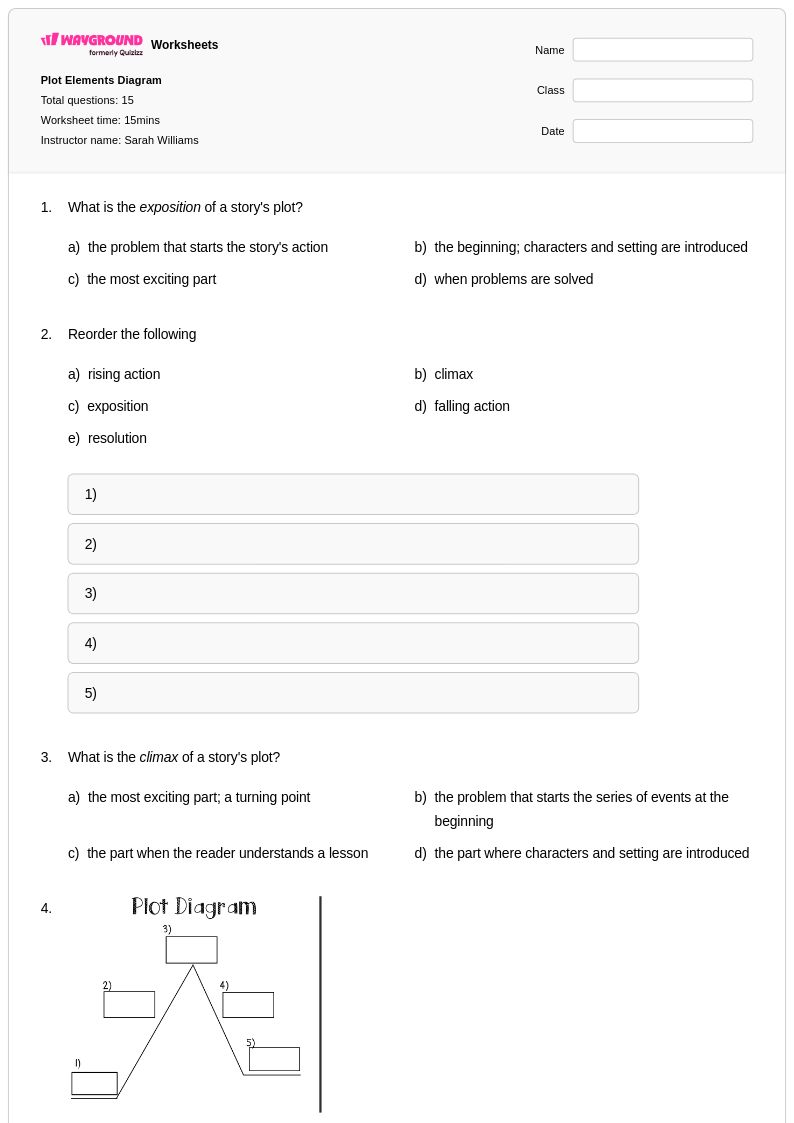
Effective practice activities include conflict mapping, where students label the type of conflict, the inciting event, key turning points, and the resolution in a single visual organizer. Sentence stems like 'The central conflict is ___ because ___' and 'The conflict is resolved when ___' push students to cite textual evidence rather than summarize. Repeated practice across multiple short texts helps students internalize the pattern before applying it to full-length novels.
What mistakes do students commonly make when analyzing conflict and resolution?
The most common error is confusing plot events with conflict — students often describe what happens rather than identifying the underlying tension that drives the story. Another frequent mistake is treating resolution as synonymous with a happy ending, when in many texts the conflict ends ambiguously or tragically. Students also tend to identify only one conflict type when many narratives contain overlapping internal and external conflicts simultaneously.
How can I differentiate conflict and resolution instruction for struggling readers?
For struggling readers, reduce cognitive load by providing texts with a single, clearly defined conflict before introducing narratives with layered tensions. Sentence frames and partially completed graphic organizers scaffold the analysis process without removing the thinking. On Wayground, teachers can enable the Read Aloud accommodation so students hear the text and questions read to them, and can reduce the number of answer choices displayed to individual students who need additional support.
How do I use Wayground's conflict and resolution worksheets in my classroom?
Wayground's conflict and resolution worksheets are available as printable PDFs for traditional classroom use and in digital formats for technology-integrated environments, including the option to host them as an interactive quiz directly on the platform. Teachers can use the search and filtering tools to find materials aligned to specific reading standards or grade-level texts. Each worksheet includes a complete answer key, making them practical for independent practice, guided reading groups, or formative assessment checkpoints.
How do I assess whether students understand conflict and resolution?
Strong assessment tasks ask students to do more than label a conflict type — they should explain how the conflict creates tension, how character decisions influence its development, and how the resolution reflects a theme or character change. Exit tickets that ask students to identify the central conflict and its resolution in a passage they read that day provide quick formative data. Look for whether students can distinguish between internal and external conflict and whether they use evidence from the text rather than personal opinion.