
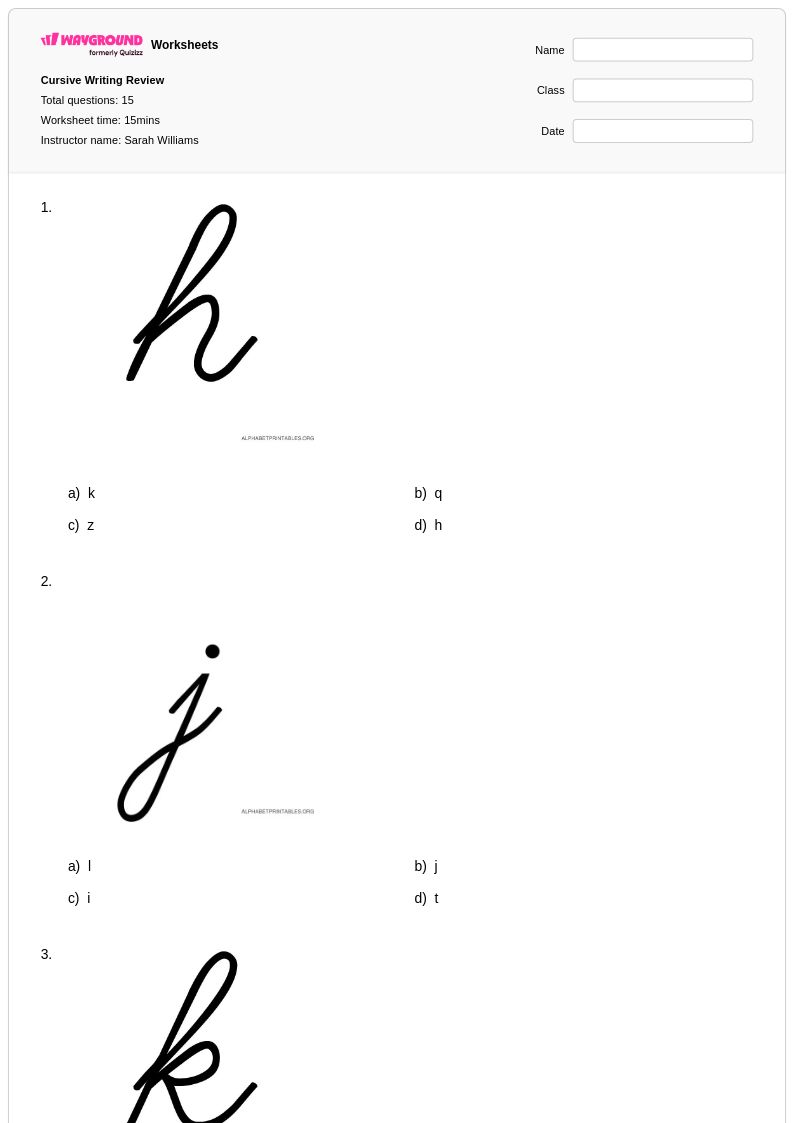
15 Q
3rd - Uni
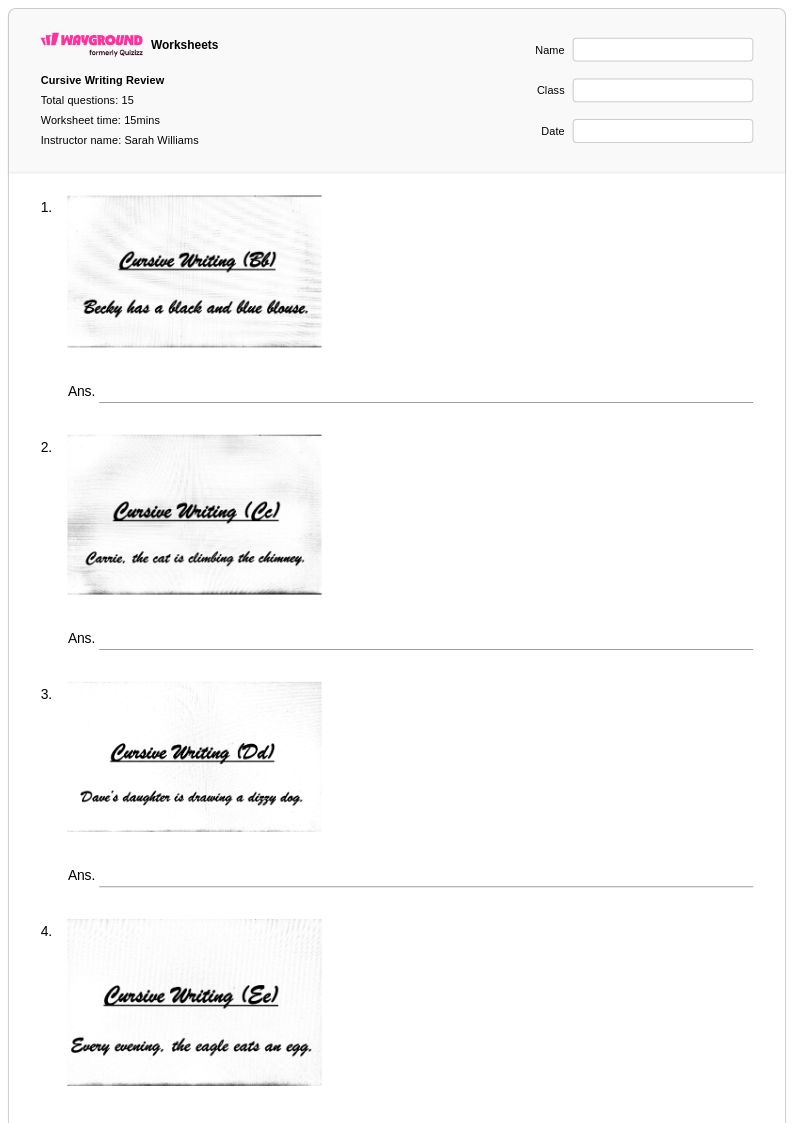
15 Q
3rd - Uni
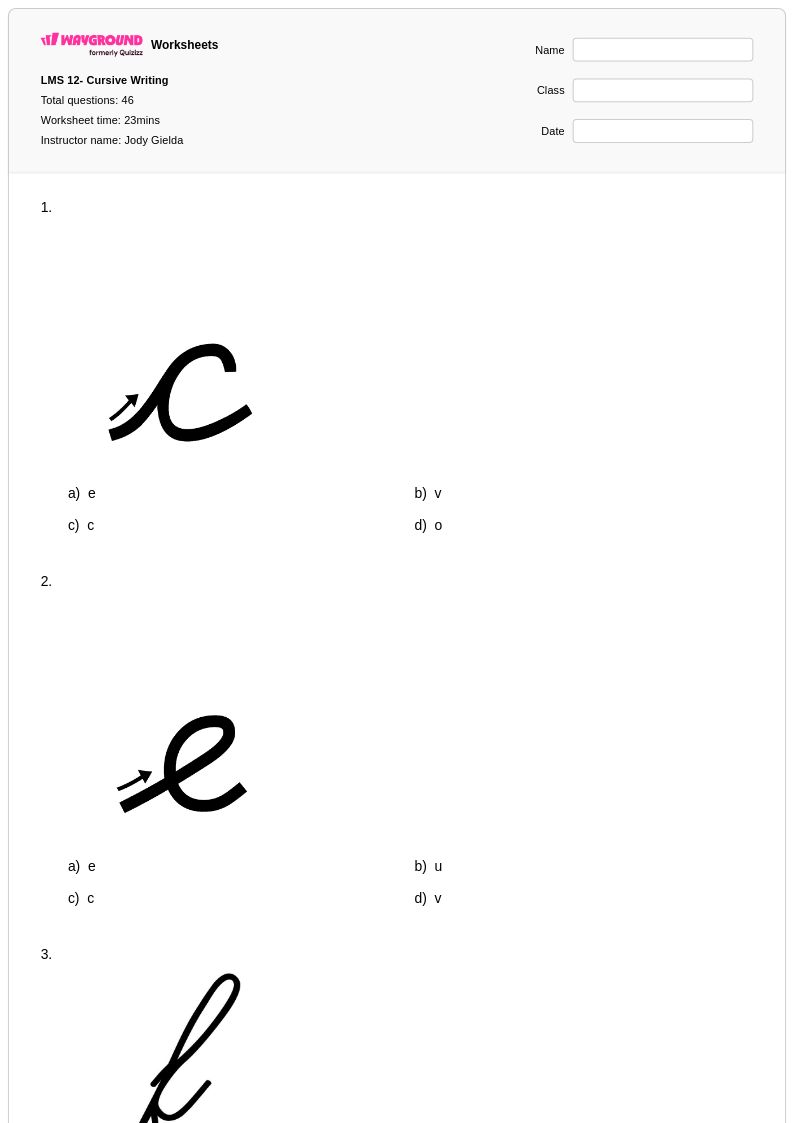
46 Q
7th - 12th
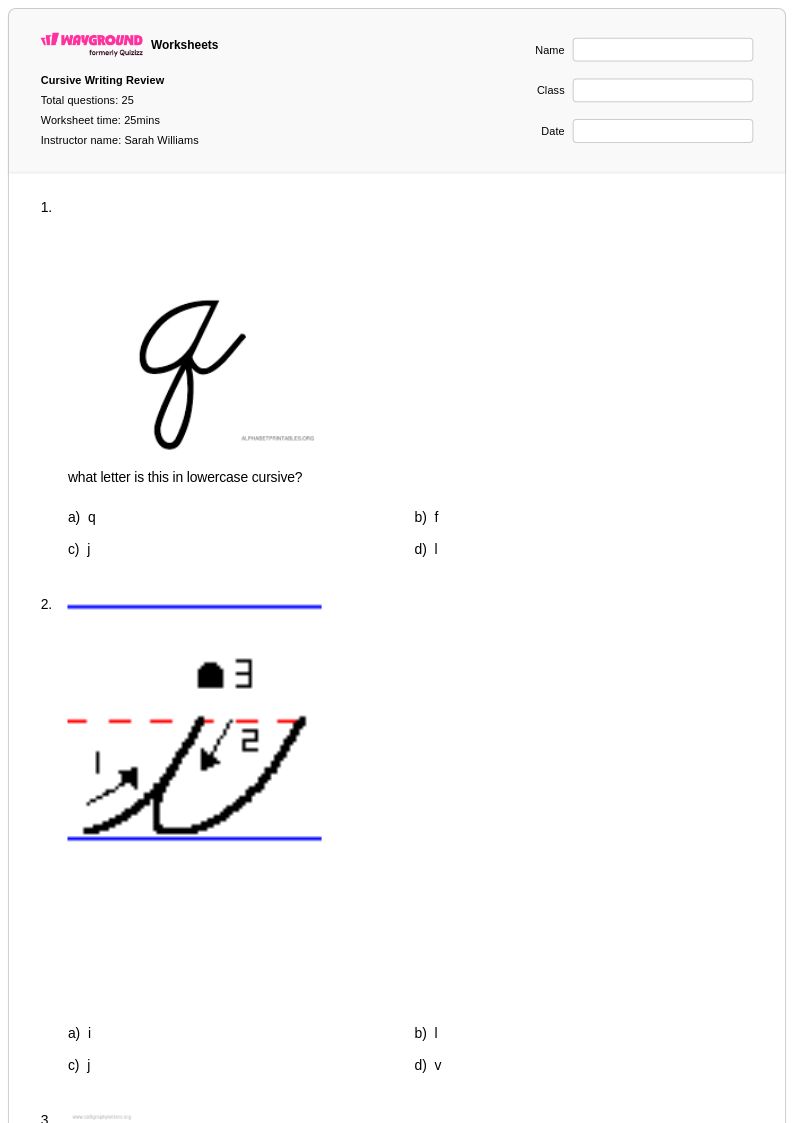
25 Q
3rd - Uni
16 Q
7th
49 Q
5th
15 Q
3rd - Uni
15 Q
3rd - Uni
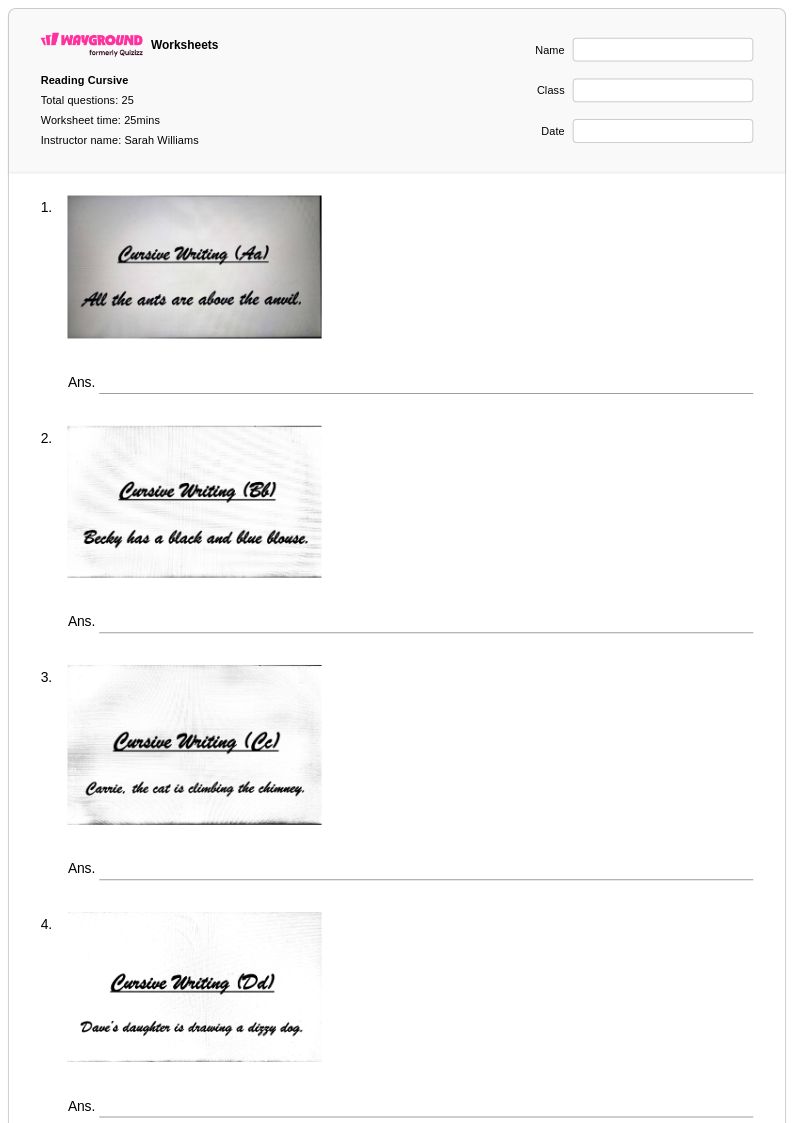
25 Q
3rd - Uni
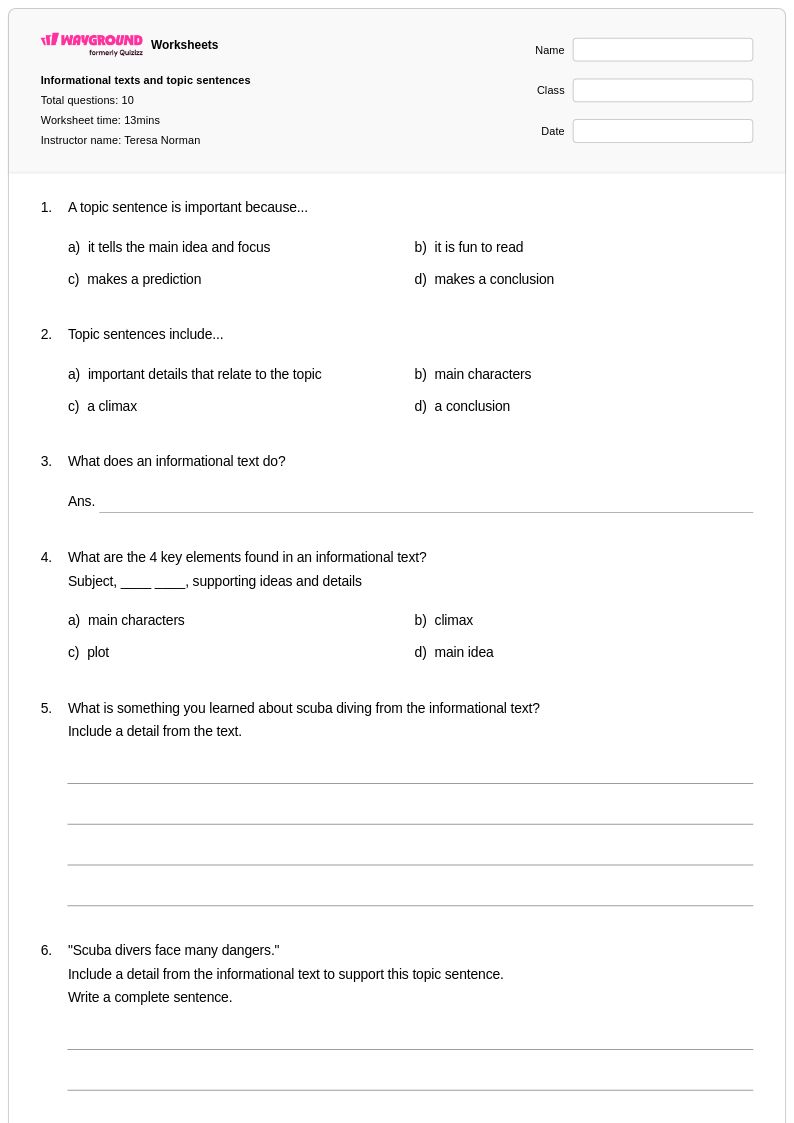
10 Q
6th - 8th
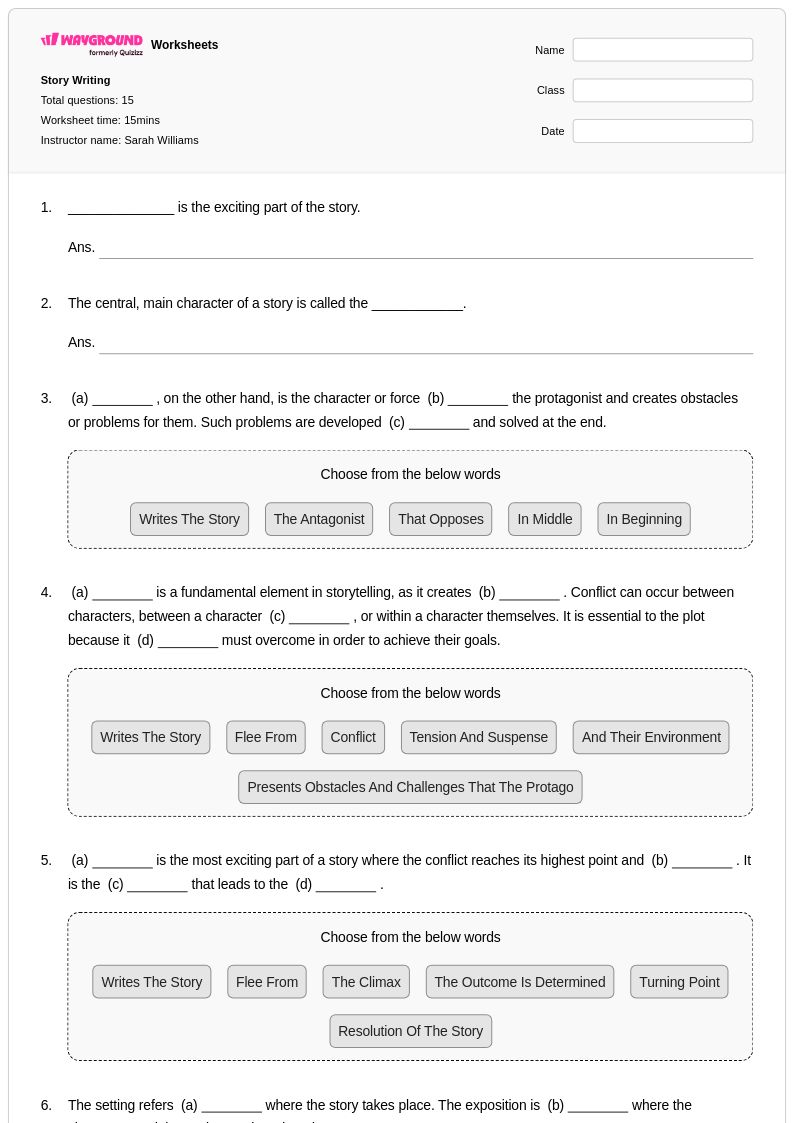
15 Q
6th - Uni
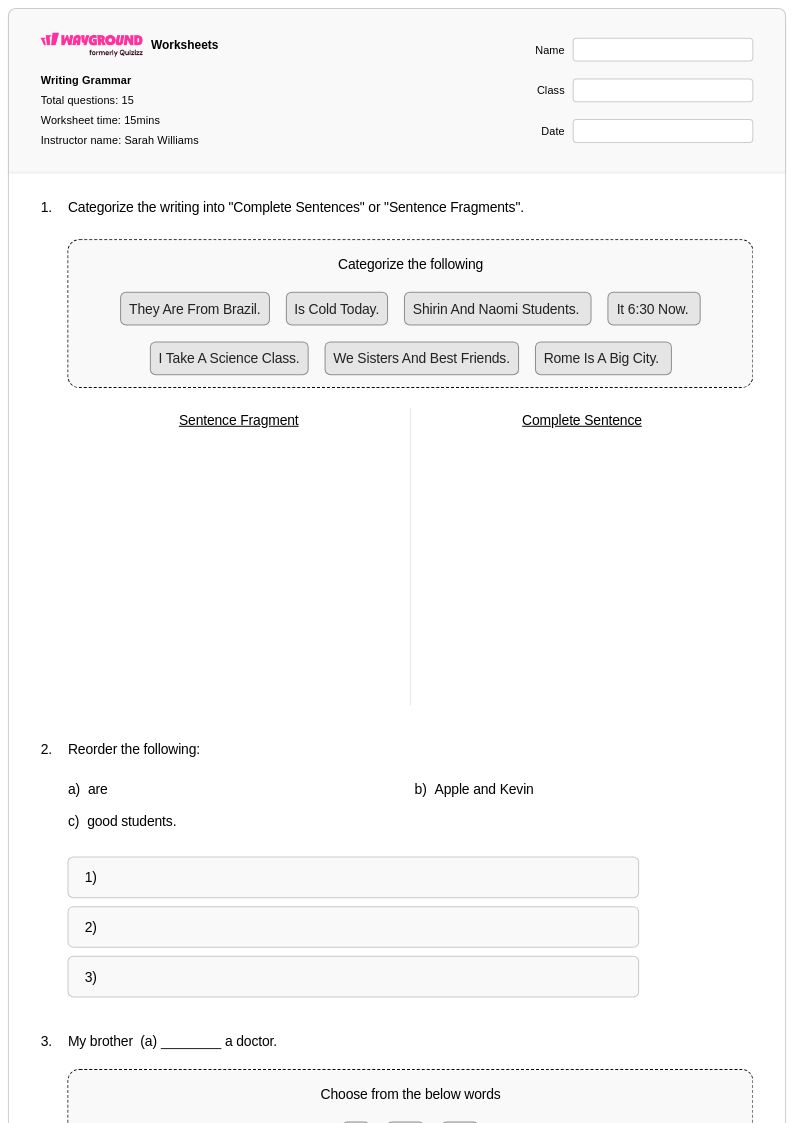
15 Q
4th - Uni
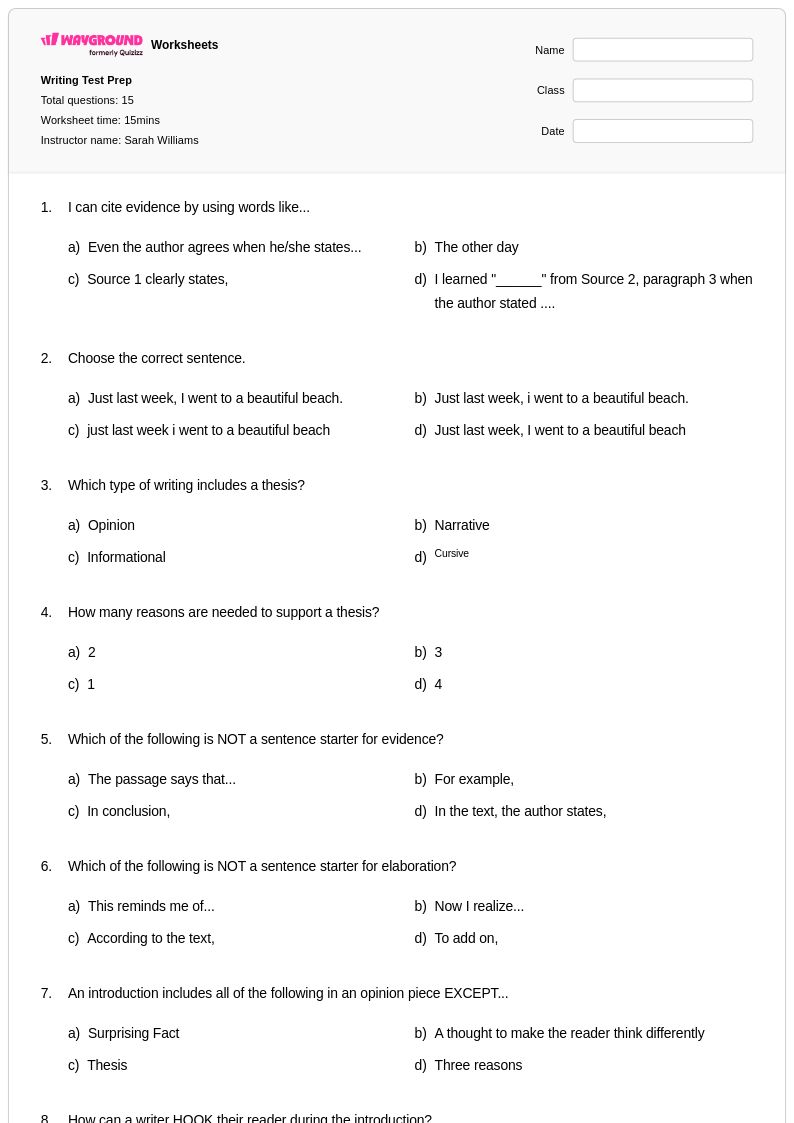
15 Q
3rd - Uni
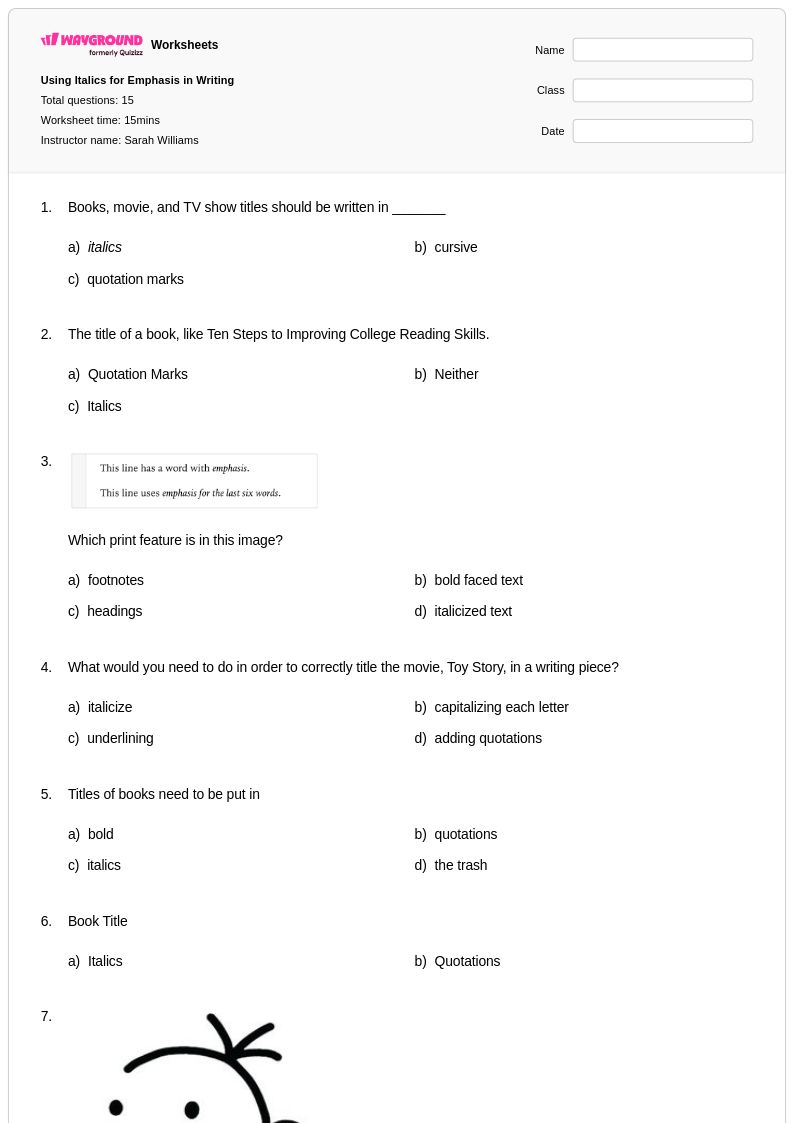
15 Q
5th - Uni
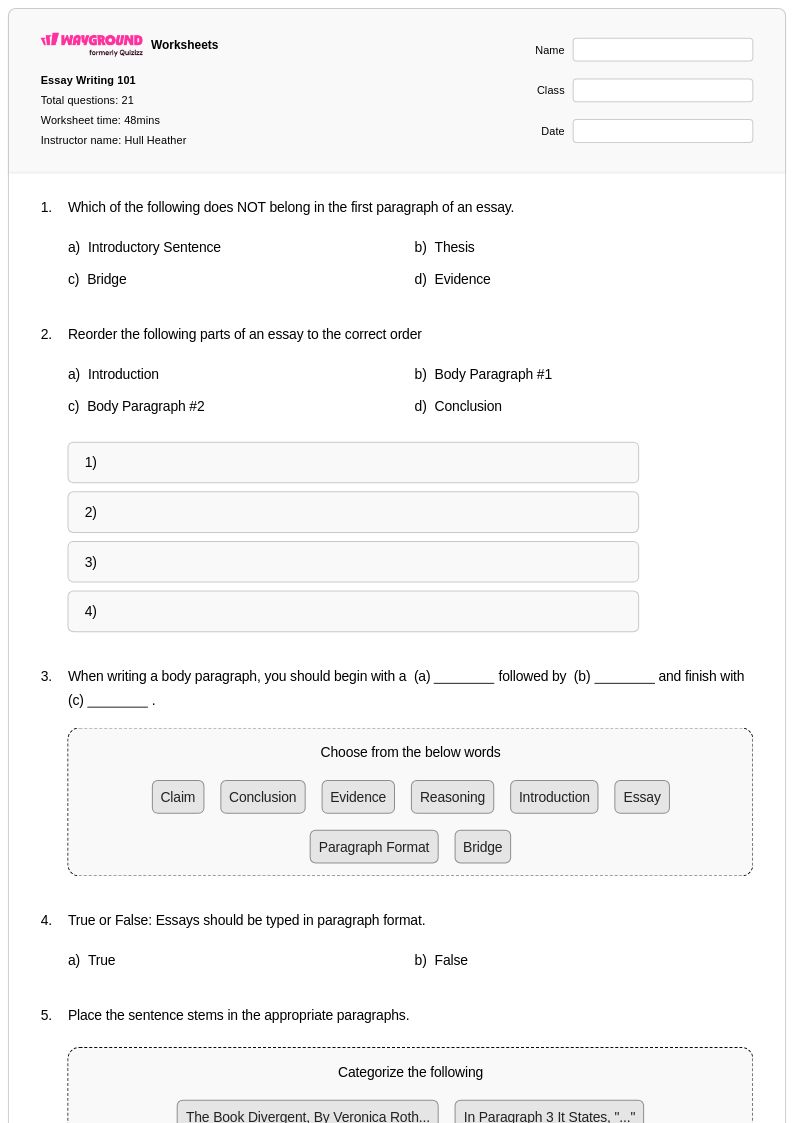
21 Q
6th - 8th
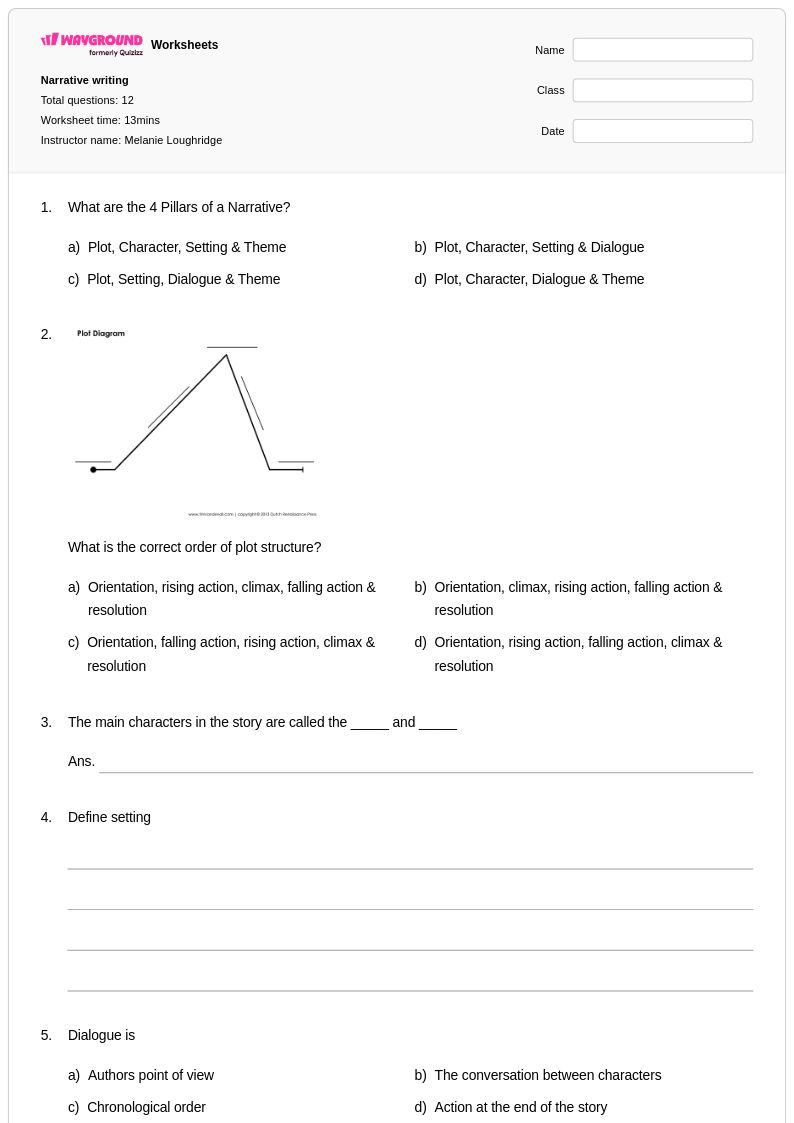
12 Q
6th - 8th

18 Q
6th - 8th
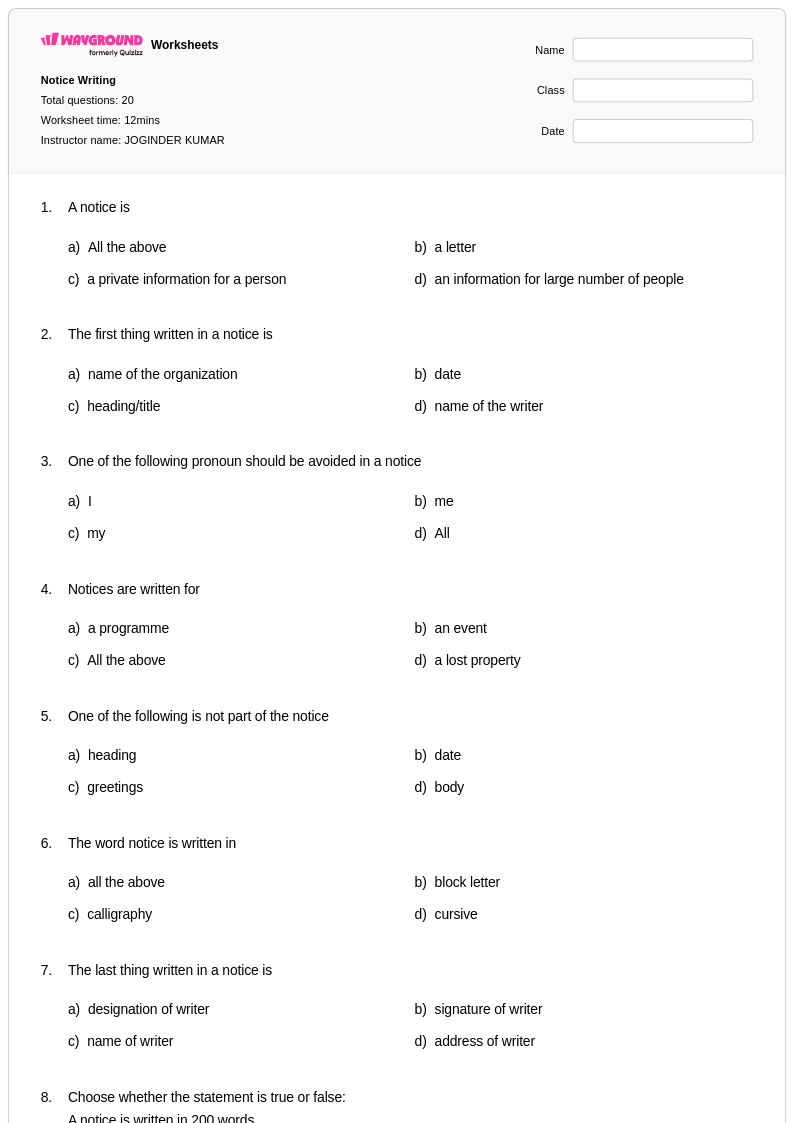
20 Q
7th
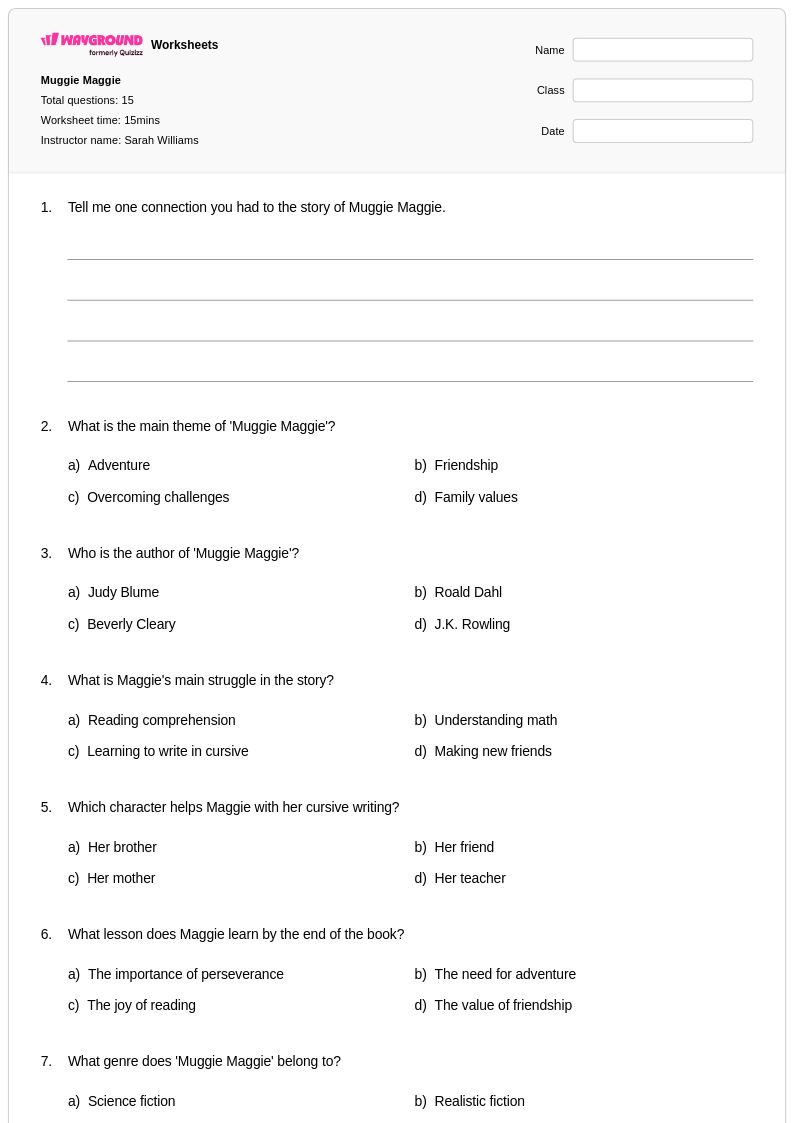
15 Q
3rd - Uni
Explore Other Subject Worksheets for class 7
Explore printable Cursive Writing worksheets for Class 7
Cursive writing worksheets for Class 7 students available through Wayground (formerly Quizizz) provide comprehensive practice opportunities for developing and refining elegant handwriting skills at the middle school level. These carefully designed resources focus on advanced cursive techniques, including proper letter formation, consistent slant and spacing, smooth letter connections, and fluid writing rhythm that seventh graders need to master sophisticated penmanship. The worksheets systematically address challenging aspects of cursive writing such as maintaining legibility at increased writing speeds, transitioning between different letter combinations, and developing personal handwriting style while adhering to cursive standards. Each printable resource includes detailed practice problems that progress from individual letter review to complex paragraph writing, with answer keys provided to support both independent study and guided instruction, ensuring students receive immediate feedback on their cursive writing development.
Wayground (formerly Quizizz) empowers educators with an extensive collection of millions of teacher-created cursive writing worksheets specifically designed for Class 7 instruction, featuring robust search and filtering capabilities that allow quick identification of resources targeting specific cursive writing challenges. The platform's comprehensive differentiation tools enable teachers to customize worksheets according to individual student needs, whether providing additional foundational practice for struggling writers or offering advanced cursive challenges for students ready for enrichment activities. These versatile resources are available in both printable PDF formats and digital versions, facilitating seamless integration into classroom instruction, homework assignments, and remediation sessions. Teachers can efficiently plan comprehensive cursive writing curricula using the platform's organizational features, while the standards-aligned content ensures that Class 7 students develop the handwriting proficiency expected at the middle school level through consistent, targeted practice that builds confidence and technical skill.
FAQs
How do I teach cursive writing to beginners?
What exercises help students practice cursive writing?
What mistakes do students commonly make when learning cursive?
How do I differentiate cursive writing practice for students at different skill levels?
How can I use Wayground's cursive writing worksheets in my classroom?
At what age or grade should students start learning cursive writing?