Free Printable Double Negatives Worksheets for Class 12
Class 12 double negatives worksheets from Wayground help students master proper grammar by identifying and correcting double negative errors through engaging printables, practice problems, and comprehensive answer keys.
Explore printable Double Negatives worksheets for Class 12
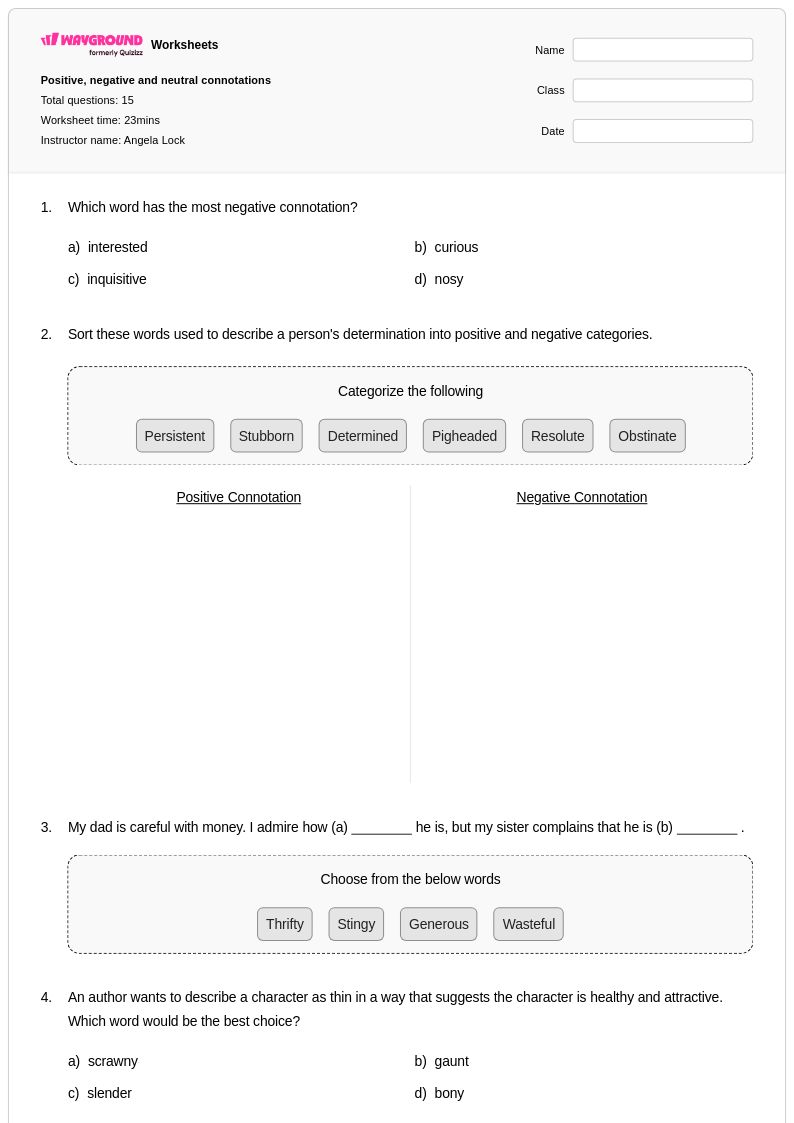
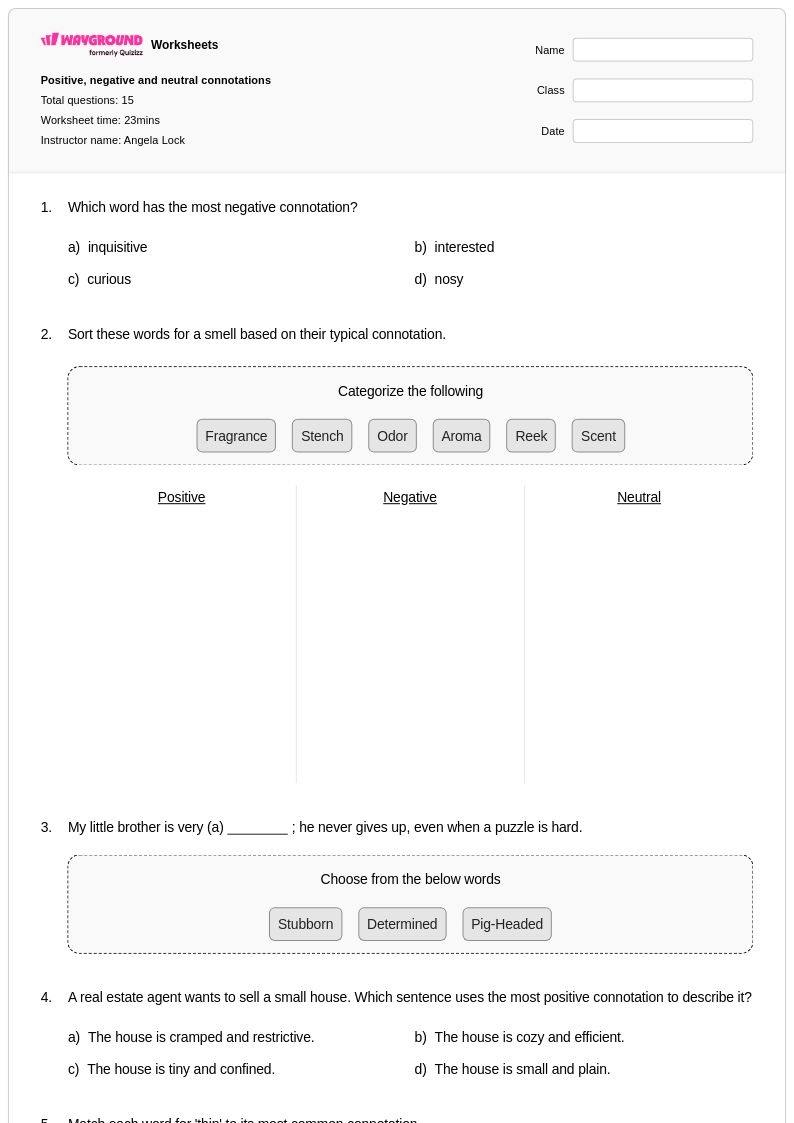
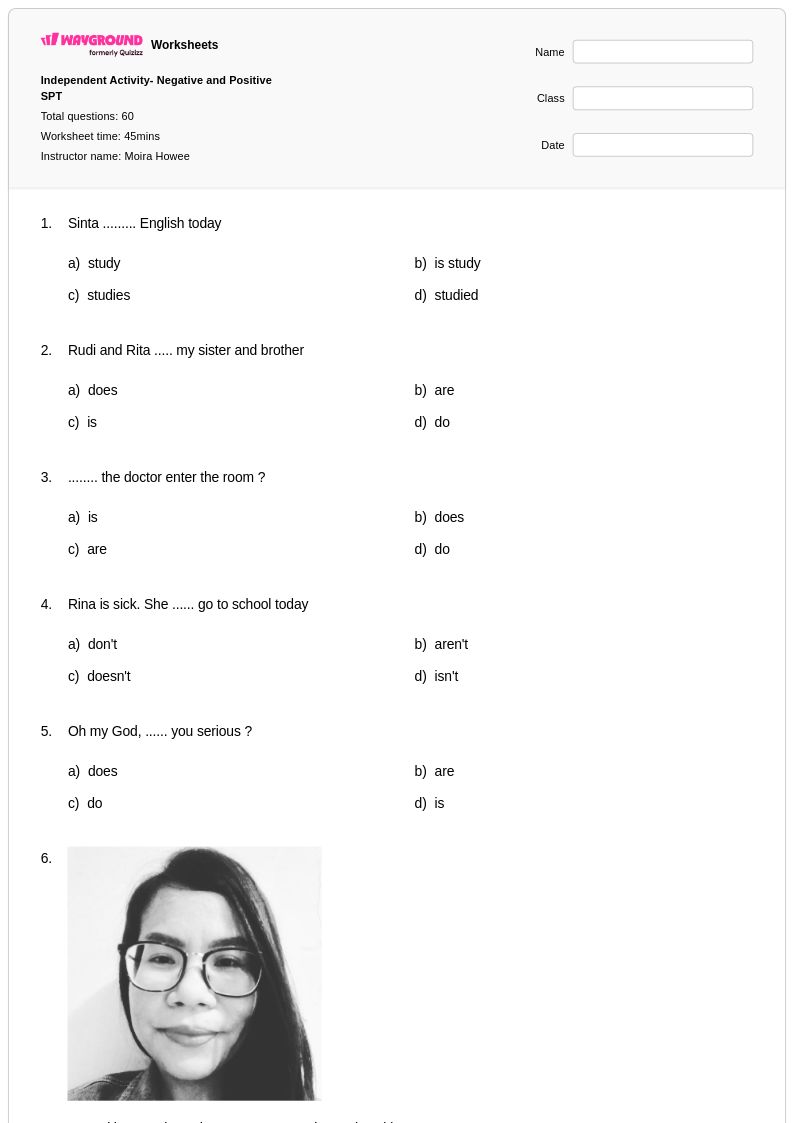
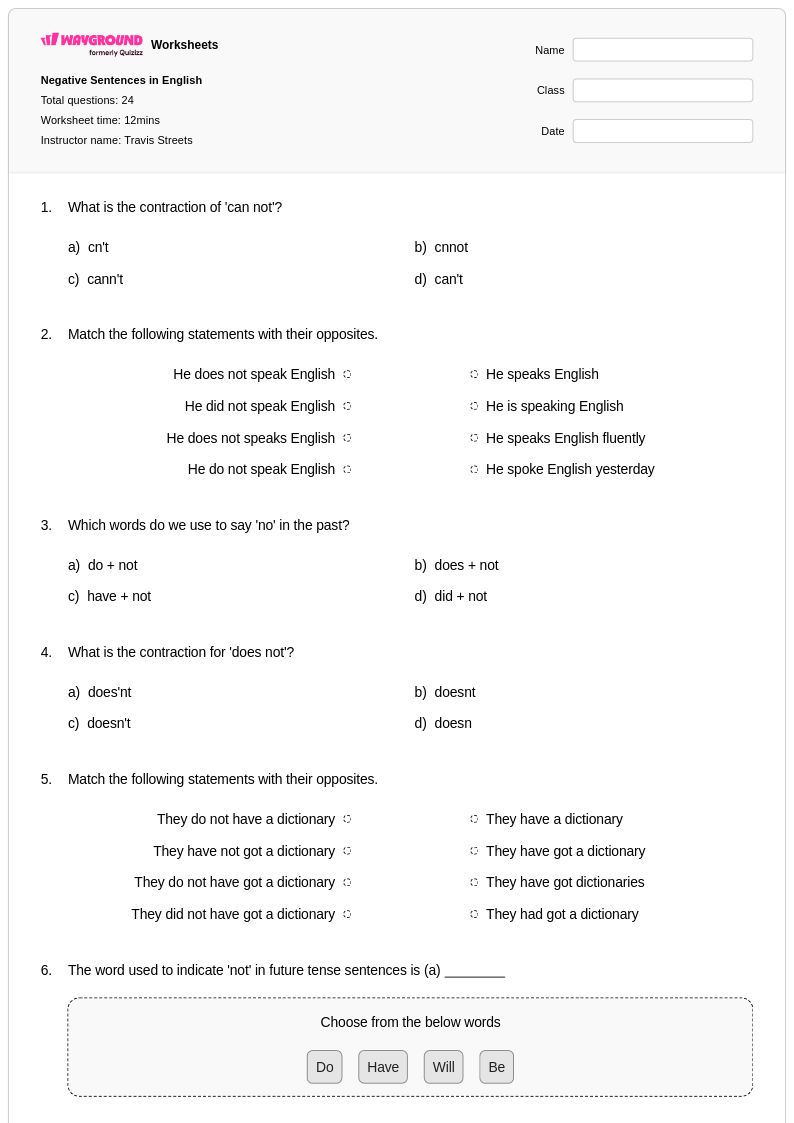
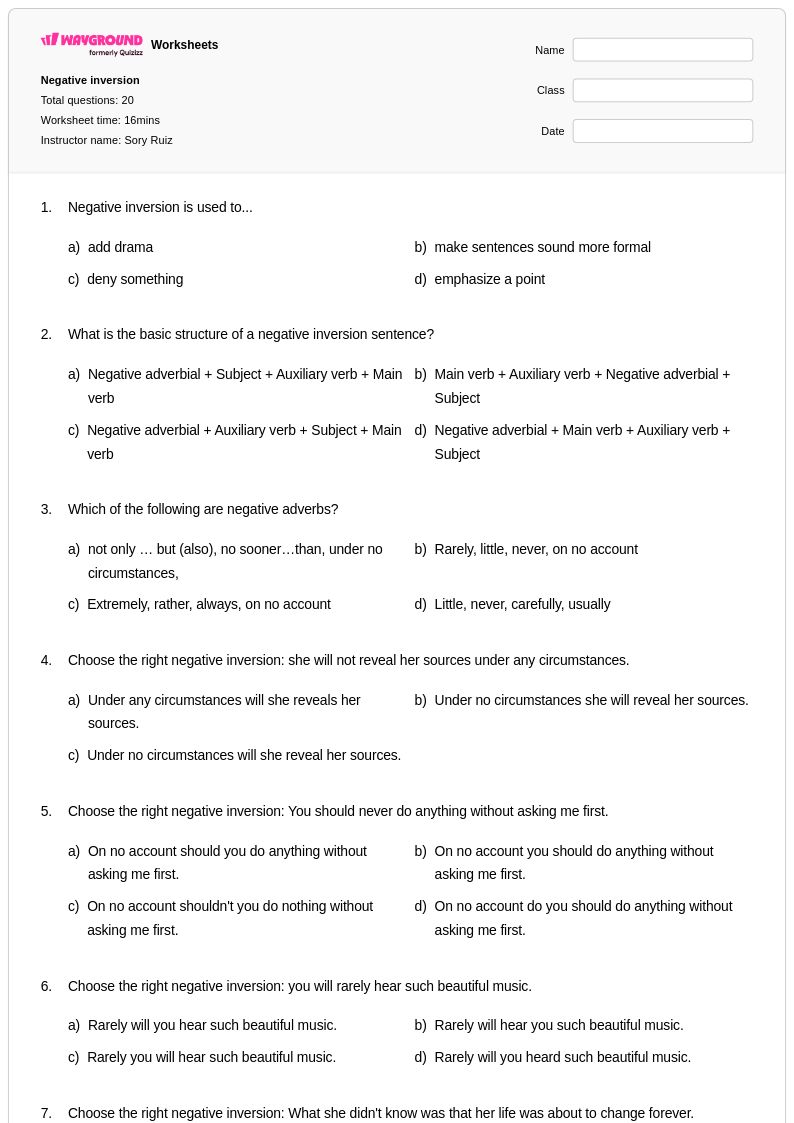
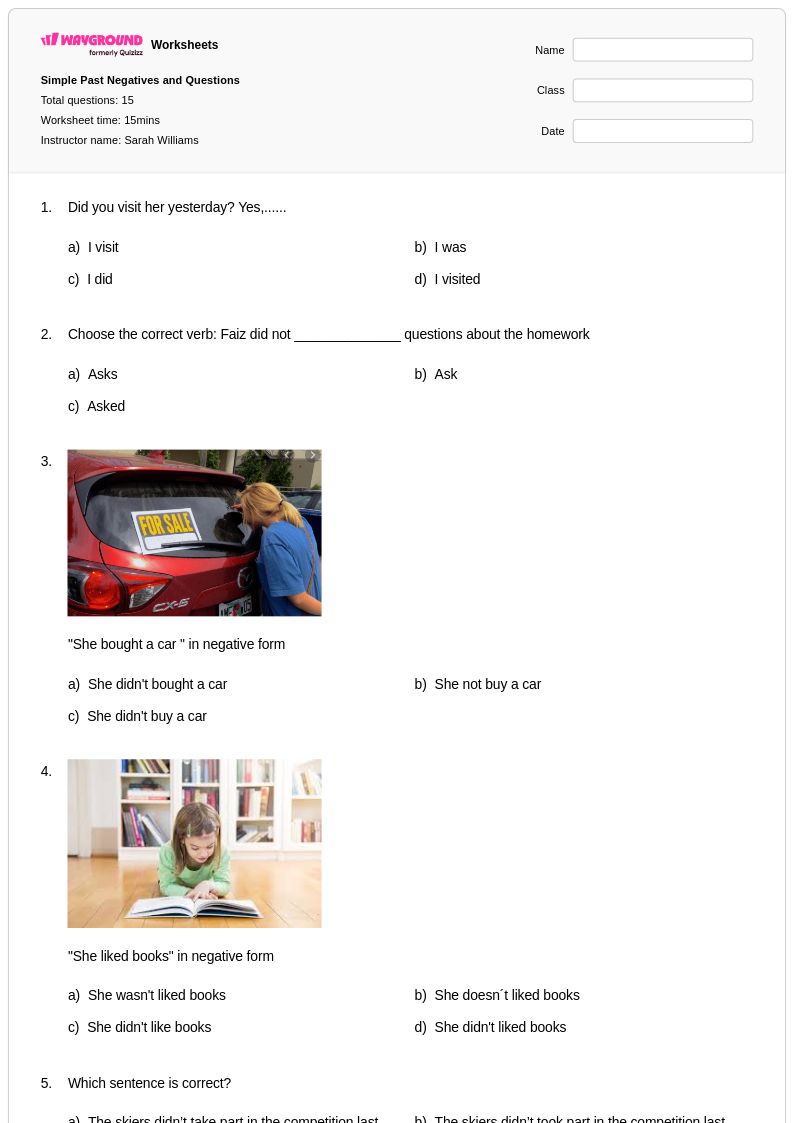
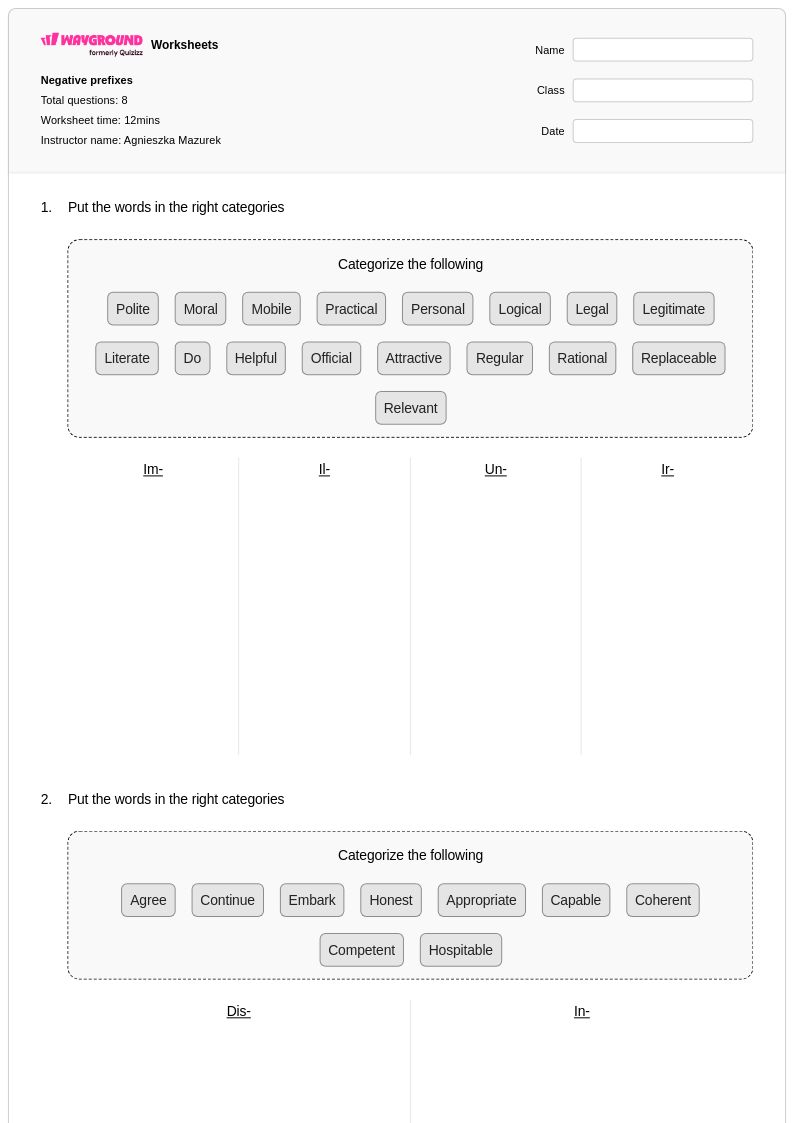
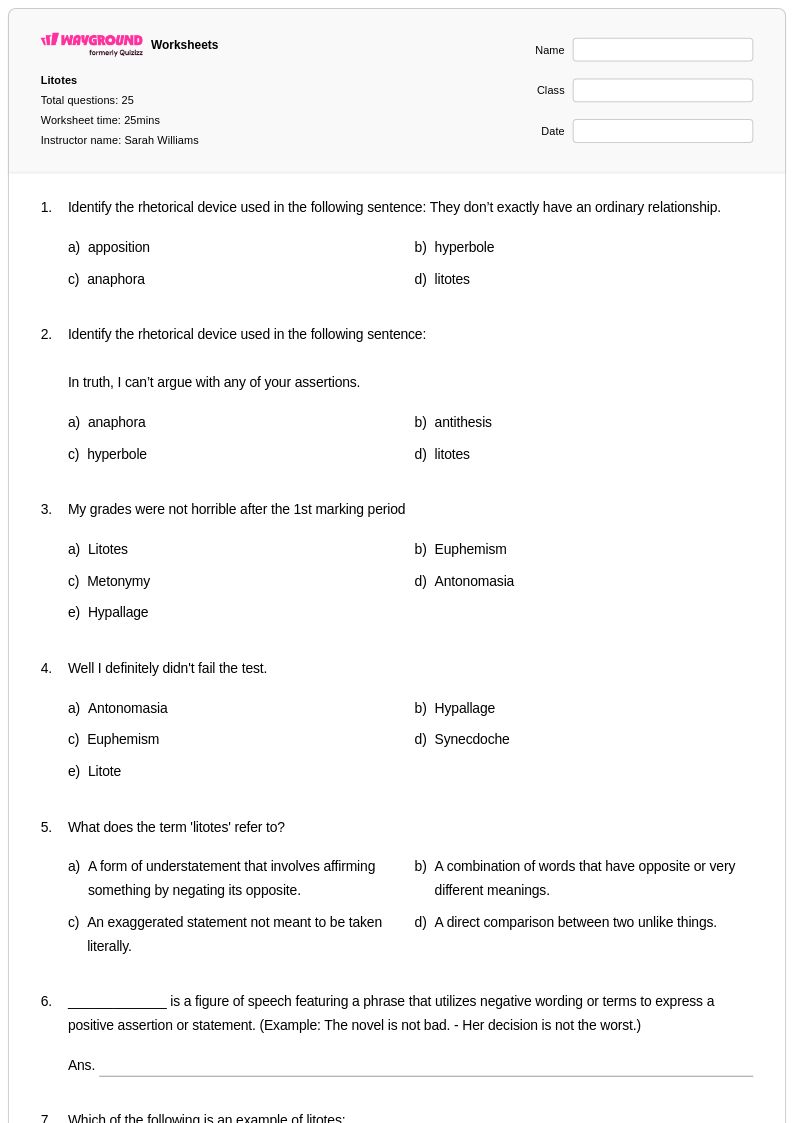
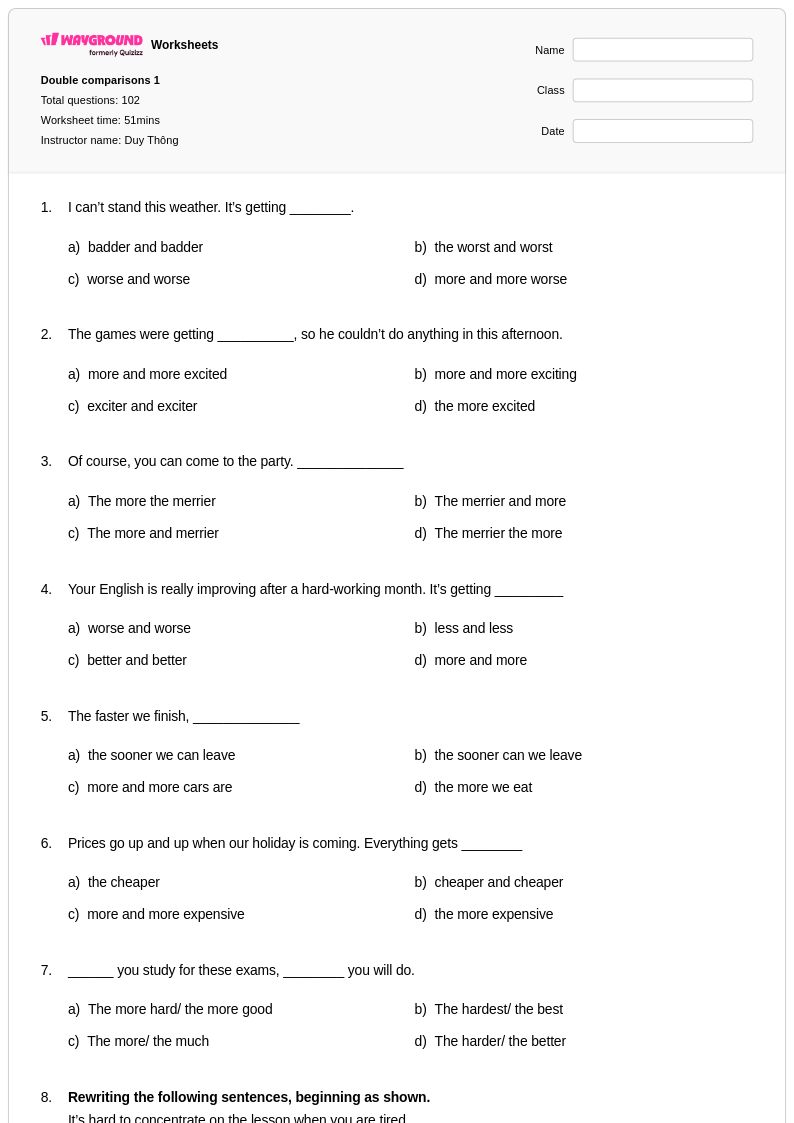
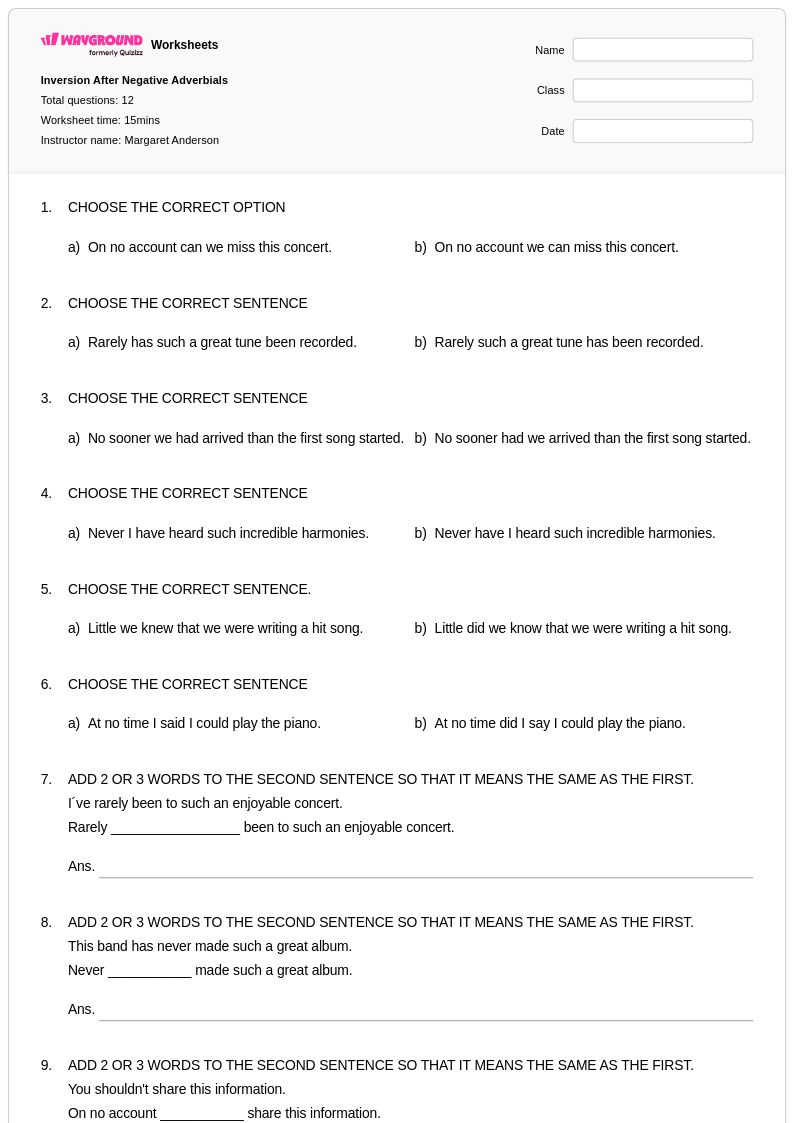
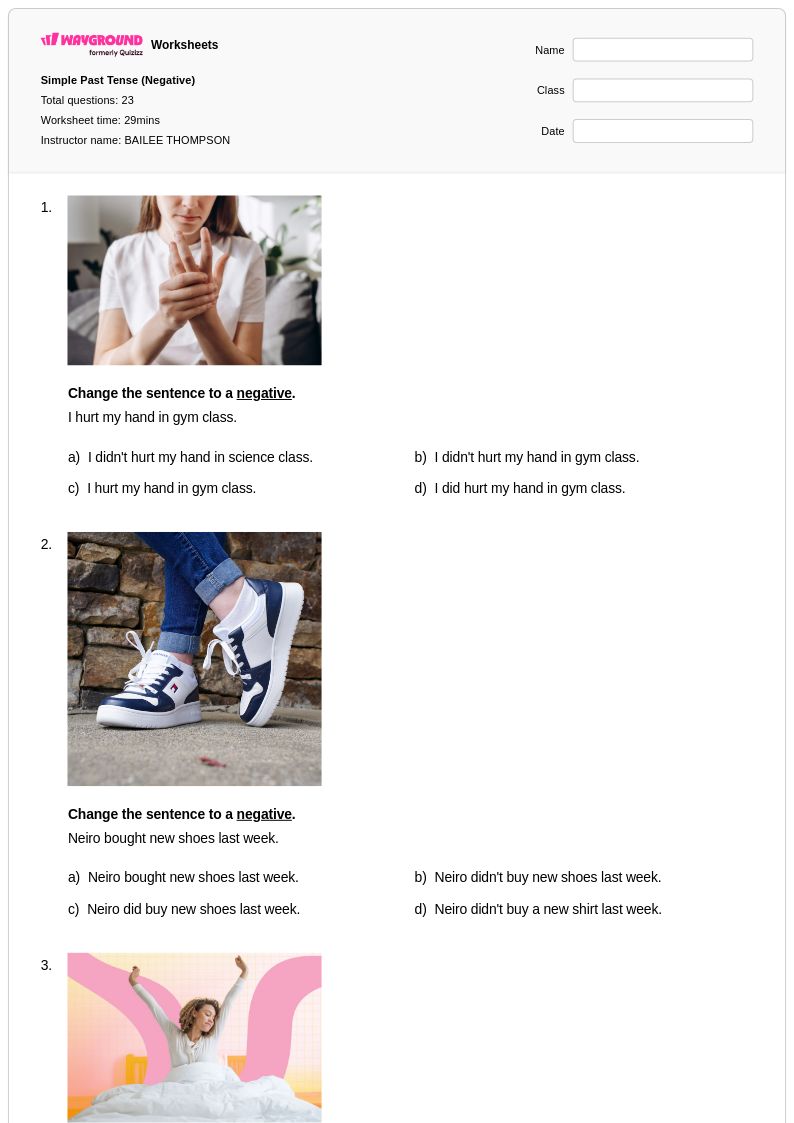
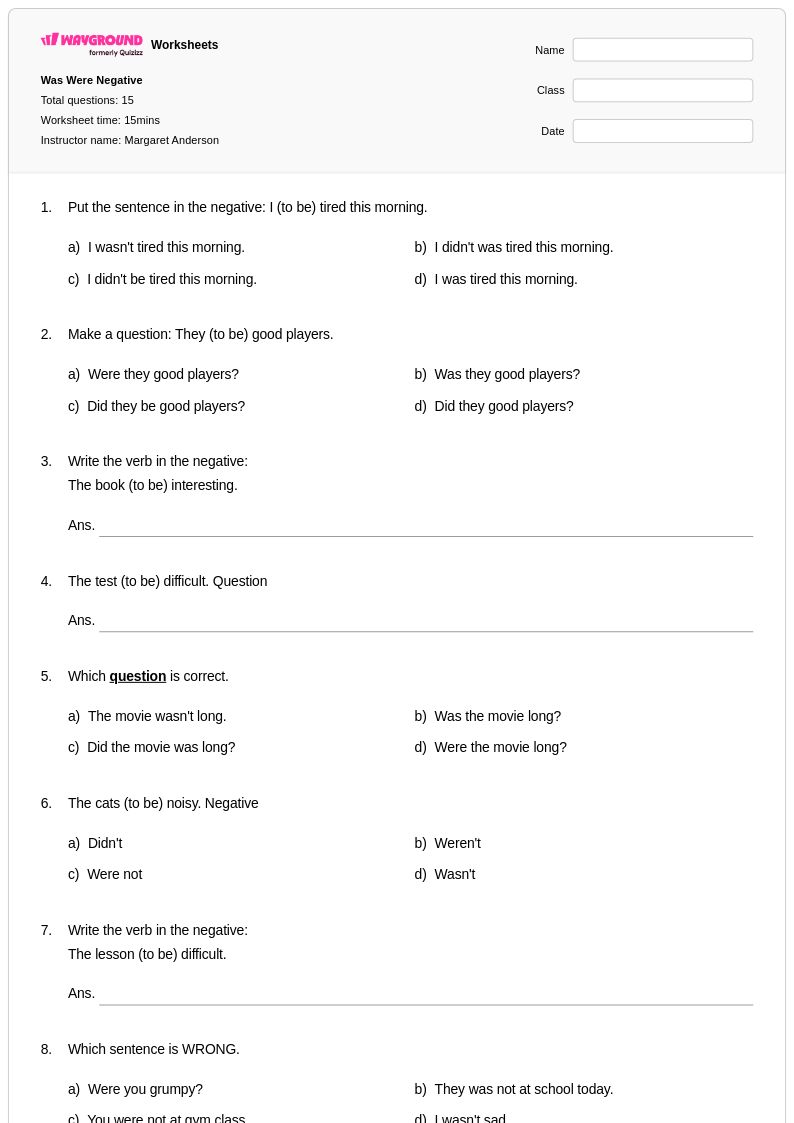
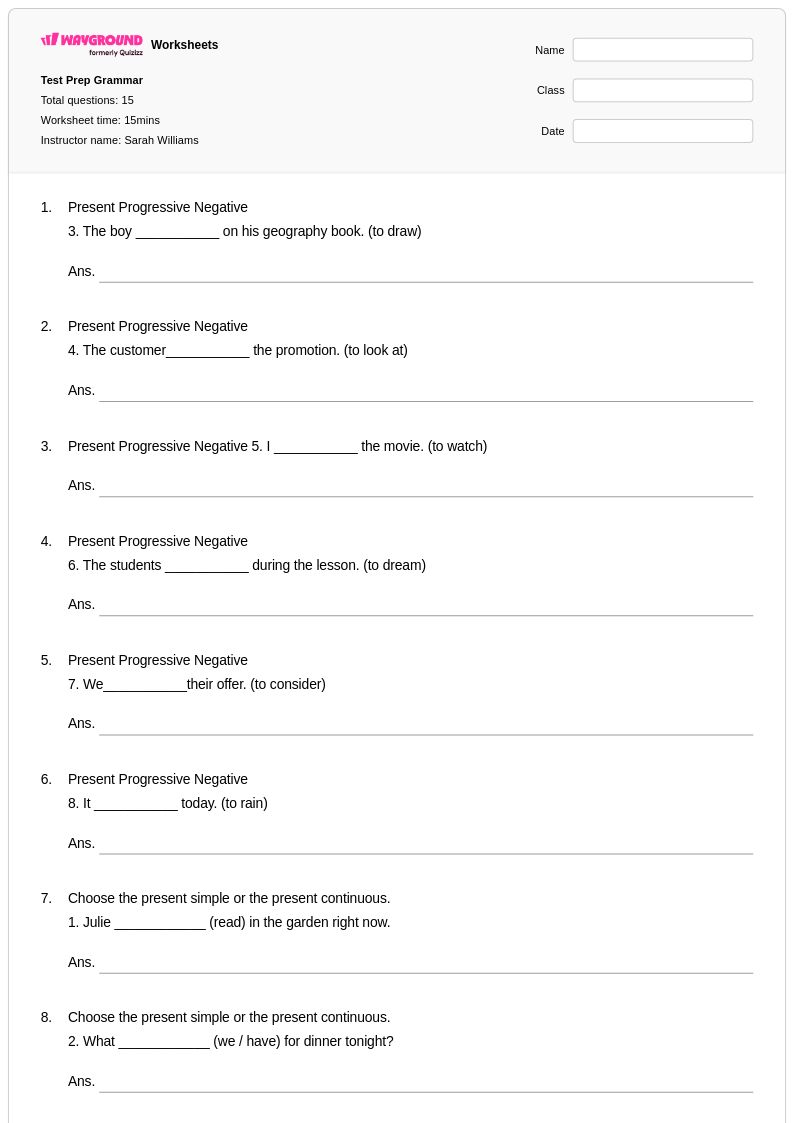
Double negatives represent a critical grammar concept that Class 12 students must master to achieve sophisticated written and oral communication skills. Wayground's comprehensive collection of double negatives worksheets provides advanced high school students with targeted practice in identifying and correcting these common grammatical errors that can undermine clarity and formal writing standards. These expertly designed worksheets strengthen students' ability to recognize when two negative words cancel each other out, creating unintended positive meanings, while building their capacity to revise sentences for proper standard English usage. Each worksheet includes detailed answer keys and practice problems that guide students through progressively challenging examples, from basic double negative identification to complex sentence revision tasks. Available as free printable pdf resources, these materials support both classroom instruction and independent study as students prepare for college-level writing expectations.
Wayground's extensive platform, built on the foundation of millions of teacher-created resources, empowers educators with robust search and filtering capabilities to locate precisely the right double negatives worksheets for their Class 12 English curriculum needs. Teachers can easily differentiate instruction by selecting from worksheets that range from foundational concept review to advanced application exercises, ensuring appropriate challenge levels for diverse learners. The platform's flexible customization tools allow educators to modify existing worksheets or combine multiple resources to create comprehensive practice sets aligned with state standards and local curriculum requirements. Available in both printable pdf format for traditional classroom use and digital formats for online learning environments, these double negatives resources seamlessly integrate into lesson planning while supporting targeted remediation for struggling students and enrichment opportunities for advanced learners seeking to refine their grammatical precision.
FAQs
How do I teach double negatives to students who keep making the same mistakes?
Start by helping students understand the underlying logic: in standard English, two negative words in a single clause cancel each other out and create an unintended positive meaning. Use concrete examples like 'don't have no' versus 'don't have any' so students can hear the difference before they're asked to correct it in writing. From there, move from identification exercises to sentence revision tasks so students build both recognition and correction skills progressively.
What exercises help students practice identifying and correcting double negatives?
Effective practice moves through a clear sequence: first, have students identify double negatives in isolated sentences, then revise those sentences using two different correction strategies (removing one negative or replacing a negative word with an indefinite like 'any' or 'anything'). Sentence-sorting activities, error-correction drills, and rewriting paragraphs drawn from informal speech all reinforce the concept in varied contexts and prevent rote memorization without genuine understanding.
What mistakes do students most commonly make when learning about double negatives?
The most persistent error is transferring informal speech patterns directly into writing — constructions like 'can't do nothing' or 'didn't see nobody' feel natural to many students because they're common in everyday conversation. A second common misconception is thinking there is only one way to correct a double negative; students often don't realize that both 'I don't have anything' and 'I have nothing' are equally valid corrections. Addressing both of these explicitly during instruction prevents surface-level fixes that don't reflect real understanding.
How do I help struggling students who find double negatives confusing?
For students who struggle with the abstract logic of negation, grounding the lesson in spoken language first is more effective than starting with written rules. Read sentences aloud and ask students what they actually mean versus what the speaker intended. On Wayground, you can apply accommodations such as Read Aloud so questions are read to students, reduced answer choices to lower cognitive load, and extended time so students can work through sentence revision at their own pace without added pressure.
How can I use Wayground's double negatives worksheets in my classroom?
Wayground's double negatives worksheets are available as free printable PDFs for traditional classroom use and in digital formats for technology-integrated environments, giving you flexibility regardless of your classroom setup. You can also host the worksheet as a quiz directly on Wayground, which allows you to track student performance and identify which error patterns need additional instruction. All worksheets include complete answer keys, so scoring and feedback are straightforward whether students work independently, in pairs, or as part of a whole-class lesson.
At what point in a grammar unit should I introduce double negatives?
Double negatives are best introduced after students have a working understanding of negative words and indefinite pronouns, since correcting double negatives requires knowing which word to replace or remove. They fit naturally into a broader unit on sentence clarity, standard versus informal usage, or editing and revision skills. Revisiting the concept in the context of student writing samples is especially effective for reinforcing it beyond an isolated lesson.