
23 Q
12th
15 Q
12th
9 Q
9th - 12th
16 Q
9th - 12th
15 Q
4th - Uni
15 Q
8th - Uni
15 Q
8th - Uni
15 Q
8th - Uni
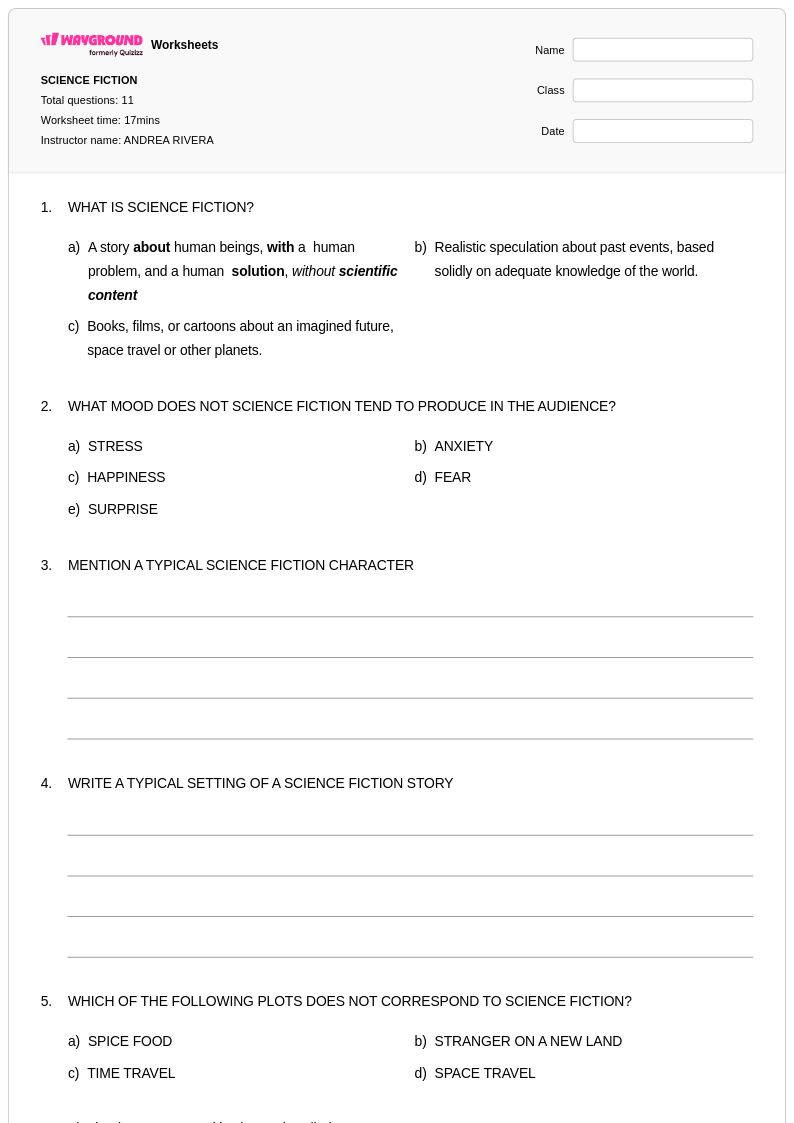
11 Q
12th
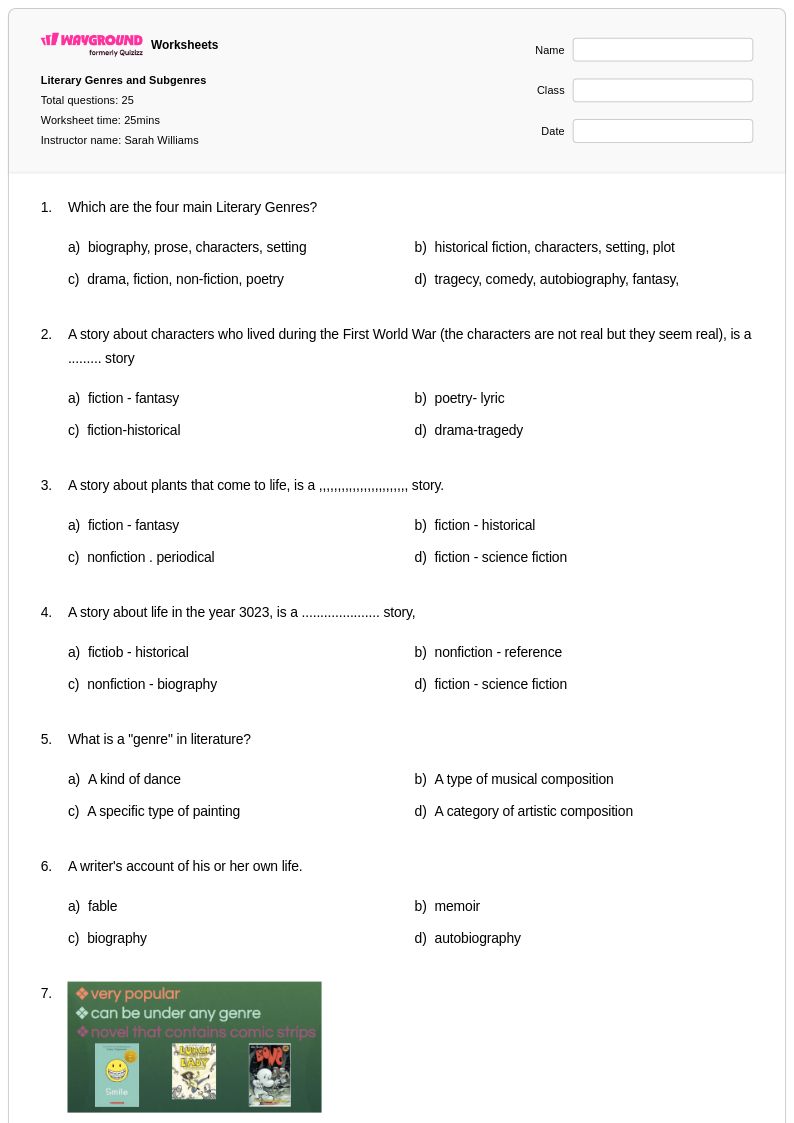
25 Q
8th - Uni
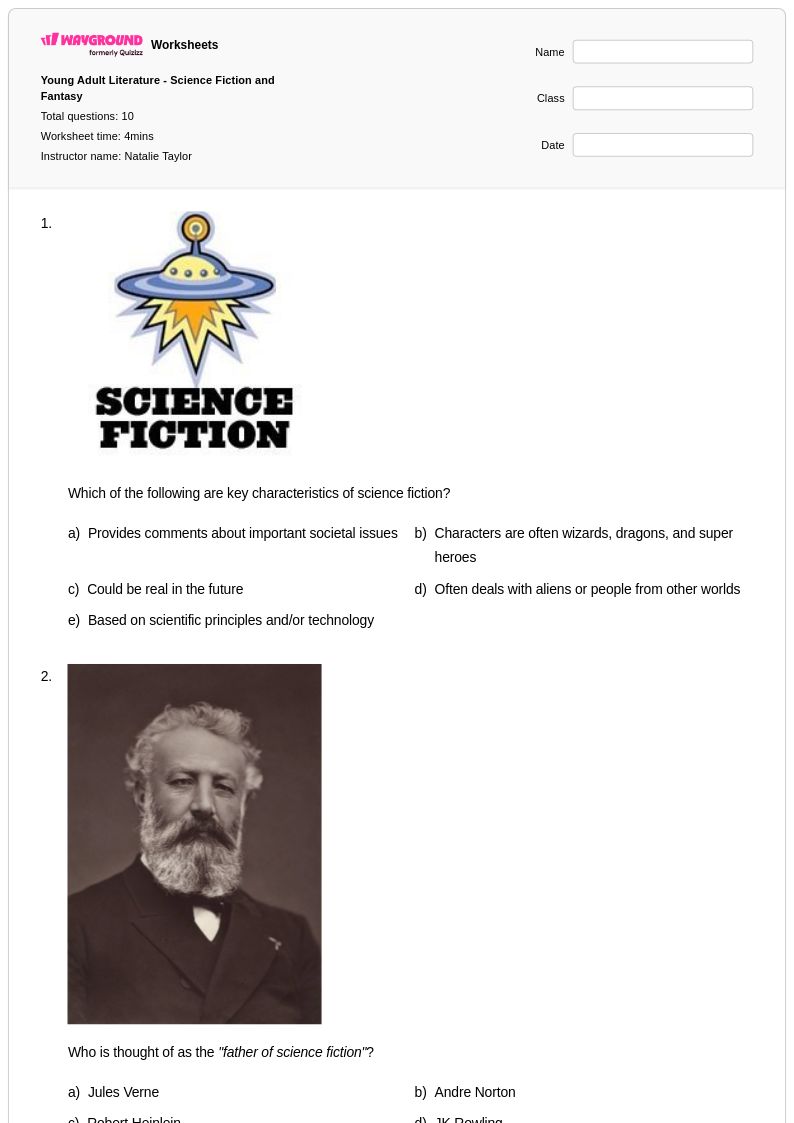
10 Q
9th - 12th
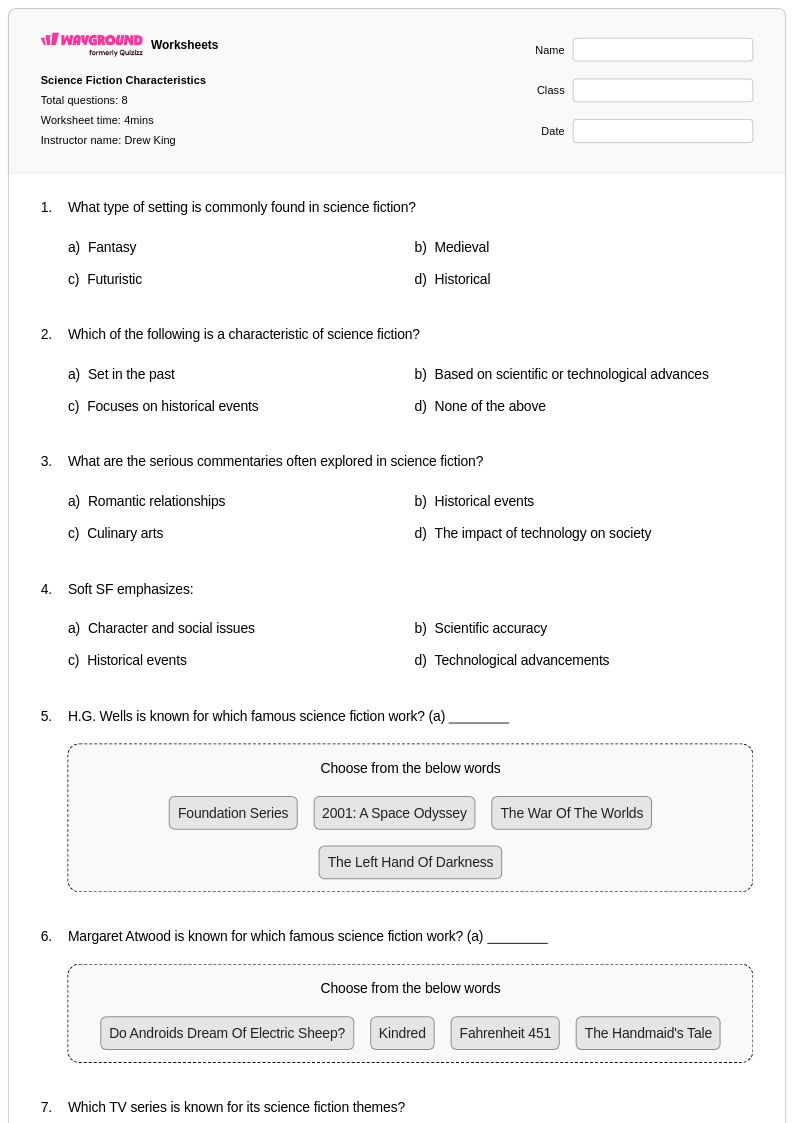
8 Q
9th - 12th
20 Q
6th - Uni
15 Q
3rd - Uni
10 Q
12th
15 Q
9th - Uni
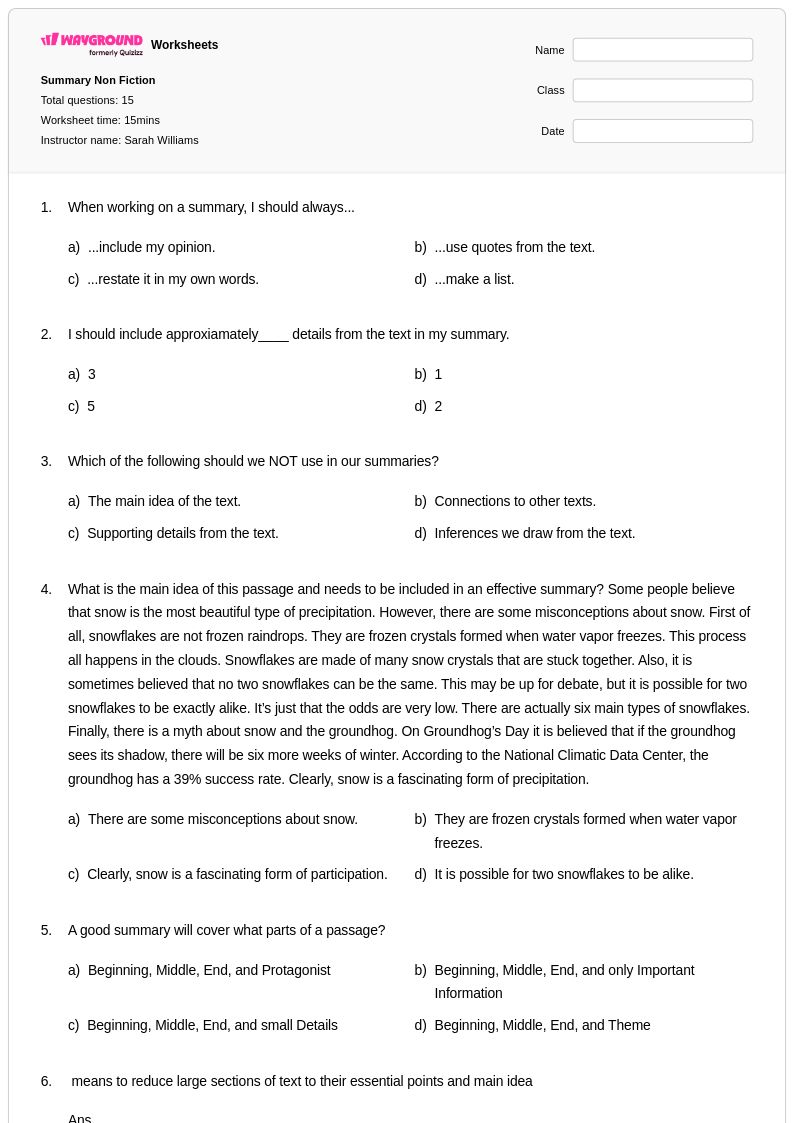
15 Q
6th - Uni
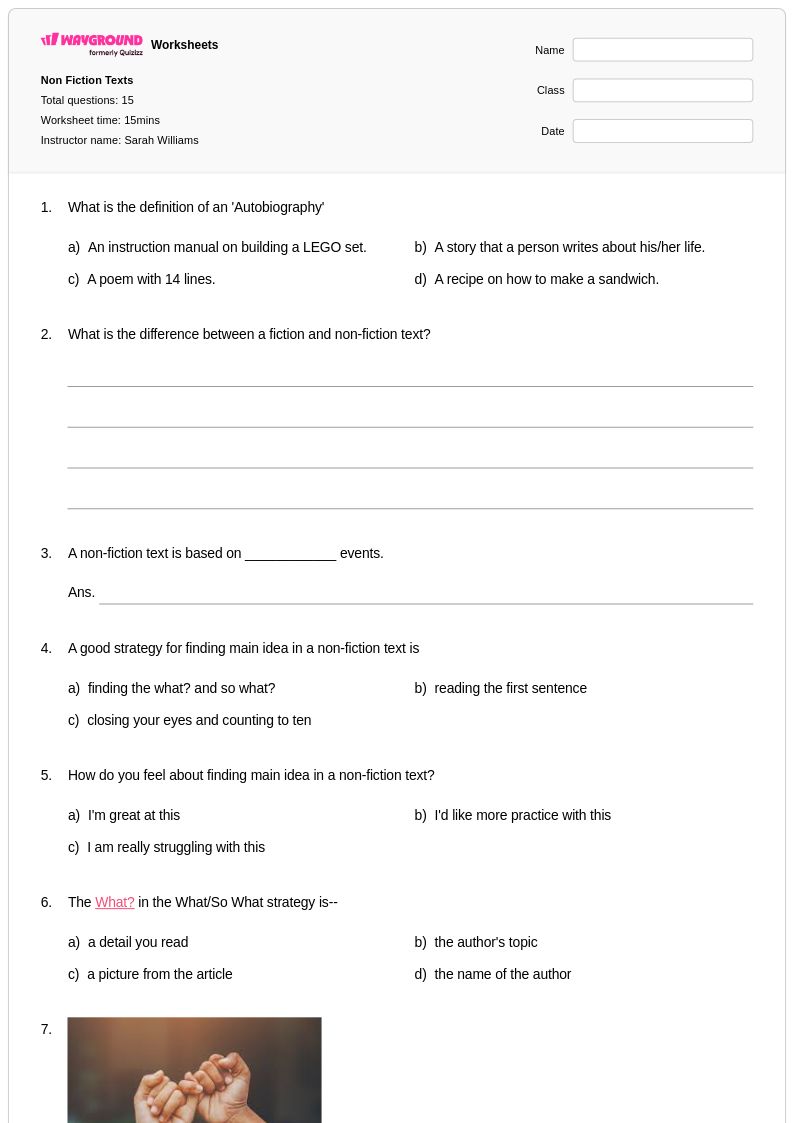
15 Q
4th - Uni
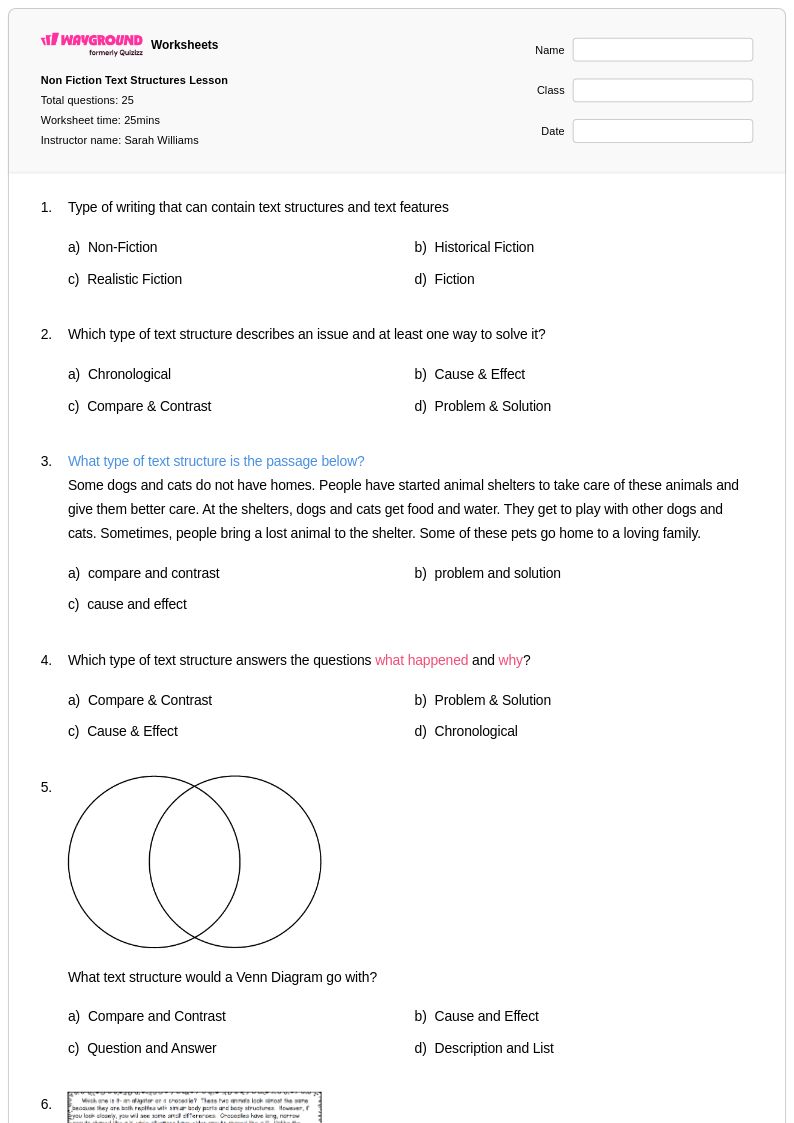
25 Q
5th - Uni
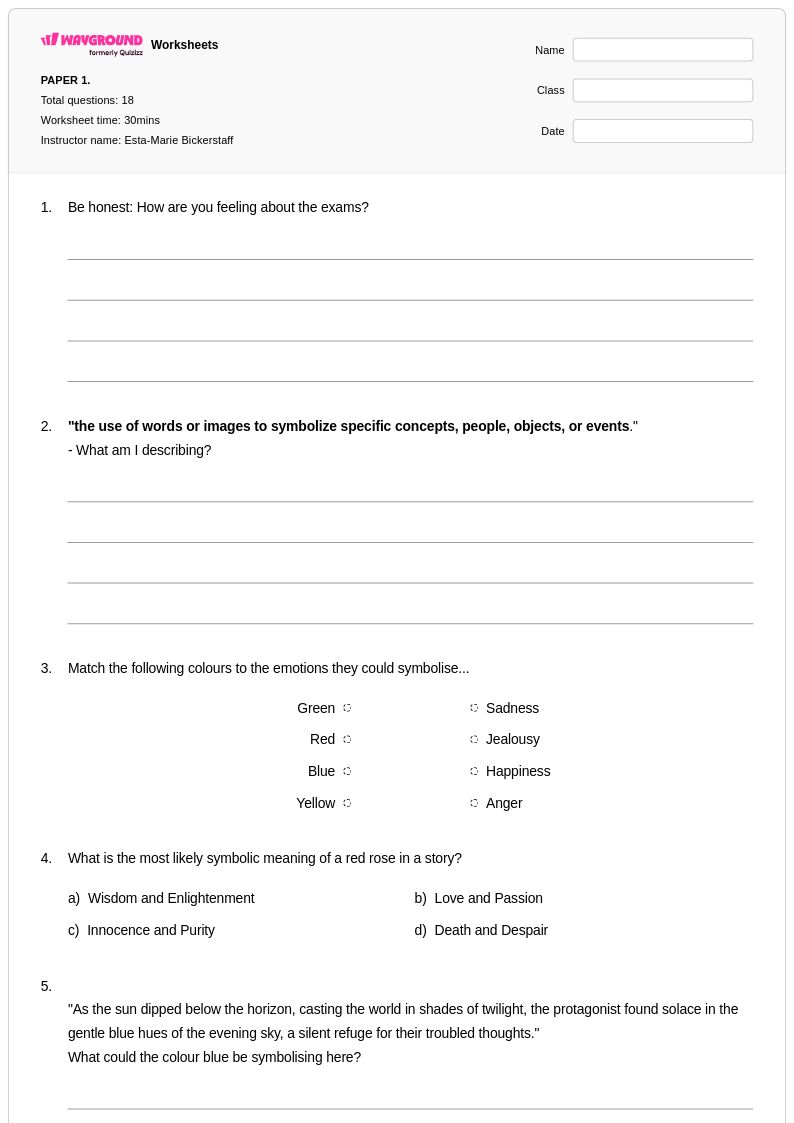
18 Q
12th
15 Q
4th - Uni
20 Q
9th - 12th
11 Q
12th
12 Q
12th
Explore Fiction Worksheets by Grades
Explore Other Subject Worksheets for class 12
Explore printable Fiction worksheets for Class 12
Class 12 fiction worksheets available through Wayground (formerly Quizizz) provide advanced literary analysis opportunities that challenge students to engage deeply with narrative elements, character development, thematic complexity, and sophisticated writing techniques. These comprehensive resources strengthen critical thinking skills by guiding students through close reading exercises that examine literary devices, narrative structure, point of view, and the interplay between form and meaning in fictional works. Students develop analytical writing abilities through practice problems that require them to articulate interpretations of complex texts, compare multiple works within and across genres, and evaluate how authors craft meaning through deliberate stylistic choices. Each worksheet includes detailed answer keys that support both independent study and classroom instruction, while printable pdf formats ensure accessibility for diverse learning environments and provide free resources that complement existing curriculum materials.
Wayground (formerly Quizizz) empowers educators with millions of teacher-created fiction worksheets specifically designed for Class 12 students, featuring robust search and filtering capabilities that allow instructors to locate materials aligned with specific literary standards and learning objectives. The platform's differentiation tools enable teachers to customize worksheets based on individual student needs, offering multiple complexity levels and assessment formats that support both remediation and enrichment activities. Teachers can seamlessly integrate these resources into lesson planning by selecting from printable and digital formats, including downloadable pdf versions that facilitate flexible classroom implementation. The extensive collection supports systematic skill practice across various fictional subgenres and literary periods, while the platform's alignment features help educators address specific curriculum standards and prepare students for advanced placement examinations and college-level literary analysis expectations.
FAQs
How do I teach fiction elements to students who struggle with literary analysis?
What exercises help students practice identifying narrative elements in fiction?
What mistakes do students commonly make when analyzing fiction?
How can I differentiate fiction worksheets for students at different reading levels?
How do I use Wayground's fiction worksheets in my classroom?
How do I help students understand theme in fiction versus just plot?