Access free glute stretch worksheets and printables through Wayground to help students master proper stretching techniques with guided practice problems, detailed instructions, and comprehensive answer keys for effective physical education learning.
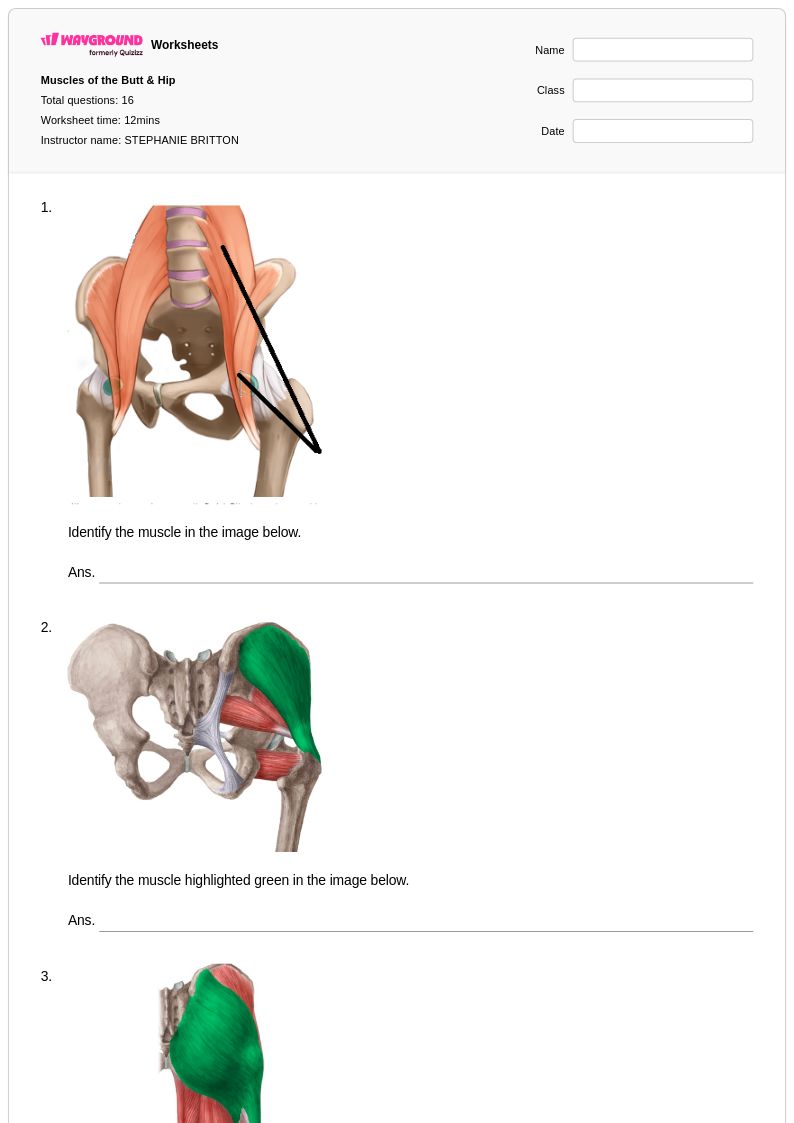
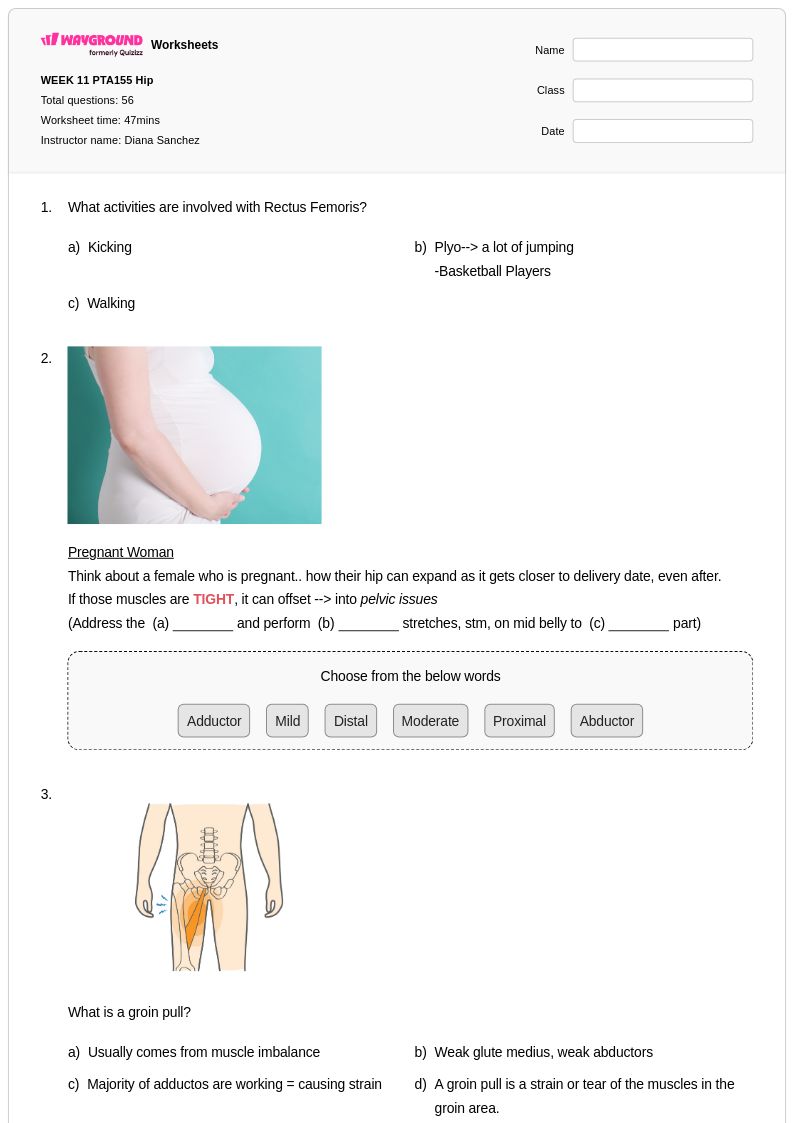
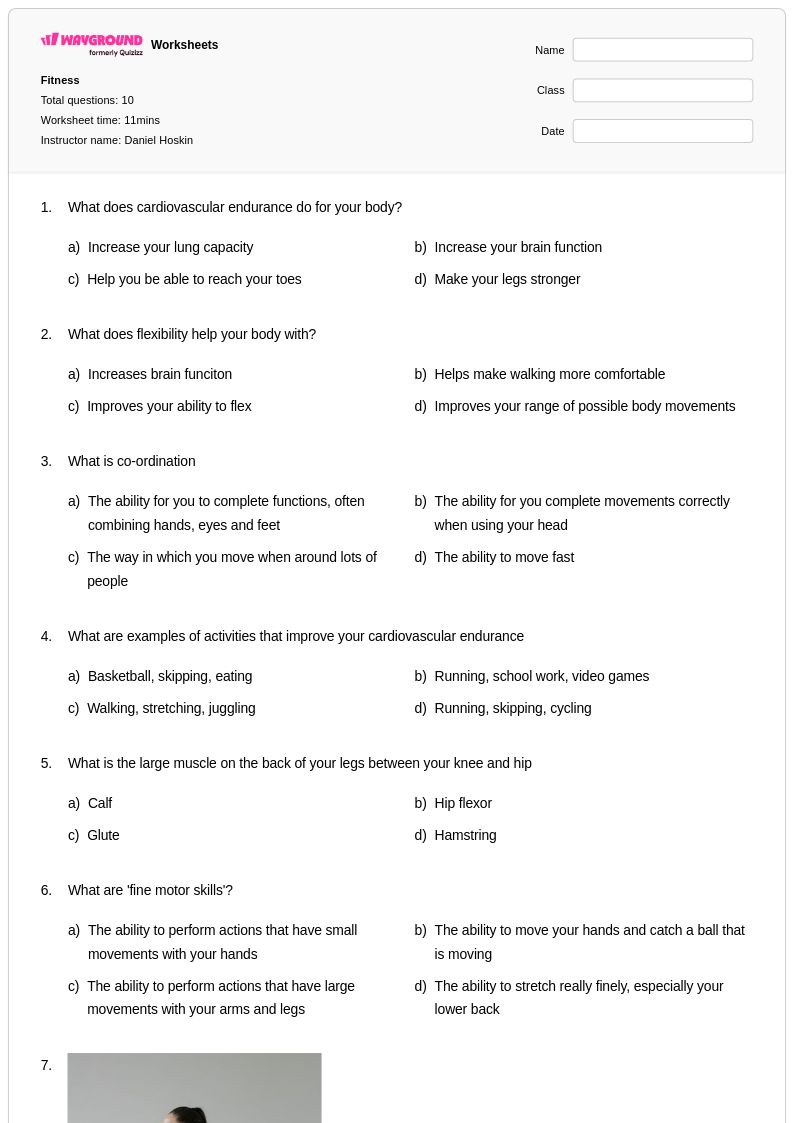
Glute stretch worksheets available through Wayground (formerly Quizizz) provide comprehensive educational resources designed to teach proper lower body flexibility techniques and muscle anatomy understanding. These expertly crafted materials focus on helping students learn safe and effective gluteal stretching methods, including static stretches like the figure-four stretch, pigeon pose variations, and seated glute stretches. The worksheets strengthen critical physical education skills such as proper form recognition, injury prevention awareness, and understanding of muscle function during flexibility training. Each resource includes detailed instructions, anatomical diagrams, and practice problems that reinforce learning objectives, with accompanying answer keys to support both independent study and instructor-led activities. These free printables serve as valuable tools for building foundational knowledge about hip mobility, muscle tension release, and the importance of glute flexibility in overall athletic performance and daily movement patterns.
Wayground (formerly Quizizz) supports physical education teachers with an extensive collection of millions of teacher-created glute stretch resources that streamline lesson planning and enhance student engagement. The platform's robust search and filtering capabilities allow educators to quickly locate materials that align with curriculum standards and match specific learning objectives for flexibility training and muscle anatomy instruction. Teachers can access both printable pdf versions and digital formats, enabling seamless integration into classroom settings, remote learning environments, or hybrid educational models. The differentiation tools and flexible customization options empower instructors to modify content difficulty levels, making these worksheets suitable for remediation with struggling students or enrichment activities for advanced learners. This comprehensive approach to glute stretch education ensures that students receive consistent, high-quality practice opportunities while teachers benefit from time-saving resources that support effective skill development in physical education programming.
FAQs
How do I teach proper glute stretching techniques in physical education?
Effective glute stretch instruction begins with teaching students the anatomy of the gluteal muscles and explaining why flexibility in this area supports hip mobility, posture, and injury prevention. Introduce foundational stretches such as the figure-four stretch, seated glute stretch, and pigeon pose variations, demonstrating proper alignment before students attempt them independently. Pairing visual anatomical diagrams with hands-on practice helps students connect muscle function to movement, reinforcing both safe form and long-term flexibility habits.
What exercises help students practice identifying correct glute stretch form?
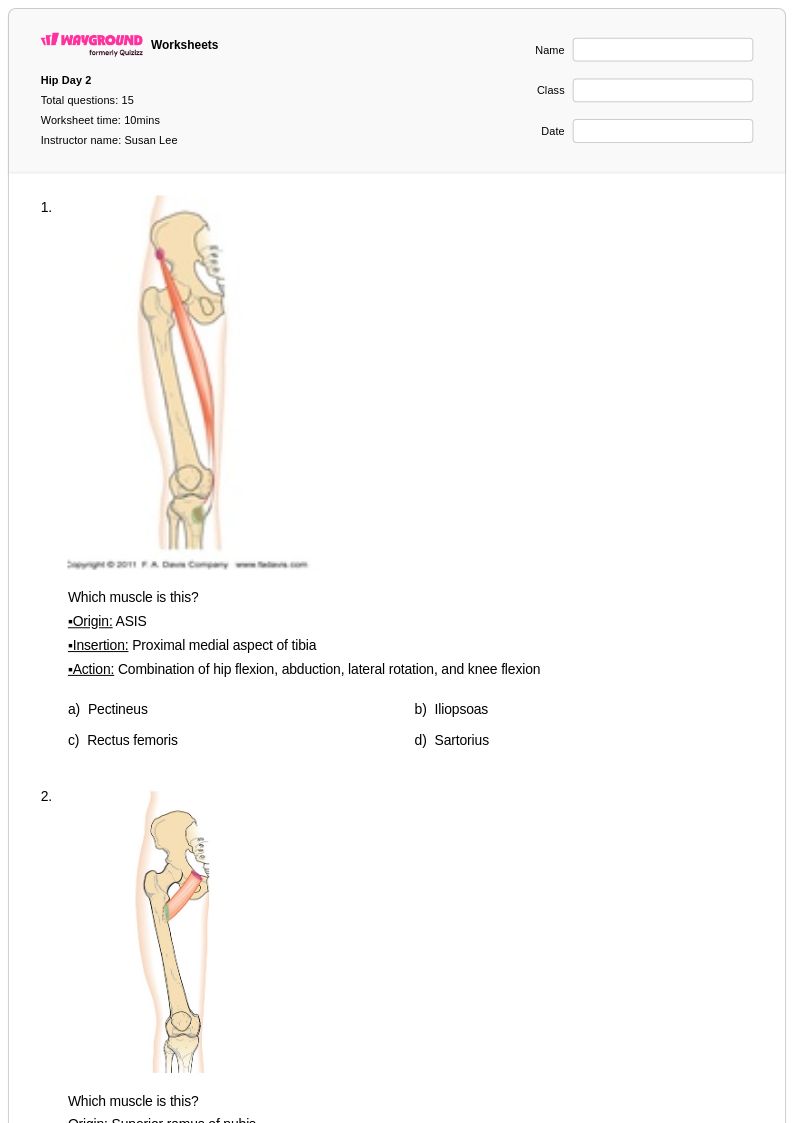
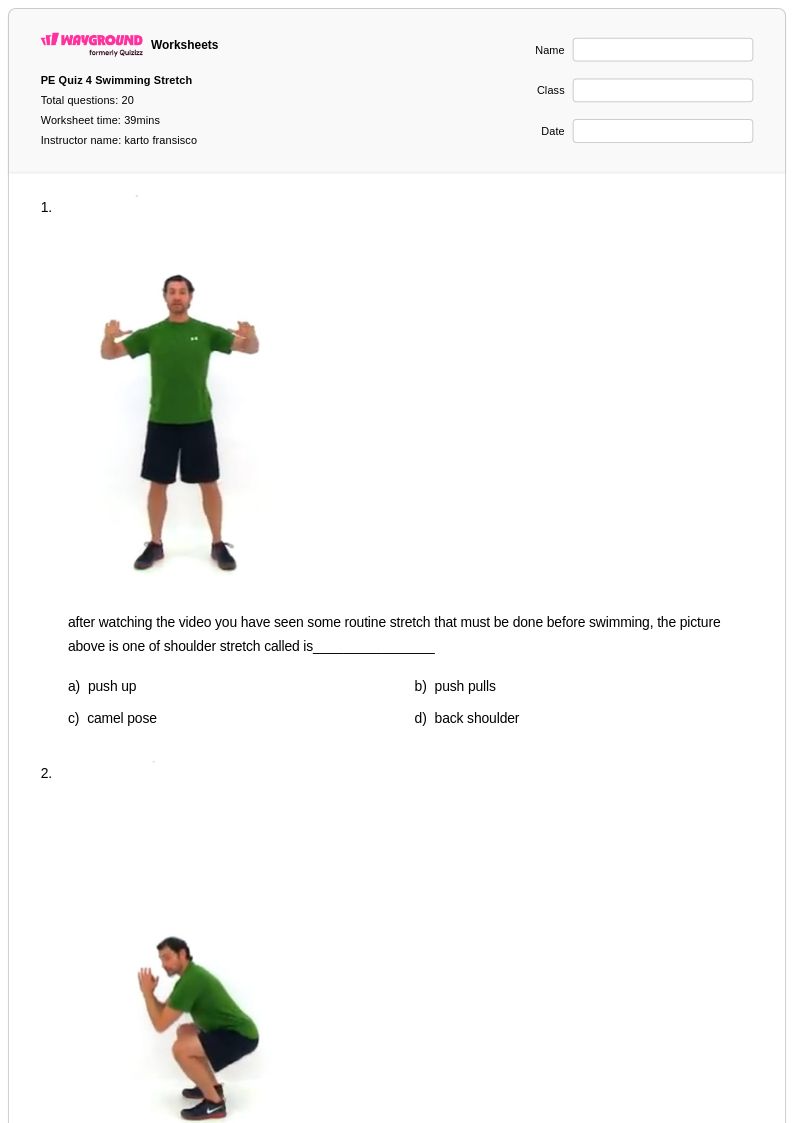
Worksheets that present labeled anatomical diagrams alongside illustrations of correct and incorrect stretch positions help students develop form recognition skills. Practice problems that ask students to identify alignment errors, name the muscles being targeted, or sequence stretching steps build both conceptual and applied understanding. These activities work well as pre-activity warm-ups, post-unit reviews, or independent practice following live demonstrations.
What are the most common mistakes students make when performing glute stretches?
Students frequently overarch or round the lower back during stretches like the figure-four or pigeon pose, which shifts the load away from the glutes and increases spinal strain. Another common error is holding their breath or rushing through the stretch rather than maintaining a controlled position for the recommended duration. Worksheets that include injury prevention cues and form checklists are particularly effective at addressing these patterns before they become ingrained habits.
How can I use glute stretch worksheets to support different skill levels in PE class?
For students who are new to flexibility training, worksheets with step-by-step instructions and labeled diagrams provide essential scaffolding. More advanced students benefit from materials that incorporate muscle anatomy questions, stretch sequencing tasks, or connections to athletic performance outcomes. On Wayground, teachers can apply differentiation settings such as reduced answer choices or extended time for individual students, making the same core content accessible across varying ability levels without singling anyone out.
How do I use Wayground's glute stretch worksheets in my classroom?
Wayground's glute stretch worksheets are available as printable PDFs for traditional classroom or gym settings and in digital formats for technology-integrated or remote learning environments. Teachers can also host these materials as a quiz directly on Wayground, allowing for interactive student responses and streamlined review. Each worksheet includes detailed instructions and comprehensive answer keys, supporting both independent student practice and instructor-led activities.
Why is glute flexibility important for students to understand in physical education?
The gluteal muscles play a central role in hip mobility, lower back support, and functional movement patterns used in everyday activities and athletic performance. When students understand the relationship between tight glutes and common issues like lower back discomfort or reduced stride efficiency, they are more motivated to maintain consistent stretching habits. Teaching glute flexibility within a broader muscle anatomy framework gives students the knowledge to care for their bodies beyond the classroom.