Free Printable Grounding Techniques Worksheets for Class 2
Discover free Class 2 grounding techniques worksheets and printables from Wayground that help young students learn mindful physical education practices through engaging activities, practice problems, and comprehensive answer keys in PDF format.
Explore printable Grounding Techniques worksheets for Class 2
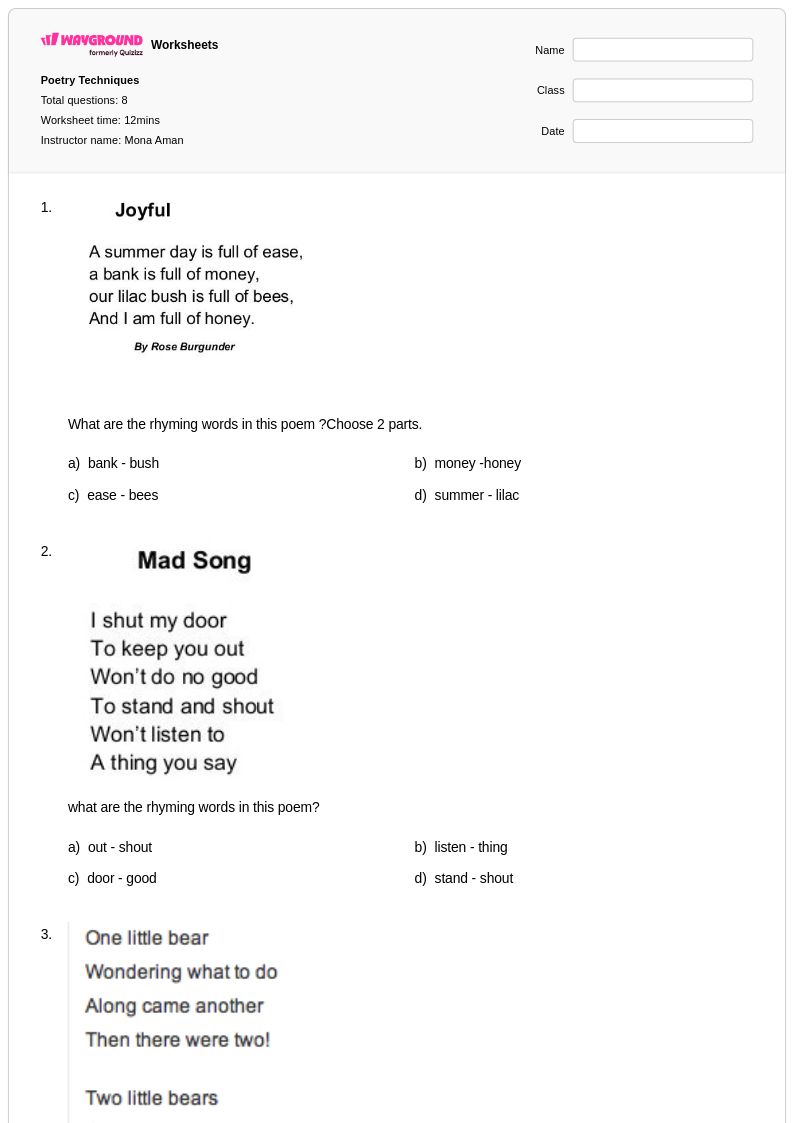
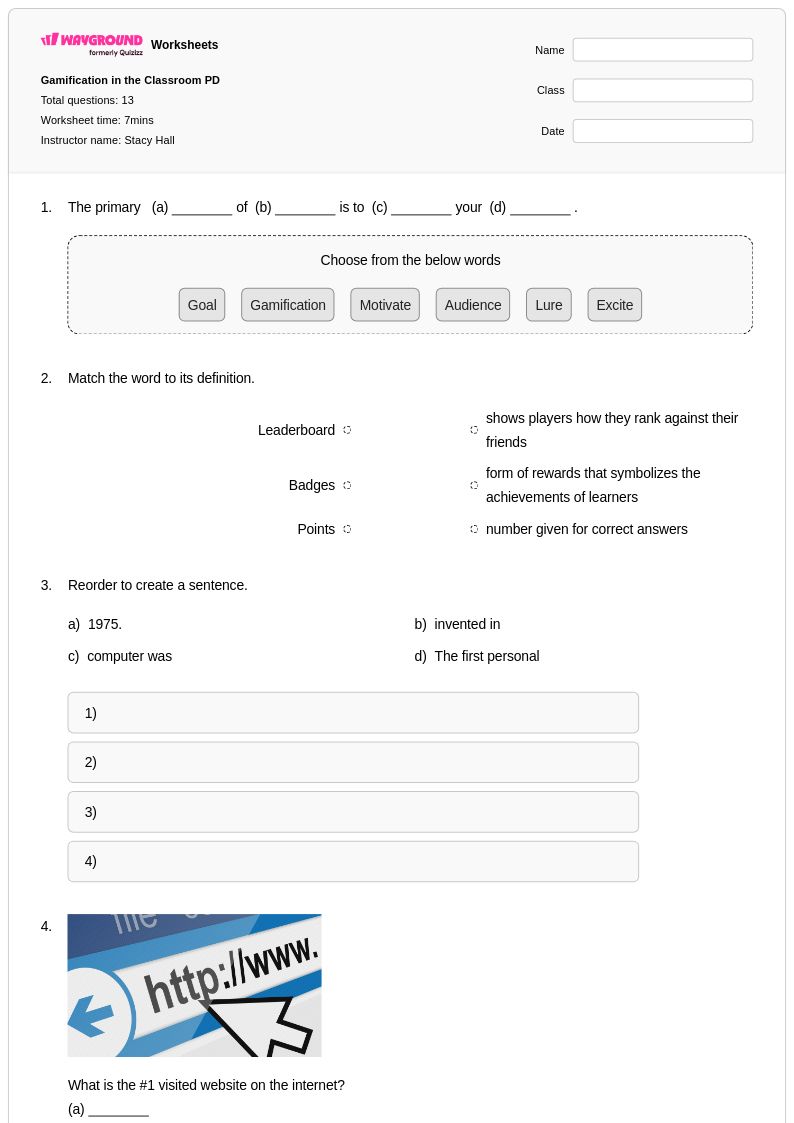
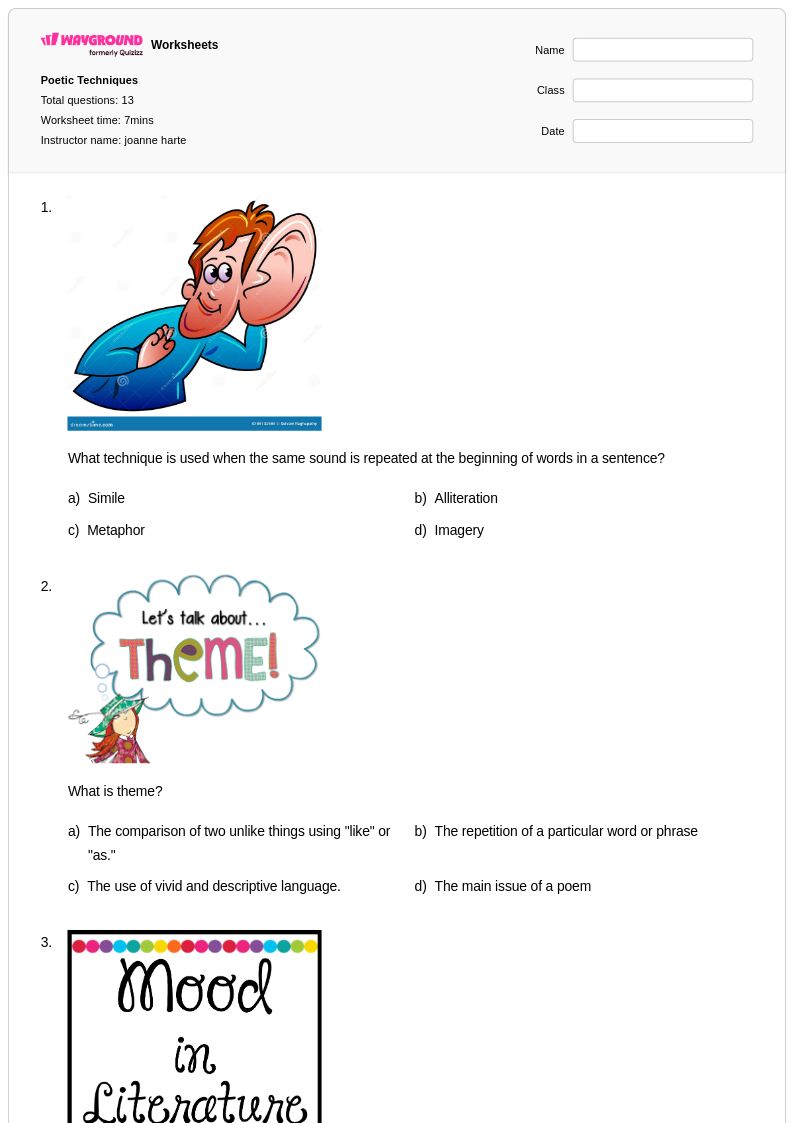
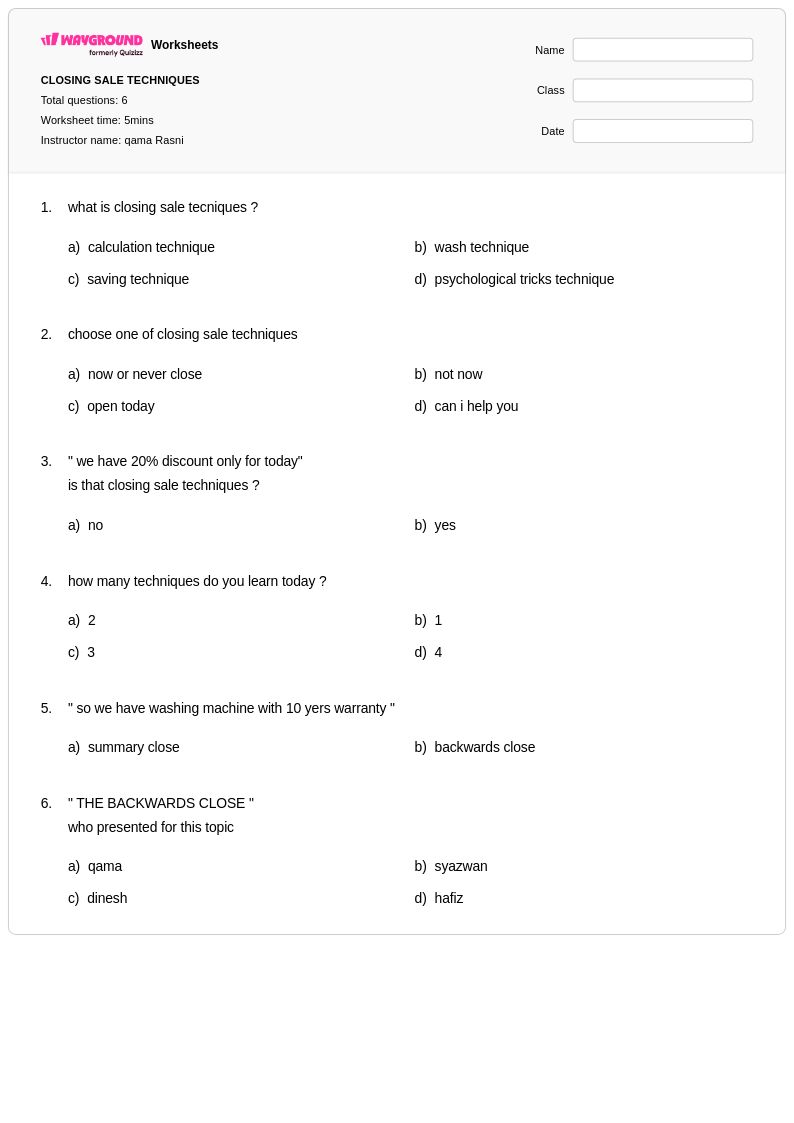
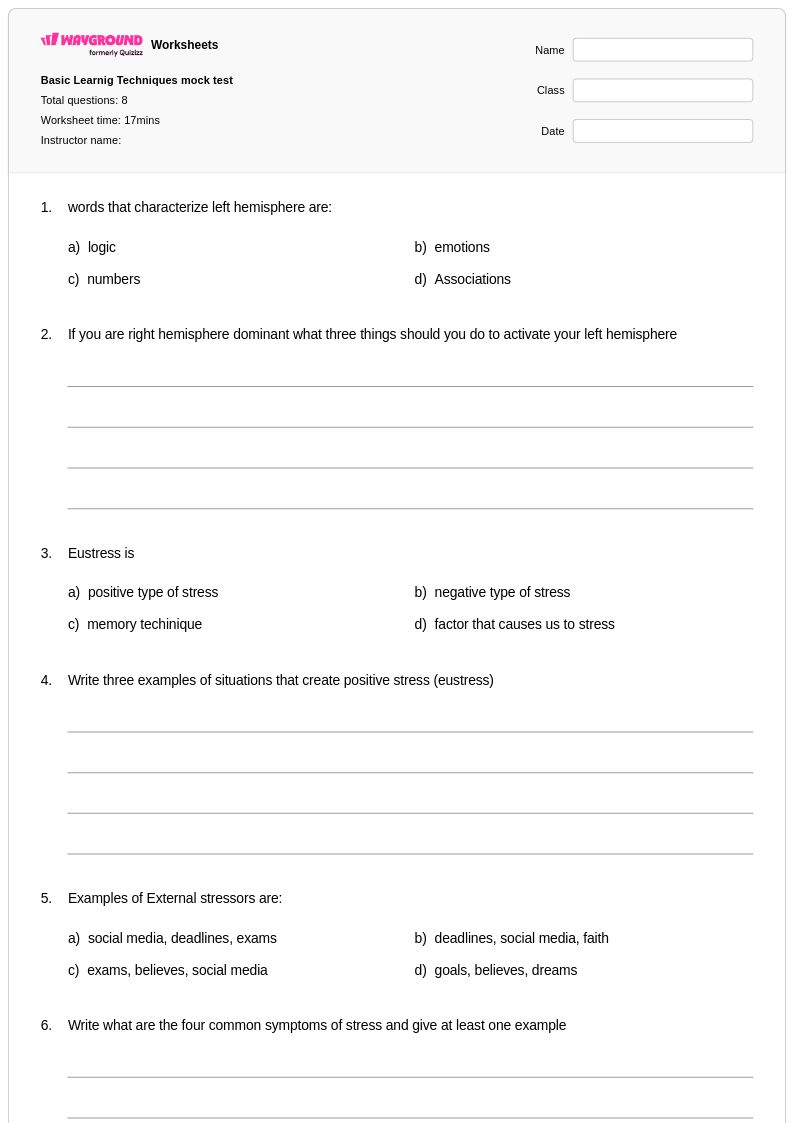
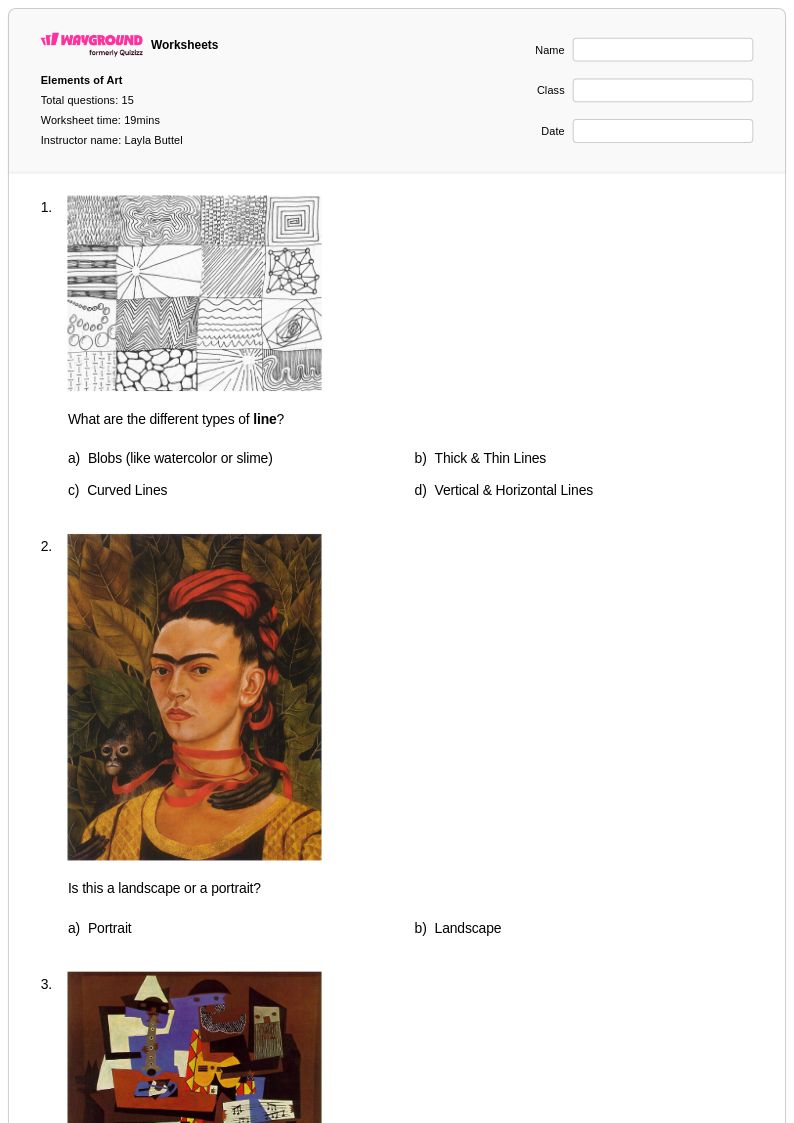
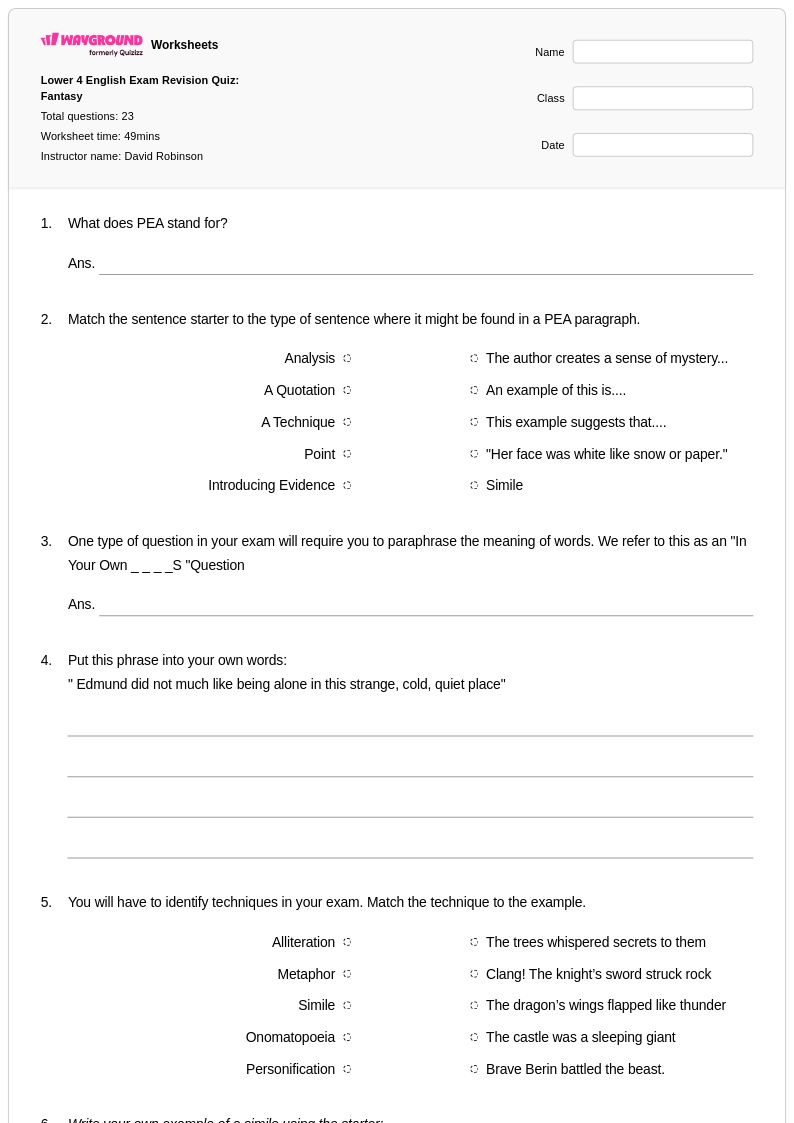
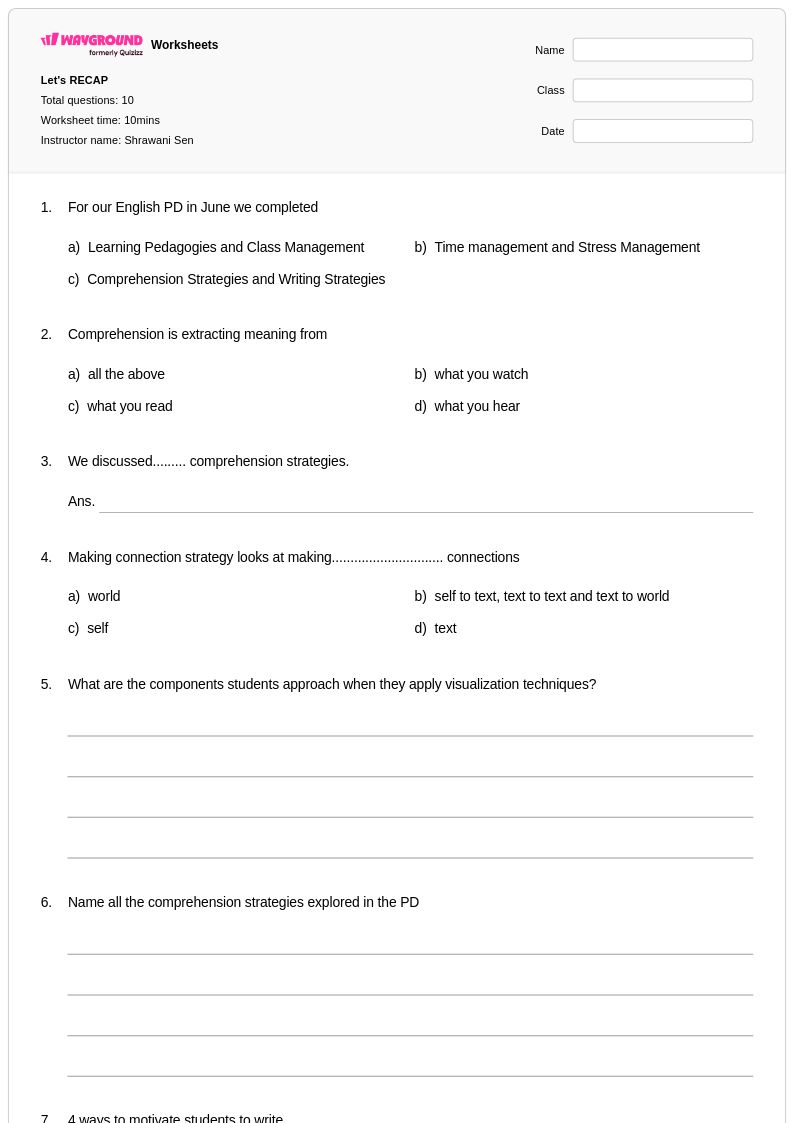
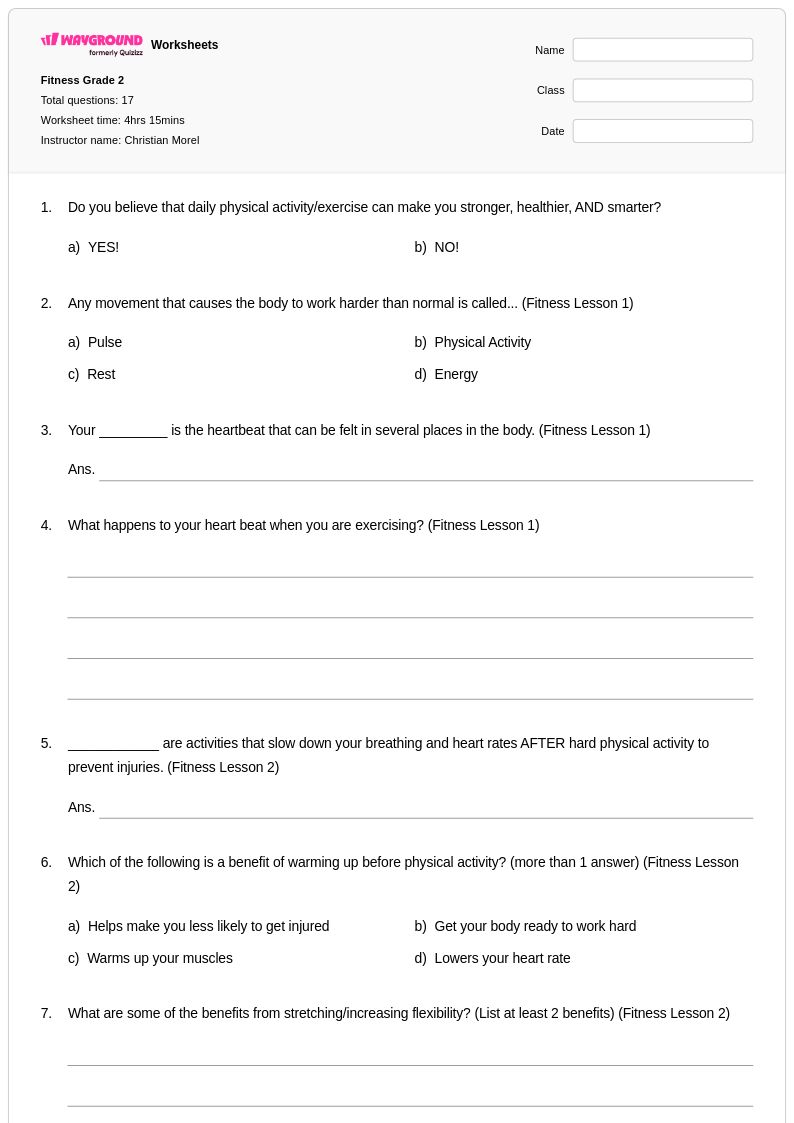
Grounding techniques worksheets for Class 2 students through Wayground (formerly Quizizz) provide young learners with essential tools to develop self-regulation and emotional awareness within their physical education curriculum. These carefully designed printable resources introduce second graders to simple yet effective grounding strategies such as deep breathing exercises, body awareness activities, and sensory-based calming techniques that can be seamlessly integrated into PE classes and movement sessions. Each worksheet focuses on age-appropriate practices that help children recognize physical sensations, manage overwhelming feelings, and return to a centered state during both active play and quiet moments. The comprehensive collection includes practice problems that guide students through step-by-step grounding exercises, complete with answer keys that enable teachers to effectively support student learning and ensure proper technique implementation across various free pdf formats.
Wayground's extensive library of teacher-created grounding techniques resources empowers physical education instructors with millions of vetted materials specifically designed to meet the developmental needs of Class 2 learners. The platform's robust search and filtering capabilities allow educators to quickly locate worksheets that align with specific learning objectives and curriculum standards, while built-in differentiation tools enable seamless customization for students with varying abilities and comfort levels. Teachers can access these materials in both digital and printable formats, making it simple to incorporate grounding practice into lesson planning, provide targeted remediation for students who struggle with self-regulation, and offer enrichment opportunities for those ready to explore more advanced mindfulness techniques. This comprehensive approach ensures that educators have the flexibility to deliver consistent, evidence-based grounding instruction that builds foundational emotional regulation skills essential for lifelong physical and mental wellness.
FAQs
How do I teach grounding techniques to students in a physical education or wellness class?
Start by introducing the concept of the mind-body connection in concrete, age-appropriate terms before moving into practice. Anchor instruction around body-based awareness exercises such as the 5-4-3-2-1 sensory technique, diaphragmatic breathing, and progressive muscle relaxation. Consistent, brief practice at the start or end of class helps students build familiarity and trust with the strategies before they need them in high-stress moments.
What exercises help students practice grounding and self-regulation skills?
Structured worksheets that guide students through breathing techniques, sensory engagement activities, and body-scan prompts are effective for building grounding as a repeatable skill. Practice exercises work best when they ask students to identify their own stress responses first, then apply a specific calming strategy and reflect on the outcome. Repeated low-stakes practice builds automaticity, which is when students are most likely to use these tools independently.
What mistakes do students commonly make when learning grounding techniques?
A frequent misconception is that grounding techniques only work when a student is already calm, leading them to dismiss the strategies during actual moments of stress. Students also tend to rush through breathing or sensory exercises rather than sustaining them long enough to activate the parasympathetic nervous system. Worksheets that include reflective prompts help students slow down and track their own responses, making the practice more intentional and effective.
How can I differentiate grounding technique instruction for students with different emotional regulation needs?
Students who struggle significantly with emotional regulation may benefit from reduced-complexity worksheets that focus on a single technique at a time, while students who are ready for more challenge can explore deeper mindfulness concepts and self-monitoring strategies. On Wayground, teachers can apply individual accommodations such as read aloud for students who need audio support, reduced answer choices to lower cognitive load, and extended time, all without signaling differences to the rest of the class.
How do I use Wayground's grounding techniques worksheets in my classroom?
Wayground's grounding techniques worksheets are available as printable PDFs for traditional classroom and gym settings, and in digital formats for technology-integrated or remote learning environments. Teachers can also host these materials as a live quiz on Wayground, giving students an interactive experience while generating real-time data on comprehension. Each worksheet includes an answer key and step-by-step instructions, making them accessible for educators at any experience level with mindfulness-based instruction.
How do grounding techniques connect to physical education standards and curricula?
Grounding techniques align with health and physical education standards that address social-emotional learning, stress management, and mind-body connection. Integrating these practices into PE curricula teaches students that physical wellness and emotional regulation are interdependent skills, not separate domains. Structured worksheet activities reinforce this connection by pairing movement-based awareness with reflective and breathing exercises that transfer directly to in-class physical performance and everyday stress management.