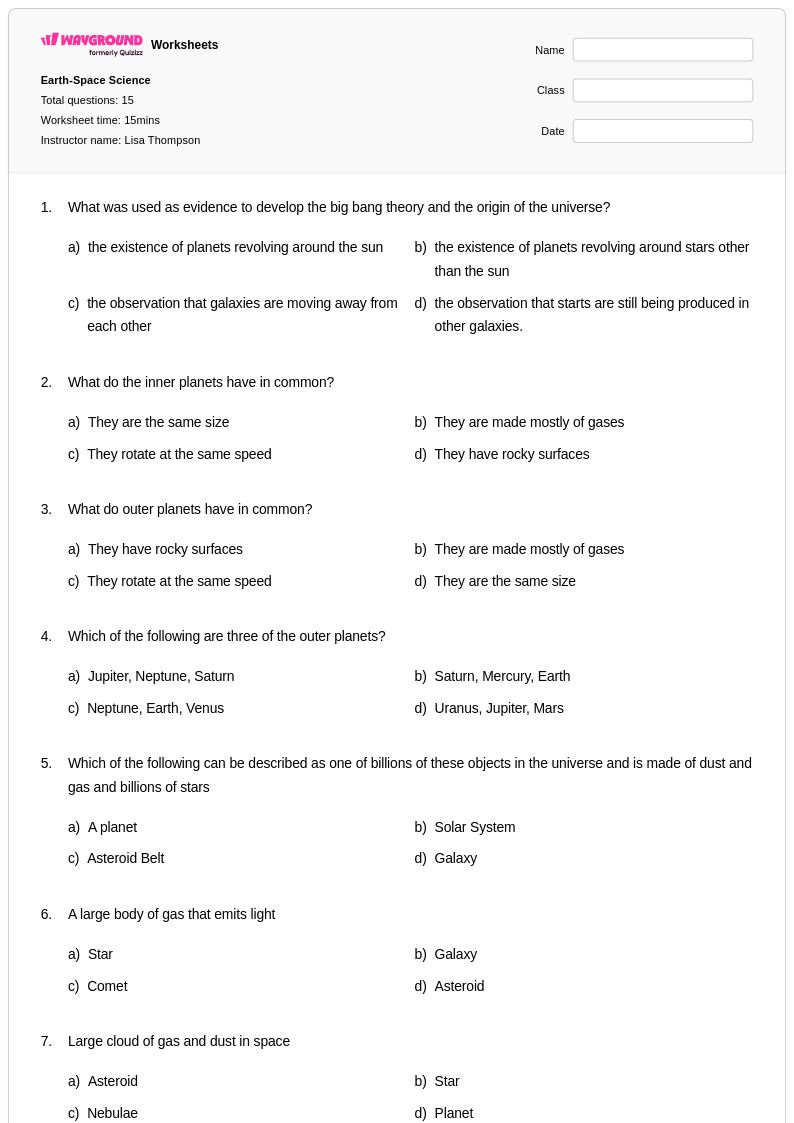
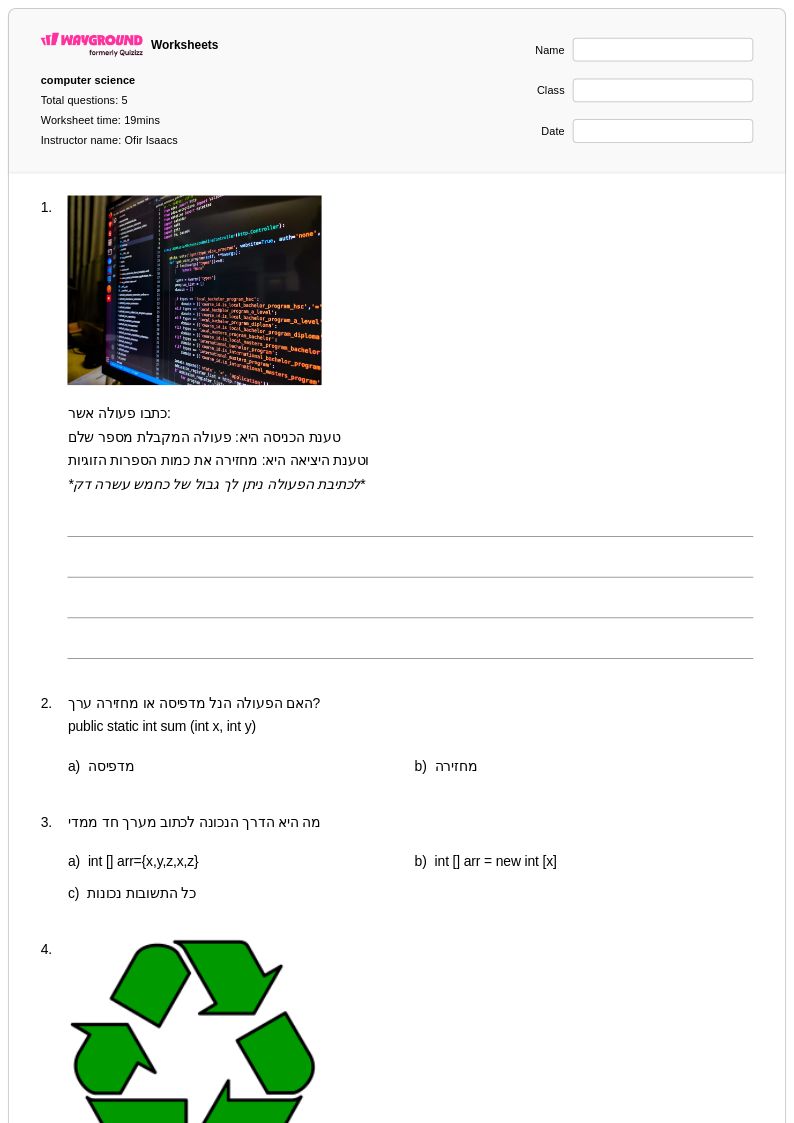
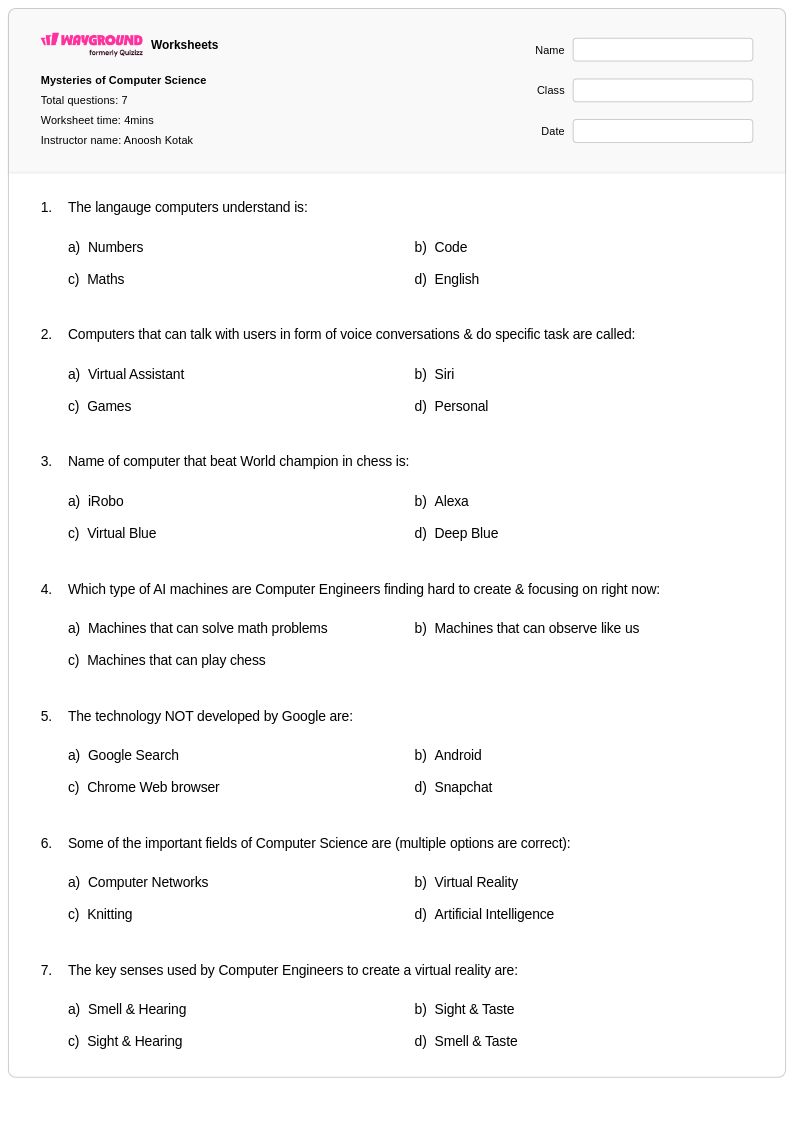
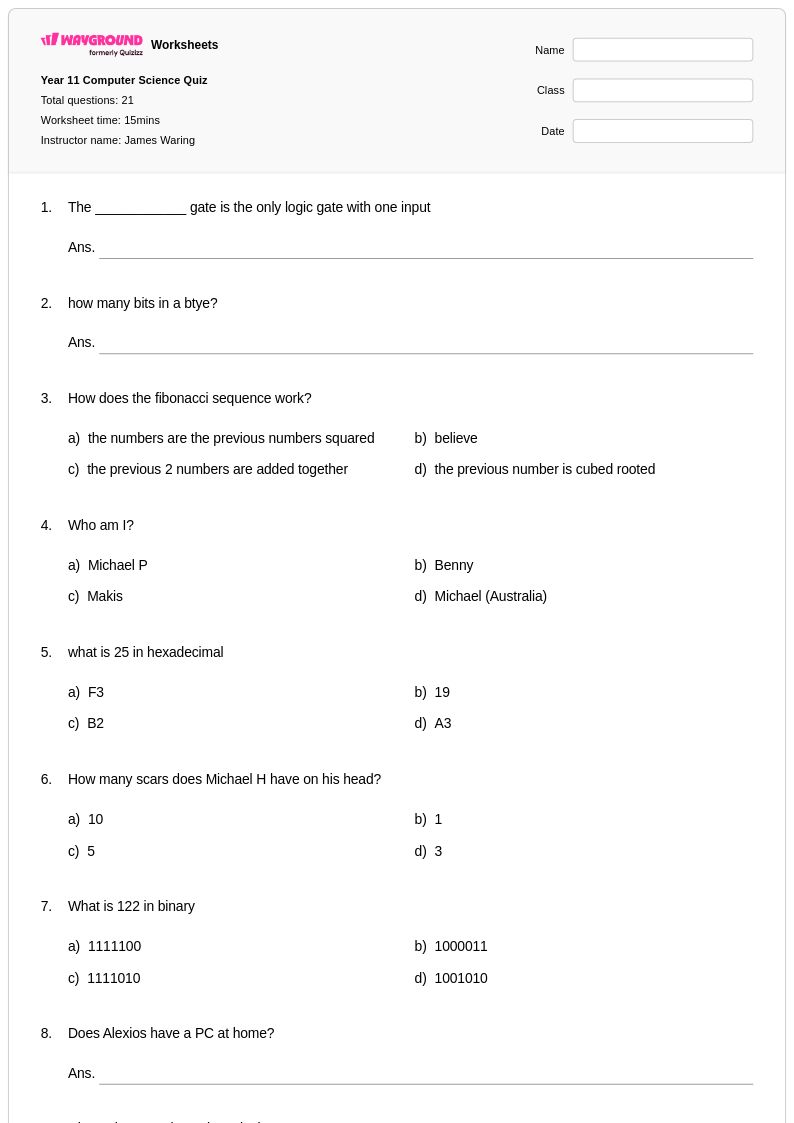
Explore comprehensive Class 10 Science worksheets and printables through Wayground that help students master essential scientific concepts with engaging practice problems, free PDF downloads, and complete answer keys.
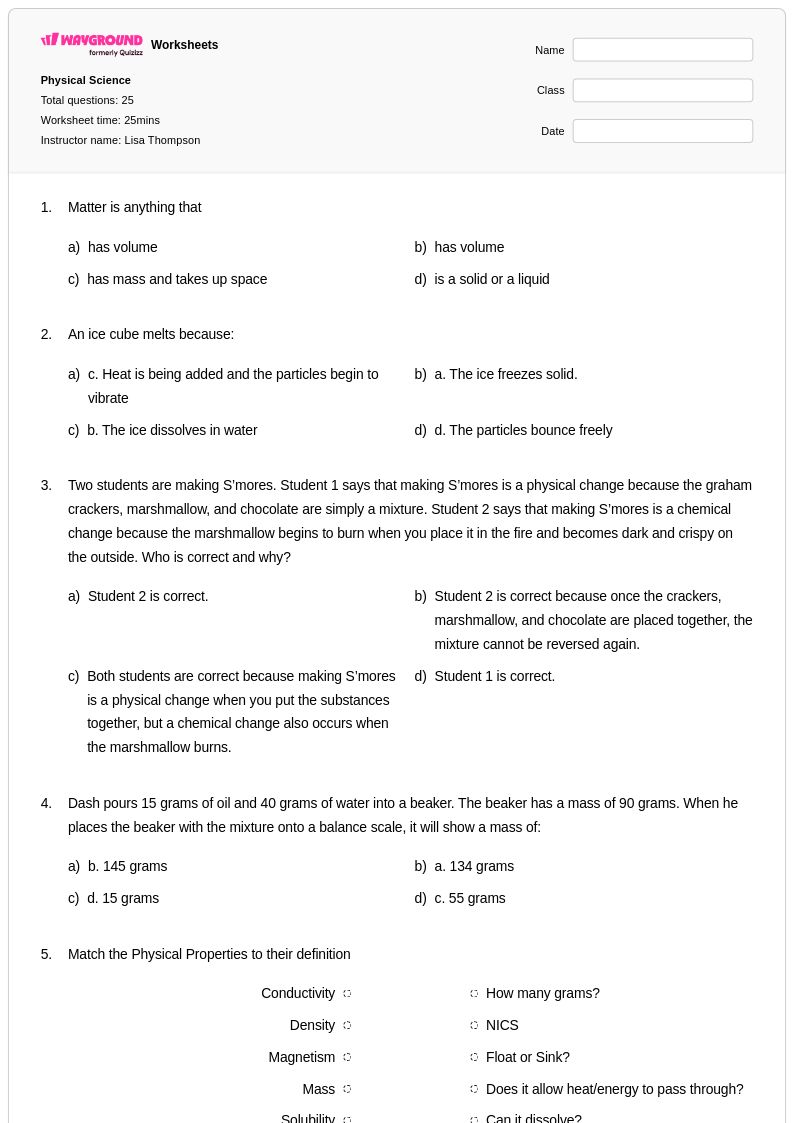
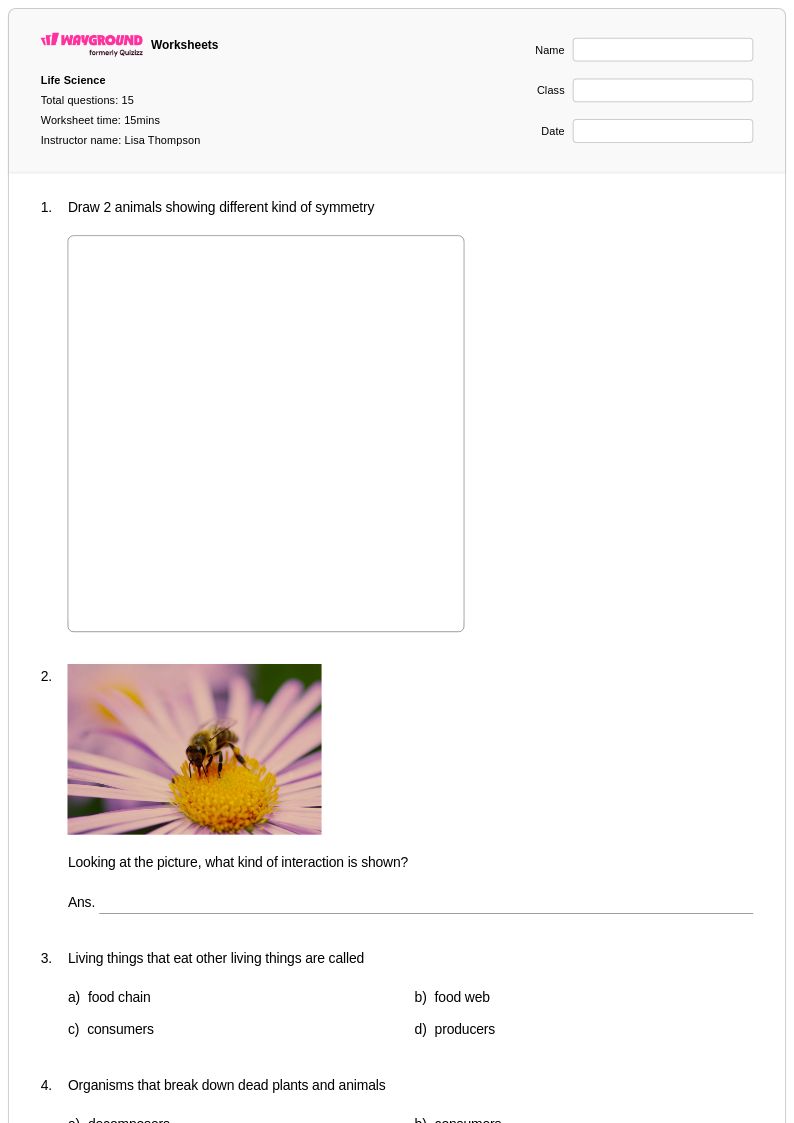
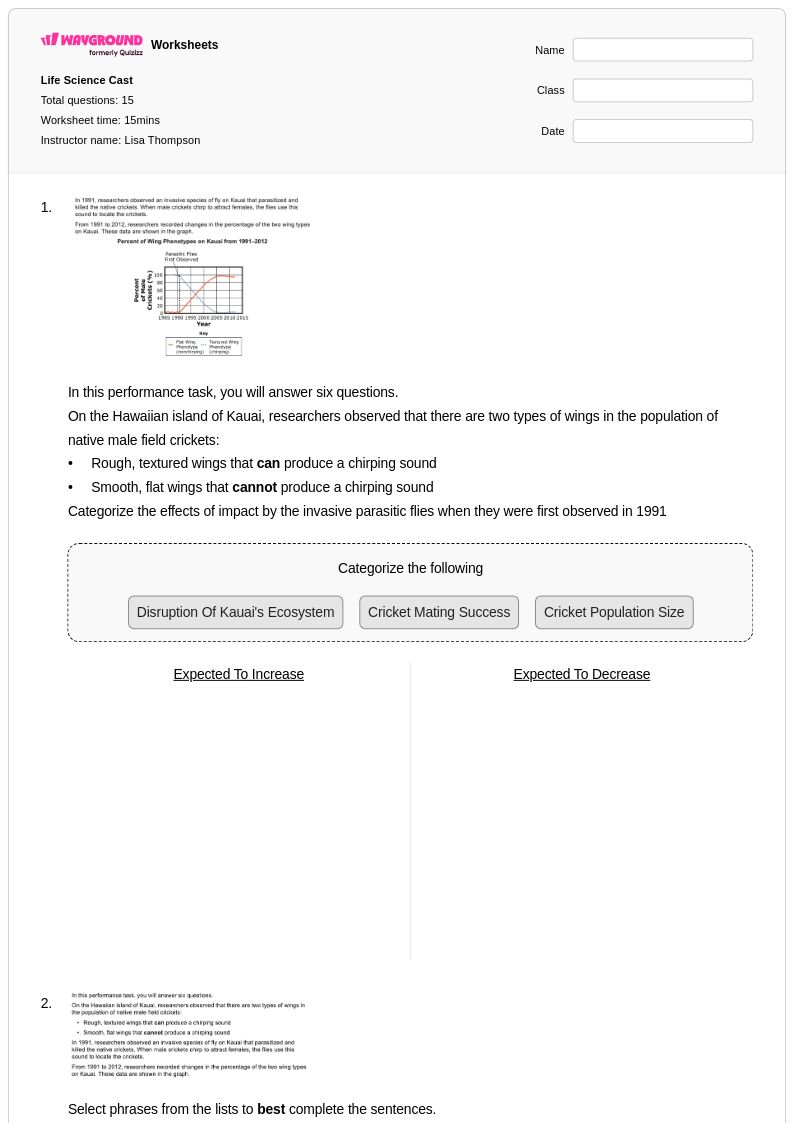
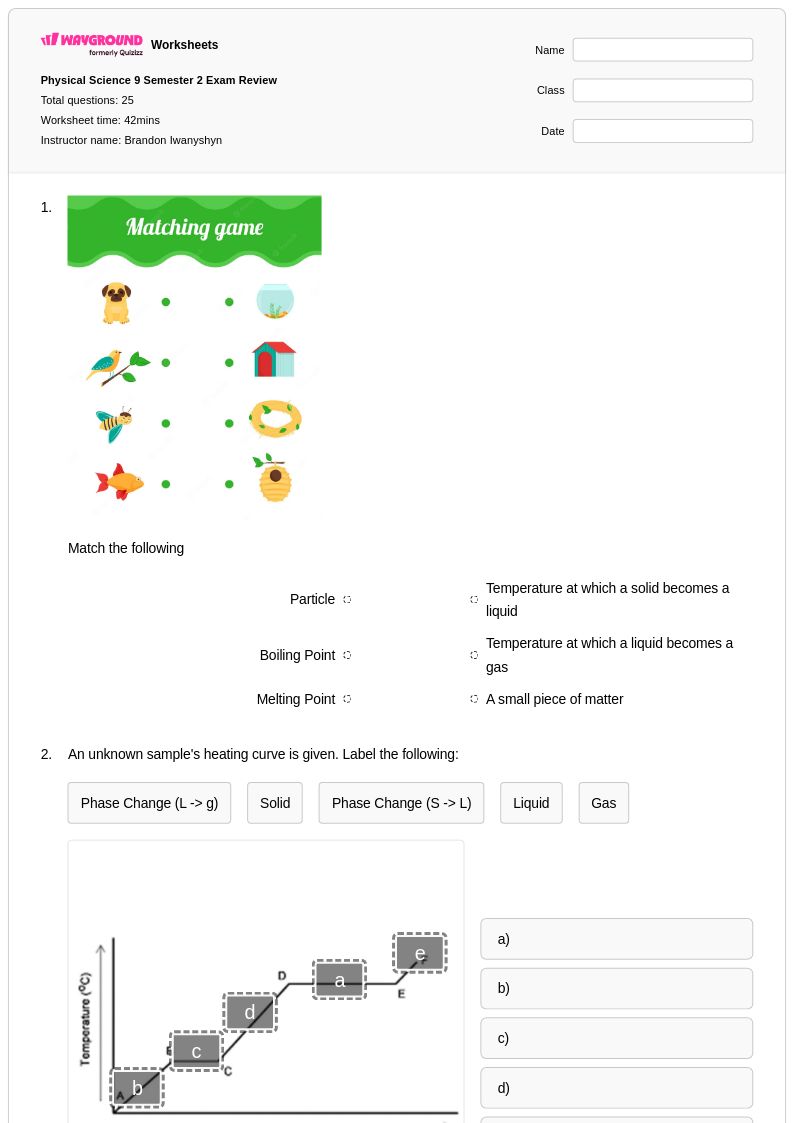
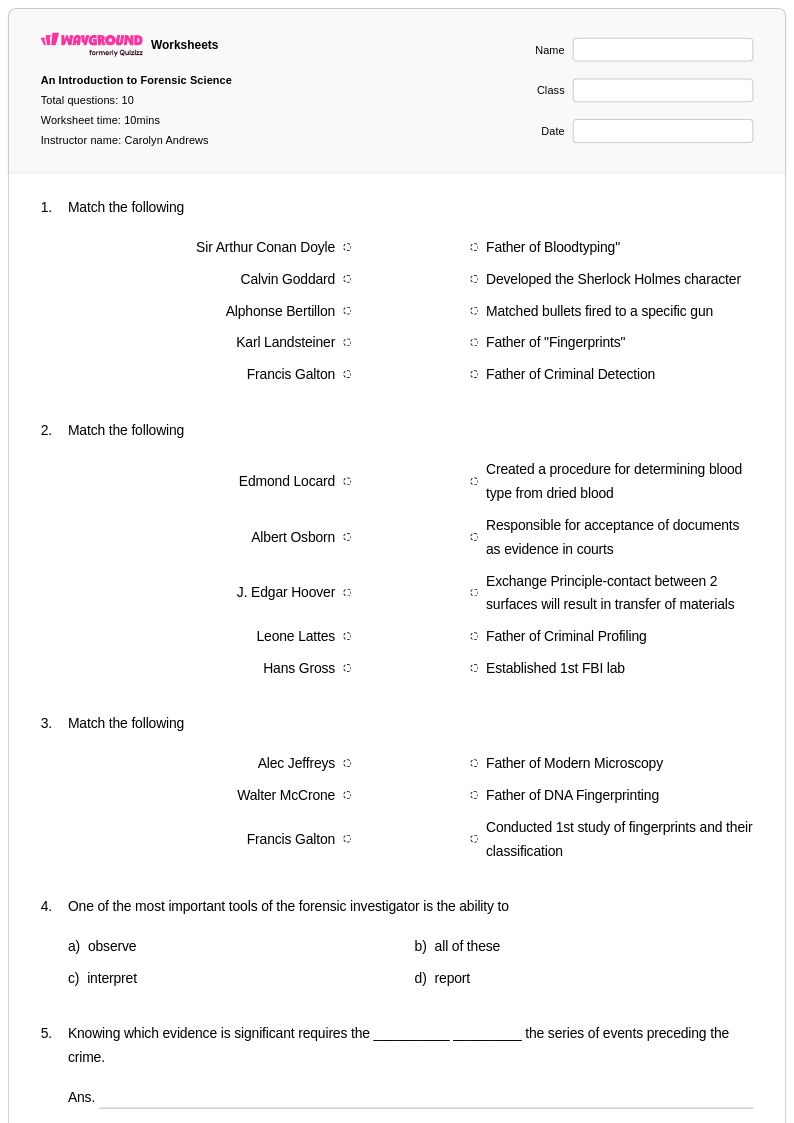
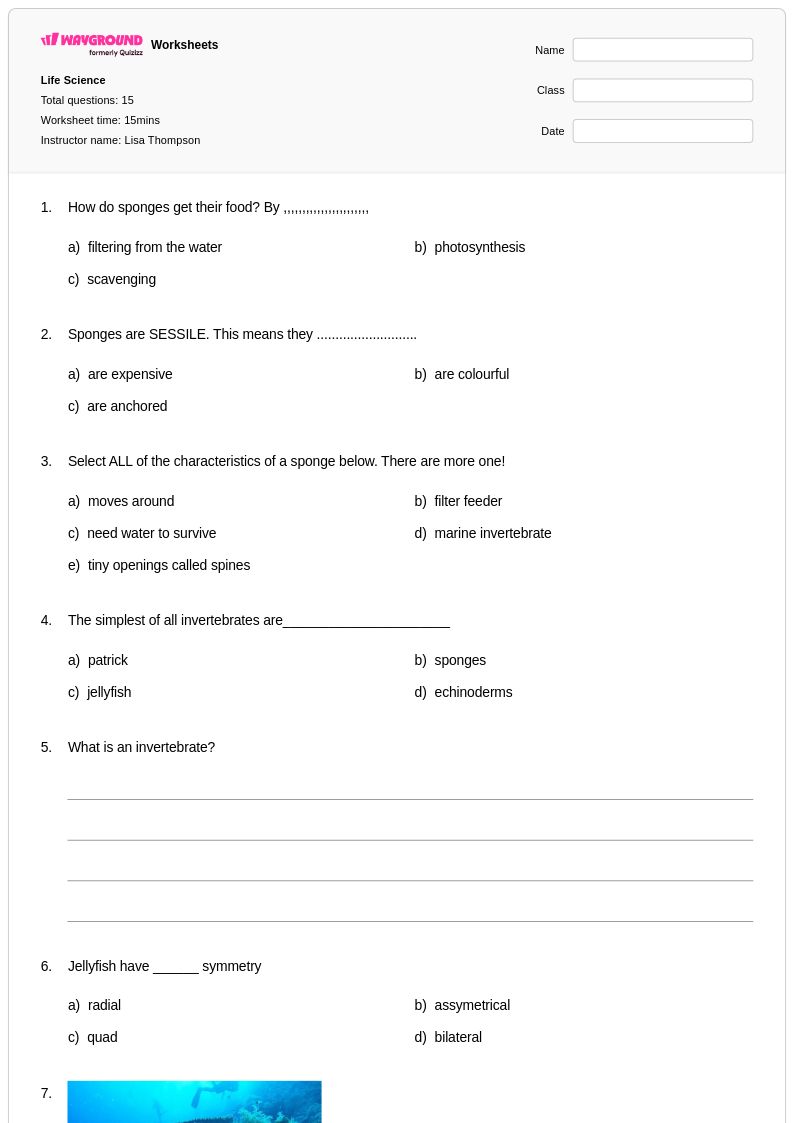
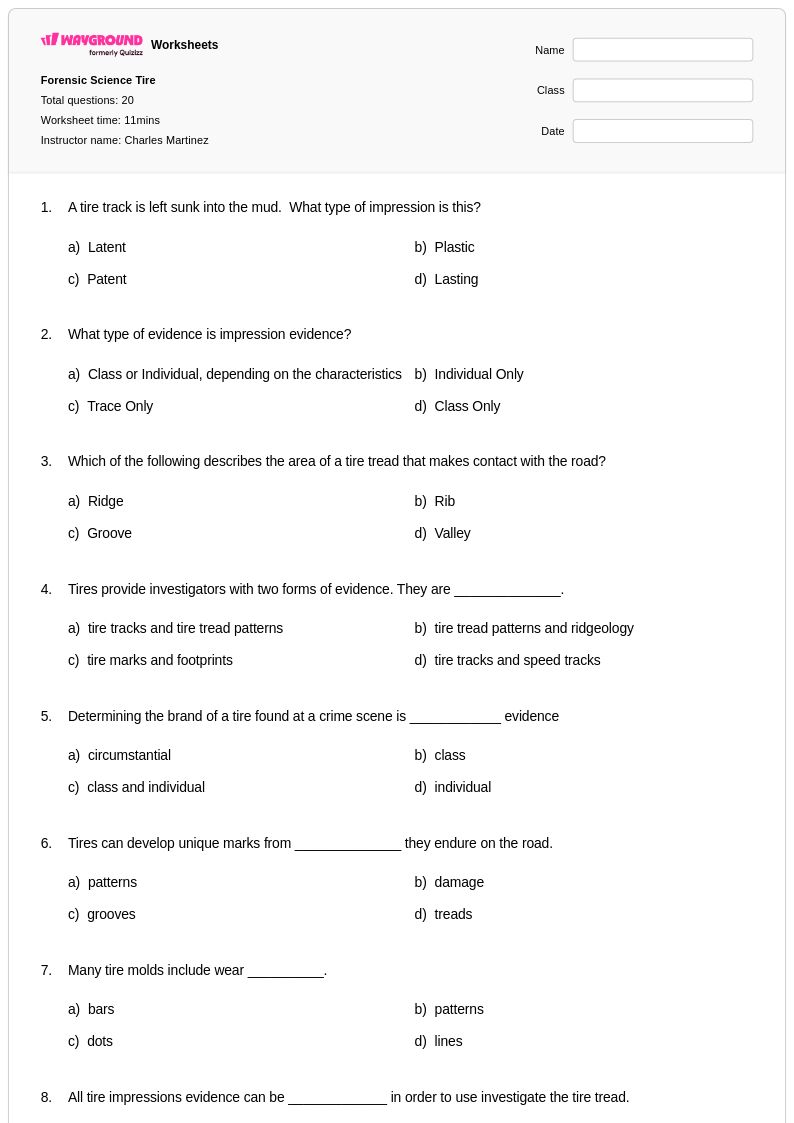
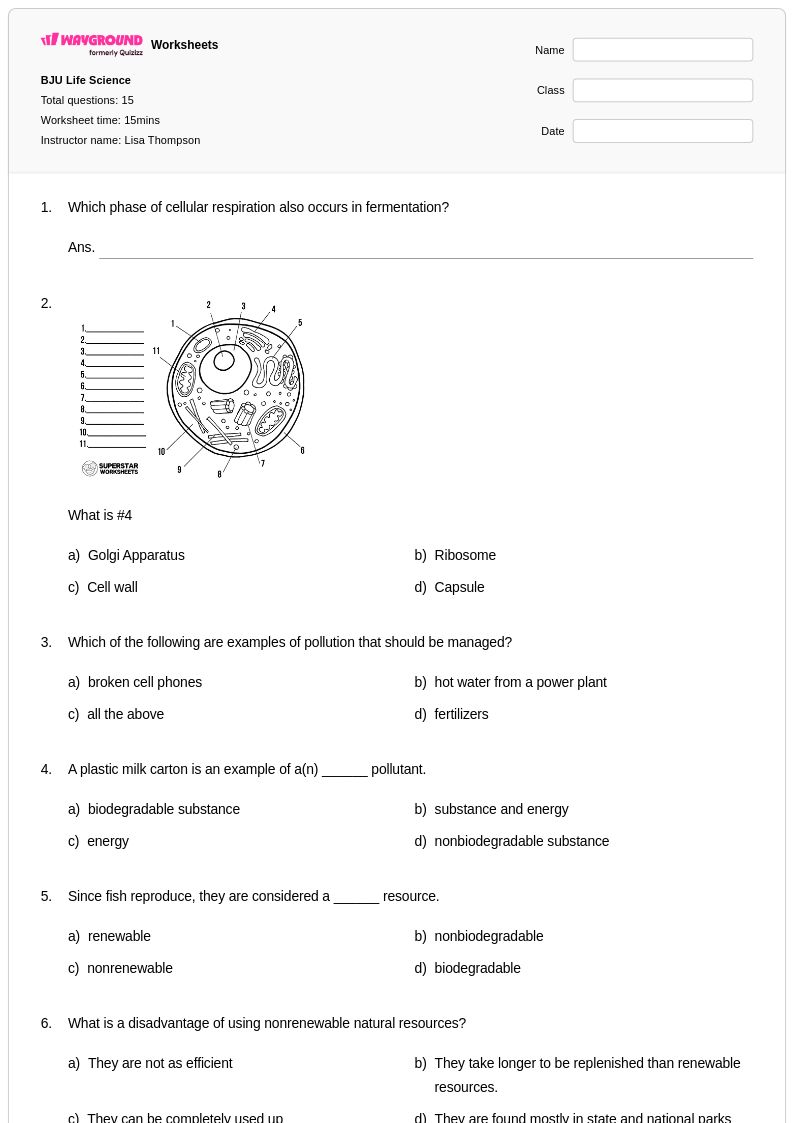
Class 10 Science worksheets available through Wayground (formerly Quizizz) provide comprehensive coverage of essential scientific concepts and laboratory skills that students encounter during their sophomore year of high school. These carefully designed resources strengthen critical thinking abilities through hands-on practice problems that span physics, chemistry, biology, and earth science fundamentals. Students develop proficiency in scientific method application, data analysis, experimental design, and mathematical problem-solving while working through free printable exercises that include detailed answer keys for immediate feedback. The worksheets emphasize conceptual understanding alongside practical application, helping students master topics such as atomic structure, cellular processes, motion and forces, and chemical reactions through structured practice that builds confidence and competency.
Wayground (formerly Quizizz) empowers educators with access to millions of teacher-created Class 10 Science worksheet collections that feature robust search and filtering capabilities for quick resource identification. The platform's standards alignment ensures that materials meet curriculum requirements while differentiation tools allow teachers to customize content for diverse learning needs and ability levels. These versatile resources are available in both printable pdf formats for traditional classroom use and digital formats for technology-integrated instruction, supporting flexible lesson planning across various teaching environments. Teachers utilize these comprehensive worksheet libraries for targeted remediation of struggling concepts, enrichment activities for advanced learners, and systematic skill practice that reinforces laboratory experiences and textbook learning through engaging, research-backed educational materials.
FAQs
How do I teach scientific observation and data analysis skills to K-12 students?
Scientific observation and data analysis are best taught through structured inquiry activities where students make predictions, collect measurable data, and draw evidence-based conclusions. Start with guided observations using familiar phenomena before progressing to open-ended investigations. Consistently requiring students to record units, label axes, and justify conclusions in writing builds the analytical habits that transfer across biology, chemistry, physics, and earth science contexts.
What exercises help students practice hypothesis formation in science?
Effective hypothesis practice involves giving students a described scenario or dataset and asking them to write an 'if-then-because' statement before any investigation begins. Follow-up exercises should require students to identify the independent and dependent variables and explain how the hypothesis could be tested. Repeating this structure across different science disciplines reinforces that hypothesis formation is a transferable skill, not a topic-specific one.
What mistakes do students commonly make when working on science worksheets?
The most frequent errors include confusing observation with inference, omitting units from numerical answers, and writing conclusions that restate results rather than explain them. Students also commonly misidentify variables in experimental design questions, listing materials or procedures instead of the factor being changed or measured. Targeted practice problems that isolate these skills one at a time help students self-correct before these habits become entrenched.
How can I differentiate science worksheets for students with different learning needs?
Differentiation in science practice is most effective when it targets the specific barrier a student faces rather than simply reducing the amount of work. On Wayground, teachers can enable accommodations such as Read Aloud for students who struggle with scientific vocabulary in text form, reduced answer choices to lower cognitive load on concept-check questions, and extended time for students who need additional processing time. These settings can be assigned per student and reused across sessions without alerting other students, keeping the classroom experience equitable.
How do I use Wayground's science worksheets in my classroom?
Wayground's science worksheets are available as printable PDFs for traditional classroom use and in digital formats for technology-integrated environments, so they fit both paper-based and one-to-one device settings. Teachers can also host worksheets as a live or assigned quiz directly on Wayground, which enables automatic grading and real-time progress tracking. Each worksheet includes a complete answer key, making them practical for independent practice, homework, or guided small-group work without requiring additional teacher preparation.
How do I find science worksheets aligned to specific standards or curriculum topics?
Finding standards-aligned science materials is most efficient when a platform offers filtering by discipline, grade level, and specific learning standard rather than requiring teachers to browse broad categories. Wayground's search and filtering tools allow teachers to narrow results by subject area — such as biology, chemistry, physics, or earth science — and align selections to curriculum requirements. This reduces lesson planning time significantly, particularly when teachers need materials for both core instruction and targeted remediation.