Free Printable Library Skills Worksheets for Class 1
Class 1 library skills worksheets and printables help young students learn essential research and information literacy fundamentals through engaging practice problems with comprehensive answer keys available as free PDF downloads.
Explore printable Library Skills worksheets for Class 1
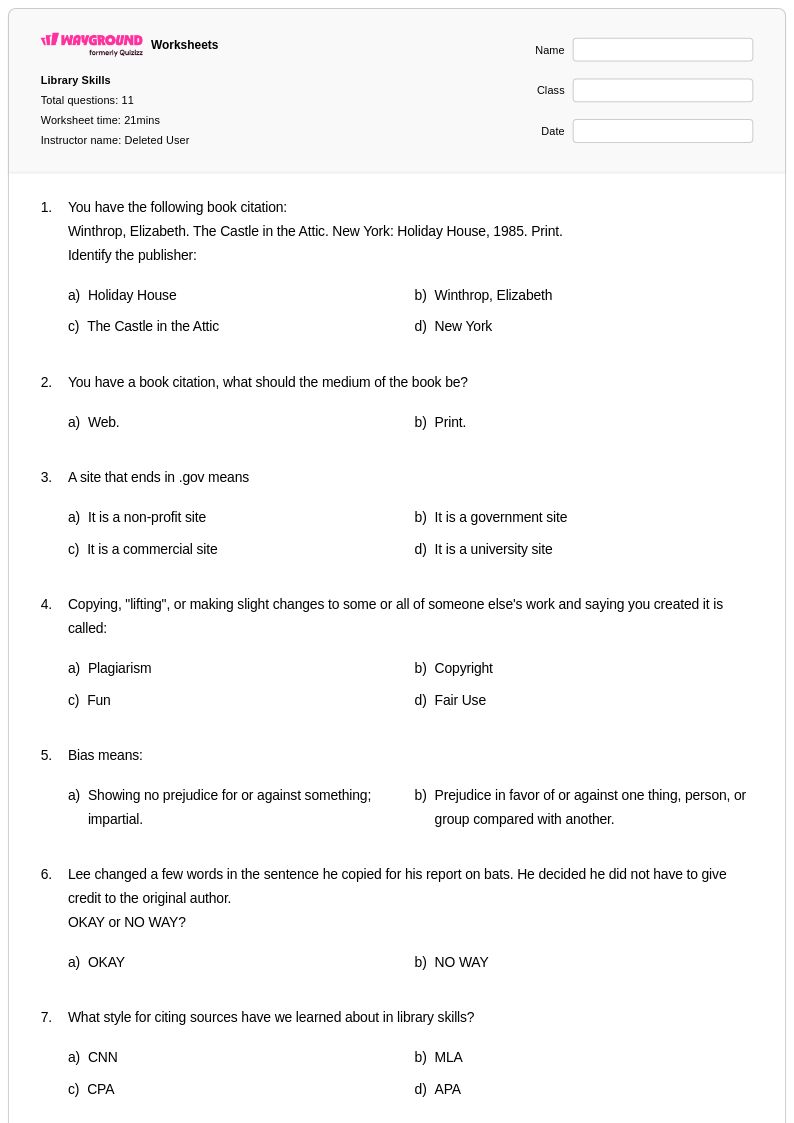
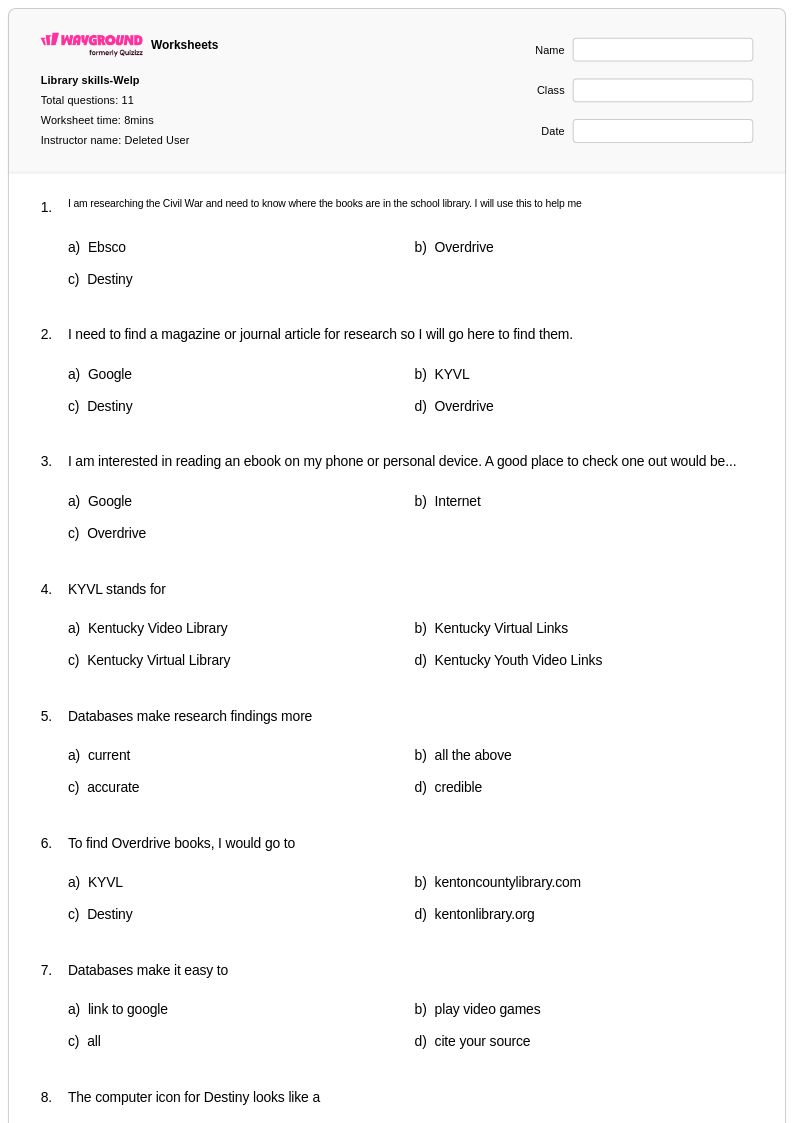
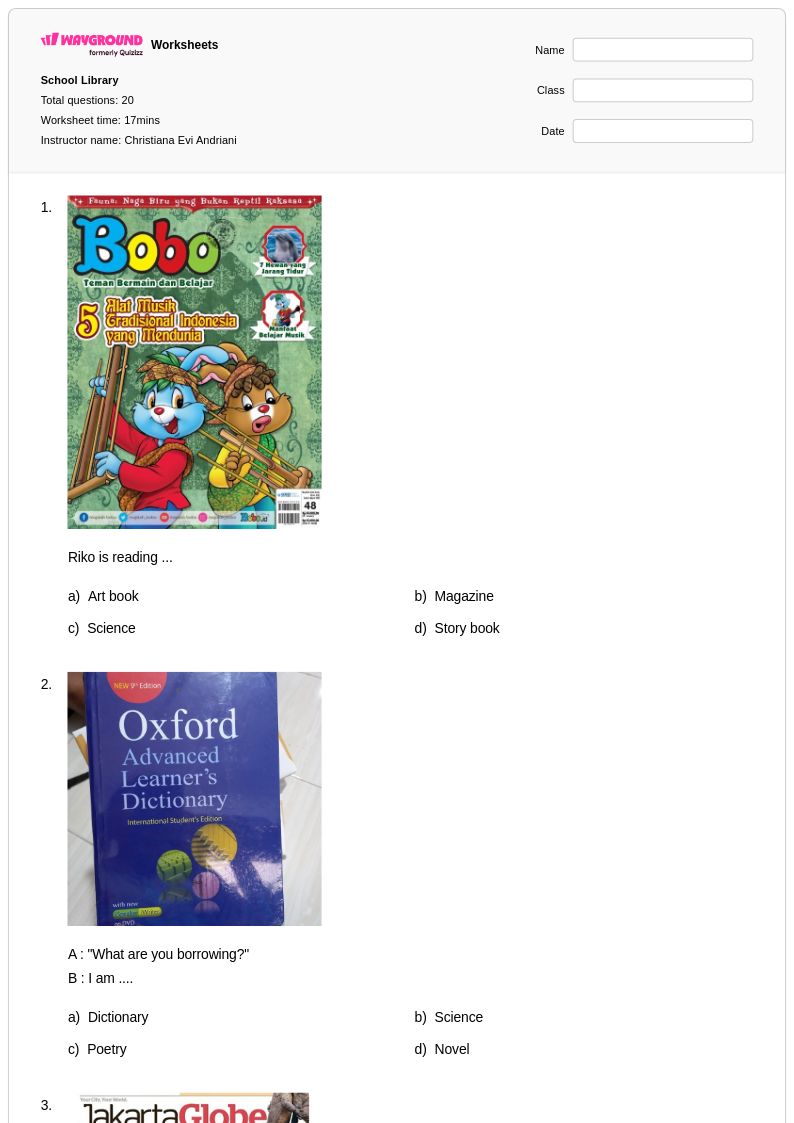
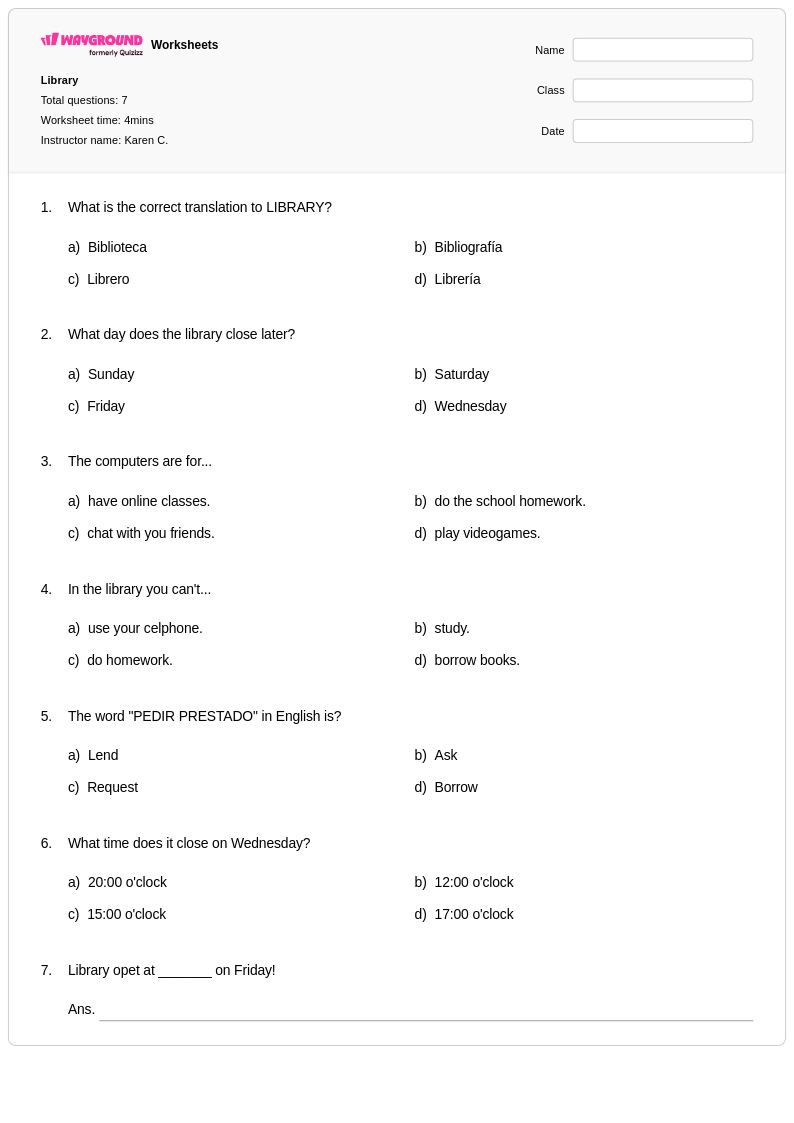
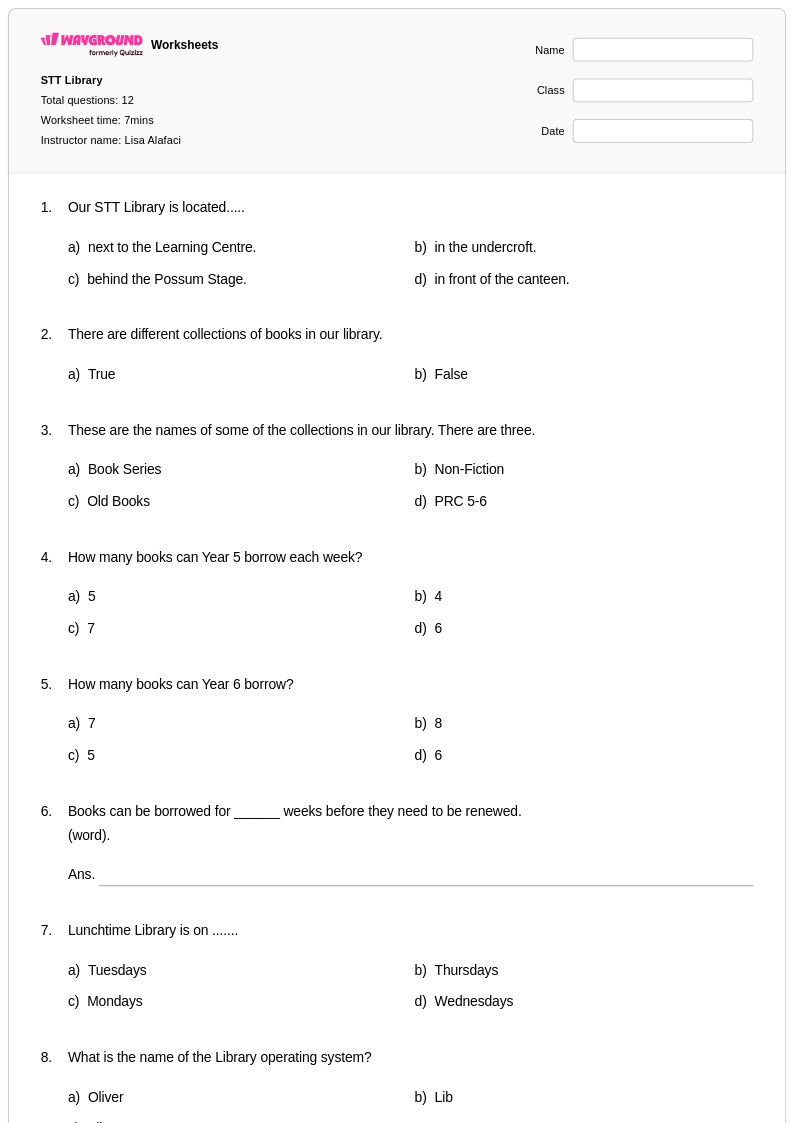
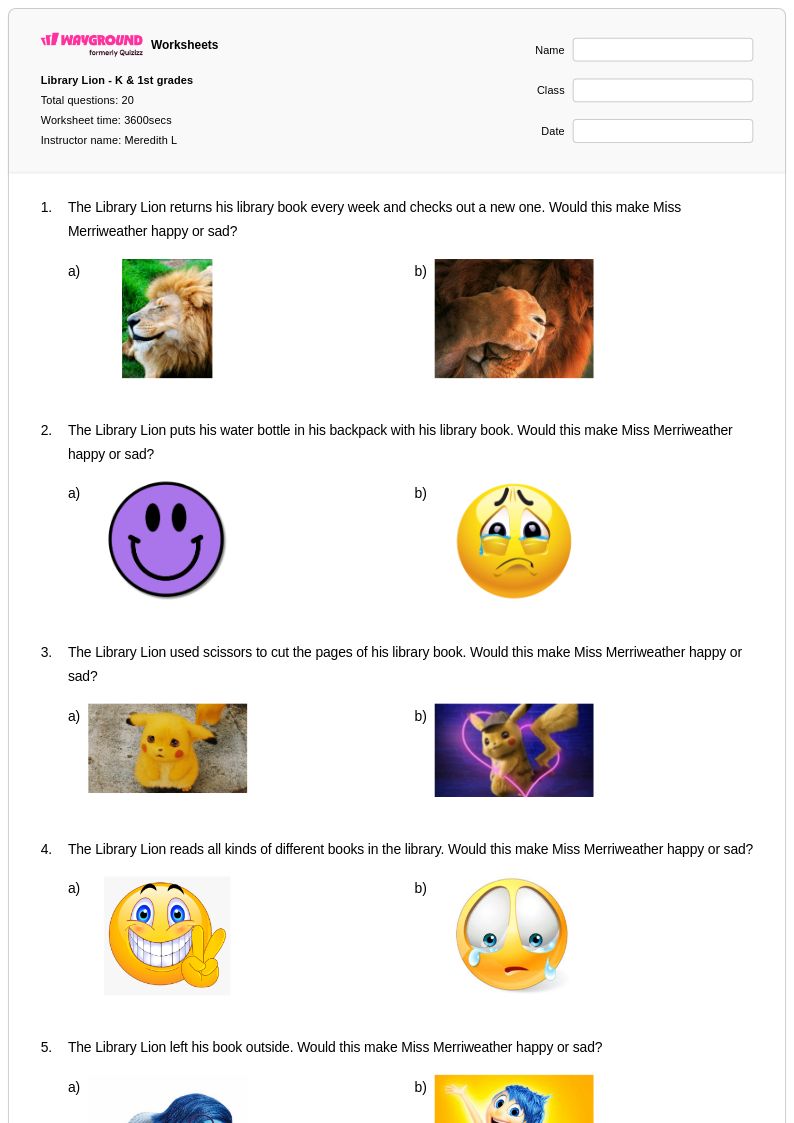
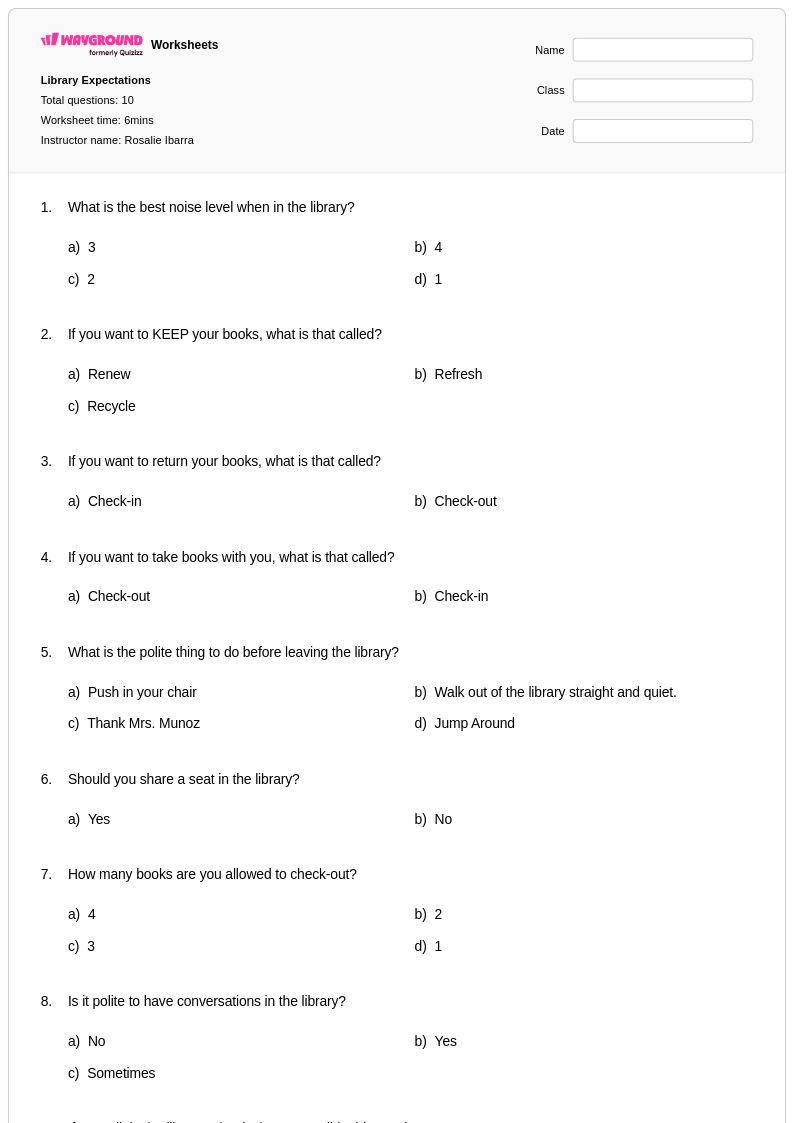
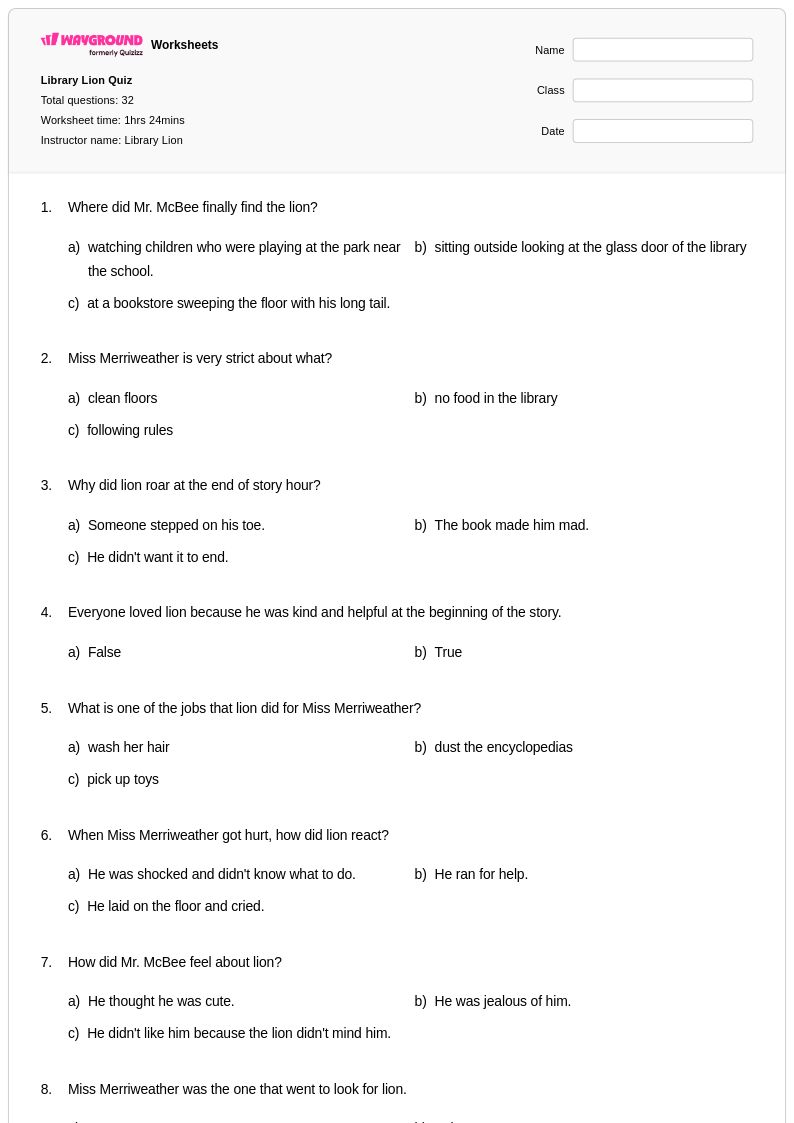
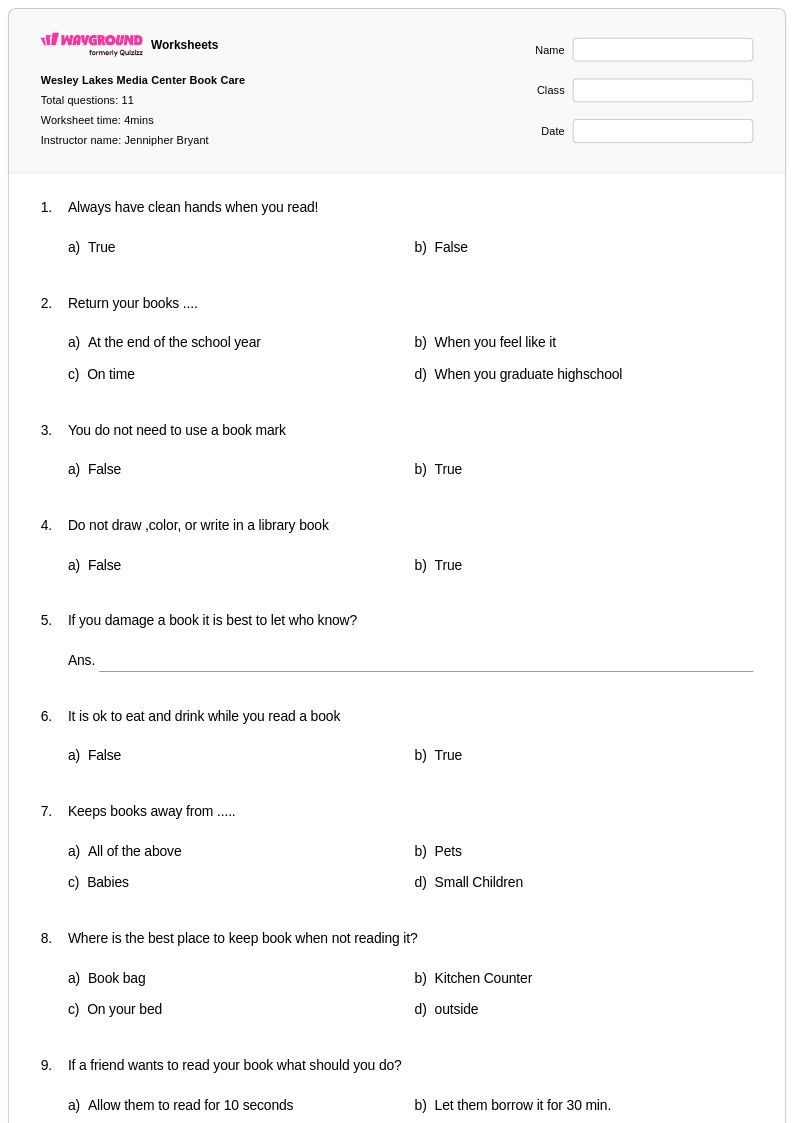
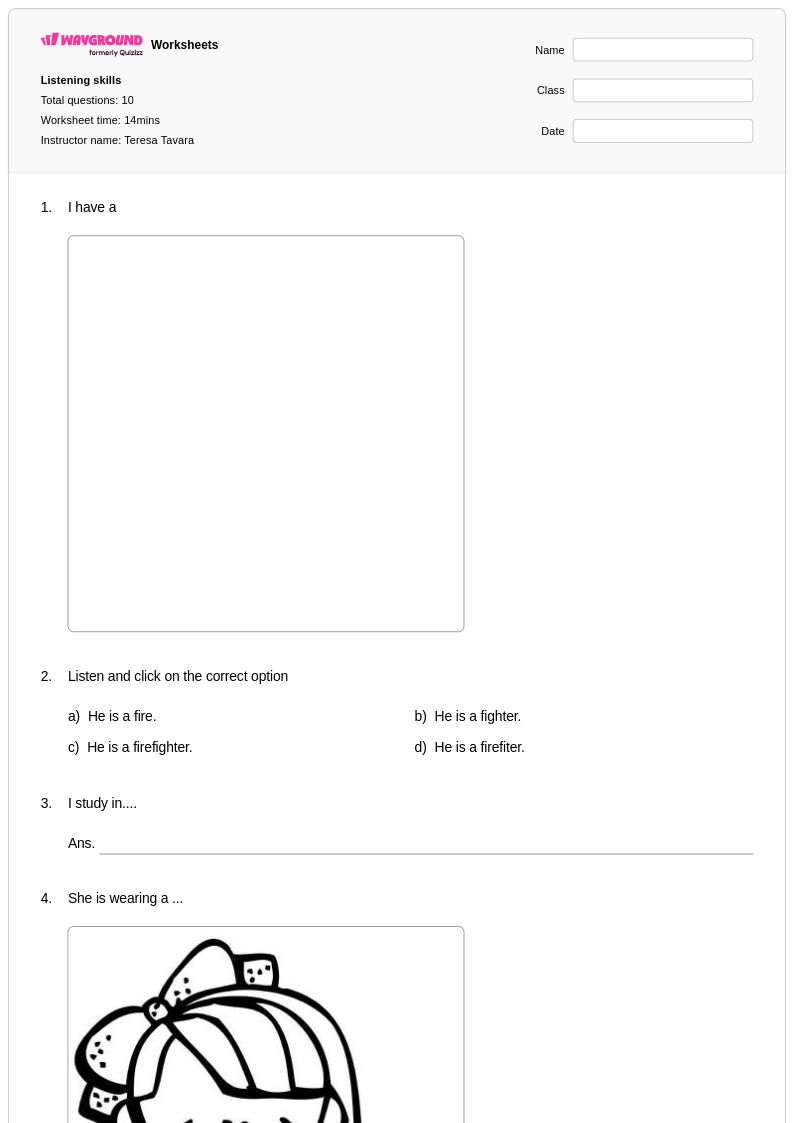
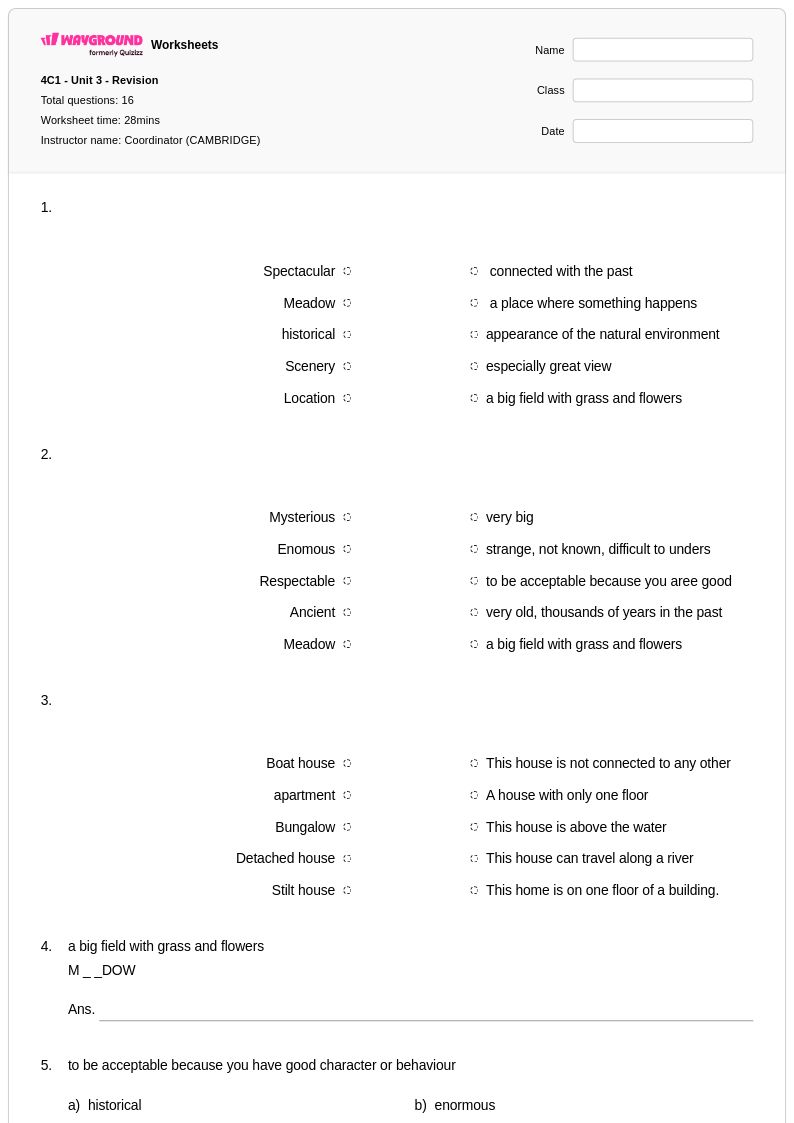
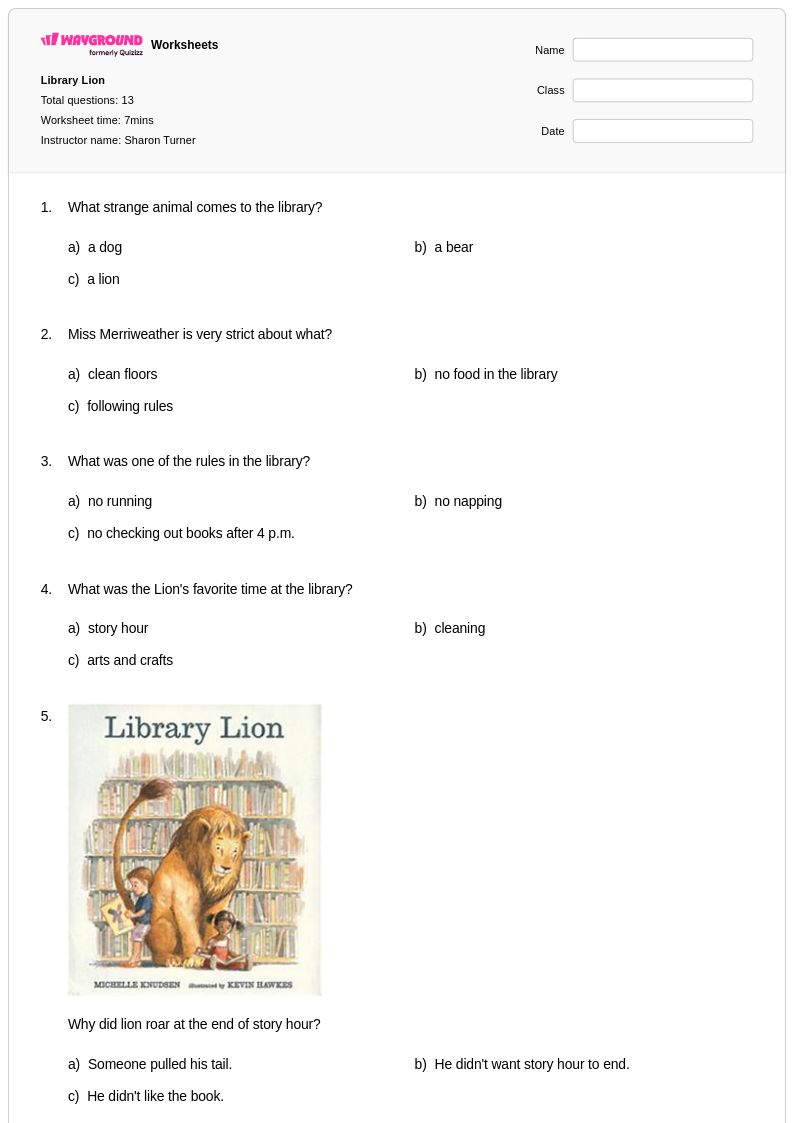
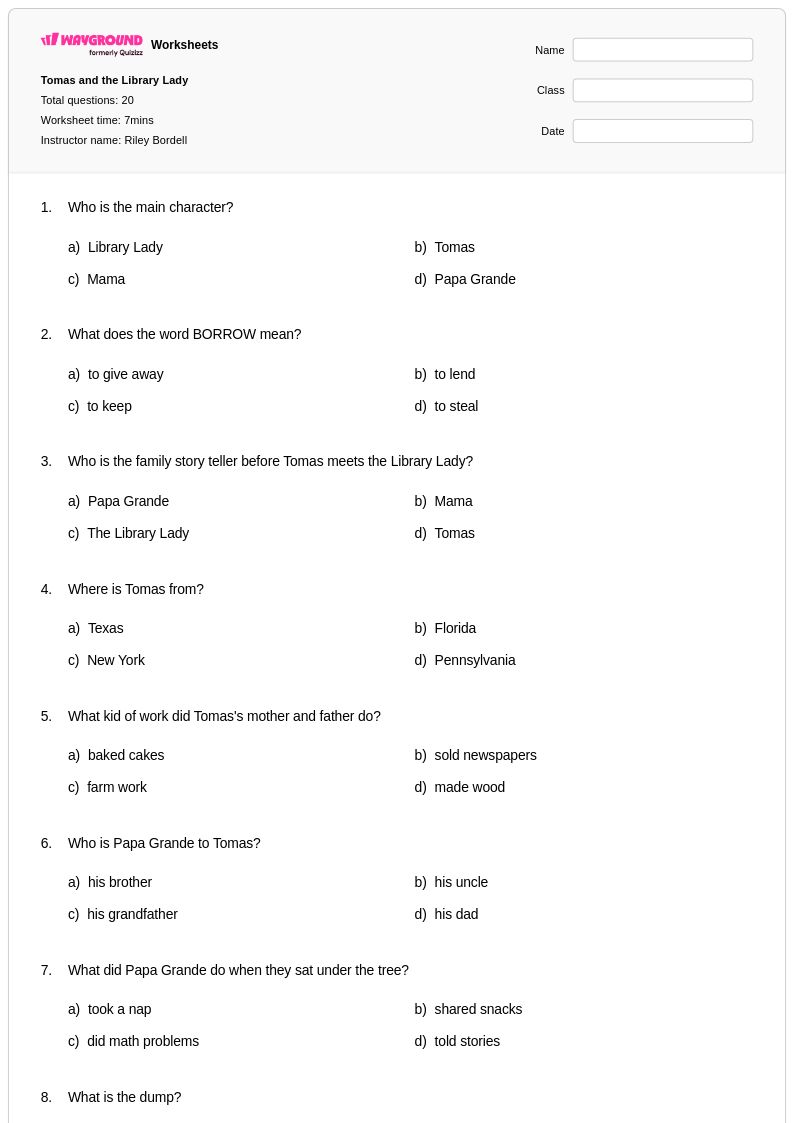
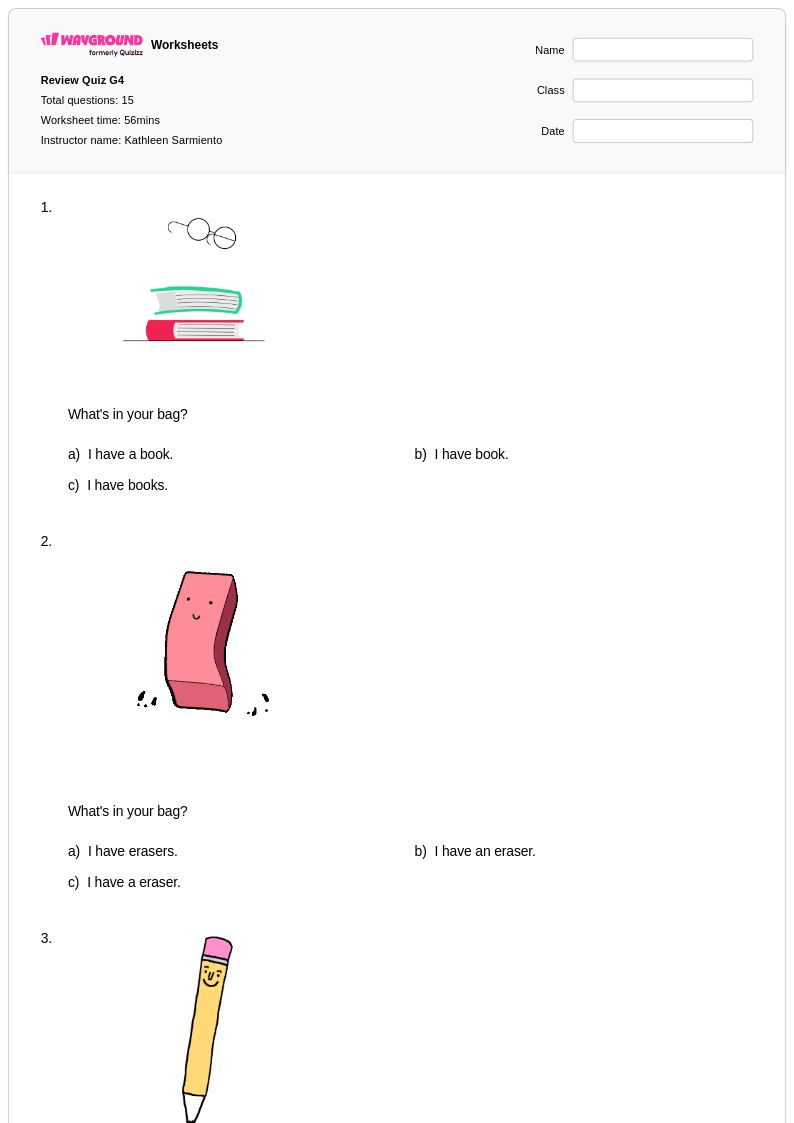
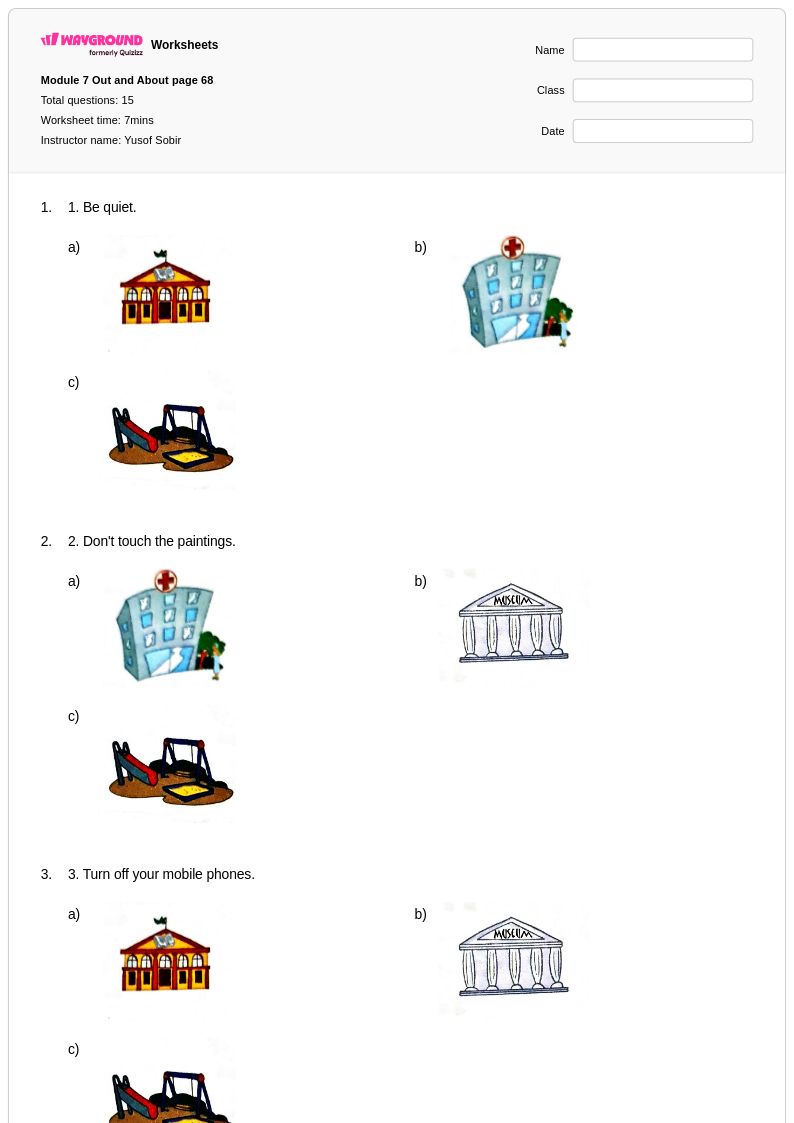
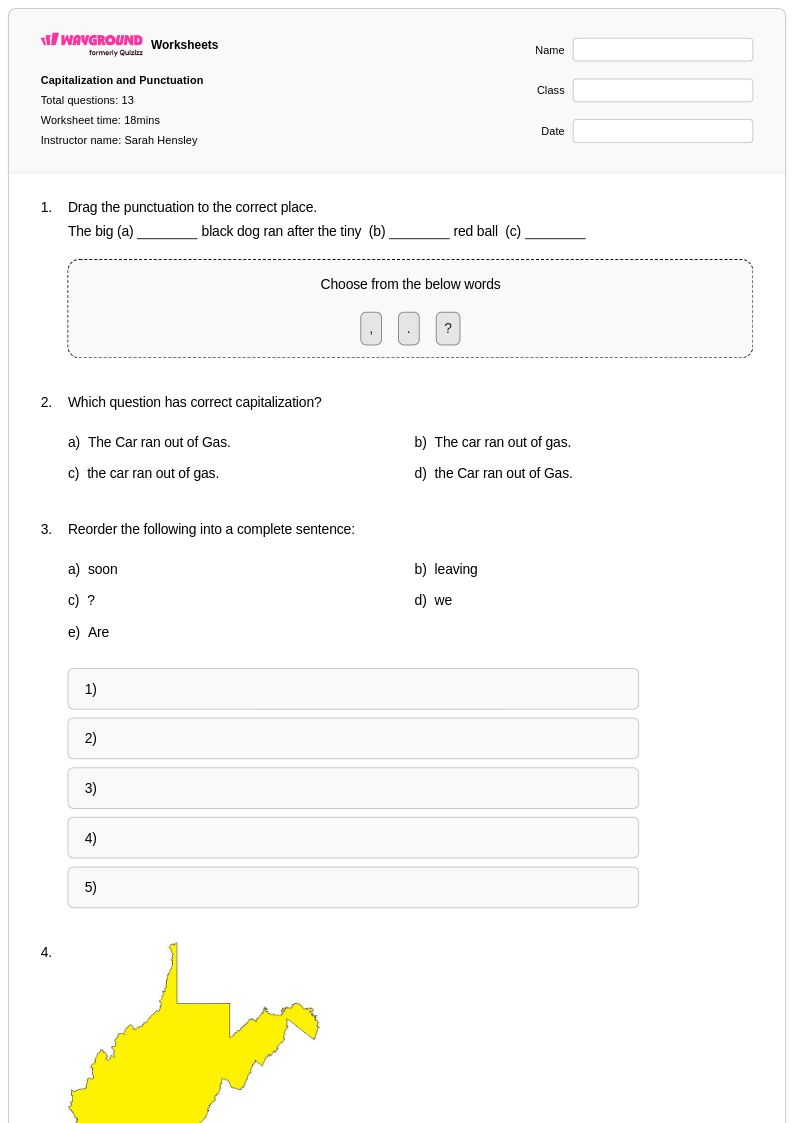
Class 1 library skills worksheets available through Wayground (formerly Quizizz) provide foundational instruction in essential information literacy concepts that young learners need to navigate library environments successfully. These comprehensive printables focus on developing crucial abilities such as understanding how books are organized, locating different sections within a library, identifying parts of a book including the cover, title page, and spine, and recognizing the roles of librarians and library helpers. Students engage with practice problems that teach proper library behavior, book care procedures, and basic research skills appropriate for their developmental level. Each worksheet collection includes detailed answer keys and is designed as free educational resources that teachers can access in convenient pdf format, supporting systematic skill-building in information literacy from the earliest elementary grades.
Wayground (formerly Quizizz) empowers educators with millions of teacher-created library skills resources specifically designed for Class 1 students, featuring robust search and filtering capabilities that allow instructors to quickly locate materials aligned with information literacy standards and curriculum objectives. The platform's differentiation tools enable teachers to customize worksheets for varying ability levels within their classrooms, while flexible formatting options provide both printable pdf versions for traditional instruction and digital formats for technology-integrated learning environments. These comprehensive resource collections support diverse instructional needs including lesson planning, targeted skill remediation for students who need additional support, enrichment activities for advanced learners, and regular practice opportunities that reinforce library concepts throughout the academic year, ultimately building confident and capable young library users.
FAQs
How do I teach library skills to students who have never used a library catalog?
Start by introducing the concept of organization through familiar examples, such as how grocery stores arrange items by category, before connecting that logic to library classification systems like the Dewey Decimal System. Walk students through a guided catalog search using a specific title or subject, narrating each step aloud. Follow up with structured practice where students locate call numbers and match them to physical or digital shelf locations, gradually releasing responsibility as their confidence grows.
What exercises help students practice evaluating source credibility?
Worksheets that present a mix of credible and questionable sources, such as peer-reviewed articles alongside random websites, help students apply evaluation criteria like authorship, publication date, and purpose. Structured activities that ask students to justify their credibility ratings in writing reinforce critical thinking rather than guessing. Practice problems that distinguish between primary and secondary sources further build the analytical habits students need for academic research.
What mistakes do students commonly make when using the Dewey Decimal System?
A frequent error is treating Dewey Decimal numbers as whole numbers rather than decimals, which causes students to misorder items like 500.1 and 50.1. Students also often confuse the subject classification numbers with author or title information on the call label. Targeted practice with sequencing and shelving exercises helps students internalize the correct ordering logic before applying it independently in a library setting.
How can I differentiate library skills instruction for students at different reading and skill levels?
Offer tiered worksheets that adjust complexity, such as simple alphabetization tasks for foundational learners alongside multi-step catalog search activities for advanced students. On Wayground, teachers can apply student-level accommodations including Read Aloud, which audio-reads questions and content for students who need support, and reduced answer choices to lower cognitive load for learners who need scaffolding. These settings can be assigned individually so each student works within an appropriately challenging range without drawing attention to differences.
How do I use library skills worksheets in both print and digital classroom environments?
Library skills worksheets on Wayground are available as printable PDFs for traditional classroom use and in digital formats for technology-integrated settings, making them flexible across different instructional contexts. Teachers can distribute printed worksheets during library orientation sessions or assign digital versions for independent practice at home or in a computer lab. Wayground also allows teachers to host worksheets as interactive quizzes, giving students immediate feedback and giving teachers a quick view of class-wide performance.
How do I help students understand the difference between primary and secondary sources?
Anchor the distinction in concrete examples students already know, such as a diary entry from a historical figure as a primary source versus a textbook chapter summarizing that same period as a secondary source. Practice worksheets that present short source descriptions and ask students to classify and explain their reasoning are especially effective at building this skill. Repeated exposure through varied examples, across subjects like history, science, and current events, helps students generalize the concept beyond a single lesson.