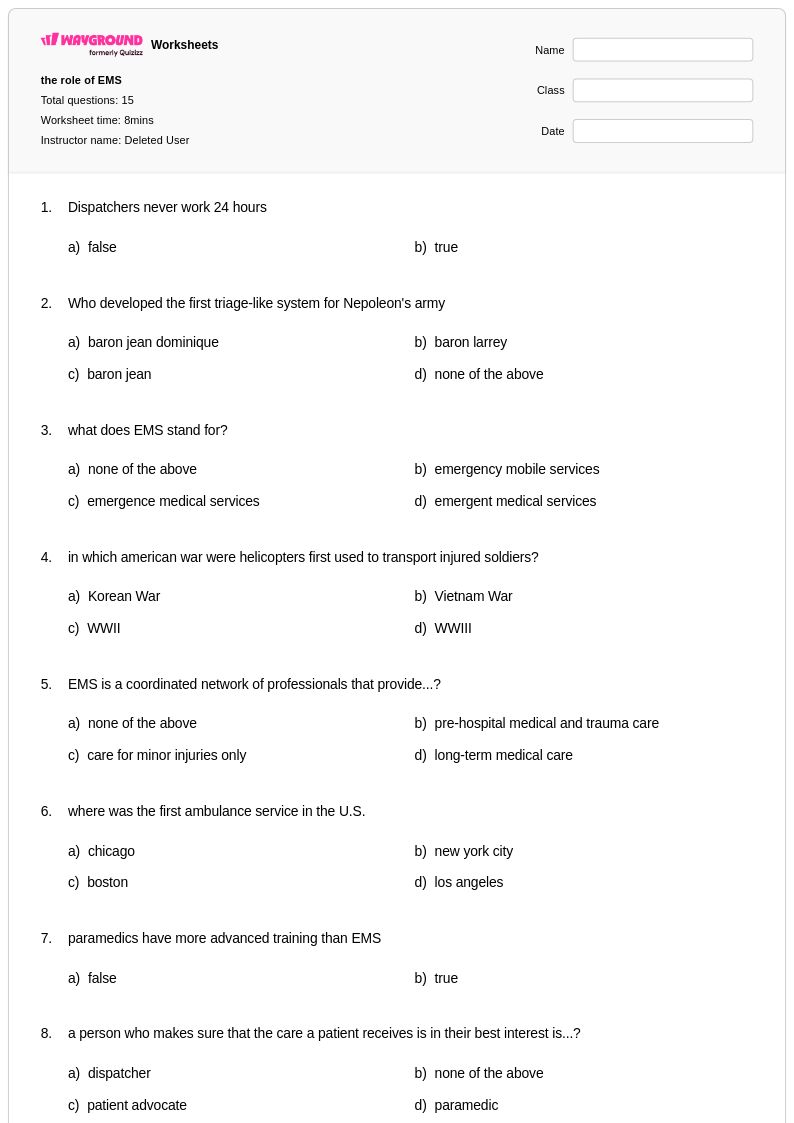
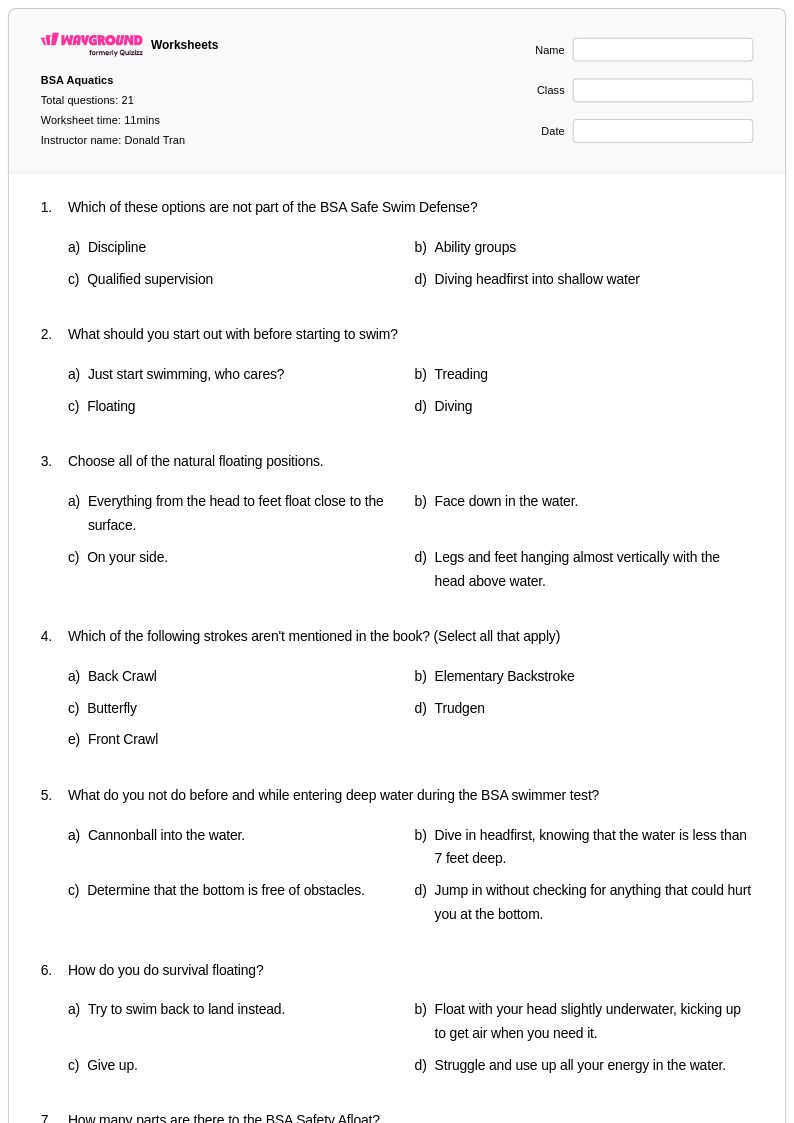
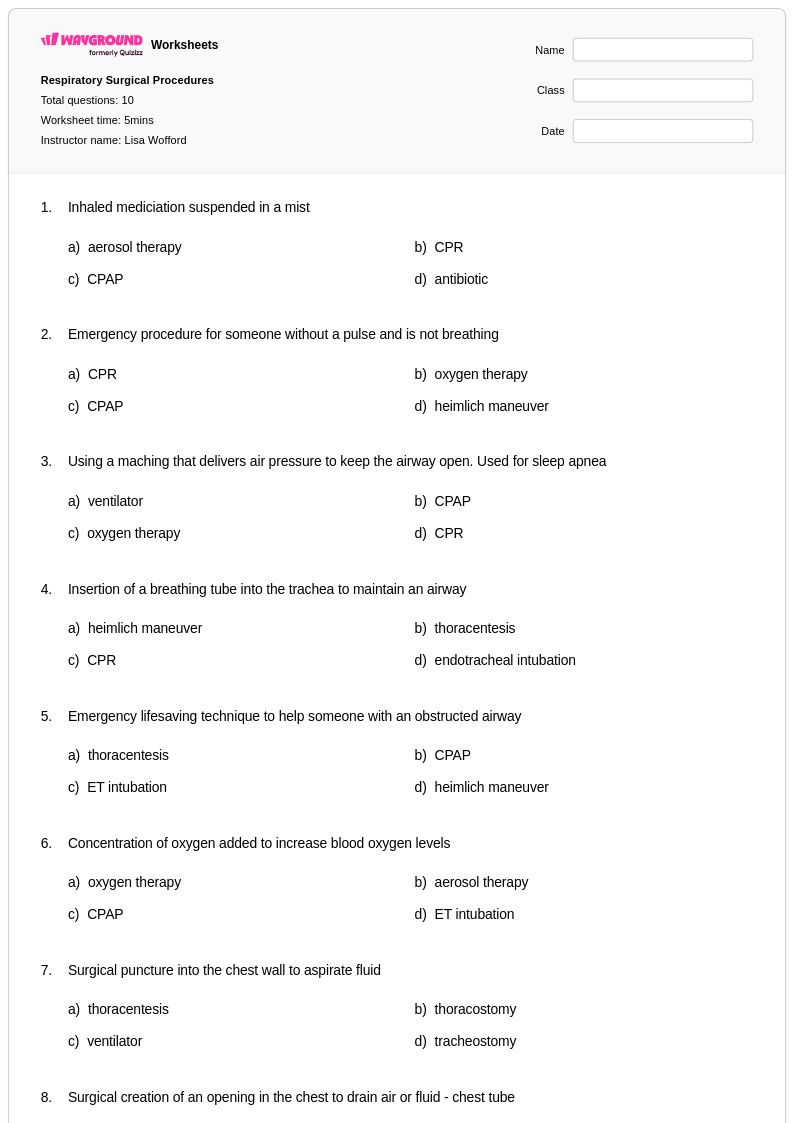
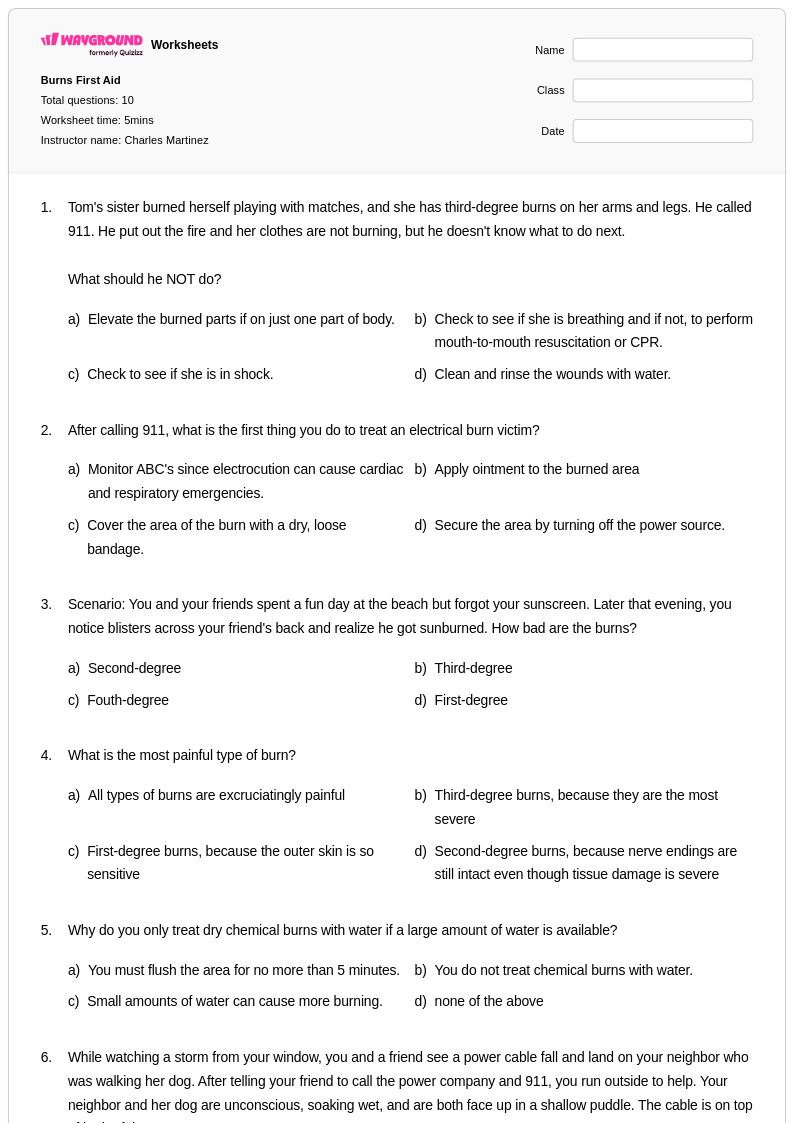
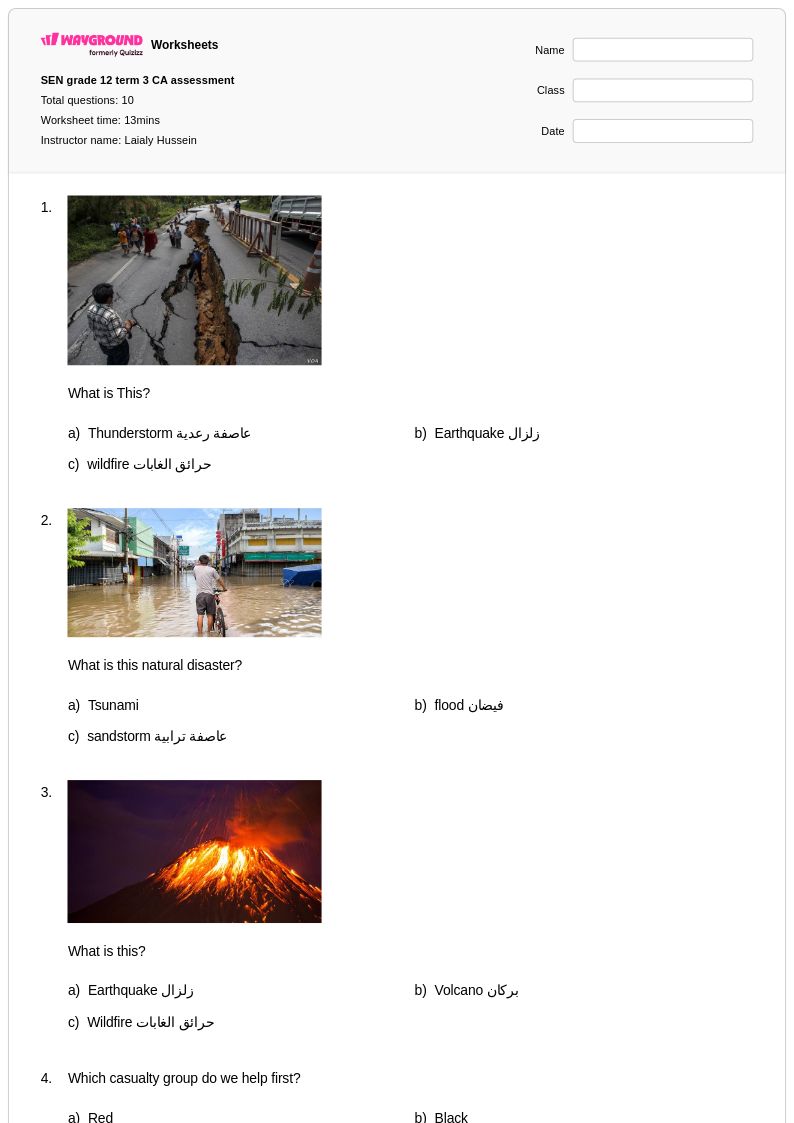
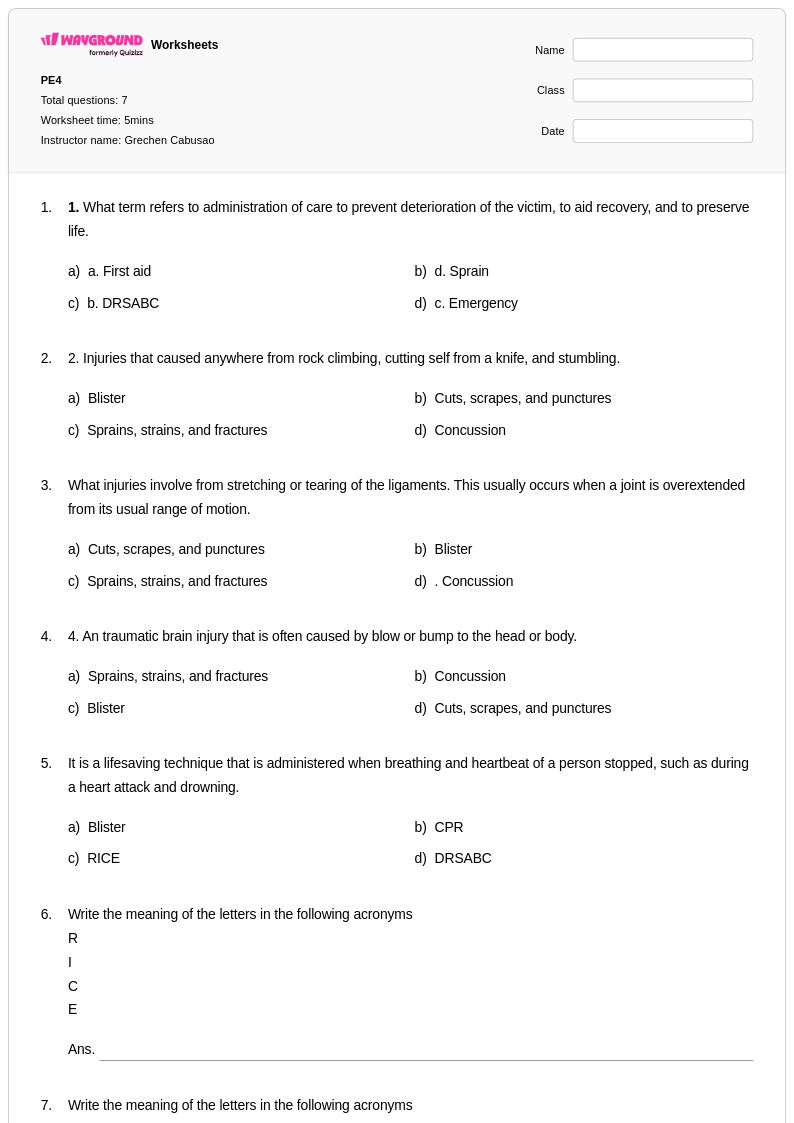
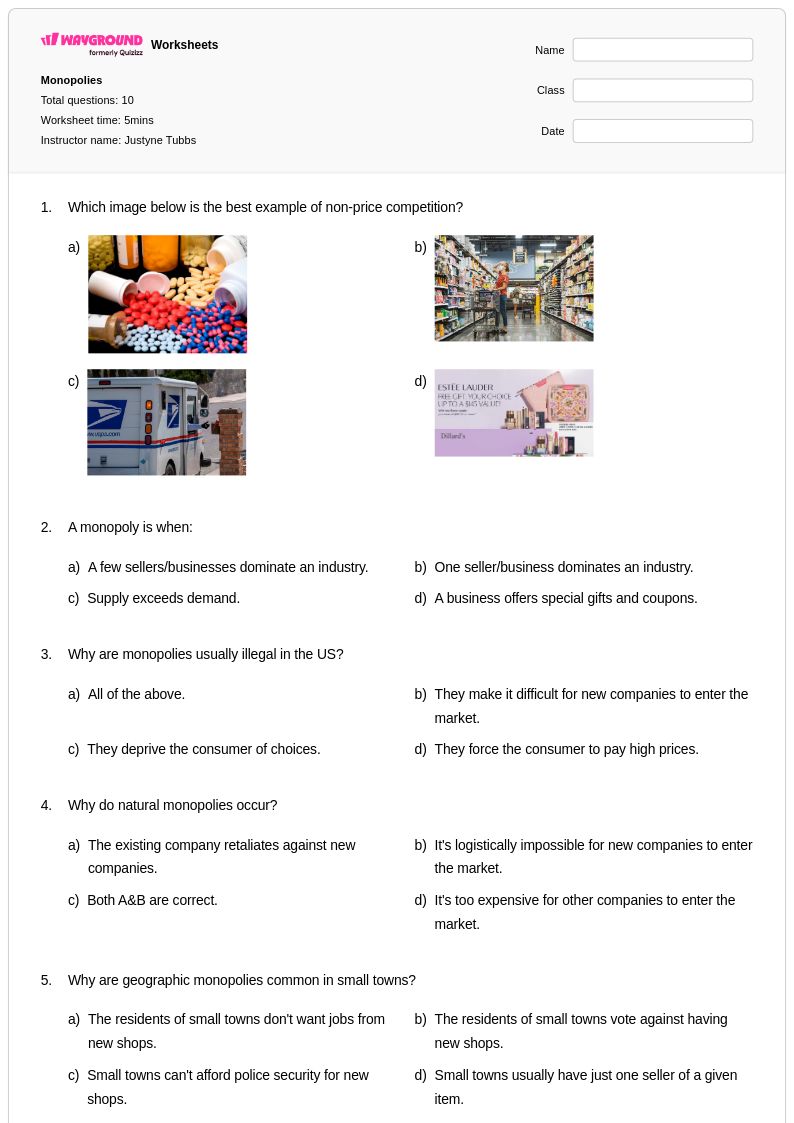
Class 12 lifesaving worksheets and printables from Wayground help students master essential water rescue techniques, emergency response protocols, and safety procedures through comprehensive practice problems and detailed answer keys.
Explore printable Lifesaving worksheets for Class 12
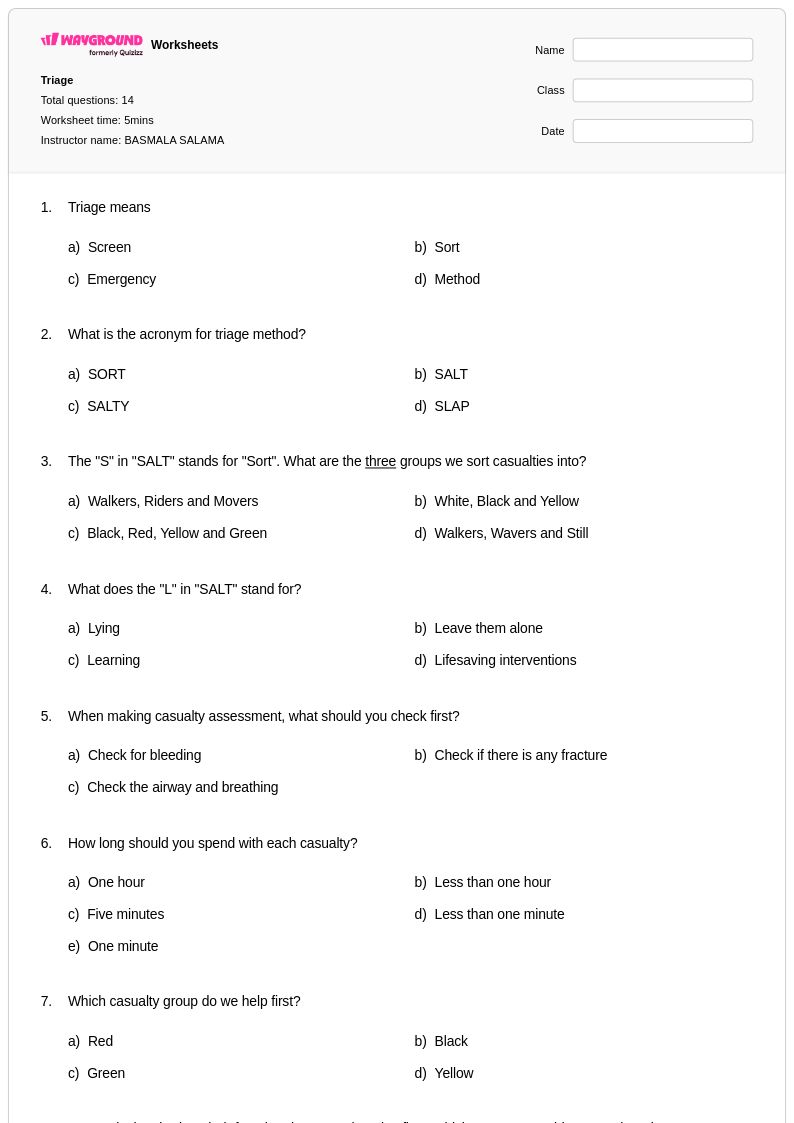
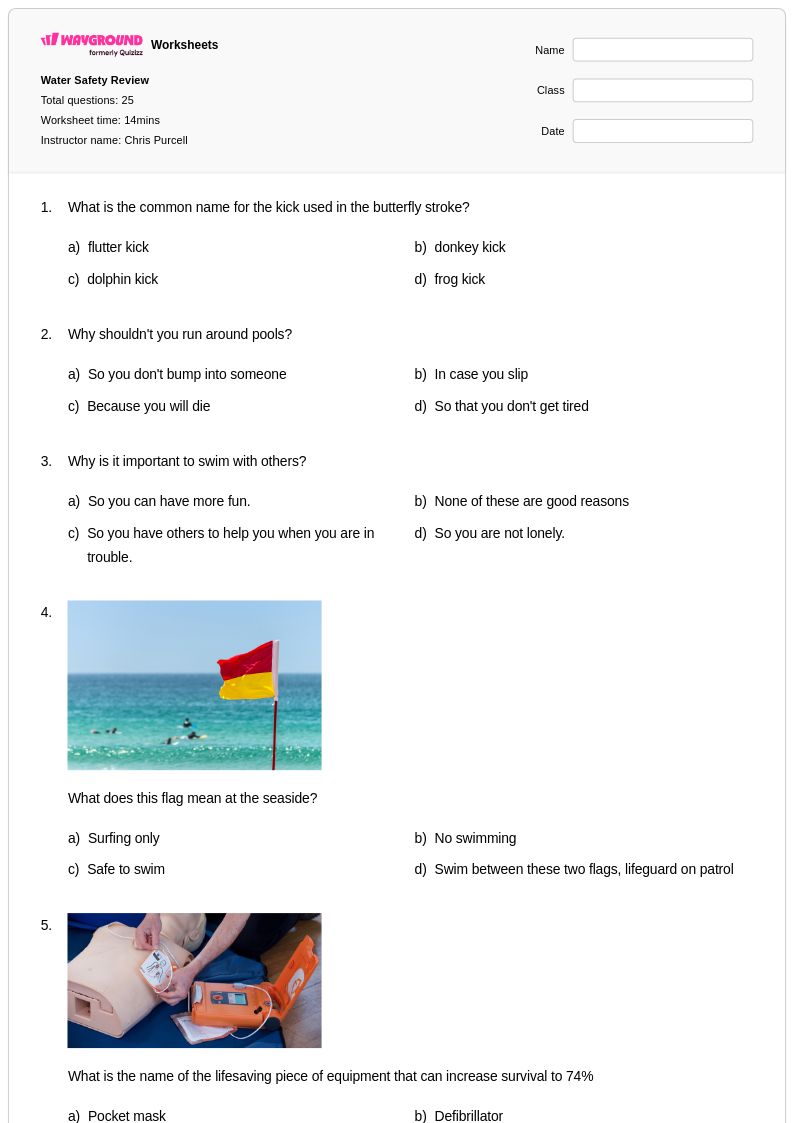
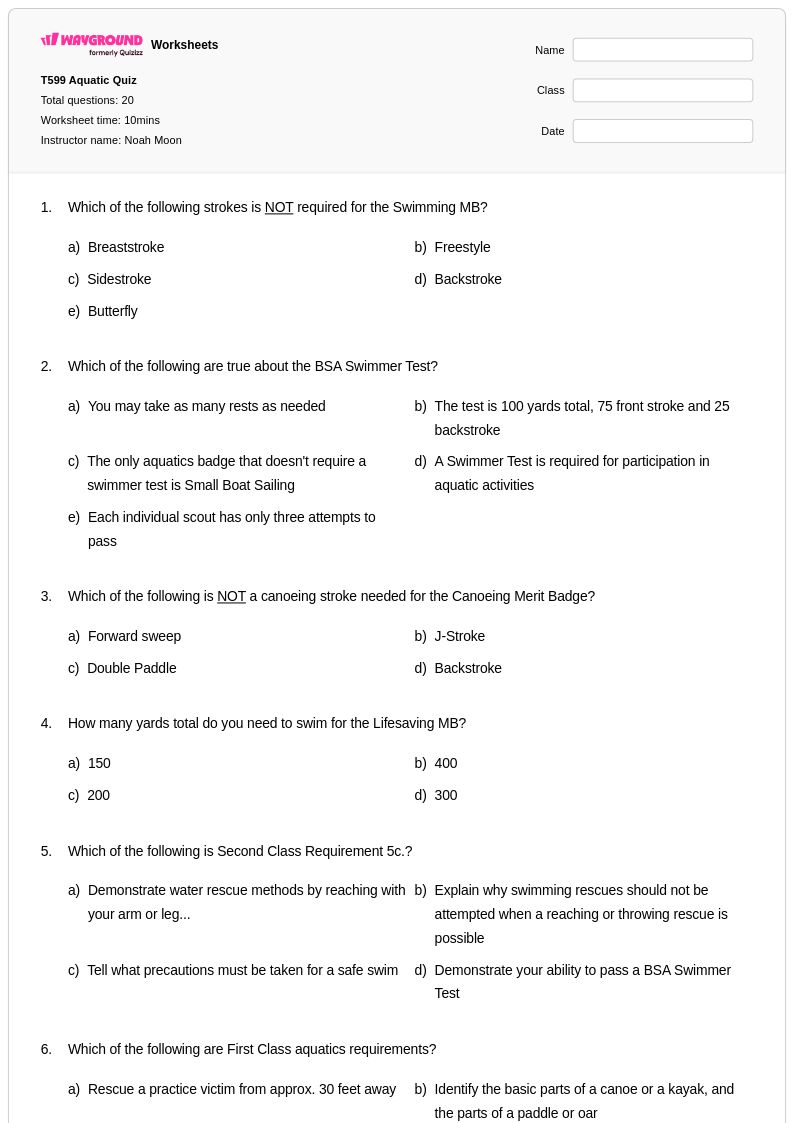
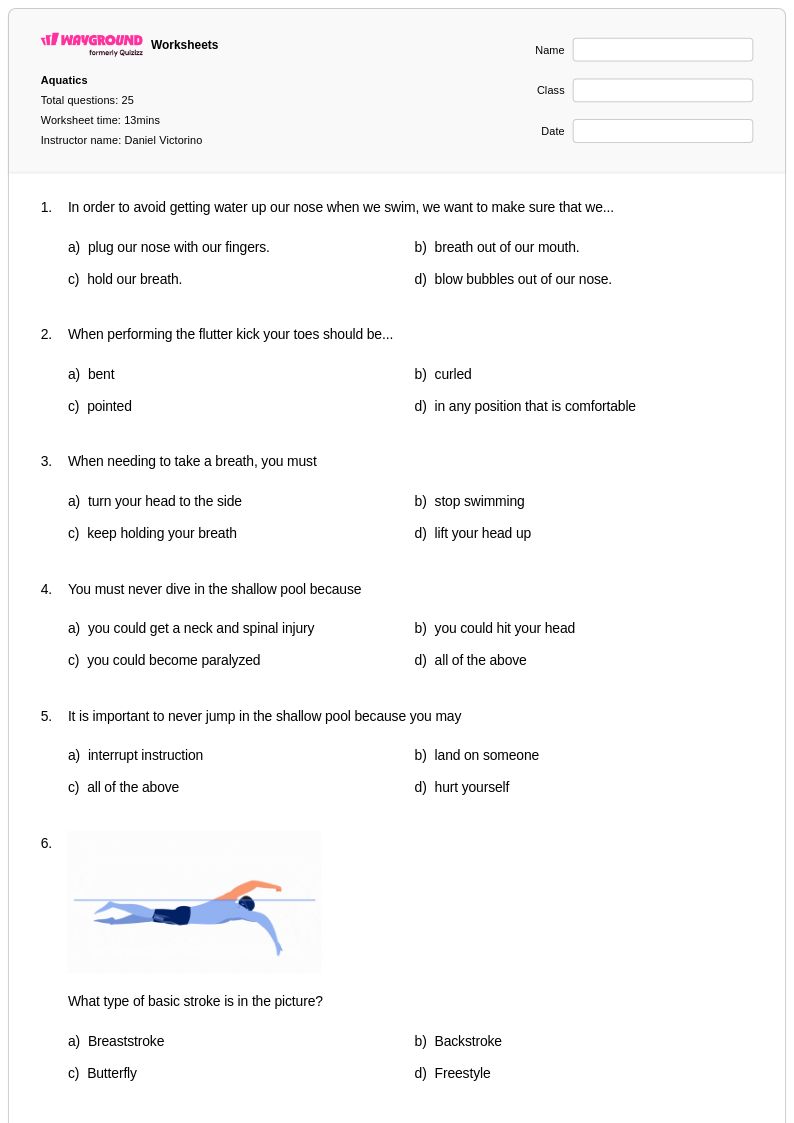
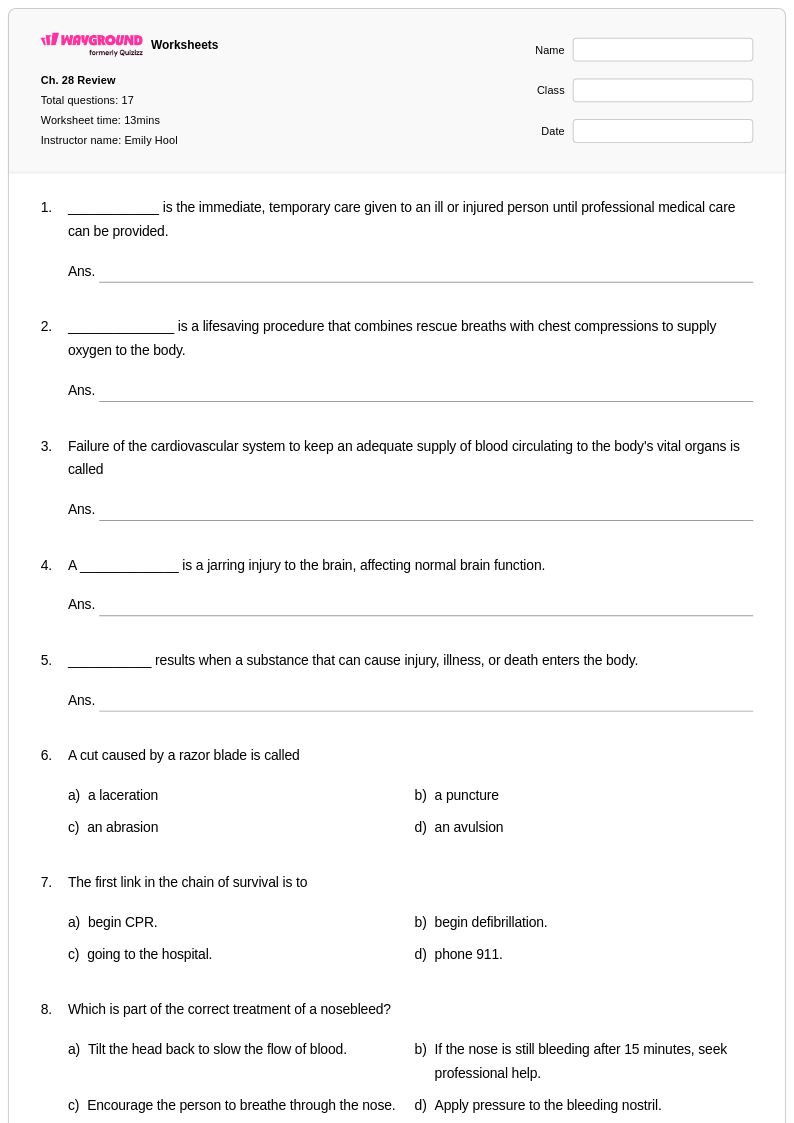
Lifesaving worksheets for Class 12 Physical Education provide comprehensive coverage of critical water safety and emergency response skills that prepare students for real-world rescue scenarios. These educational resources through Wayground (formerly Quizizz) focus on advanced lifesaving techniques including rescue breathing, CPR protocols, spinal injury management, and swift water rescue methods. Students develop essential competencies in risk assessment, emergency action planning, and victim recognition while mastering the physical skills required for effective water rescues. The practice problems incorporated into these worksheets challenge students to analyze complex rescue scenarios, apply proper safety protocols, and demonstrate understanding of legal and ethical responsibilities associated with lifesaving roles. Each printable resource includes detailed answer keys that allow students to self-assess their knowledge of rescue equipment usage, communication procedures, and post-rescue care protocols, ensuring thorough preparation for lifeguarding certification and emergency response situations.
Wayground (formerly Quizizz) supports Physical Education teachers with an extensive collection of millions of teacher-created lifesaving worksheets that can be easily customized to meet diverse classroom needs and skill levels. The platform's robust search and filtering capabilities enable educators to quickly locate resources aligned with specific lifesaving standards and competencies, while differentiation tools allow for seamless modification of content complexity to accommodate varying student abilities. Teachers can access these materials in both printable pdf formats for hands-on practice sessions and digital formats for interactive learning experiences, providing maximum flexibility for diverse instructional approaches. These comprehensive worksheet collections serve as invaluable tools for lesson planning, targeted skill remediation, and enrichment activities, enabling educators to systematically build student confidence in lifesaving techniques while ensuring mastery of critical safety knowledge that extends far beyond the classroom setting.
FAQs
How do I teach lifesaving skills like CPR and water rescue in a PE class?
Effective lifesaving instruction in PE combines direct demonstration with scenario-based practice so students can internalize procedures under simulated pressure. Begin with foundational concepts such as scene safety and emergency assessment before progressing to hands-on skills like CPR sequences, rescue breathing, and water rescue approaches. Structured worksheets that walk students through rescue decision trees and step-by-step protocols are especially useful for reinforcing correct procedure order before students attempt physical practice.
What exercises help students practice water rescue and emergency response skills?
Practical exercises that mirror real emergency scenarios are the most effective way to build student competency in lifesaving. Worksheet-based activities that present distressed swimmer scenarios, ask students to select appropriate rescue methods, and sequence CPR or first aid steps help reinforce procedural memory. Practice problems covering safety equipment usage, drowning prevention strategies, and emergency assessment procedures give students repeated exposure to the decision-making patterns they'll need in a real situation.
What common mistakes do students make when learning lifesaving and CPR procedures?
One of the most frequent errors is students skipping or misordering the steps in an emergency response sequence, such as beginning rescue breaths before checking for scene safety or failing to call for help before initiating CPR. Students also commonly confuse passive and active drowning victim behaviors, which affects their rescue approach decisions. Worksheets that require students to sequence procedures from memory and identify errors in described scenarios are effective tools for catching and correcting these misconceptions before they become habits.
How can I differentiate lifesaving instruction for students with different learning needs?
Differentiation in lifesaving instruction often means adjusting the cognitive complexity of scenarios while keeping the core safety content intact. For students who need additional support, simplified scenario prompts with fewer answer choices reduce cognitive load without removing the essential learning objective. On Wayground, teachers can apply accommodations such as reduced answer choices, read-aloud support, and extended time to individual students, allowing the rest of the class to work at standard settings without disruption.
How do I use Wayground's lifesaving worksheets in my classroom?
Wayground's lifesaving worksheets are available as printable PDFs for traditional classroom and pool-deck instruction, as well as in digital formats for technology-integrated learning environments. Teachers can also host worksheets as a live quiz directly on Wayground, which is useful for checking student understanding of rescue procedures or safety protocols as a formative assessment. Answer keys are included with each worksheet, allowing teachers to efficiently evaluate student responses and identify gaps in understanding without additional preparation.
What lifesaving topics should be covered in a water safety curriculum?
A comprehensive water safety curriculum should address drowning prevention strategies, recognition of distressed swimmers, passive versus active drowning victim identification, water rescue methods (including reach, throw, and go techniques), CPR and rescue breathing procedures, first aid protocols for aquatic injuries, and proper use of safety equipment. Covering these topics in a logical progression from prevention to response ensures students understand both how to avoid emergencies and how to act when they occur.