Free Printable Owl Pellet Dissection Worksheets for Class 12
Explore Wayground's comprehensive Class 12 owl pellet dissection worksheets and free printables that help students master life science concepts through hands-on analysis, complete with practice problems and answer keys.
Explore printable Owl Pellet Dissection worksheets for Class 12
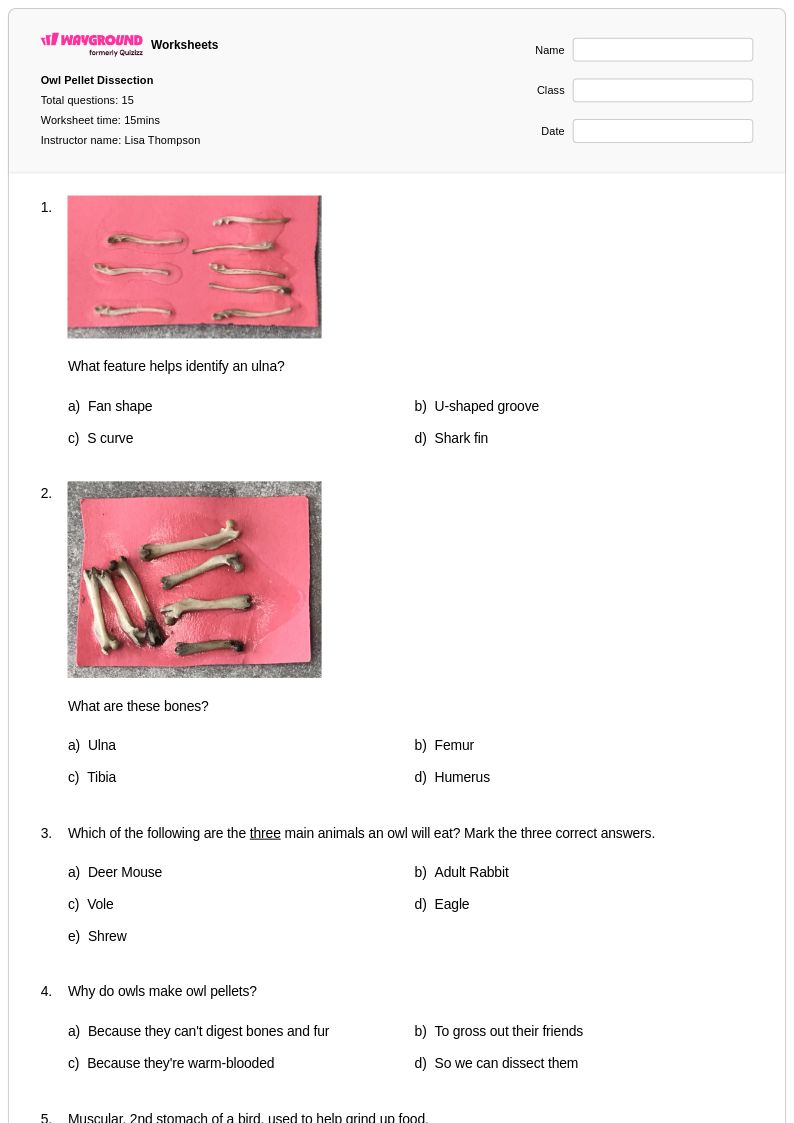
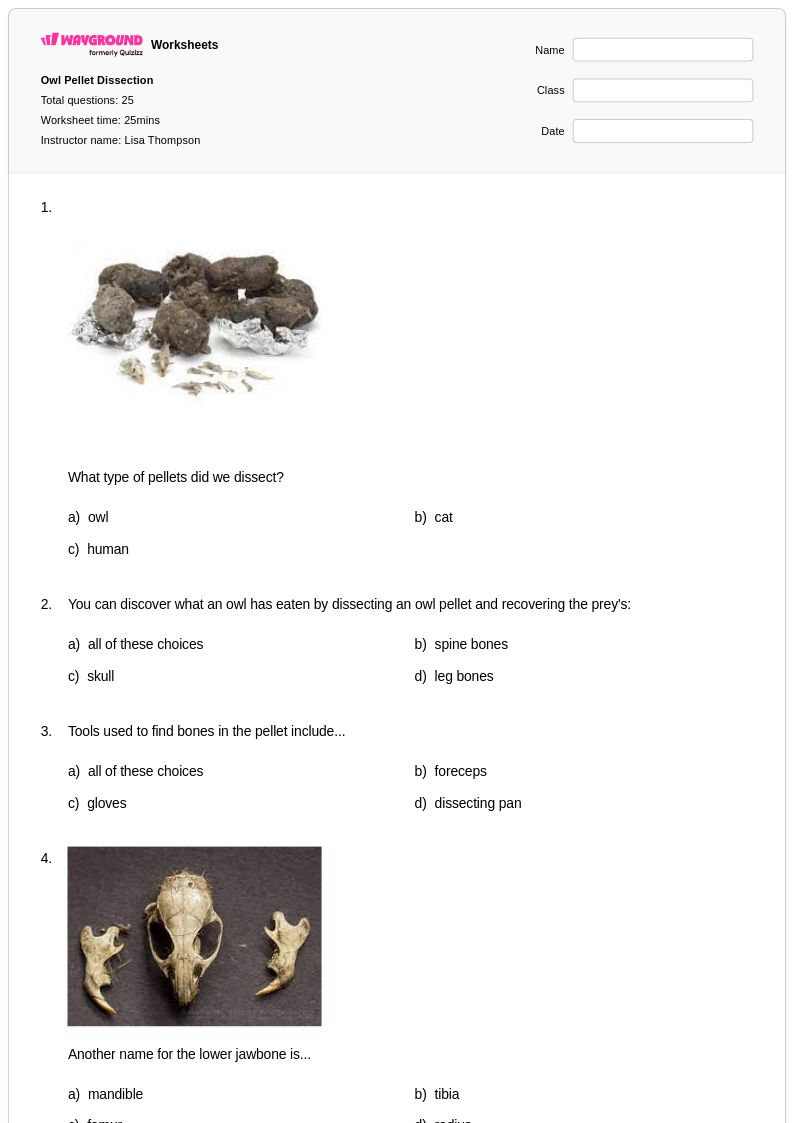
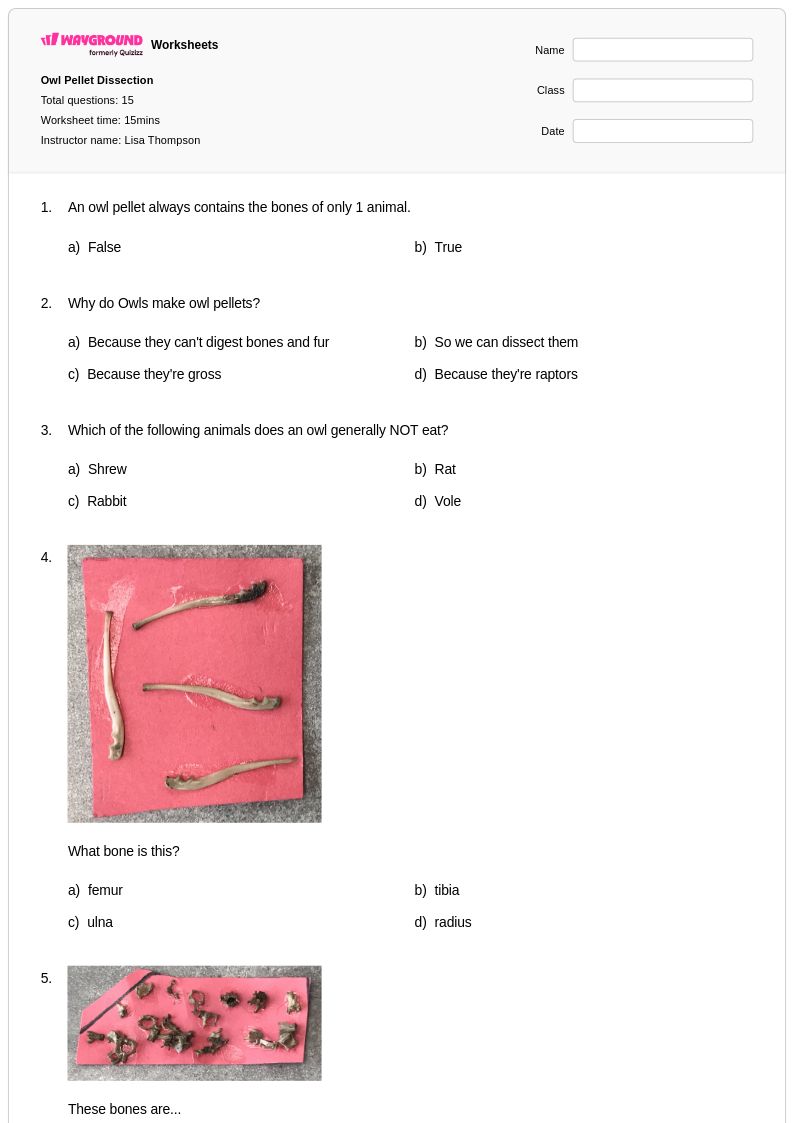
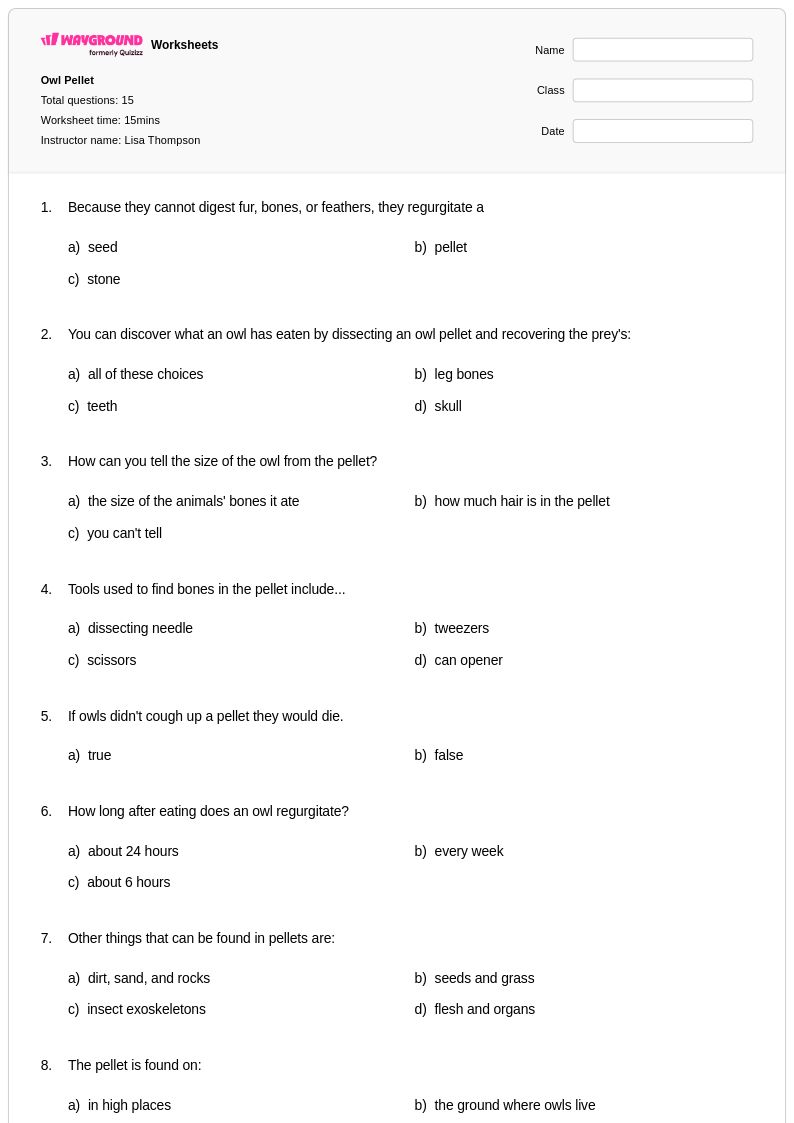
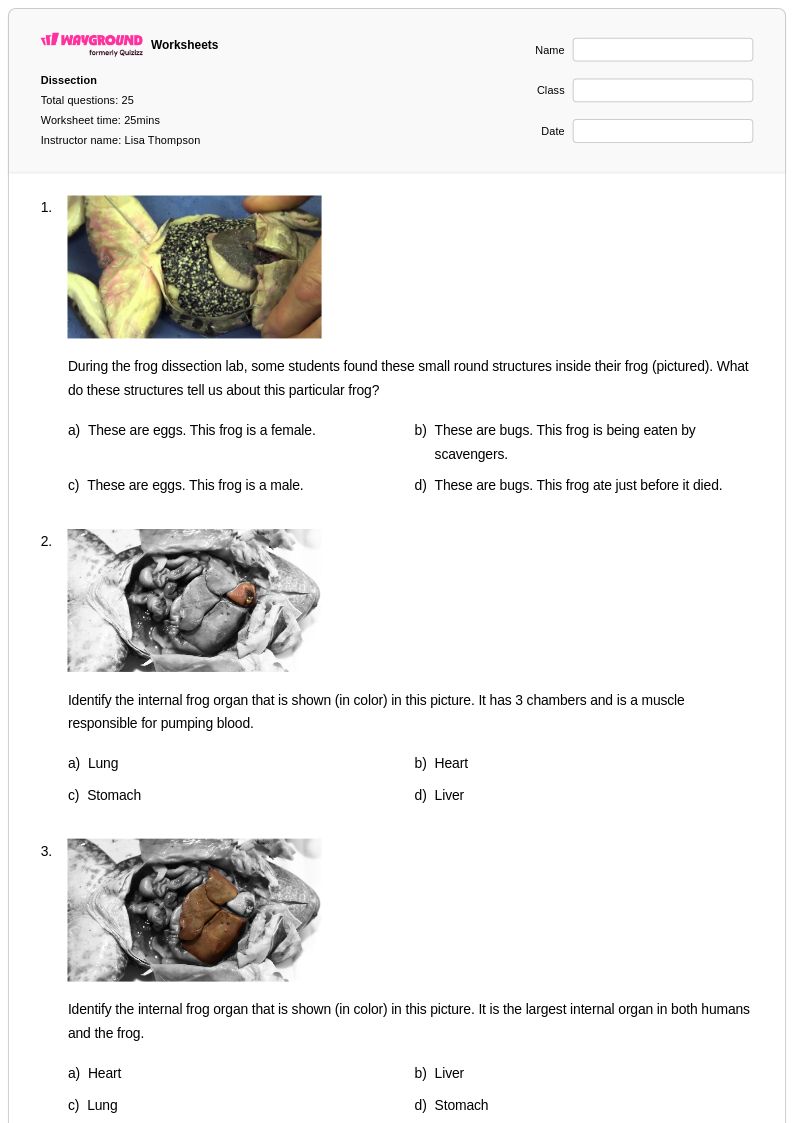
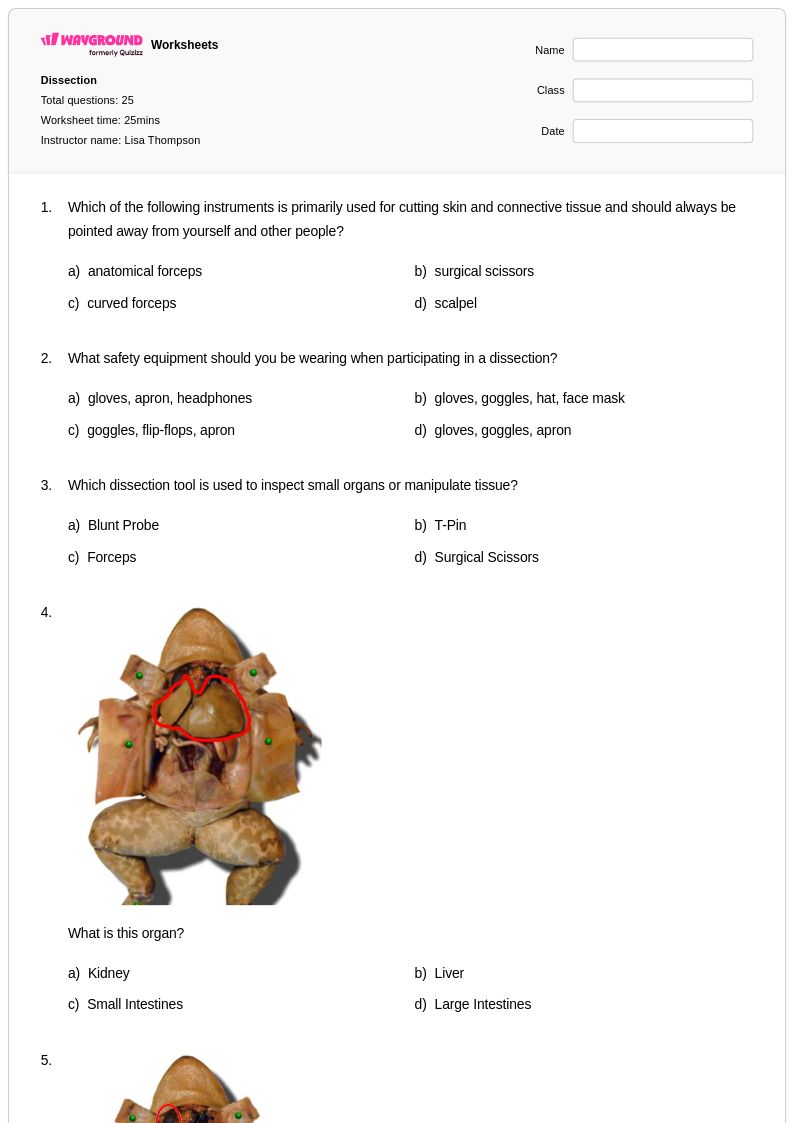
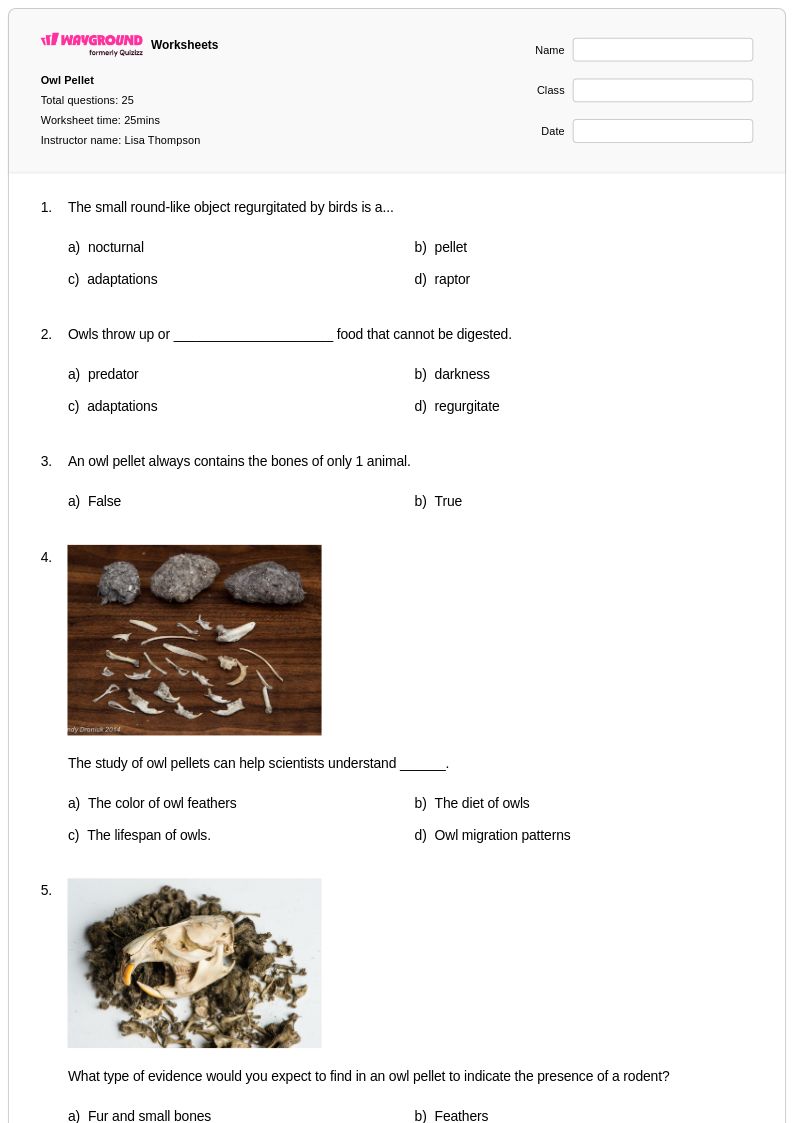
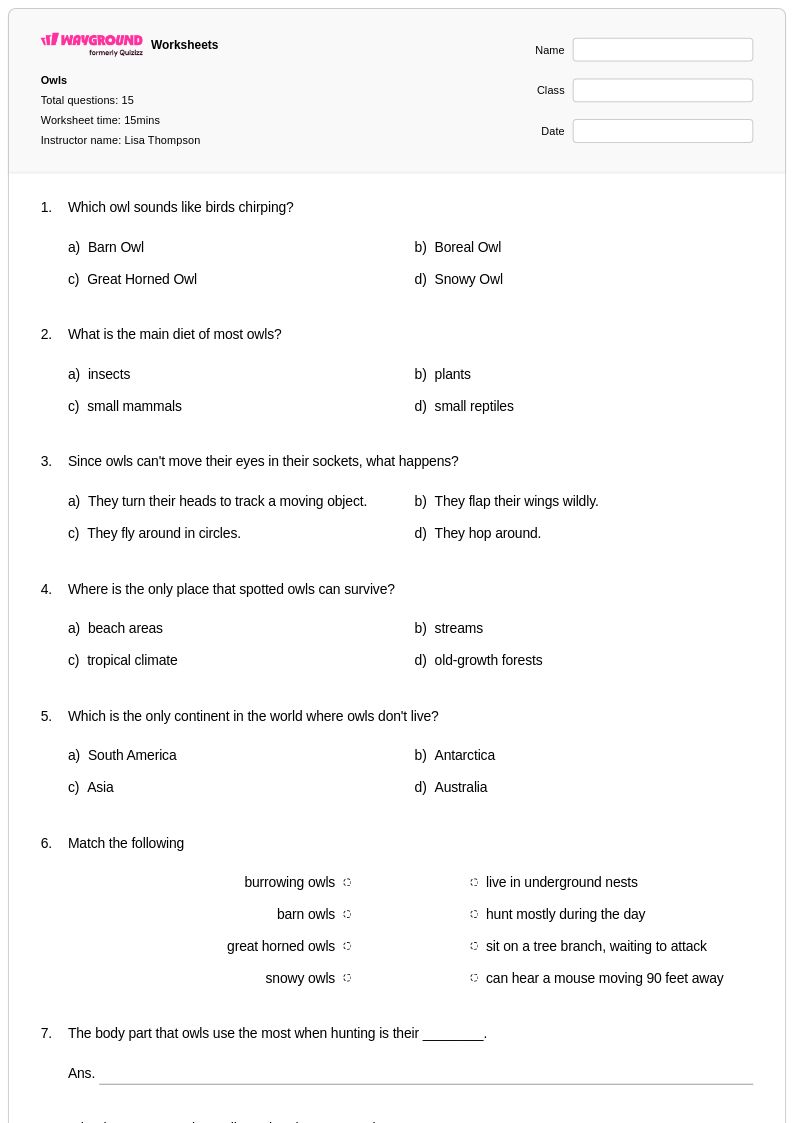
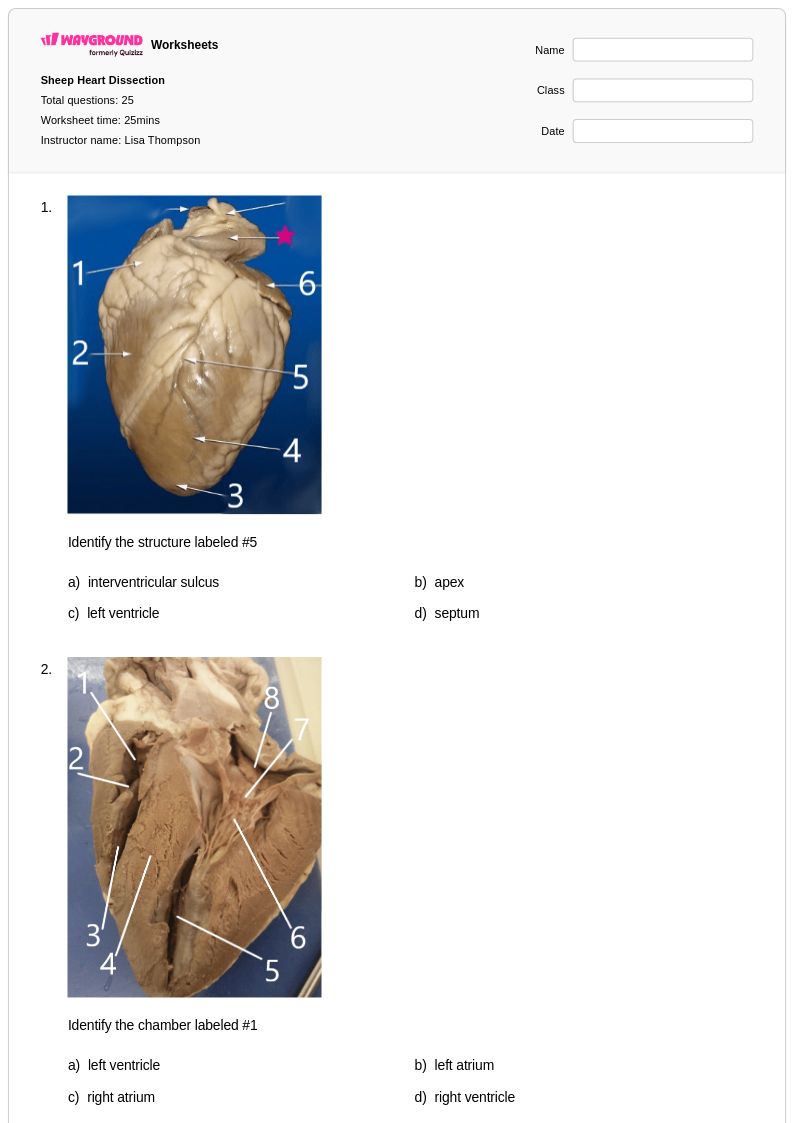
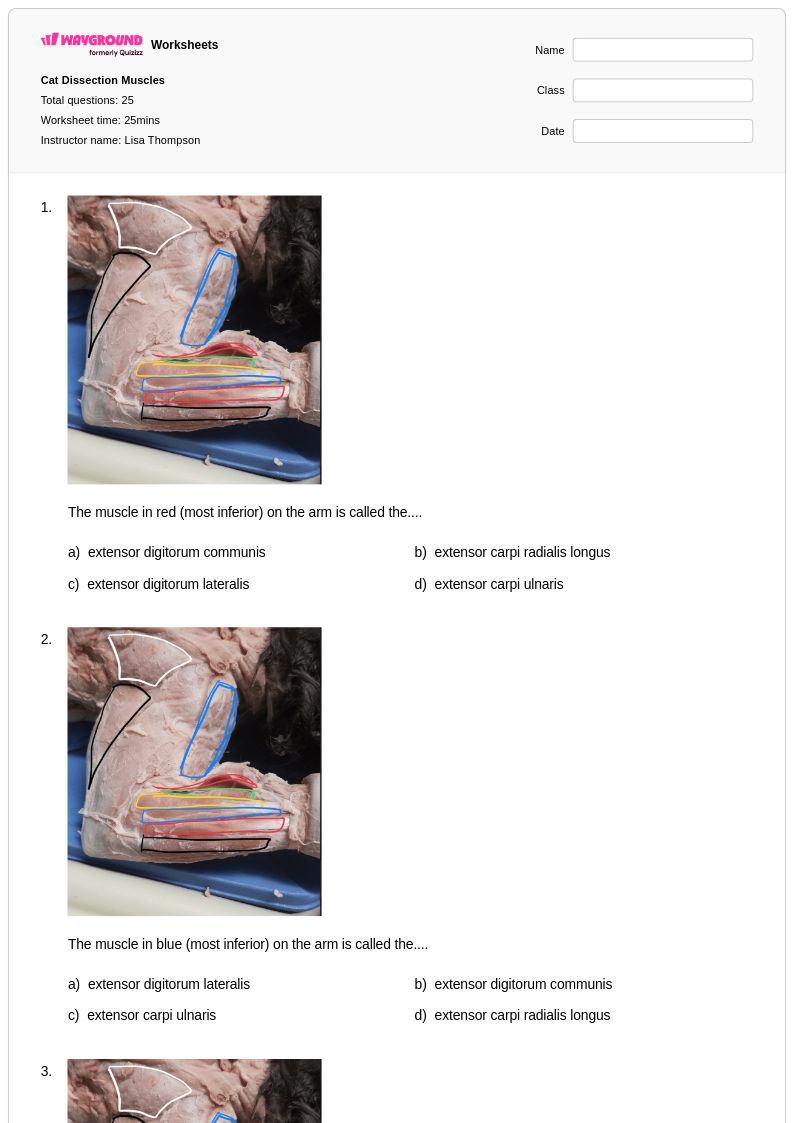
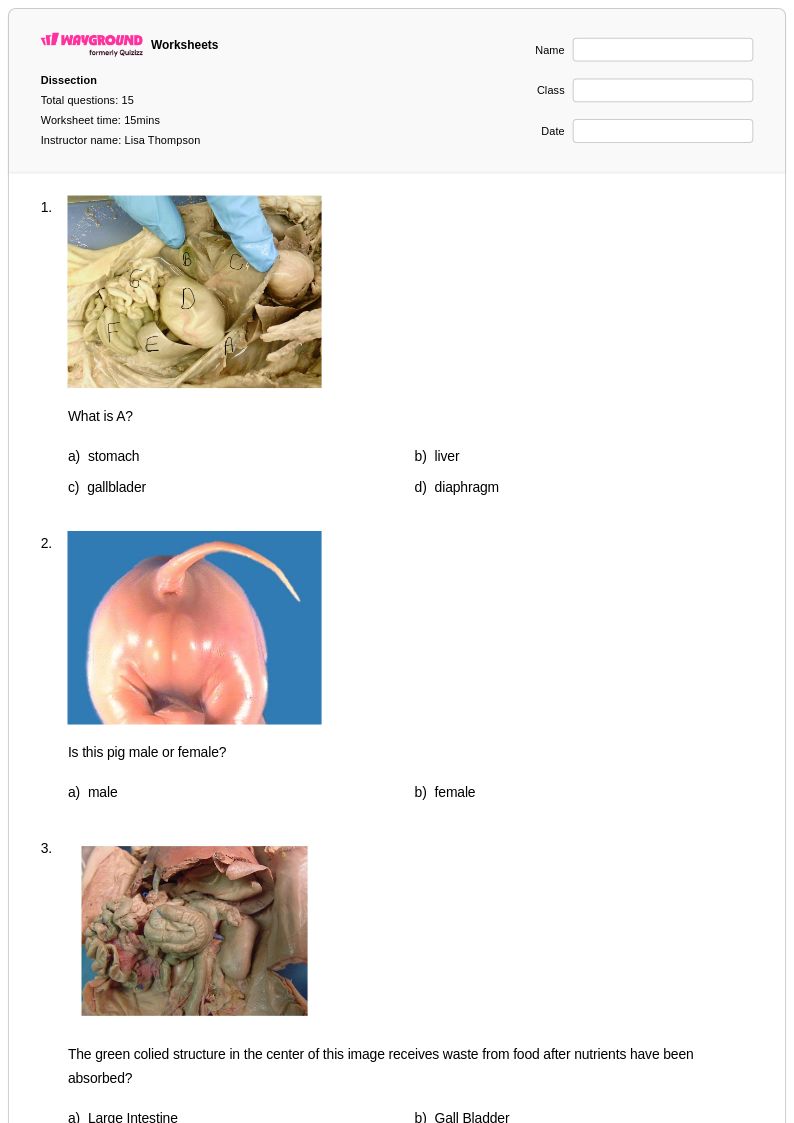
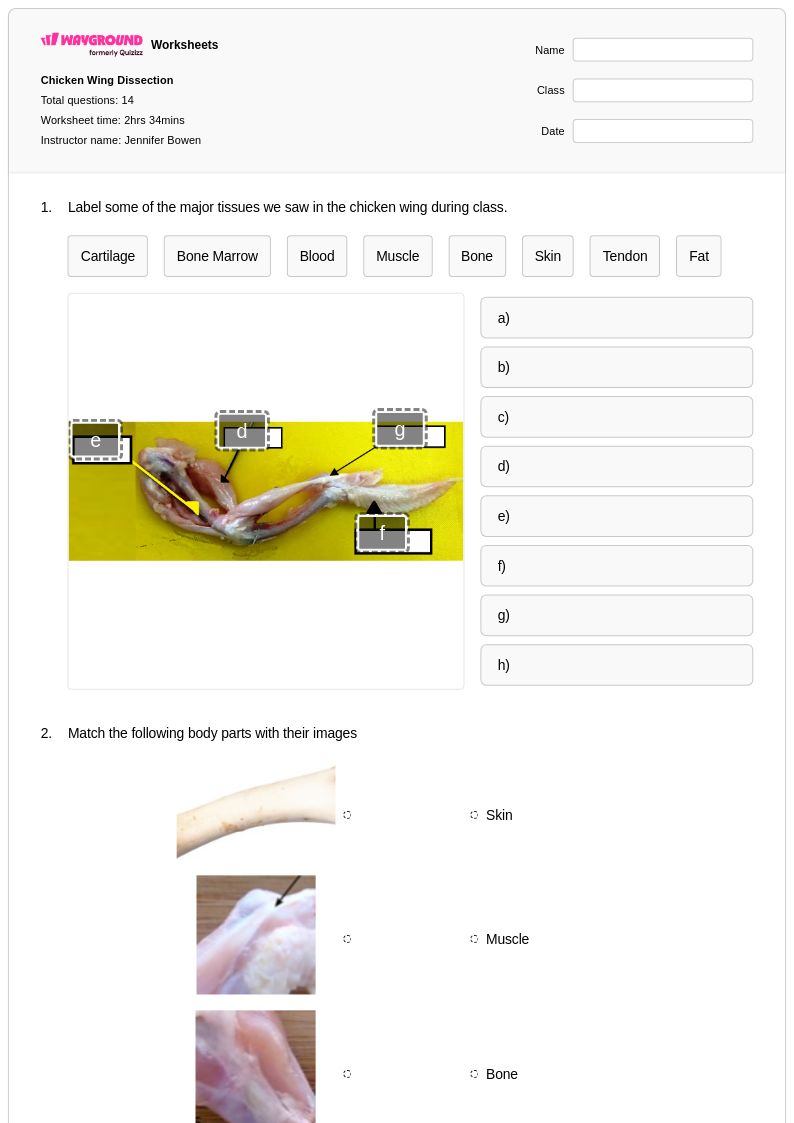
Owl pellet dissection worksheets for Class 12 students available through Wayground provide an exceptional hands-on learning experience that bridges theoretical biology concepts with practical scientific investigation. These comprehensive resources guide advanced students through the systematic analysis of regurgitated pellets from owls, enabling them to reconstruct food webs, identify prey species, and understand predator-prey relationships within ecosystems. The worksheets strengthen critical scientific skills including data collection, species identification using dichotomous keys, skeletal anatomy recognition, and ecological analysis. Students develop proficiency in scientific methodology while examining real biological specimens, with answer keys and detailed guides supporting both independent study and classroom instruction. These free printables offer practice problems that challenge students to apply their knowledge of taxonomy, comparative anatomy, and population dynamics through authentic research experiences that mirror professional field biology techniques.
Wayground's extensive collection of teacher-created owl pellet dissection resources supports educators with millions of professionally developed materials specifically designed for Class 12 life science instruction. The platform's robust search and filtering capabilities allow teachers to quickly locate worksheets aligned with specific learning standards, while differentiation tools enable customization for varying student ability levels within advanced biology courses. These resources are available in both printable pdf formats for traditional laboratory settings and digital versions for flexible learning environments, making them invaluable for lesson planning and implementation. Teachers can utilize these materials for skill practice sessions, remediation activities for students needing additional support with ecological concepts, and enrichment opportunities for advanced learners ready to explore complex predator-prey dynamics. The comprehensive nature of these worksheet collections ensures that educators have access to complete instructional sequences that can be seamlessly integrated into existing curriculum frameworks while maintaining rigorous academic standards appropriate for college-preparatory biology courses.
FAQs
How do I teach owl pellet dissection in a science class?
Begin by introducing the concept of regurgitation and explaining why owls cannot digest bones, fur, and feathers, so students understand what they are examining before they touch a pellet. Walk students through safe dissection technique, then use structured observation sheets to guide them in separating and categorizing remains. Connecting the bones they uncover to a prey identification chart helps students link physical evidence to food web and ecosystem concepts. Following the dissection with analysis questions reinforces scientific methodology and deepens understanding of raptor feeding behavior.
What skills does owl pellet dissection practice for students?
Owl pellet dissection simultaneously builds scientific observation, careful data collection, and species identification skills in a single hands-on investigation. Students practice sorting and classifying skeletal remains, recording findings on data templates, and drawing conclusions about predator-prey relationships from physical evidence. Because the activity requires patience and precision, it also reinforces proper lab technique and scientific documentation habits that transfer to other life science investigations.
What common mistakes do students make during owl pellet dissection?
The most frequent error is rushing the separation process, causing small bones to break or become mixed together, which makes accurate species identification nearly impossible. Students also commonly misidentify bones by comparing them to the wrong section of an identification chart, especially when distinguishing between rodent and bird skeletal remains. Encouraging students to work systematically, separating fur from bone before attempting identification, and cross-referencing multiple chart features significantly reduces these errors.
How can I differentiate owl pellet dissection activities for different skill levels?
For struggling learners, pre-labeled bone identification charts with visual cues and simplified recording templates reduce cognitive load and keep students focused on observation rather than decoding complex scientific vocabulary. Advanced students can be challenged to reconstruct complete prey skeletons, calculate the number of prey animals per pellet, or analyze food web implications of their findings. On Wayground, teachers can apply accommodations such as Read Aloud for students who need questions read to them, reduced answer choices to lower difficulty, and extended time settings, all configurable per individual student without notifying the rest of the class.
How do I use owl pellet dissection worksheets effectively in the classroom?
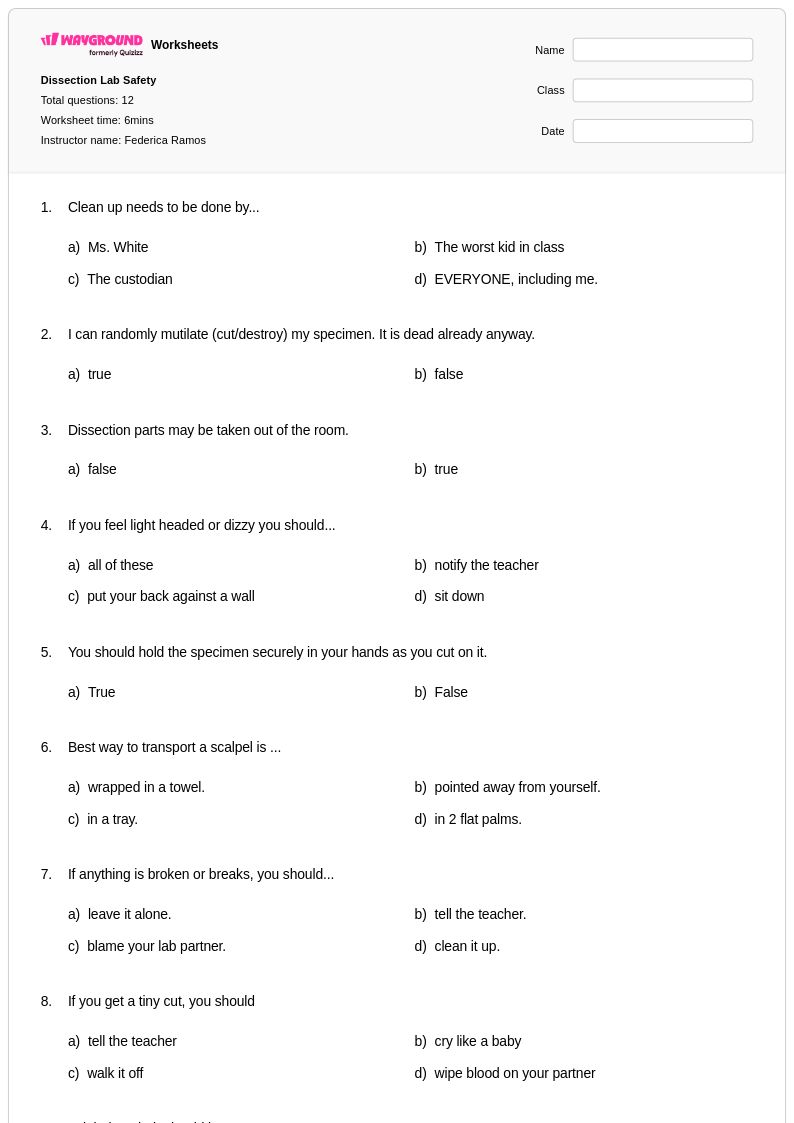
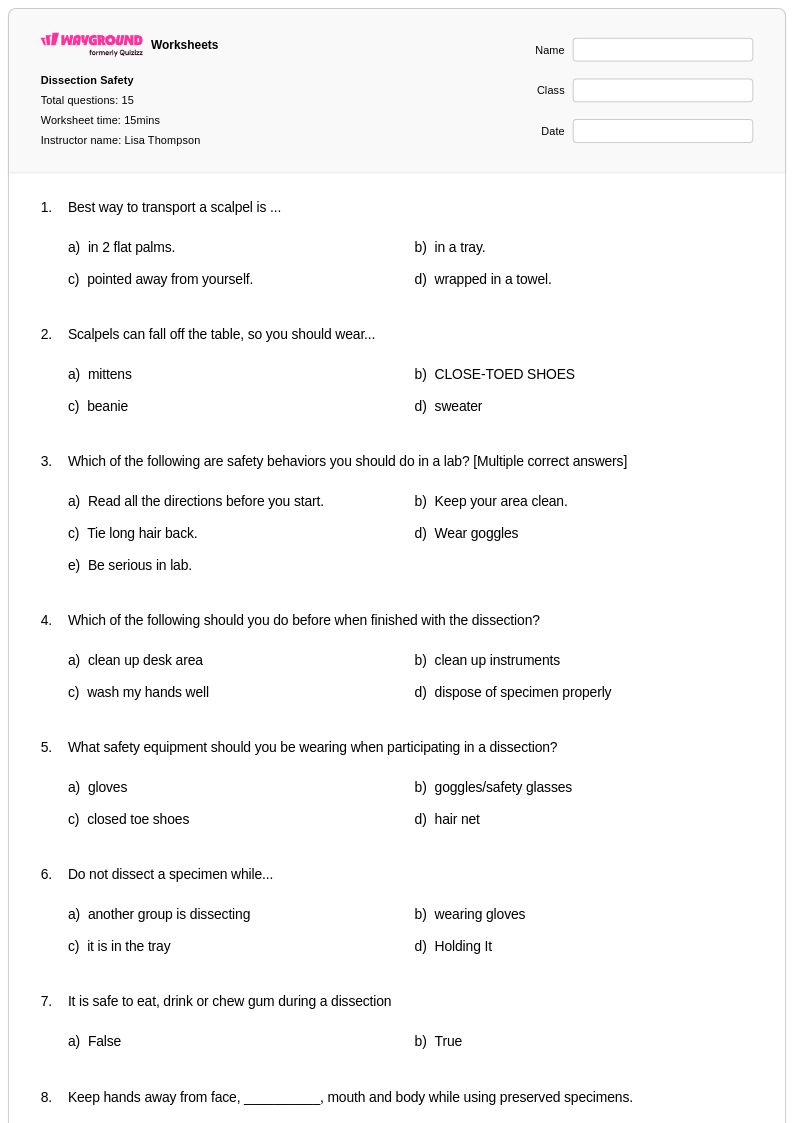
Use instruction sheets before the dissection to prime students on procedure and safety, then deploy bone identification charts and data recording templates during the hands-on activity to keep observations structured. Post-dissection analysis questions work well as a closing task or formative assessment to confirm students can connect their findings to food chain and ecosystem concepts. Wayground's owl pellet dissection worksheets are available as printable PDFs for traditional lab settings and in digital formats for technology-integrated classrooms, and teachers can also host them as a quiz directly on Wayground to streamline data collection and review.
How does owl pellet dissection connect to food web and ecosystem standards?
By identifying the species of prey inside a single pellet, students gather direct physical evidence of predator-prey relationships, which makes abstract food chain concepts concrete and observable. Across multiple pellets or a class data set, students can analyze dietary patterns, infer habitat characteristics, and discuss biodiversity, all of which map directly to life science standards around ecosystems, energy transfer, and organism interdependence. This makes the dissection one of the few activities where students generate real data to support ecological conclusions rather than simply reading about them.