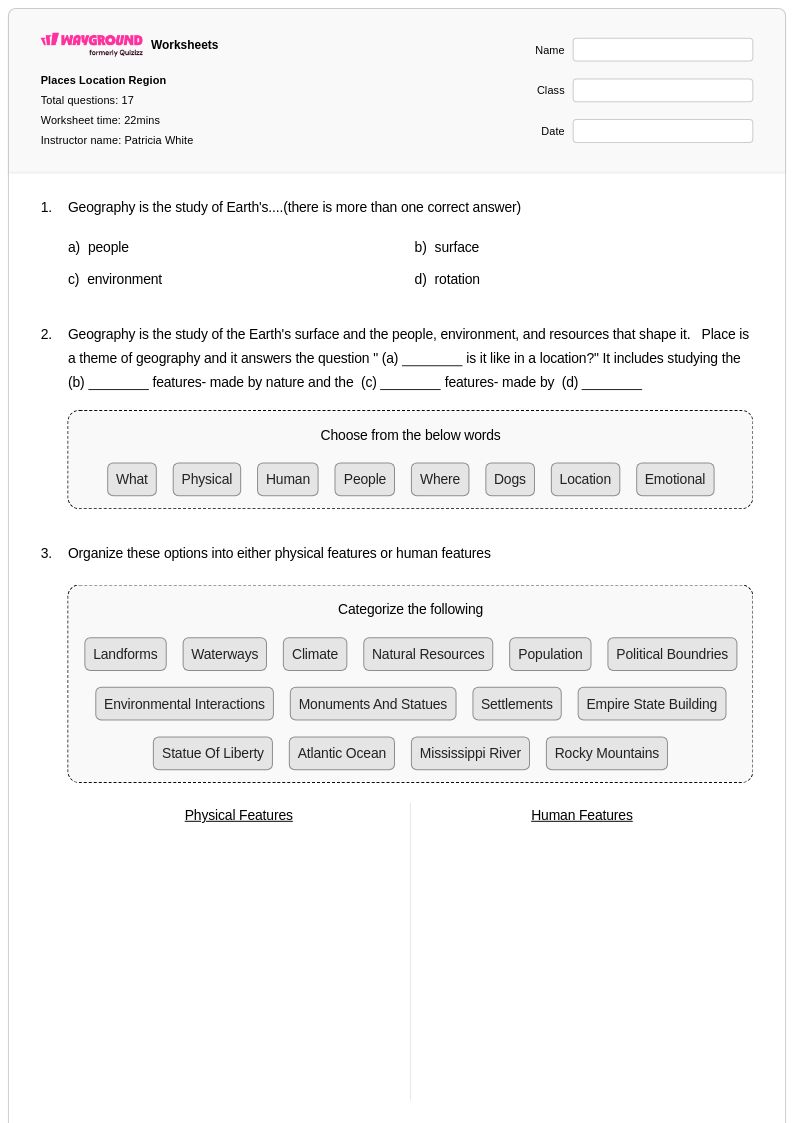
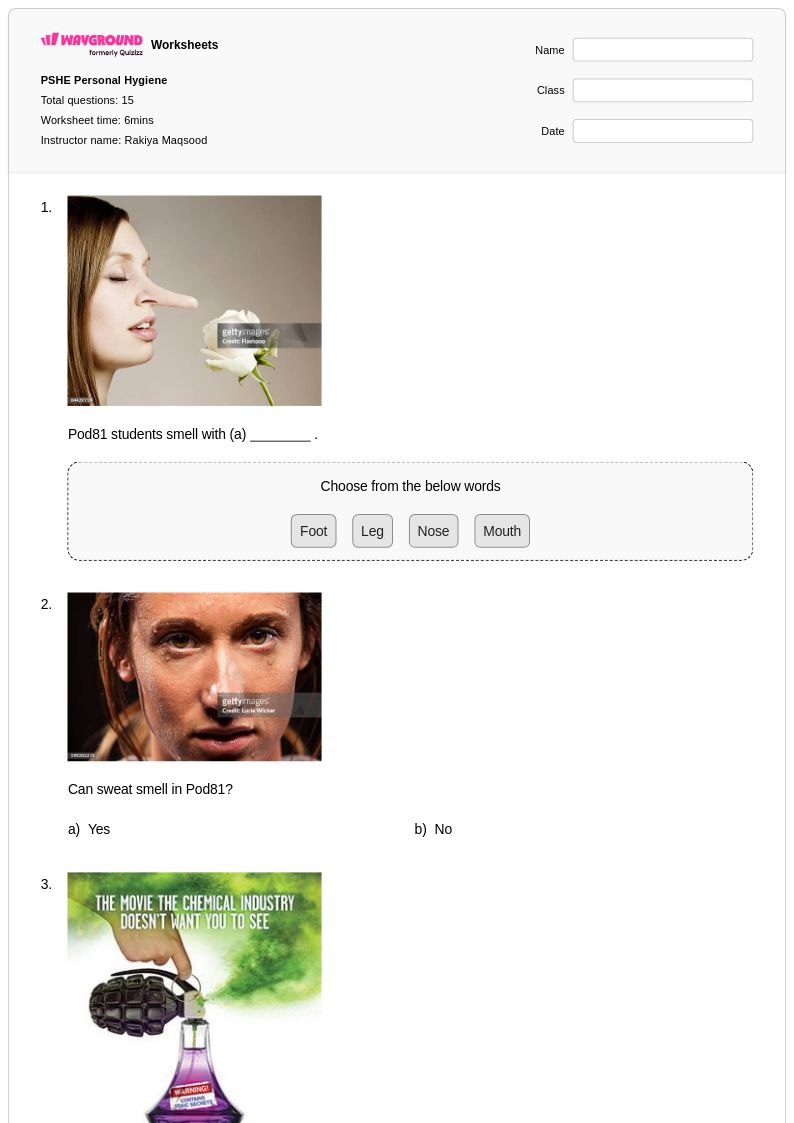
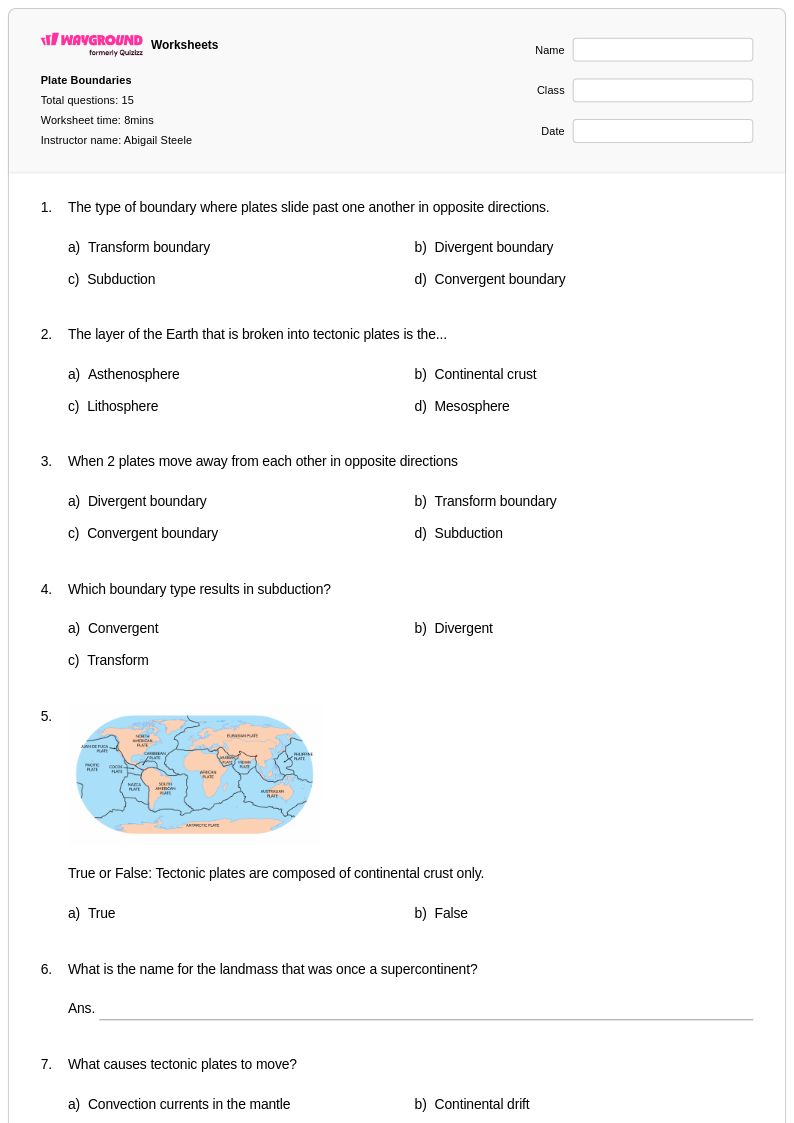
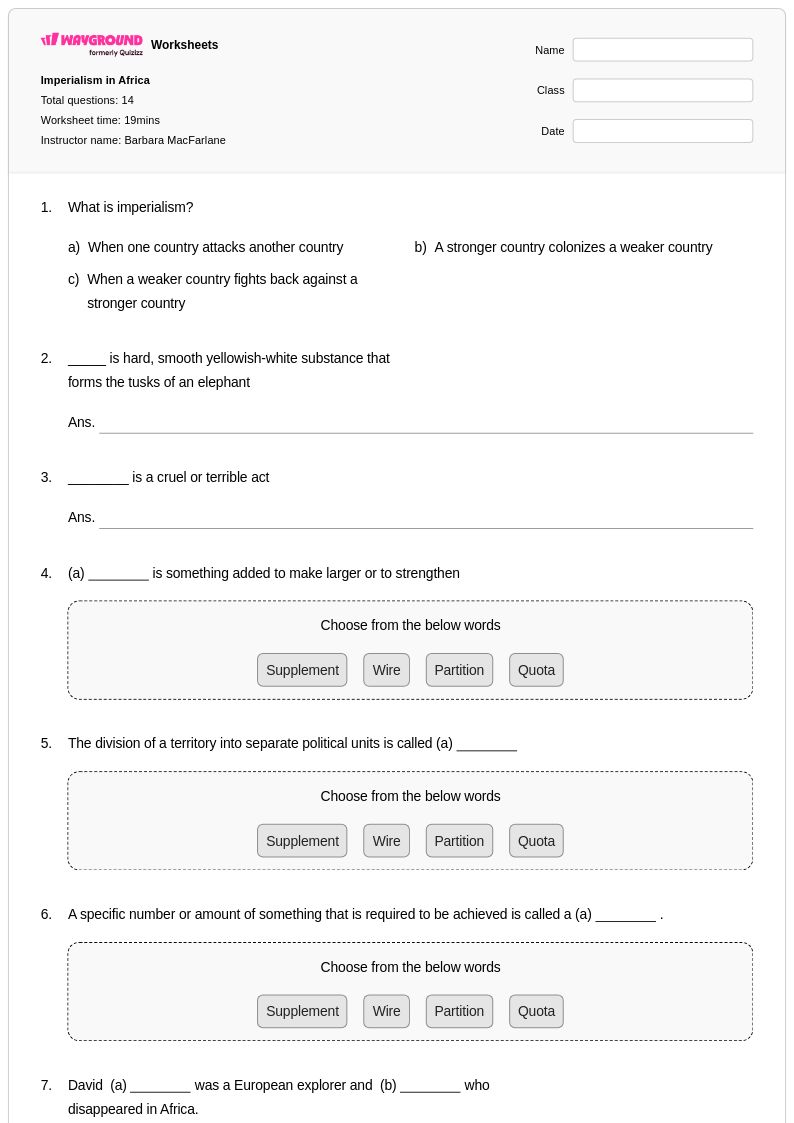
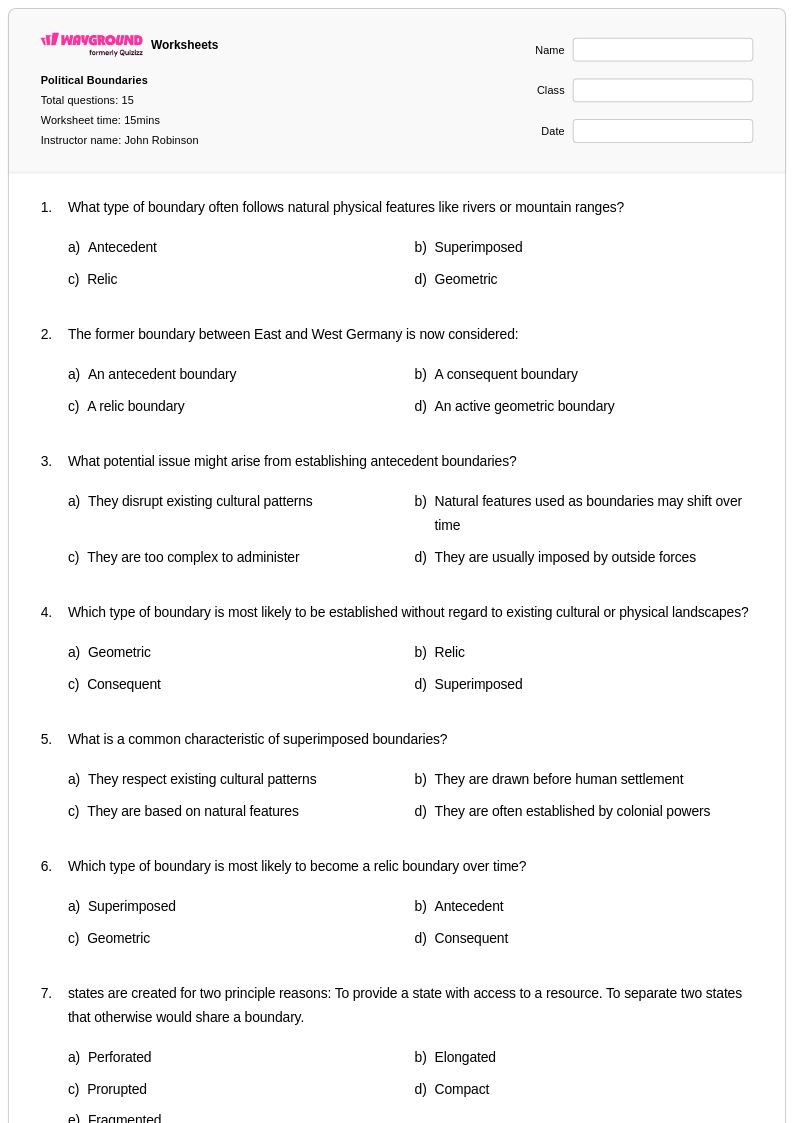
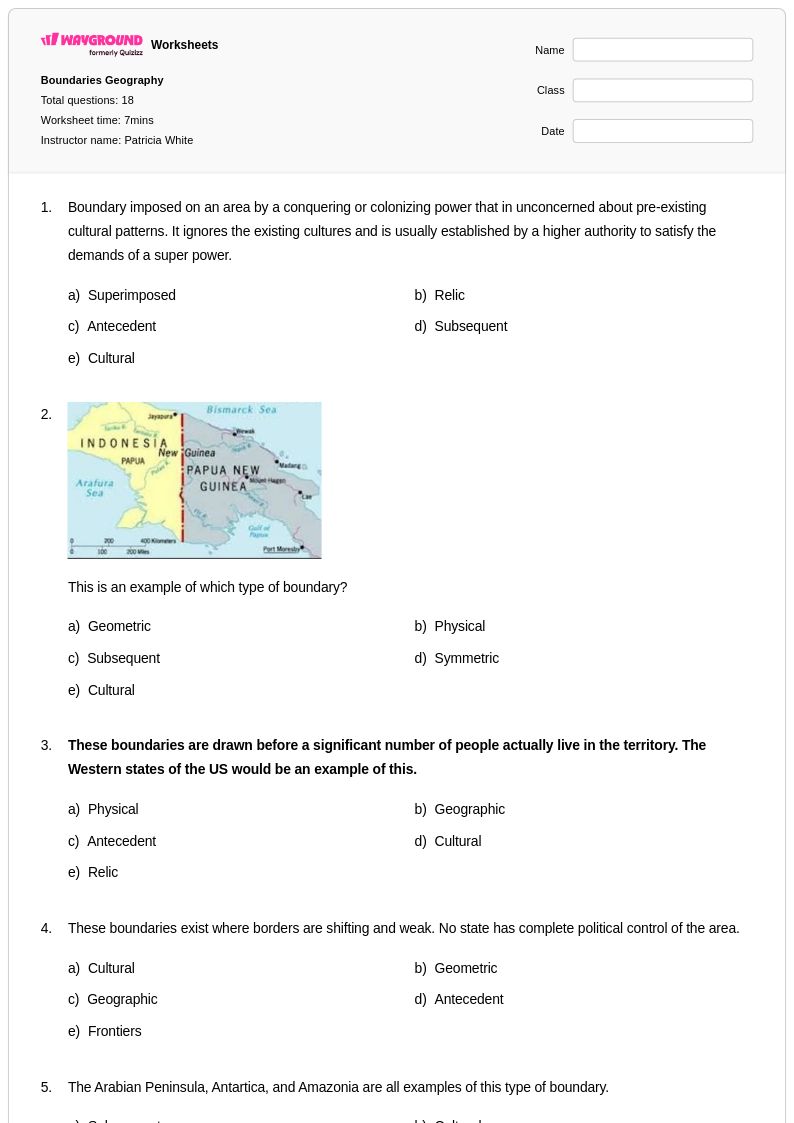
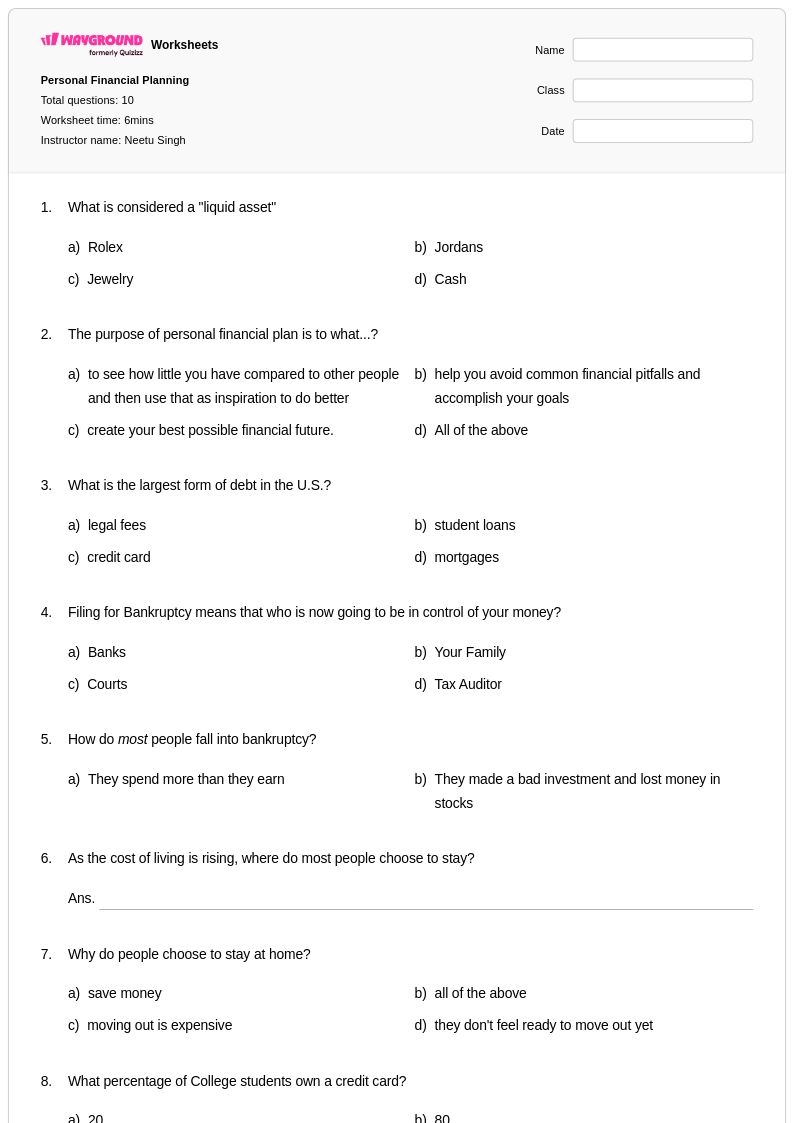
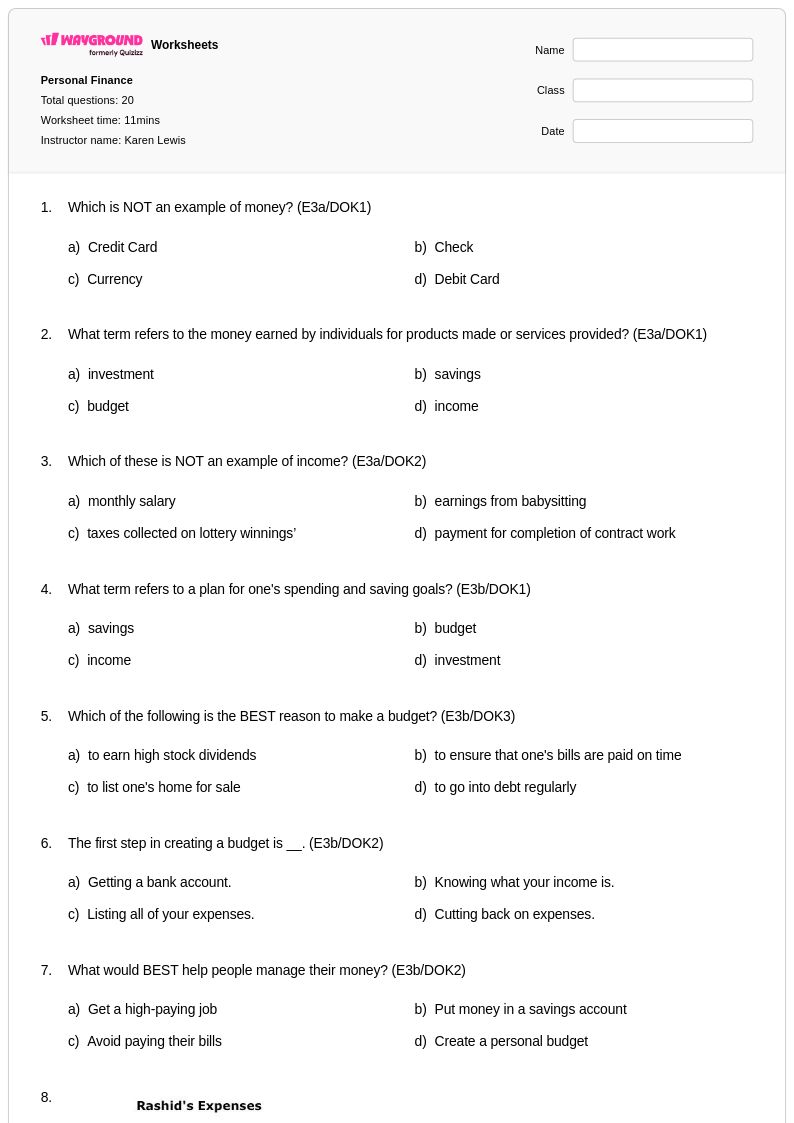
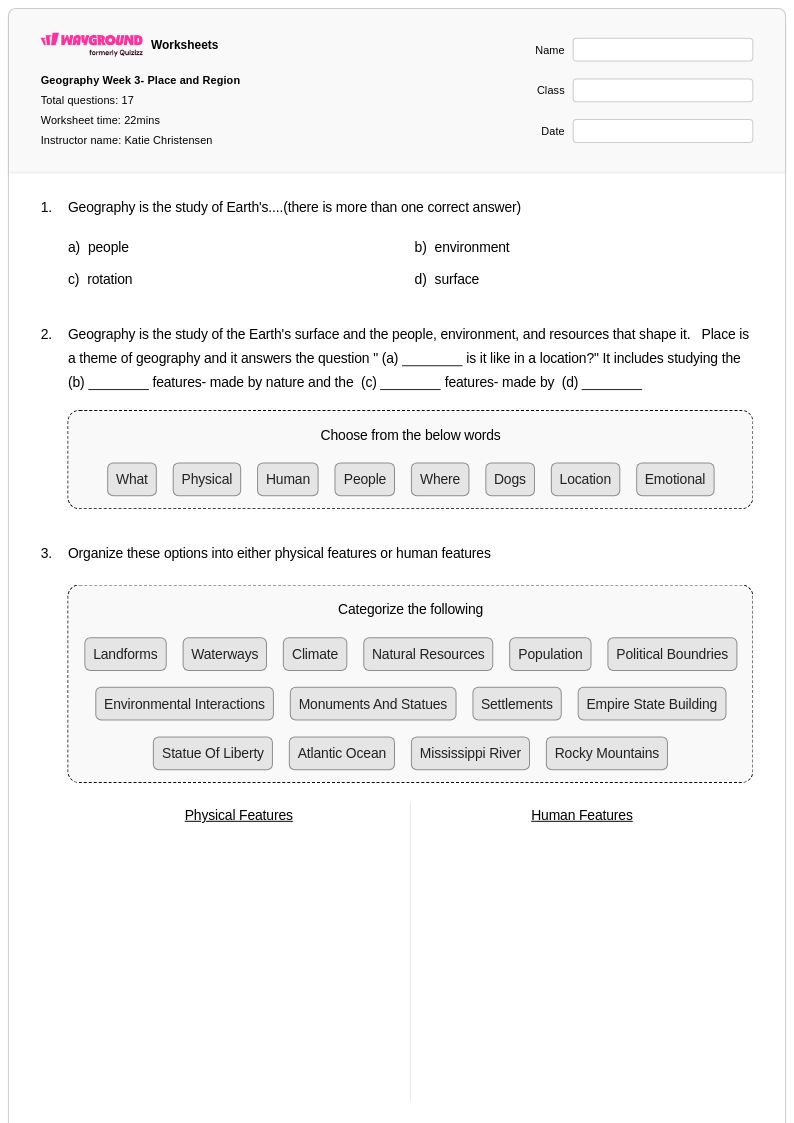
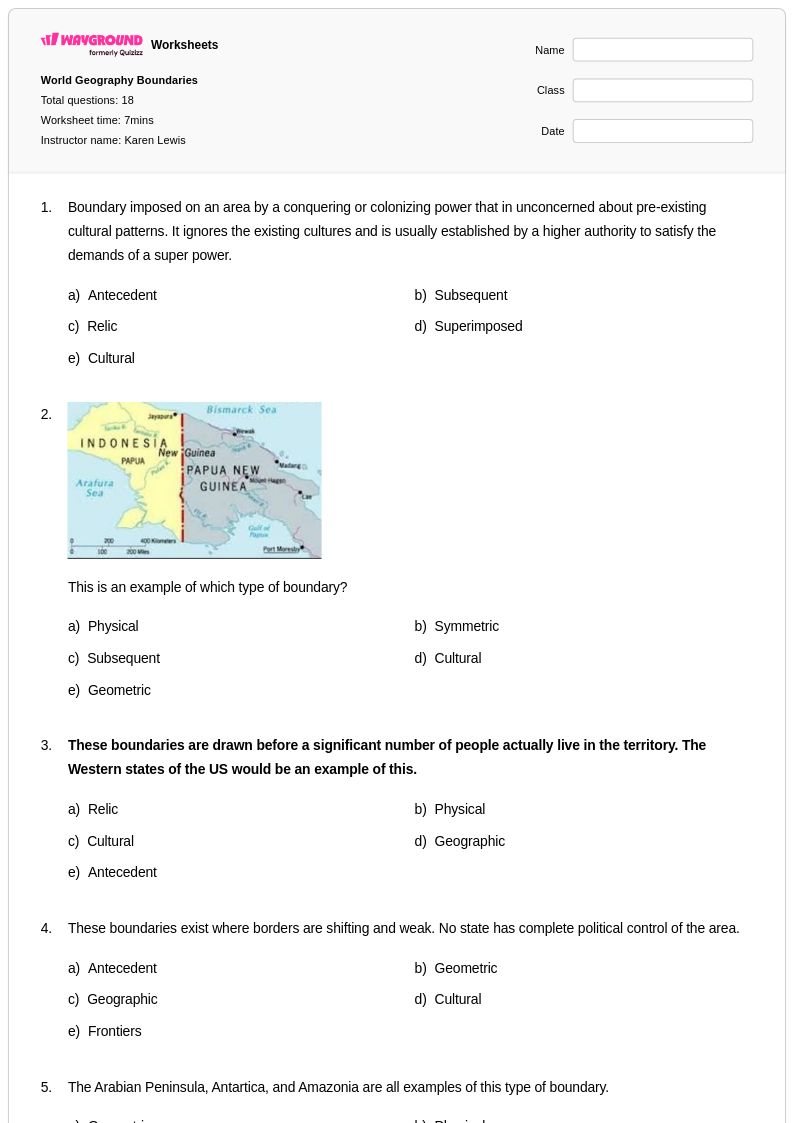
Explore Wayground's free personal boundaries worksheets and printables that help students develop essential skills for recognizing, setting, and maintaining healthy personal limits in social interactions with comprehensive practice problems and answer keys.
Personal boundaries worksheets available through Wayground (formerly Quizizz) provide essential resources for developing students' understanding of healthy interpersonal limits and self-advocacy skills within social studies education. These comprehensive materials focus on teaching learners how to identify, establish, and maintain appropriate physical, emotional, and social boundaries in various relationships and settings. The worksheets strengthen critical social skills including recognizing personal comfort zones, communicating limits effectively, understanding consent, and respecting others' boundaries. Each resource includes structured practice problems that guide students through real-world scenarios, complete with answer keys that help educators assess understanding and facilitate meaningful discussions. These free printables cover topics such as distinguishing between appropriate and inappropriate behaviors, developing assertiveness techniques, and understanding the connection between personal safety and boundary-setting.
Wayground (formerly Quizizz) supports educators with an extensive collection of teacher-created personal boundaries worksheets, drawing from millions of resources developed by experienced professionals in social studies and character education. The platform's robust search and filtering capabilities allow teachers to quickly locate materials that align with specific learning objectives and standards, while differentiation tools enable customization for diverse learning needs and developmental levels. These versatile resources are available in both printable pdf formats for traditional classroom use and digital formats for interactive learning experiences. Teachers can easily adapt worksheets for lesson planning, targeted remediation with students who struggle with social cues, enrichment activities for advanced learners, and ongoing skill practice throughout the academic year. The platform's flexible customization options ensure that personal boundaries instruction can be tailored to various age groups and cultural contexts while maintaining focus on essential social-emotional learning outcomes.
FAQs
How do I teach personal boundaries to students in a classroom setting?
Teaching personal boundaries effectively starts with helping students distinguish between physical, emotional, and social limits through concrete, age-appropriate scenarios. Structured role-play activities and guided discussions around real-world situations allow students to practice recognizing comfort zones and communicating limits assertively. Building in regular reflection time after activities helps students internalize these skills rather than treating them as abstract concepts.
What exercises help students practice setting and maintaining personal boundaries?
Scenario-based worksheets are among the most effective tools for practicing personal boundary skills because they anchor abstract concepts in realistic social situations students encounter. Exercises that ask students to identify whether a behavior is appropriate or inappropriate, then explain their reasoning, build both recognition and communication skills simultaneously. Practice problems that involve developing assertiveness scripts give students concrete language they can use when a boundary is crossed.
What are the most common misconceptions students have about personal boundaries?
One of the most frequent misconceptions is that setting a boundary is the same as being rude or rejecting someone, which causes students to avoid advocating for themselves in social situations. Another common error is treating boundaries as fixed rules rather than personal limits that can vary by relationship, context, and comfort level. Students also frequently conflate respecting others' boundaries with agreeing with them, missing that acknowledgment and compliance are distinct skills.
How do personal boundaries worksheets connect to social-emotional learning standards?
Personal boundaries instruction directly supports core social-emotional learning competencies including self-awareness, responsible decision-making, and relationship skills. Worksheets that guide students through recognizing their own comfort zones and communicating limits effectively address self-management and social awareness simultaneously. Because boundary-setting is embedded in real interpersonal contexts, it also reinforces consent education and personal safety, making it relevant across health, social studies, and character education frameworks.
How do I use Wayground's personal boundaries worksheets in my classroom?
Wayground's personal boundaries worksheets are available as printable PDFs for traditional classroom use and in digital formats for technology-integrated learning environments, giving teachers flexibility depending on their setup. Each worksheet includes answer keys so educators can efficiently assess student understanding and facilitate follow-up discussions without additional prep. Teachers can also host worksheets as a quiz directly on Wayground, and the platform's differentiation tools allow customization for students at different developmental levels or with diverse learning needs, including accommodations such as read aloud and reduced answer choices.
How can I support students who struggle with understanding social cues related to personal boundaries?
Students who have difficulty reading social cues benefit from worksheets that break down boundary-related scenarios into explicit, step-by-step reasoning rather than relying on implied social norms. Targeted remediation using structured practice problems helps these students build recognition skills incrementally before moving to more complex situations like multi-party interactions. On Wayground, teachers can apply individual accommodations such as read aloud and extended time for students who need additional support, while the rest of the class continues with standard settings.