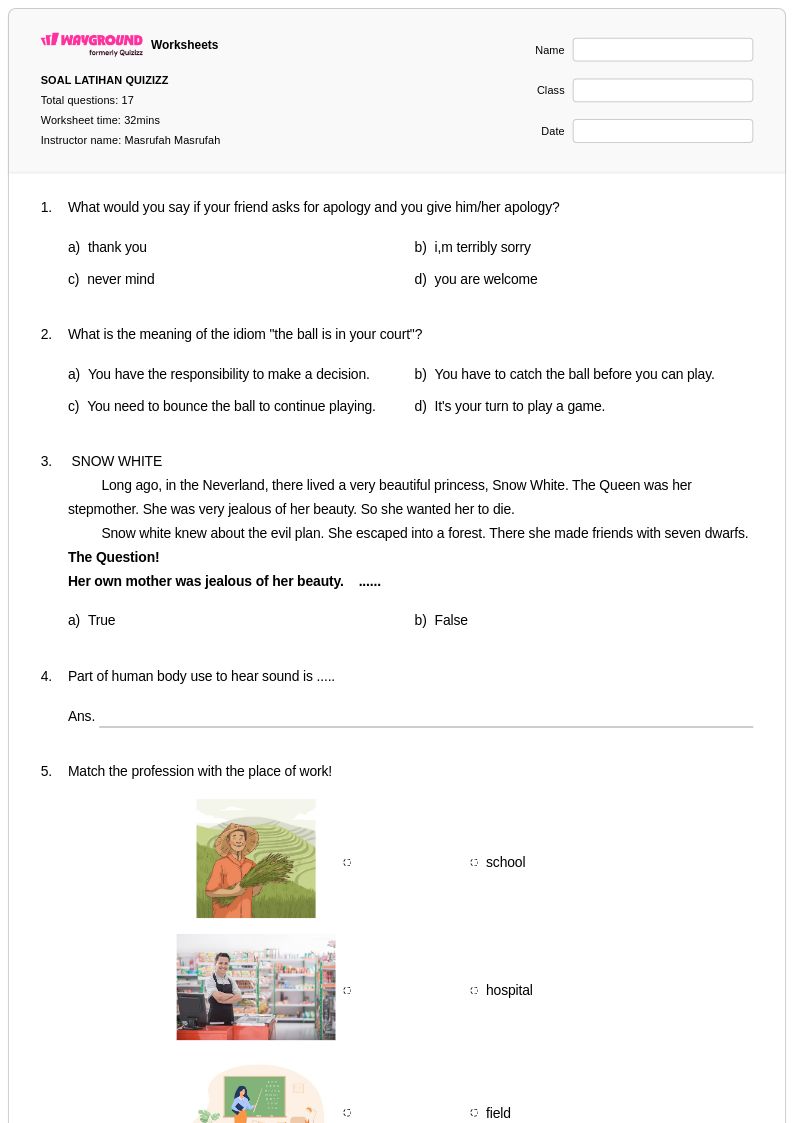
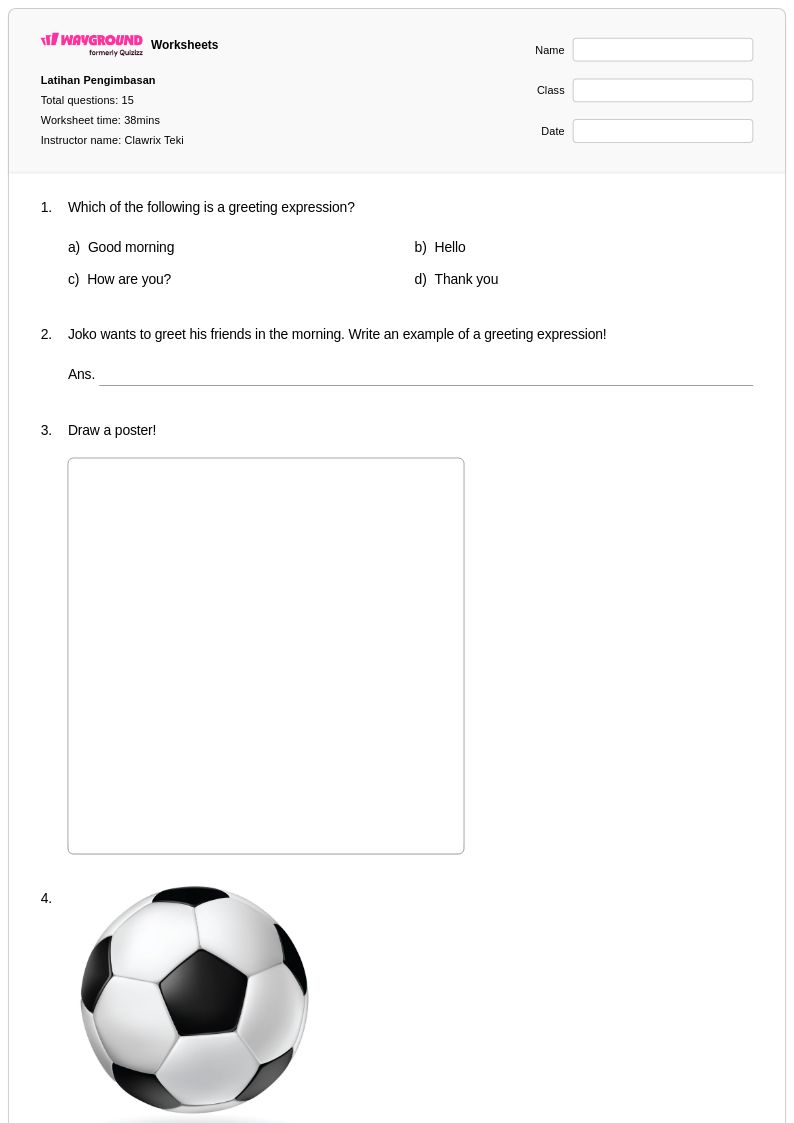
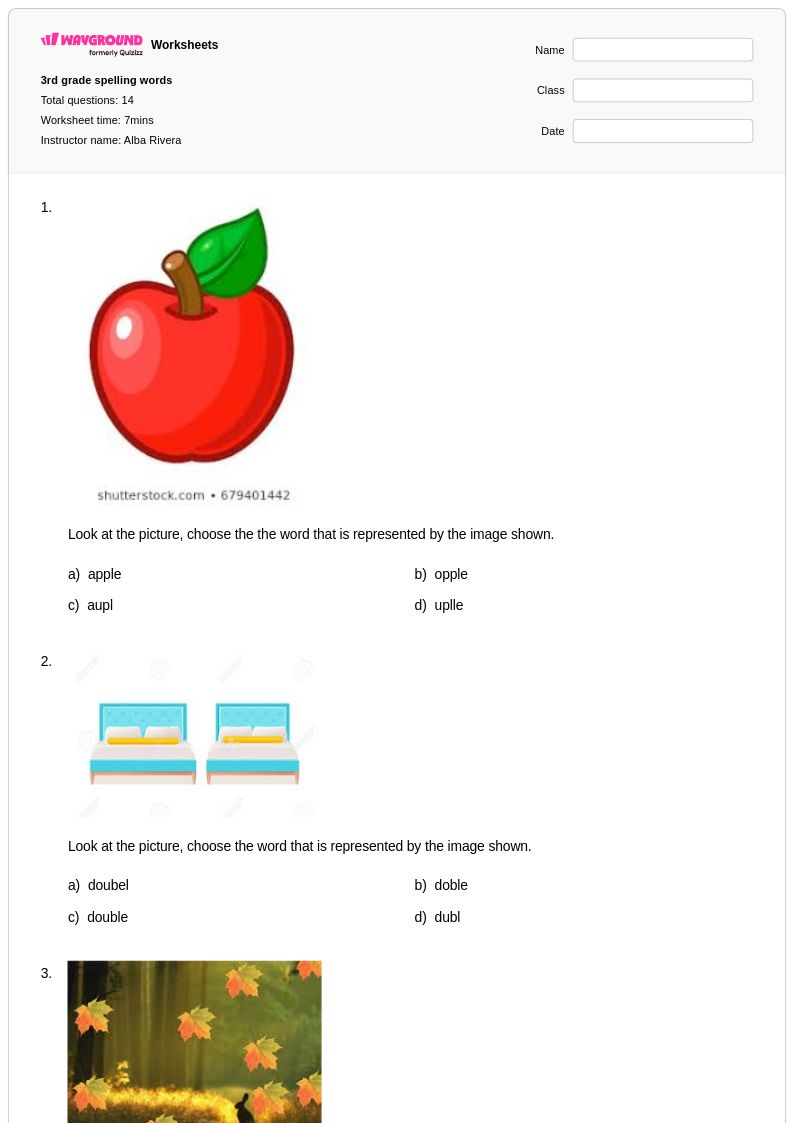
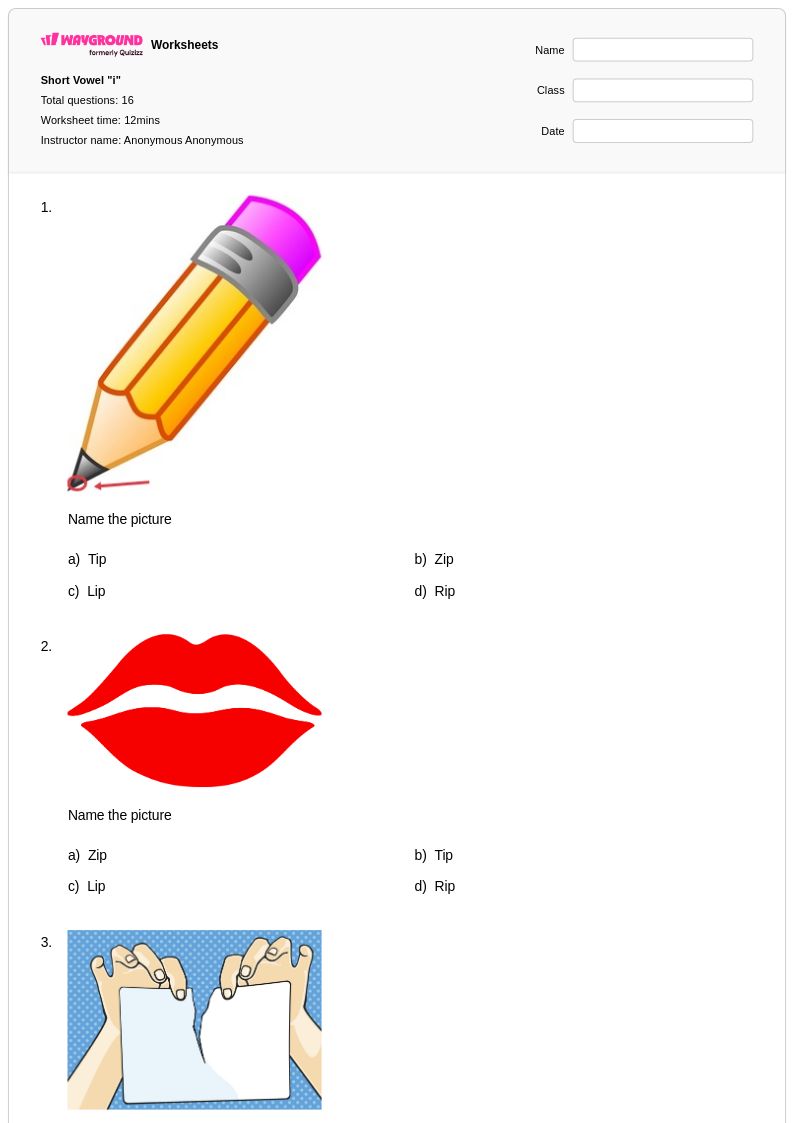
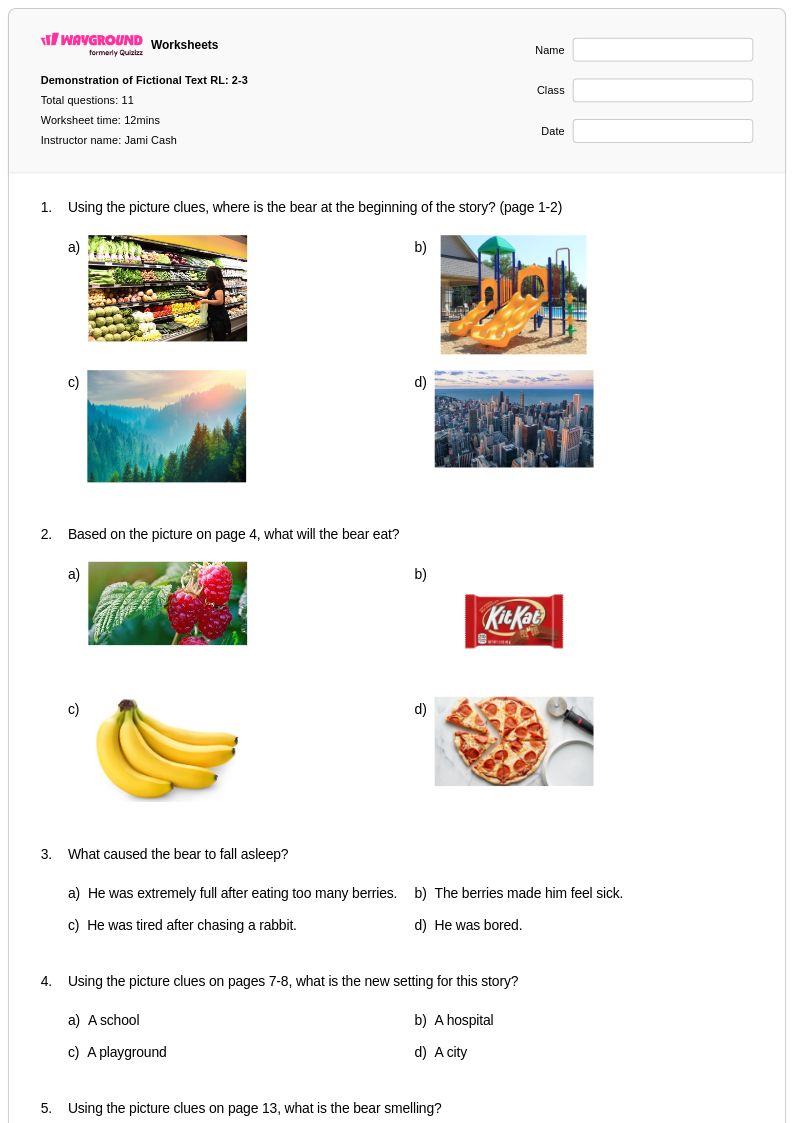
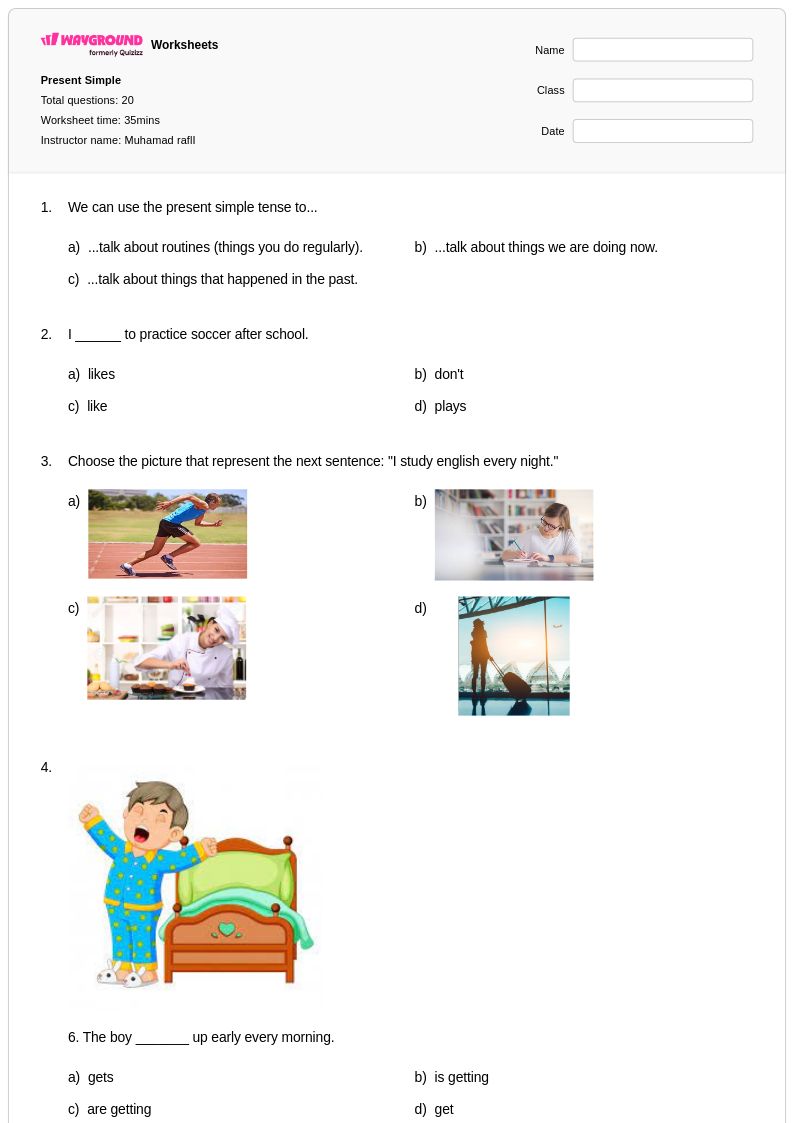
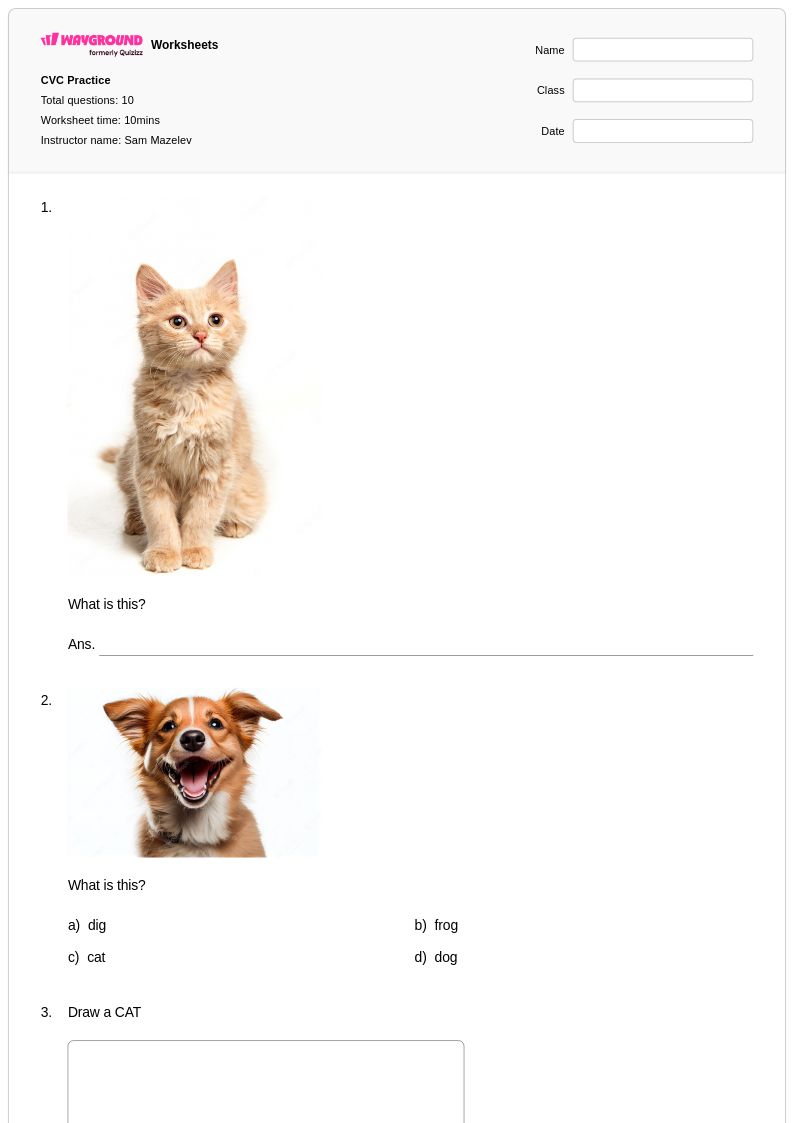
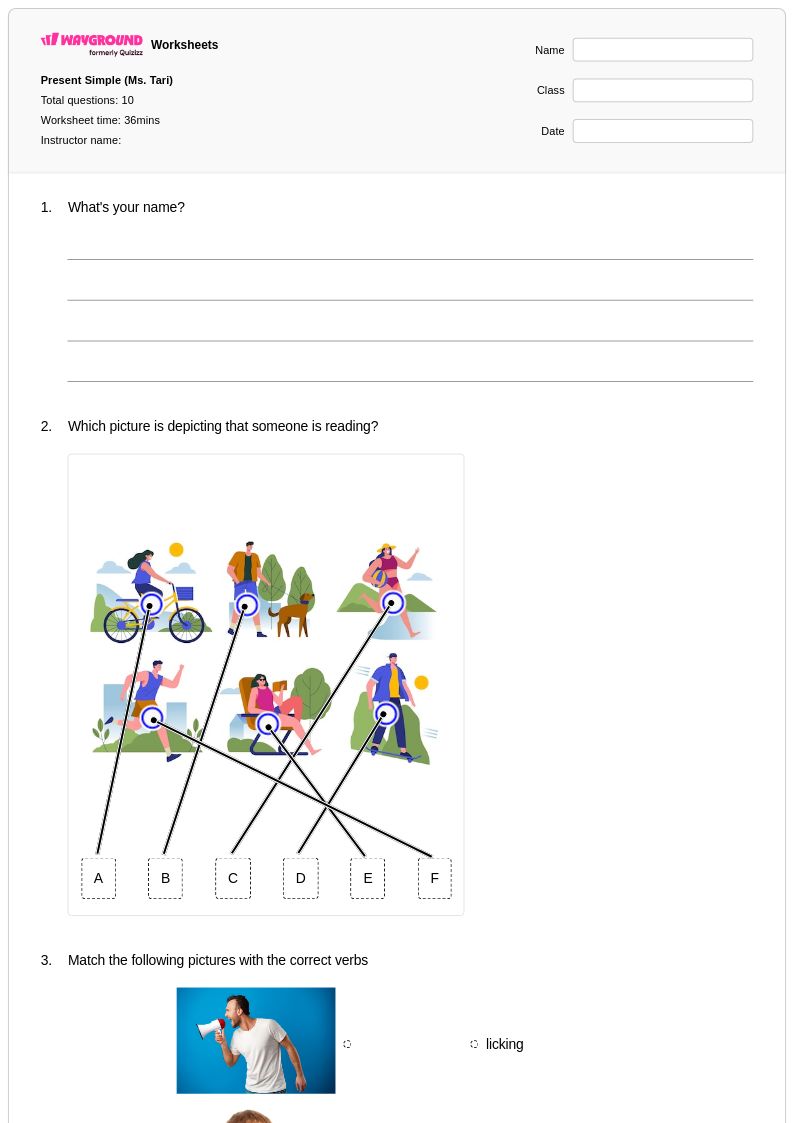
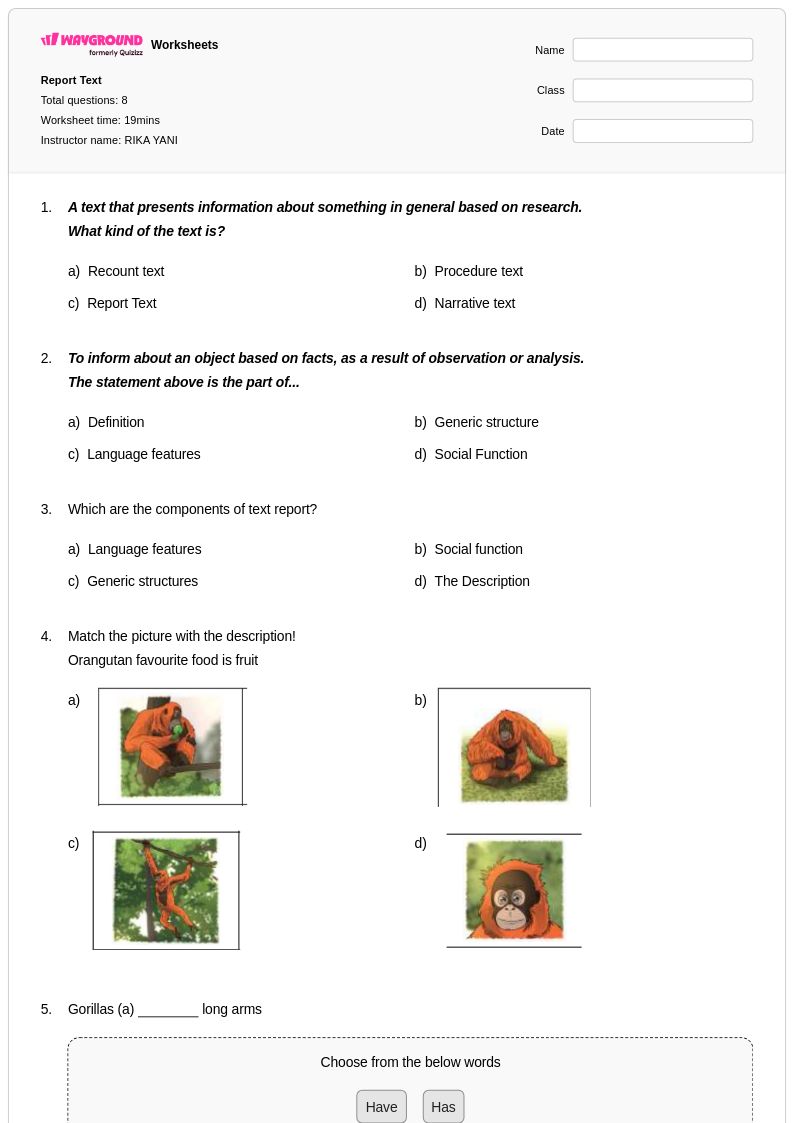
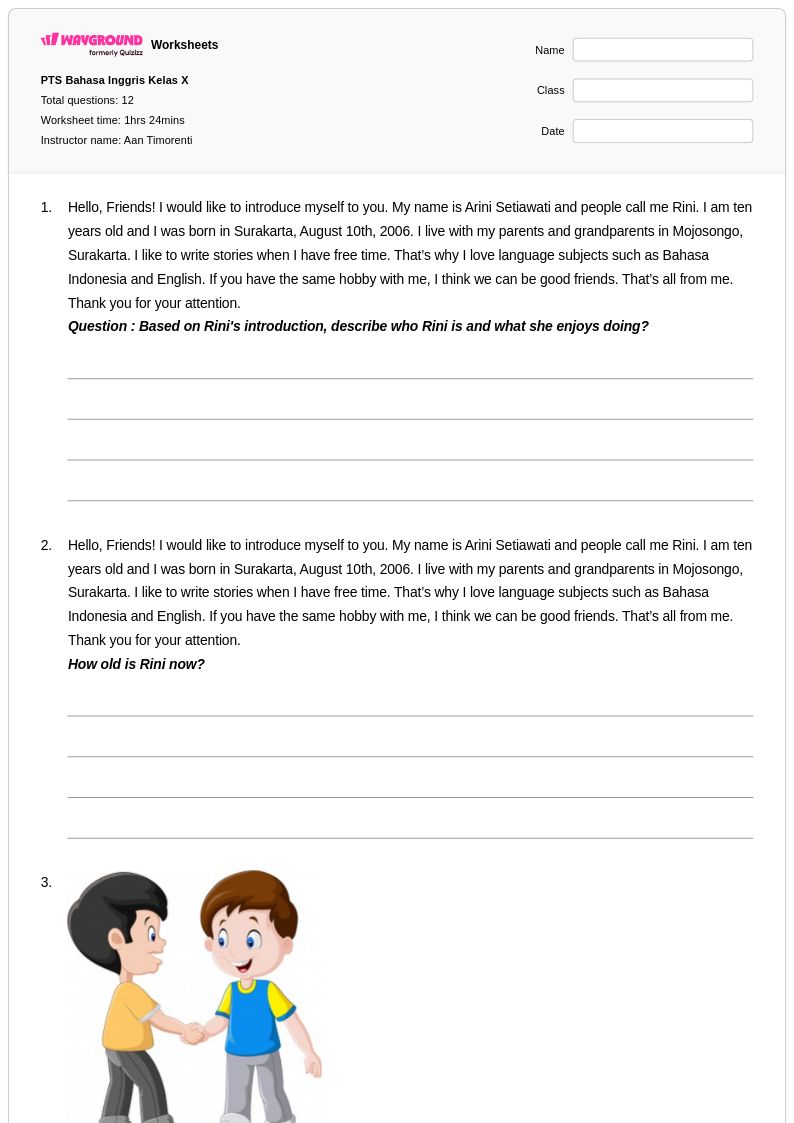
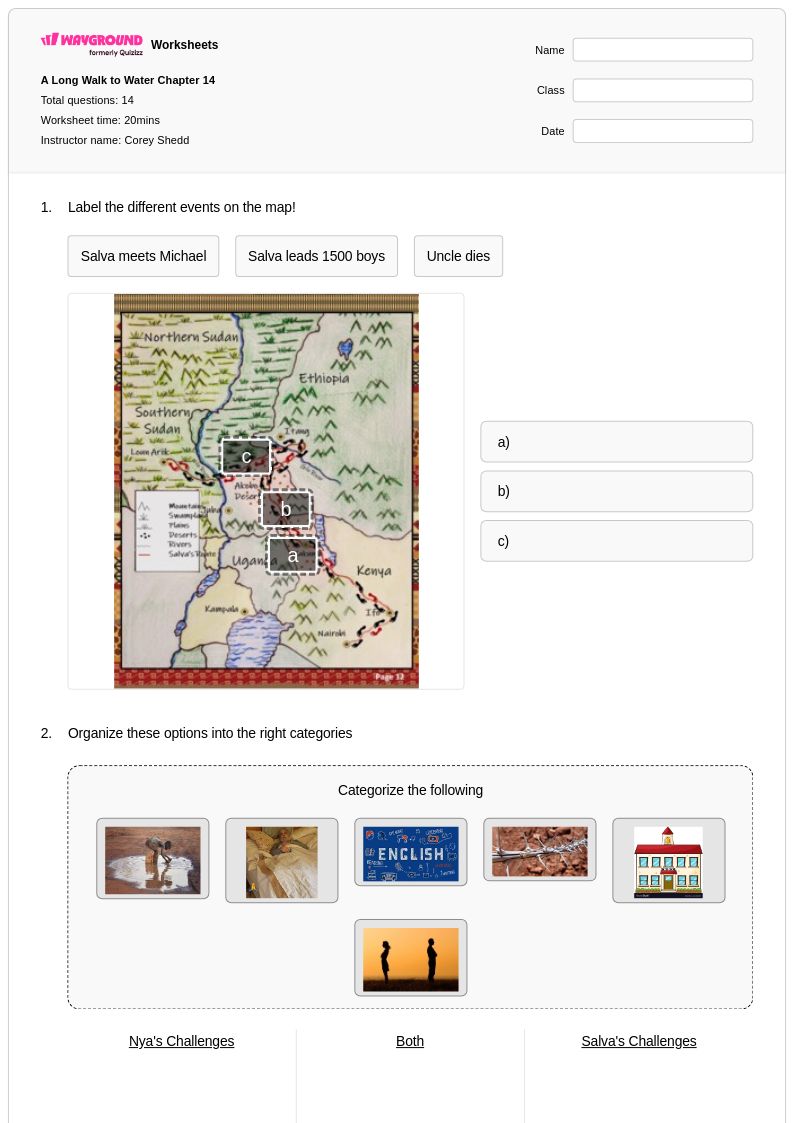
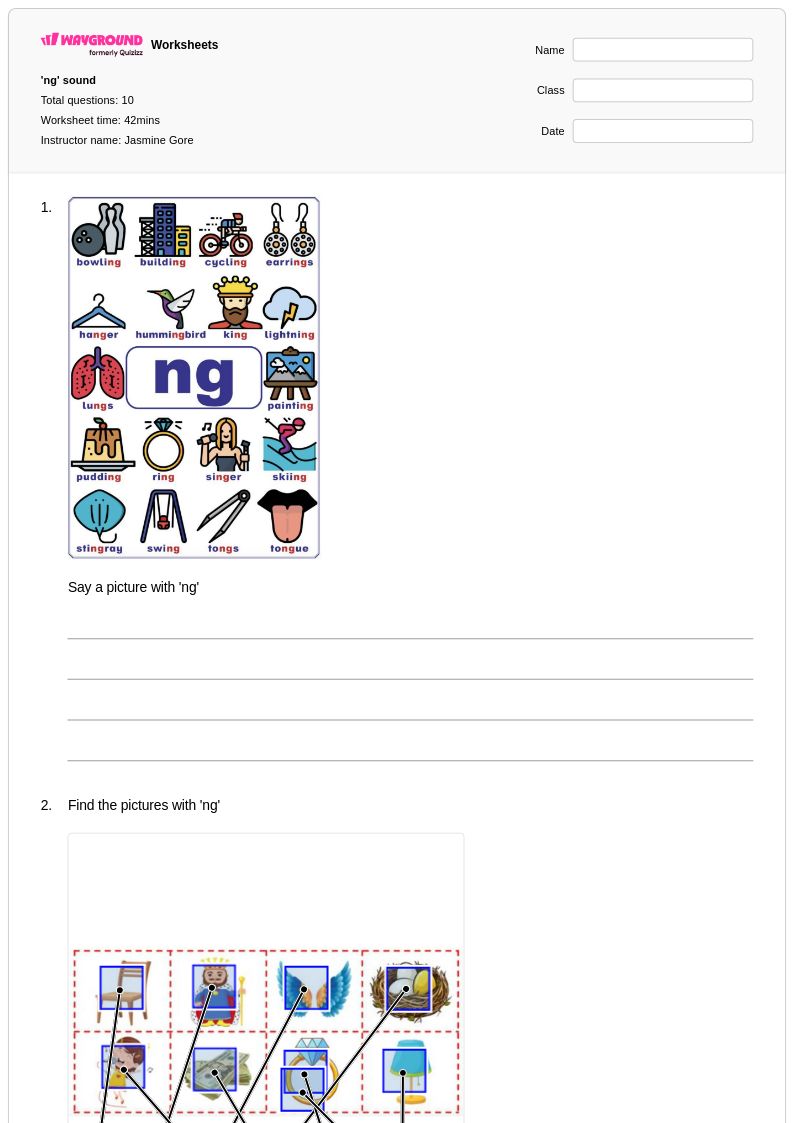
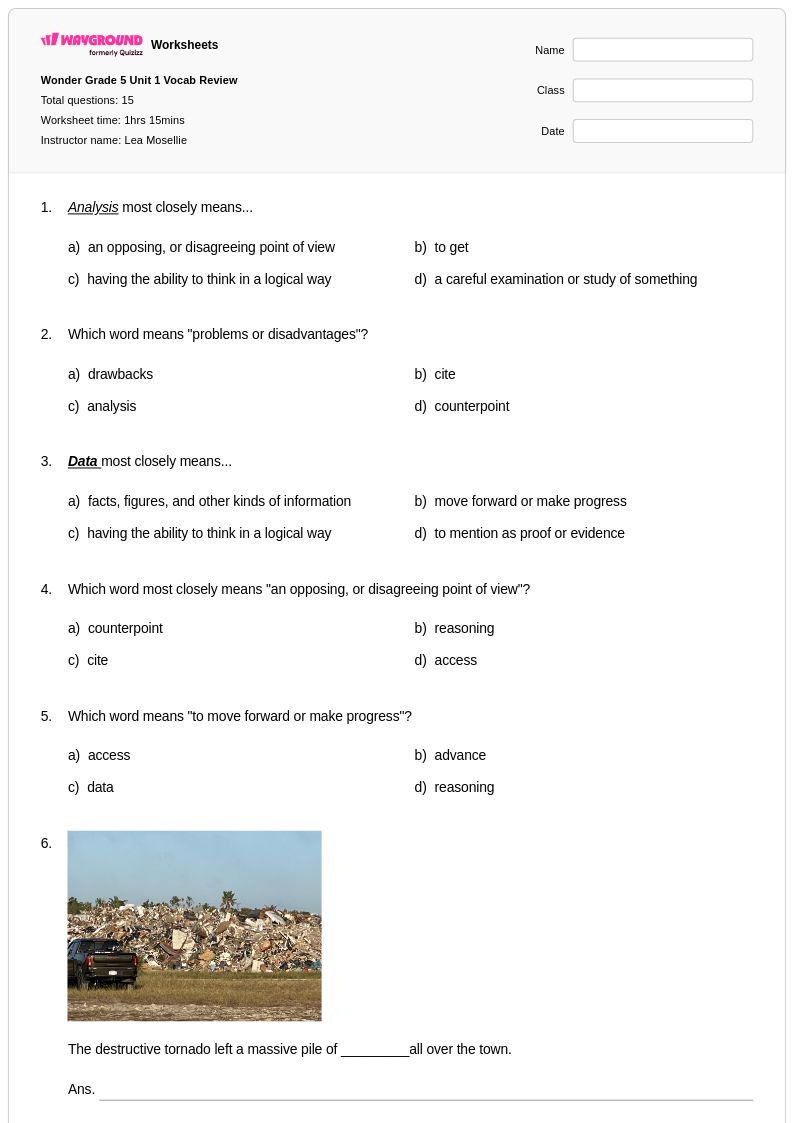
Picture Analysis worksheets from Wayground help students develop visual literacy and reading comprehension skills through engaging printables, practice problems, and answer keys available as free PDF downloads.
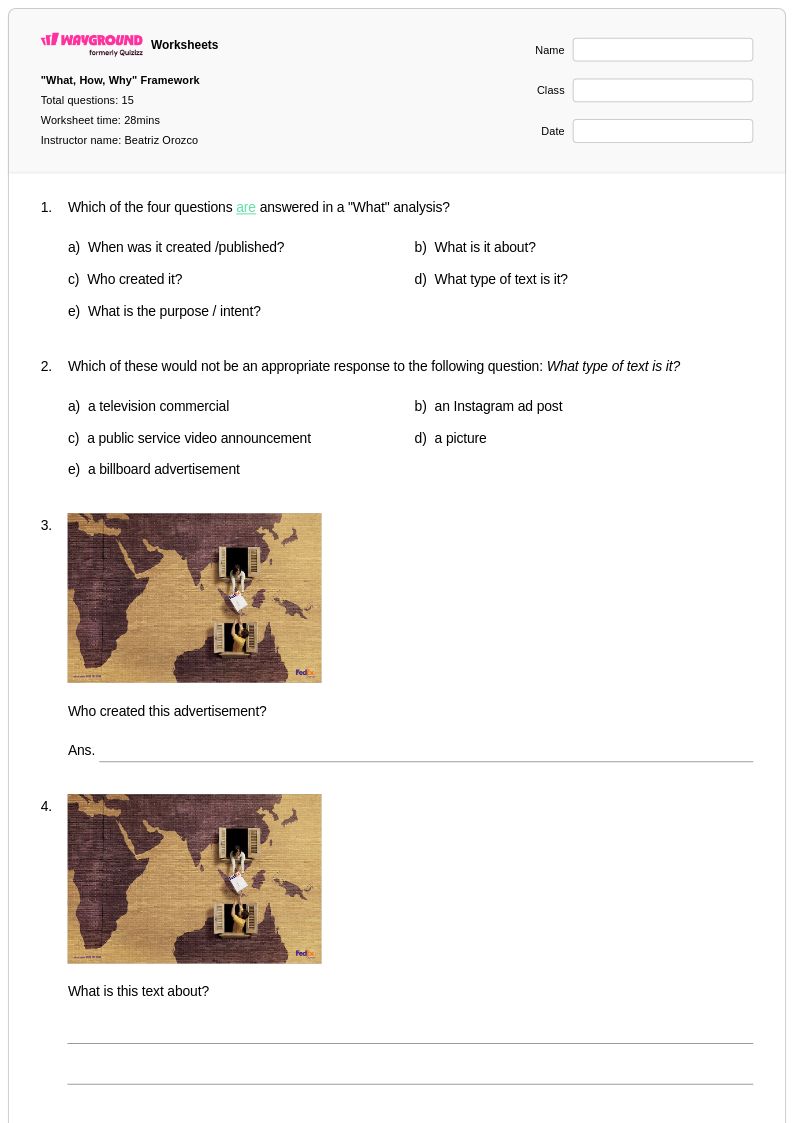
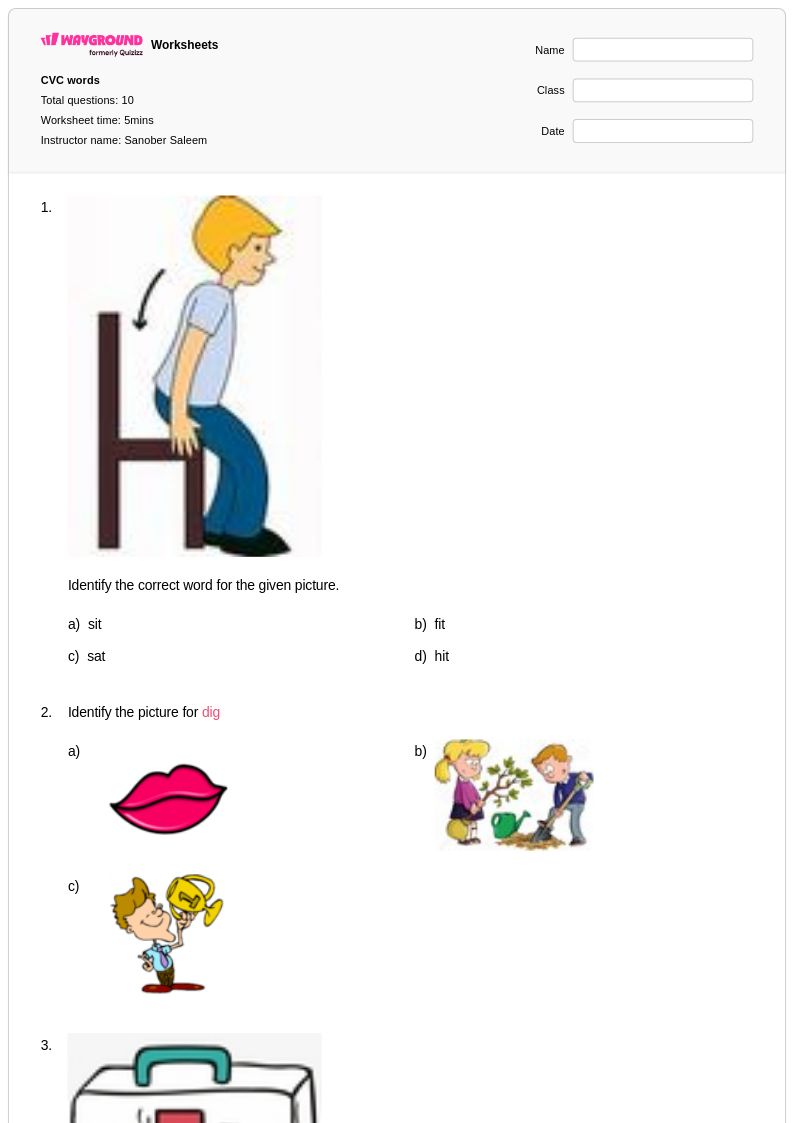
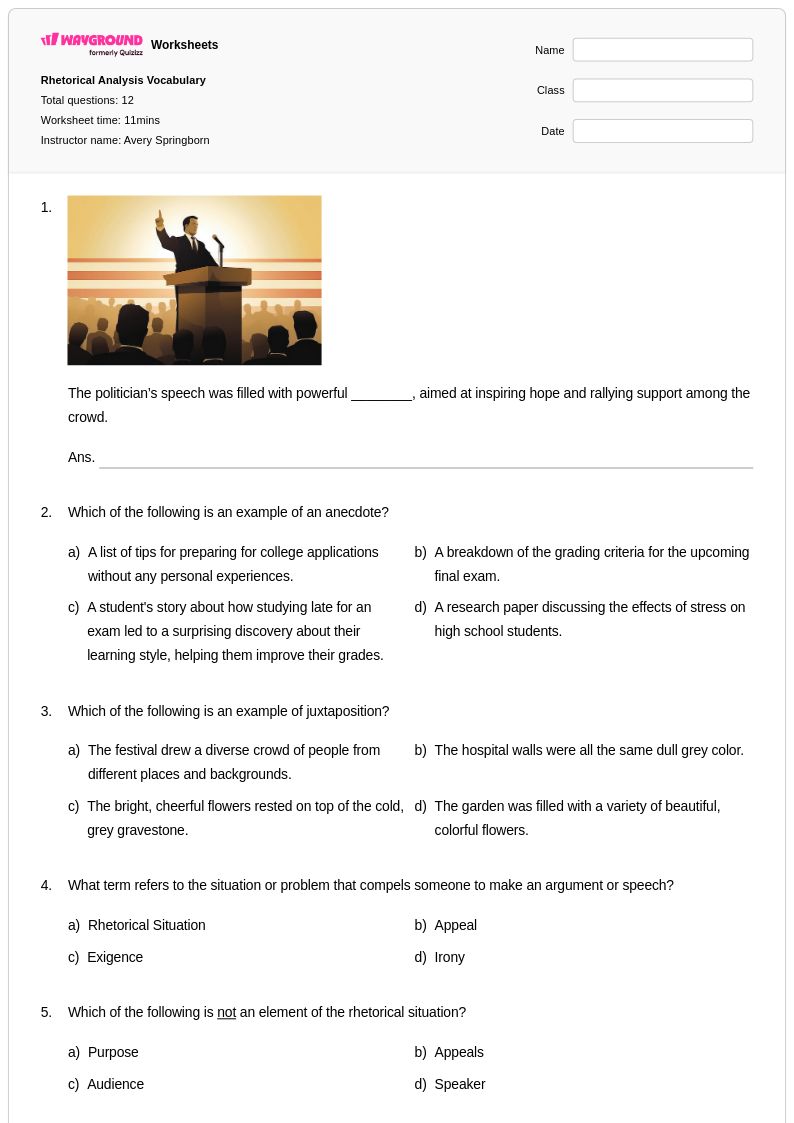
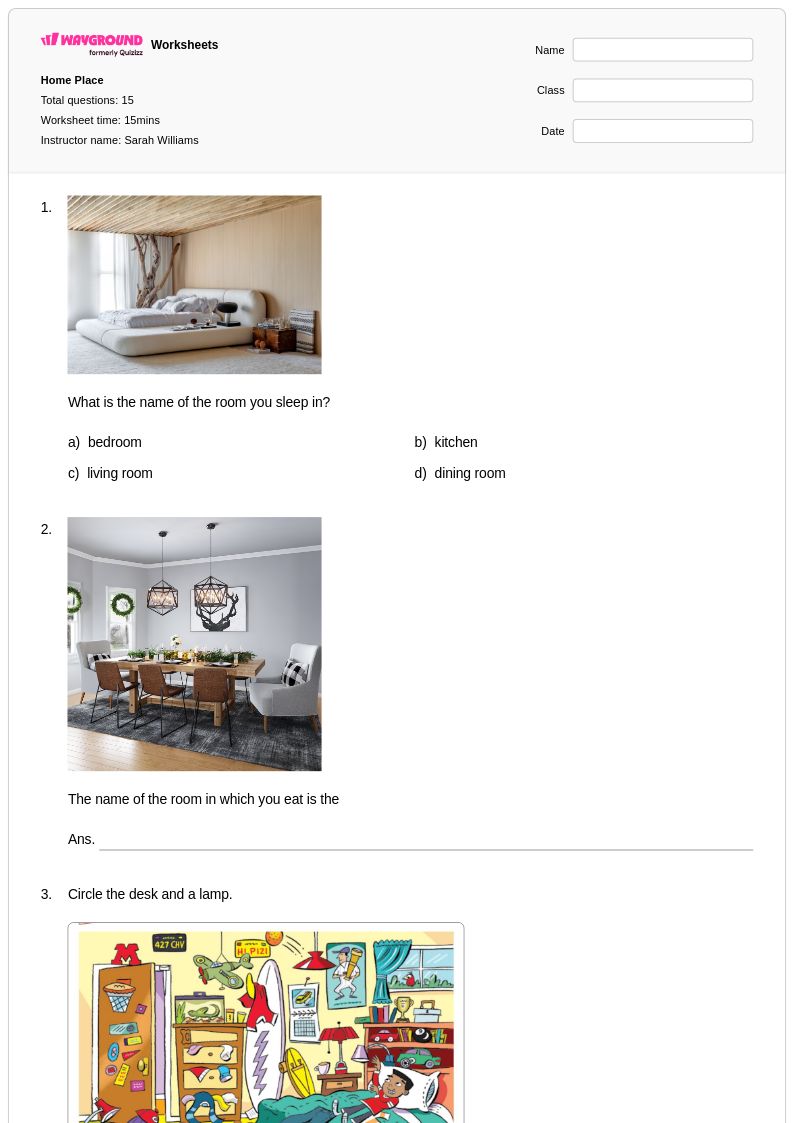
Picture analysis worksheets available through Wayground (formerly Quizizz) provide students with essential visual literacy skills that form the foundation of effective reading comprehension strategies. These carefully designed printables challenge learners to examine images critically, identify key details, make inferences about visual elements, and connect pictorial information to textual content. Students develop crucial observation skills as they work through practice problems that require them to analyze composition, interpret visual symbols, and draw evidence-based conclusions from photographs, illustrations, and graphic representations. Each worksheet comes with a comprehensive answer key that allows educators to assess student understanding and provides clear explanations for complex visual interpretation tasks, making these free resources invaluable for building the analytical thinking skills necessary for advanced reading comprehension.
Wayground (formerly Quizizz) empowers teachers with access to millions of educator-created picture analysis resources that can be seamlessly integrated into reading comprehension instruction across all grade levels. The platform's robust search and filtering capabilities enable instructors to quickly locate worksheets aligned with specific learning standards and differentiate instruction based on individual student needs. Teachers can customize these digital and printable materials in pdf format to match their classroom requirements, whether focusing on remediation for struggling readers, enrichment activities for advanced learners, or targeted skill practice for mainstream instruction. The extensive collection supports flexible lesson planning by offering diverse visual content spanning multiple subjects and complexity levels, ensuring that educators have the tools necessary to strengthen students' ability to extract meaning from both visual and textual sources in their reading comprehension development.
FAQs
How do I teach picture analysis to students?
Teaching picture analysis begins with structured observation routines: ask students to identify what they see before moving to what they think and then what they wonder. Guide them to examine composition, focal points, color, and symbolism before drawing inferences. Pairing visual analysis with written or oral responses reinforces the connection between pictorial information and meaning-making, which directly strengthens reading comprehension skills.
What exercises help students practice picture analysis?
Effective picture analysis practice involves worksheets that prompt students to identify key details in an image, make inferences about context or intent, and connect visual evidence to written claims. Activities that use photographs, illustrations, and graphic representations across different subjects help students apply the same analytical thinking they use with texts. Repeated practice with varied image types builds the visual literacy habits students need for deeper comprehension work.
What common mistakes do students make when analyzing pictures?
Students most commonly describe what an image contains rather than analyzing what it means, which confuses observation with interpretation. They also tend to make unsupported inferences by ignoring specific visual details like composition, scale, or symbolic elements. A third frequent error is treating all images as neutral, without considering how perspective, framing, or omission shapes meaning. Worksheets that explicitly prompt evidence-based reasoning help address each of these patterns.
How does picture analysis support reading comprehension development?
Picture analysis builds the inferencing and evidence-evaluation skills that underpin strong reading comprehension because both tasks require students to extract meaning from sources that do not state everything explicitly. When students practice connecting visual symbols to ideas, they strengthen the same cognitive habits used to interpret figurative language, text structure, and author purpose. This is why visual literacy instruction is particularly valuable as a scaffold for struggling readers.
How can I differentiate picture analysis activities for different skill levels?
For emerging learners, start with simple photographs and provide sentence frames to support inference writing. Advanced students can work with layered or ambiguous images that require evaluating multiple interpretations. On Wayground, teachers can apply individual accommodations such as read aloud, reduced answer choices, and extended time to specific students, so the same worksheet can serve the full range of learners in one class without singling anyone out.
How do I use picture analysis worksheets from Wayground in my classroom?
Wayground picture analysis worksheets are available as printable PDFs for traditional classroom use and in digital formats for technology-integrated or remote learning environments. Teachers can also host worksheets as a live quiz directly on Wayground, making them suitable for whole-class instruction, independent centers, or formative assessment. Each worksheet includes a complete answer key, so educators can review responses efficiently and provide targeted feedback on students' visual interpretation skills.