Free Printable Self Advocacy Worksheets for Class 10
Develop essential self-advocacy skills with our Class 10 social studies worksheets, featuring free printables and PDF resources that help students practice assertive communication, self-reflection, and personal empowerment with comprehensive answer keys.
Explore printable Self Advocacy worksheets for Class 10
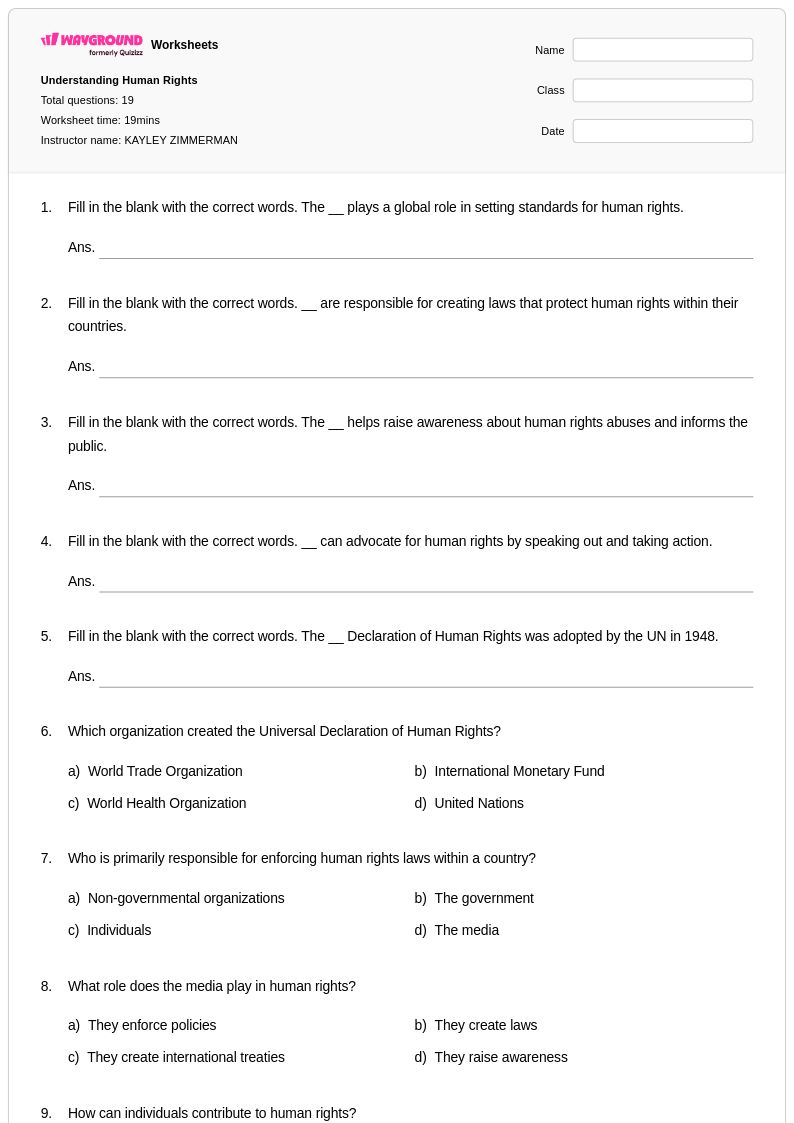
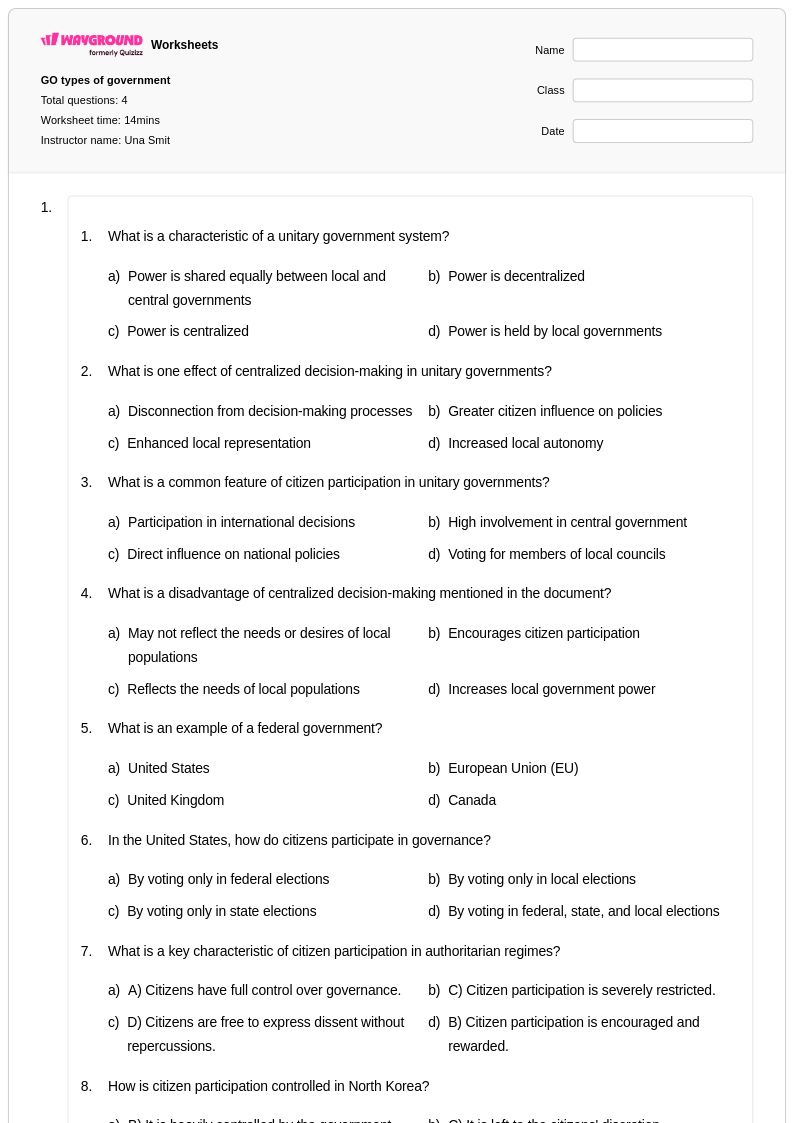
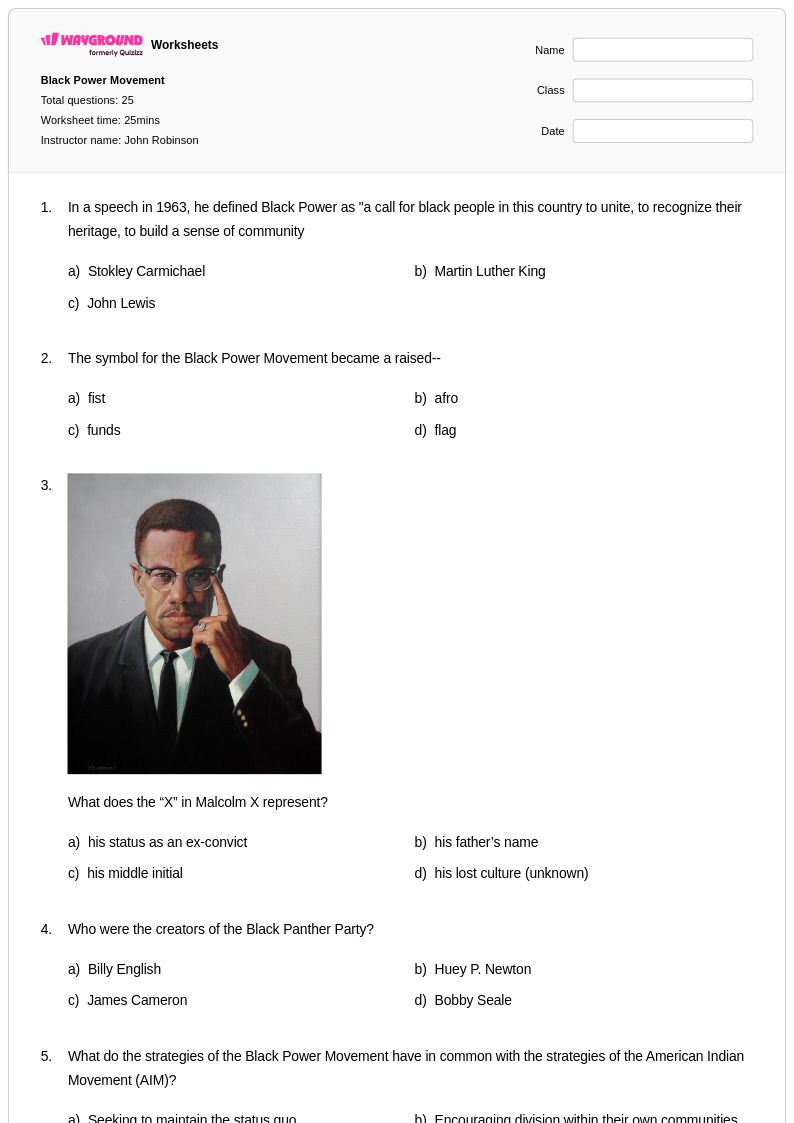
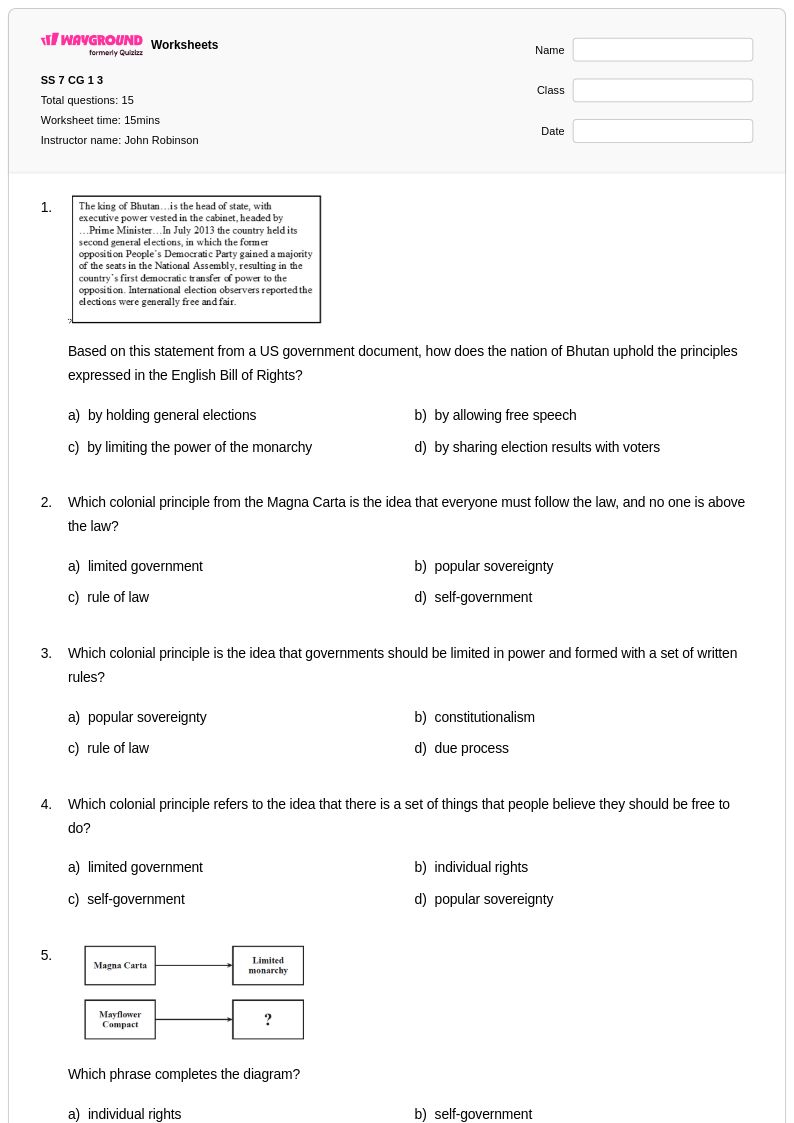
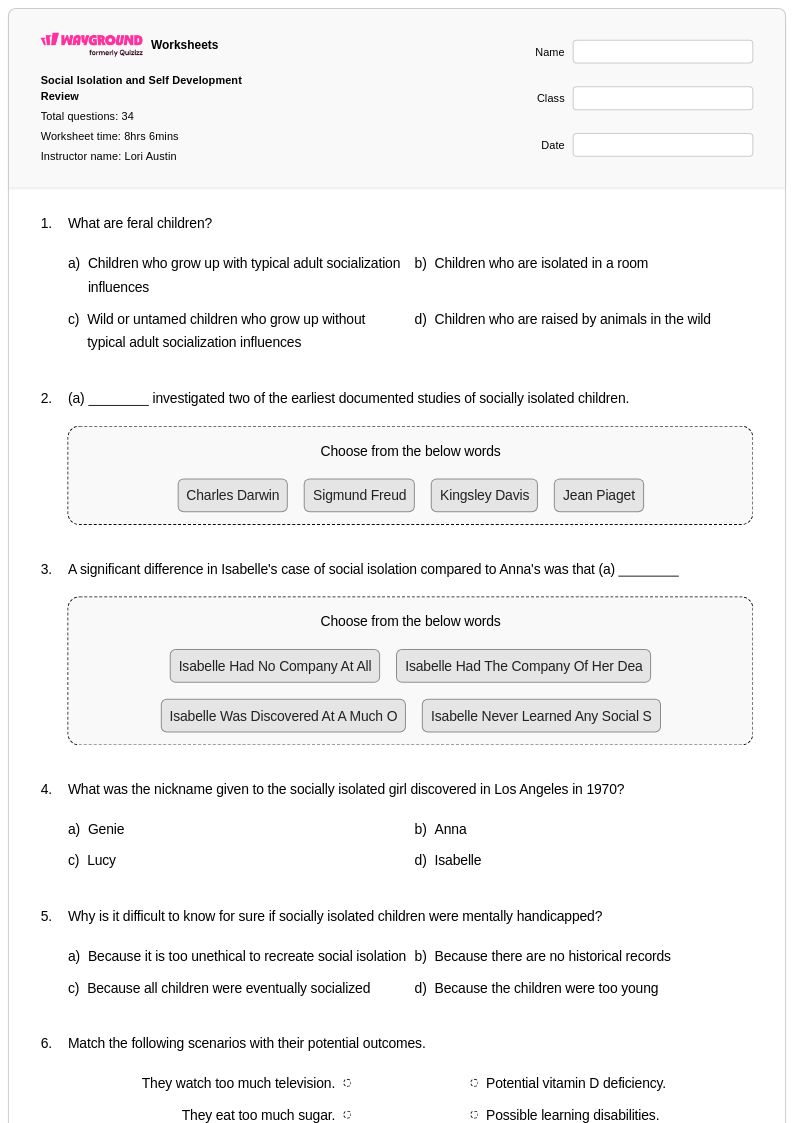
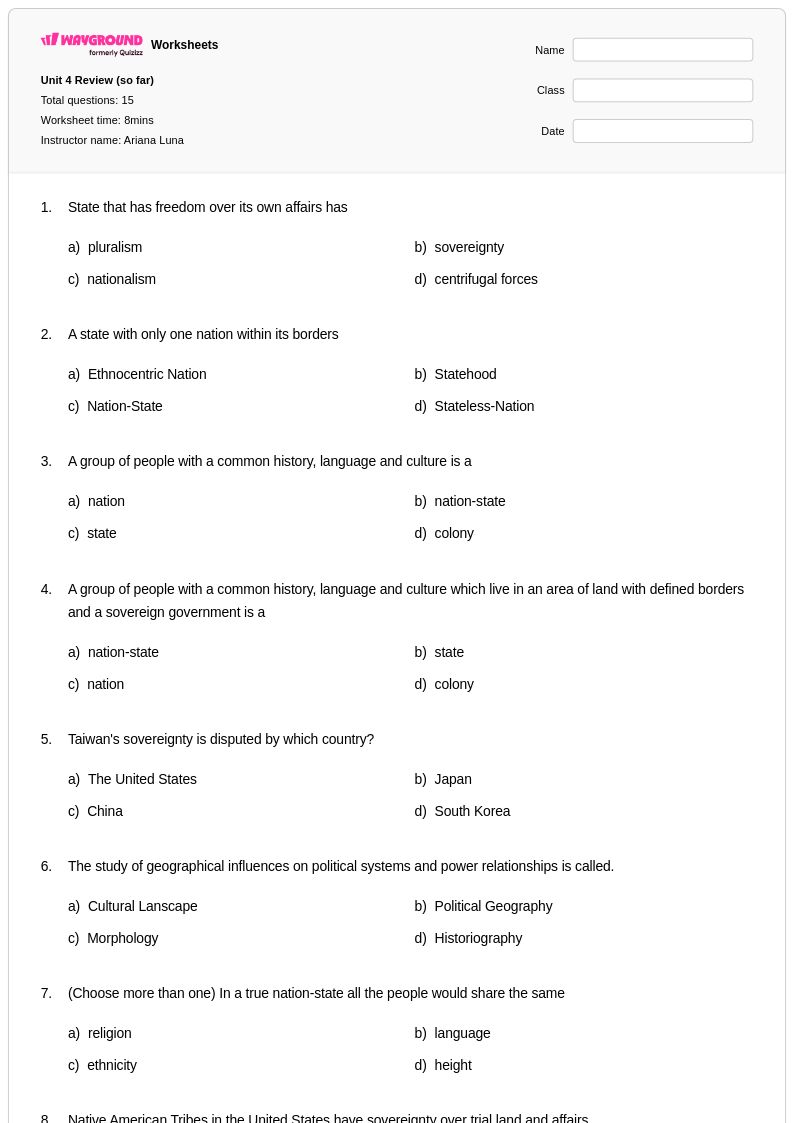
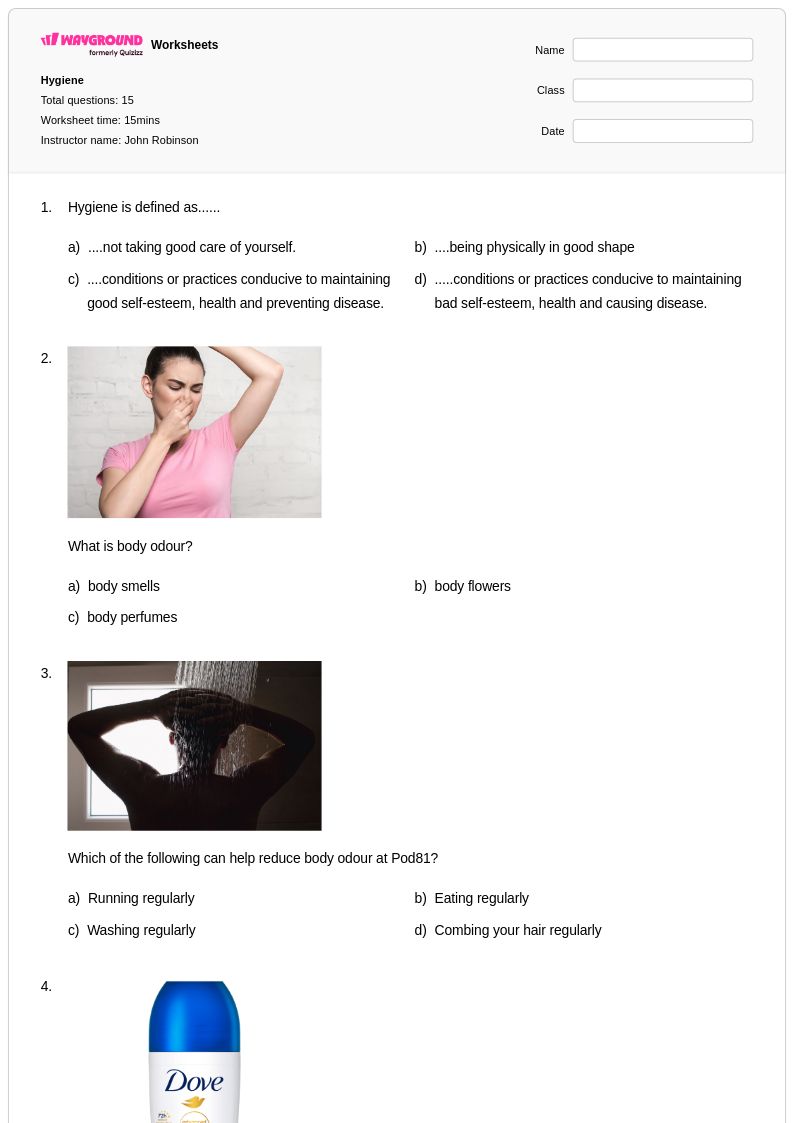
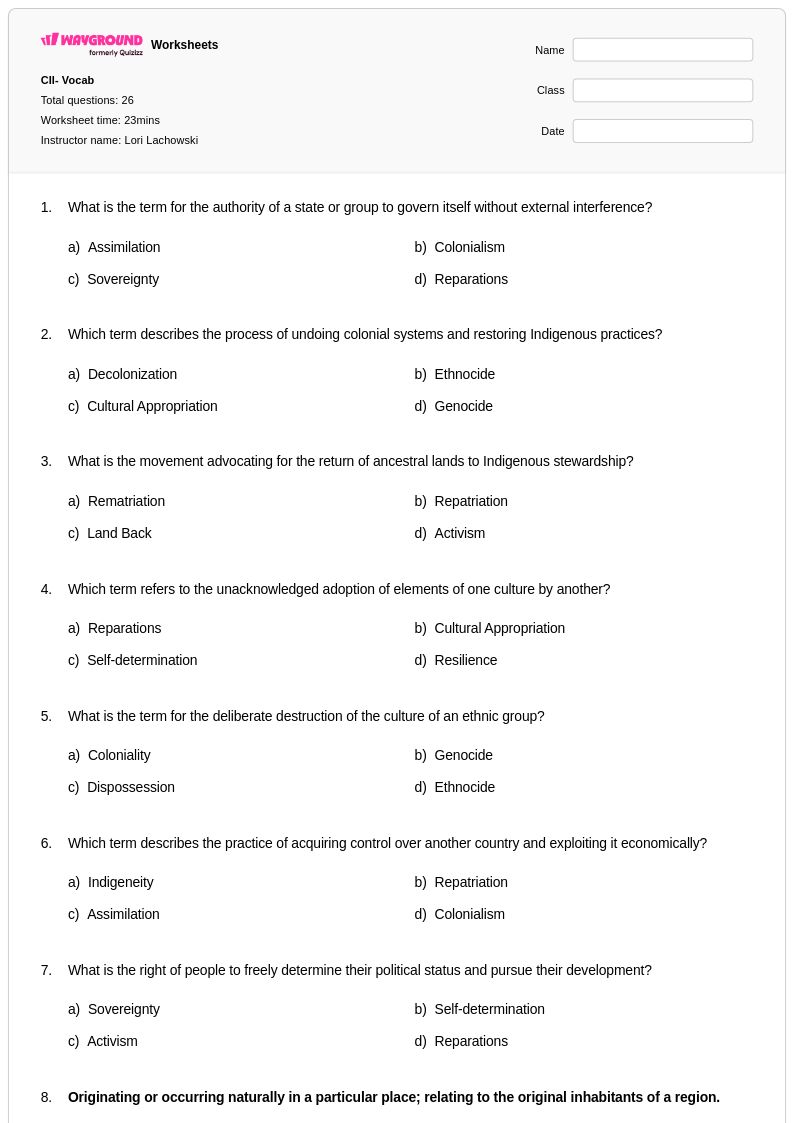
Self advocacy worksheets for Class 10 students available through Wayground (formerly Quizizz) provide comprehensive resources designed to develop essential communication and empowerment skills that students need as they approach adulthood. These carefully crafted materials focus on teaching teenagers how to effectively express their needs, rights, and goals in academic, social, and future professional settings. The worksheets strengthen critical abilities including assertive communication techniques, conflict resolution strategies, goal-setting methodologies, and self-reflection practices that enable students to navigate complex social situations with confidence. Each resource includes detailed answer keys and practice problems that guide students through real-world scenarios, helping them develop the vocabulary and frameworks necessary for successful self advocacy. Available as free printables in convenient pdf format, these materials offer structured opportunities for students to practice articulating their perspectives while learning to respect the viewpoints of others.
Wayground (formerly Quizizz) supports educators with an extensive collection of millions of teacher-created self advocacy resources specifically tailored for Class 10 social studies instruction. The platform's robust search and filtering capabilities allow teachers to quickly locate materials that align with curriculum standards and match their students' varying skill levels and learning needs. Advanced differentiation tools enable instructors to customize worksheets for diverse learners, ensuring that both struggling students and advanced learners can engage meaningfully with self advocacy concepts. These versatile resources are available in both printable and digital formats, including downloadable pdf versions that facilitate seamless integration into lesson plans, homework assignments, and assessment activities. Teachers can efficiently utilize these materials for targeted skill practice, remediation sessions, and enrichment opportunities, while the platform's flexible customization options support individualized learning paths that help students develop the confidence and competence needed for effective self advocacy throughout their academic and personal lives.
FAQs
How do I teach self-advocacy skills to students?
Teaching self-advocacy begins with helping students identify their own strengths, challenges, and needs before practicing how to communicate them clearly. Effective strategies include role-playing real-world scenarios, guided reflection activities, and structured discussions about rights and responsibilities. Building this skill progressively, from personal awareness to public expression, gives students the confidence to advocate for themselves in academic, social, and community settings.
What kinds of activities help students practice self-advocacy?
Students benefit most from practice activities that mirror realistic situations, such as asking a teacher for help, expressing a boundary with a peer, or requesting an accommodation. Reflection exercises that prompt students to name their needs and articulate their thoughts in writing are especially effective. Interactive scenarios and problem-solving prompts give students repeated, low-stakes opportunities to rehearse advocacy language before applying it in real contexts.
What common mistakes do students make when learning self-advocacy?
A frequent error is confusing self-advocacy with aggression or confrontation, which causes students to either over-assert themselves or avoid speaking up altogether. Students also struggle to distinguish between wants and needs, making it harder to communicate with clarity and purpose. Explicitly teaching respectful assertiveness, boundary-setting language, and the difference between opinions and rights helps address these misconceptions directly.
How can I differentiate self-advocacy instruction for students with varying skill levels?
Differentiation in self-advocacy instruction can include simplifying scenario prompts for emerging learners, offering sentence starters or graphic organizers, and providing extended time for reflection tasks. On Wayground, teachers can apply individual accommodations such as read aloud support, reduced answer choices, and adjustable font sizes to ensure all students can access the material meaningfully. These settings can be saved and reused across sessions, making differentiation manageable without disrupting the rest of the class.
How do I use self-advocacy worksheets from Wayground in my classroom?
Wayground's self-advocacy worksheets are available as printable PDFs for traditional classroom use and in digital formats for technology-integrated environments. Teachers can also host worksheets as interactive quizzes directly on Wayground, making them suitable for whole-class instruction, small group work, or independent practice. Each worksheet includes a complete answer key, so they work equally well for guided lessons and self-directed learning at home.
At what grade level should self-advocacy skills be introduced?
Self-advocacy skills can and should be introduced early, with age-appropriate concepts like asking for help and expressing feelings beginning as early as elementary school. As students progress, the complexity of scenarios increases to include academic accommodations, peer conflict resolution, and community participation. The skill set is developmental and benefits from consistent reinforcement across grade levels rather than being treated as a one-time lesson.