
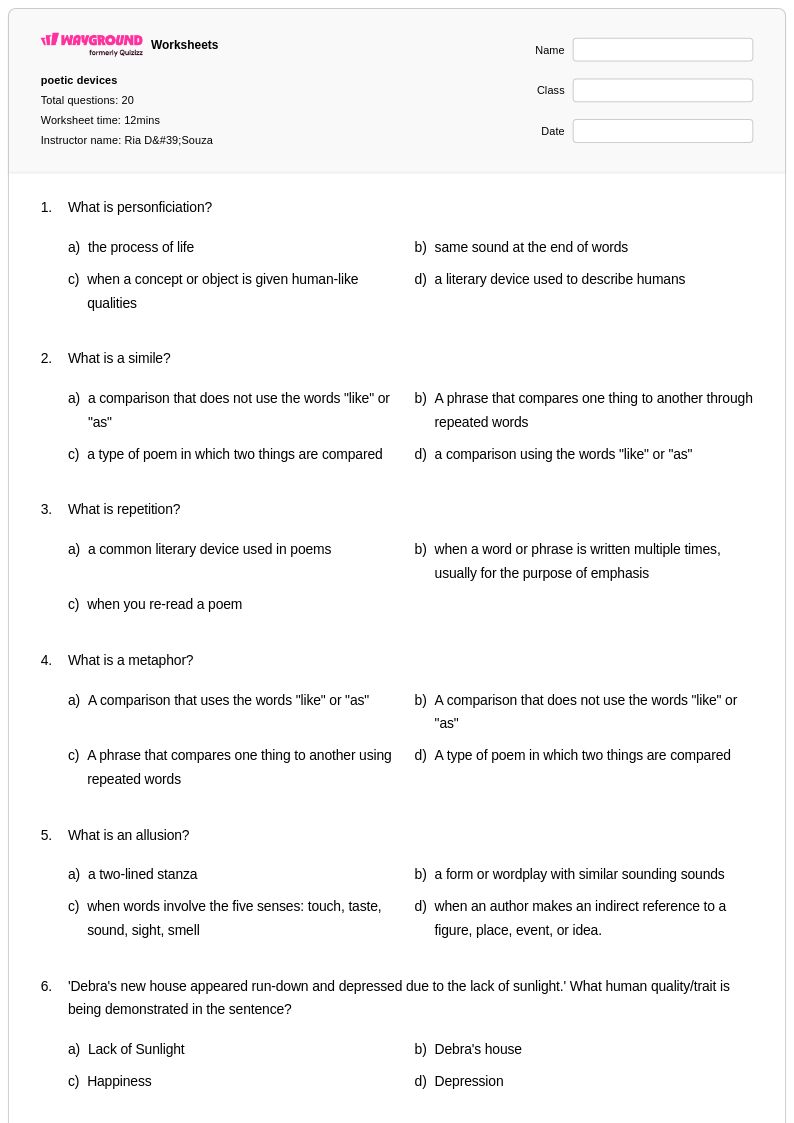
20 T
1st - 10th
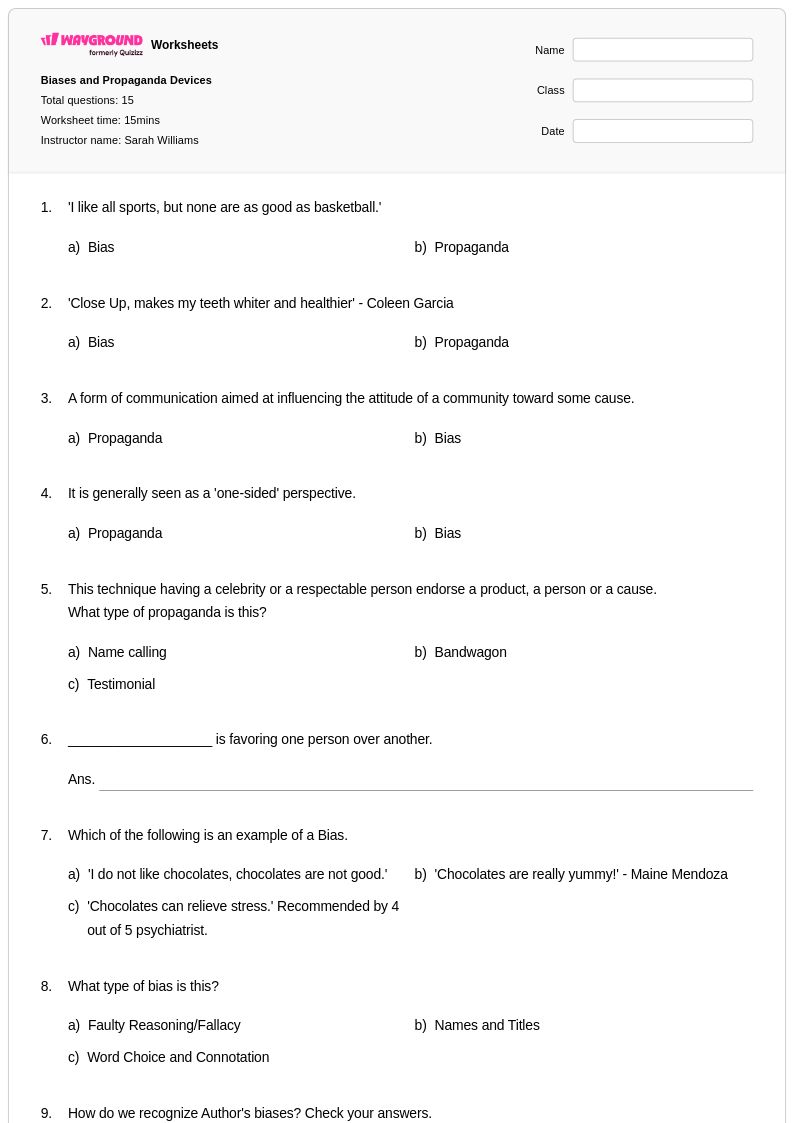
15 T
6th - Uni
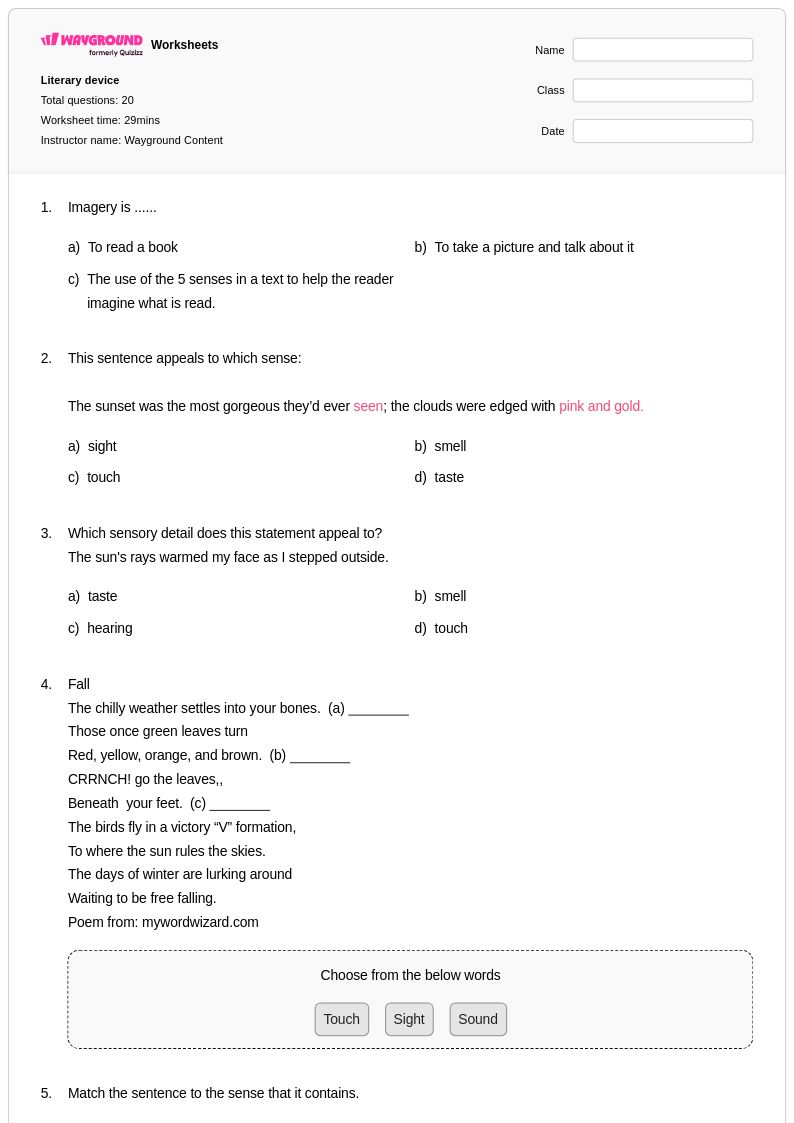
20 T
4th - 8th
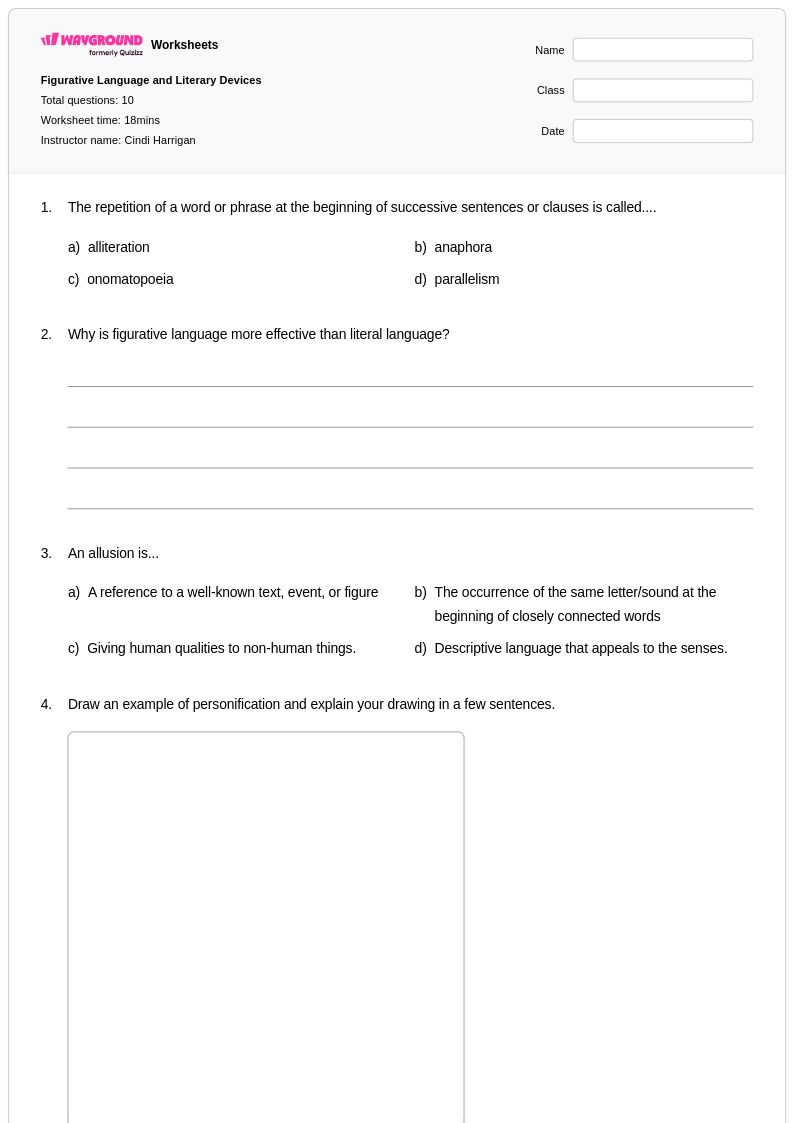
10 T
6th - 8th
23 T
6th
17 T
5th - Uni
10 T
6th - 9th
20 T
5th - Uni
15 T
6th - 8th
15 T
6th
12 T
3rd - Uni
11 T
6th
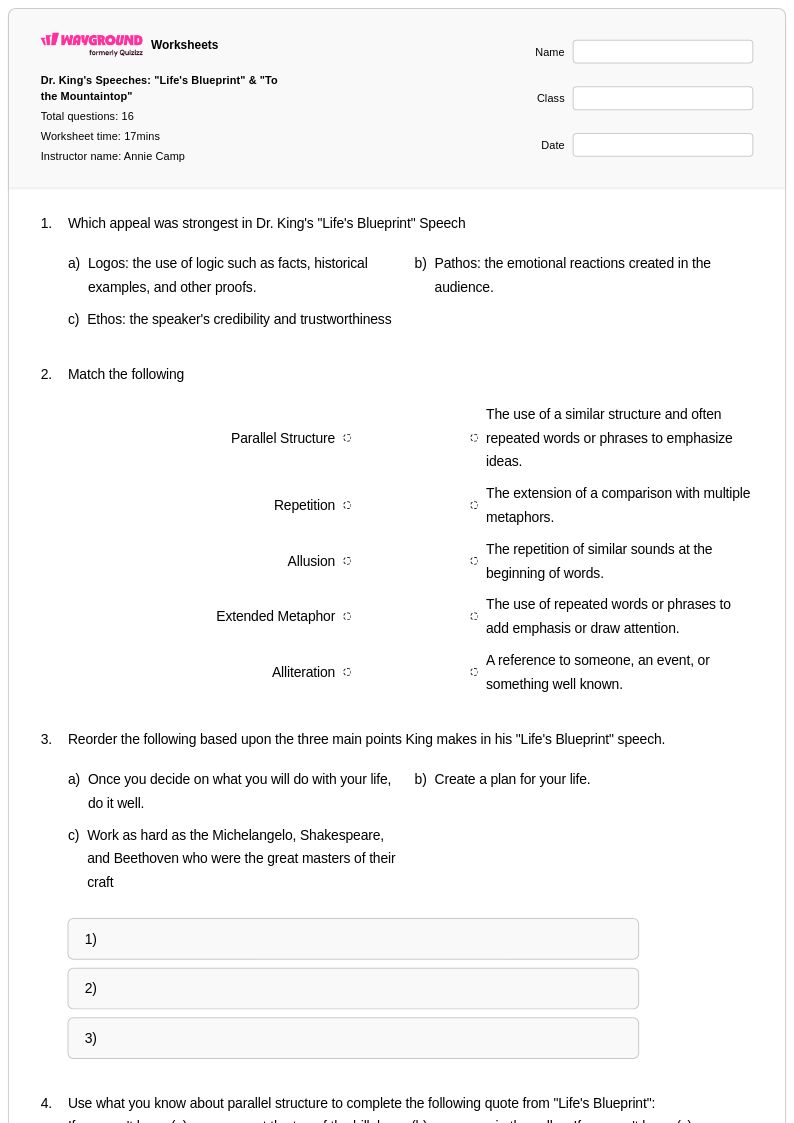
16 T
6th - 8th
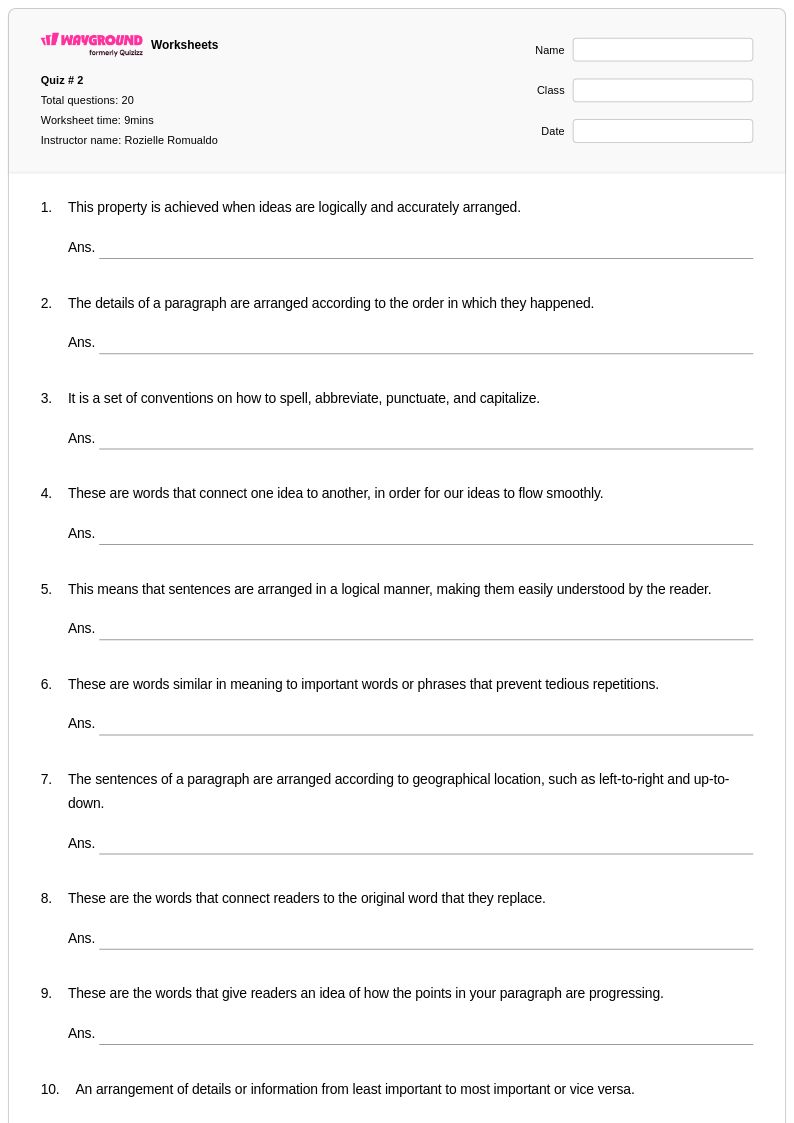
20 T
1st - 10th

25 T
6th
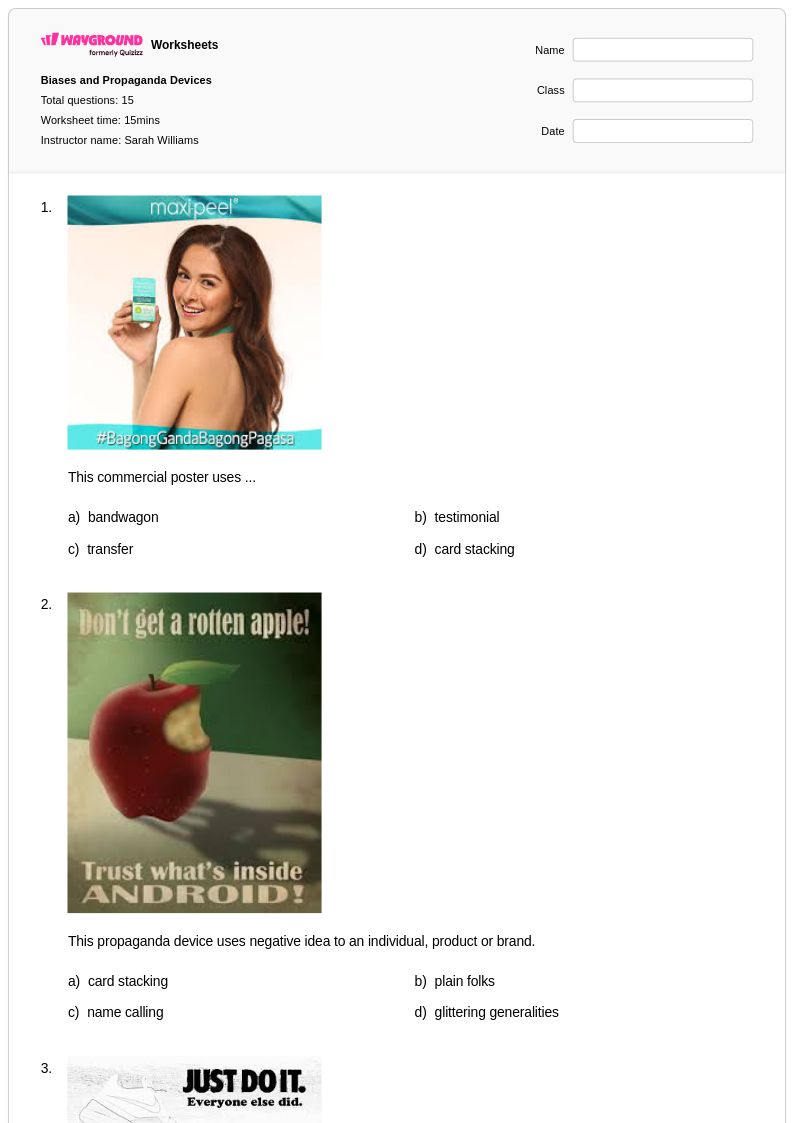
15 T
6th - Uni
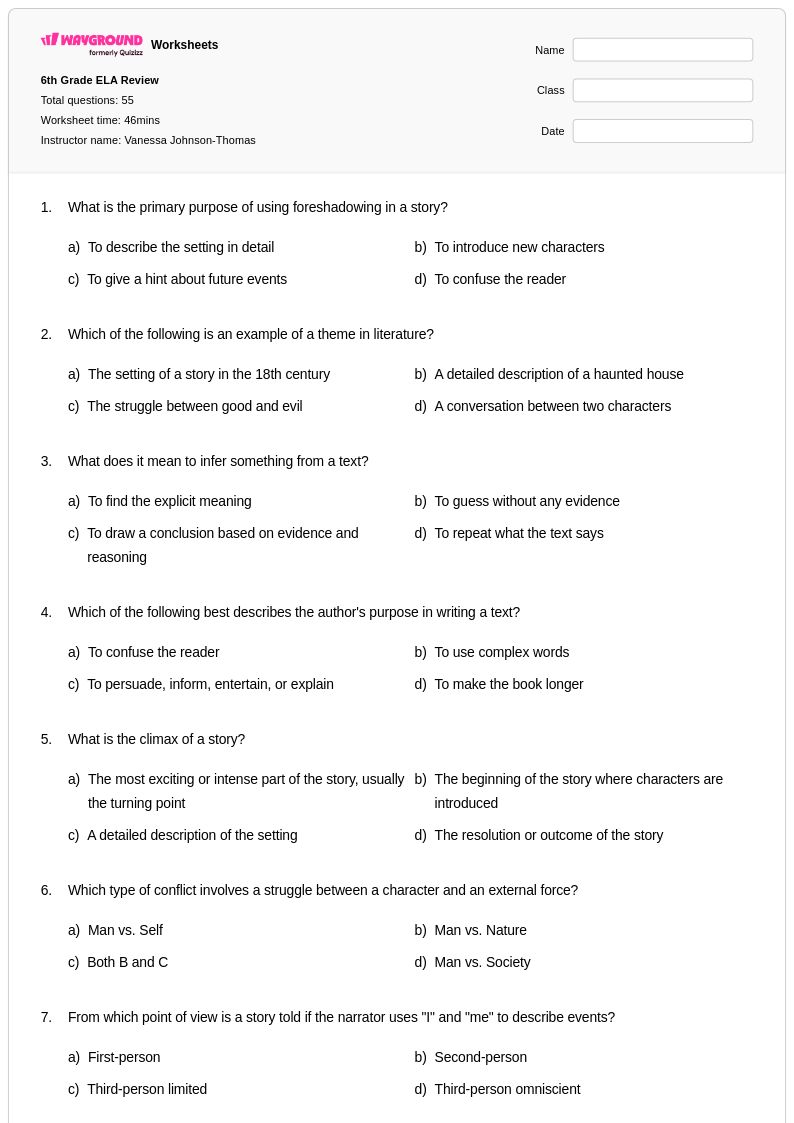
55 T
6th
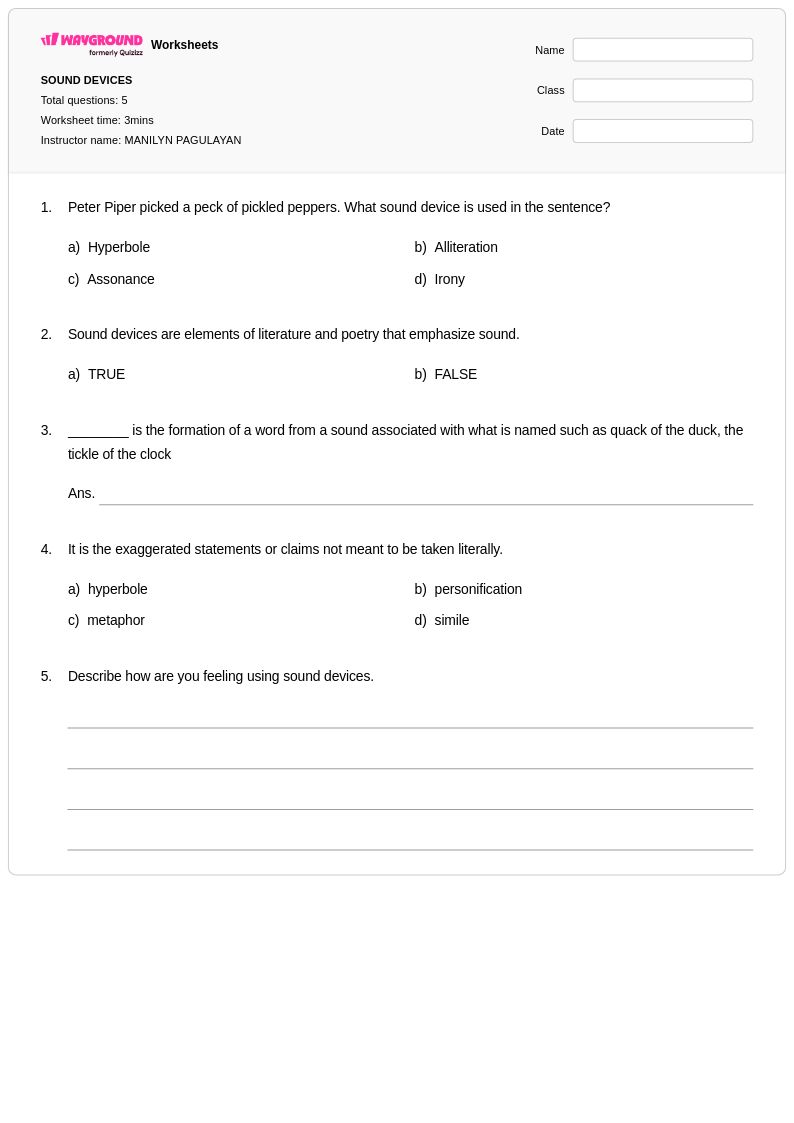
5 T
6th
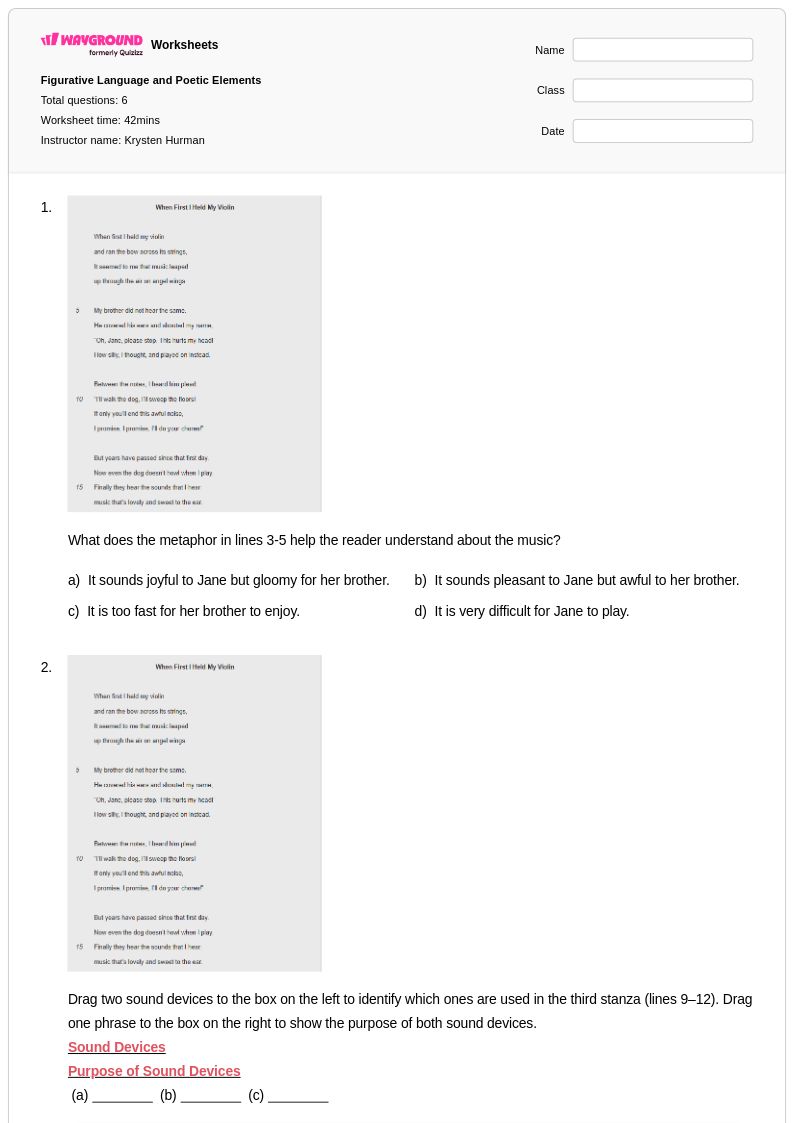
11 T
5th - Uni
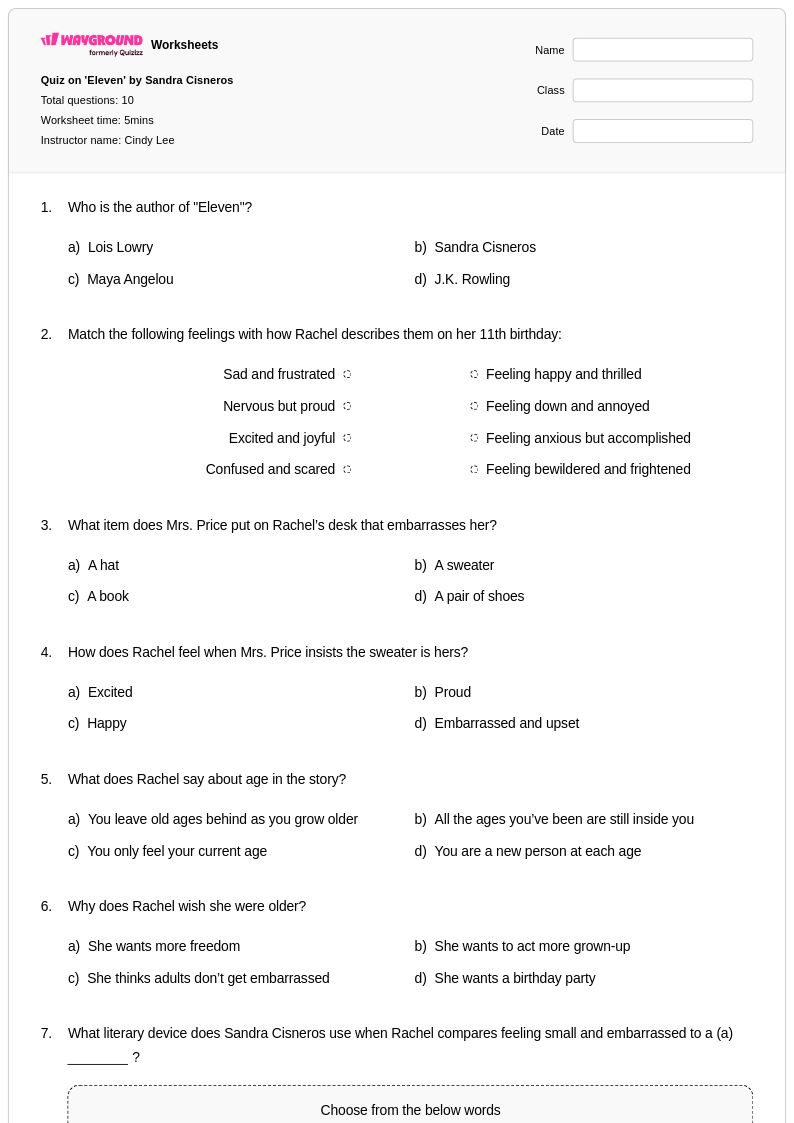
10 T
6th
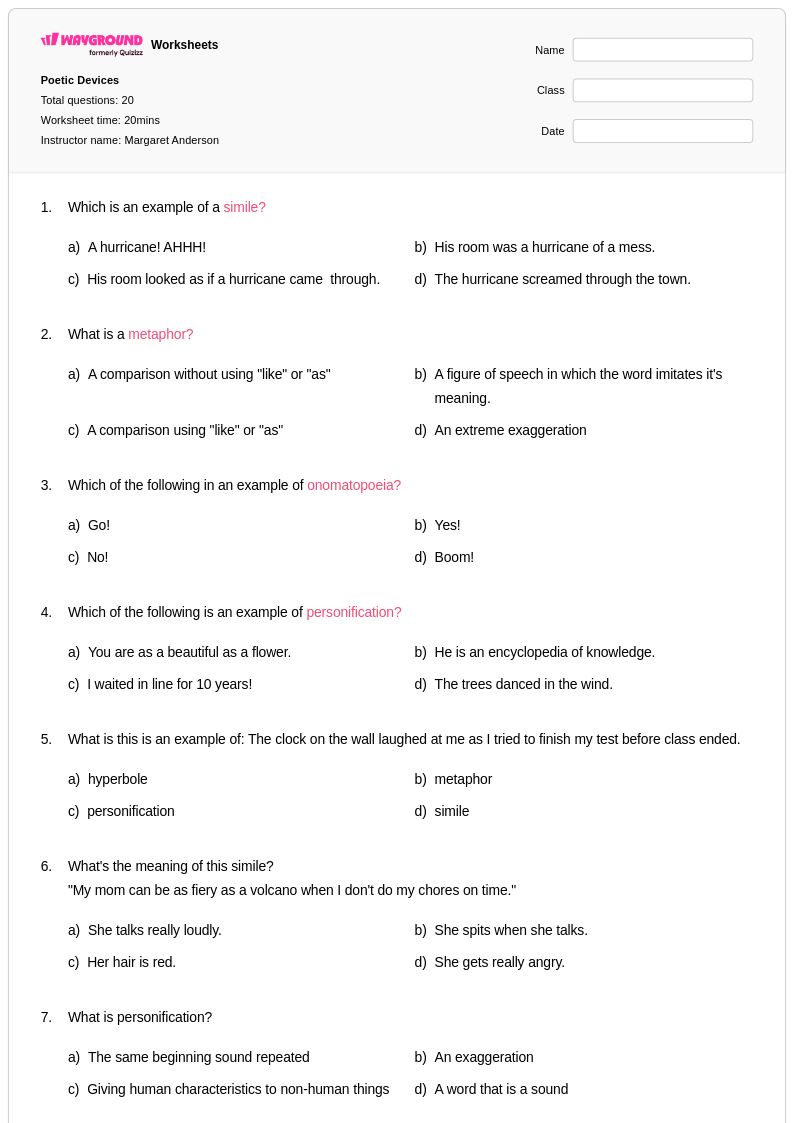
20 T
5th - 6th
10 T
5th - 6th
10 T
5th - 8th
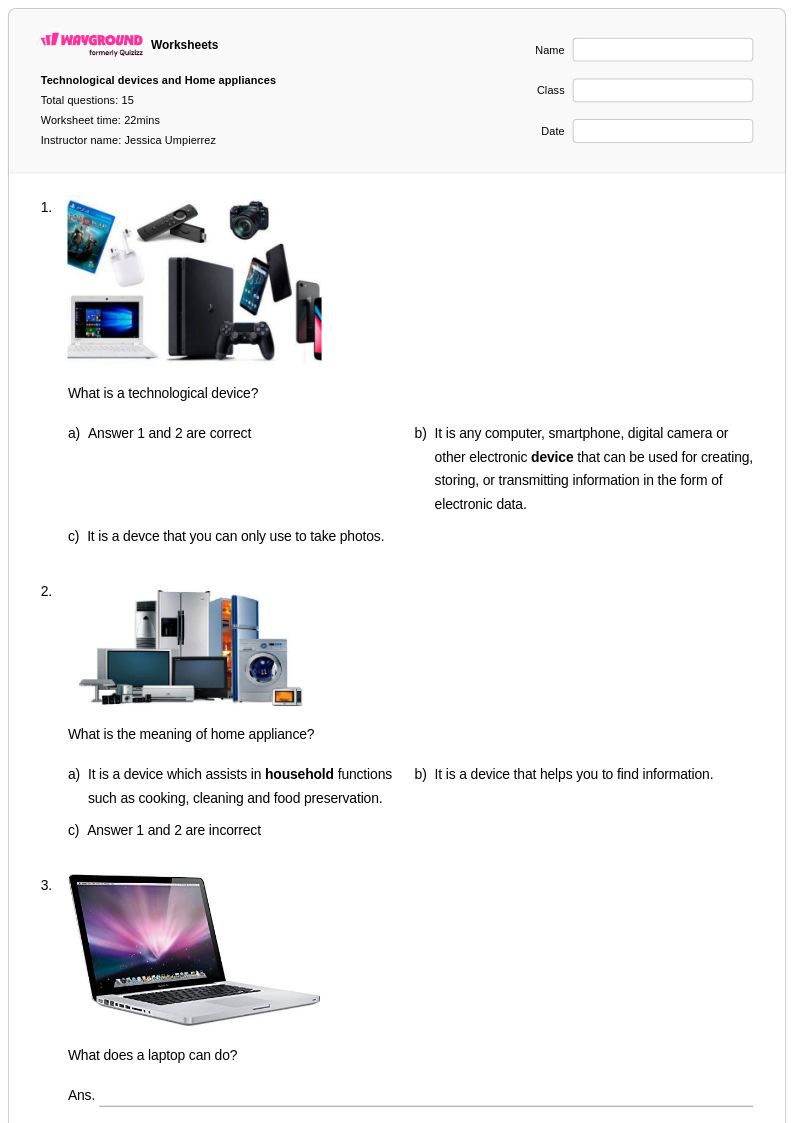
15 T
4th - 6th
Jelajahi Transitional Devices Lembar Kerja berdasarkan Nilai
Jelajahi Lembar Kerja Mata Pelajaran Lainnya untuk class 6
Explore printable Transitional Devices worksheets for Class 6
Transitional devices for Class 6 students represent a crucial milestone in developing sophisticated writing skills that connect ideas seamlessly and guide readers through complex arguments and narratives. Wayground's comprehensive collection of transitional devices worksheets provides targeted practice opportunities that help sixth-grade students master the art of using connecting words, phrases, and sentences to create coherent, flowing compositions. These carefully designed resources strengthen students' ability to recognize and implement various types of transitions, including those that show time relationships, cause and effect, comparison and contrast, and logical progression of ideas. Each worksheet includes structured practice problems that challenge students to identify appropriate transitional devices in context, complete sentences with suitable connecting words, and revise passages to improve flow and clarity. The accompanying answer keys enable both independent study and guided instruction, while the free printable pdf format ensures accessibility for diverse classroom and home learning environments.
Wayground's extensive library of teacher-created transitional devices worksheets draws from millions of educational resources specifically designed to support Class 6 writing instruction and standards alignment. The platform's robust search and filtering capabilities allow educators to quickly locate materials that match their specific curriculum requirements, whether they need foundational practice with basic transitions or advanced exercises involving sophisticated connecting strategies. Teachers benefit from flexible customization tools that enable differentiation for diverse learners, supporting both remediation for students who struggle with writing coherence and enrichment opportunities for advanced writers ready to explore complex transitional techniques. Available in both digital and printable formats, these resources seamlessly integrate into lesson planning workflows, providing educators with ready-to-use materials for whole-class instruction, small group practice, homework assignments, and assessment preparation that systematically builds students' mastery of this essential writing skill.
FAQs
How do I teach transitional devices to students who struggle with writing flow?
What exercises help students practice using transitional devices correctly?
What mistakes do students most commonly make when using transitional devices?
How can I differentiate transitional devices practice for different skill levels in the same class?
How do I use Wayground's transitional devices worksheets in my classroom?
How do transitional devices fit into a broader writing curriculum?