Free Printable Water Safety Worksheets for Class 6
Enhance Class 6 students' water safety knowledge with Wayground's comprehensive collection of free worksheets and printables featuring practice problems on swimming safety, pool rules, and emergency procedures, complete with answer keys.
Explore printable Water Safety worksheets for Class 6
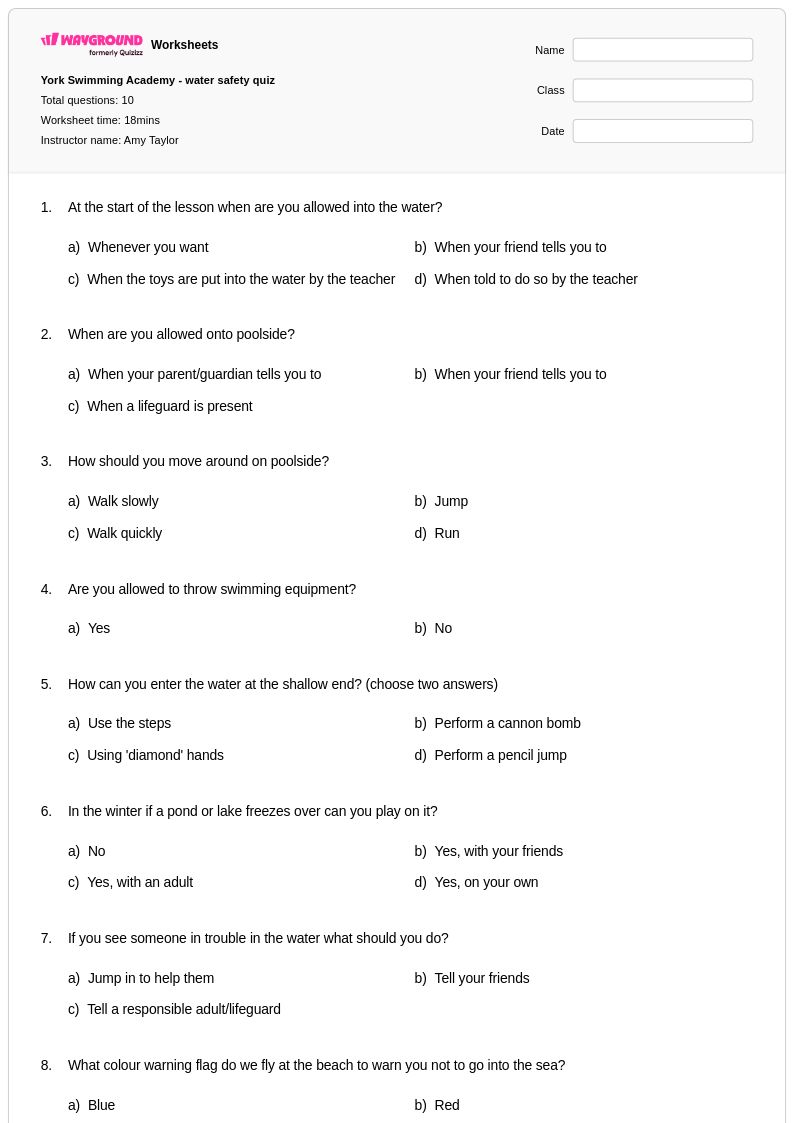
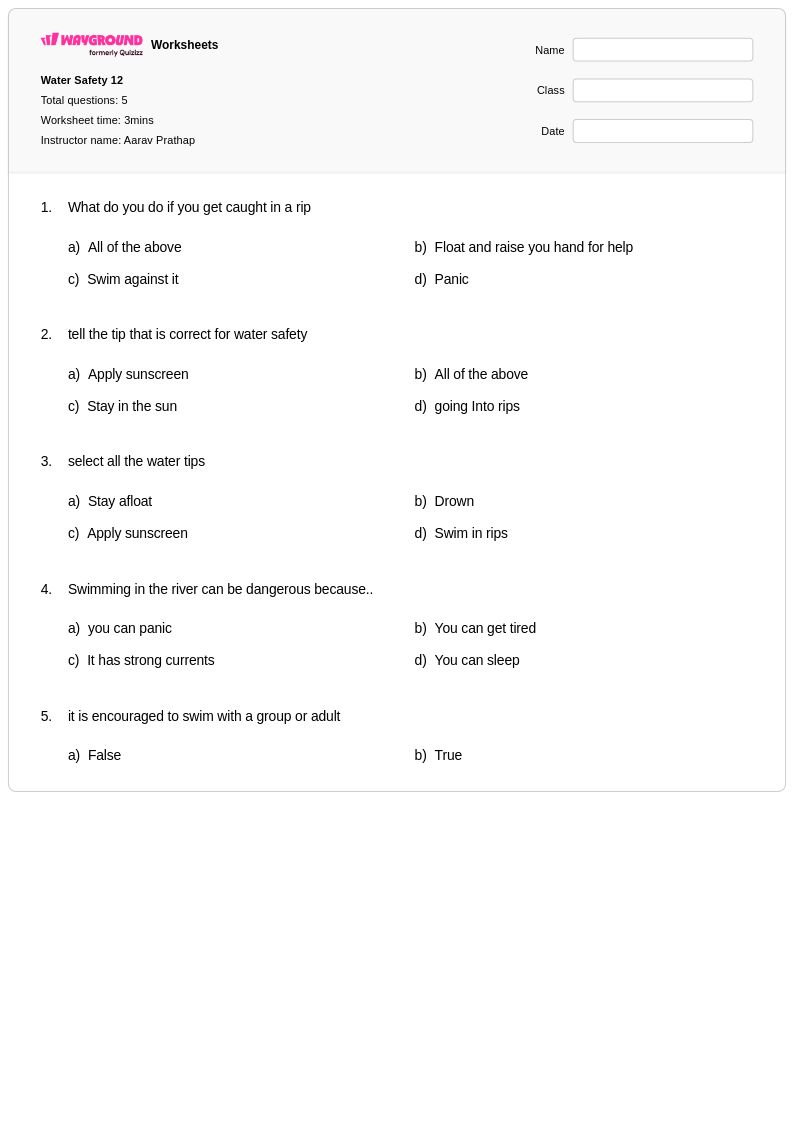
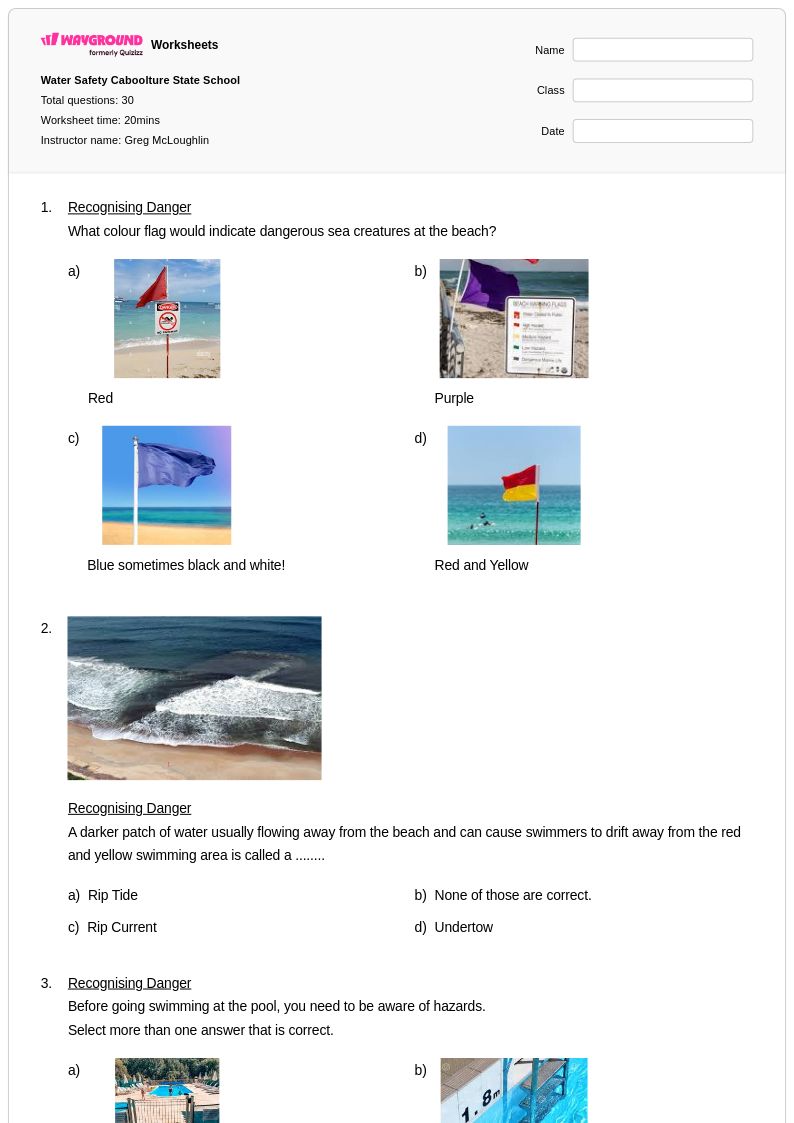
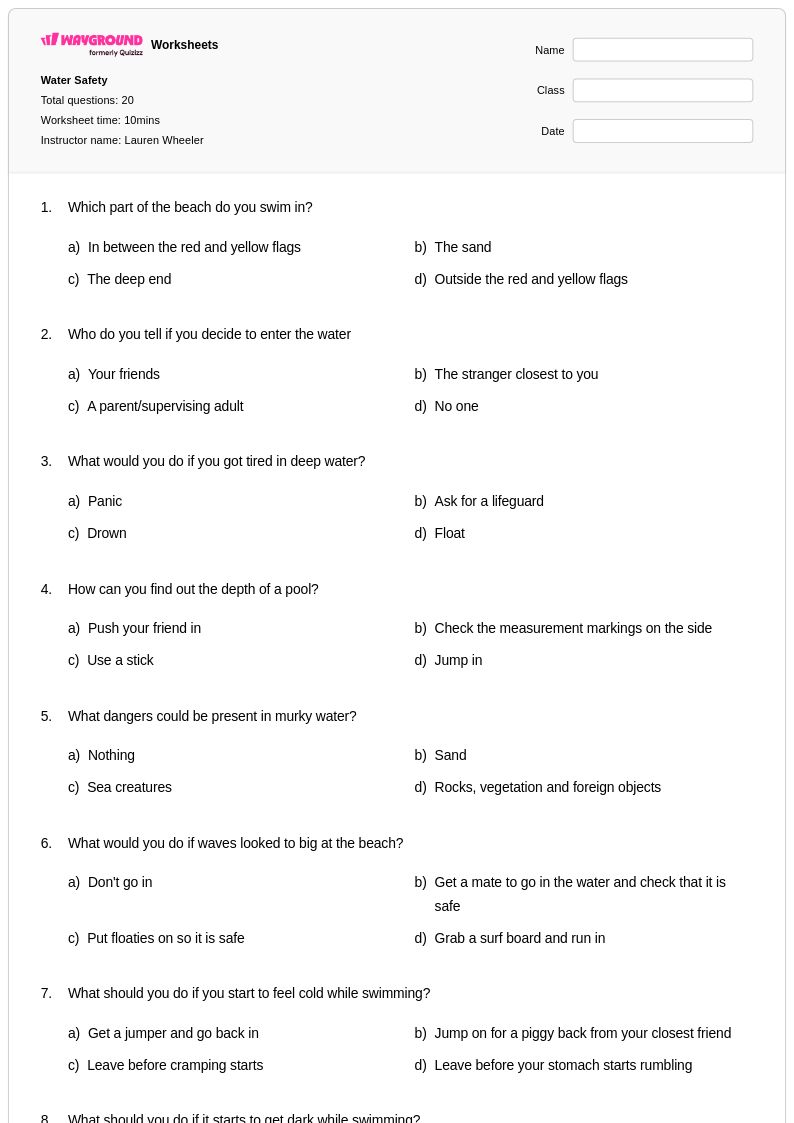
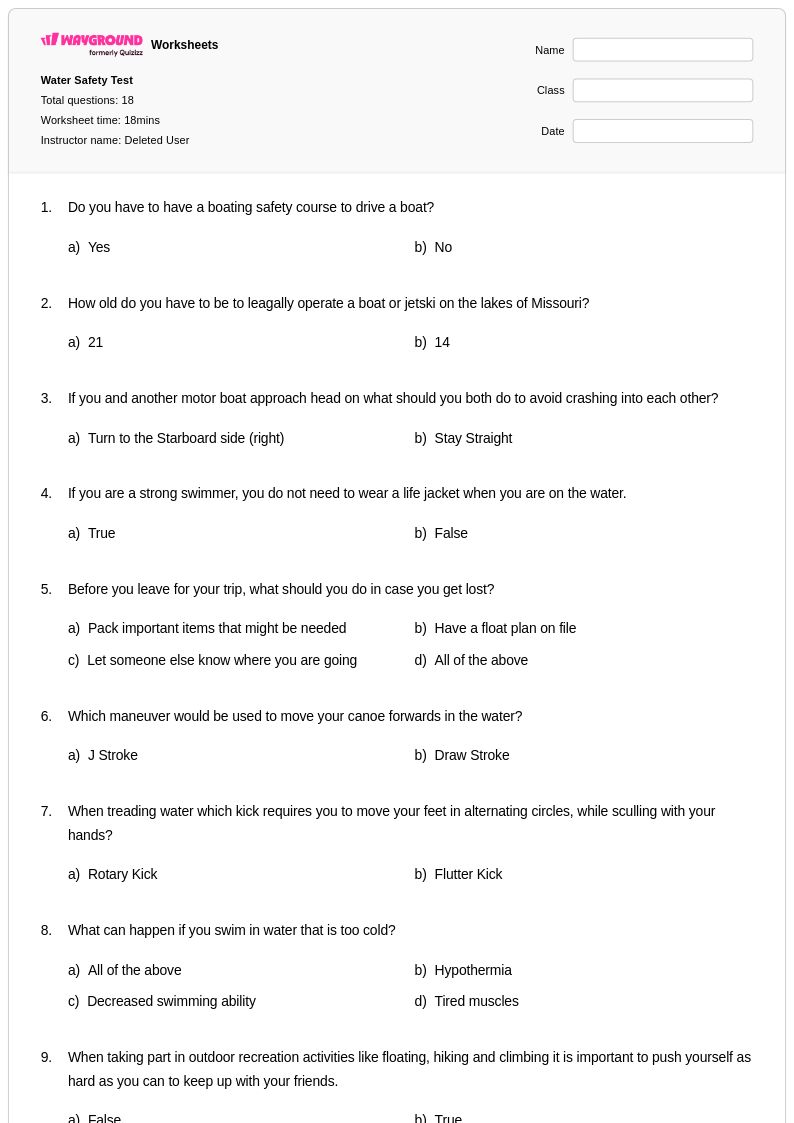
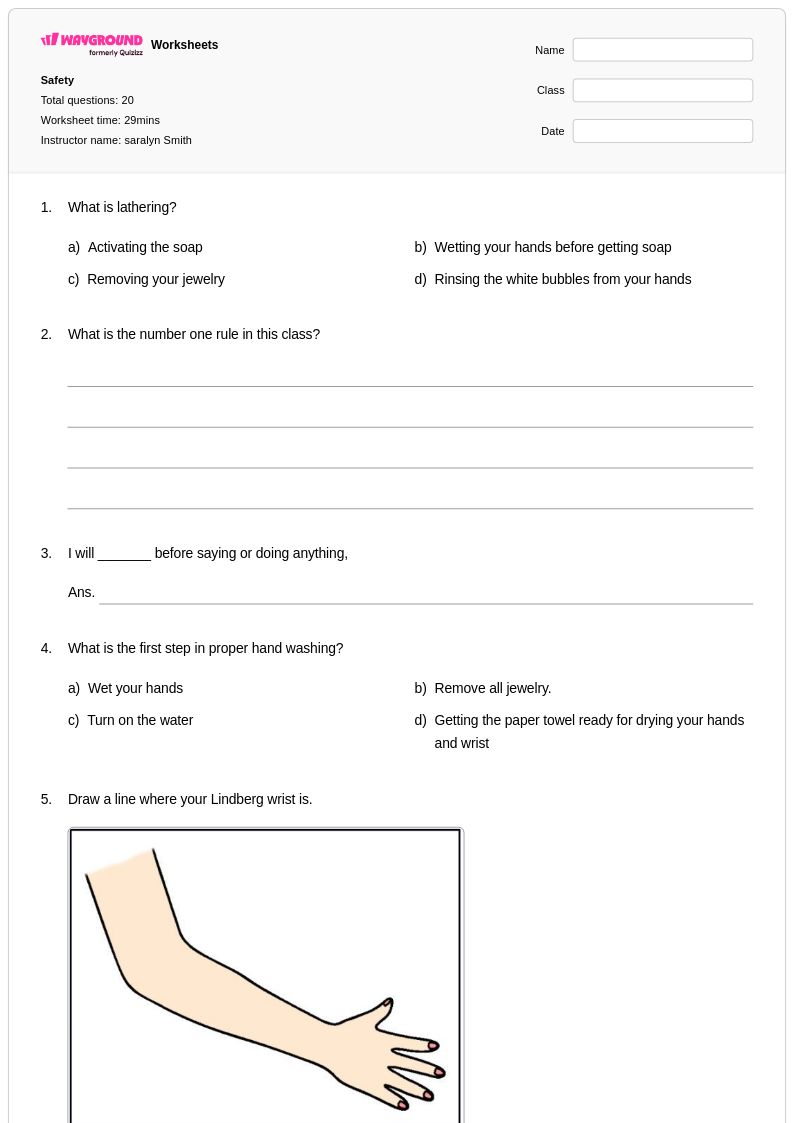
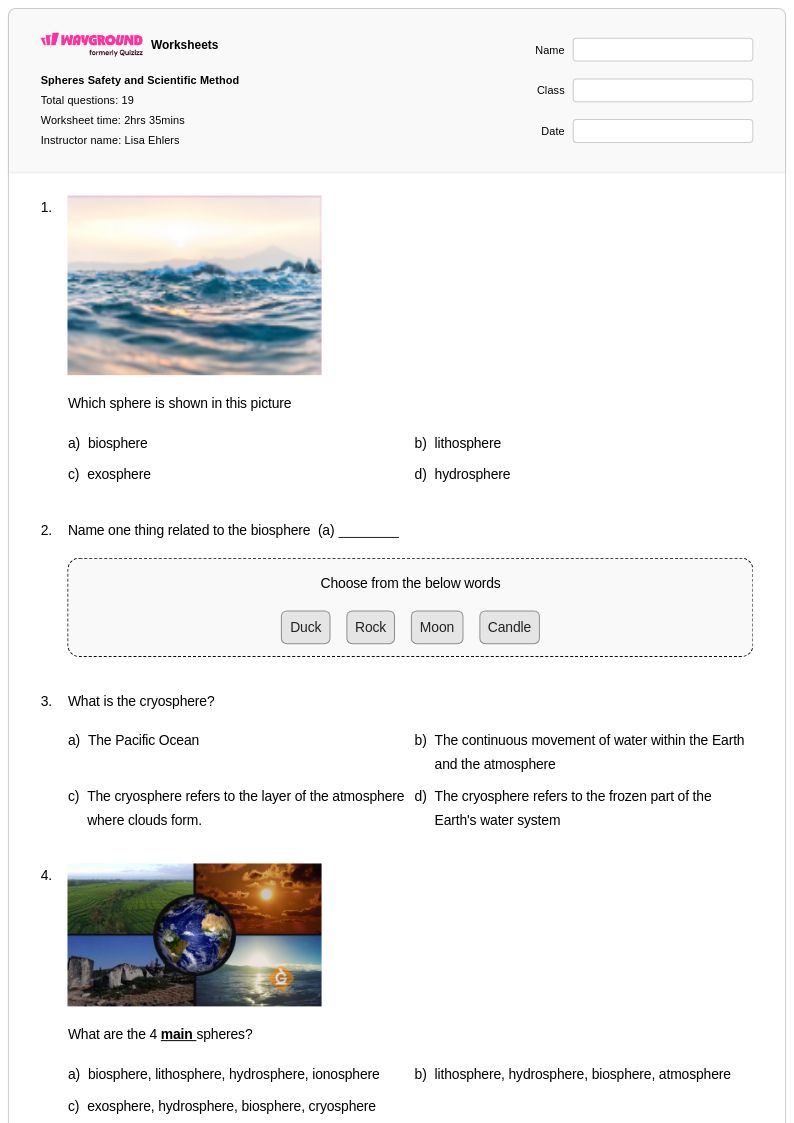
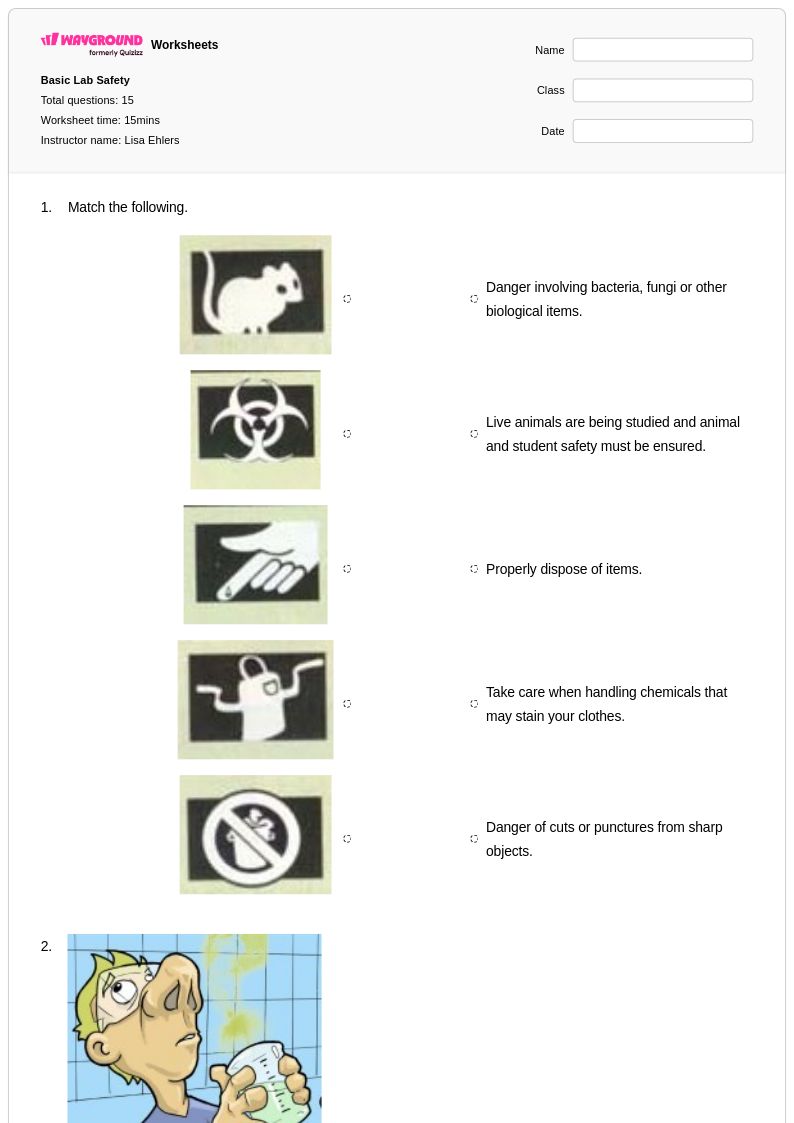
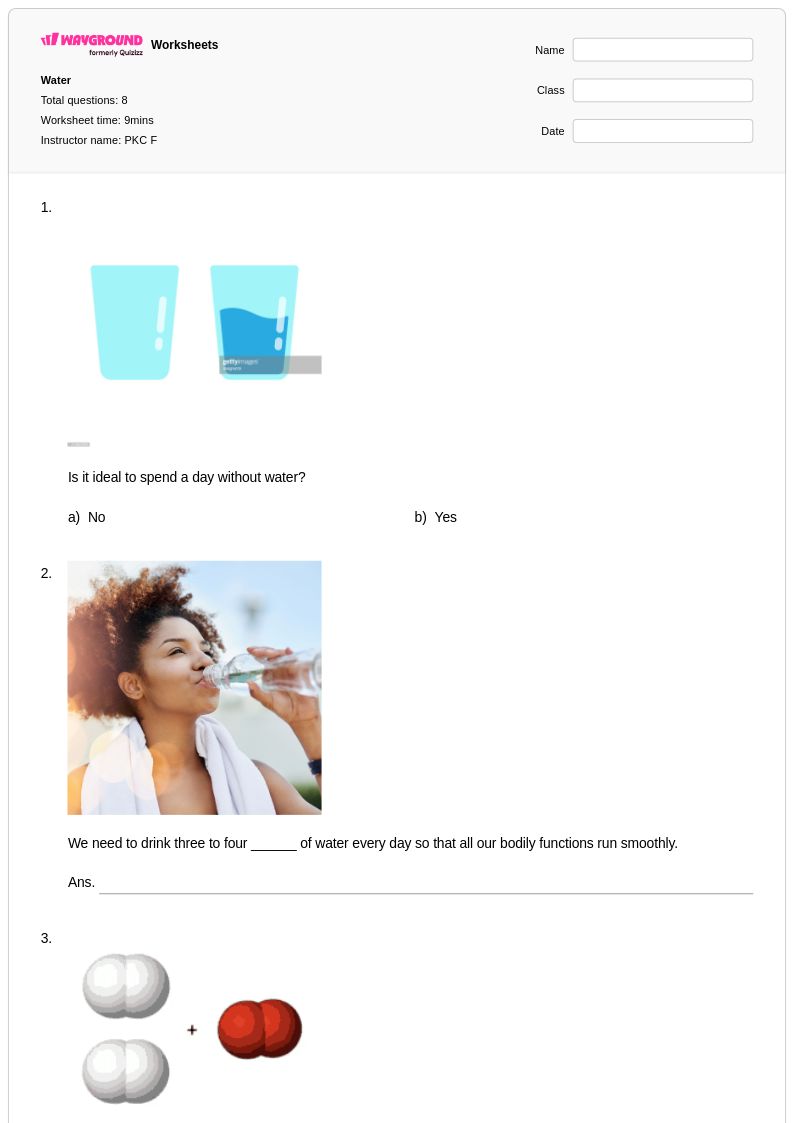
Water safety worksheets for Class 6 students available through Wayground (formerly Quizizz) provide comprehensive educational resources that develop critical life-saving knowledge and safety awareness skills. These expertly designed materials cover essential topics including recognizing water hazards, understanding swimming pool safety rules, identifying appropriate flotation devices, and learning emergency response procedures for aquatic environments. The worksheets strengthen students' ability to assess risks in various water settings, from swimming pools and lakes to ocean environments, while building their understanding of rescue techniques and prevention strategies. Each resource includes detailed answer keys and practice problems that reinforce key concepts, with free printable formats that make classroom implementation seamless and accessible for all learning environments.
Wayground (formerly Quizizz) supports physical education teachers with an extensive collection of millions of teacher-created water safety resources that can be easily searched, filtered, and customized to meet diverse classroom needs. The platform's robust differentiation tools allow educators to modify worksheets for varying skill levels, ensuring that all Class 6 students can engage meaningfully with water safety concepts regardless of their prior knowledge or abilities. Standards-aligned content helps teachers maintain curriculum coherence while addressing specific learning objectives, and the availability of both digital and printable PDF formats provides flexibility for different instructional approaches. These comprehensive resources streamline lesson planning while offering targeted materials for remediation, enrichment, and ongoing skill practice, enabling teachers to create engaging water safety education experiences that prepare students with essential knowledge for safe aquatic activities.
FAQs
How do I teach water safety to students in a classroom setting?
Teaching water safety in a classroom starts with building foundational knowledge around hazard recognition, swimming pool rules, flotation devices, and emergency response procedures before students ever enter the water. Scenario-based learning is especially effective because it asks students to make decisions in realistic situations, which reinforces critical thinking alongside safety knowledge. Pairing classroom instruction with structured worksheets helps students internalize protocols they can apply in real aquatic environments.
What topics should a water safety worksheet cover?
A well-rounded water safety worksheet should address recognizing water hazards, understanding pool safety rules, identifying appropriate flotation devices, and knowing how to respond in emergencies. Scenario-based questions are particularly valuable because they require students to apply judgment rather than simply recall facts. Coverage of both prevention and emergency response ensures students develop a complete picture of aquatic safety.
What exercises help students practice water safety concepts?
Structured worksheets with scenario-based questions are among the most effective tools for practicing water safety, as they simulate decision-making in potentially dangerous situations without requiring students to be near water. Practice problems focused on risk assessment, rule identification, and emergency procedure sequencing reinforce the theoretical knowledge students need before applying it in real settings. These exercises work well as in-class activities, homework assignments, or review materials before hands-on instruction.
What mistakes do students commonly make when learning water safety?
Students frequently underestimate passive water hazards, such as calm-looking open water or unfamiliar pool depths, focusing only on obvious dangers like rough waves. Another common error is confusing the roles of different flotation devices, particularly between life jackets designed for open water and recreational pool floats that offer no certified buoyancy. Students also tend to skip steps in emergency response sequences, which is why structured practice with ordered procedures is critical to building reliable recall.
How can I differentiate water safety instruction for students with varying needs?
Differentiation in water safety instruction can include adjusting the complexity of scenario-based questions, reducing answer choices for students who need lower cognitive load, or providing read-aloud support for students with reading challenges. On Wayground, teachers can apply individual accommodations such as extended time, read aloud, and reduced answer choices to specific students while the rest of the class receives default settings. These accommodations are saved and reusable across future sessions, making it straightforward to support diverse learners consistently.
How do I use Wayground's water safety worksheets in my classroom?
Wayground's water safety worksheets are available as printable PDFs for traditional classroom use and in digital formats for technology-integrated environments, giving teachers flexibility in how they assign and collect student work. Teachers can also host worksheets as a quiz directly on Wayground, enabling real-time student responses and built-in answer key grading. This makes them suitable for in-class instruction, independent practice, homework assignments, or remediation activities depending on where students are in their understanding of aquatic safety.