Free Printable Word Building Worksheets for Class 2
Enhance Class 2 students' word building skills with Wayground's comprehensive collection of free printable worksheets and practice problems, complete with answer keys to support vocabulary development and language learning.
Explore printable Word Building worksheets for Class 2
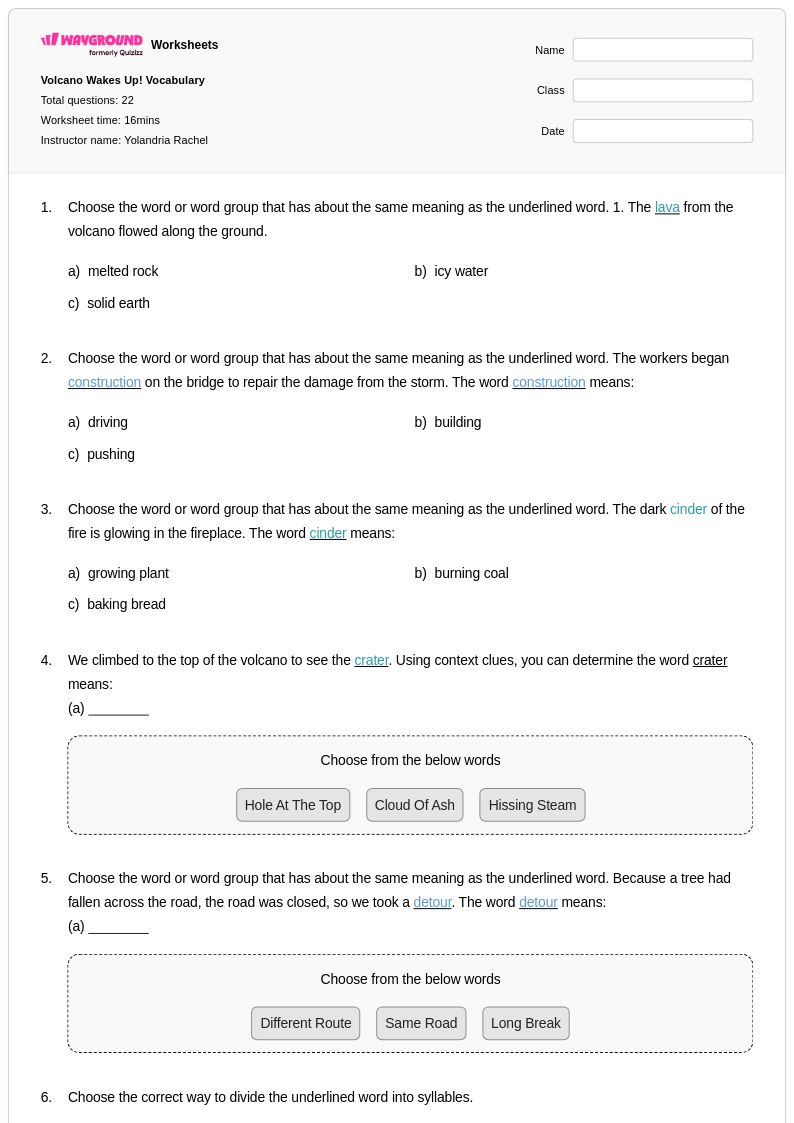
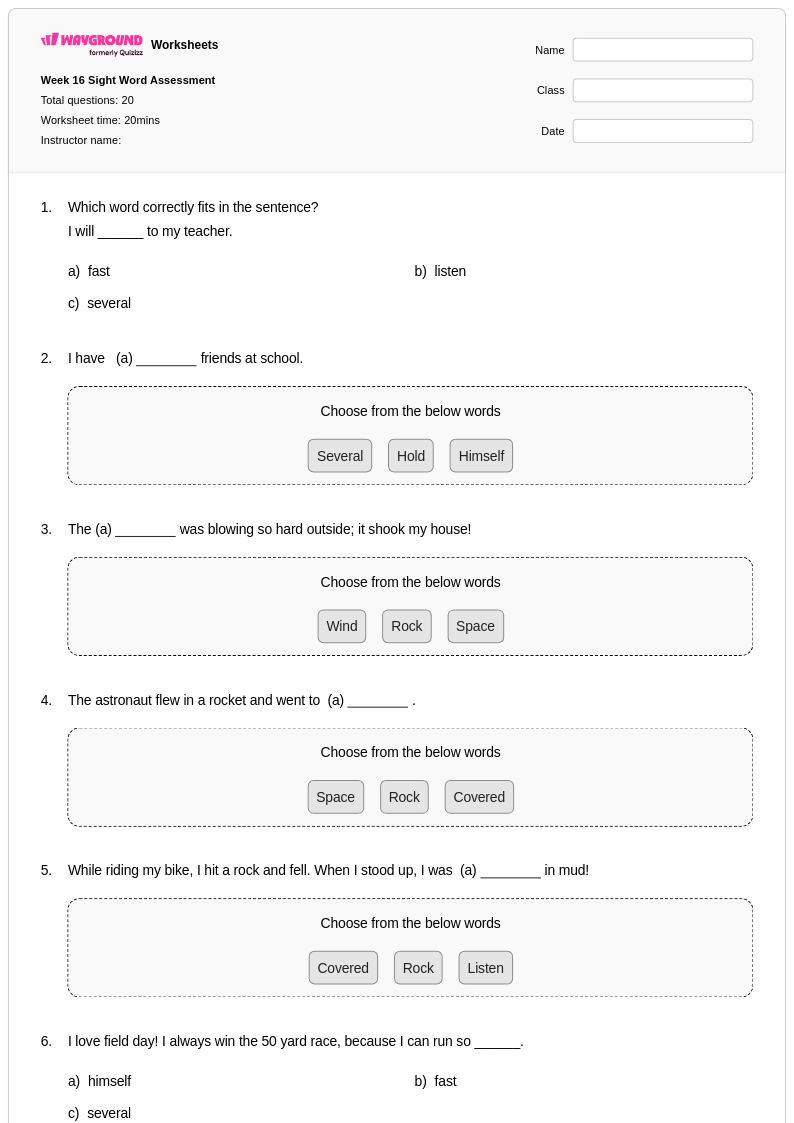
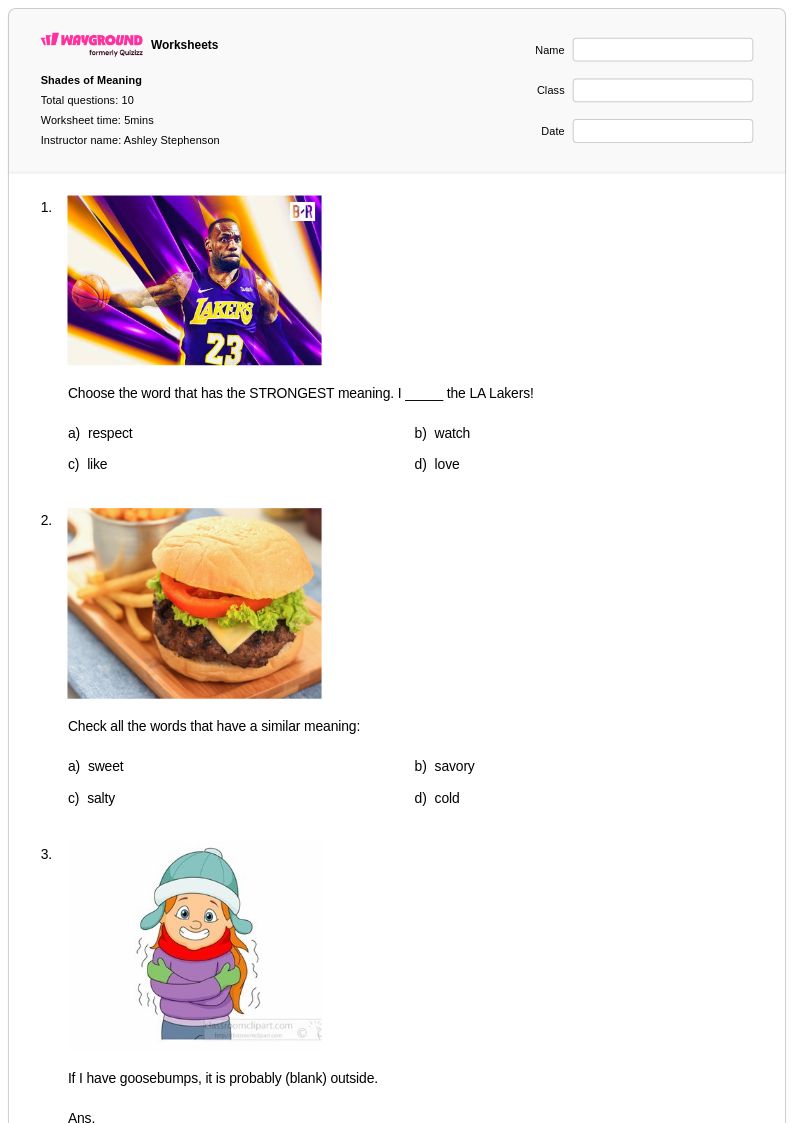
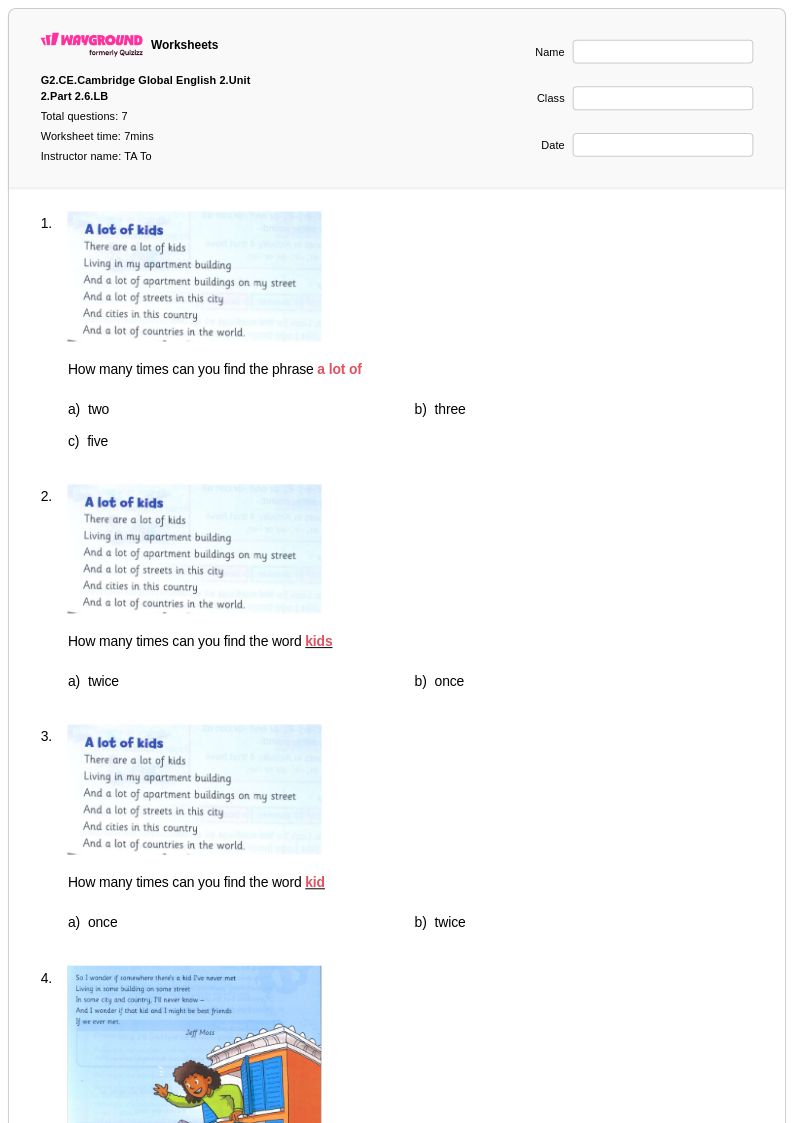
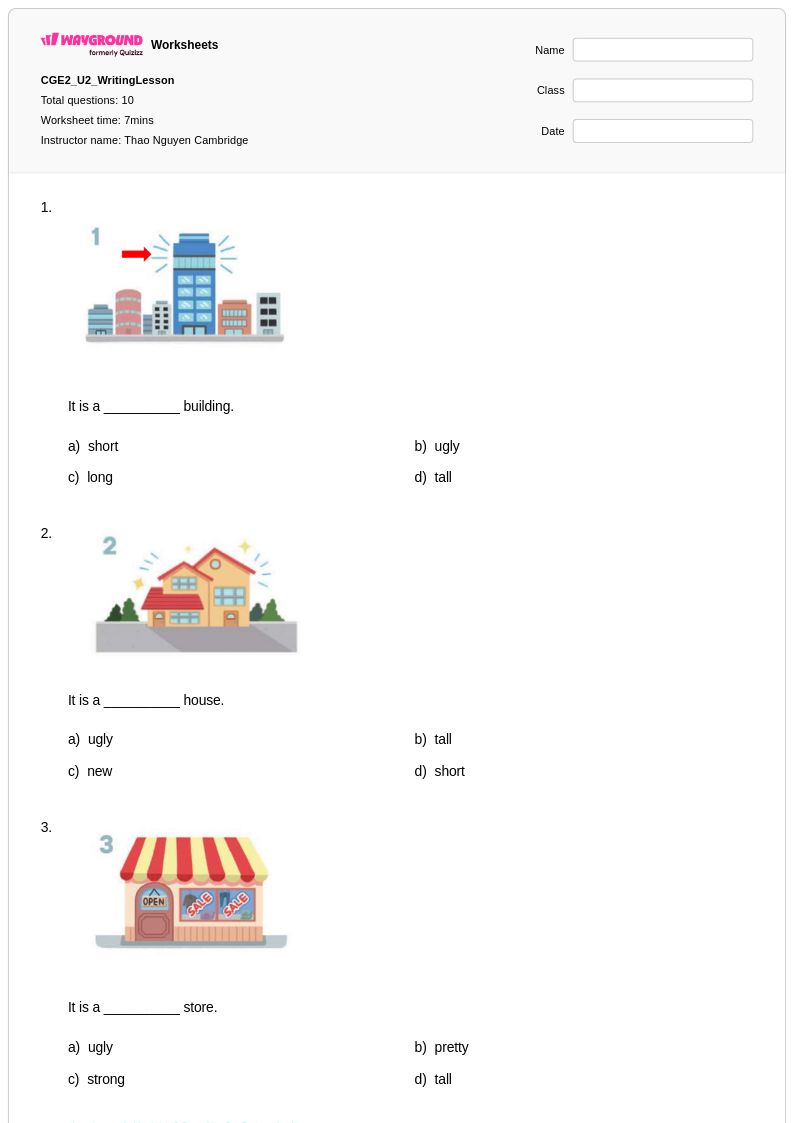
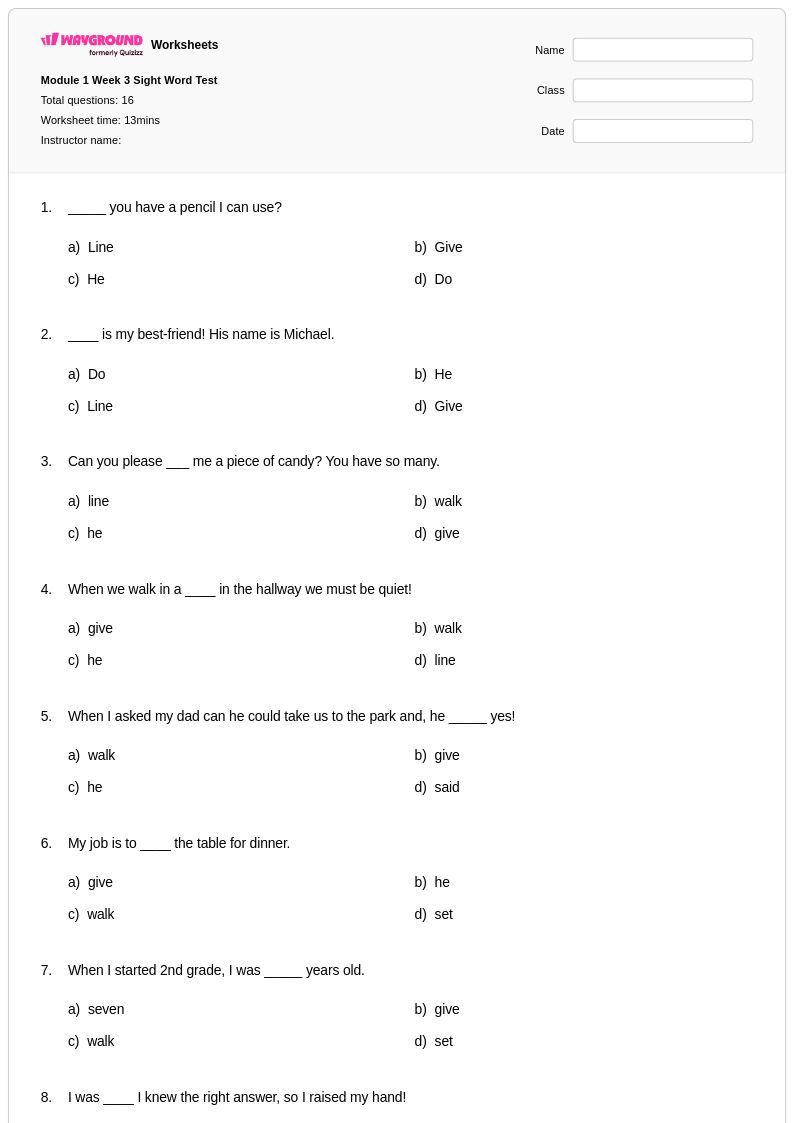
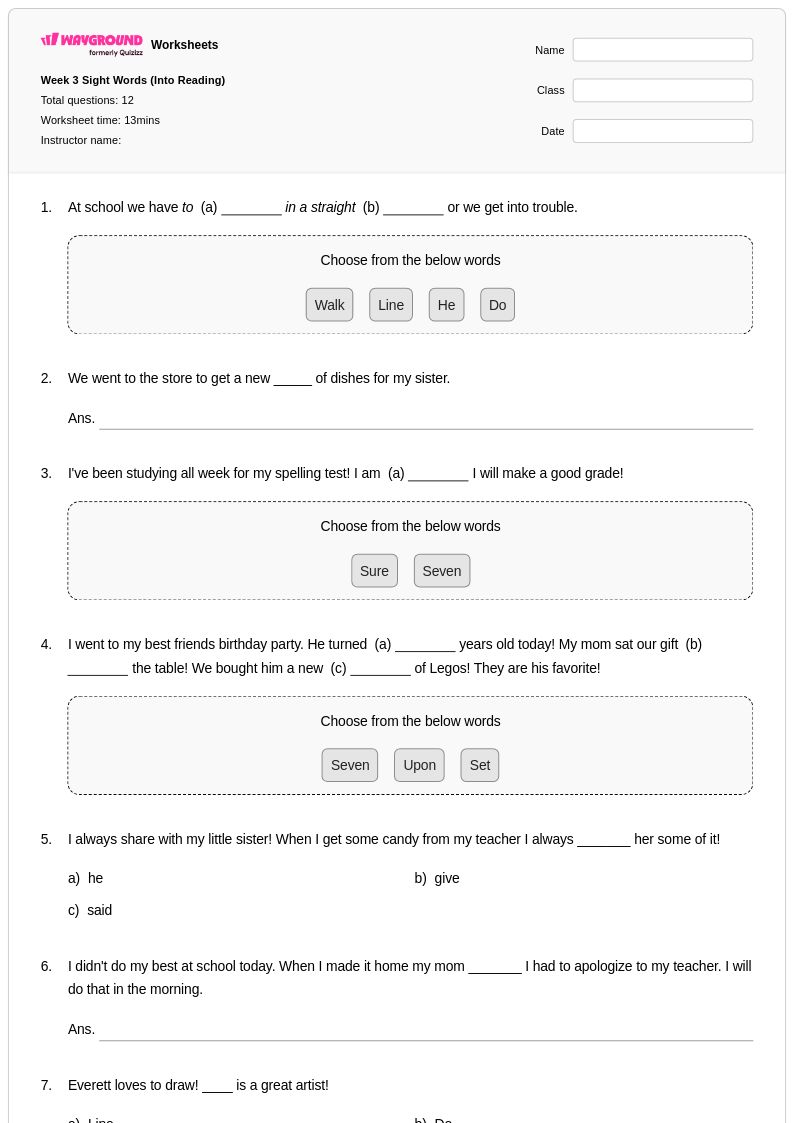
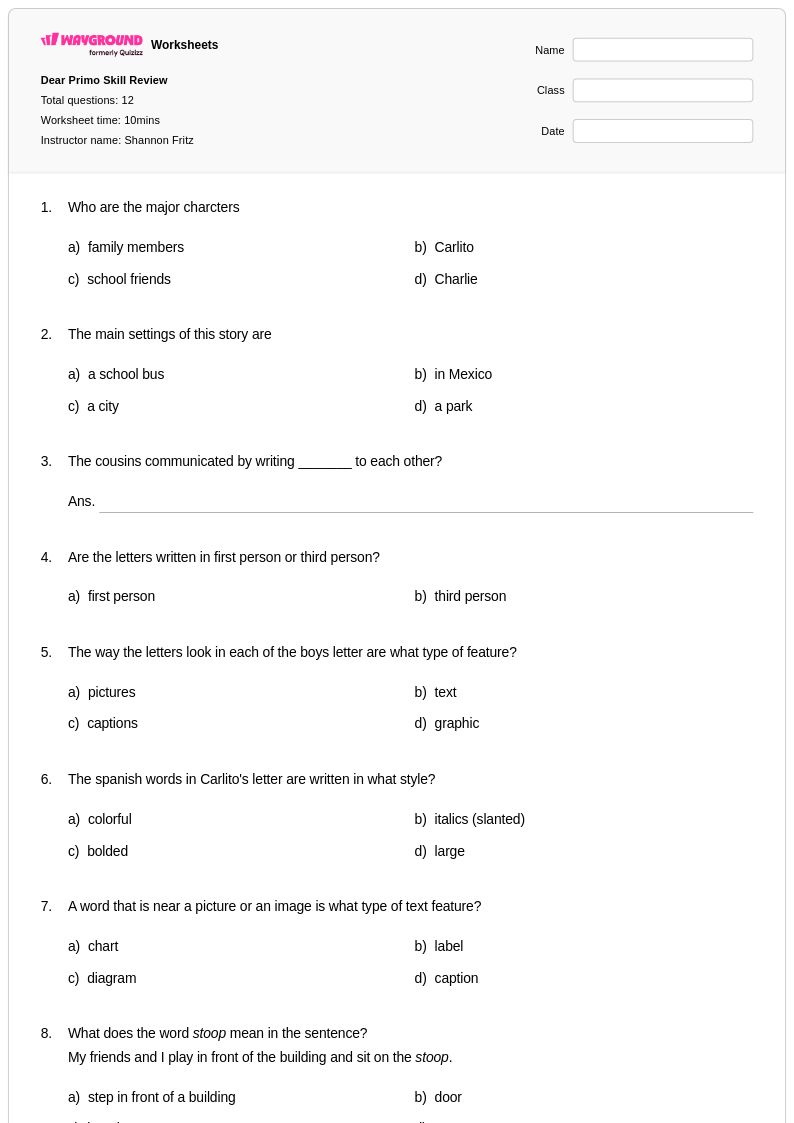
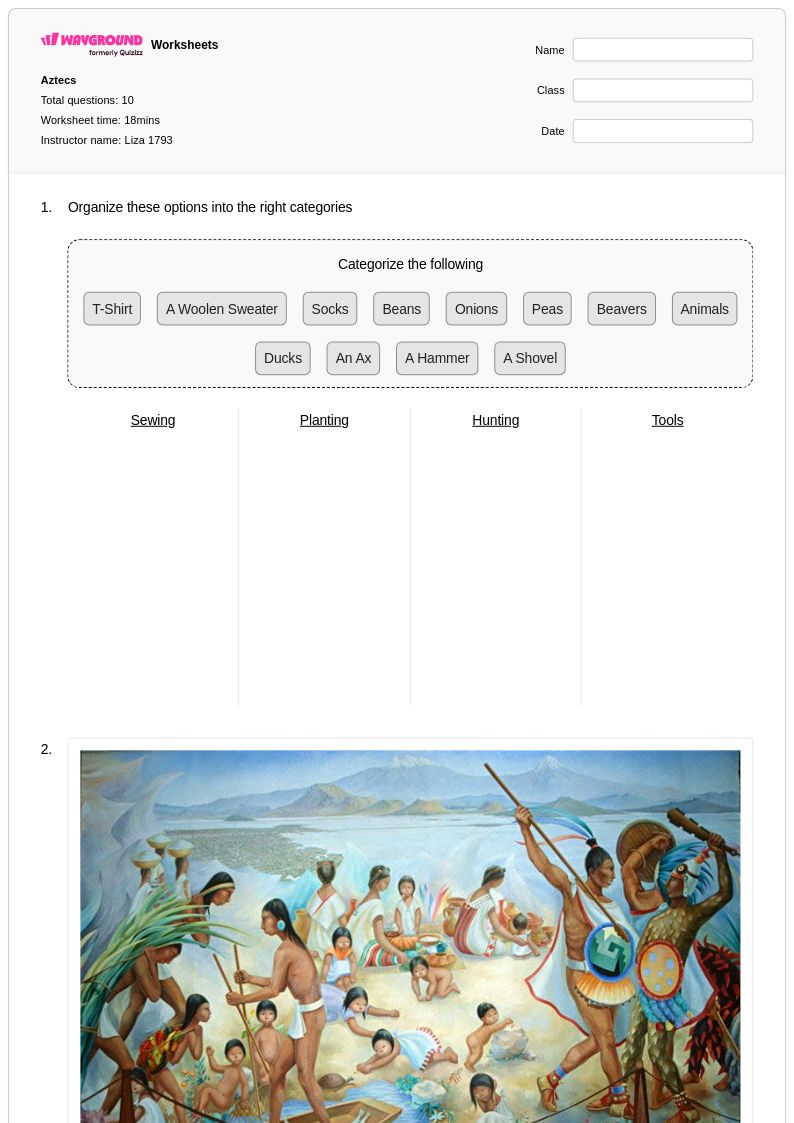
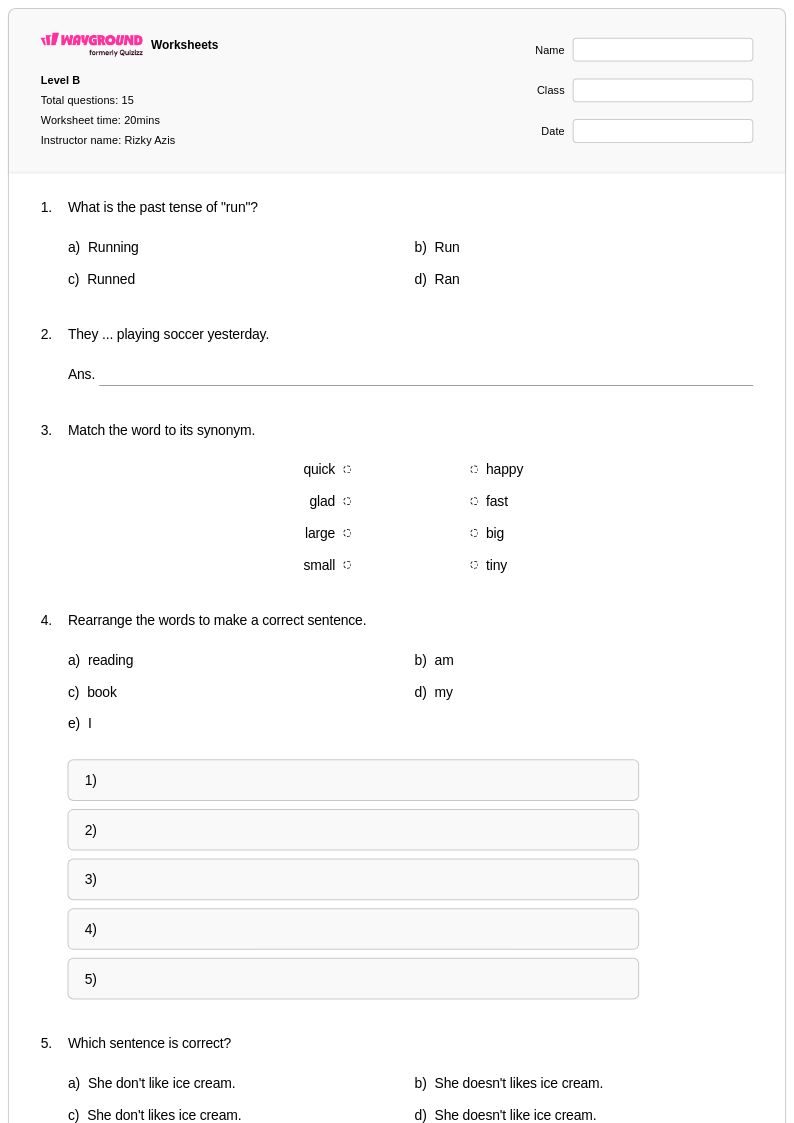
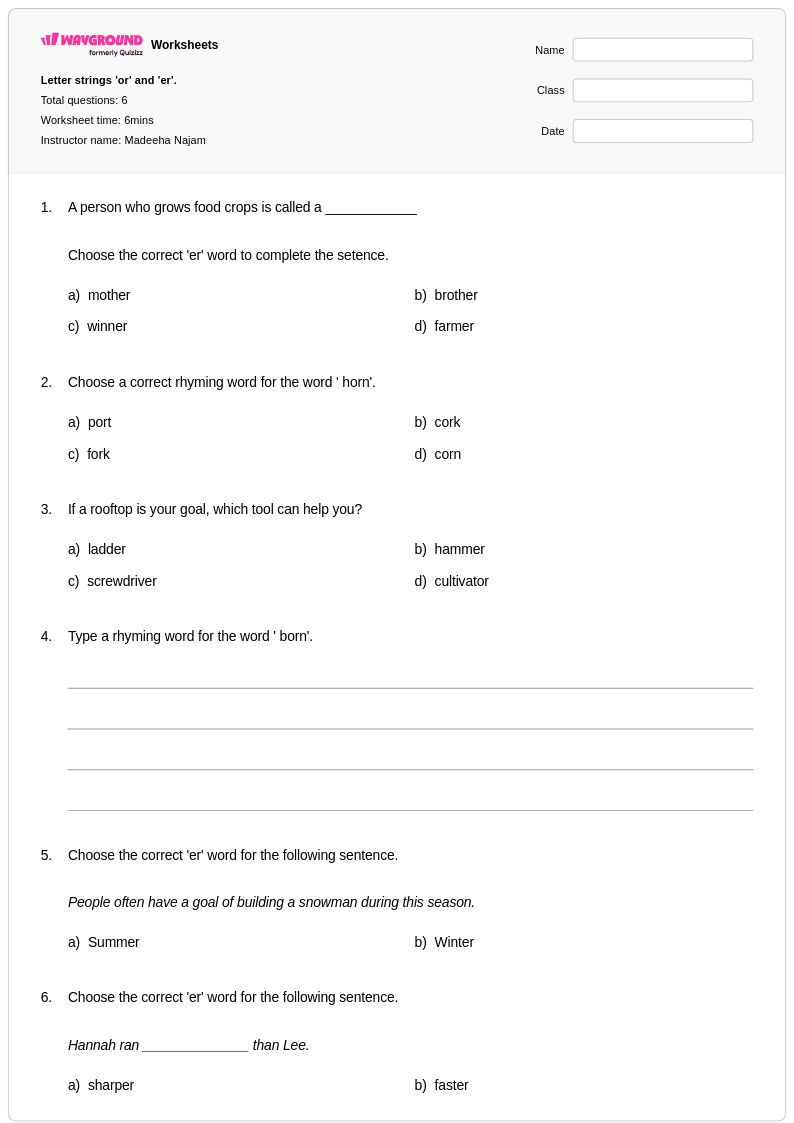
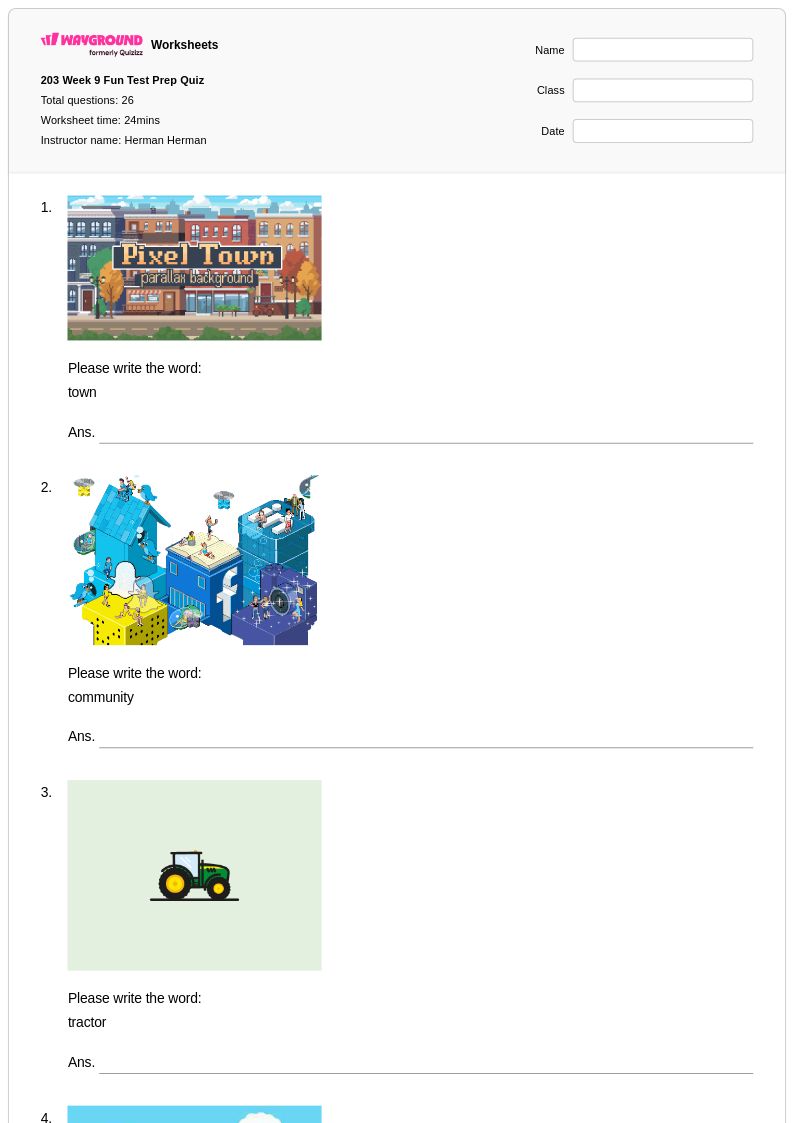
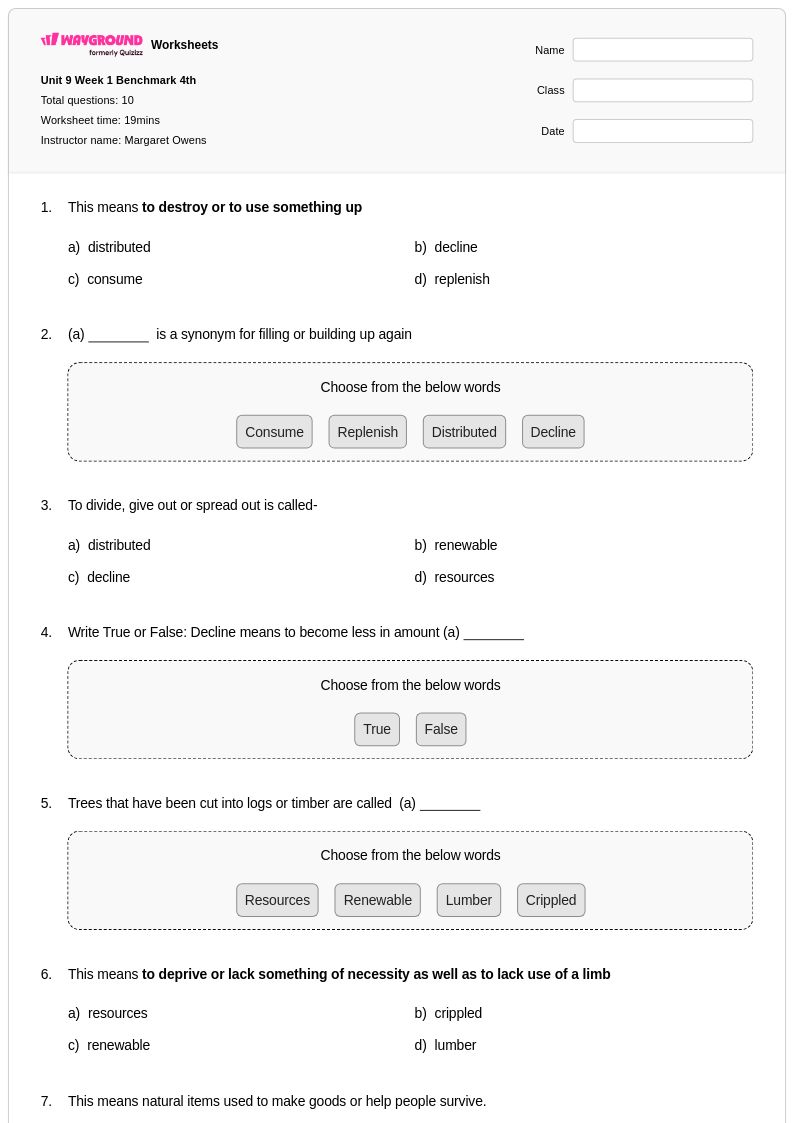
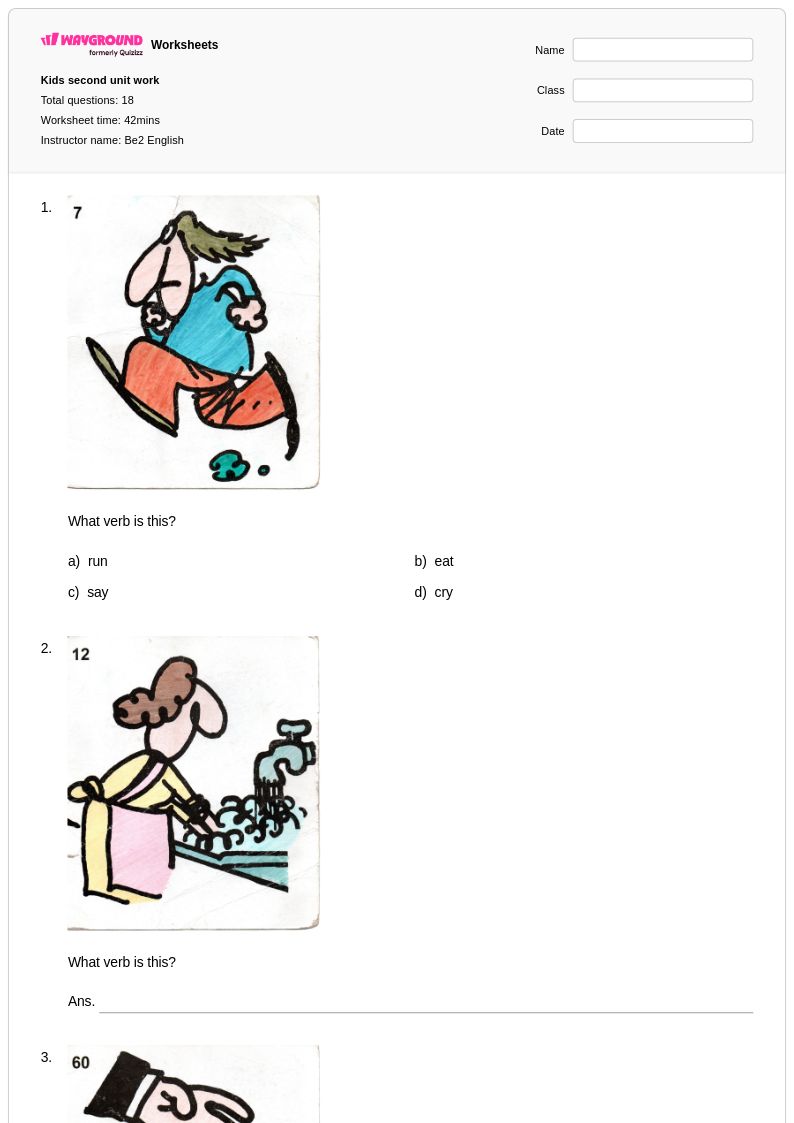
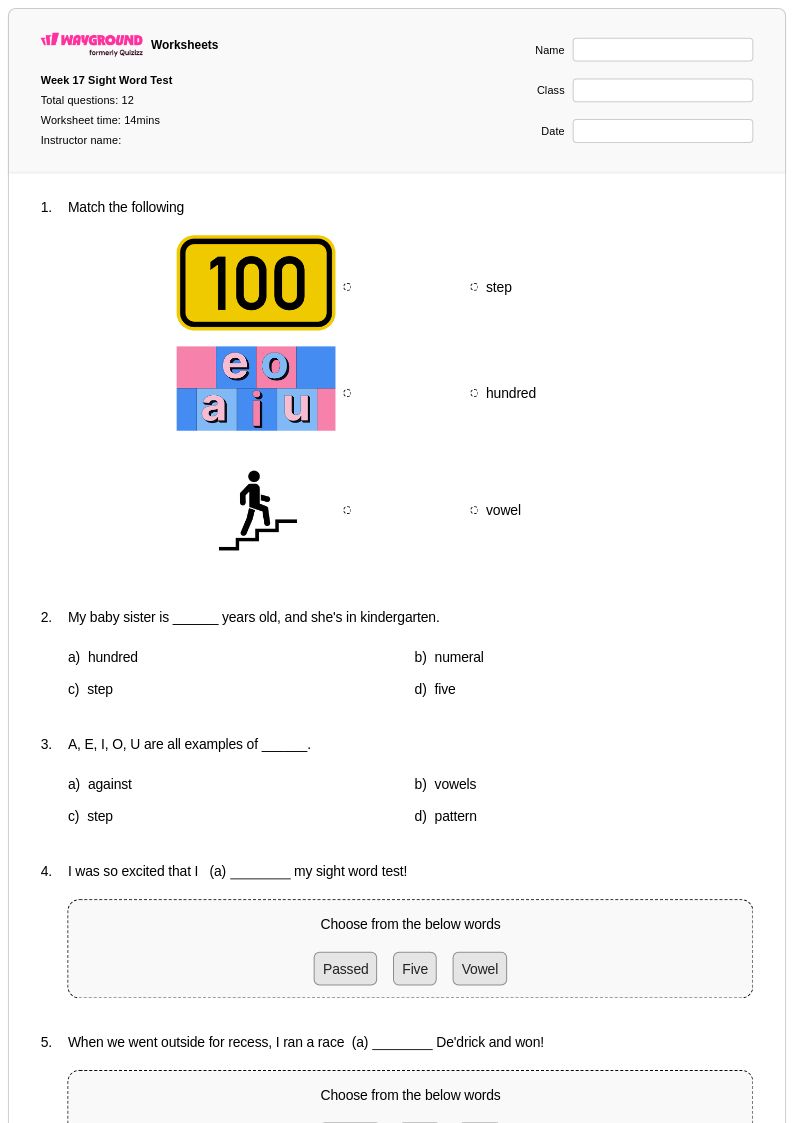
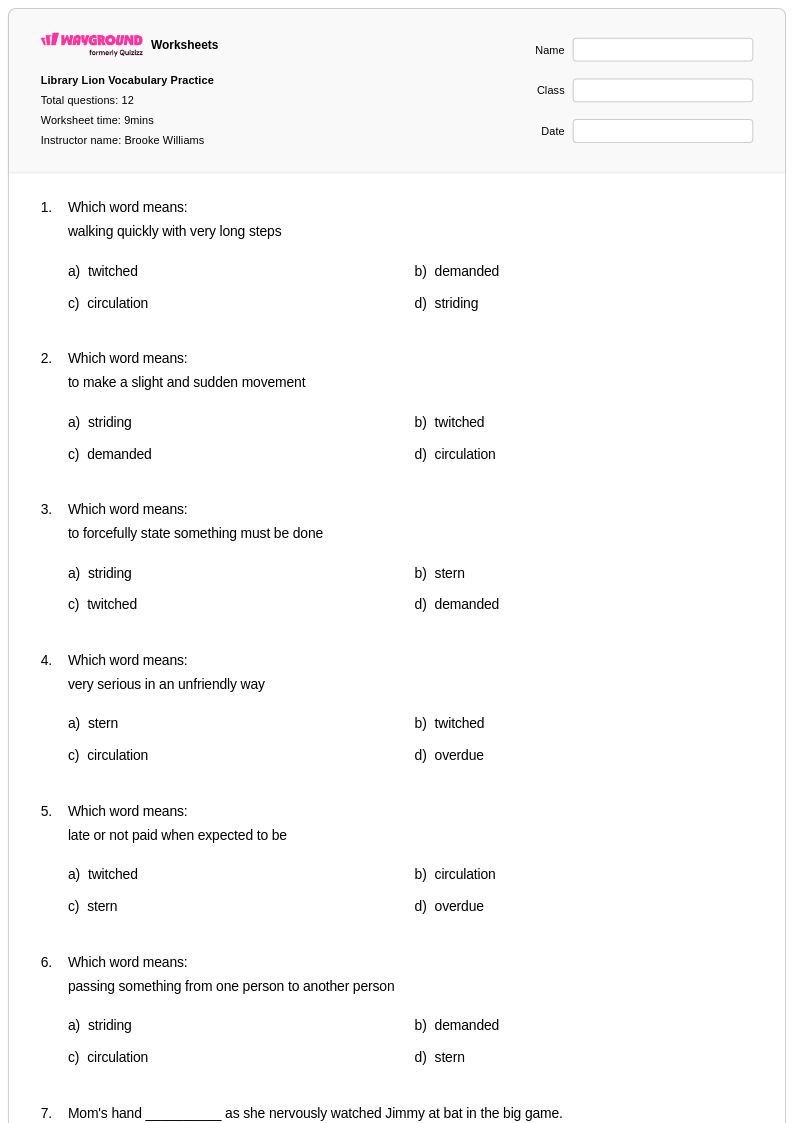
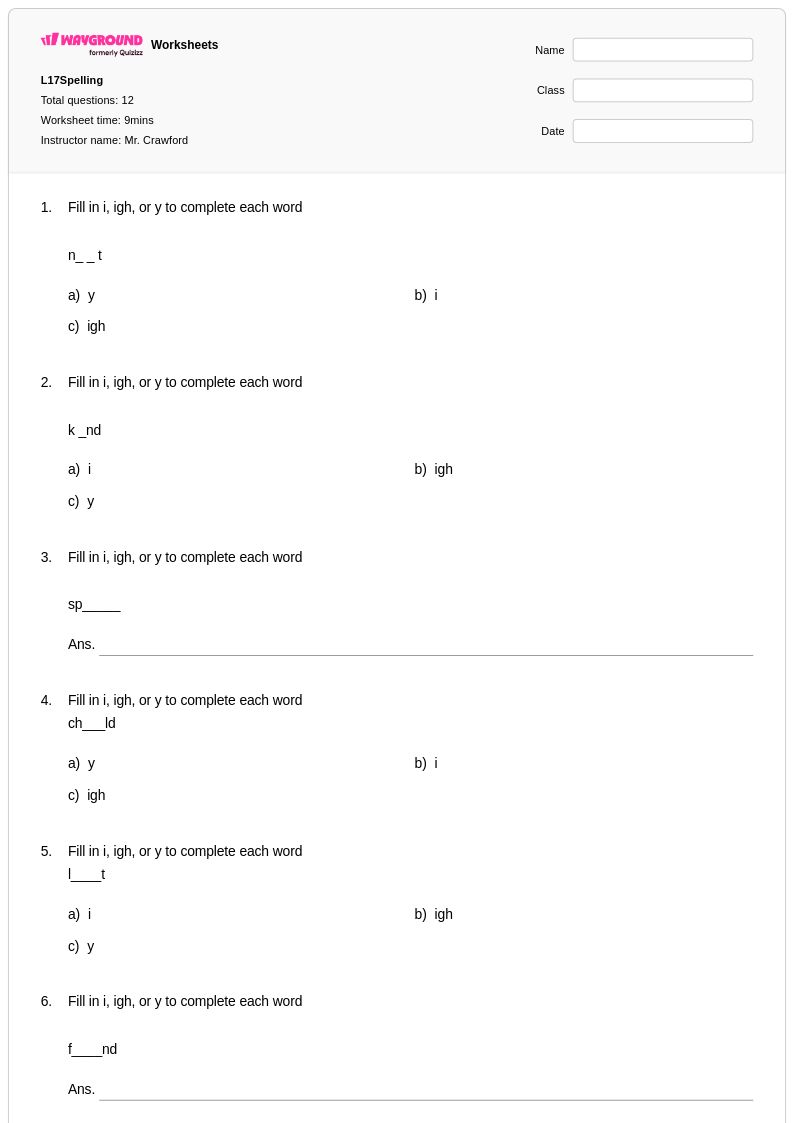
Word building worksheets for Class 2 students available through Wayground (formerly Quizizz) provide essential practice in constructing and deconstructing words to strengthen foundational literacy skills. These comprehensive printables focus on helping second-grade learners develop phonemic awareness, understand letter-sound relationships, and master the systematic formation of words through prefixes, suffixes, and root words. Each worksheet collection includes carefully designed practice problems that guide students through progressive skill development, from simple consonant-vowel-consonant patterns to more complex word families and compound words. Teachers can access free pdf resources complete with detailed answer keys, enabling efficient assessment and targeted instruction that builds students' confidence in reading and spelling while expanding their vocabulary knowledge.
Wayground (formerly Quizizz) empowers educators with millions of teacher-created word building resources specifically designed for Class 2 instruction, featuring robust search and filtering capabilities that align with state and national literacy standards. The platform's differentiation tools allow teachers to customize worksheets based on individual student needs, offering both printable pdf formats for traditional classroom use and digital versions for interactive learning experiences. These comprehensive collections support flexible lesson planning by providing materials suitable for whole-group instruction, small-group remediation, and independent enrichment activities. Teachers can efficiently identify and assign targeted practice materials that address specific phonics patterns, sight word recognition, and morphological awareness, ensuring that every second-grade student receives appropriate scaffolding to develop strong word-building foundations essential for reading fluency and comprehension success.
FAQs
How do I teach word building to students who struggle with vocabulary?
Start with the smallest meaningful units: prefixes, suffixes, and root words. Teach a small set of high-frequency morphemes (such as 'un-', 're-', '-ful', '-less') explicitly before asking students to apply them in context. Once students recognize these patterns reliably, introduce word families so they can see how a single root generates multiple related words. Connecting morphology to reading and writing tasks reinforces retention far more effectively than isolated memorization drills.
What exercises help students practice prefixes, suffixes, and root words?
Effective practice exercises include word-sorting tasks (grouping words by shared prefix or root), fill-in-the-blank sentences that require selecting the correct affix, and word-building chains where students generate new words from a given root. Morphological analysis tasks, where students break an unfamiliar word into its parts and infer its meaning, are especially powerful because they transfer directly to reading comprehension. Combining these exercise types within a single worksheet session gives students repeated exposure from multiple angles.
What mistakes do students commonly make when working with prefixes and suffixes?
The most common error is treating prefixes and suffixes as interchangeable add-ons without understanding how they change meaning or function. Students frequently misidentify root words by splitting at the wrong point (for example, reading 'uncle' as 'un-' + 'cle') or over-applying a rule to words where it does not apply. Another persistent misconception is assuming that adding a suffix never changes the spelling of the base word, which leads to errors like 'runing' instead of 'running'. Targeted practice that presents both correct and incorrect examples helps students self-correct these patterns.
How can I differentiate word building practice for students at different skill levels?
For students at early stages, limit the morpheme bank to three or four high-frequency prefixes and suffixes and use picture supports where possible. More advanced students benefit from etymology-based tasks that trace Latin and Greek roots across subject areas, deepening both vocabulary and content knowledge. On Wayground, teachers can apply individual accommodations such as read-aloud support, reduced answer choices, and extended time to specific students, so the same digital worksheet session can serve the whole class while each student works at an appropriate challenge level.
How do I use Wayground's word building worksheets in my classroom?
Wayground's word building worksheets are available as printable PDFs for traditional classroom or homework use and in digital formats for technology-integrated instruction. Teachers can host any worksheet as a live quiz on Wayground, making it easy to assign to the whole class, a small group, or individual students. The included answer keys support both independent student review and efficient teacher grading, and digital sessions can be configured with student-level accommodations such as read-aloud or extended time directly from the session settings page.
How does teaching word building improve reading comprehension?
When students recognize morphological patterns, they can break down unfamiliar words encountered in any subject area rather than stopping at every unknown term. Research consistently shows that morphological awareness is one of the strongest predictors of reading comprehension growth in the upper elementary and middle school years. Students who understand that 'bio-' means life, for example, can decode 'biography', 'biology', and 'biodegradable' without prior exposure to each word individually, which accelerates both fluency and content learning.