
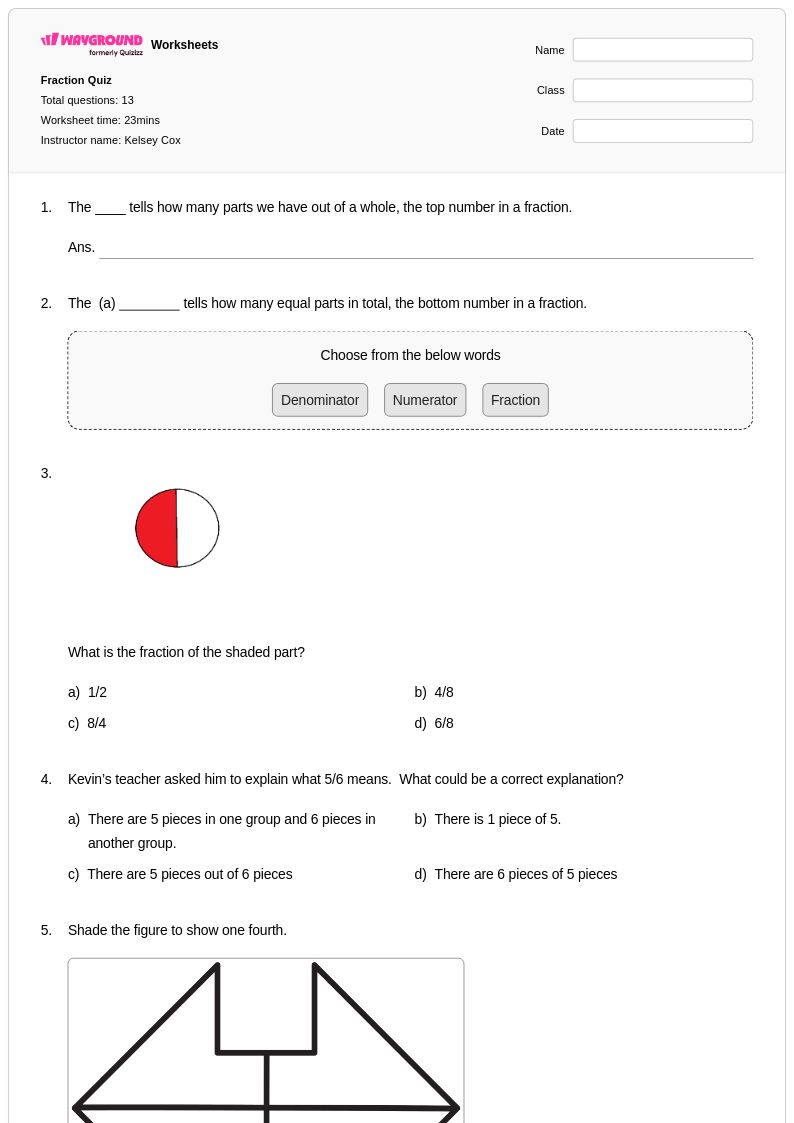
13 Q
3rd
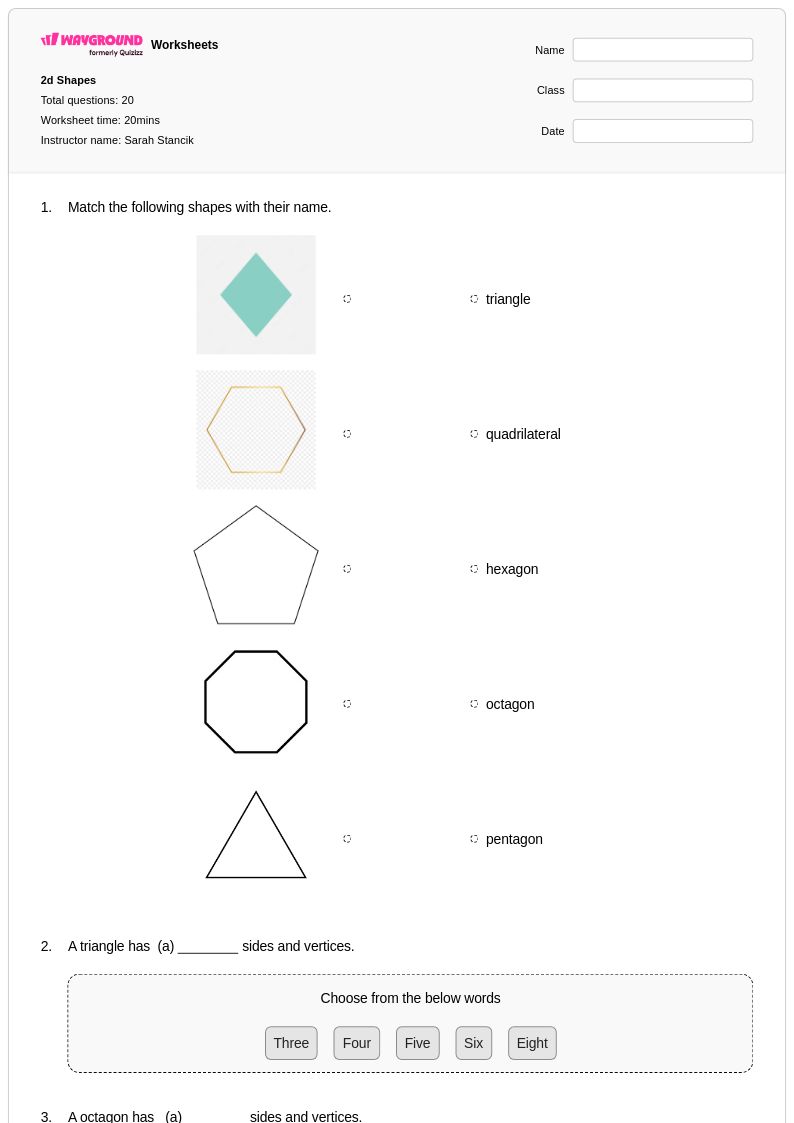
20 Q
3rd
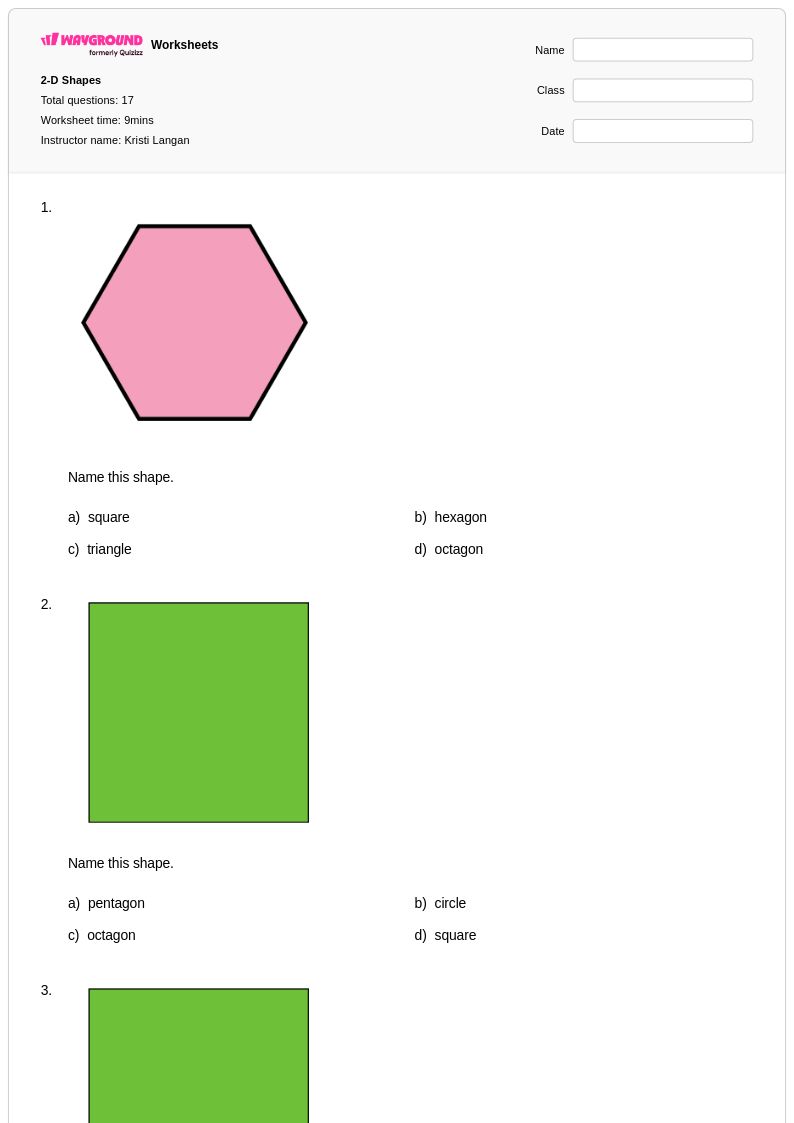
17 Q
1st - 3rd
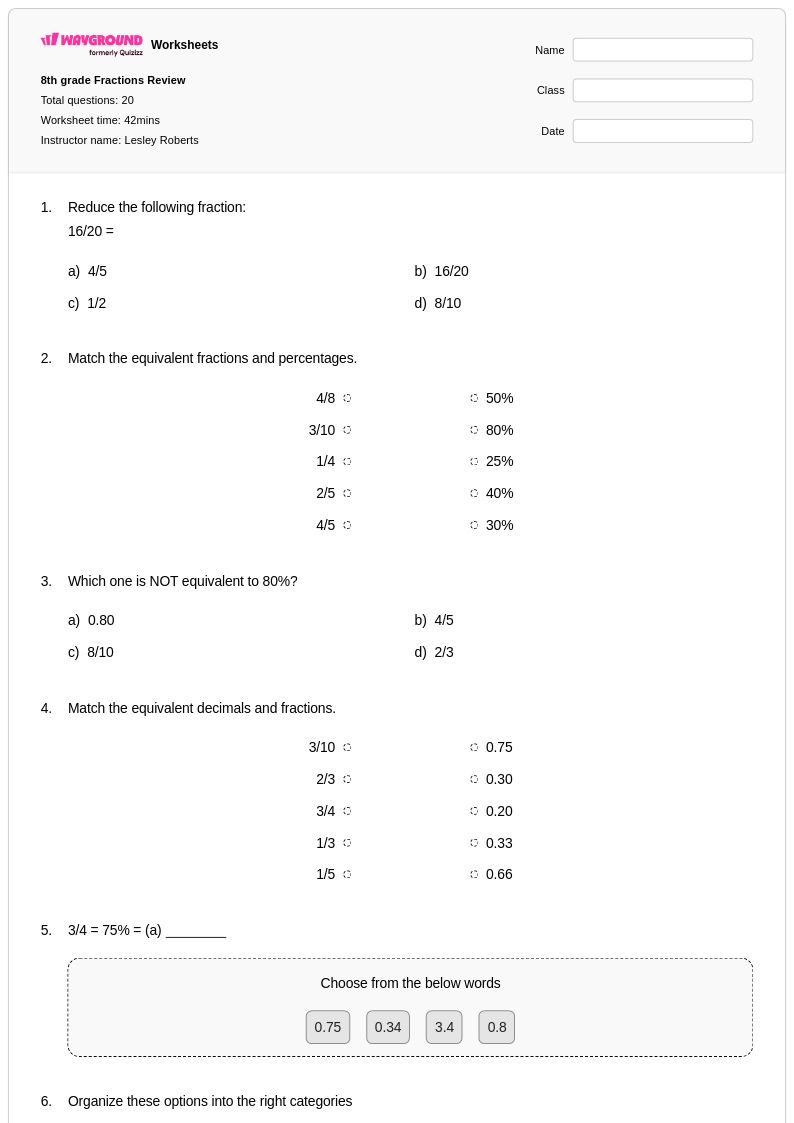
20 Q
8th
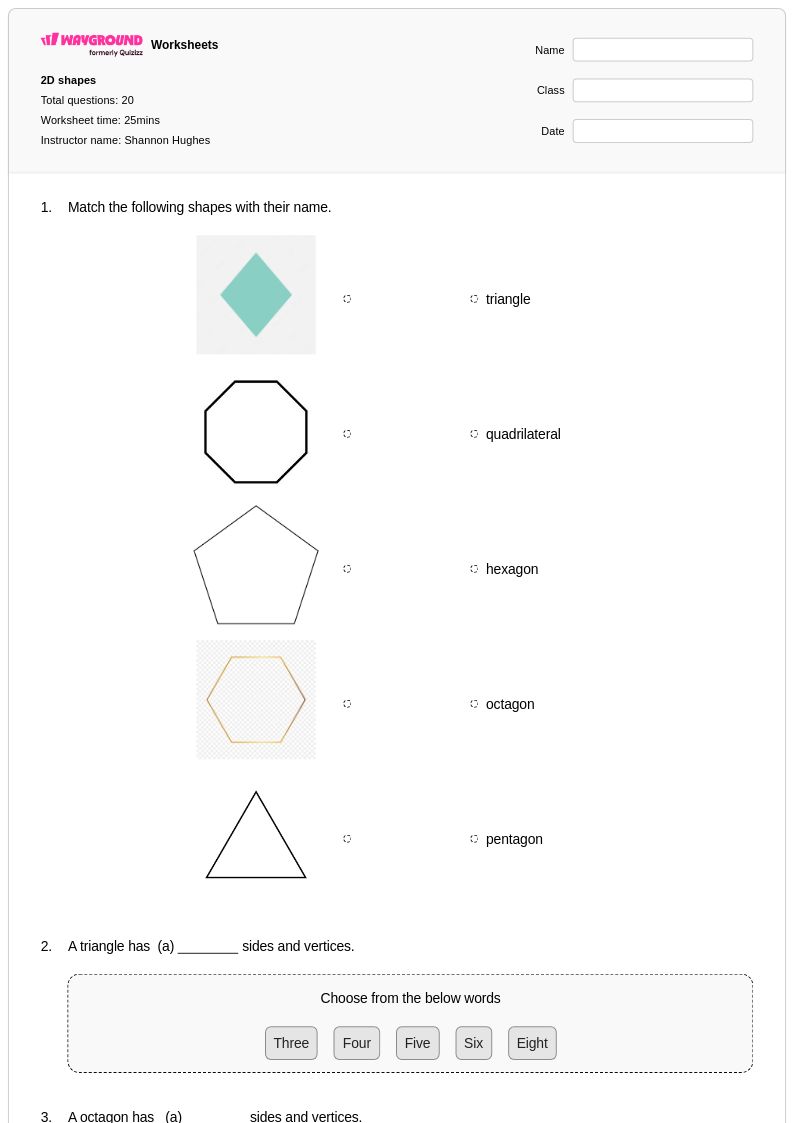
20 Q
2nd
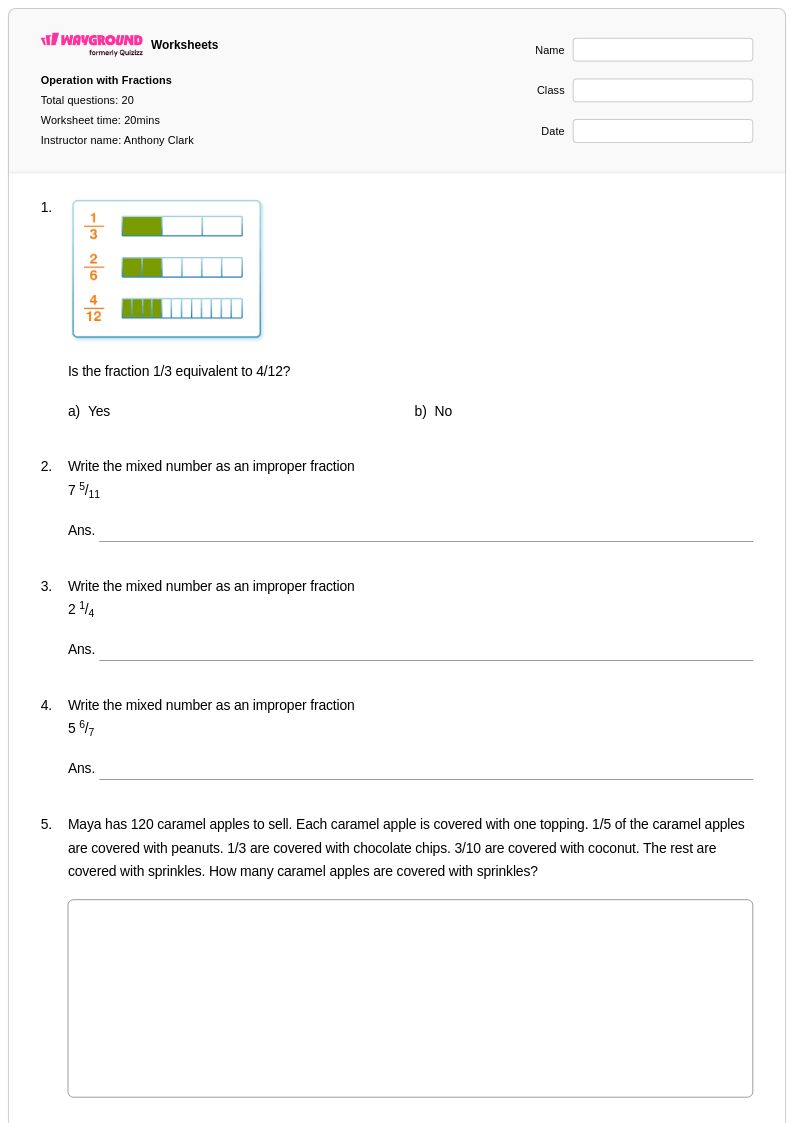
20 Q
5th - Uni
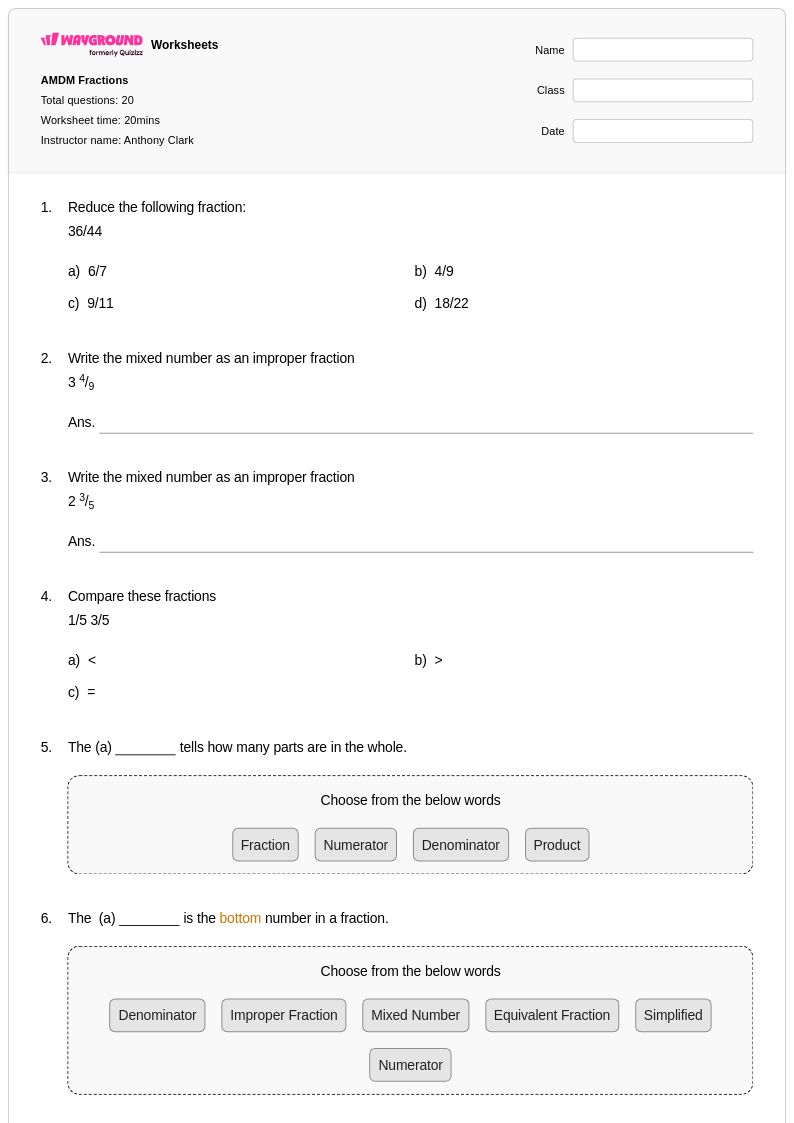
20 Q
4th - Uni
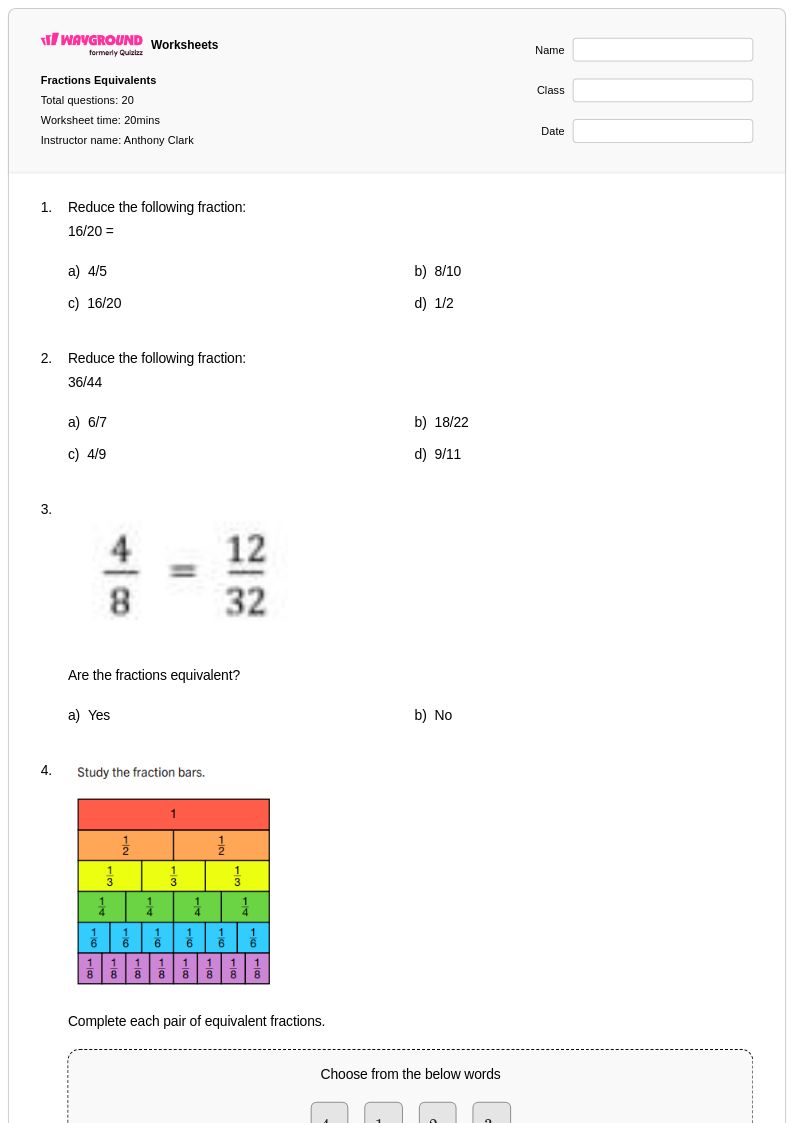
20 Q
4th - Uni
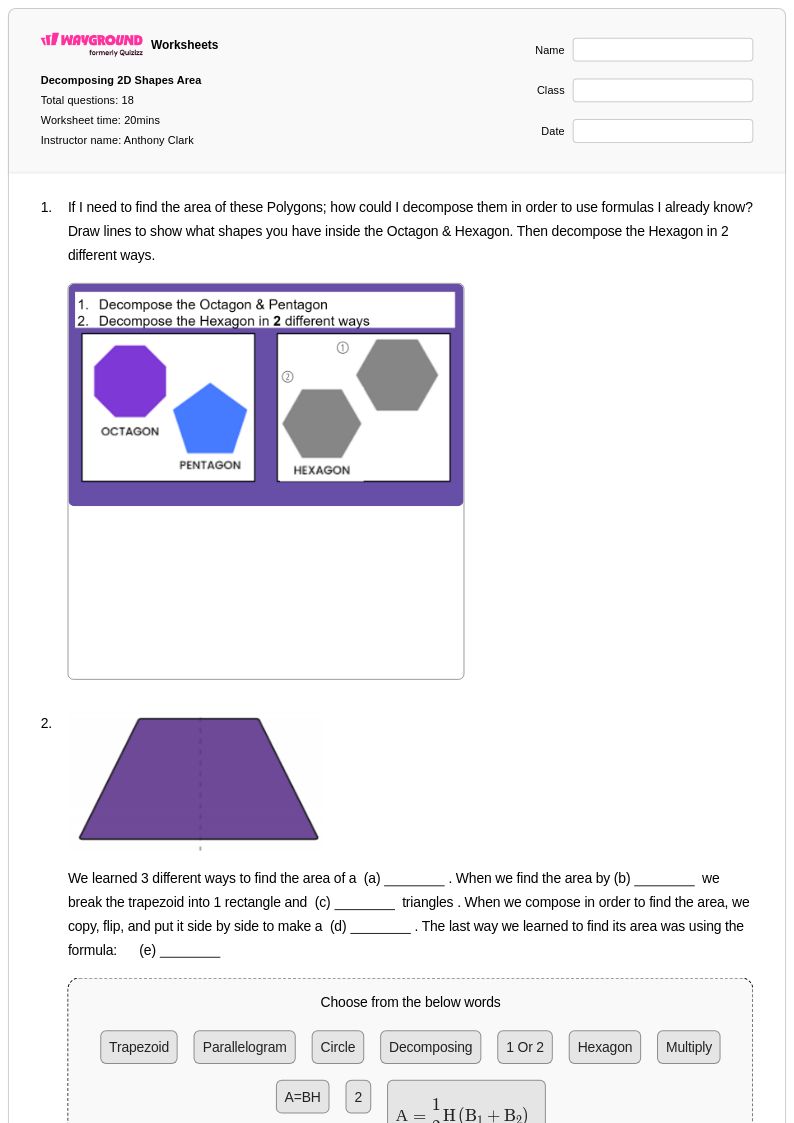
20 Q
6th - Uni
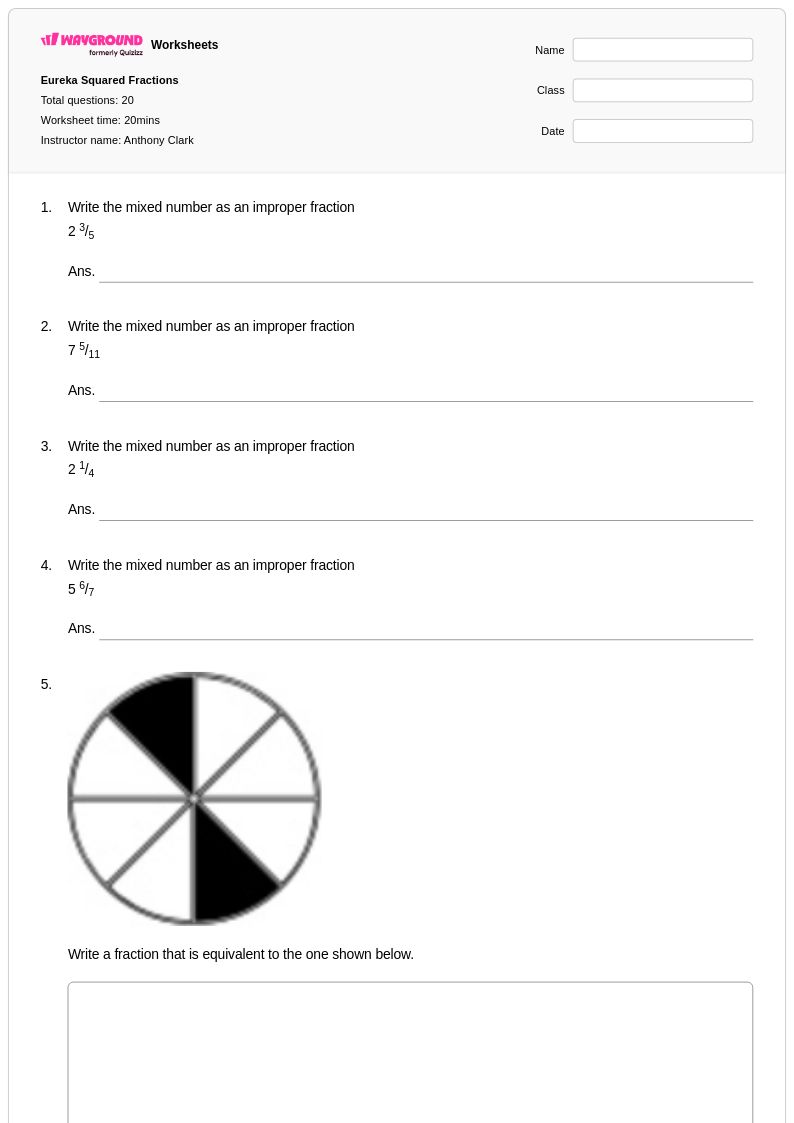
20 Q
4th - Uni
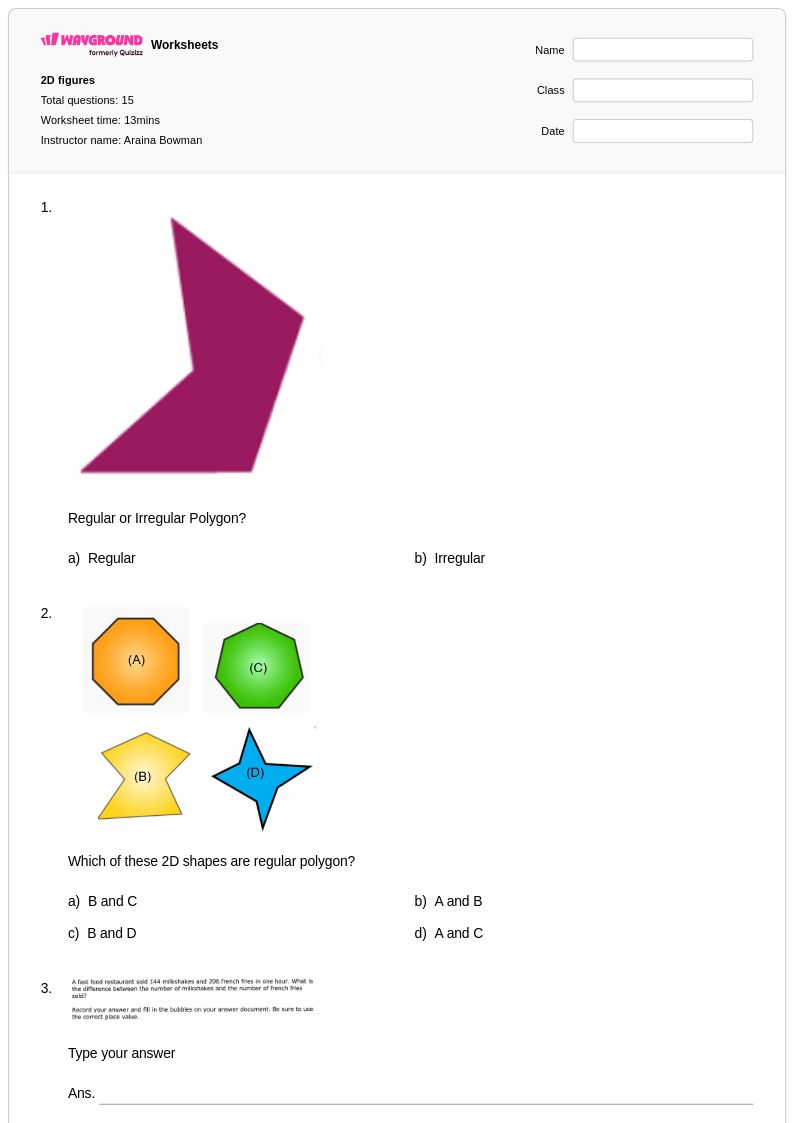
15 Q
2nd
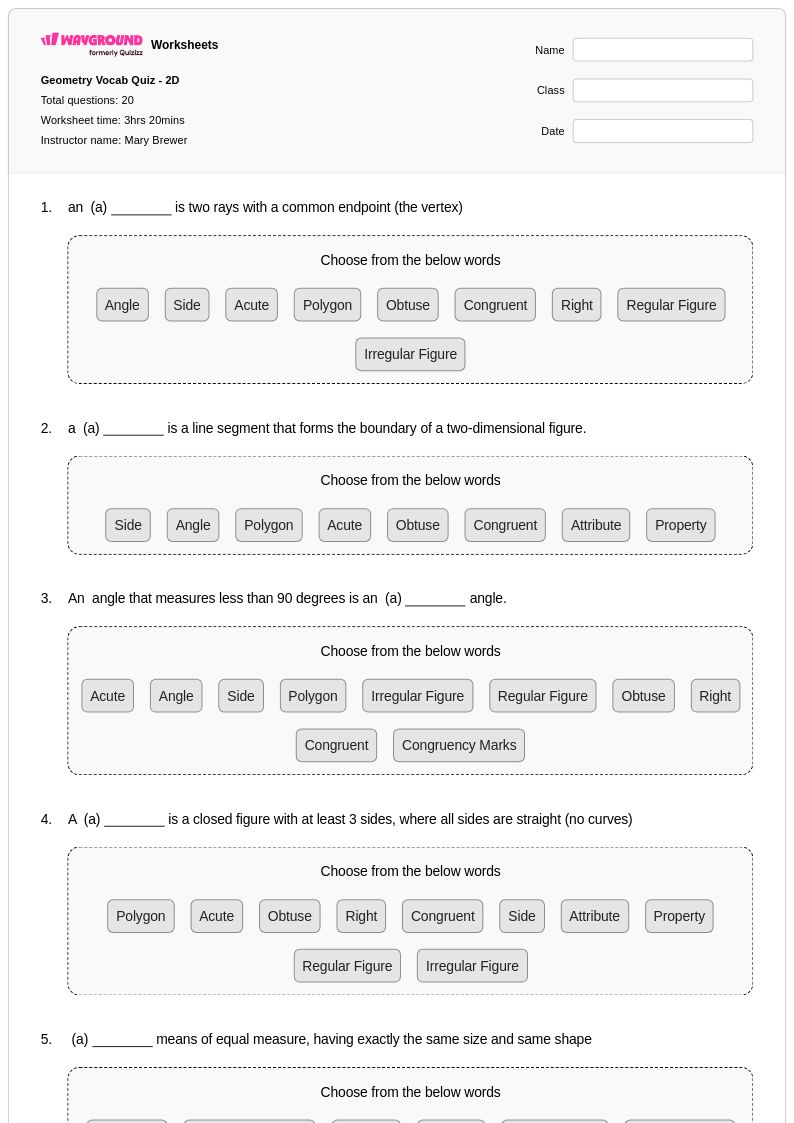
20 Q
5th
20 Q
4th - Uni
19 Q
4th - Uni
13 Q
3rd
19 Q
4th - Uni
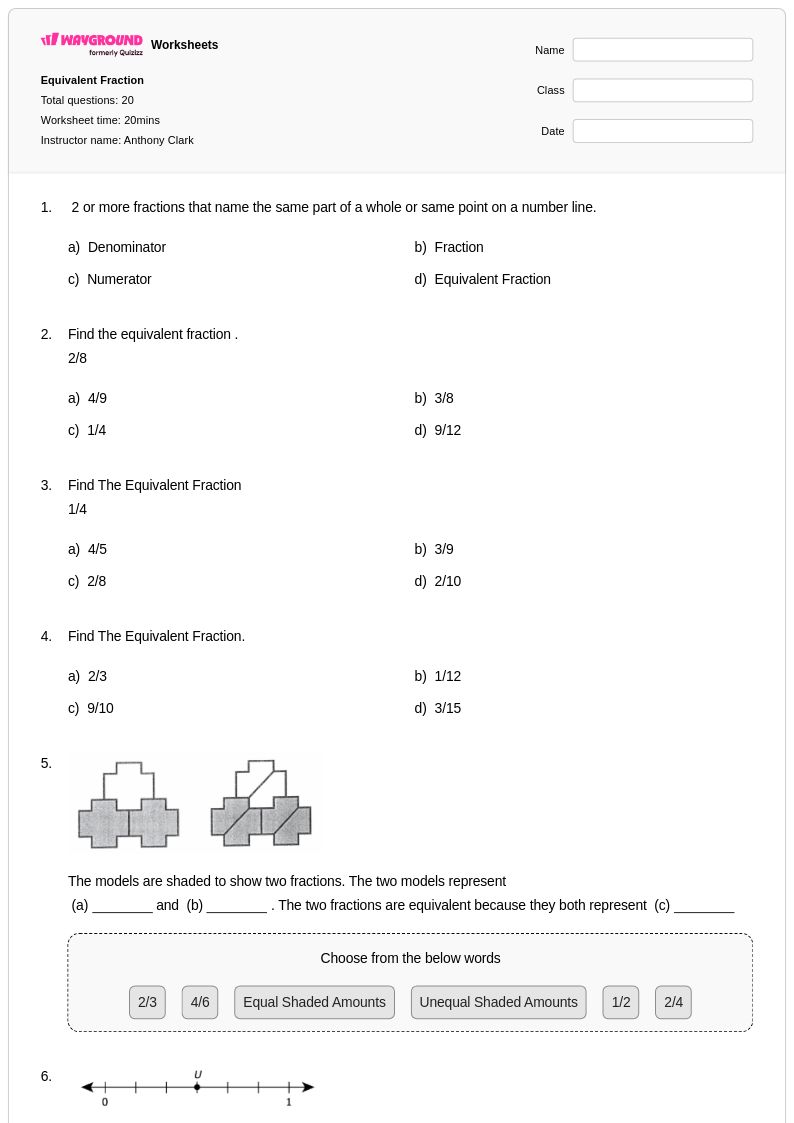
20 Q
4th - Uni
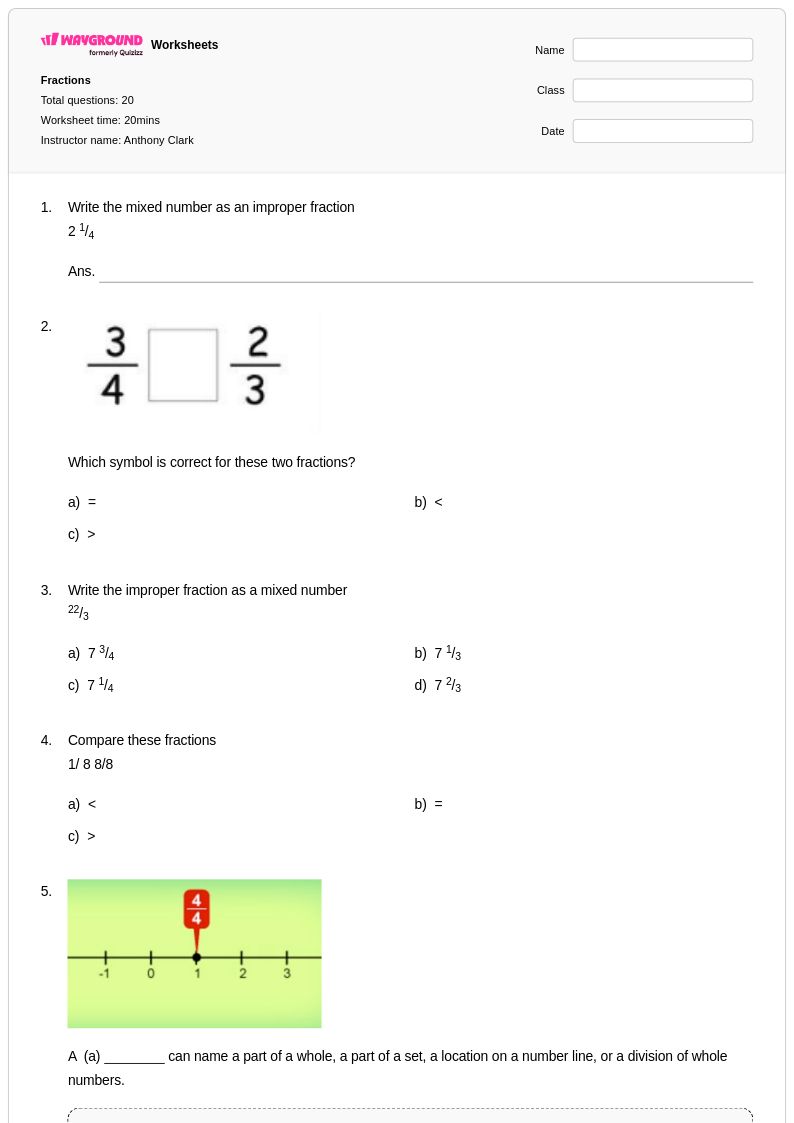
20 Q
4th - Uni
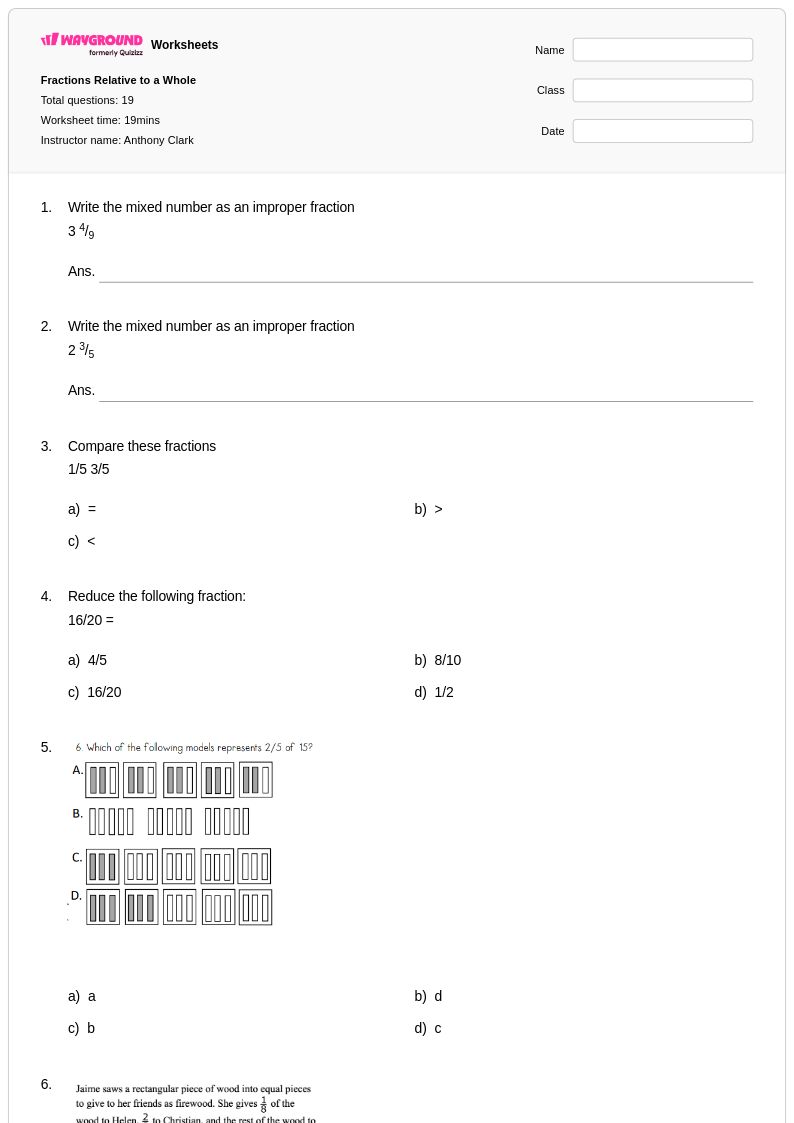
19 Q
4th - Uni
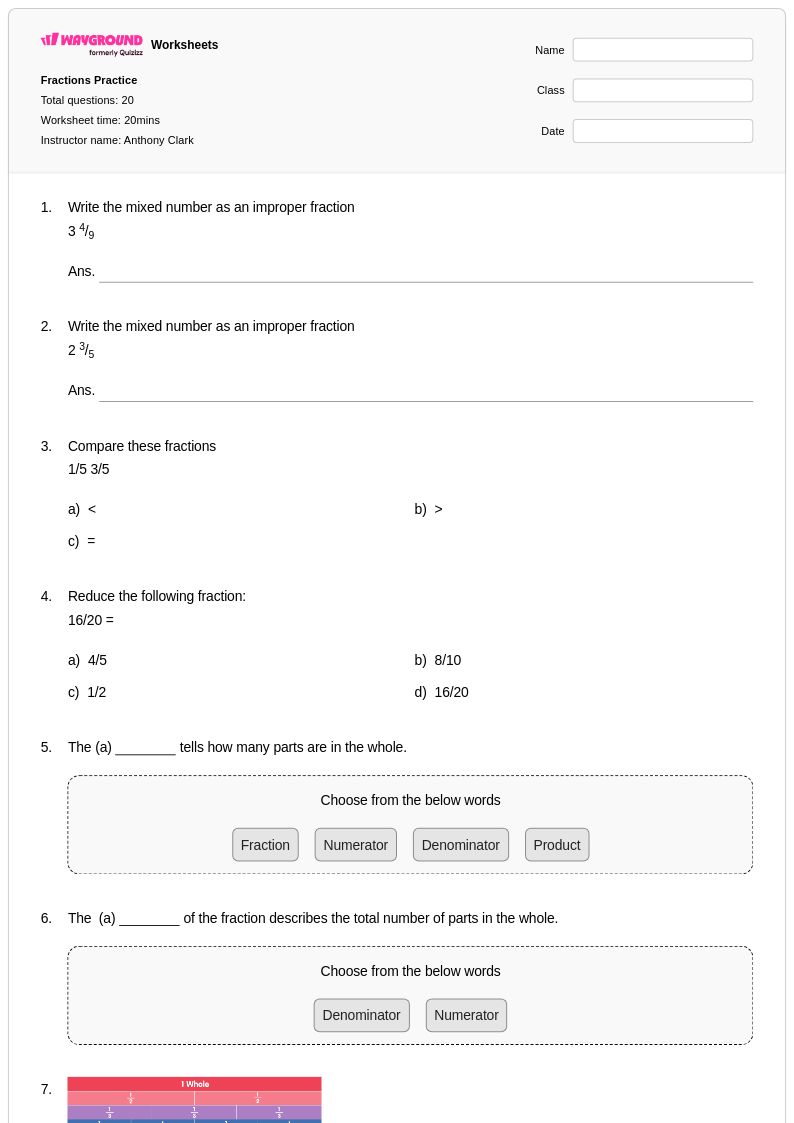
20 Q
4th - Uni
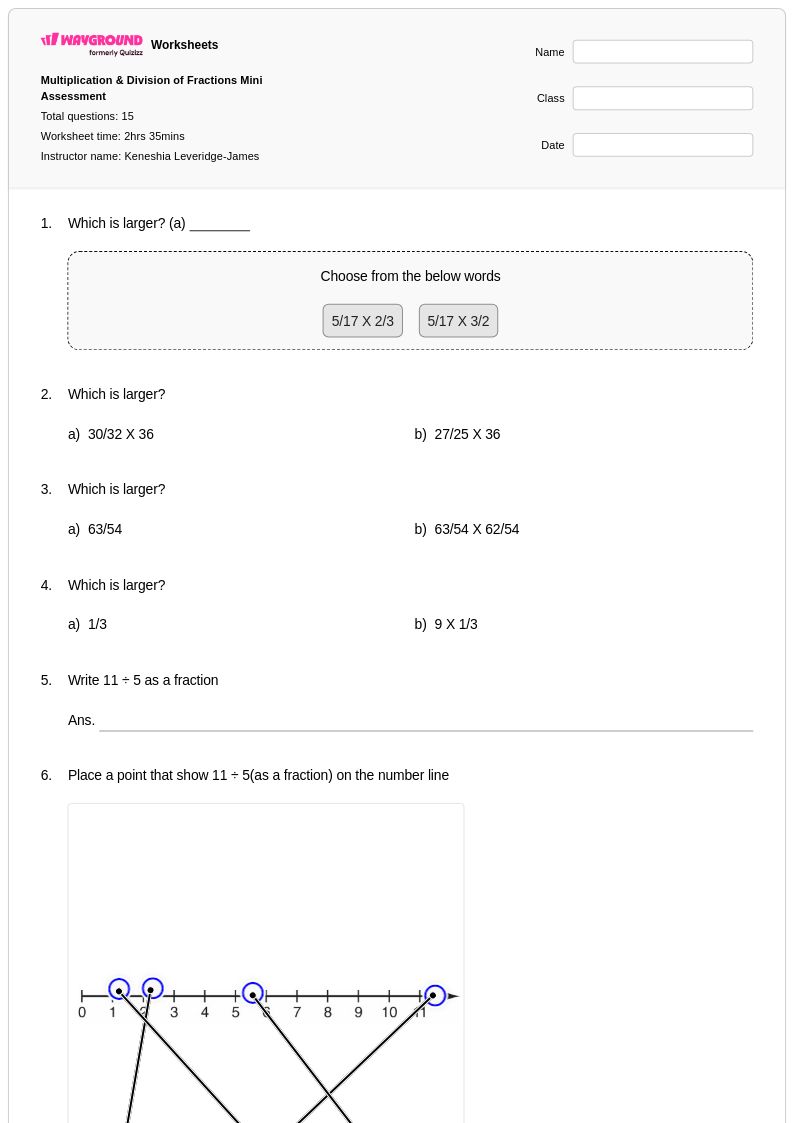
15 Q
5th
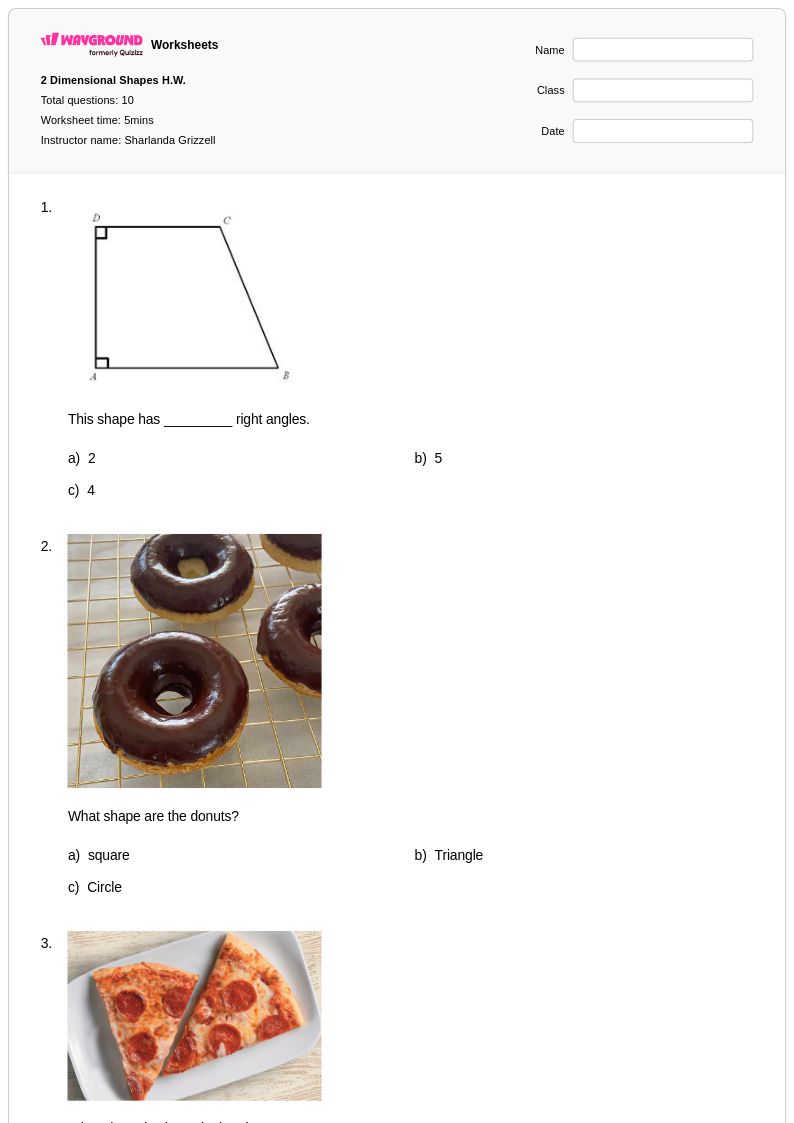
10 Q
3rd
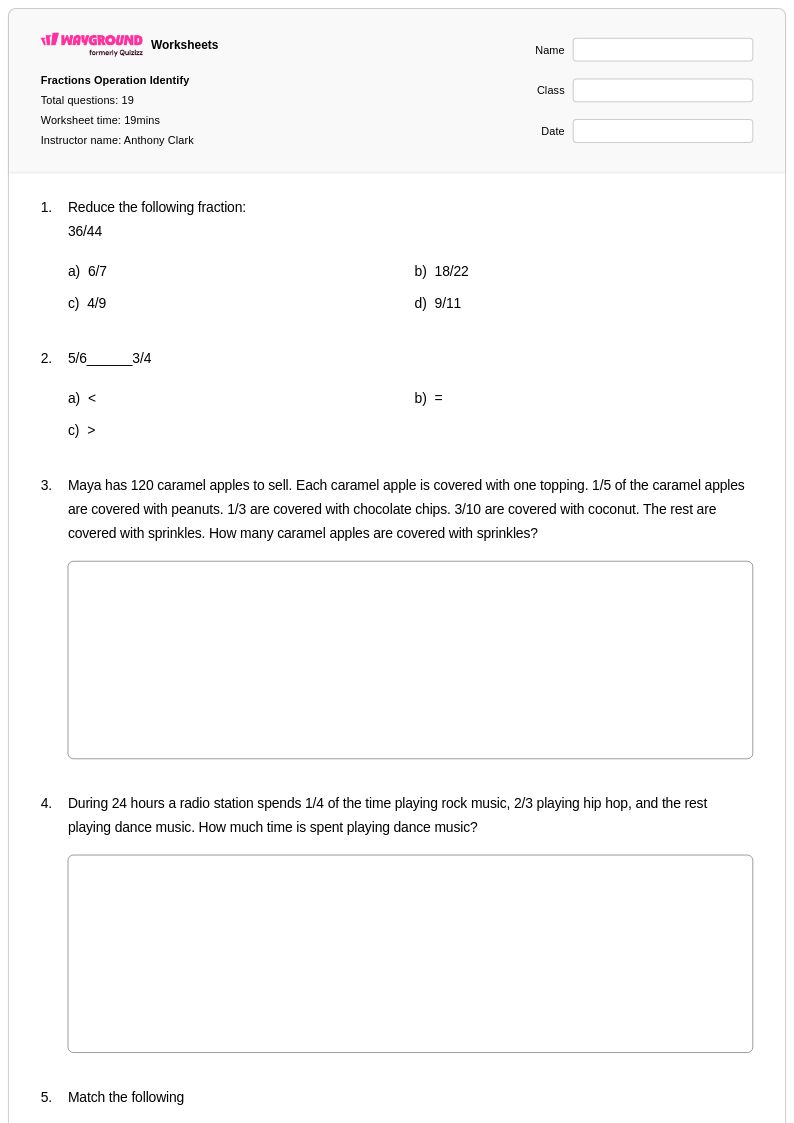
19 Q
5th - Uni
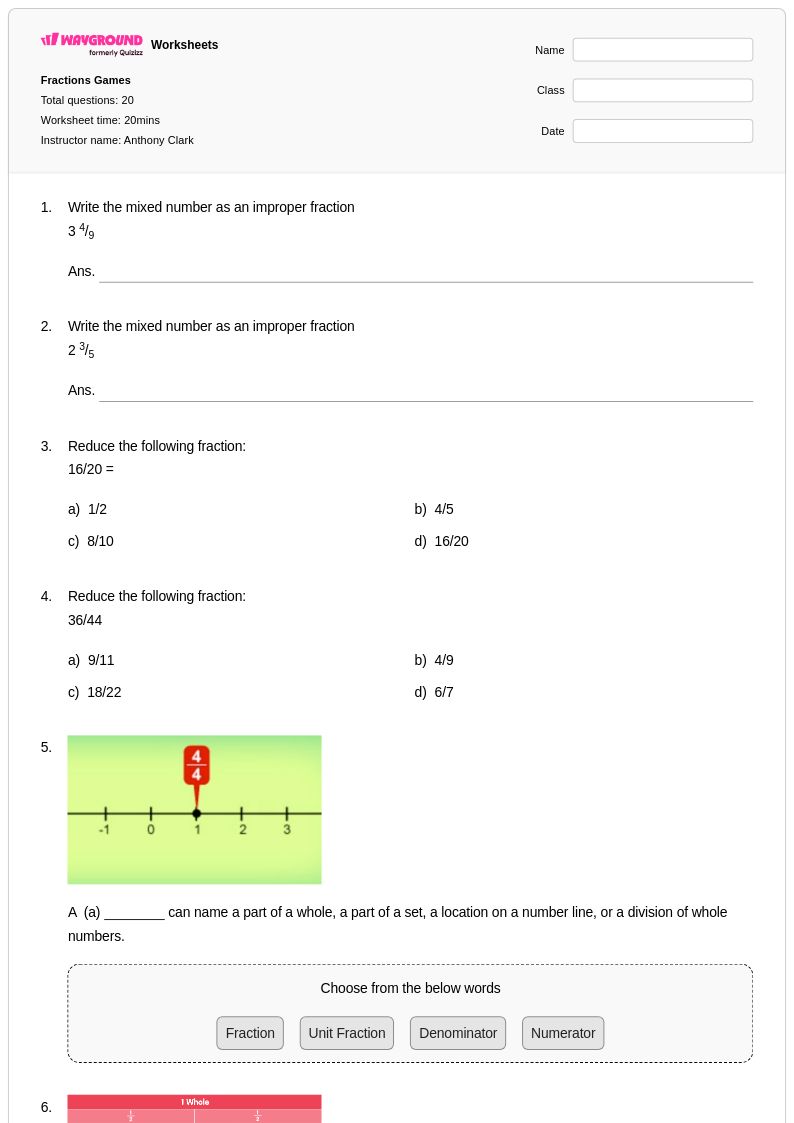
20 Q
4th - Uni
Explore 2D Shapes and Fractions Worksheets by Grades
Explore Other Subject Worksheets for kindergarten
Explore printable 2D Shapes and Fractions worksheets for Kindergarten
Kindergarten 2D shapes and fractions worksheets available through Wayground (formerly Quizizz) provide young learners with foundational experiences that bridge geometric understanding and early fraction concepts. These carefully designed printables introduce students to the concept that shapes can be divided into equal parts, helping them recognize halves and wholes through visual fraction models using circles, squares, rectangles, and triangles. The practice problems focus on developing spatial reasoning and early mathematical vocabulary as children identify when shapes are divided equally versus unequally, strengthening their ability to visualize parts of a whole. Each worksheet includes a comprehensive answer key and is available as a free PDF download, making it easy for educators to incorporate these essential pre-fraction skills into their mathematics instruction.
Wayground (formerly Quizizz) empowers teachers with access to millions of educator-created resources specifically designed for kindergarten fraction model instruction, featuring robust search and filtering capabilities that allow quick location of materials targeting 2D shapes and early fraction concepts. The platform's standards alignment ensures that worksheet collections meet kindergarten mathematics requirements while offering differentiation tools that accommodate varying student readiness levels within the same classroom. Teachers can customize these printable and digital PDF worksheets to match their specific instructional needs, whether planning whole-group lessons, providing targeted remediation for students who need additional support with shape recognition, or offering enrichment activities for learners ready to explore more complex fraction models. This flexibility supports comprehensive skill practice that builds the geometric and numerical foundations essential for future fraction understanding.
FAQs
How do I introduce fractions with 2D shapes in kindergarten?
What activities help kindergarteners practice equal parts of shapes?
What mistakes do kindergarteners make when dividing shapes into equal parts?
How can I use a kindergarten 2D shapes and fractions worksheet on Wayground?
How do 2D shapes and fractions fit into the kindergarten Common Core math progression?
How can I support kindergarteners who struggle to recognize equal parts?
Is 2D shapes and fractions work appropriate for kindergarten?