
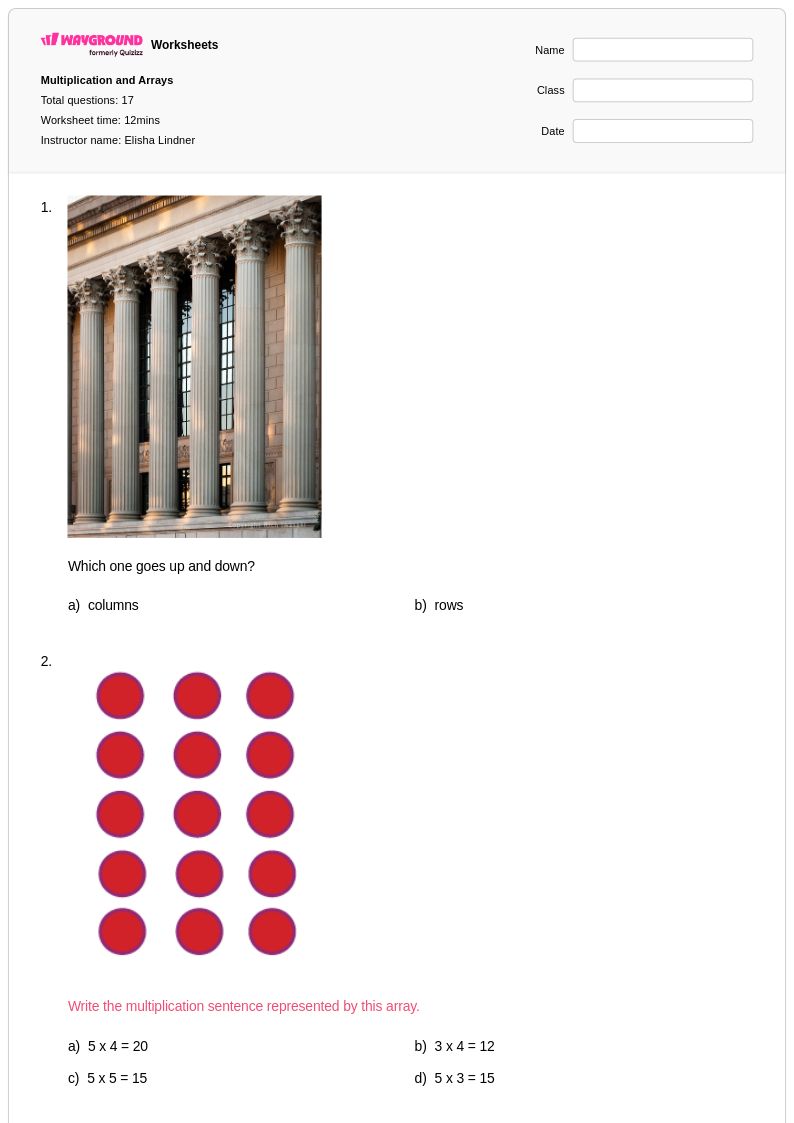
17 Q
2nd - 3rd
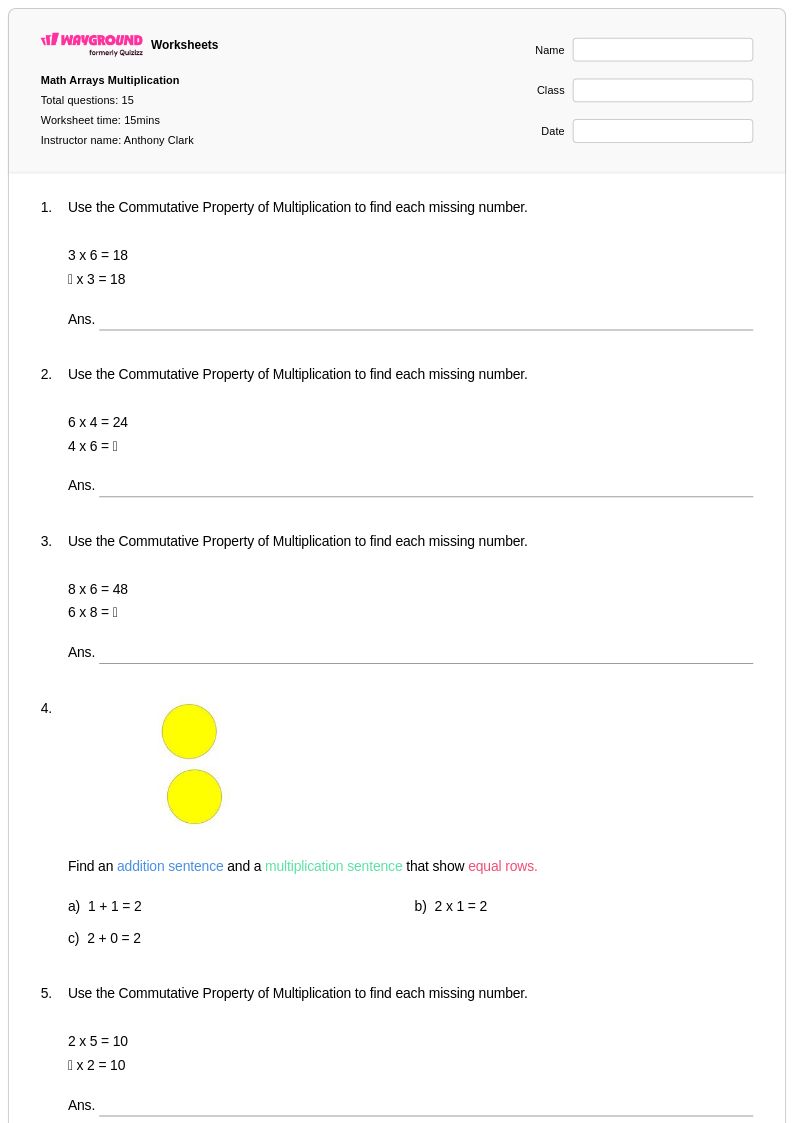
15 Q
3rd - Uni
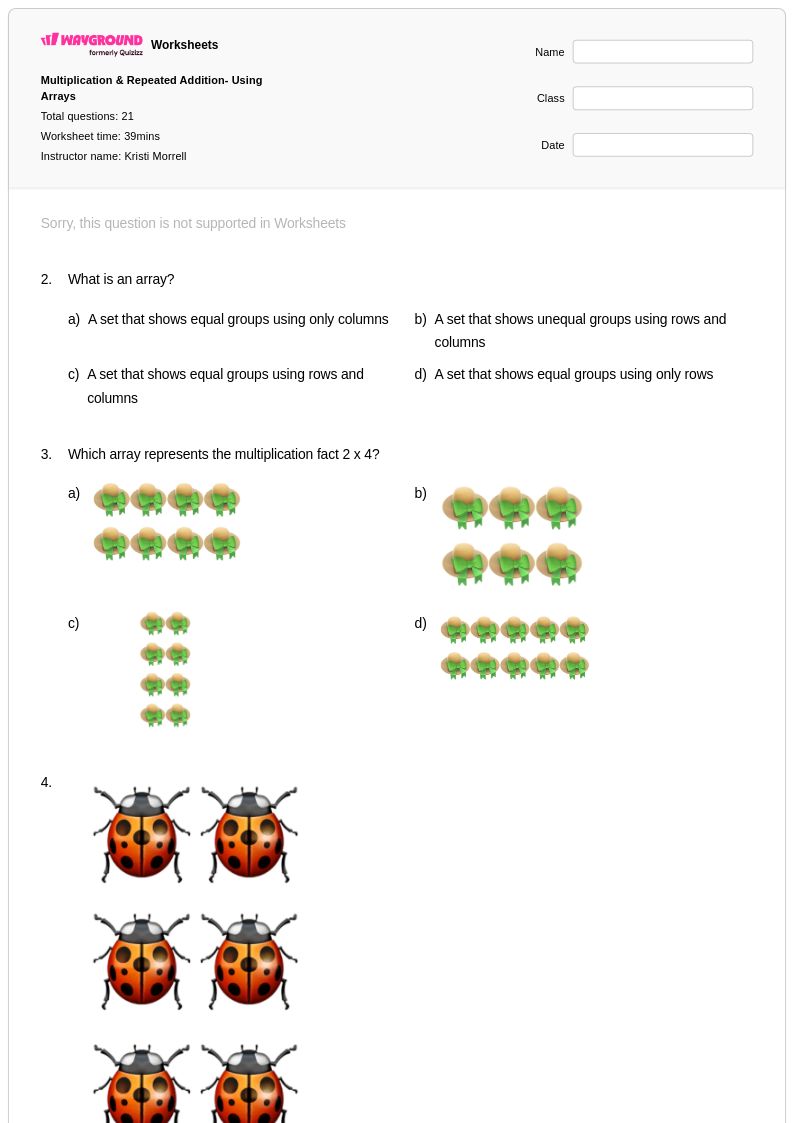
30 Q
3rd
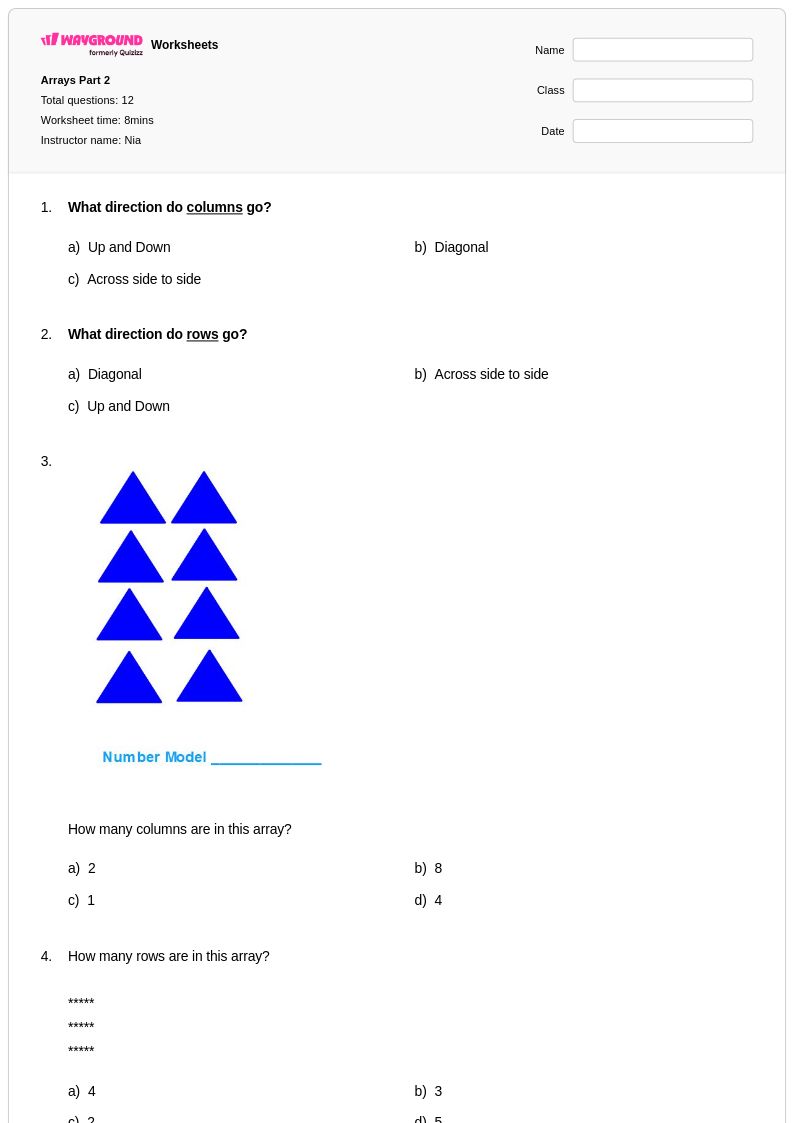
12 Q
3rd
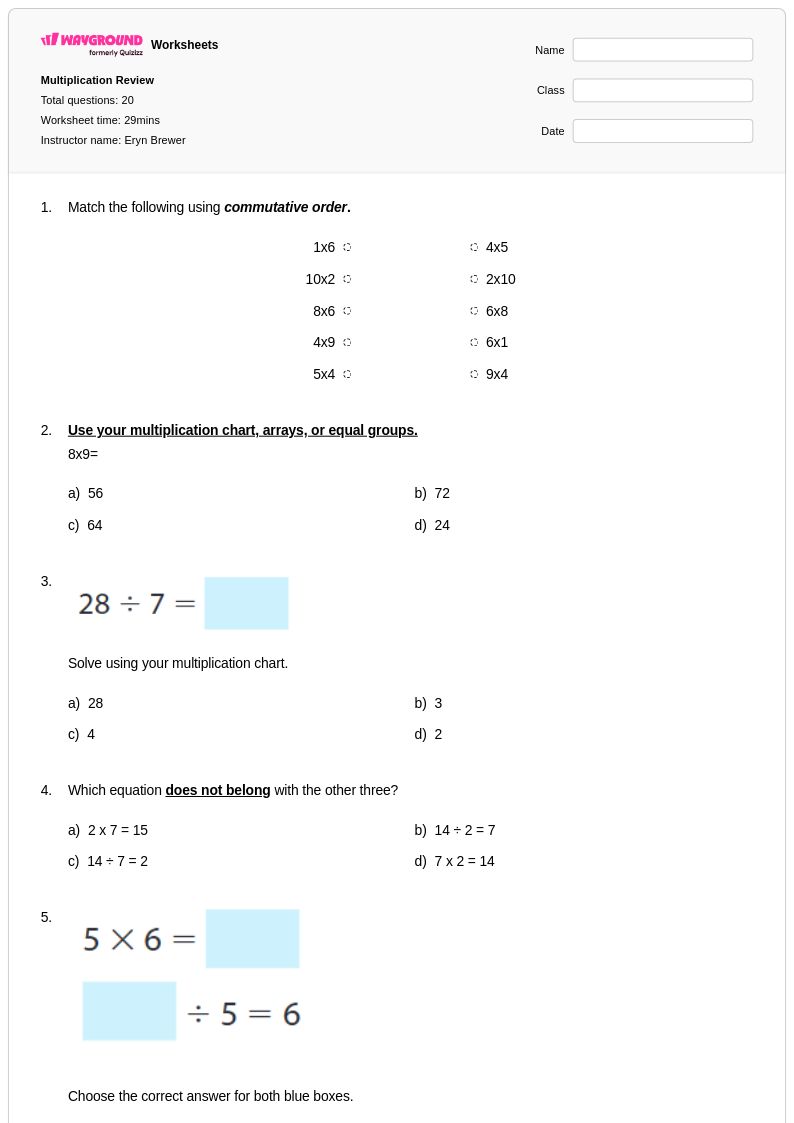
20 Q
3rd
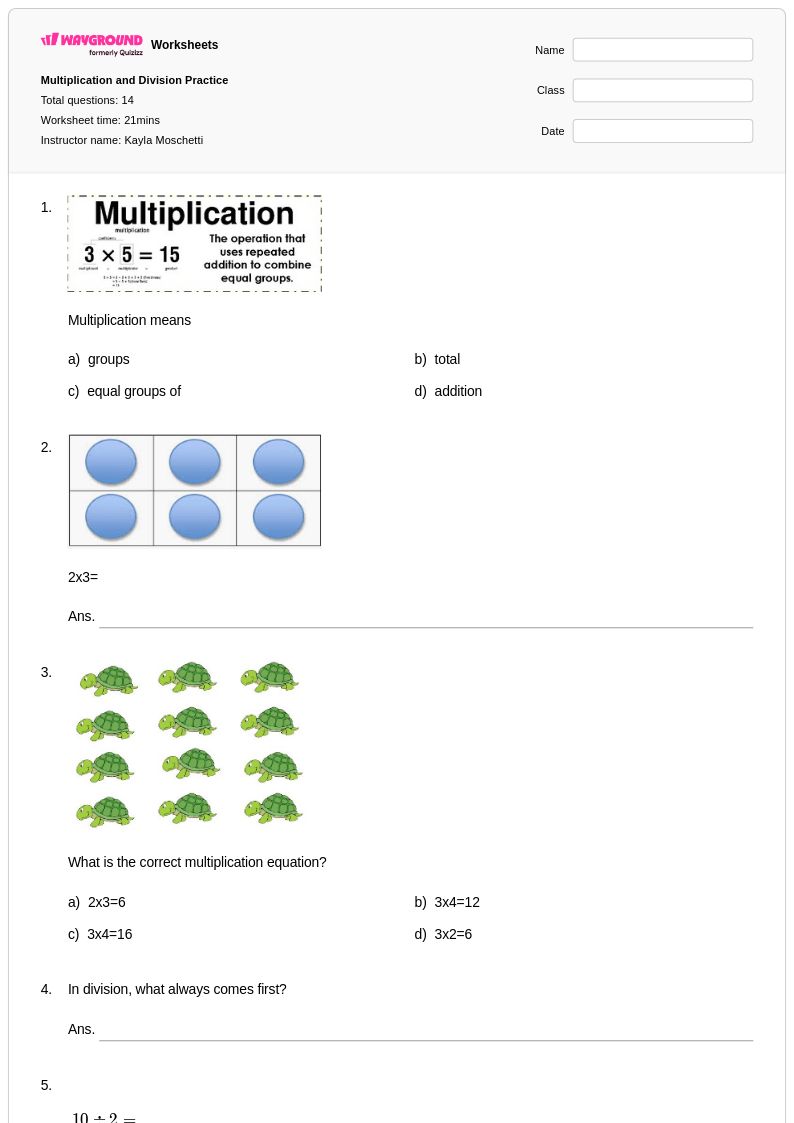
14 Q
3rd
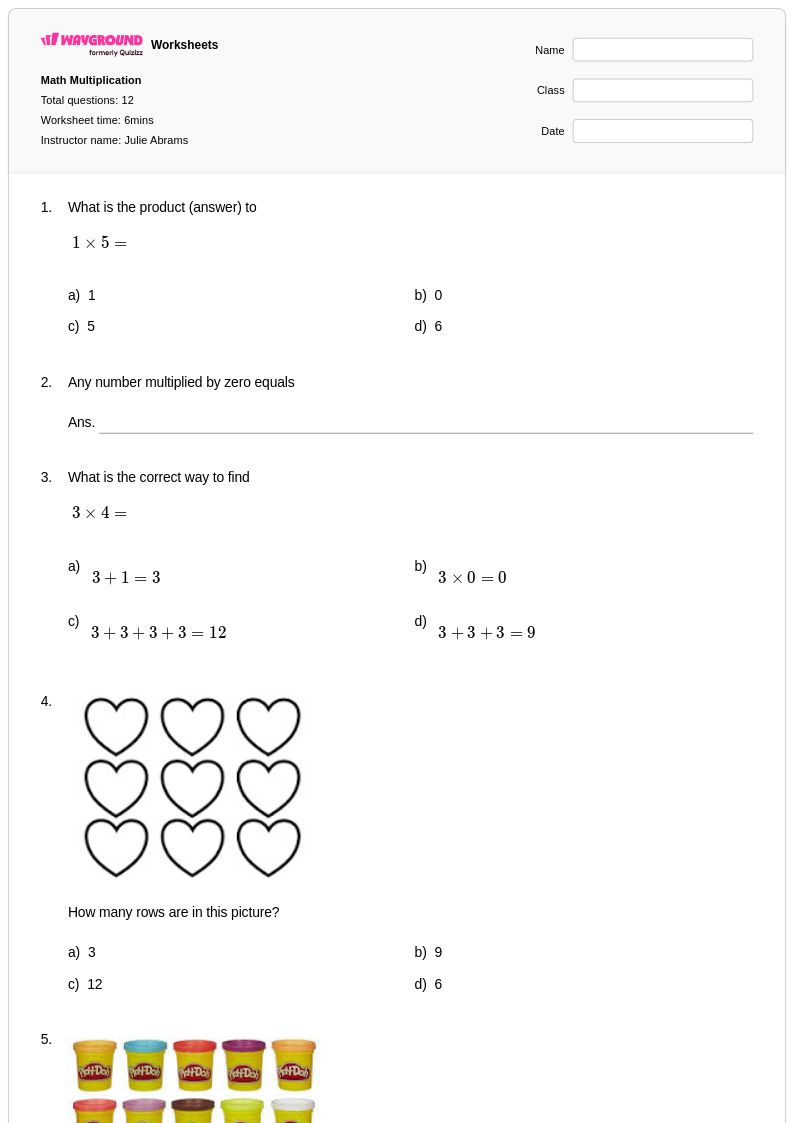
12 Q
3rd
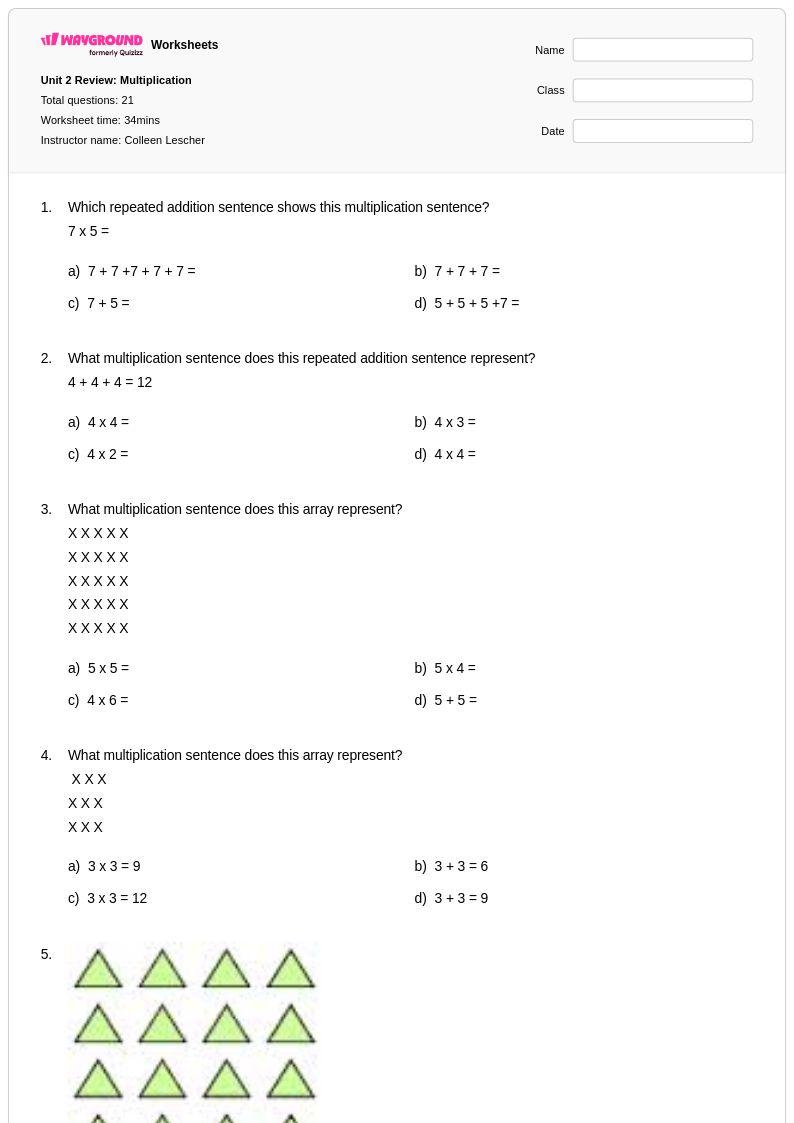
21 Q
3rd
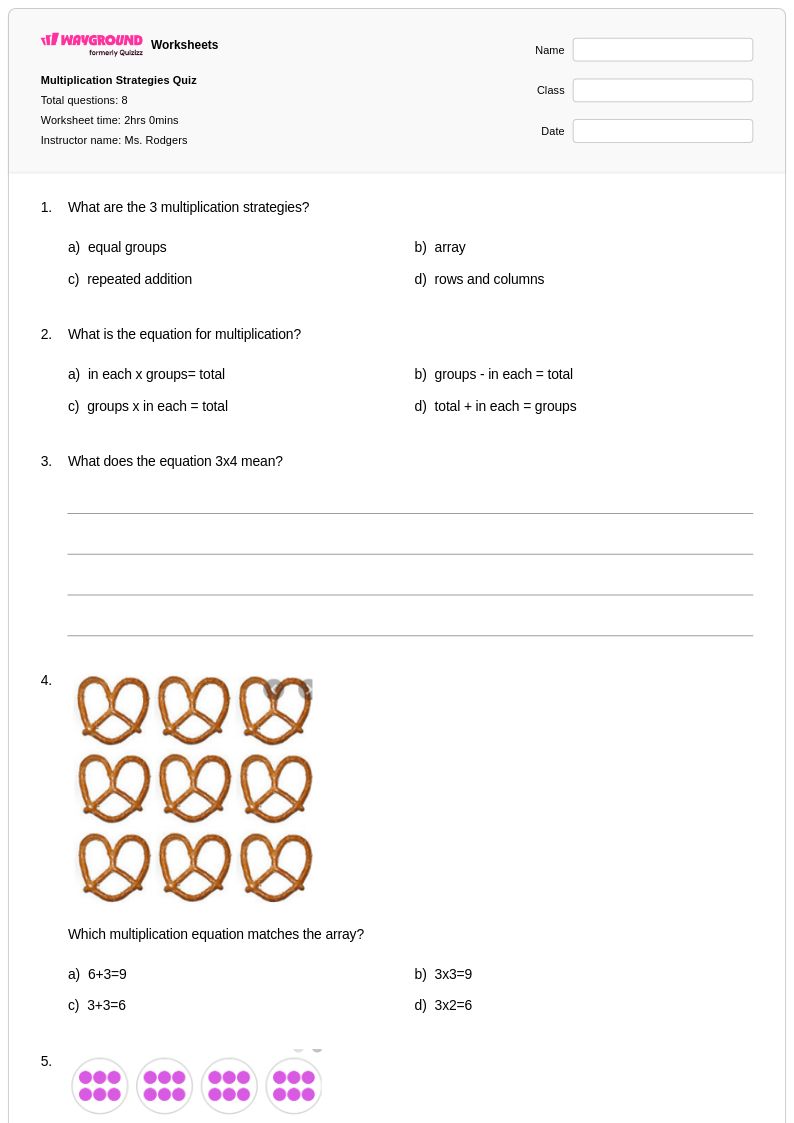
8 Q
3rd
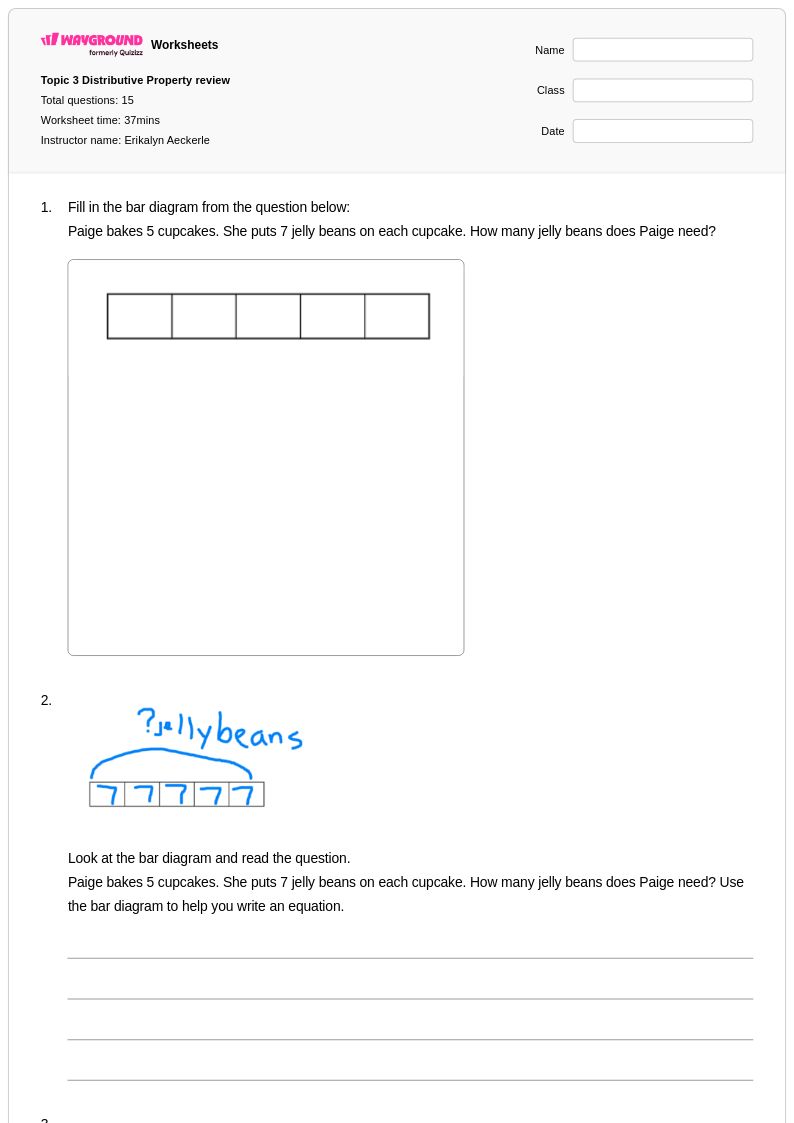
15 Q
3rd
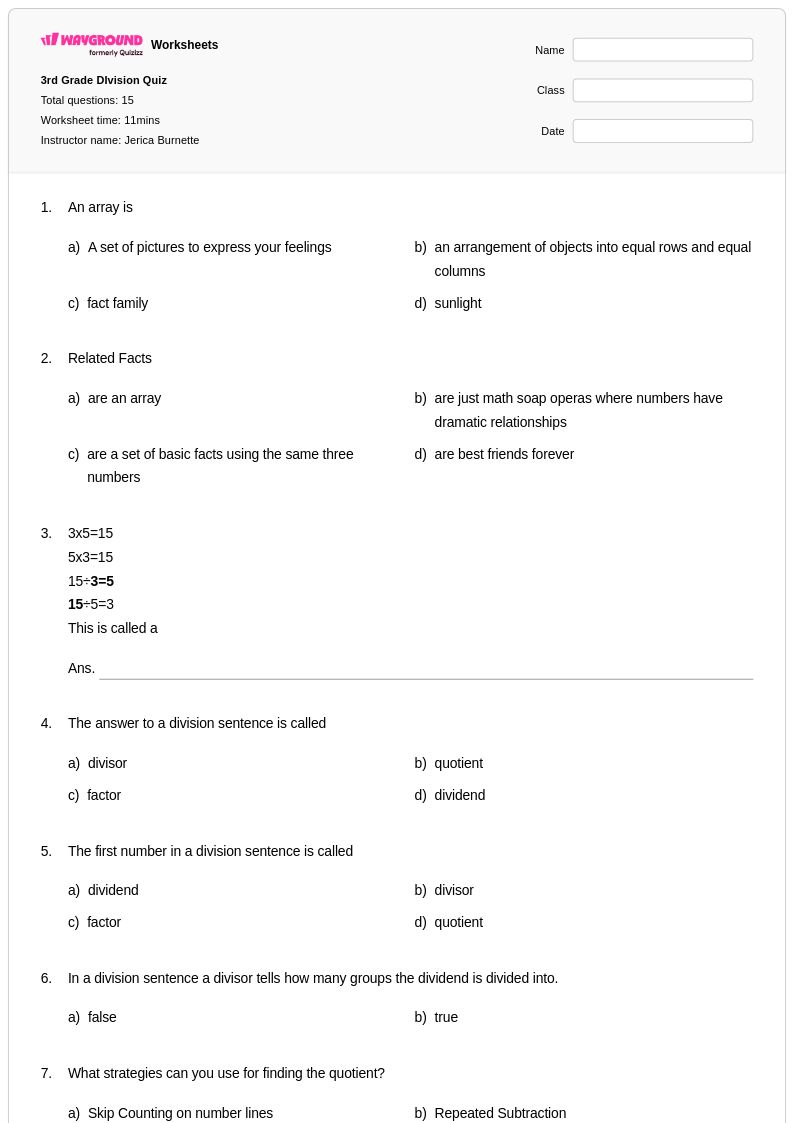
15 Q
3rd
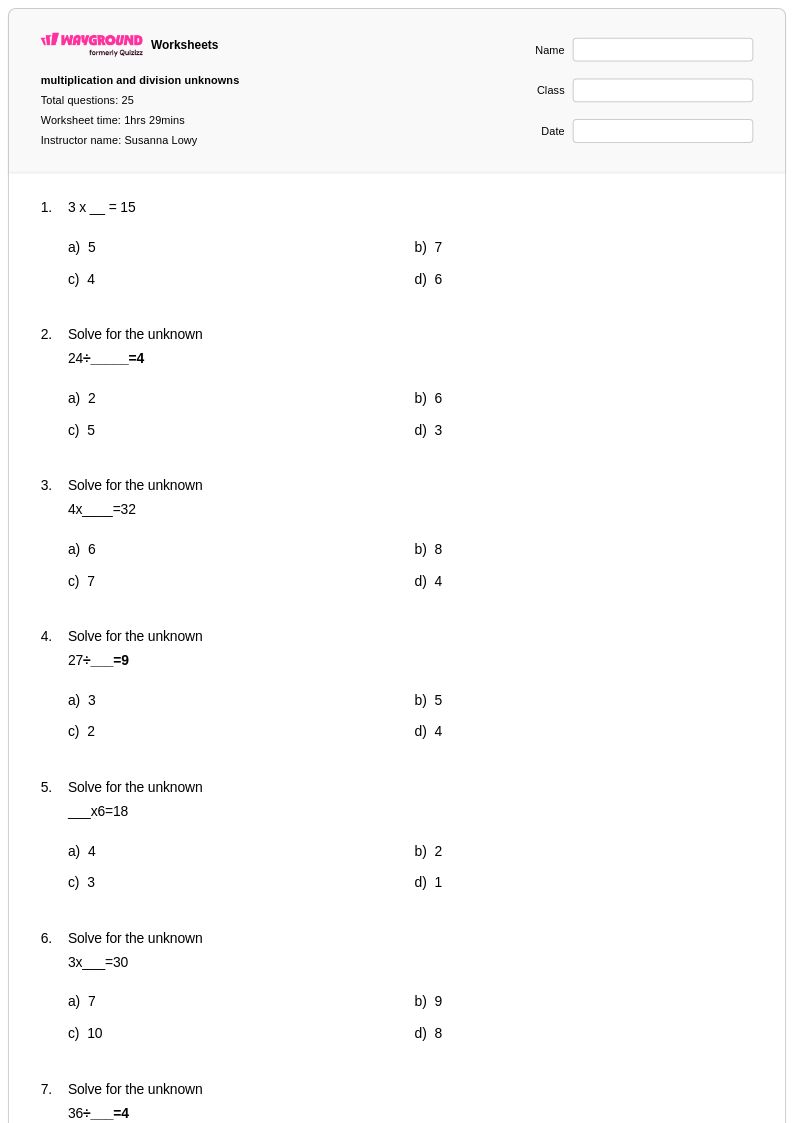
25 Q
3rd
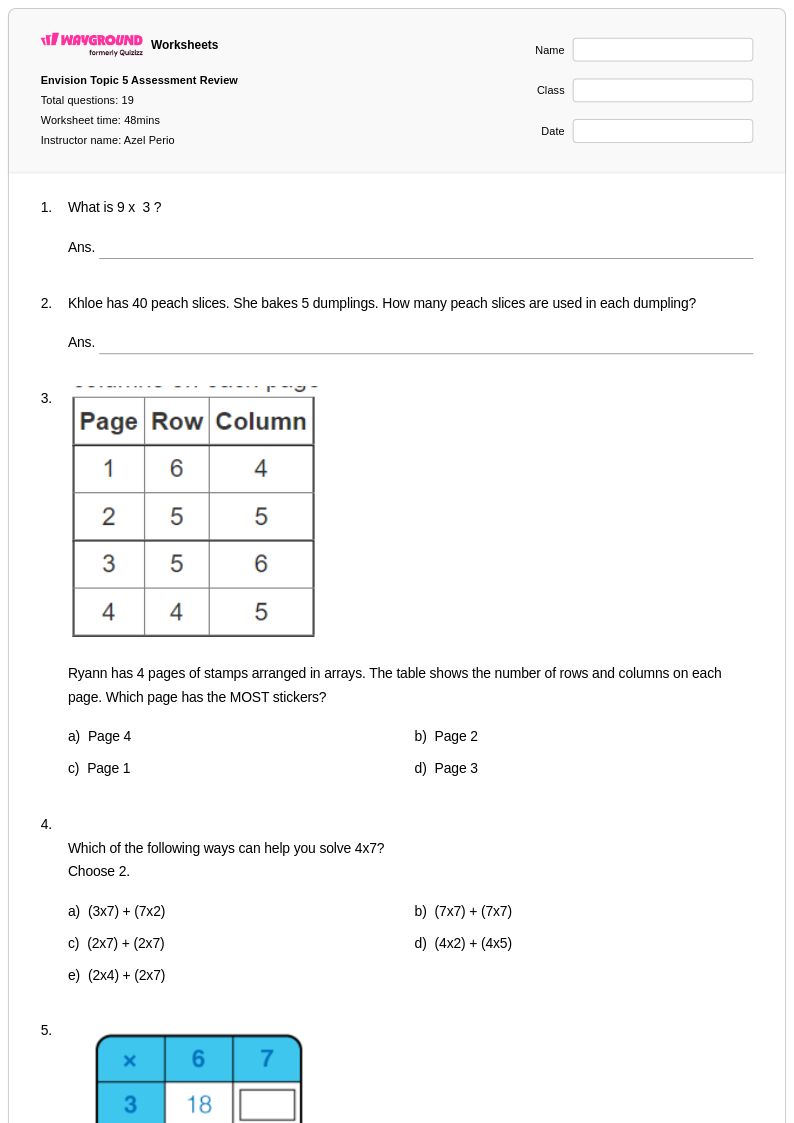
19 Q
3rd
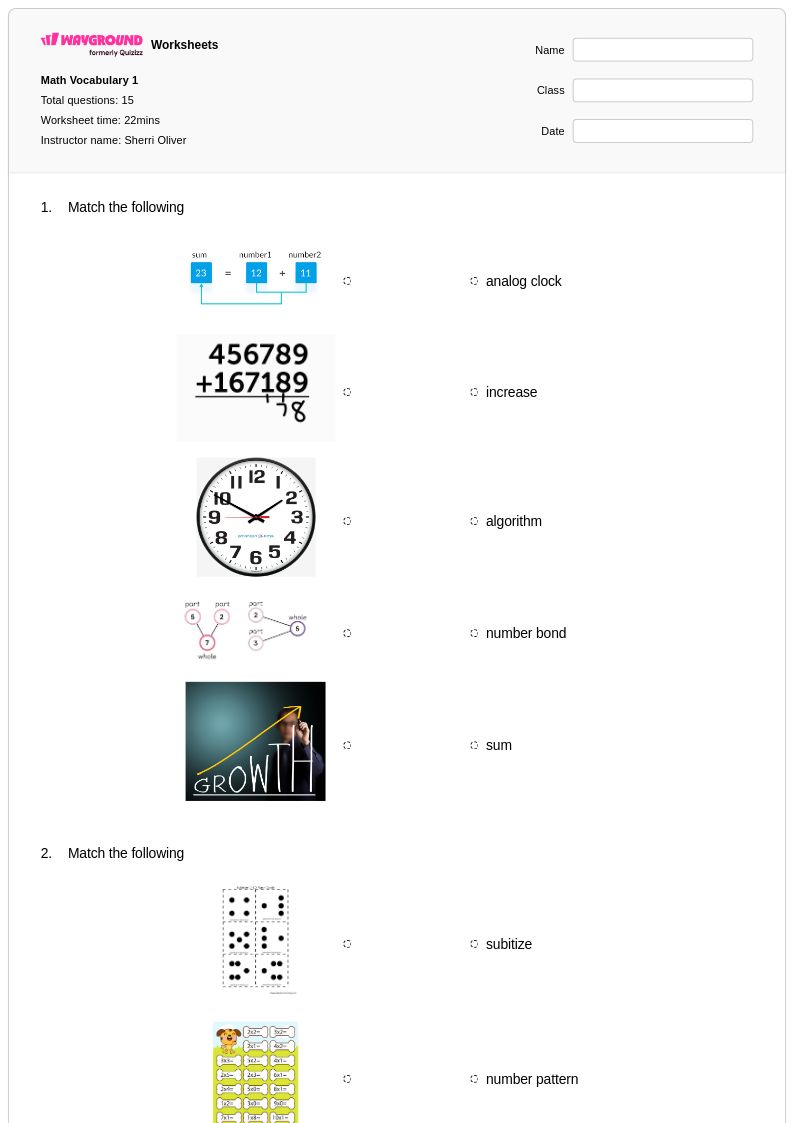
15 Q
3rd
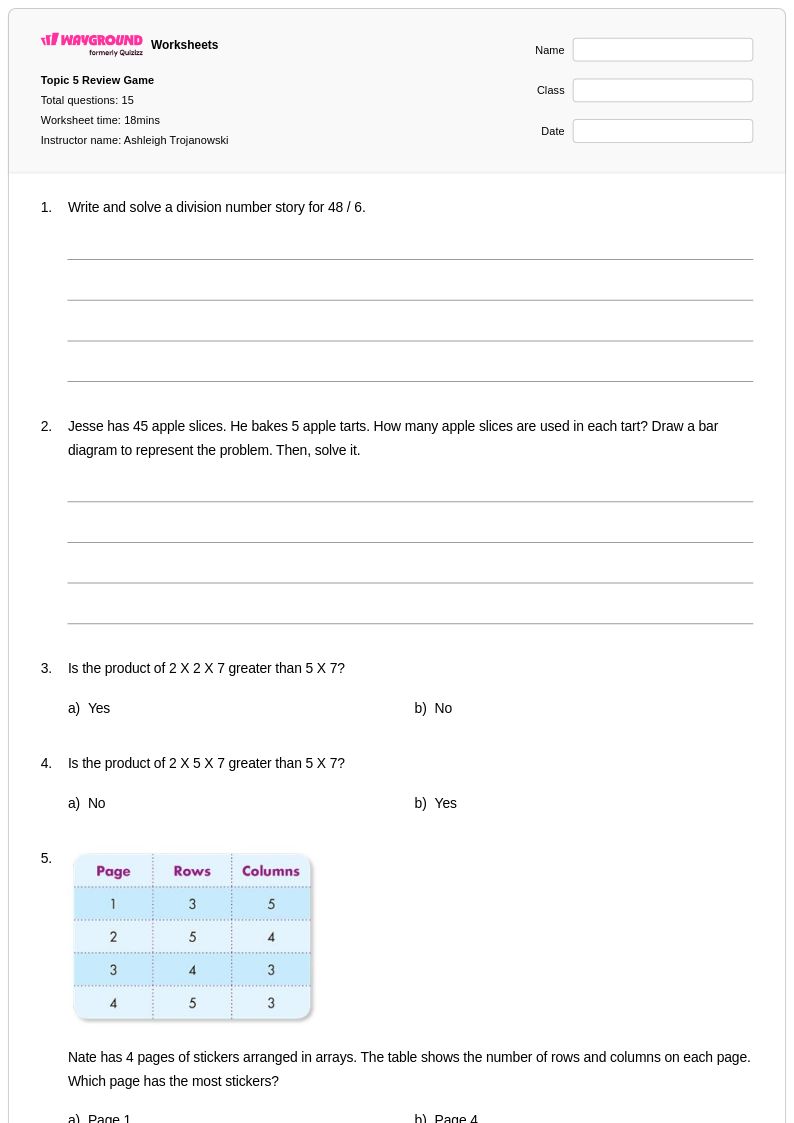
15 Q
3rd
![[Indep.] Equal Groups - Printable Arrays-rows-and-columns Worksheets Grade 3 - Quizizz](https://quizizz-static.s3.amazonaws.com/_media/worksheets-new/650c714f5c4dc534297c38de-indep-equal-groups)
14 Q
3rd
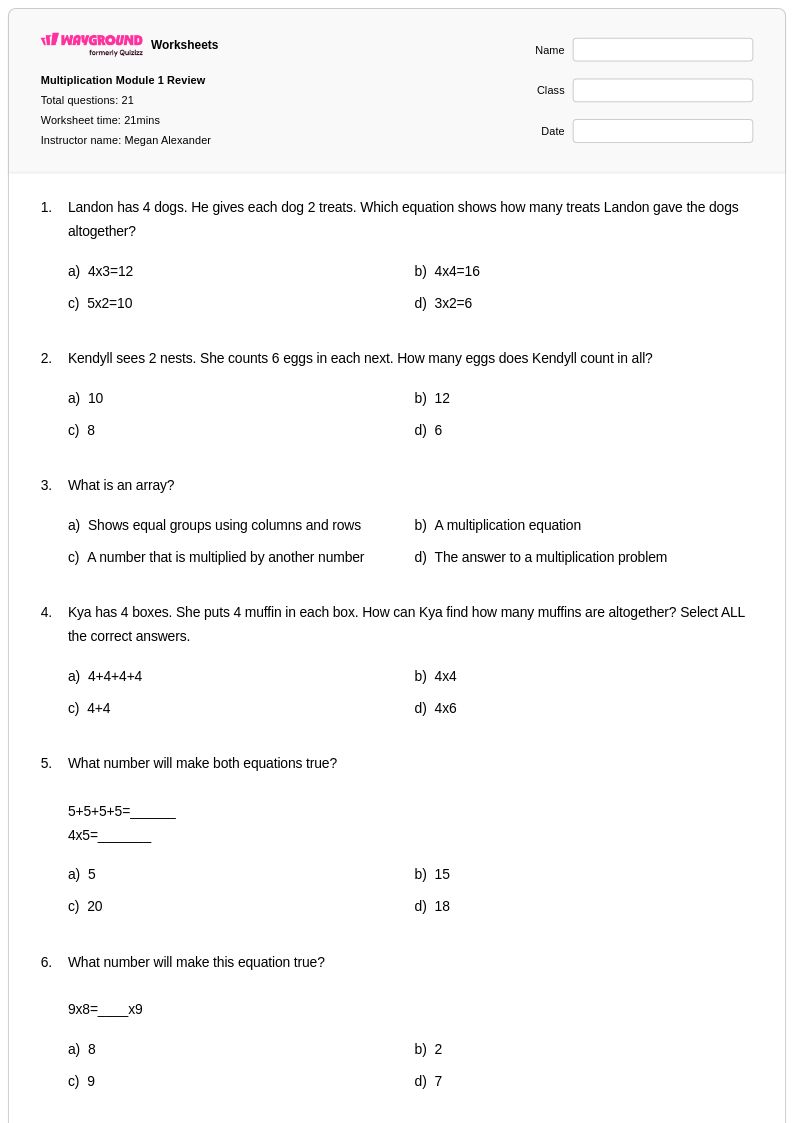
21 Q
3rd
21 Q
3rd - Uni
11 Q
3rd
15 Q
3rd
10 Q
3rd
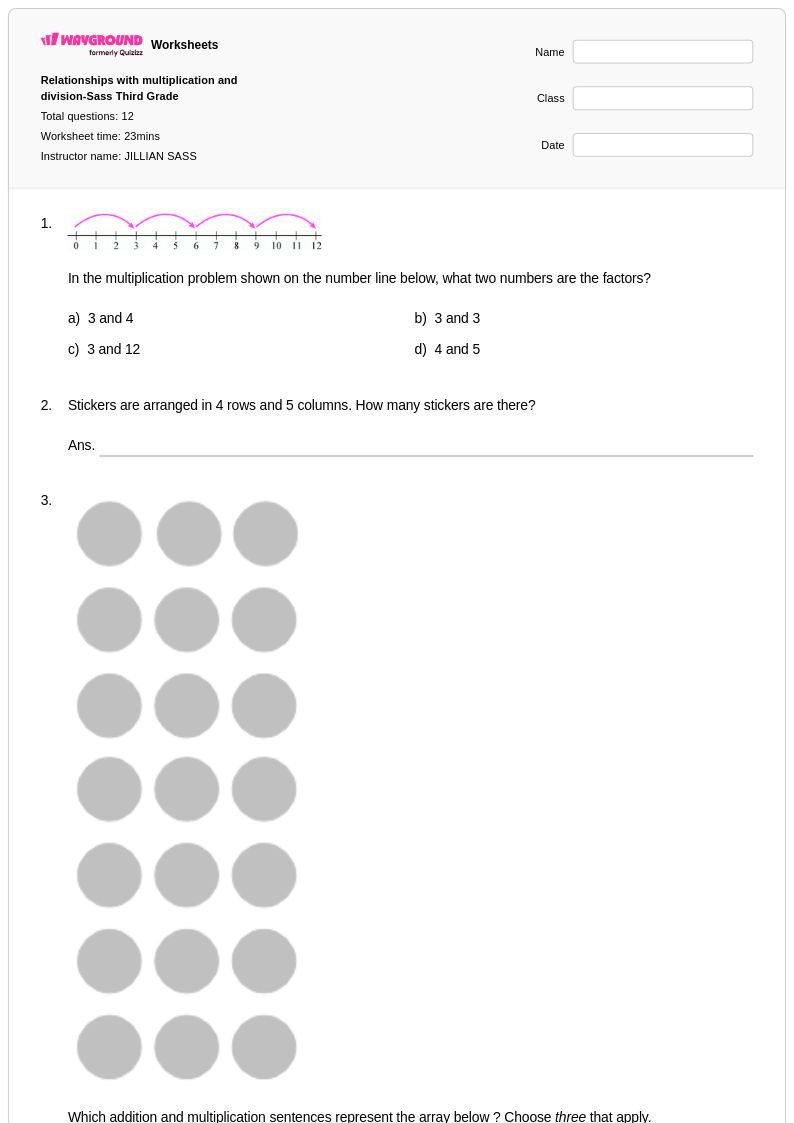
12 Q
3rd
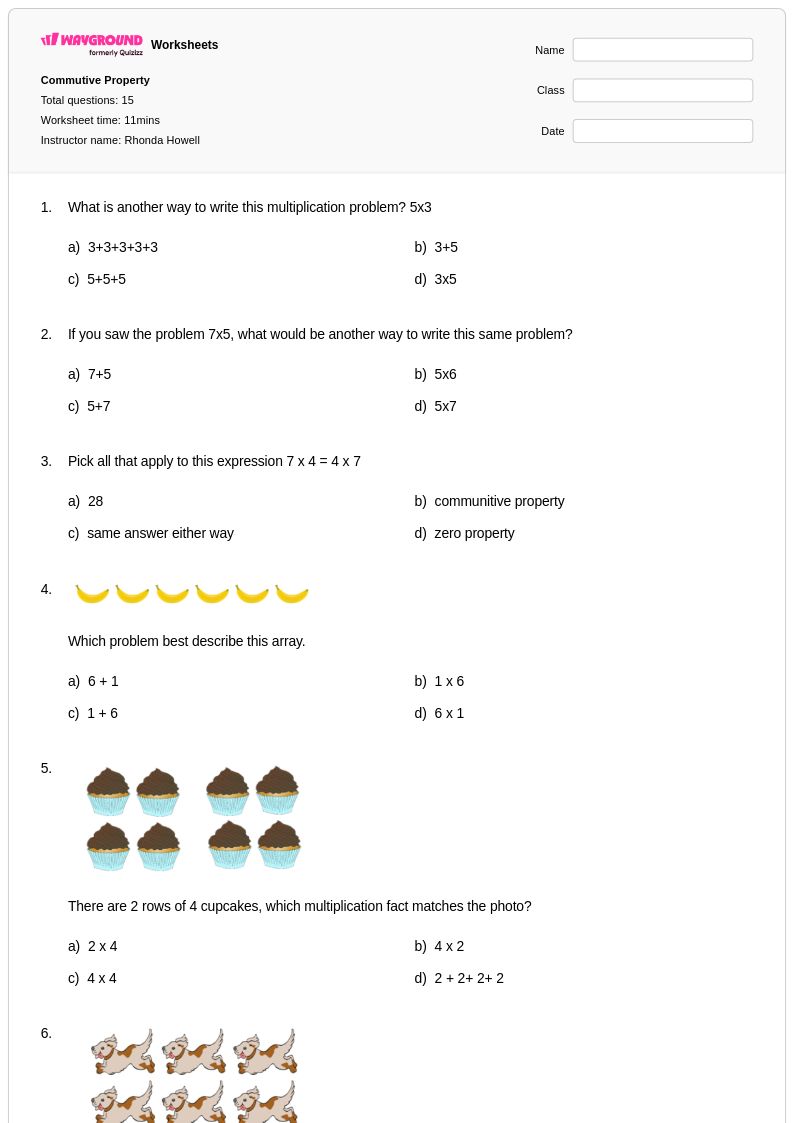
15 Q
3rd - 5th
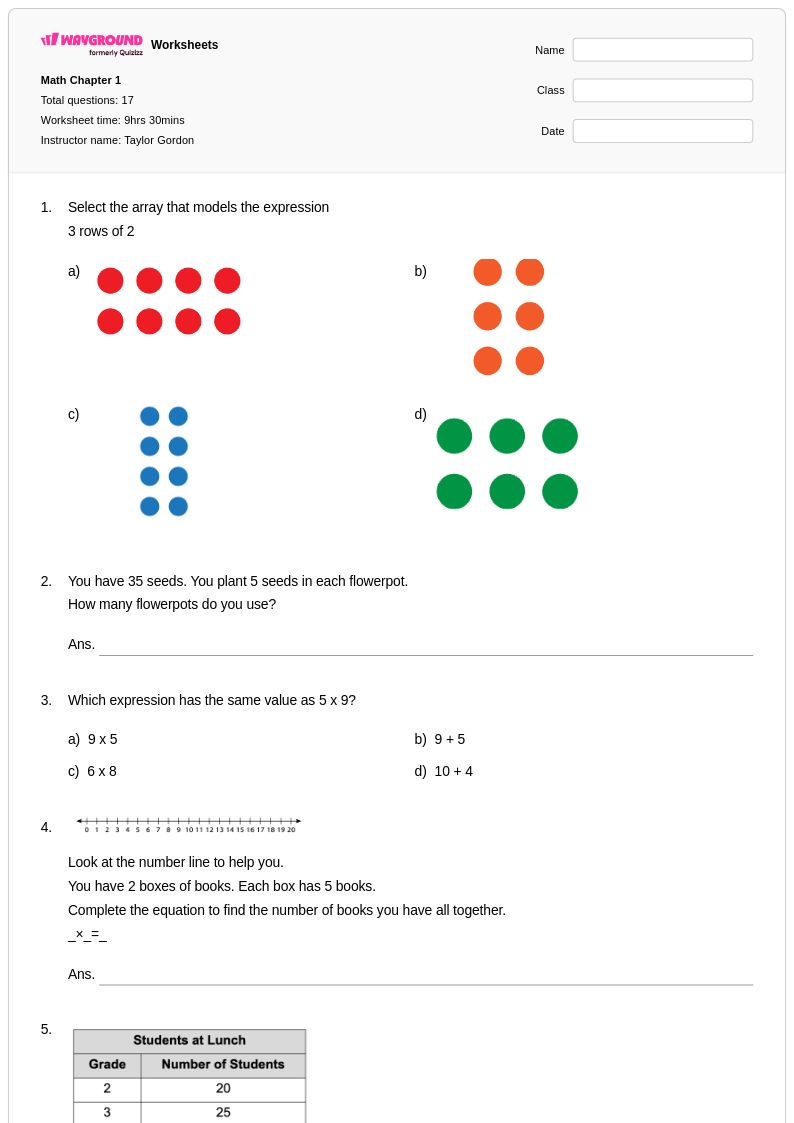
17 Q
3rd
Explore Arrays: Rows and Columns Worksheets by Grades
Explore Other Subject Worksheets for grade 3
Explore printable Arrays: Rows and Columns worksheets for Grade 3
Arrays: Rows and Columns worksheets for Grade 3 students available through Wayground (formerly Quizizz) provide essential foundational practice in understanding multiplication through visual organization. These comprehensive worksheets help third-grade learners develop critical mathematical thinking by exploring how objects arranged in equal rows and columns create arrays that represent multiplication facts. Students strengthen their ability to identify, create, and analyze rectangular arrangements while connecting visual representations to numerical expressions. The collection includes diverse practice problems that guide learners through counting objects in arrays, writing corresponding multiplication sentences, and recognizing the relationship between rows, columns, and total quantities. Each worksheet comes with a complete answer key and is available as free printable pdf resources that support both classroom instruction and independent practice.
Wayground (formerly Quizizz) empowers educators with millions of teacher-created resources specifically designed for arrays and multiplication instruction, featuring robust search and filtering capabilities that allow teachers to locate materials perfectly matched to their Grade 3 curriculum needs. The platform's standards-aligned worksheet collections support differentiated instruction through customizable difficulty levels and varied problem types, enabling teachers to address diverse learning needs within their classrooms. These flexible resources are available in both printable and digital pdf formats, making them ideal for traditional classroom settings, homework assignments, remediation sessions, and enrichment activities. Teachers can efficiently plan comprehensive lesson sequences, provide targeted skill practice for struggling learners, and offer advanced challenges for students ready to extend their understanding of multiplicative relationships through array representations.
FAQs
How do I teach arrays for multiplication in Grade 3?
What exercises help third graders practice multiplication with arrays?
What mistakes do Grade 3 students make with arrays?
How should I use these Grade 3 array worksheets?
How do arrays align with Common Core multiplication in Grade 3?
How can I differentiate Grade 3 array worksheets?
What should a third grader understand about arrays?