
12 Q
2nd - 4th
20 Q
3rd - Uni
14 Q
3rd - Uni
15 Q
4th
16 Q
4th
10 Q
4th
10 Q
4th
20 Q
1st - Uni
20 Q
3rd - Uni
8 Q
3rd - 5th
21 Q
3rd - Uni
15 Q
3rd - 5th
15 Q
3rd - Uni
10 Q
4th
12 Q
4th - 6th
12 Q
4th - Uni
85 Q
1st - 5th
14 Q
4th
23 Q
3rd - Uni
12 Q
4th
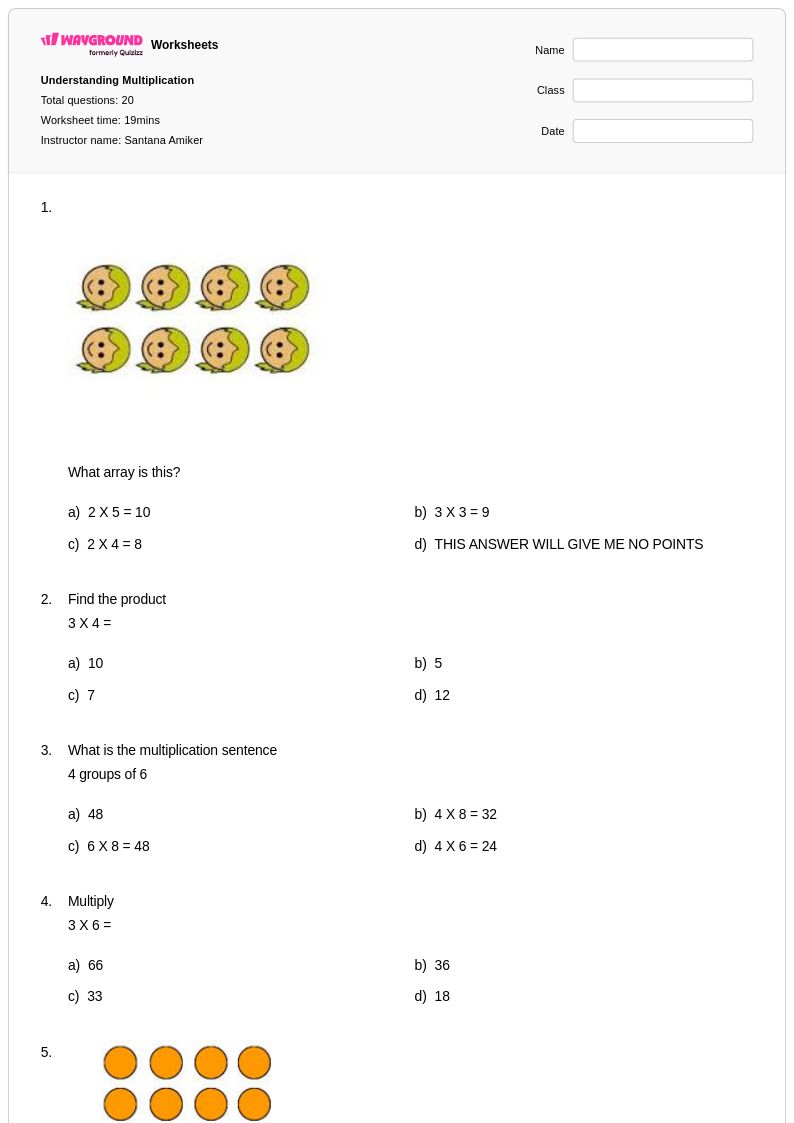
20 Q
3rd - 4th
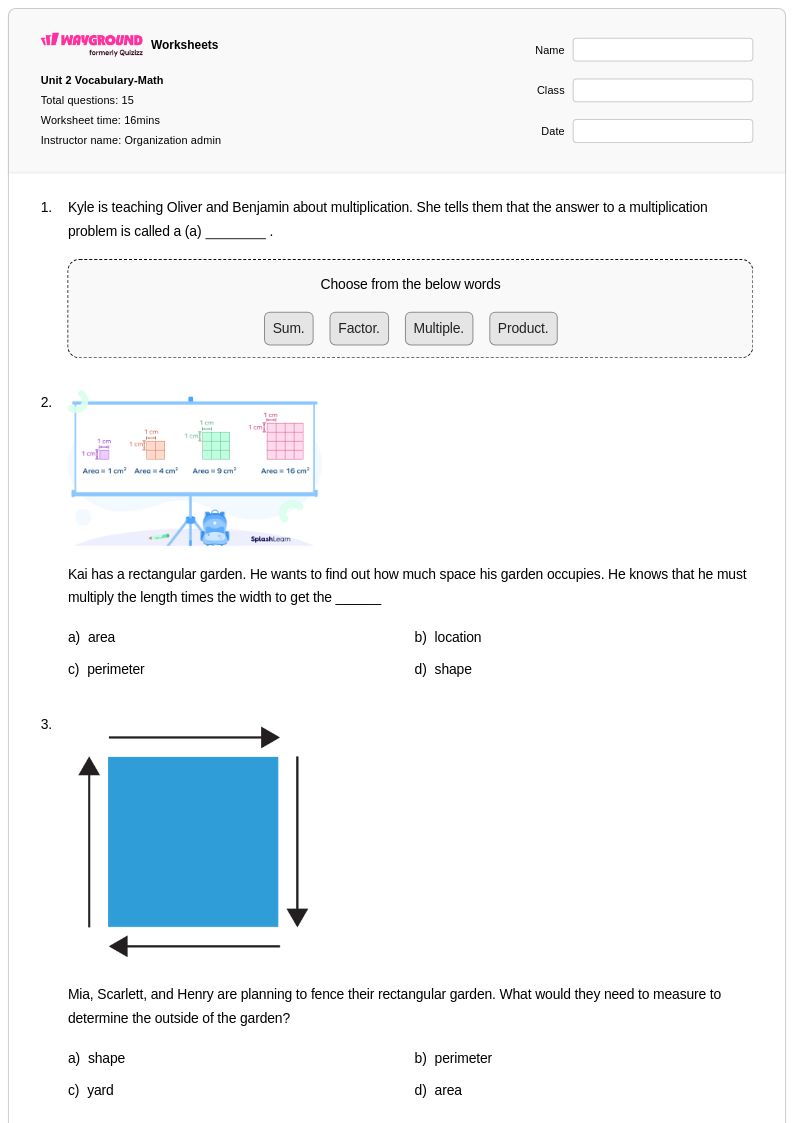
15 Q
4th
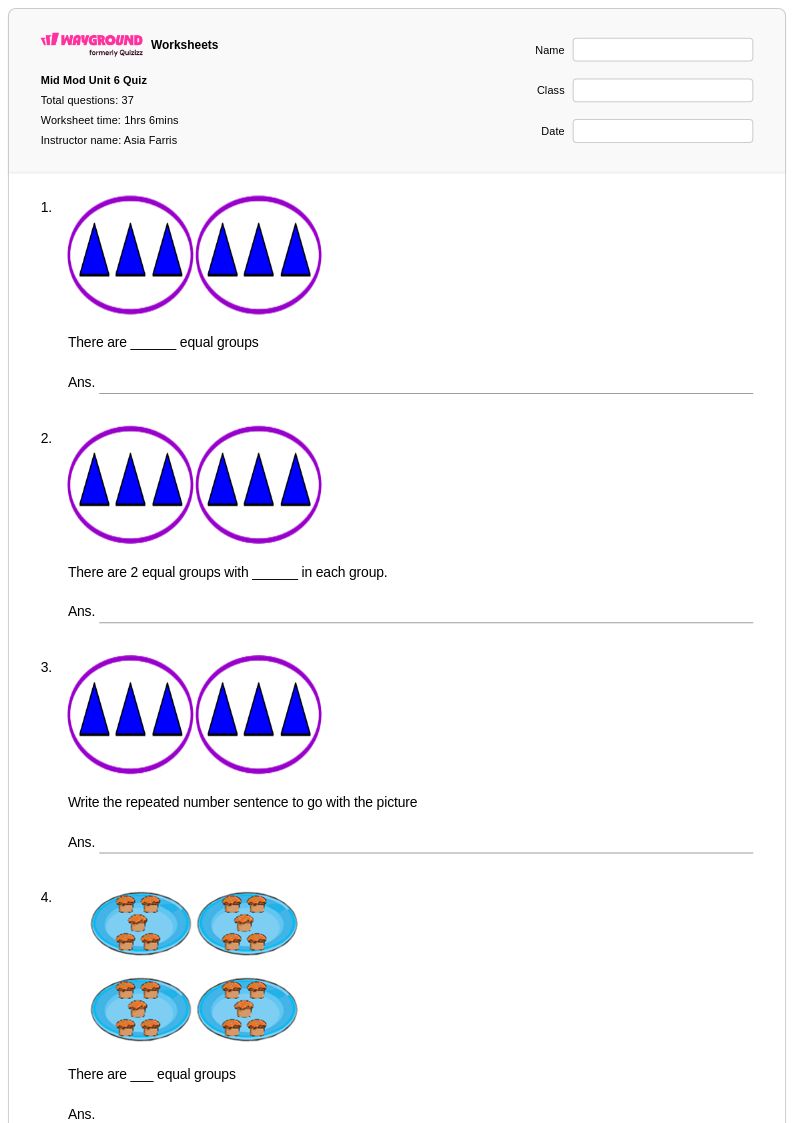
37 Q
2nd - Uni
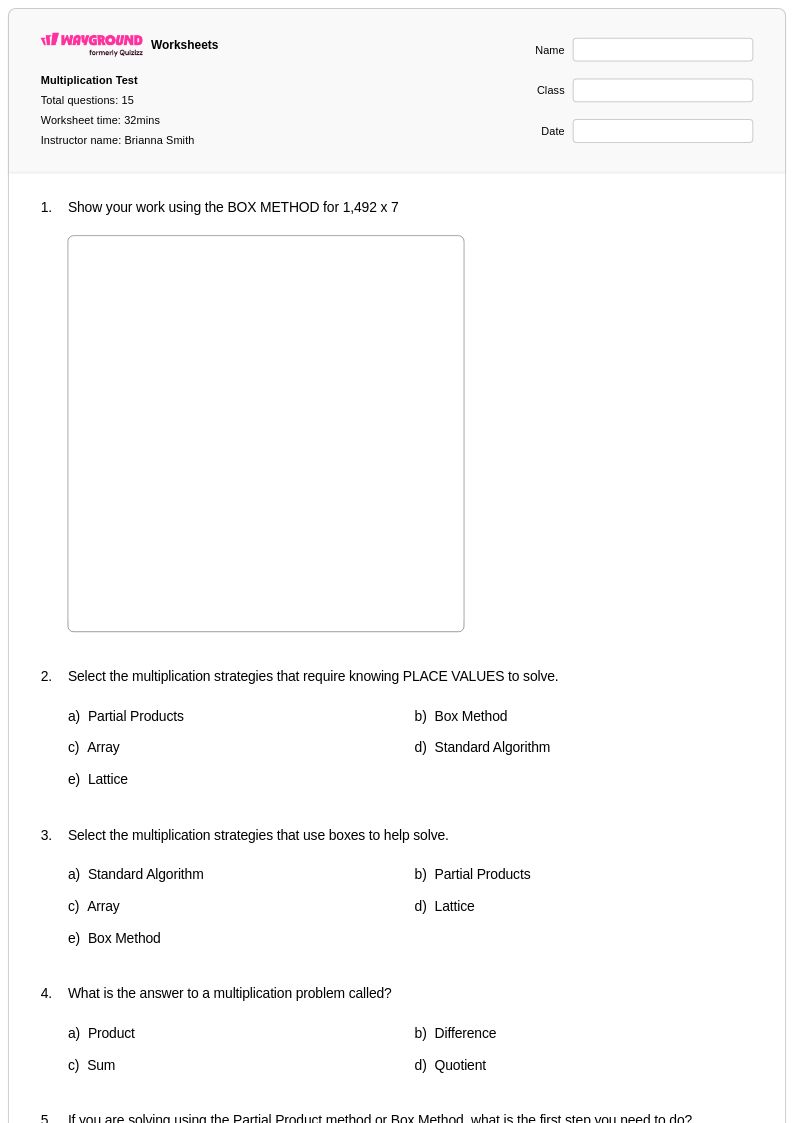
15 Q
3rd - 8th
Explore Arrays: Rows and Columns Worksheets by Grades
Explore Other Subject Worksheets for grade 4
Explore printable Arrays: Rows and Columns worksheets for Grade 4
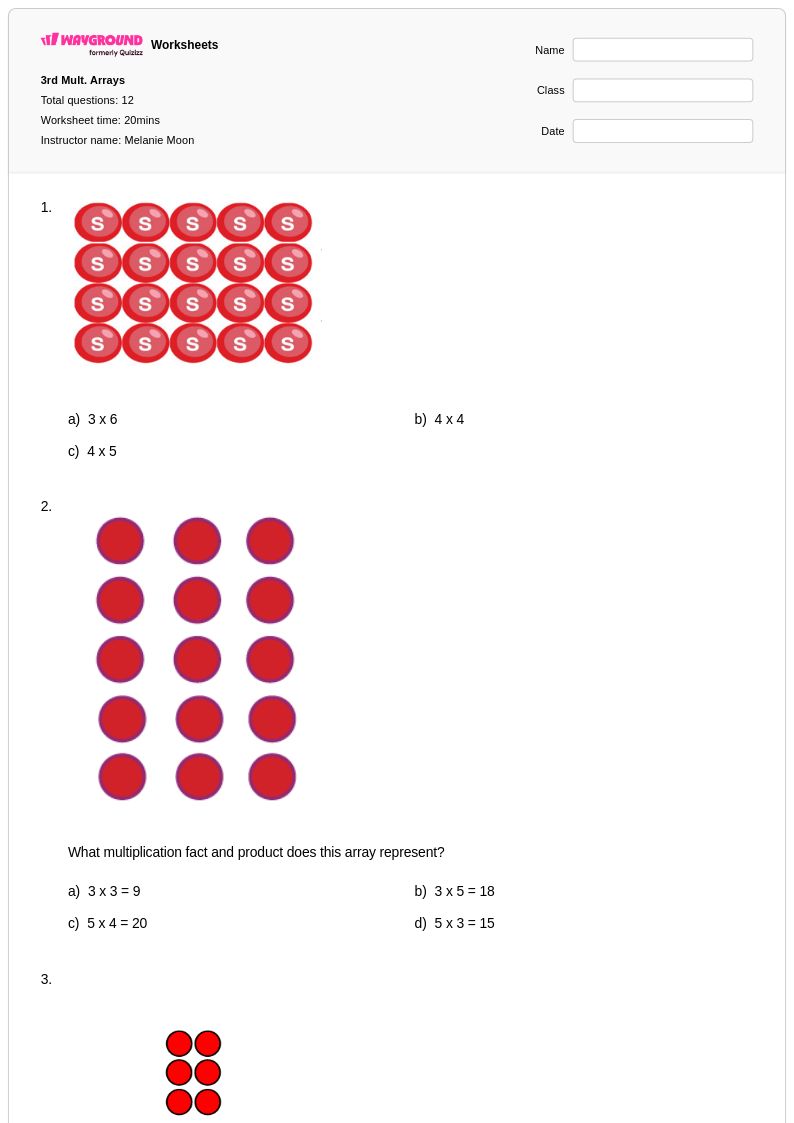
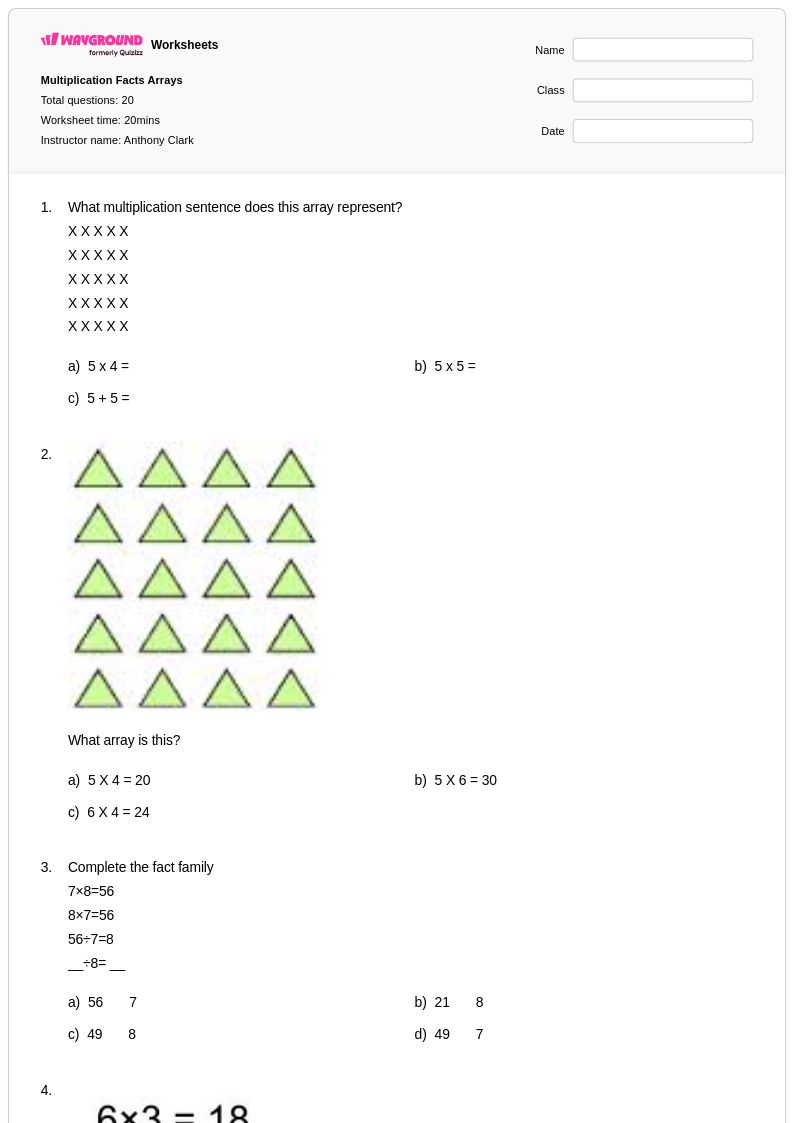
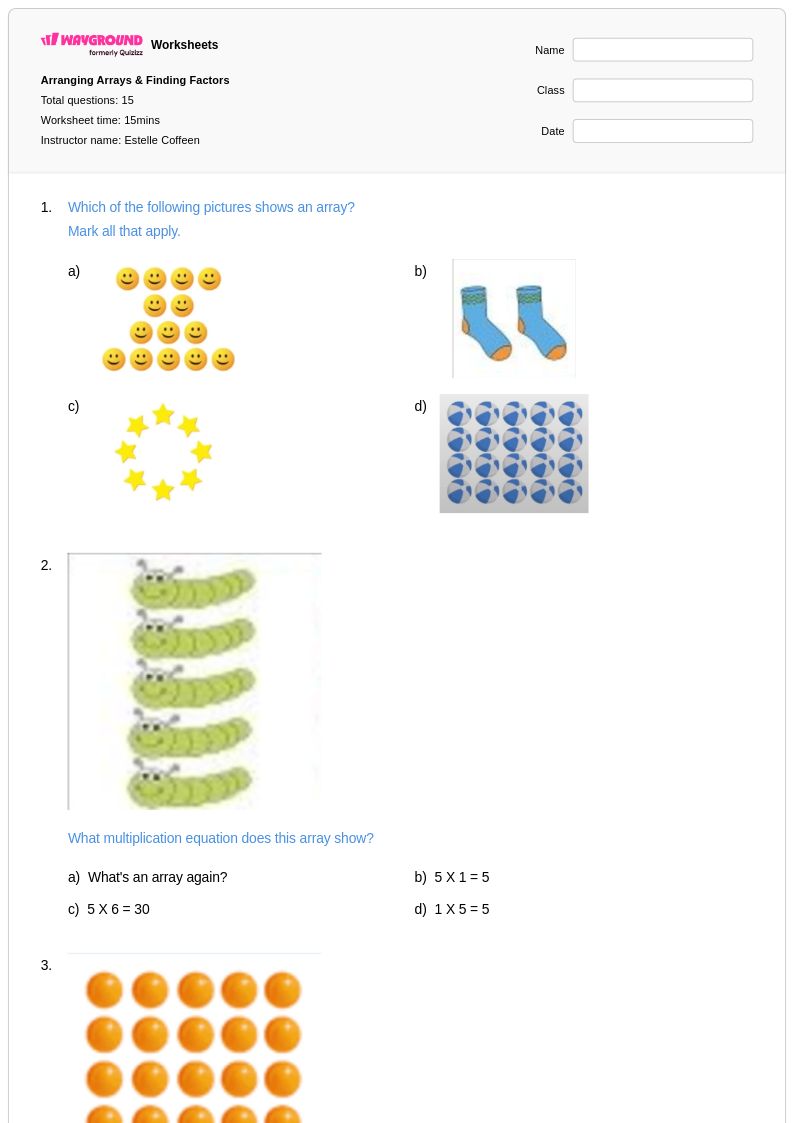
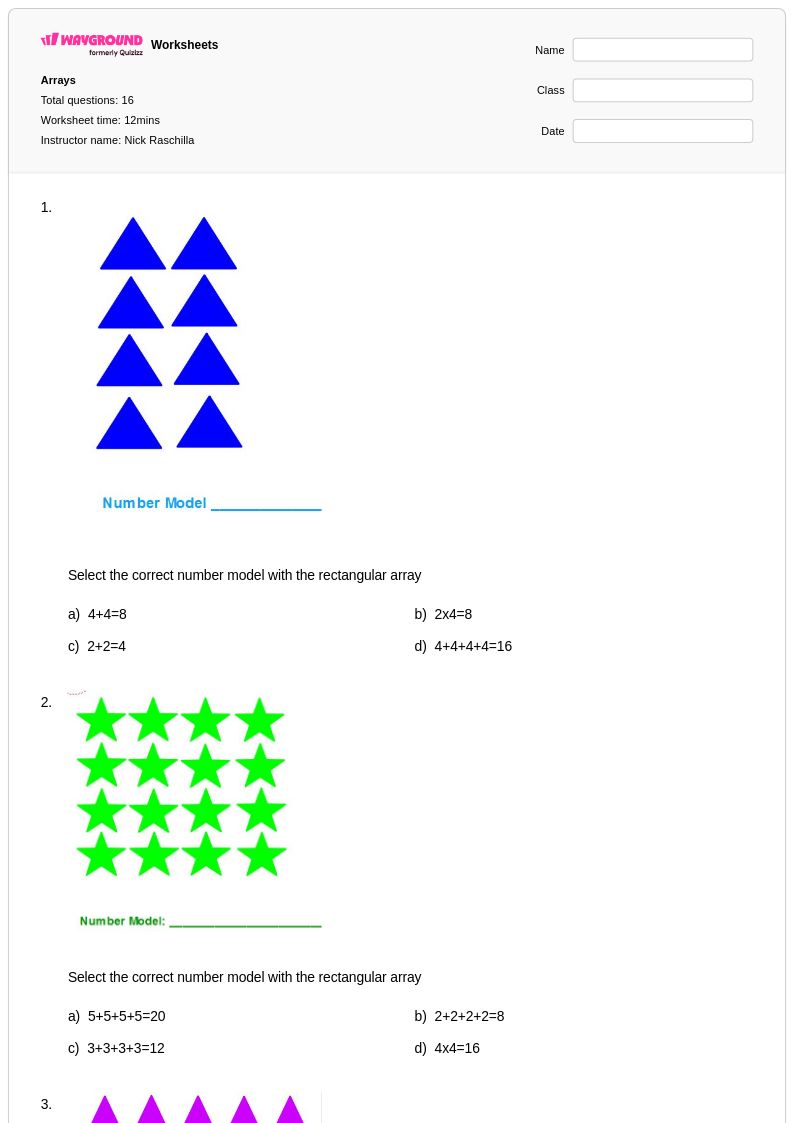
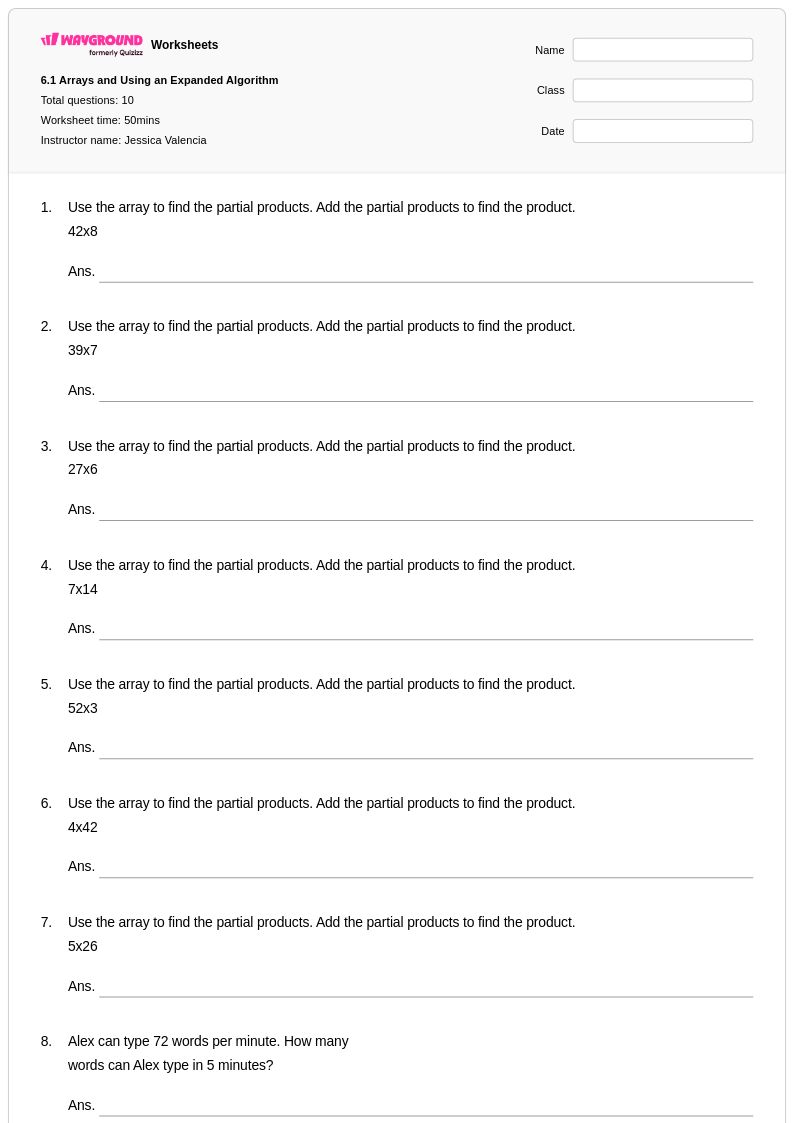
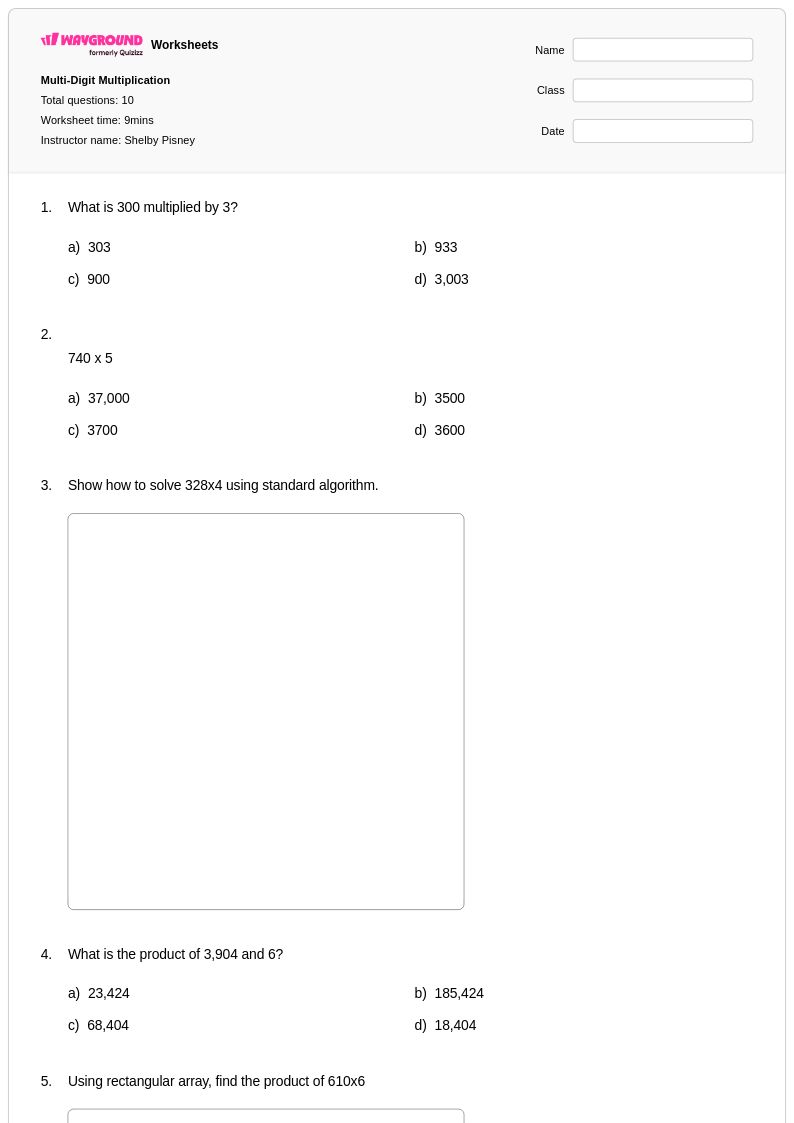
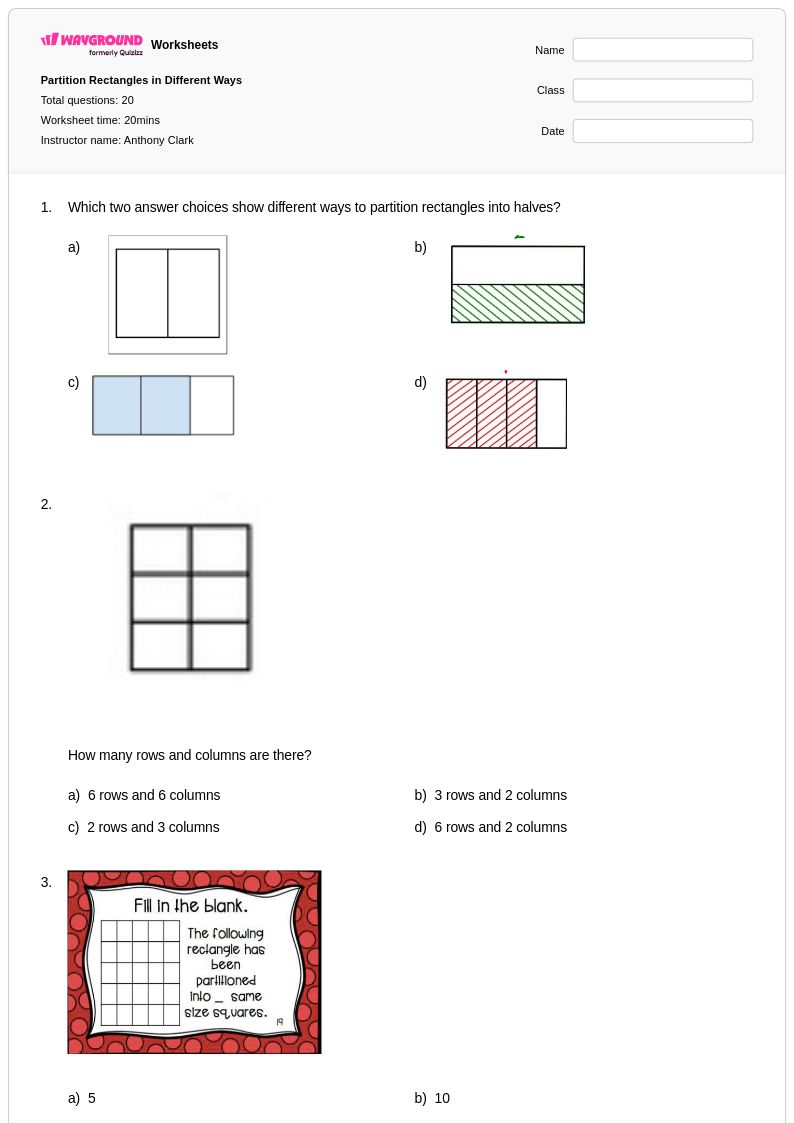
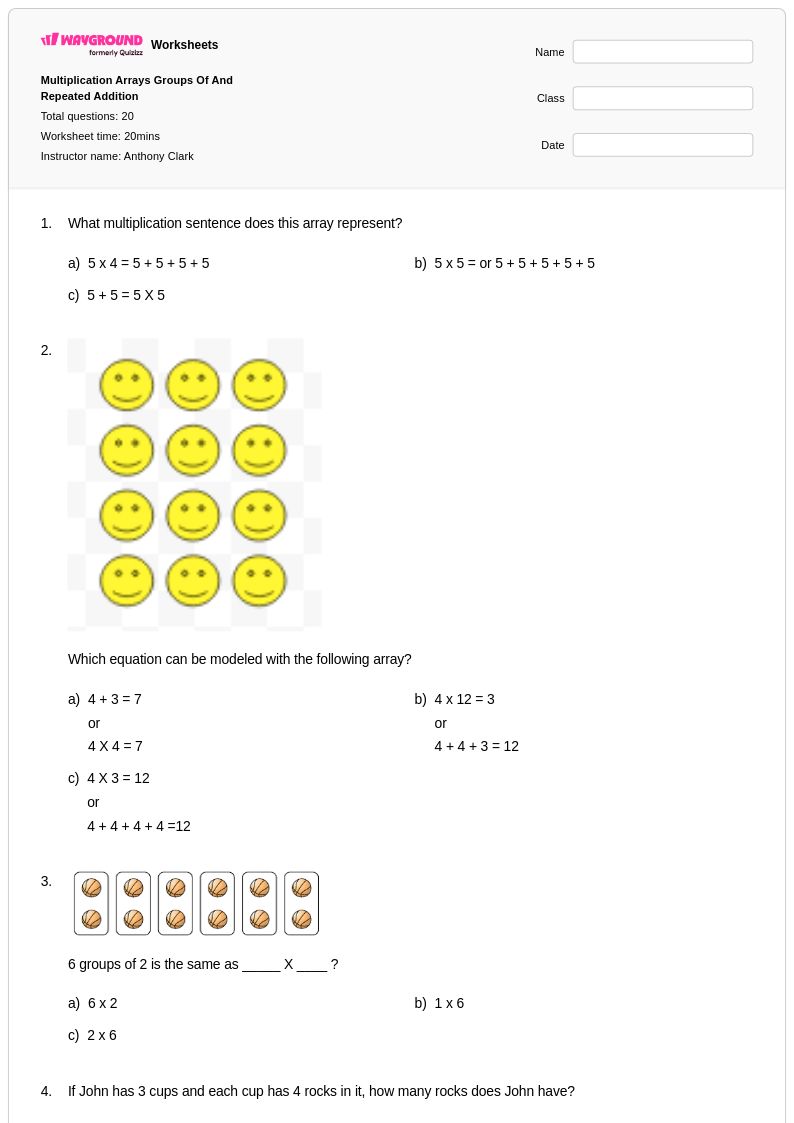
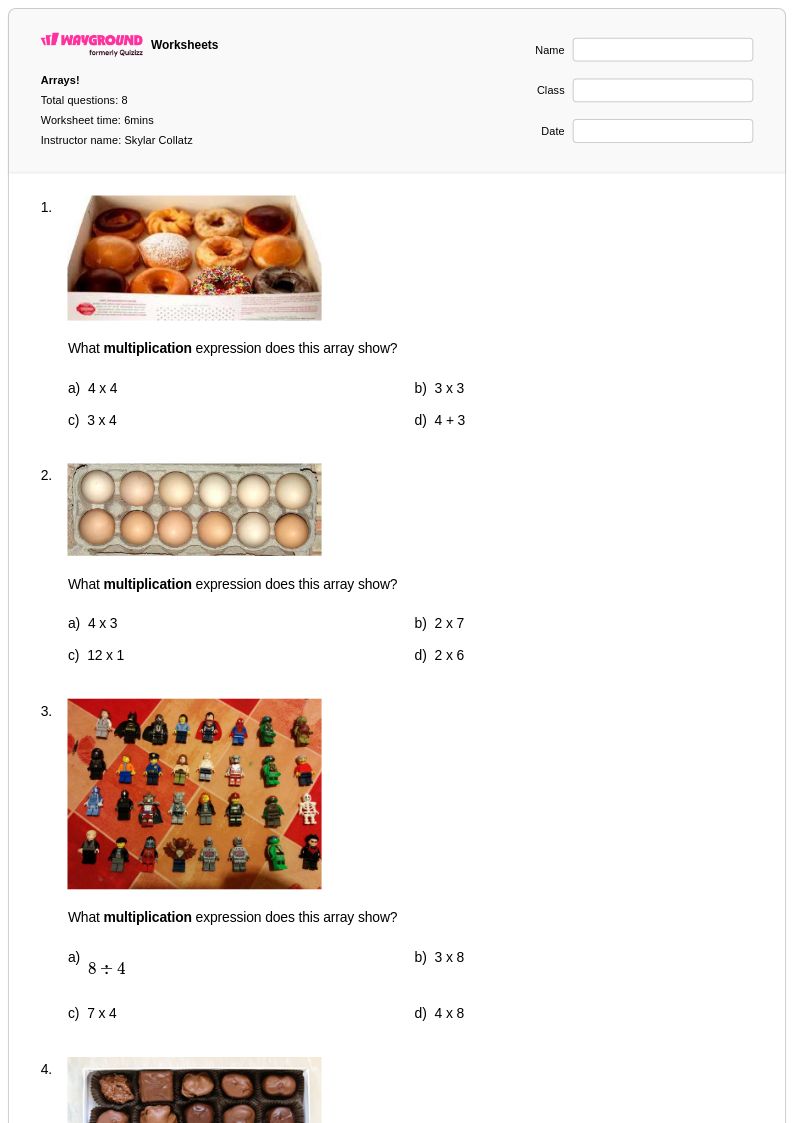
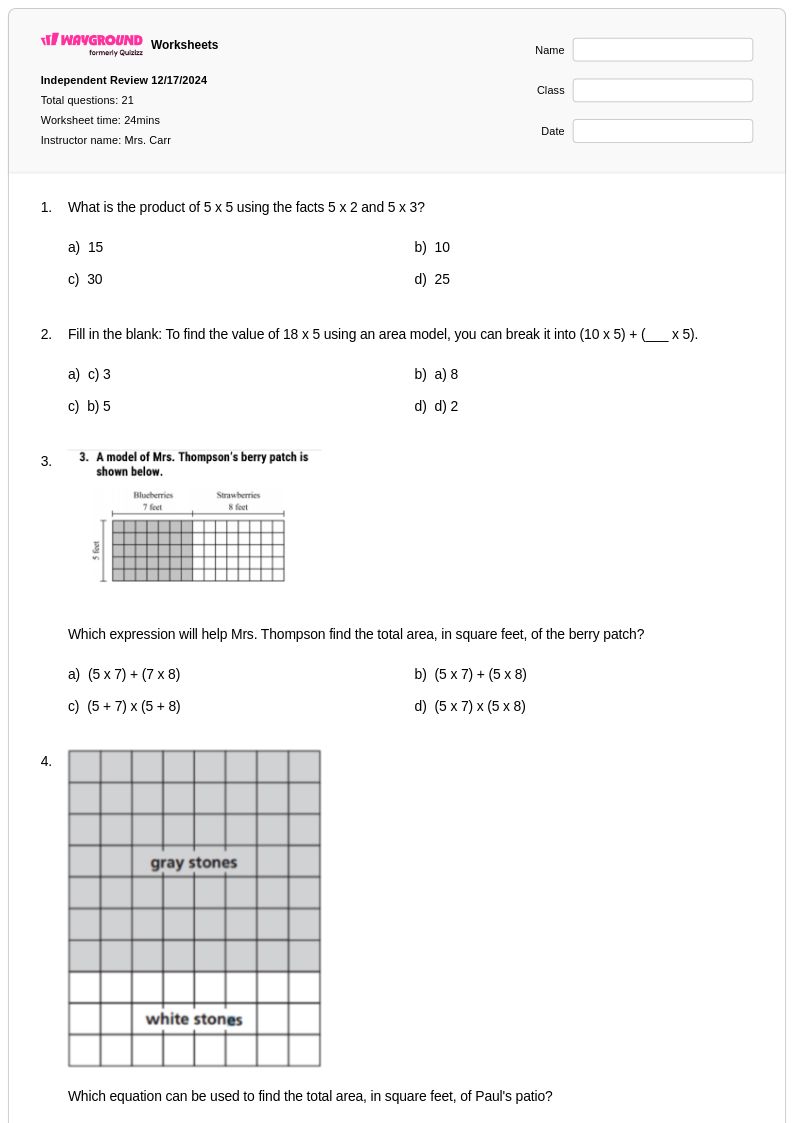
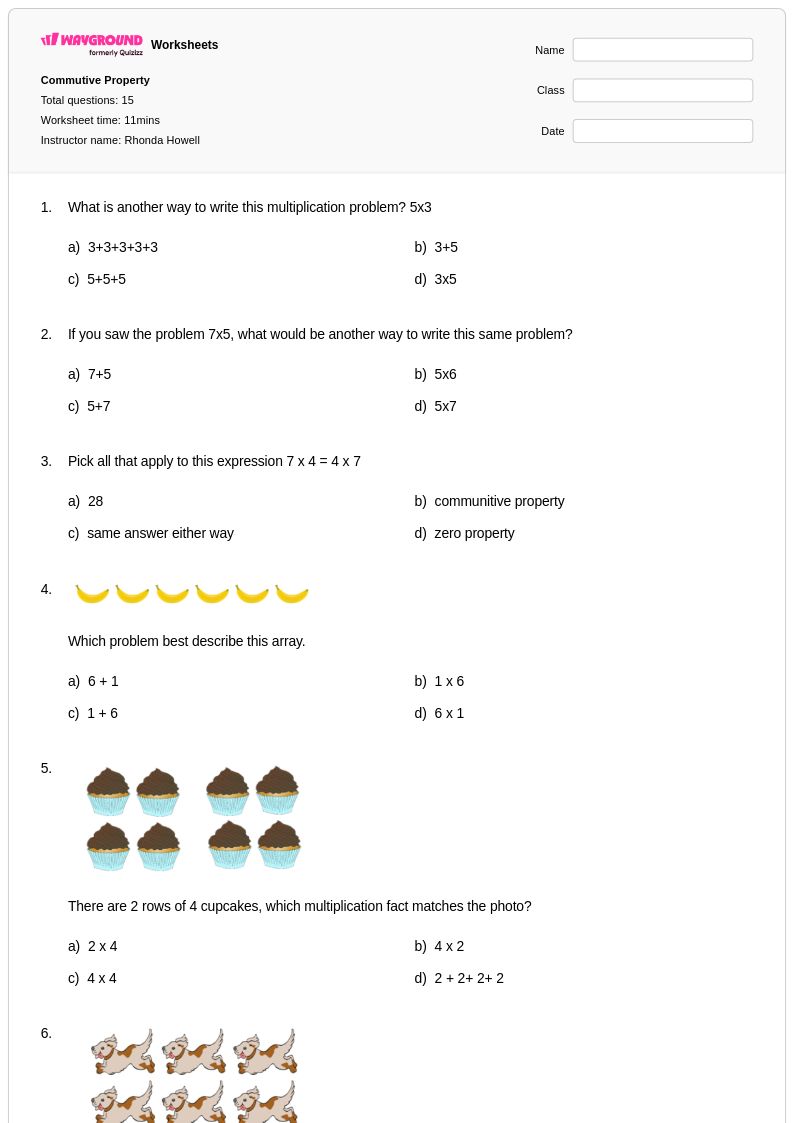
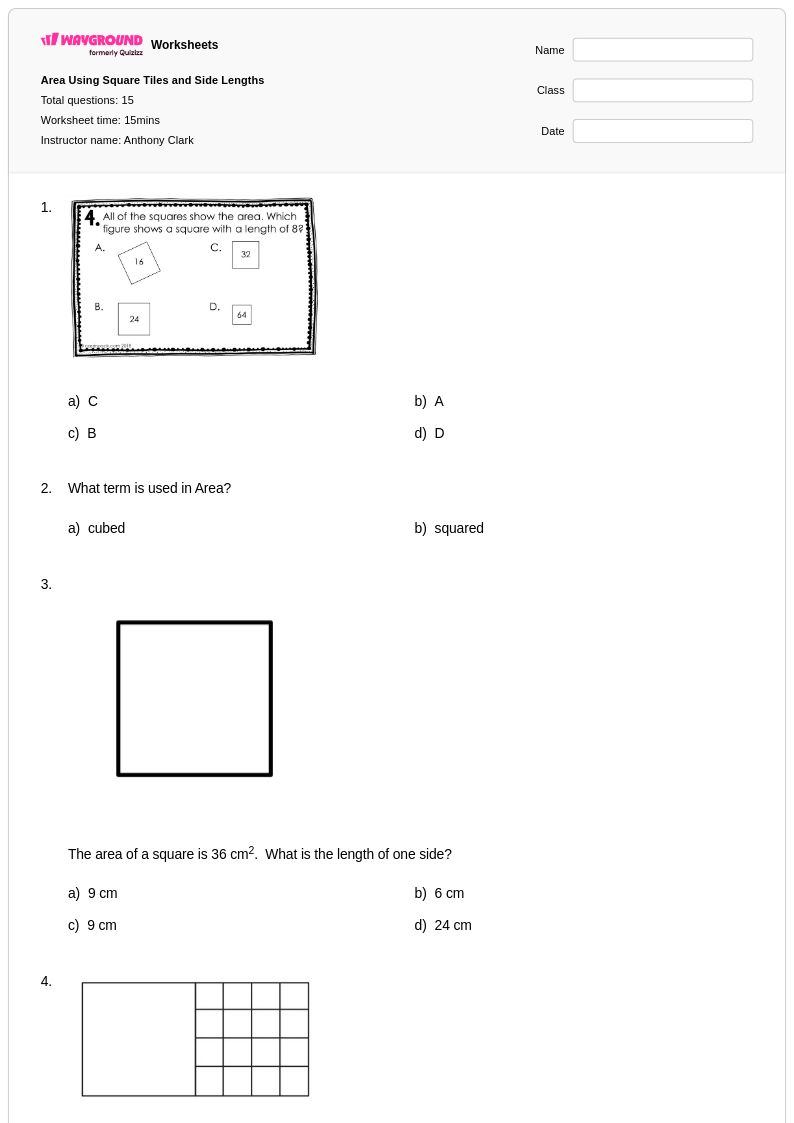
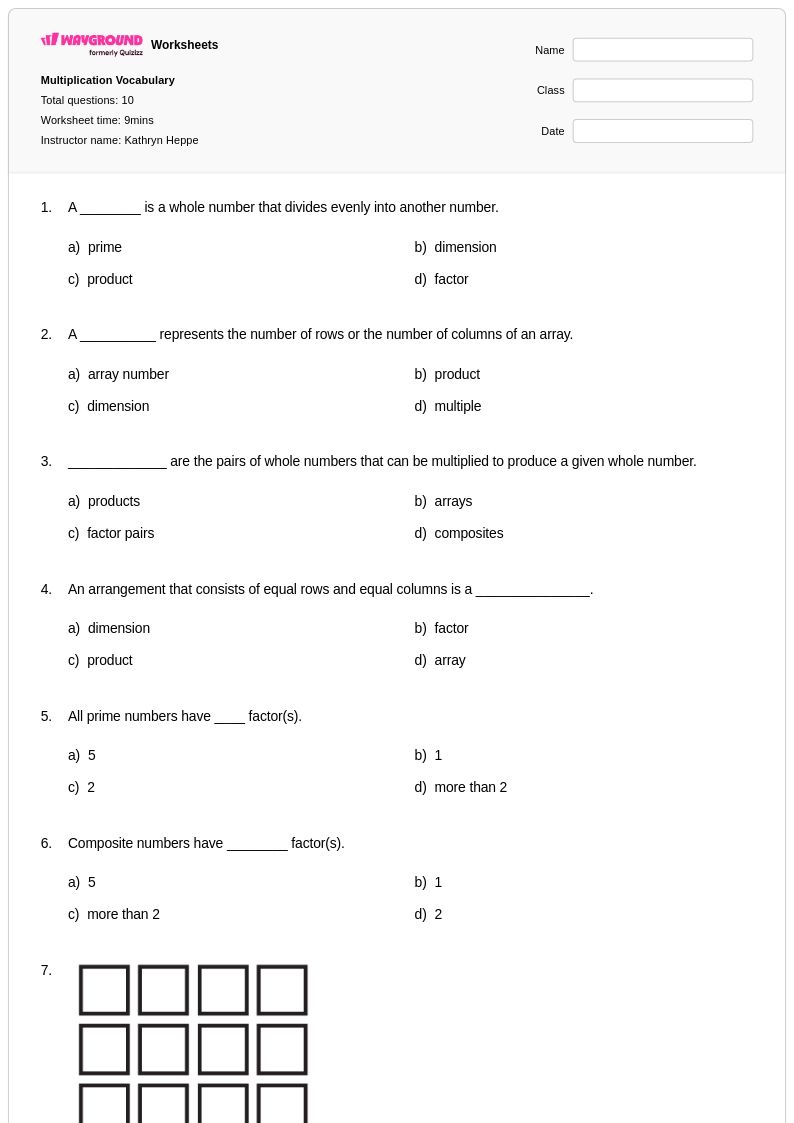
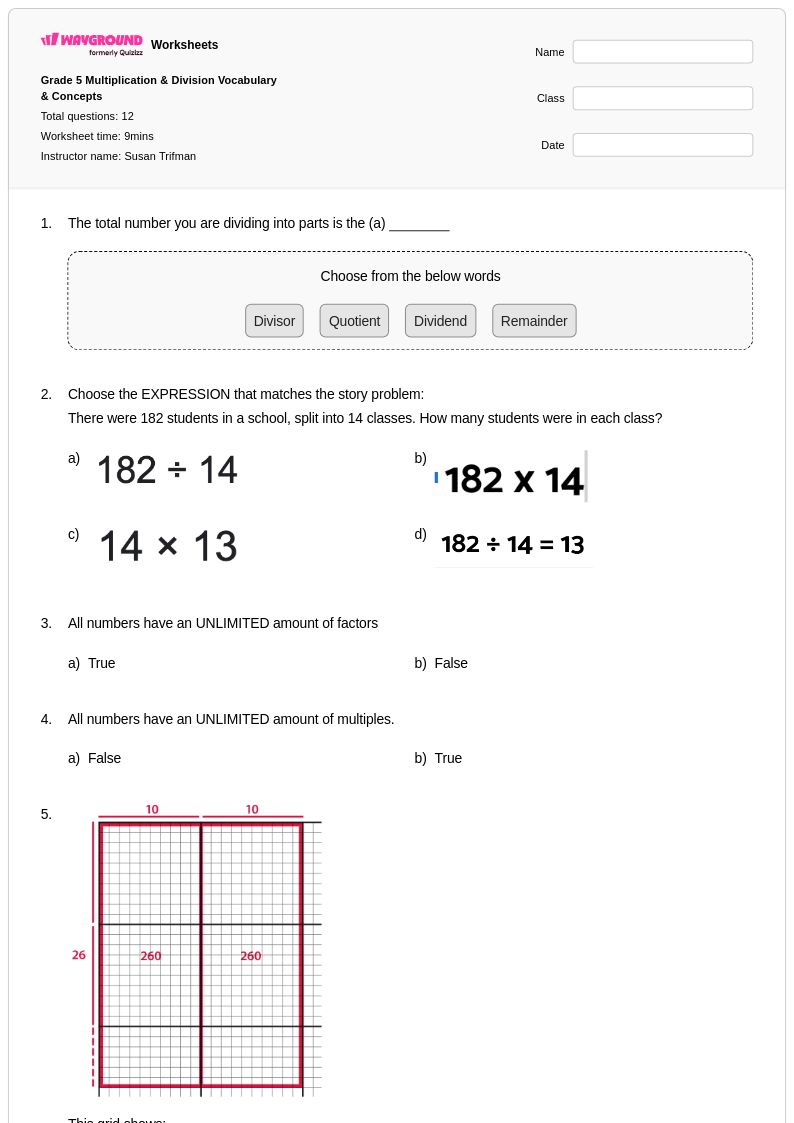
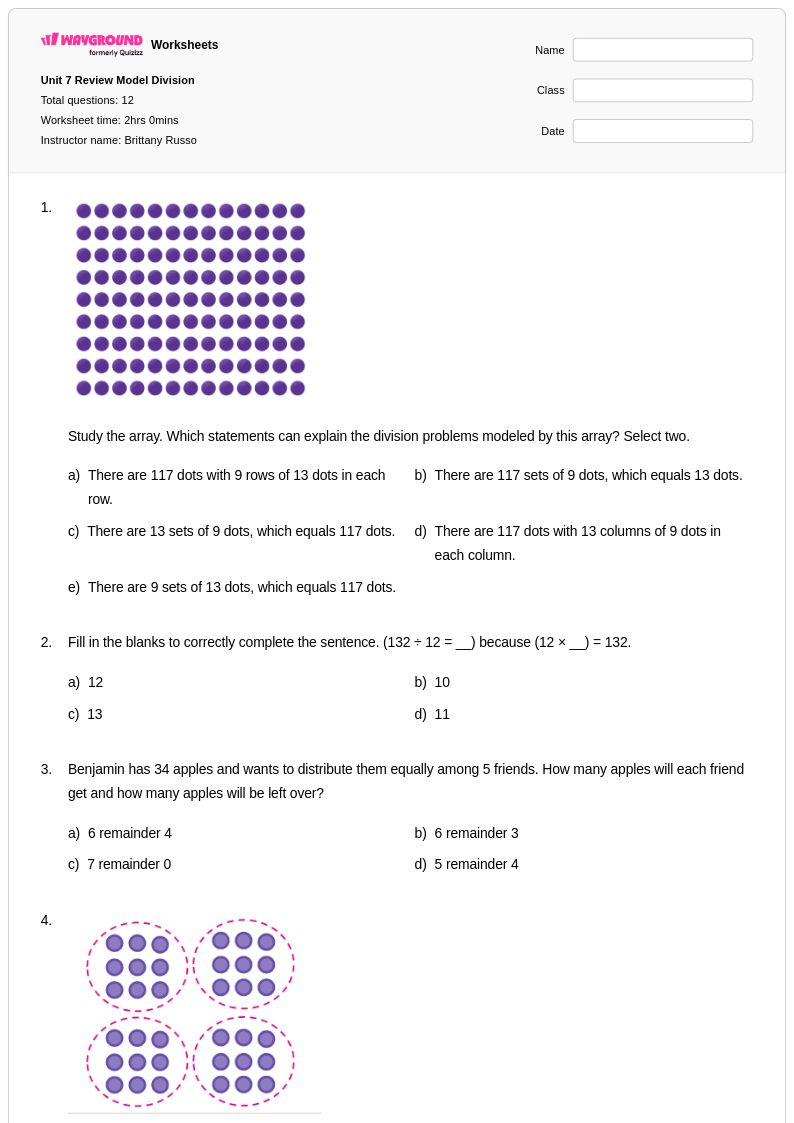
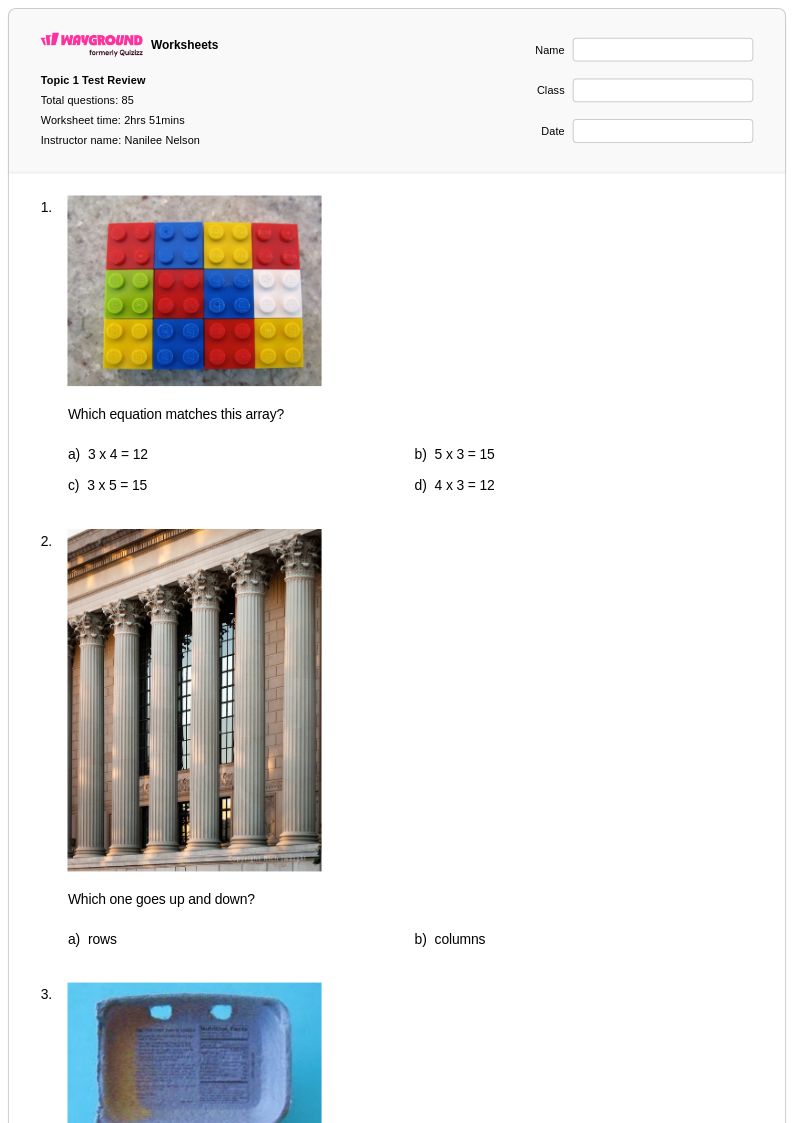
Arrays: Rows and Columns worksheets for Grade 4 students available through Wayground provide essential foundational practice for understanding multiplication through visual organization and spatial reasoning. These carefully designed printables help fourth-grade learners grasp how objects arranged in equal rows and columns create multiplication relationships, strengthening their ability to visualize mathematical concepts before moving to abstract calculations. Students work through practice problems that require them to identify, create, and analyze arrays while connecting the visual representation to corresponding multiplication equations. Each worksheet includes comprehensive coverage of key skills such as counting rows and columns, determining total quantities, and writing multiplication sentences that match array configurations, with answer keys provided to support independent learning and immediate feedback.
Wayground supports educators with an extensive collection of teacher-created resources specifically focused on arrays and multiplication concepts for Grade 4 mathematics instruction. The platform's robust search and filtering capabilities allow teachers to quickly locate worksheets that align with curriculum standards and match their students' specific learning needs. These differentiation tools enable instructors to customize content for various skill levels, whether providing remediation for struggling learners or enrichment challenges for advanced students. Available in both printable pdf format and digital versions, these array worksheets integrate seamlessly into lesson planning, homework assignments, and skill practice sessions, giving teachers the flexibility to deliver targeted instruction that builds conceptual understanding of multiplication through visual learning strategies.
FAQs
How do I use arrays to teach multiplication in Grade 4?
What array exercises are useful for fourth graders?
What mistakes do Grade 4 students make with array models?
How can I use these Grade 4 array worksheets in my lessons?
How do arrays fit into the Grade 4 Common Core multiplication progression?
How can I differentiate array work in a Grade 4 classroom?
Why are arrays still useful in Grade 4?