Free Printable Character Change Worksheets for Grade 10
Grade 10 character change worksheets help students analyze how characters evolve throughout stories using printable PDF exercises, free practice problems, and comprehensive answer keys for effective learning.
Explore printable Character Change worksheets for Grade 10
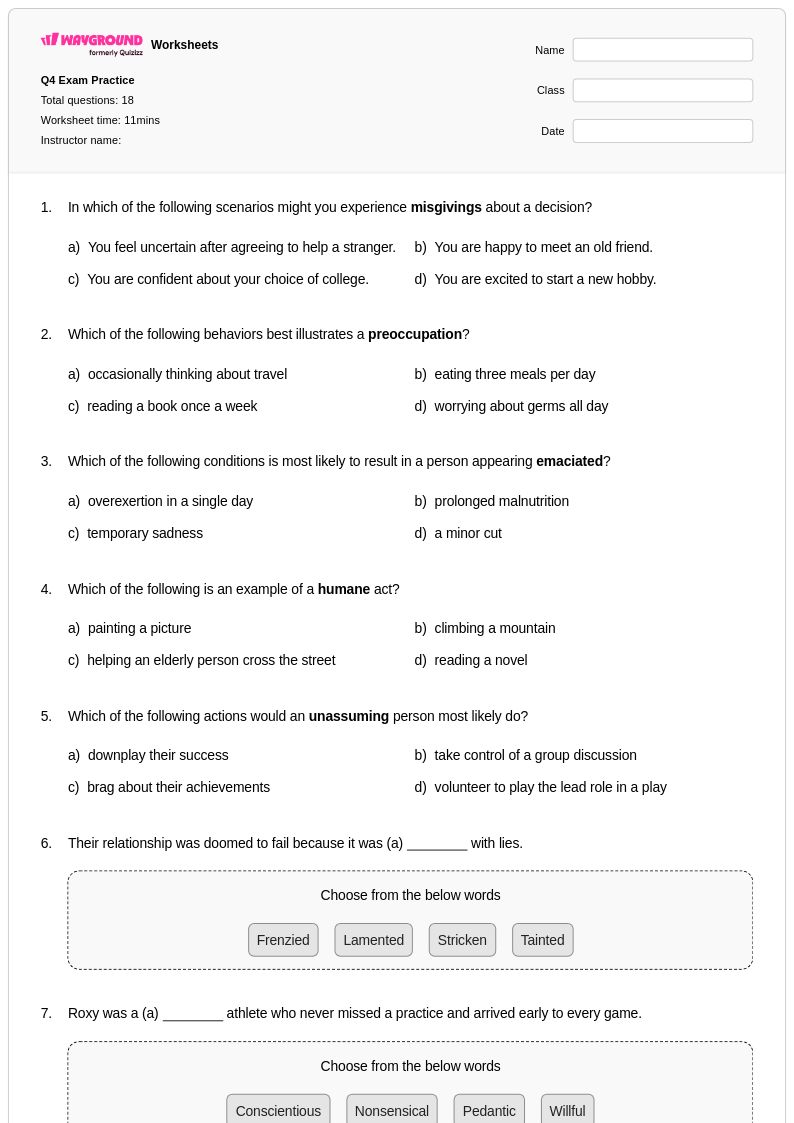
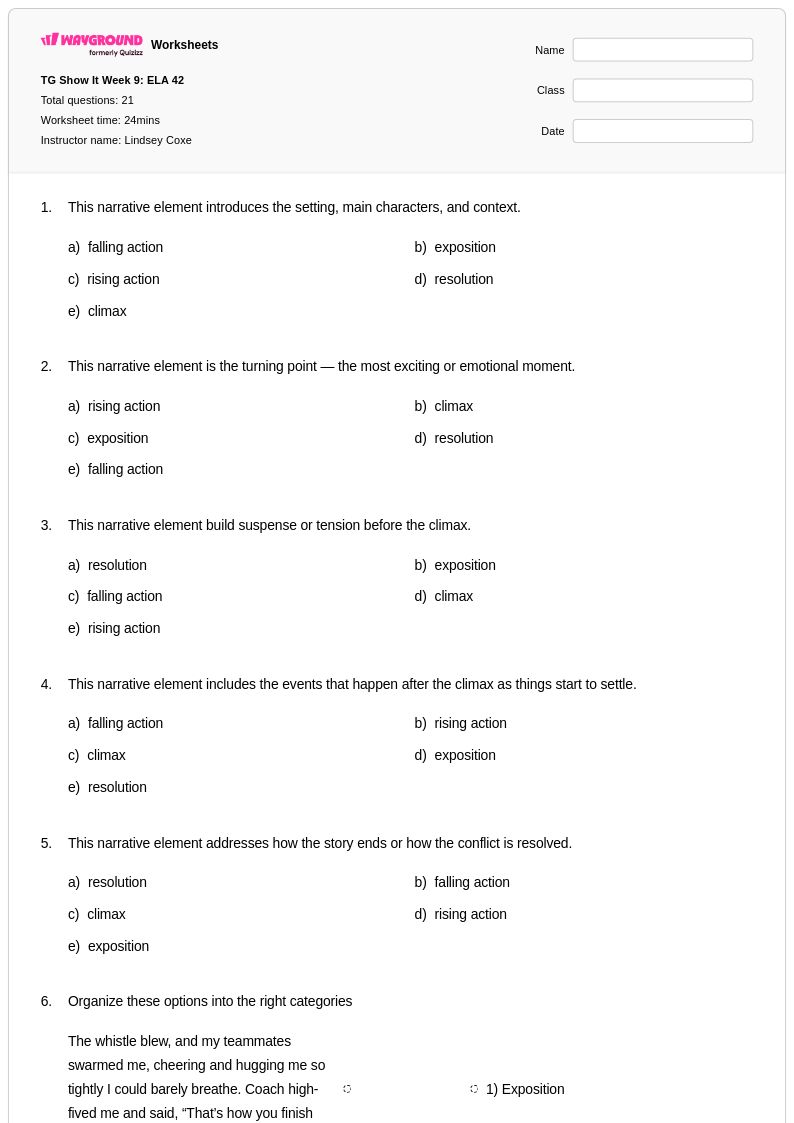
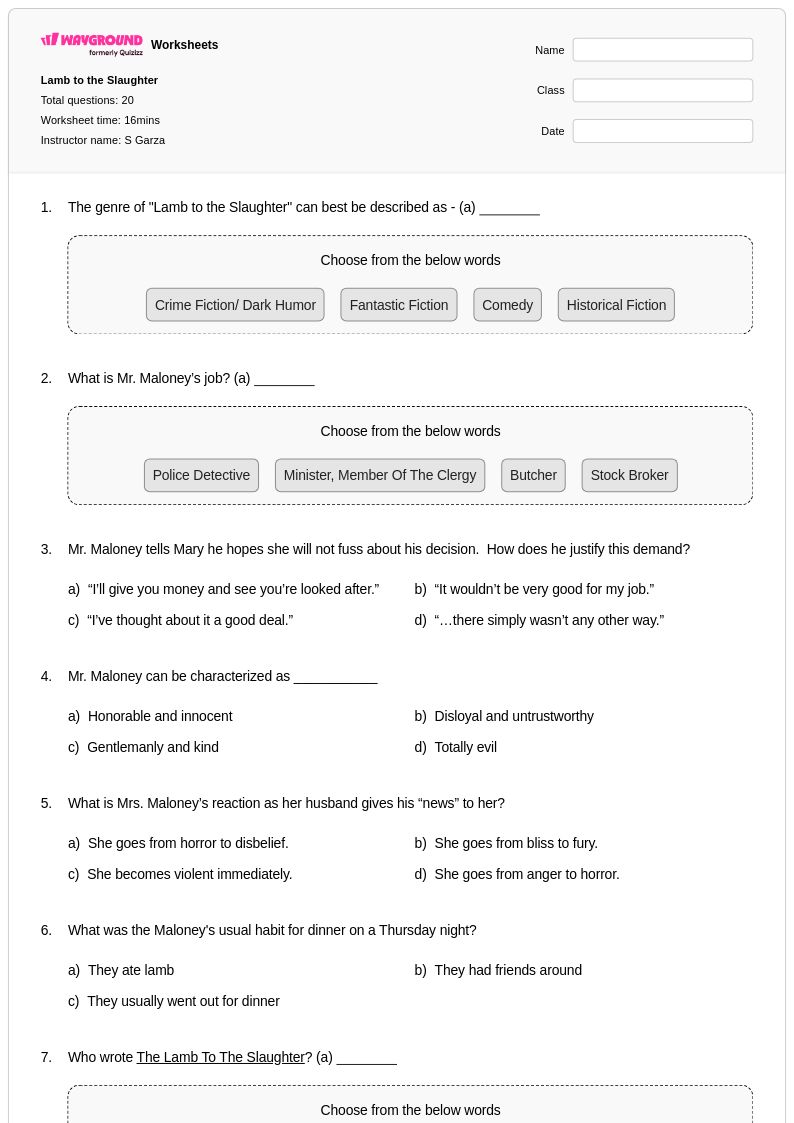
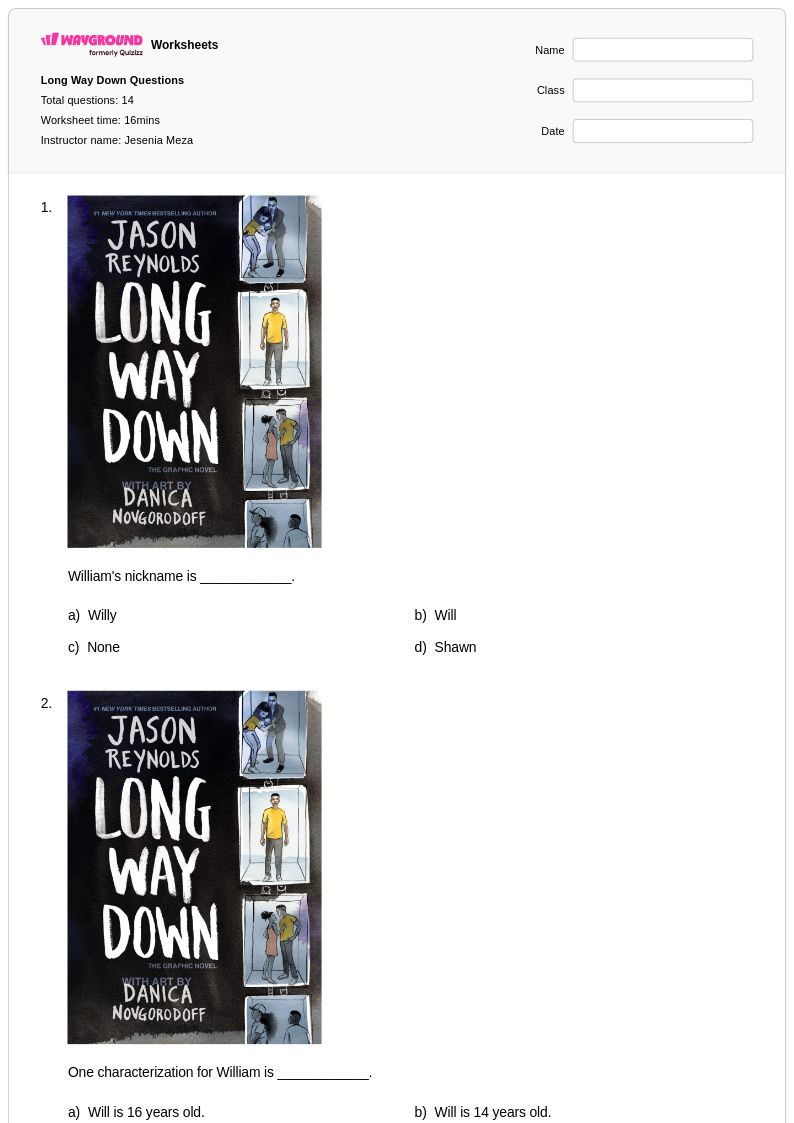
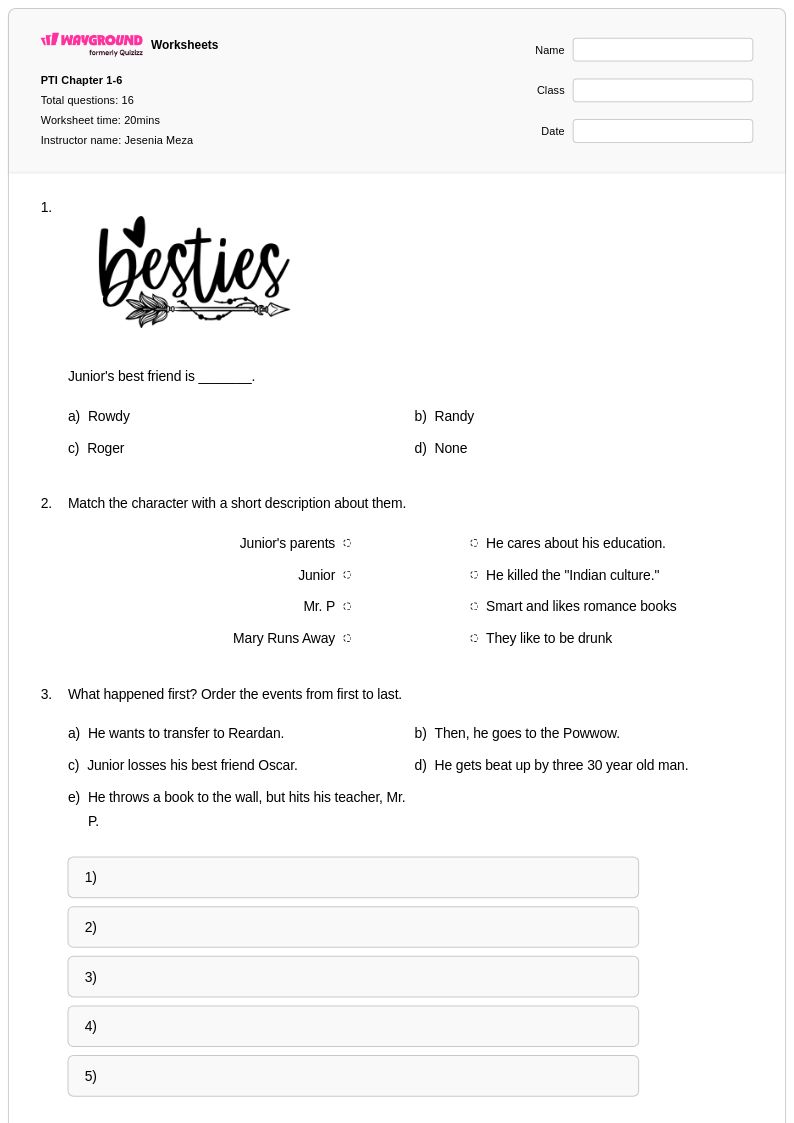
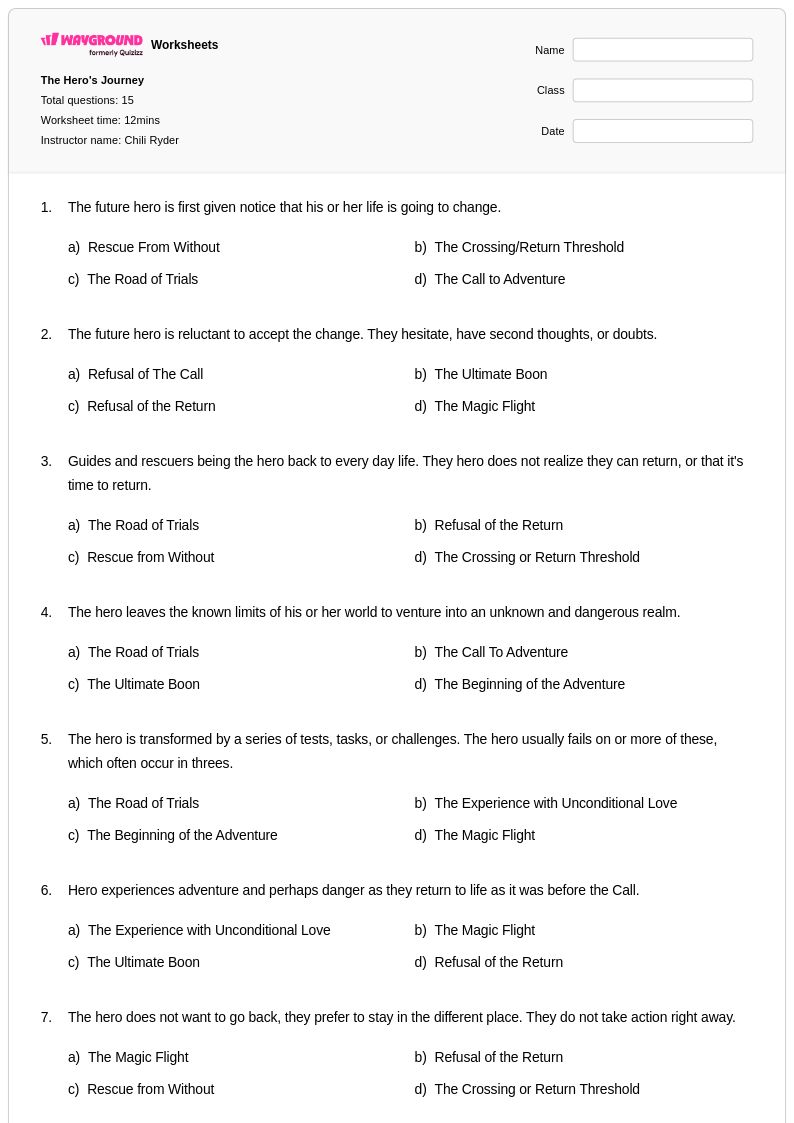
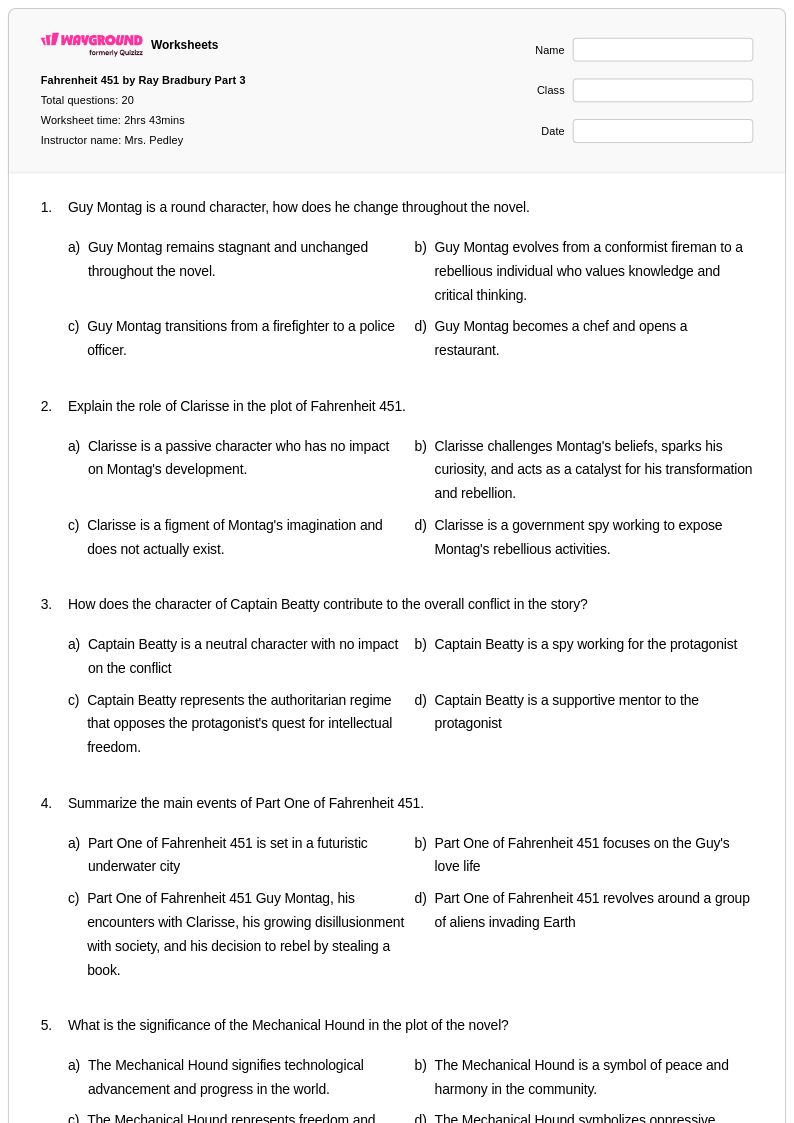
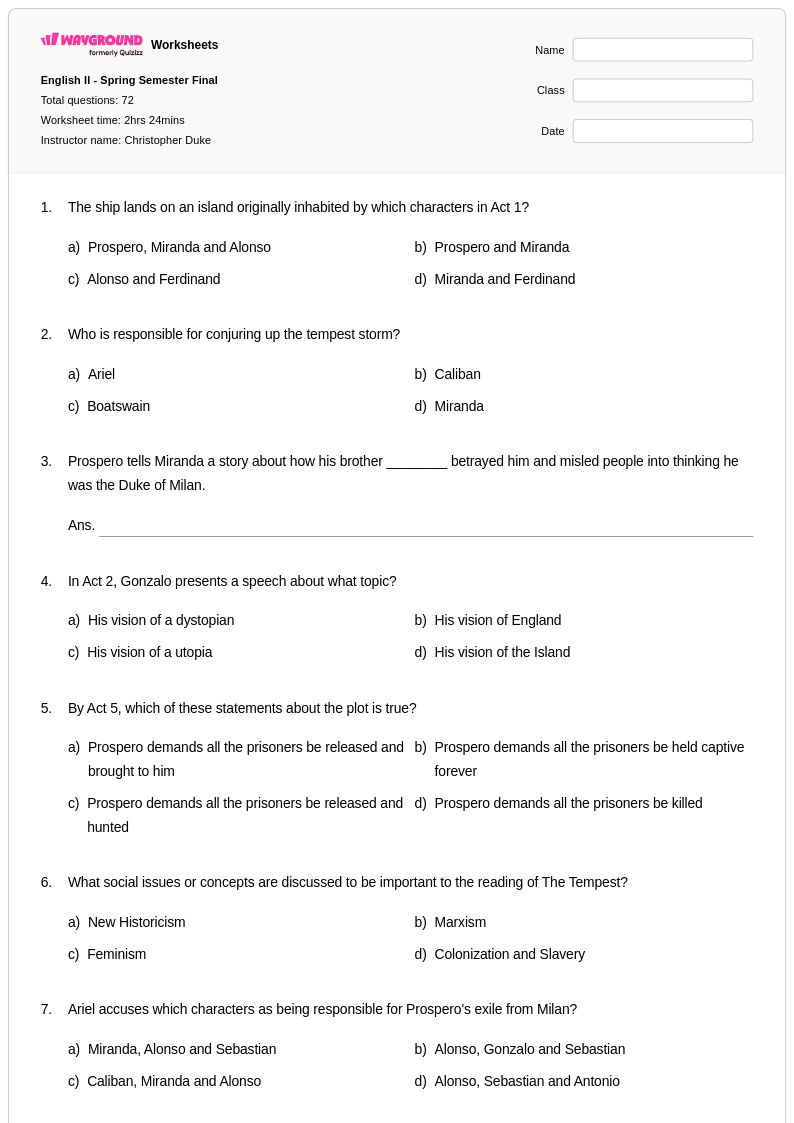
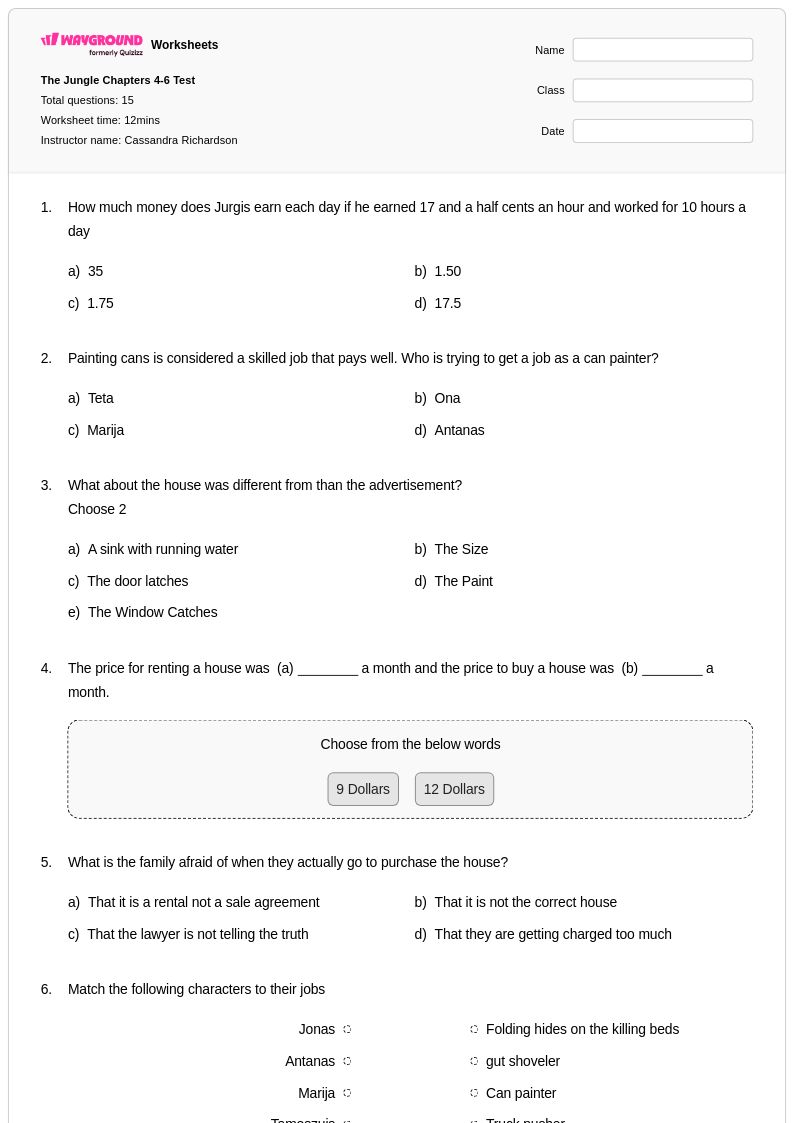
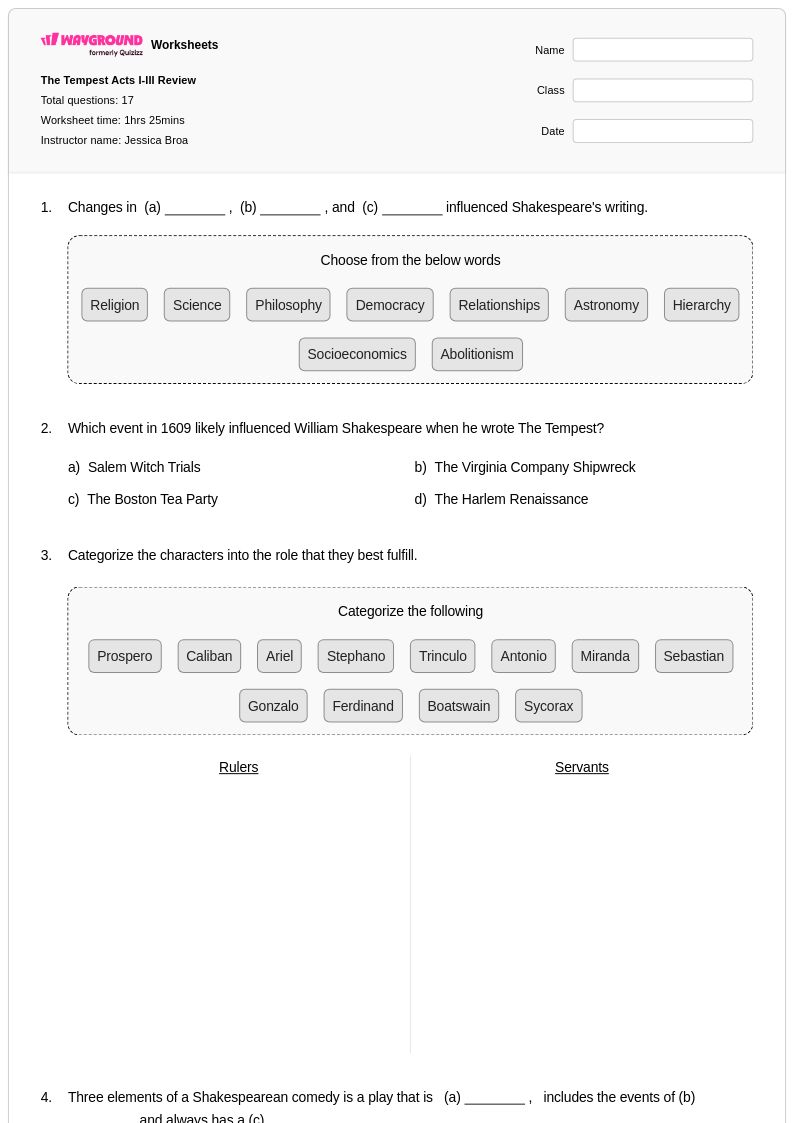
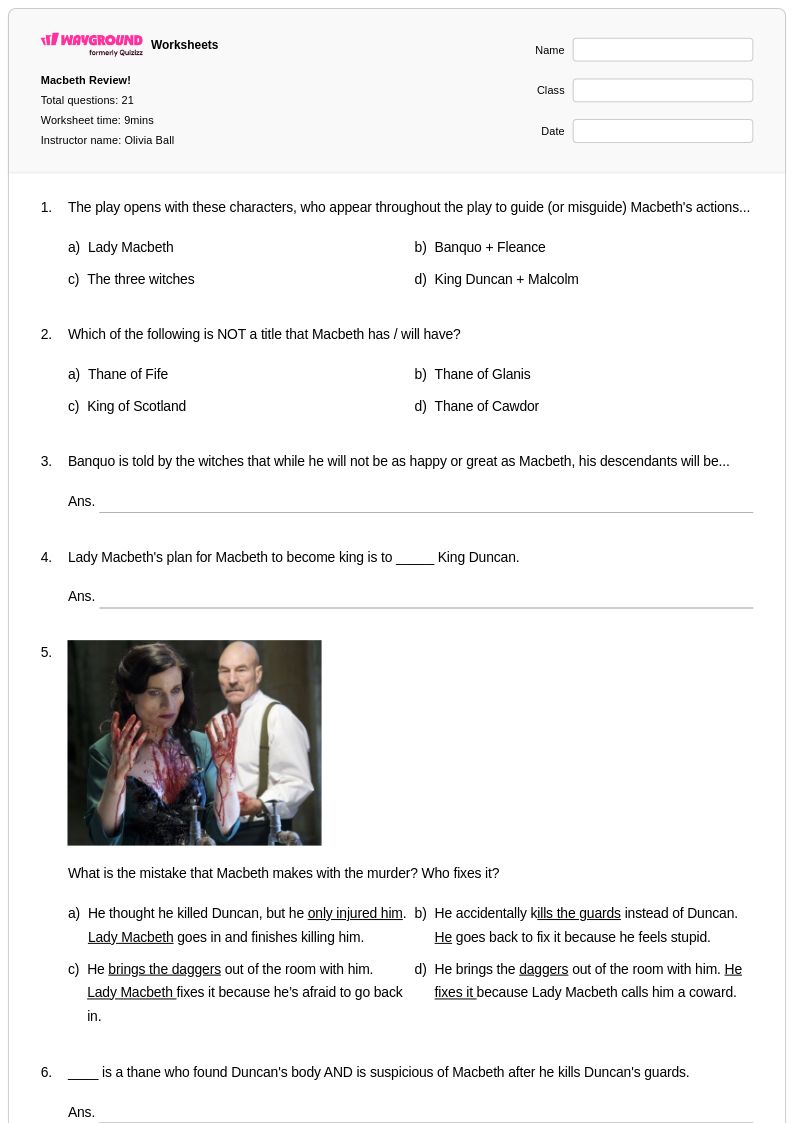
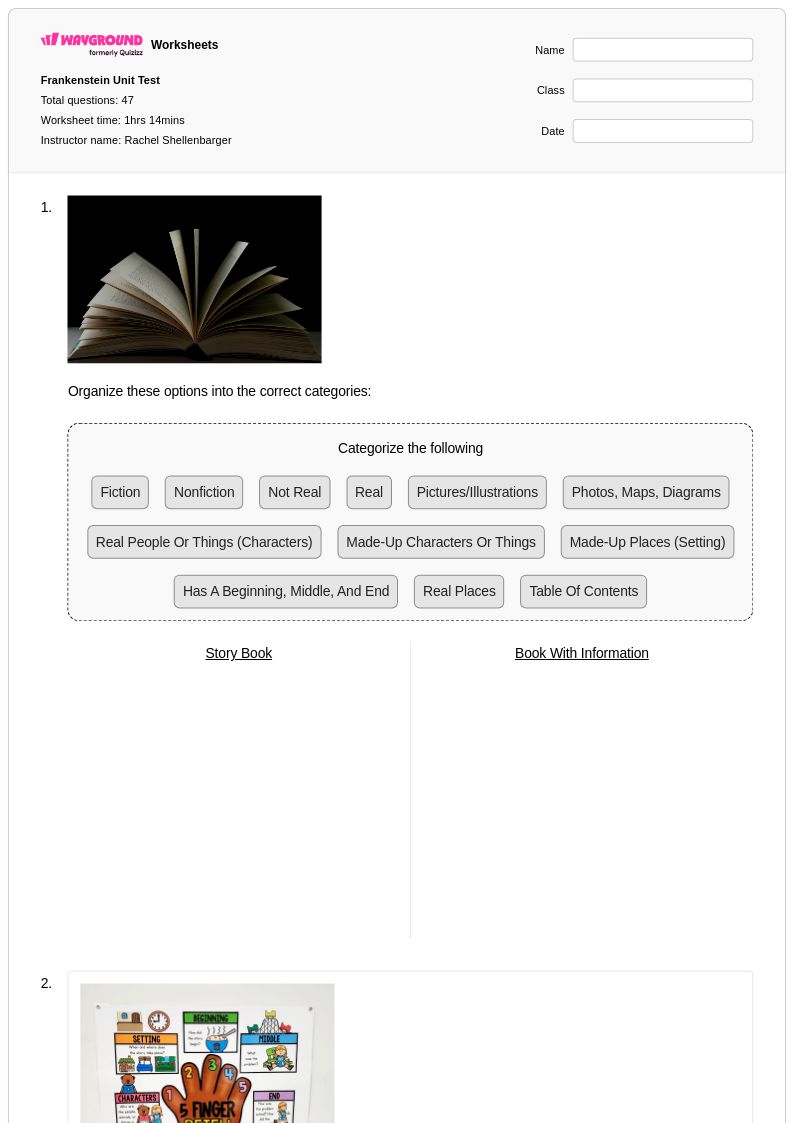
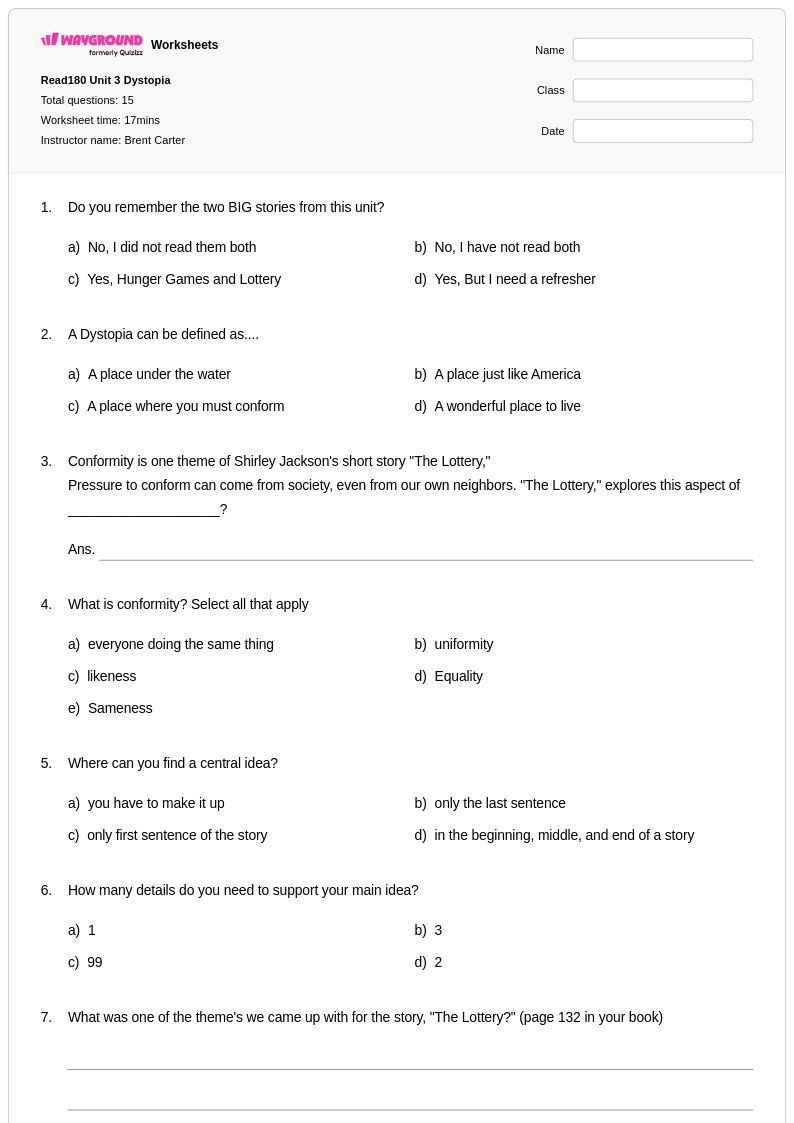
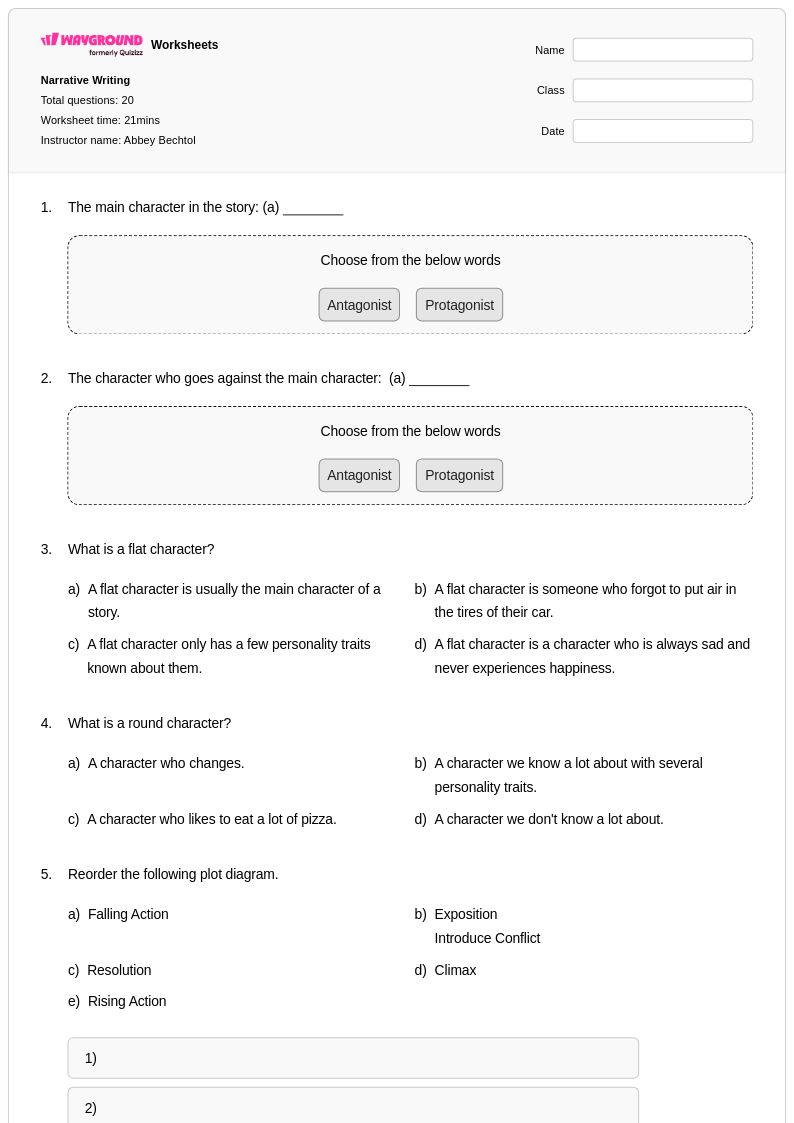
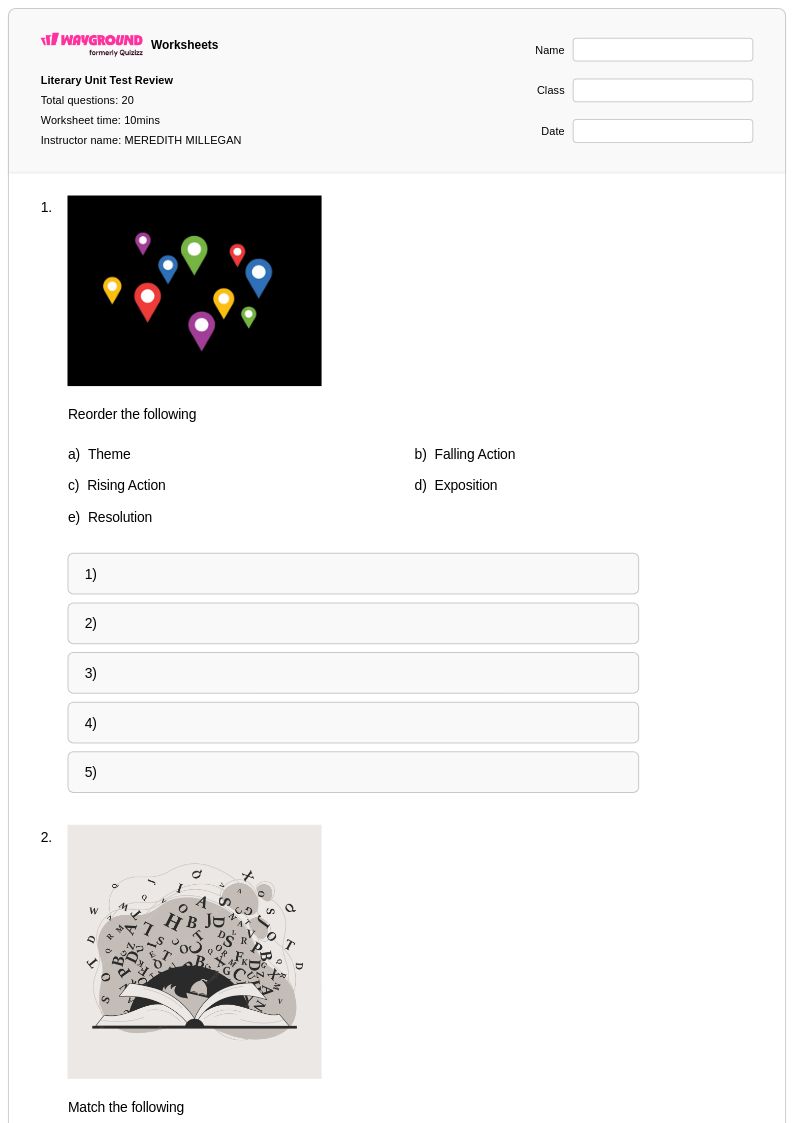
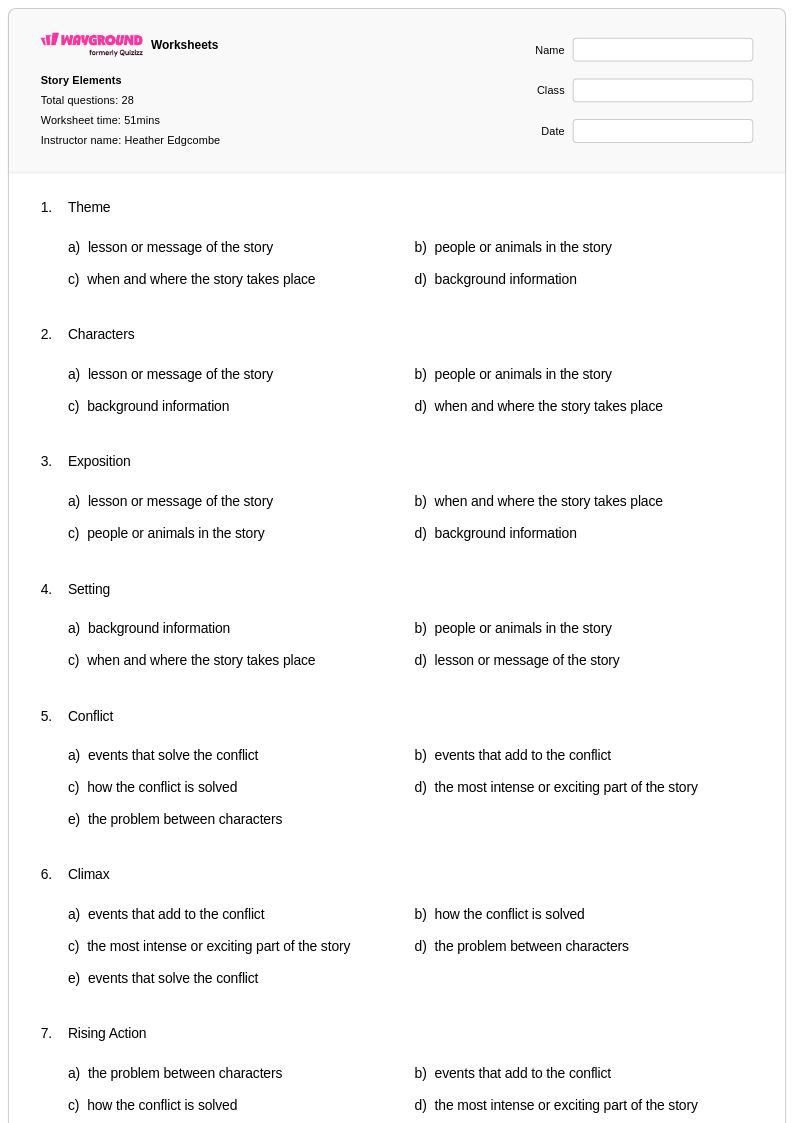
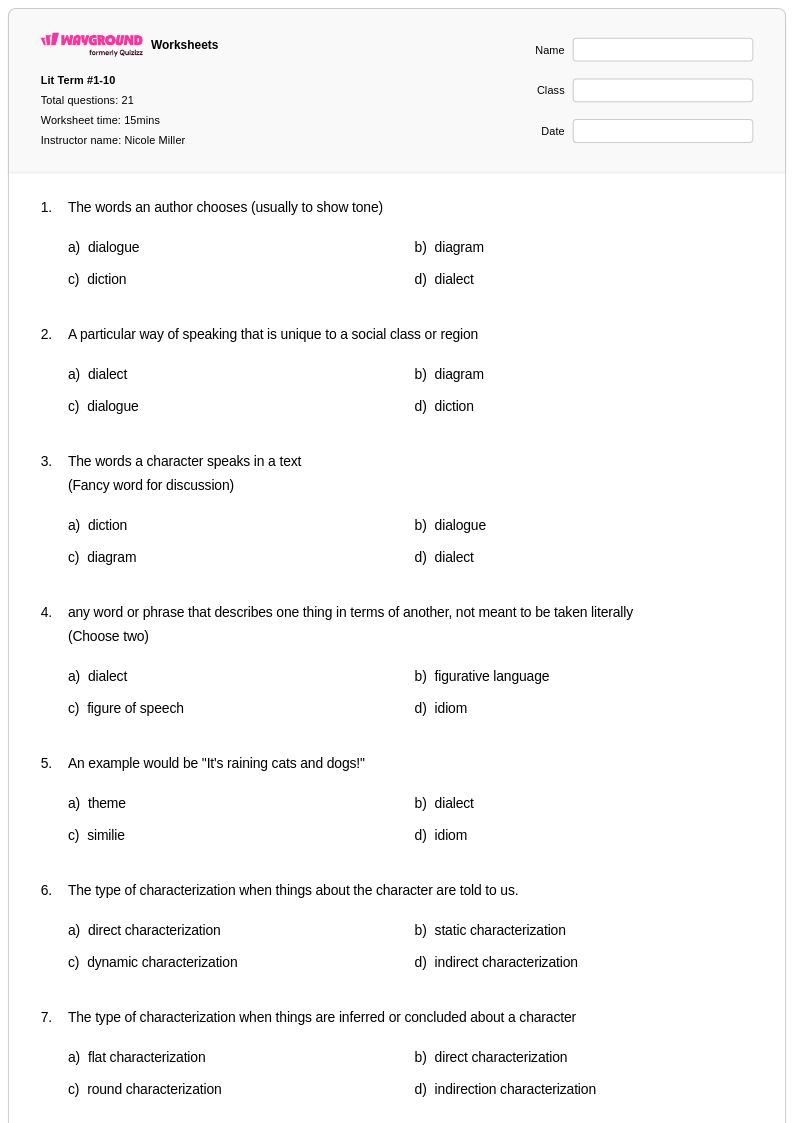
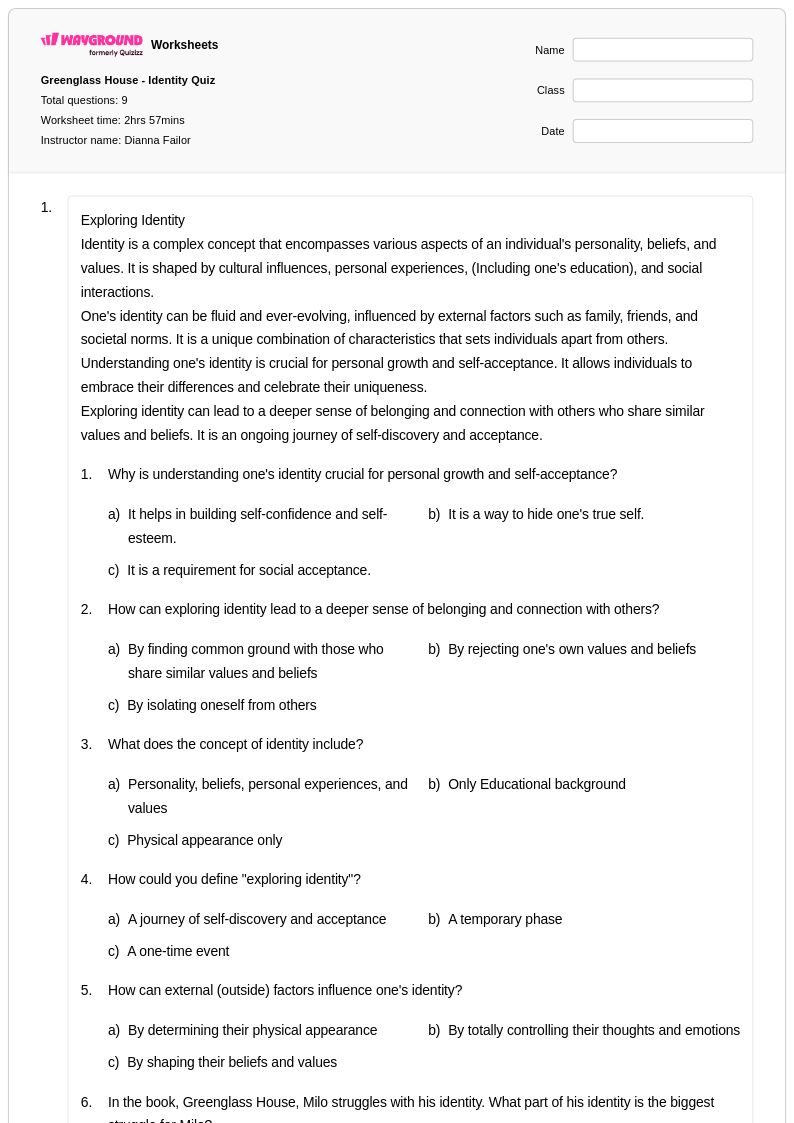
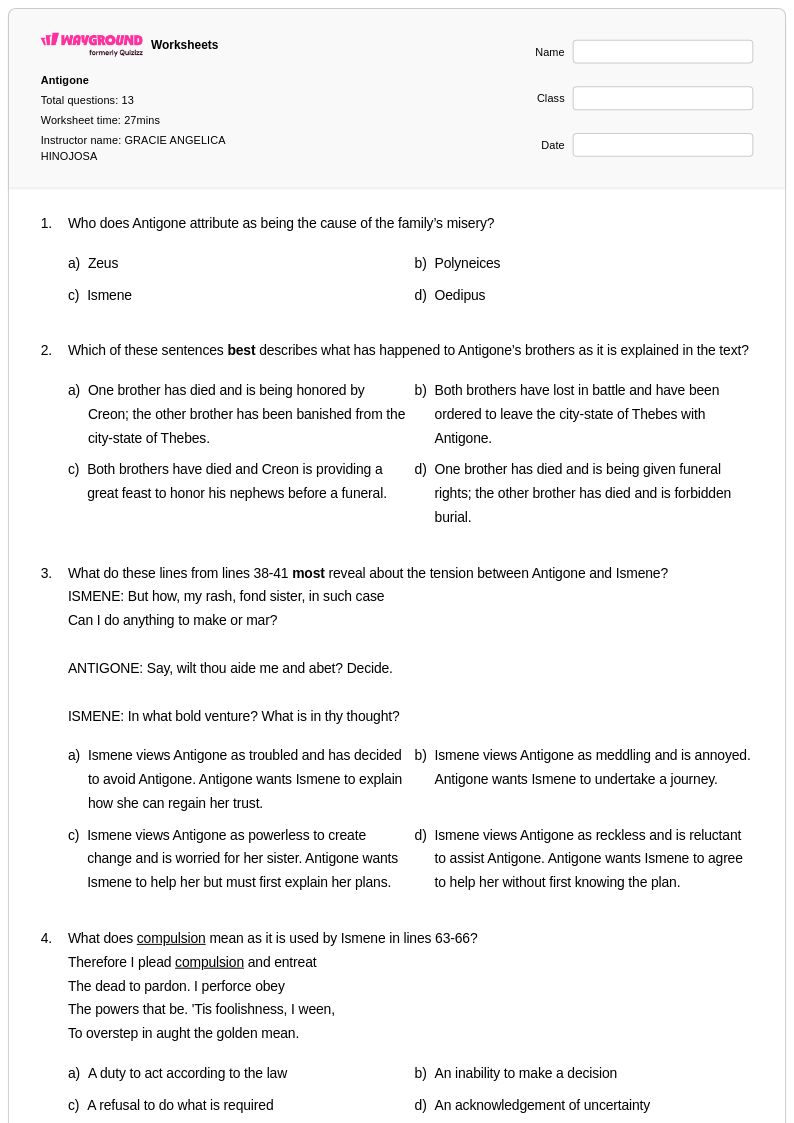
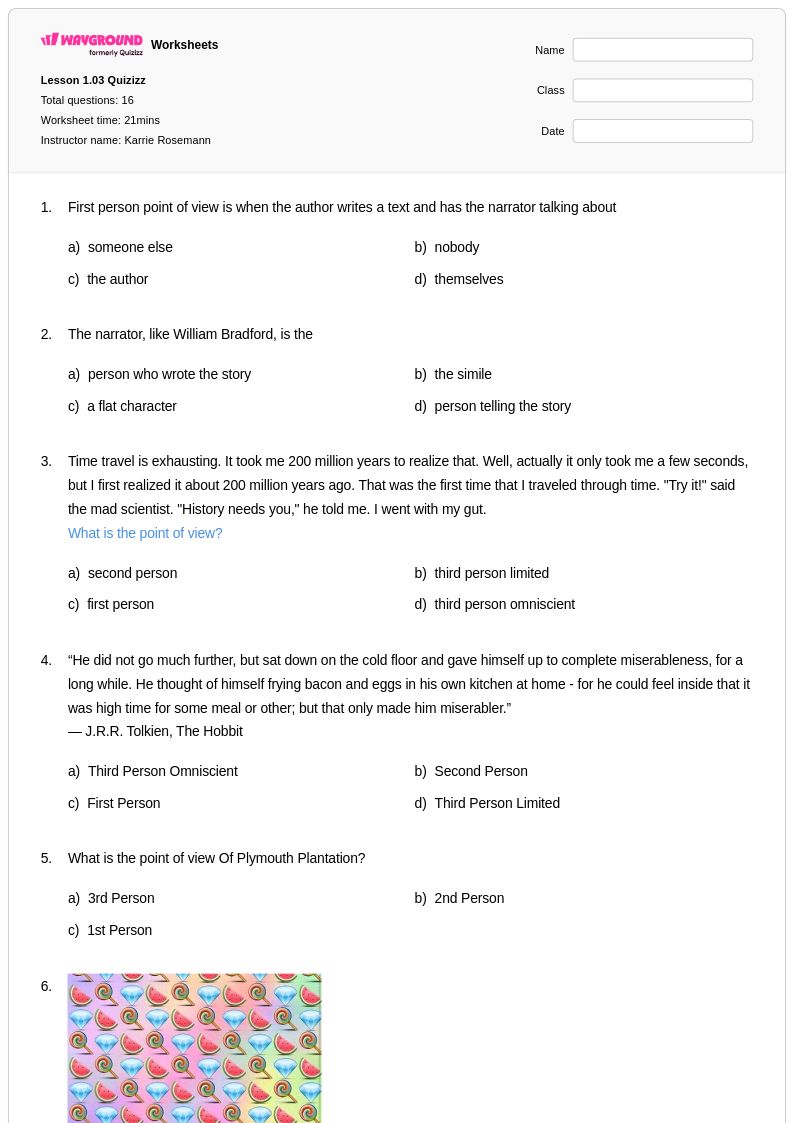
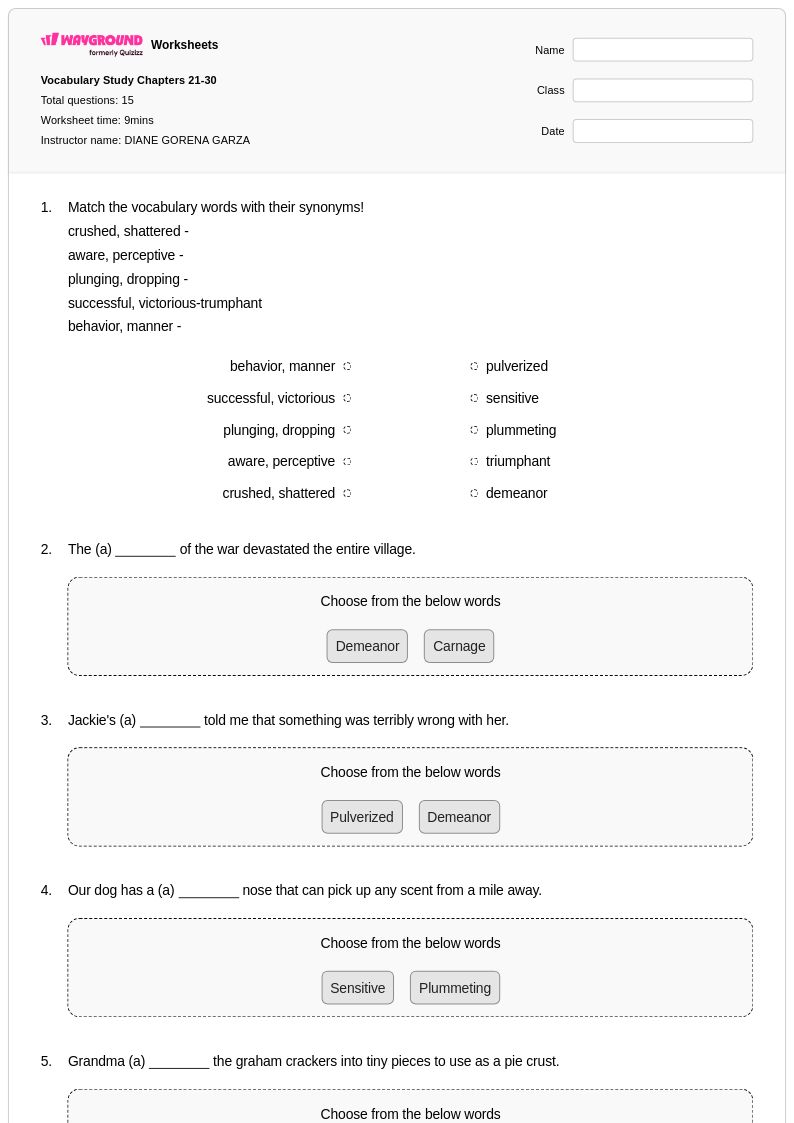
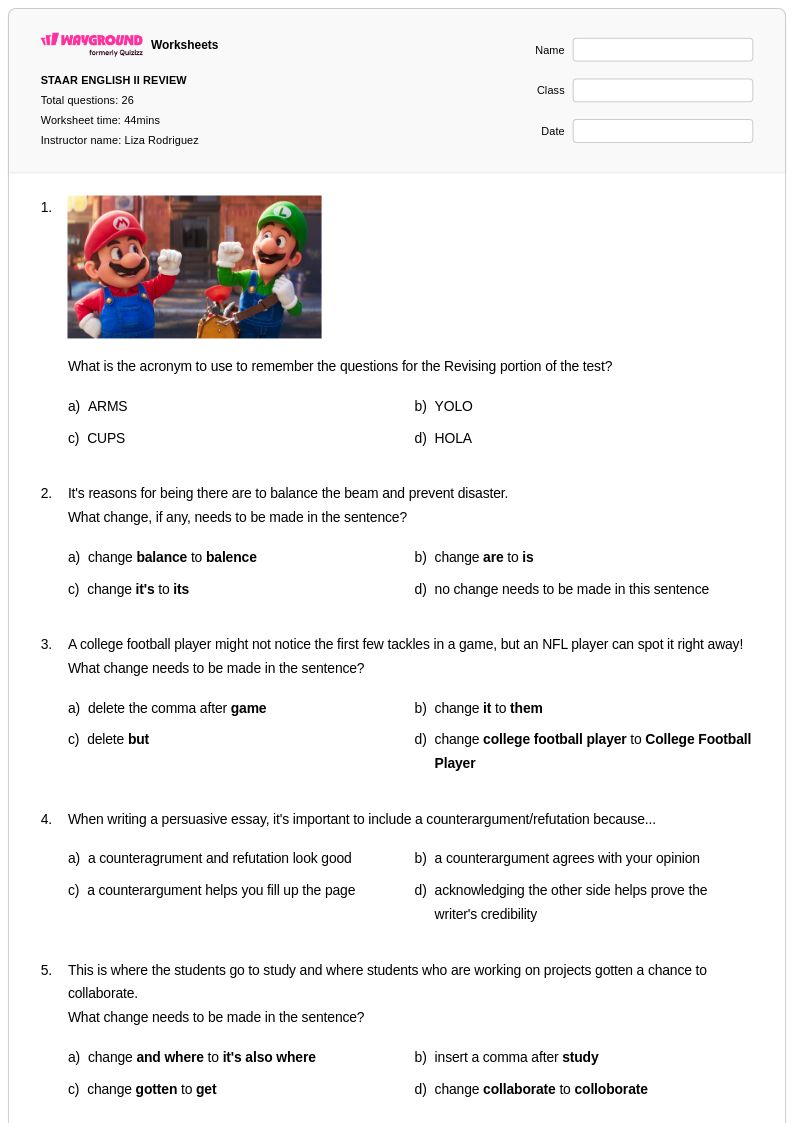
Character change worksheets for Grade 10 English provide students with essential tools to analyze how protagonists and supporting characters evolve throughout literary works. These comprehensive resources from Wayground (formerly Quizizz) focus on developing critical reading skills by examining character development arcs, motivations, and transformations across various genres including novels, short stories, and plays. Students engage with practice problems that require them to identify catalysts for character growth, compare characters' traits at different story points, and evaluate the significance of these changes to overall themes. The free printable worksheets include detailed answer keys that help students verify their analytical thinking, while pdf formats ensure easy distribution and consistent formatting for both classroom and independent study.
Wayground's extensive collection of character change analysis worksheets draws from millions of teacher-created resources, offering educators powerful search and filtering capabilities to find materials perfectly suited to their Grade 10 English curriculum needs. The platform's standards alignment ensures these printables meet established learning objectives for literary analysis, while differentiation tools allow teachers to modify complexity levels for diverse learners. Flexible customization options enable educators to adapt existing worksheets or combine elements from multiple resources, supporting effective lesson planning for both remediation and enrichment purposes. Available in both digital and pdf formats, these worksheets facilitate seamless integration into various teaching environments, helping students build confidence in analyzing character development while strengthening their overall literary interpretation skills through systematic practice.
FAQs
How do I teach character change in a story?
Teach character change by anchoring instruction around a character's beliefs, behaviors, or relationships at the beginning of a story and then tracking how those shift by the end. Use guiding questions like 'What does this character want?', 'What obstacle challenges them?', and 'How do they respond differently than they would have at the start?' This before-and-after framework helps students see transformation as a response to conflict rather than a random shift in personality.
What exercises help students practice analyzing character change?
Character mapping exercises, where students record a character's traits, motivations, and emotional state at multiple points in a text, are especially effective for building this skill. Comparative analysis tasks that ask students to contrast a character's actions in chapter one versus the climax force close reading and evidence-based reasoning. These structured practice formats help students move beyond surface-level plot summary toward genuine literary analysis.
What mistakes do students commonly make when analyzing character change?
The most common error is confusing a character's mood shift with a true character change — students often cite a single emotional reaction as proof of transformation. A genuine character change involves a lasting shift in values, worldview, or behavior, not just a momentary feeling. Students also frequently state that a character changed without citing textual evidence, so requiring direct quotes or scene references is essential for building analytical rigor.
How do I connect character change to theme in a literature lesson?
Character transformation is one of the clearest entry points into thematic analysis because what a character learns or loses often mirrors the author's central message. Ask students: 'What did this character have to give up or accept to change?' and 'What does that sacrifice suggest the author believes about people or the world?' This two-step question sequence bridges character development to thematic interpretation without requiring students to have prior experience with abstract theme analysis.
How do I use Wayground's character change worksheets in my classroom?
Wayground's character change worksheets are available as printable PDFs for traditional classroom use and in digital formats for technology-integrated or remote learning environments, and teachers can also host them as a live quiz directly on Wayground. Each worksheet includes a complete answer key, making them practical for independent practice, small-group instruction, or whole-class analysis. Wayground also supports student-level accommodations such as read aloud, extended time, and reduced answer choices, so the same resource can be differentiated for struggling readers and advanced students simultaneously.
How can I differentiate character change instruction for struggling readers?
For struggling readers, reduce the analytical demand by focusing on a single character across a shorter text and providing a structured graphic organizer with sentence starters. On Wayground, teachers can enable the Read Aloud accommodation so questions and content are read to students who need it, and the reduced answer choices setting lowers cognitive load for students who are overwhelmed by multiple-choice formats. These accommodations can be assigned to individual students without disrupting the experience of the rest of the class.