Free Printable Coping Skills Worksheets for Kindergarten
Wayground's free kindergarten coping skills worksheets help young learners develop essential emotional regulation strategies through engaging printables, practice activities, and comprehensive answer keys for effective social-emotional learning.
Explore printable Coping Skills worksheets for Kindergarten
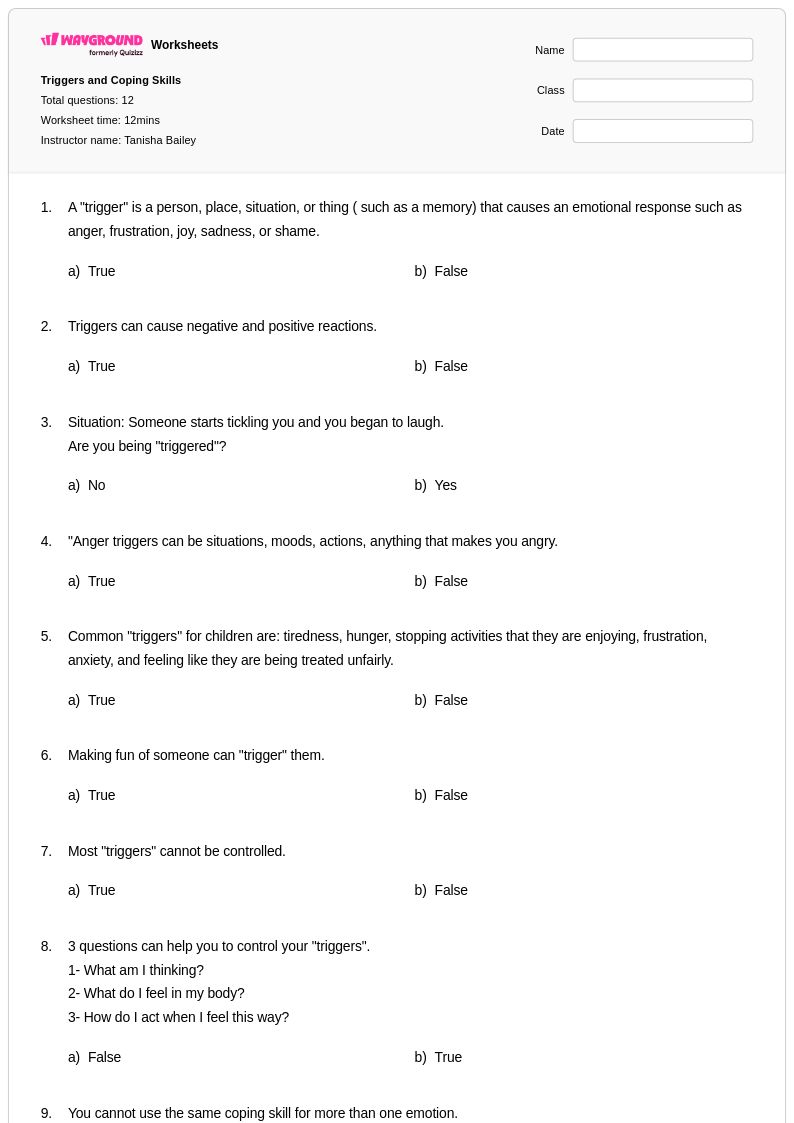
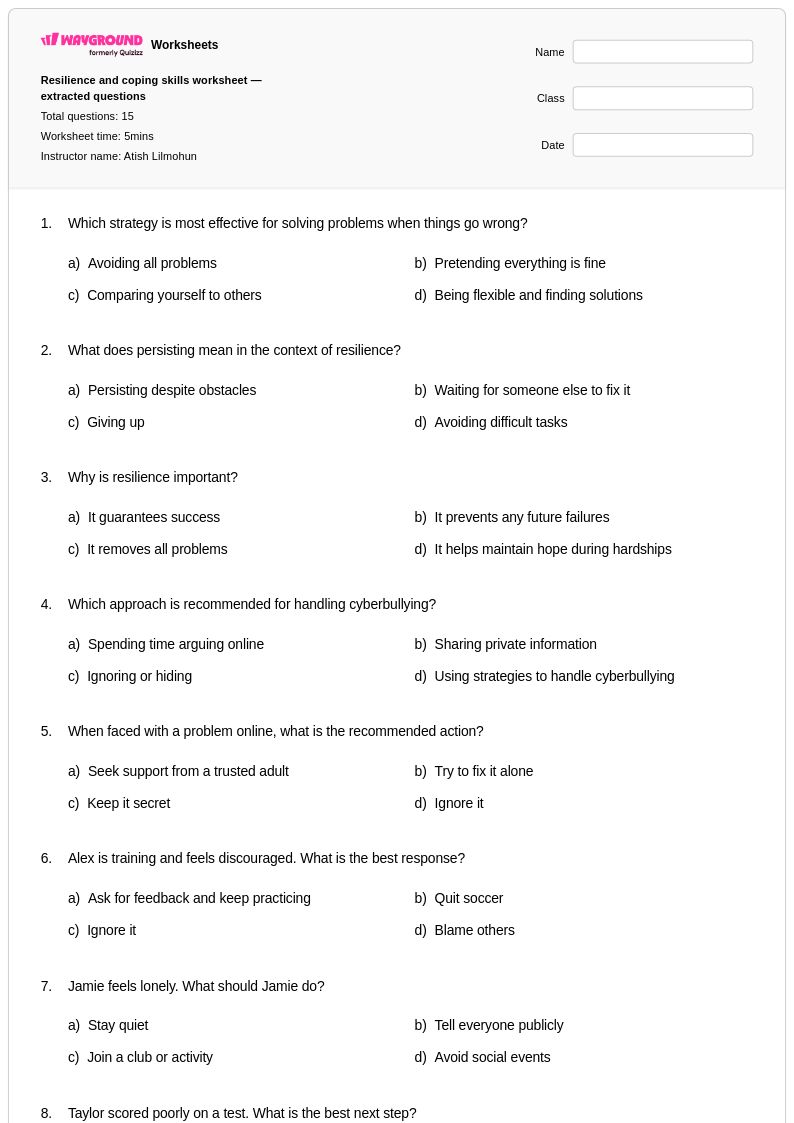
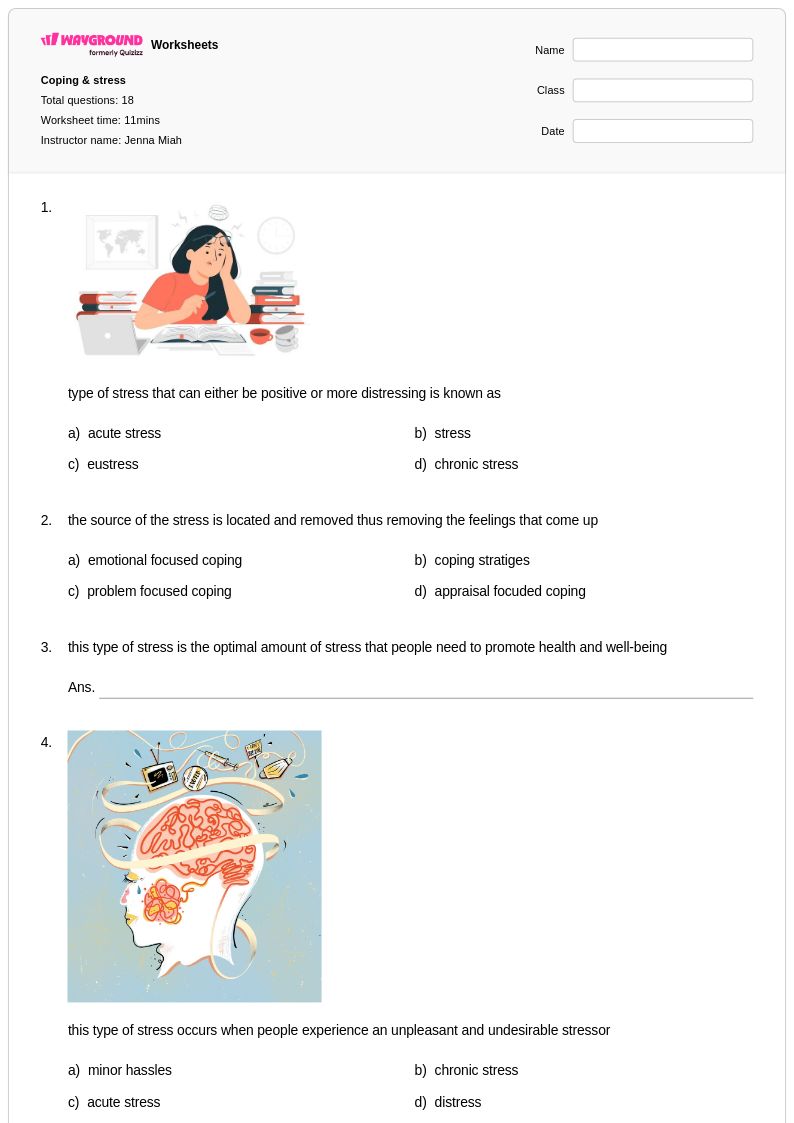
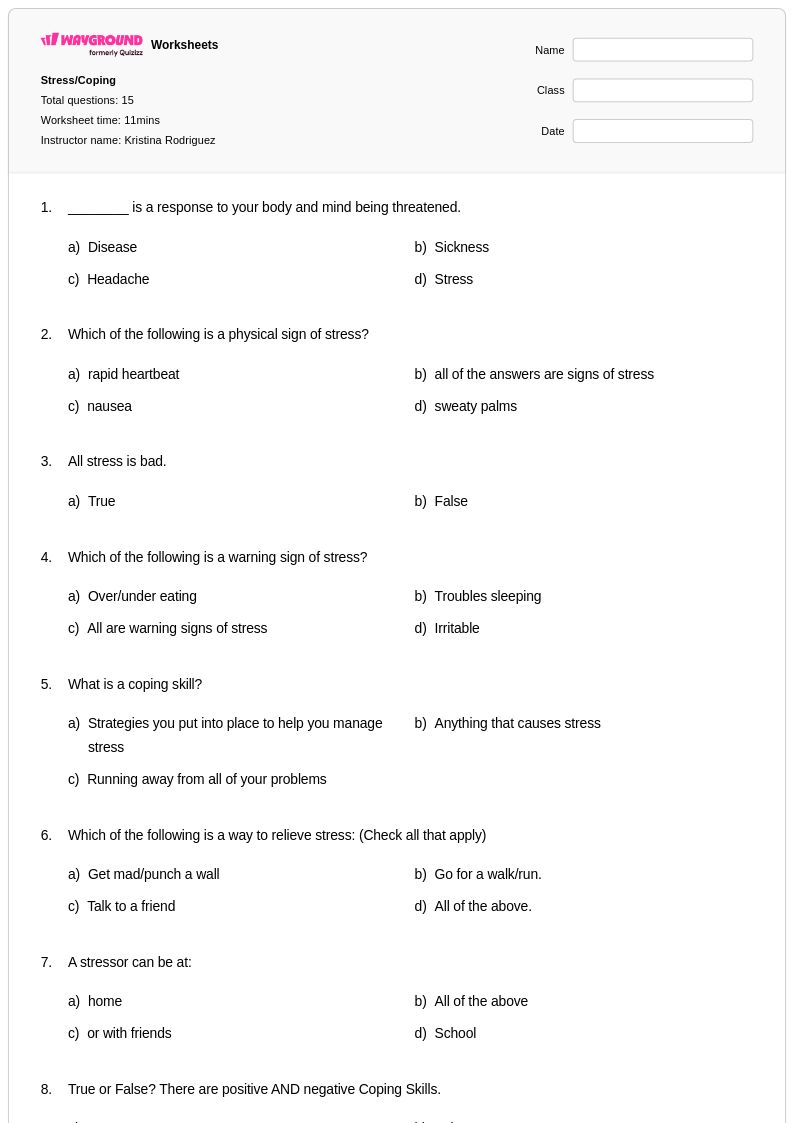
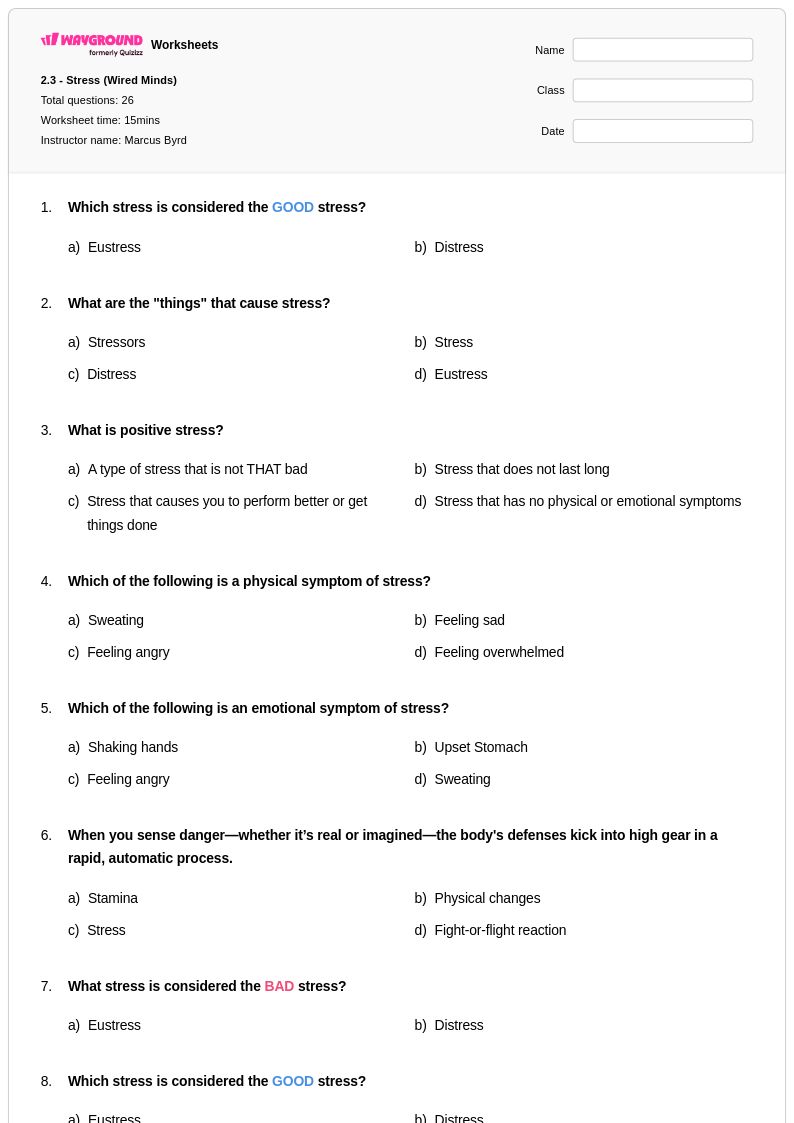
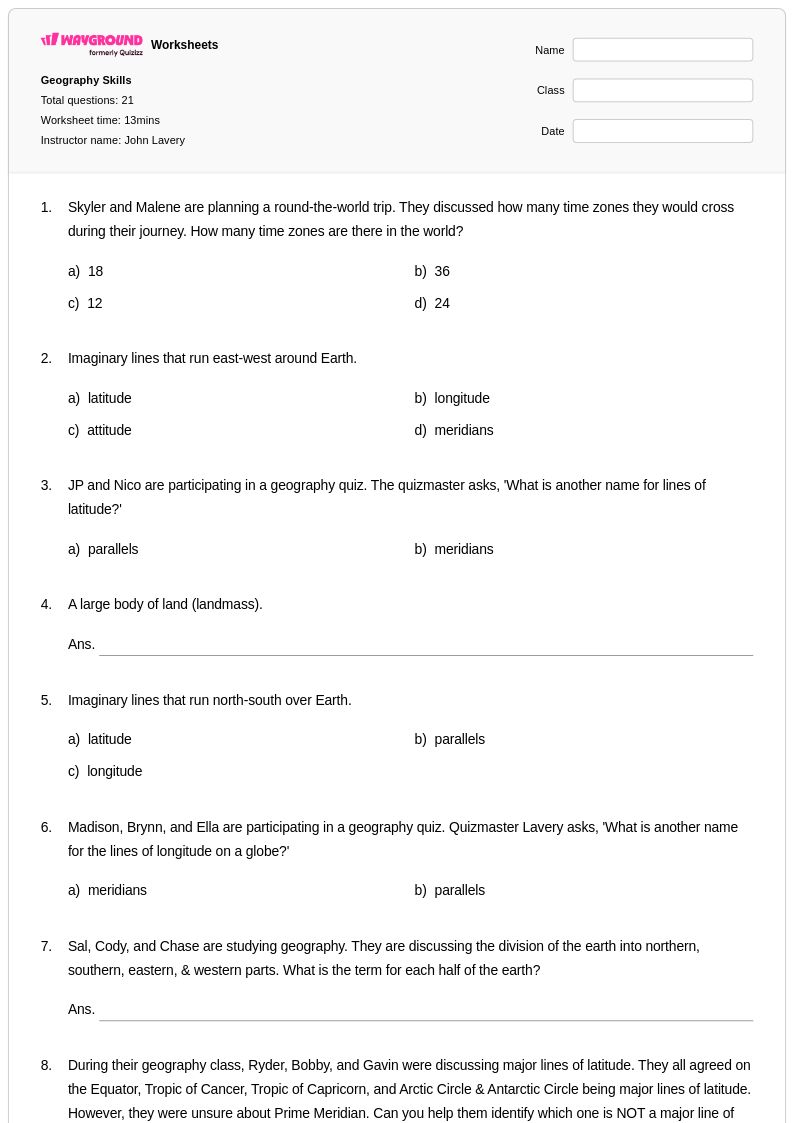
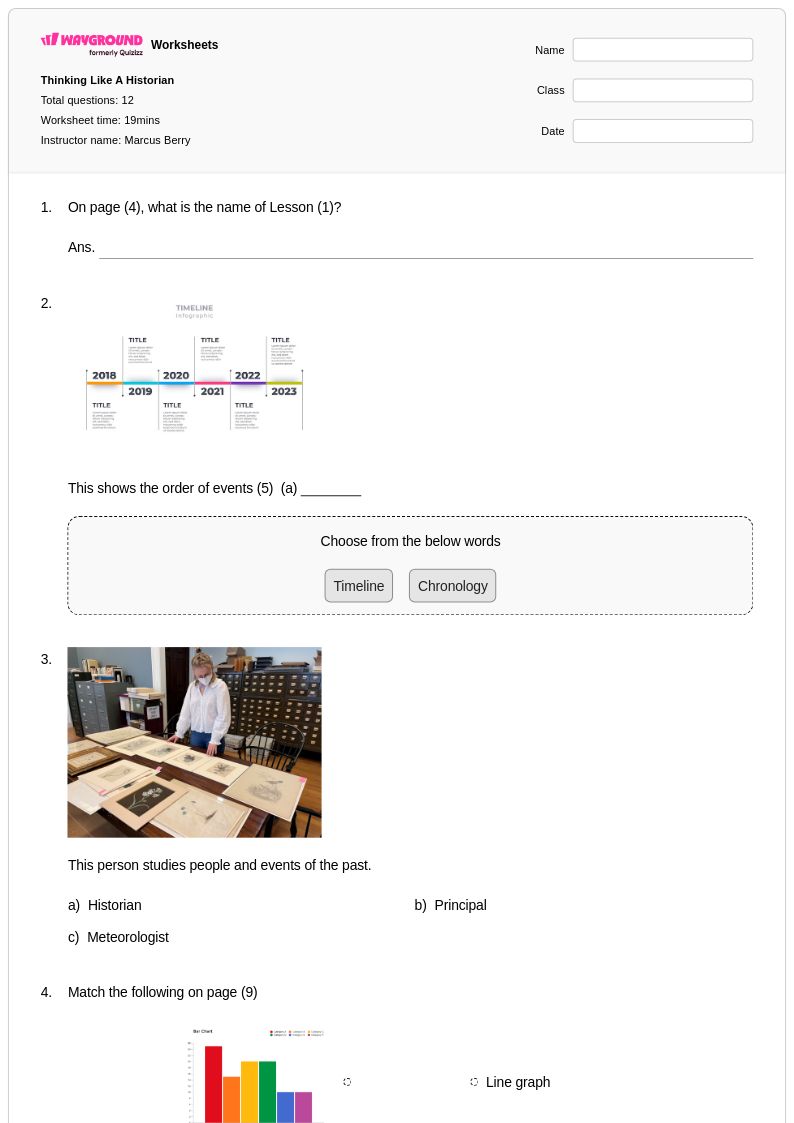
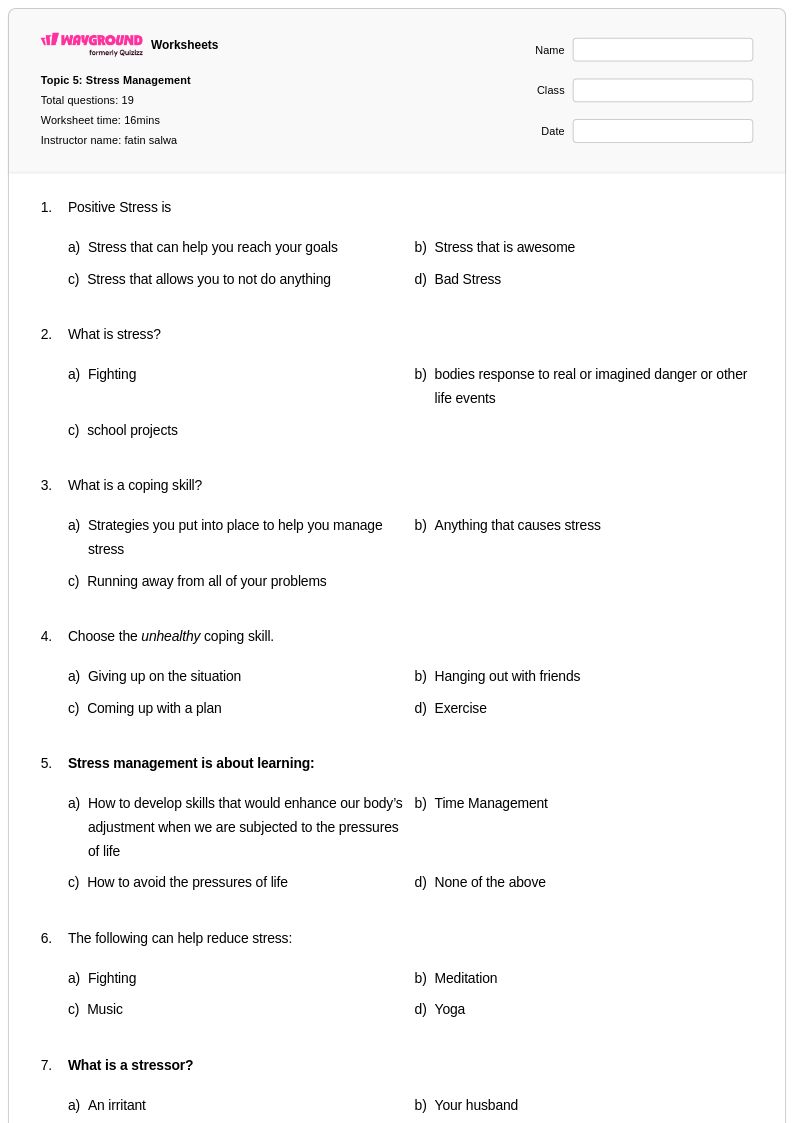
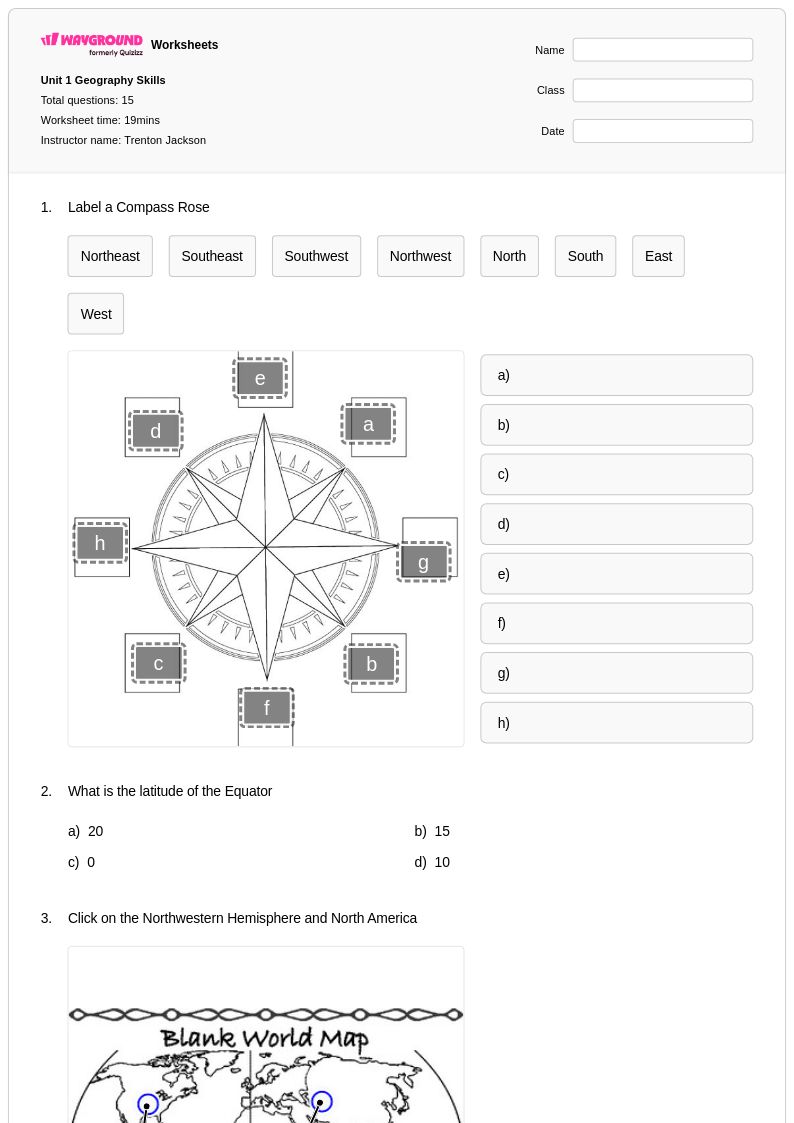
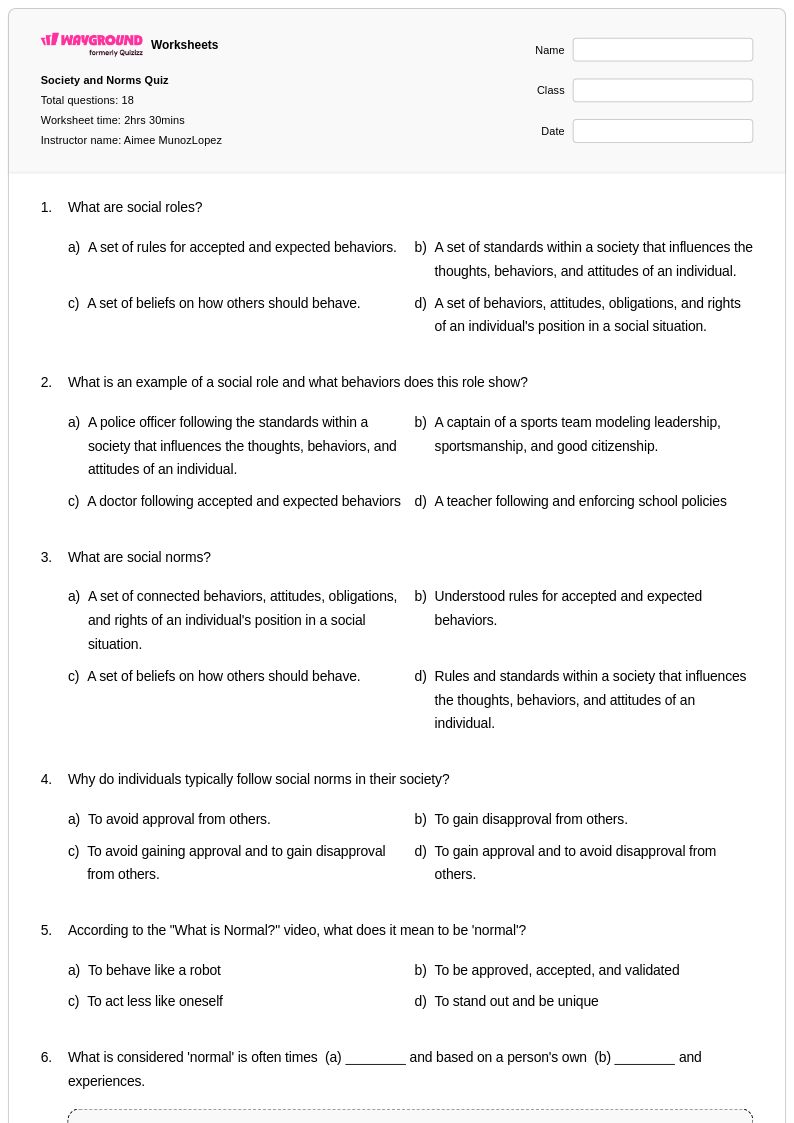
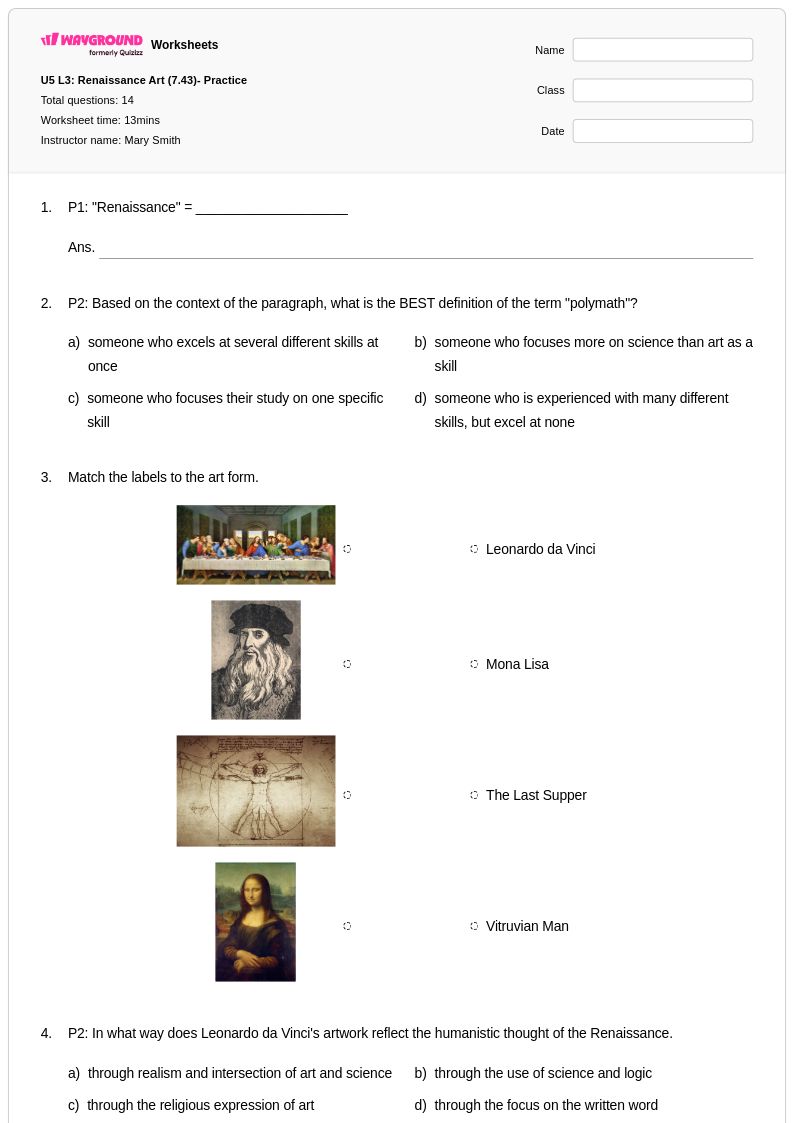
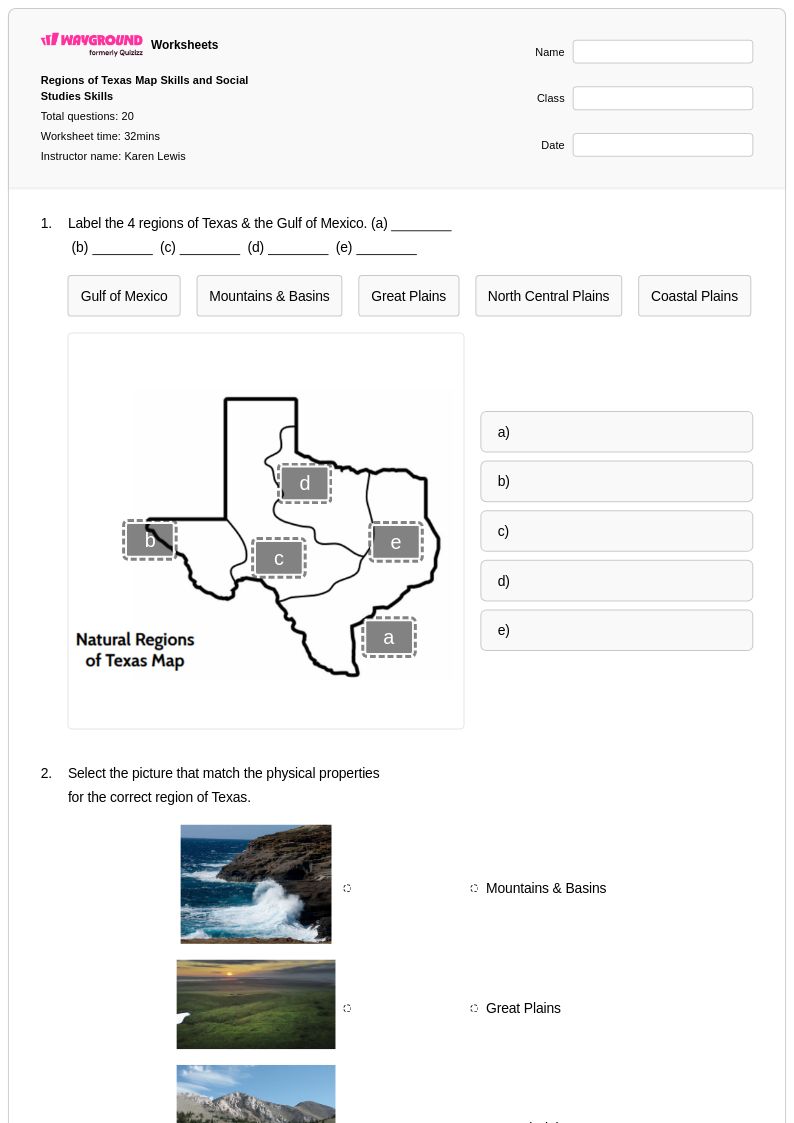
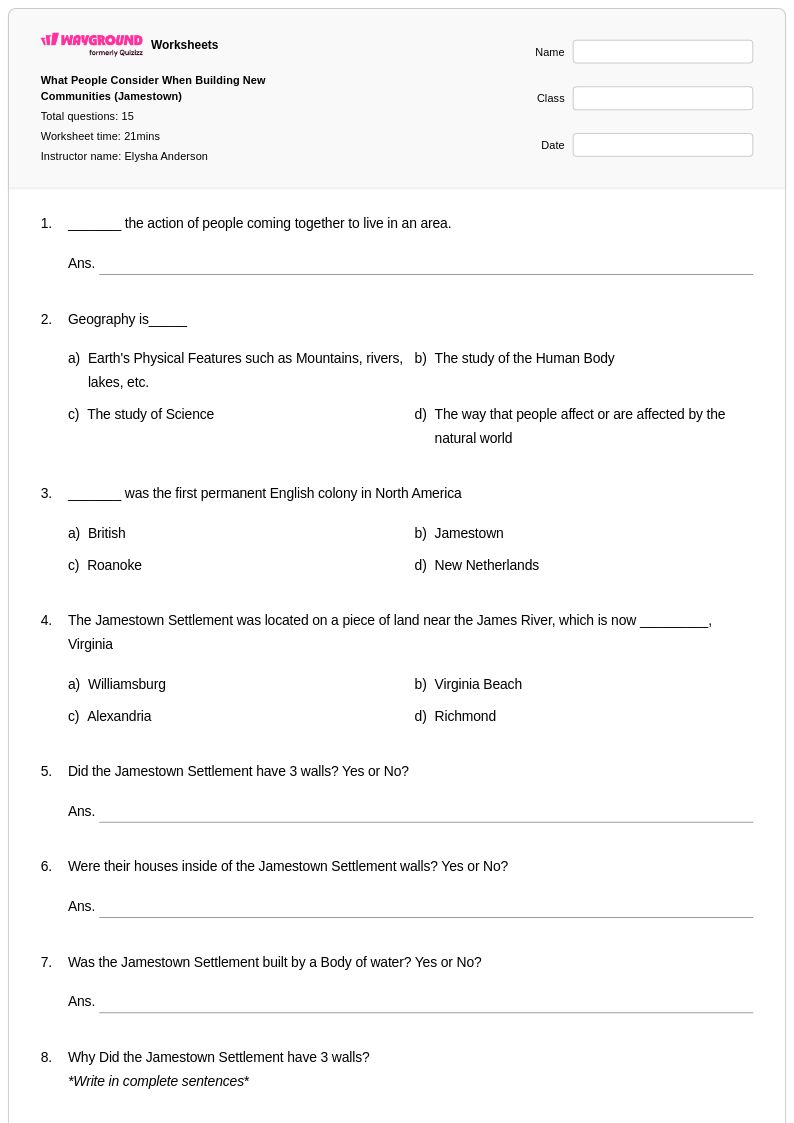
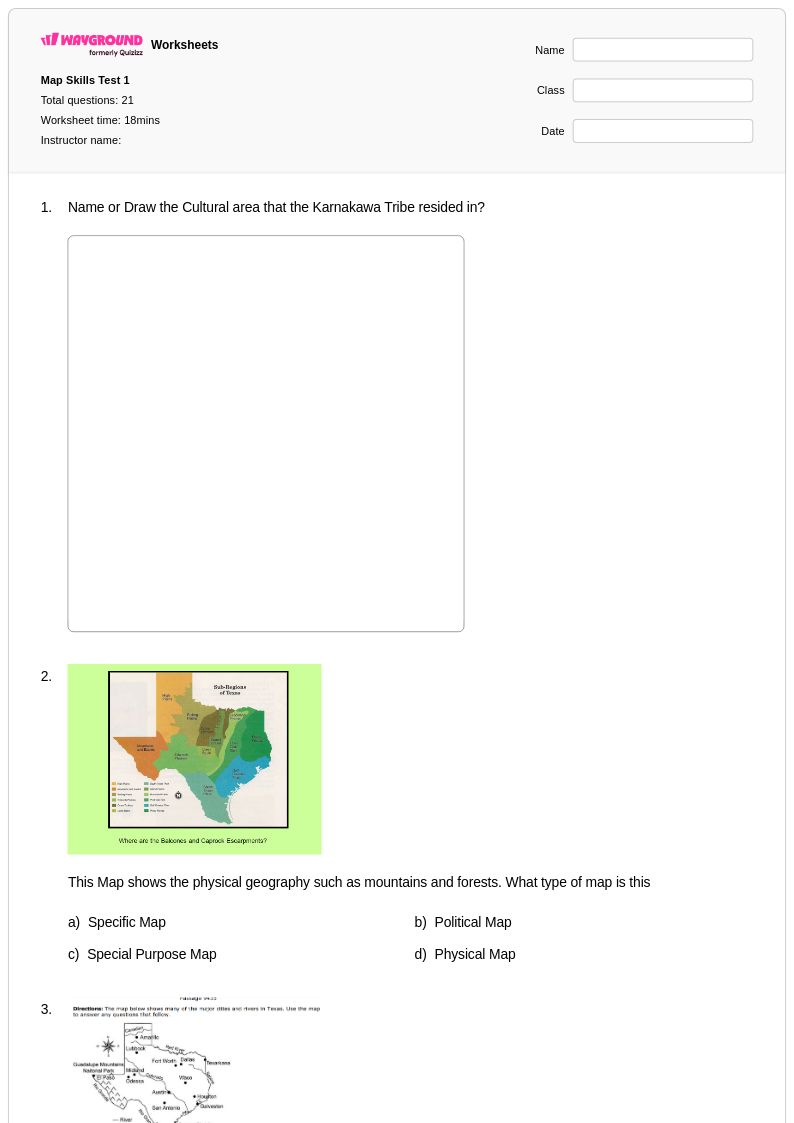
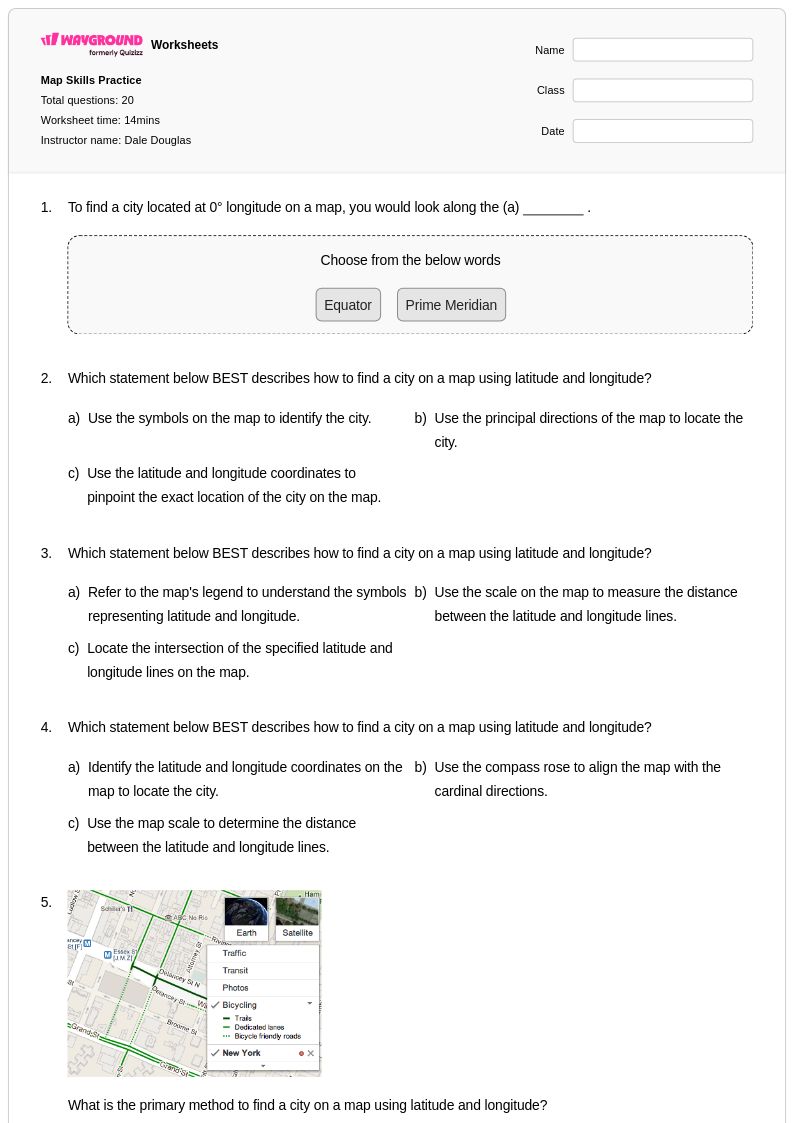
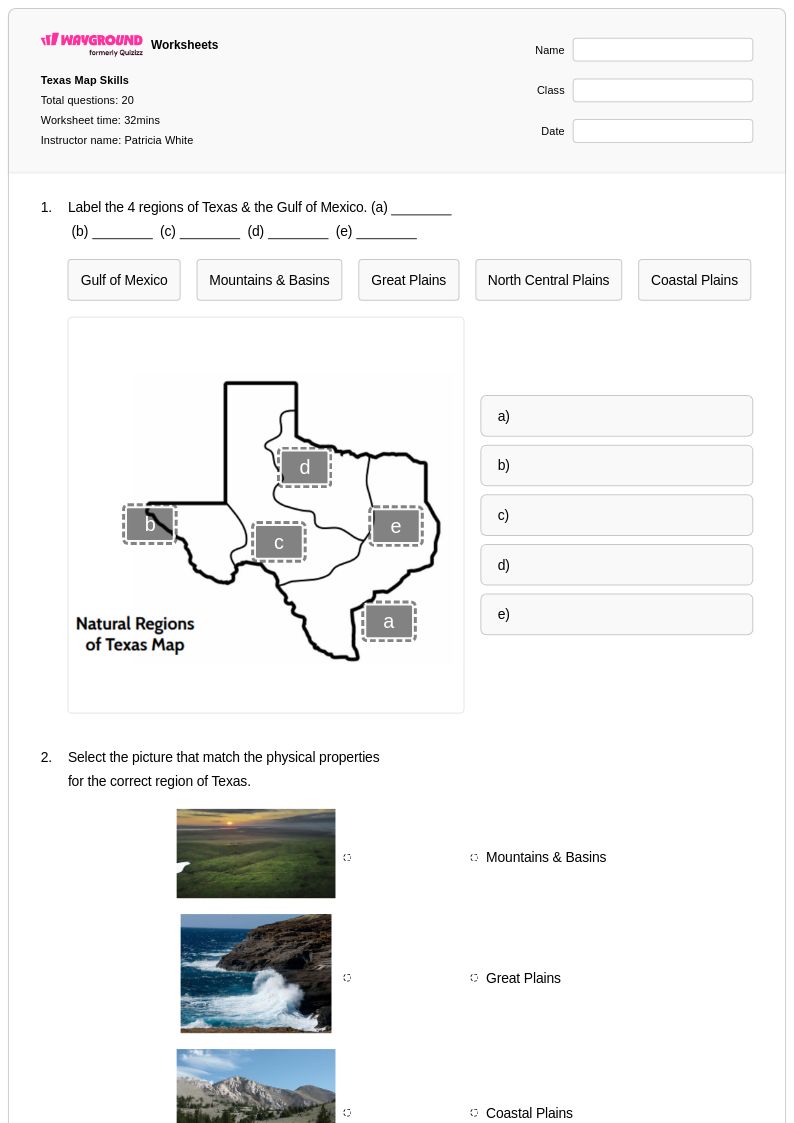
Coping skills worksheets for kindergarten students provide essential foundational support for young learners as they navigate early social and emotional challenges in educational settings. These carefully designed printables focus on helping five and six-year-old children identify their feelings, understand appropriate responses to frustration or disappointment, and develop healthy strategies for managing difficult emotions. The worksheets typically include visual activities such as emotion identification charts, simple problem-solving scenarios, and guided practice problems that teach children to recognize triggers and implement calming techniques. Each resource comes complete with an answer key to support educators in facilitating meaningful discussions, and the pdf format ensures easy distribution whether used for individual practice, small group activities, or whole-class instruction.
Wayground, formerly Quizizz, empowers educators with an extensive collection of teacher-created coping skills resources specifically tailored for kindergarten social studies curricula. The platform houses millions of professionally developed materials that can be easily located through robust search and filtering capabilities, allowing teachers to find age-appropriate content that aligns with early childhood development standards and social-emotional learning objectives. These versatile tools support differentiated instruction through customizable features that accommodate varying skill levels and learning styles, while the availability of both printable and digital formats provides flexibility for diverse classroom environments. Teachers leverage these comprehensive resources for systematic skill-building lessons, targeted remediation for students experiencing emotional regulation challenges, and enrichment activities that strengthen the social-emotional foundation crucial for kindergarten success.
FAQs
How do I teach coping skills to students in the classroom?
Effective coping skills instruction begins with helping students identify and name their emotions before introducing specific strategies like deep breathing, journaling, or positive self-talk. Structured scenarios and role-playing activities work well because they give students low-stakes opportunities to practice responses to stress, conflict, and frustration. Building in regular, brief check-ins throughout the week reinforces the skills over time rather than treating them as a one-time lesson.
What types of exercises help students practice coping skills?
Worksheets that use real-world scenarios are particularly effective because they ask students to apply coping strategies to situations they are likely to encounter, such as conflict with peers or academic pressure. Exercises that involve identifying emotions, sorting healthy versus unhealthy responses, and reflecting on personal triggers help students build both self-awareness and a practical toolkit for managing stress. Repeated structured practice, rather than a single lesson, is what leads to lasting skill development.
What mistakes do students commonly make when learning coping skills?
A common misconception is that coping means eliminating negative feelings entirely, rather than managing and responding to them in healthy ways. Students also tend to default to avoidance or distraction as coping strategies without recognizing that these can become unhealthy when overused. Worksheets that explicitly compare adaptive and maladaptive responses help students understand the difference and make more intentional choices.
How can I differentiate coping skills instruction for students with different needs?
Differentiation in coping skills instruction often means adjusting the complexity of scenarios, the number of response choices, or the level of scaffolding provided in reflection prompts. On Wayground, teachers can apply individual accommodations such as Read Aloud for students who need audio support, Reduced answer choices to lower cognitive load, and extended time settings for students who need more processing time. These settings are saved per student and can be applied without other students being notified, making differentiation discreet and manageable.
How do I use coping skills worksheets from Wayground in my classroom?
Wayground's coping skills worksheets are available as printable PDFs for traditional classroom use and in digital formats for technology-integrated learning environments, including the option to host them as a quiz directly on the Wayground platform. Printable versions work well for independent work, small group discussions, or homework assignments, while the digital format allows for immediate feedback and easy tracking of student responses. Each worksheet includes a complete answer key, supporting both self-guided student practice and teacher-led instruction.
How do coping skills fit into a social studies curriculum?
Coping skills connect to social studies through themes of community, civic responsibility, and interpersonal relationships, making them a natural fit for units on social dynamics, conflict resolution, and personal responsibility. Teaching students how to manage stress and navigate disagreements supports the broader social studies goal of preparing students to participate constructively in communities. Structured worksheets that use social and community-based scenarios help bridge the gap between personal emotional development and civic learning.